

Spatial Reconfiguration: An Alternative Approach to Overcoming Internet Healthcare Development Challenges
2021This year marks the sixth year of Shanghai Liankong Network Technology Co., Ltd. in the field of internet healthcare.。“2021Liankong Medical New Product Launch & Liankong Network 6th Anniversary Celebration“held as scheduled on this day.
Kuang Hua, founder and CEO of Liankong Network, once again took the podium. He was still wearing a simple black short-sleeved shirt, remaining as consistent as ever over the years.
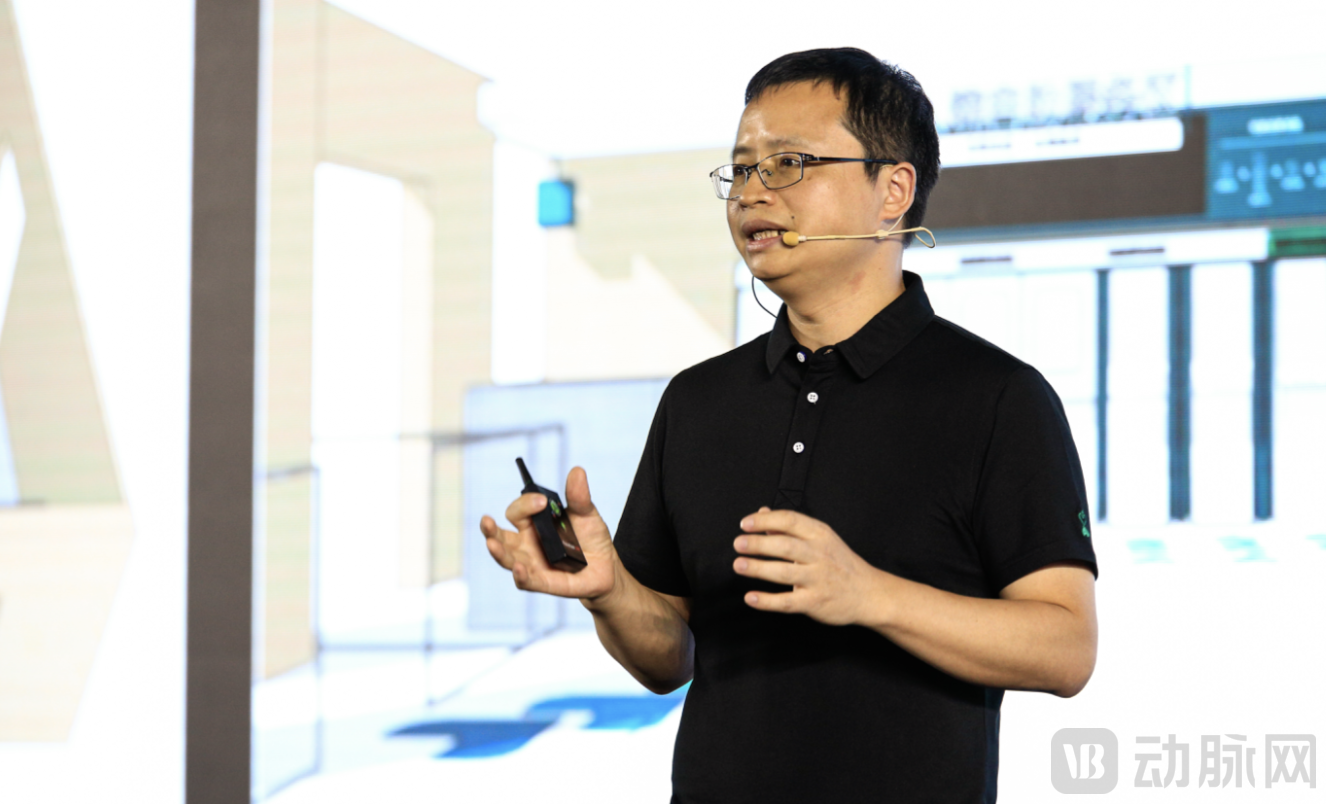
Kuang Hua, Founder and CEO of Liankong Network
At the press conference, numerous industry experts, partners, and users from medical institutions gathered. Taking this opportunity,Kuang Hua shared Liankong Network’s current development theme—“Digital Intelligence · Reconstructing the Healthcare Space”, and provided relevant interpretations and explanations of the significance behind this concept, the approach to addressing pain points in healthcare access, and the current achievements of Liankong Network.
Based on the core proposition of “patient-centeredness and clinical needs as the starting point” in the current construction of smart hospitals, and after an in-depth exploration of pain points across the care journey—such as patients’ difficulty in efficiently matching with precise medical resources during the pre-consultation phase; cumbersome, fragmented, and disordered processes that are time-consuming and labor-intensive during the consultation phase; and limited channels for doctor-patient communication outside the hospital during the post-consultation phase—Shanghai Liankong Network Technology Co., Ltd. has proposed its own solution from a spatial perspective, drawing on its unique insights.
By reshaping the patient space, we further reshape the spatial dimensions and systems of healthcare.
In simple terms, Liankong Network aims to capture incremental value through technology. By applying big data, artificial intelligence, cloud computing, and the Internet of Things (IoT) to healthcare scenarios, it liberates physical medical spaces, amplifies healthcare service capabilities, establishes an age-friendly support system, unifies operational standards, and lowers usage barriers. This achieves a digital and intelligent reconstruction of both the physical and virtual spaces involved in the medical consultation process, thereby optimizing patient care pathways and comprehensively enhancing the efficiency and quality of healthcare services.
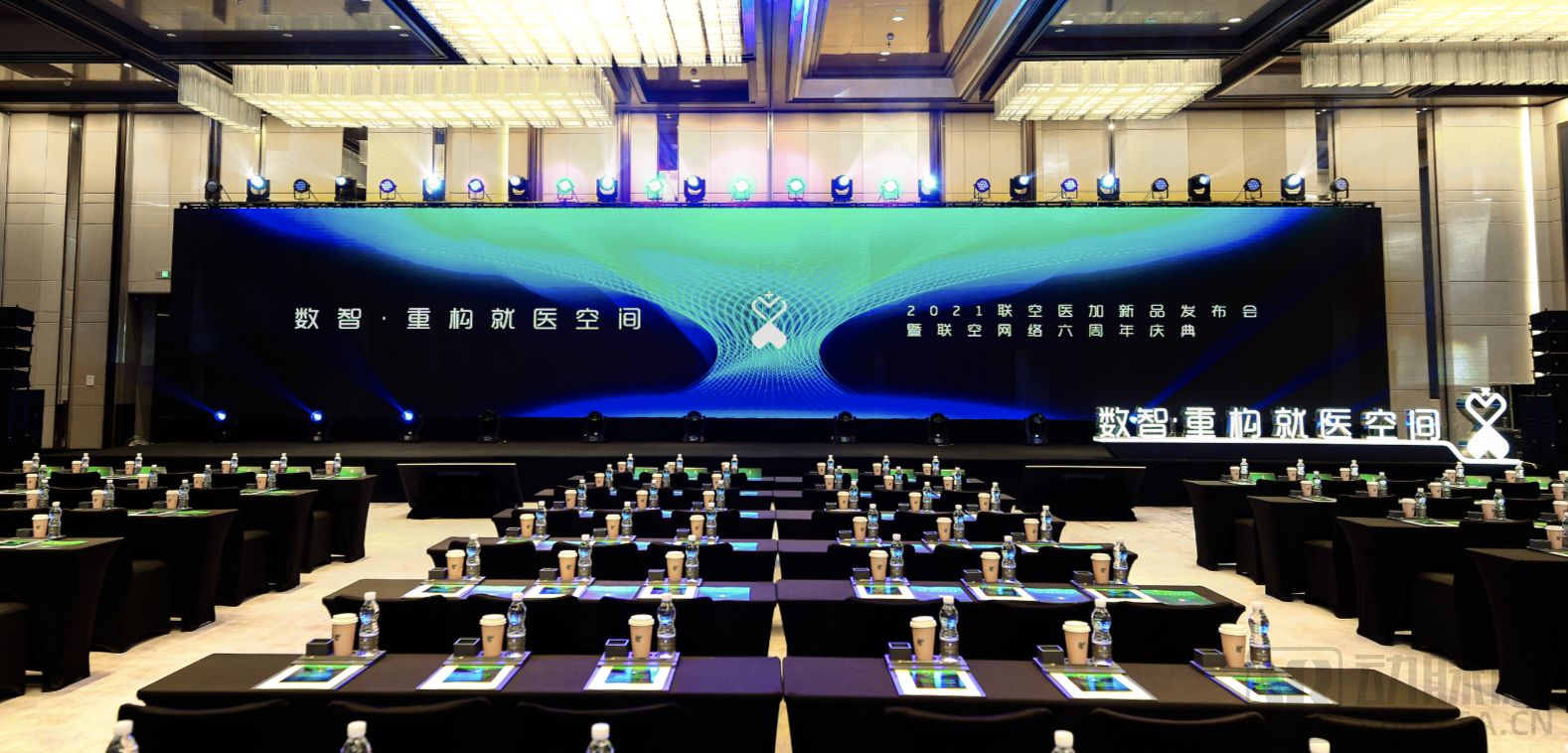
In 2020, Liankong Medical proposed the “Smart·Online” initiative; to date, its outcome-oriented operational metrics system has been validated.
At the conference, Kuang Hua unveiled a package of achievements.
First, the online follow-up consultation rate at a large tertiary hospital’s internet hospital has grown from 0% to 33.78% since its launch in 2020. Meanwhile, the unattended consultation rate has risen from 17.23% to 51.37%.
Second, the medical-elderly care collaboration and medical-enterprise cooperation solutions based on internet hospitals have been successfully implemented.
Third, its nationwide service system has been basically completed.
Fourth, Liankong Network currently collaborates with 500 hospitals, has accumulated 180 million transaction visits, achieved a total transaction volume of RMB 40 billion, registered 20 million mobile users, and maintains 100,000 daily active users.
The company’s rapid growth is attributable to Liankong Network’s accurate assessment of the trends in internet hospital development.
Kuang Hua believes, internet hospital development enterprises currently face a strategic dilemma: whether to target the “existing market” or the “incremental market.” At this crossroads, Liankong Network has set its sights on the existing market, aiming to enhance hospitals’ patient reception capacity by addressing the mismatch between limited clinical service capacity and growing healthcare demand. This approach seeks to further alleviate patients’ difficulties in accessing medical care while simultaneously improving hospitals’ economic performance.
Based on this assessment, Liankong Network further proposed four pathways to address the existing demand for medical care: freeing up physical medical space, amplifying healthcare service capacity, establishing an age-friendly support system, and unifying operational standards to lower barriers to access.
How to do it? Kuang Hua stated, “Reconstructing the healthcare space with digital intelligence.”
Addressing the pain points in the current development of internet hospitals, Liankong Network restructures them with a “spatial” mindset, approaching problem-solving from a different perspective and introducing corresponding solutions. Unattended physical healthcare spaces; internet hospitals as virtual healthcare spaces; smart consultation rooms as the third exclusive space.
Comprehensively extend online scenarios both horizontally and vertically across outpatient, inpatient admission/discharge, internet hospital, and smart consultation room settings.
Taking the outpatient scenario as an example, Liankong Network has launched three applications: precise medical consultation assistance, self-service nucleic acid test ordering, and self-service examination and laboratory test ordering. In the admission and discharge scenario, it has introduced three applications: online review of admission reports, discharge settlement, enhanced interim settlement capabilities, and home delivery of medical records, thereby extending the hospital’s physical space outward while addressing patient needs.
Its new scenario-based smart consultation room is a powerful tool for extending B2B medical services. It not only features five product formats but also provides exclusive medical services, including health consultations, follow-up visits with prescription refills, and self-service vital signs monitoring. Additionally, it establishes connections among physicians, special-needs populations, and health managers, thereby enabling efficient utilization of medical resources.
Kuang Hua used a simple diagram to concisely summarize the core logic of the aforementioned product strategy.
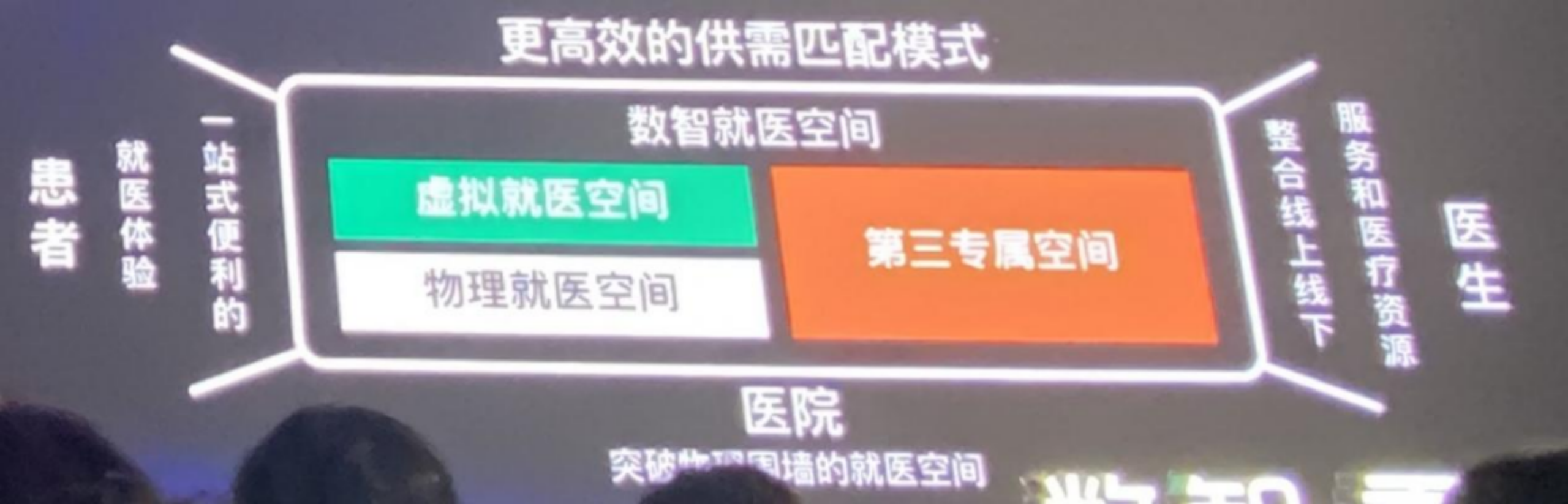
Simply put, the digital-intelligent healthcare space is the sum of the virtual healthcare space, the physical healthcare space, and the third exclusive space. To achieve unattended operation, the physical healthcare space must be renovated and restructured to reduce queuing and further liberate its capacity.
Internet hospitals, or virtual care spaces, should be further optimized to provide intelligent services. Rather than offering fragmented, single-function features, they should establish an integrated, closed-loop system that seamlessly connects online and offline settings as well as in-hospital and out-of-hospital care, thereby delivering more valuable medical services to patients.
Smart Consultation Rooms constitute the third exclusive space, extending medical services beyond hospital premises to settings such as enterprises, nursing homes, communities, and business districts, thereby establishing digital healthcare spaces for B-side clients in need of medical services. They provide patients with more convenient access to clinical care and offer physicians digital internet-based consultation rooms.
What Liankong Network has achieved, from a physical perspective, is the integration of virtual medical spaces, physical medical spaces, and third-party exclusive spaces into a comprehensive, digitally-based intelligent healthcare ecosystem. This provides patients with a one-stop, convenient medical experience, ensuring high-quality care regardless of which space they are in.
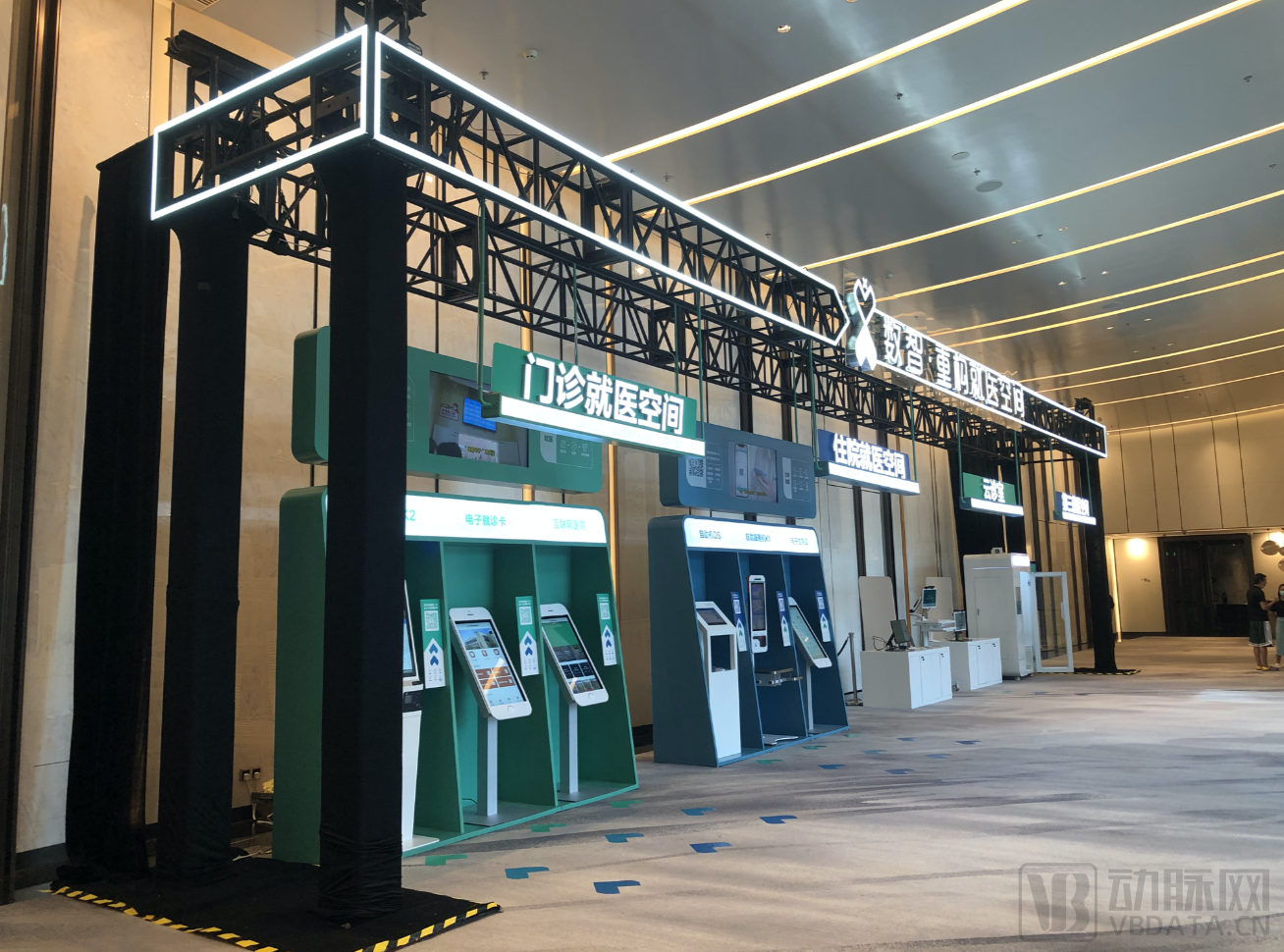
Moreover, Liankong Network has upgraded its smart portal to make it more integrated, personalized, and intelligent. It consolidates cumbersome and fragmented operational processes into a single entry point, featuring one-time card binding, three major scenarios, a unified personal center, and a unified message center. The company has also implemented comprehensive and in-depth applications of the electronic medical insurance certificate and carried out a full-scale upgrade of the self-service kiosk operating system.
To implement these strategies, there must be a comprehensive system in place.
In terms of secure payment and comprehensive reconciliation, Liankong Network provides support for electronic medical insurance credentials, reconciliation via Suishenban, prescription circulation reconciliation, and automated reconciliation tools. In digital operations, Liankong Network starts with process optimization, integrating traditional diagnostic and treatment methods into its system, while updating all hospital processes and management systems by embedding Liankong’s software and hardware products to achieve spatial optimization. For physician operation systems, Liankong Network provides corresponding process optimizations.
Overall, Liankong Network reshapes scenarios by intelligently upgrading offline spaces and providing one-stop, full-process intelligent services online. It reengineers and optimizes user pathways from offline to online scenarios, empowered by three major intelligent applications and three knowledge bases.
Faced with the challenges of building internet hospital products, Liankong Network has also taken its own steps. Driven by technology and business operations, it has overcome issues related to security compliance and operational maintenance assurance.
In the future, Shanghai Liankong Network Technology Co., Ltd. will also leverage key technologies such as the Internet of Things (IoT) and cloud computing to continuously support the iterative development of the three major knowledge bases, enable intelligent scenario outputs, and strive to meet the next phase of smart healthcare infrastructure development.
The emergence of driving factors such as policy shifts, patient needs, new infrastructure development, and the pandemic has gradually heightened awareness of the significance of internet healthcare to the future of medicine. Today, public hospitals are transitioning from extensive management practices of the past to refined management, shifting their focus from hardware investment to emphasizing human value. Over the past decade of evolution in internet healthcare, “people-centricity” has become particularly critical.
Regarding the emerging concepts proposed by Liankong Network for internet healthcare, Kuang Hua stated“I am very fond of the design of the VI wormhole imagery for this conference’s theme. This is precisely the effect we aim to achieve: traversing space through a wormhole to enter a larger galaxy and a vaster expanse. Through this wormhole, we can facilitate transitions between virtual and physical spaces. We hope that Liankong Yijia will ultimately transform itself into such a wormhole, breaking through the constraints of physical space and bridging the physical and virtual realms to deliver more efficient services to a broad patient population.”
Looking back on the journey of Liankong Network, change and constancy have been interwoven throughout. Although it has continuously innovated its concepts and products, its original aspiration remains unchanged—much like the black short-sleeved shirt worn by Kuang Hua.
At the conference, Kuang Hua mentioned“Every year at our anniversary celebration, we conclude by quoting Lei Jun: ‘Be the MUJI of the tech industry.’ We aim to leverage the technological capabilities of Shanghai Liankong Network Technology Co., Ltd. to deliver superior technical products and empower healthcare.”
Subsequently, Kuang Hua provided no further in-depth interpretation.VCBeat sought to uncover the significance of the phrase “the MUJI of the tech industry” for Liankong Network, identifying five key attributes: rigor, human-centricity, meticulousness, emotional resonance, and fair pricing.
Perhaps this is the constant that has defined Liankong Network from its initial partnership with Alipay, through its independence, to becoming “itself” today.