

International Dialogue Unveils New Landscape for Digital Therapeutics: 2021 DTx Global Summit Successfully Concludes
On July 30, byPreparatory Committee for Digital Therapeutics Systems Engineering, China Association for the Promotion of Rehabilitation Technology Translation and Development(The followingAbbreviationSpecial Committee (Preparatory)) hosted by,VCBeat, Yuan Yi Capital, Sanofi (China), Viatris, Weimai, Qianglian Zhichuang, Fosun Pharma, Takeda (China)Co-hosted by,Tasly, Senmei Medical, Huanuo Zhisheng, Miao Health, Shukang, Yuanxin Medical Technology, Rendong Medicine, Tigermed Jietong, Liangyihui, Bositeng Technology, Guyitang, Jianhai Technology, Shuyao, Zhongke ZhikangCo-organizer,Yongliu Technology, Yunkai Yamei, ALSOLIFE, Changling Capital, BlueRun Ventures, Shengshan Asset Management, Wangli TechnologySupport,China-EU Cooperation in Science, Technology and InnovationThe 2021 International Summit on Digital Therapeutics, with special support, grandly opens.
2021 International Summit on Digital Therapeutics brought together for the first time two major industry organizations, CDTSP (pre) and DTA, to discuss the development of the digital therapeutics industry with participants from China, the United States, Germany, Canada, and other countries. Experts in regulatory review and approval, health insurance reimbursement, and industry research led interpretations of frontier trends. Six high-quality digital therapeutics projects from three countries were presented through roadshows, exploring patterns of international cooperation and innovation in digital therapeutics. The enthusiastic onsite attendance further confirmed the current strong momentum in the development of digital therapeutics.

(2021 International Summit on Digital Therapeutics)

(Moderator: Bi Yuanfeng, COO of VCBeat; Song Yiran, Investment Director at Yuanyi Capital)
Leader's Address

(Yang Han, Deputy Secretary-General and Head of the Strategic Development Department of the China Association for Promotion of Rehabilitation Technology Transformation and Development)
The digital therapeutics industry is rapidly developing in countries around the world,In recent years, with the continuous improvement of China’s communications infrastructure and the ongoing application of innovative technologies, the digital therapeutics industry in China has been flourishing, keeping pace with developed nations on the global stage.Strengthening international exchanges and cooperation while leveraging the unique characteristics of our domestic market, as well as mutually drawing on innovative experiences, will help China’s digital therapeutics industry forge a path defined by Chinese standards and the Chinese model. This will also facilitate the launch of a new paradigm of sincere collaboration within the global digital therapeutics sector, amplifying China’s voice in the industry to international peers. As a national-level industry association,We look forward to contributing to the global development of the digital therapeutics industry, fostering industrial clusters, and systematically building an integrated platform for industry, academia, and research through multi-party collaboration.
Jiang Tianjiao: Digital Therapeutics: How to Embrace the Roaring “Paradigm Revolution”?

(VCBeat Research Institute Director, Jiang Tianjiao)
Digital therapeutics represent a paradigm shift in the medical field, ushering digital health from the eras of “connectivity” and “computation” into the age of “disease intervention.”
Digital Therapeutics (DTx) are evidence-based therapeutic interventions driven by software programs, designed to treat, manage, or prevent diseases. Digital therapeutics represent a dual paradigm shift in the healthcare sector. On one hand, from the perspective of treatment modalities, DTx transcends traditional pharmacological and medical device-based approaches, achieving breakthrough innovations in therapy through Cognitive Behavioral Therapy (CBT). On the other hand, within the broader context of digital health, DTx is leading the industry from an era focused on “connectivity” and “computation” into an era of “disease intervention,” thereby truly integrating digital technologies into the core processes of diagnosis and treatment.
Owen McCarthy:DTx Industry and MedRhythms

(Owen McCarthy|President,Board of Directors and Co-Founder .MedRhythms, Inc;Member Board Of Directors .Digital Therapeutics Alliance)
Digital therapeutics is the next big trend in healthcare; Healthcare 3.0 is digital therapeutics.
Digital therapeutics have diverse commercialization pathways; whether they are used to treat specific indications as drug-like therapies determines whether FDA approval is required. The digital therapeutics industry has undergone evidence-based real-world studies, and the current challenge lies in securing reimbursement from healthcare institutions or insurance payers. As an alliance established in response to industry development needs, the Digital Therapeutics Alliance (DTA) has spared no effort in setting industry standards, enhancing industry visibility, and promoting sector growth. The DTA is also committed to engaging healthcare decision-makers in its initiatives to demonstrate the value of digital therapeutics.
Zhang Lehui: Digital Therapeutics from the Perspective of Medical Insurance Payment

(Zhang Lehui, Head of the Payment and Price Research Group at the National DRGs Quality Control Center, and Hospital Management Researcher)
Basic medical insurance and commercial health insurance are the most significant market characteristics in the healthcare sector. Diagnosis-Related Groups (DRG) standardize disease classification into distinct tracks, each with varying demands for digital therapeutics across prevention, outpatient care, hospitalization, rehabilitation, and nursing. From the perspective of insurance reimbursement, digital therapeutics can serve as a key component of precision diagnosis and treatment services, or as part of—or an adjunct to—standardized pharmaceutical and consumable services. Their clinical, commercial, and investment values differ accordingly.
Xu Xufeng: DTx in Practice for Chronic Disease Management

(Xu Xufeng, Director of Digital Interaction and Transformation, Health Technology Solutions, MSD China)
For digital therapeutics, an emerging force in healthcare, chronic disease management is a promising core track.
In this presentation, Xu Xufeng explored the needs of patients with chronic diseases and models for chronic disease management, sharing case studies based on a series of specific practices within these models.
Martin Williams:Disease-Modifying Digital Therapeutics for Neurodegenerative Diseases
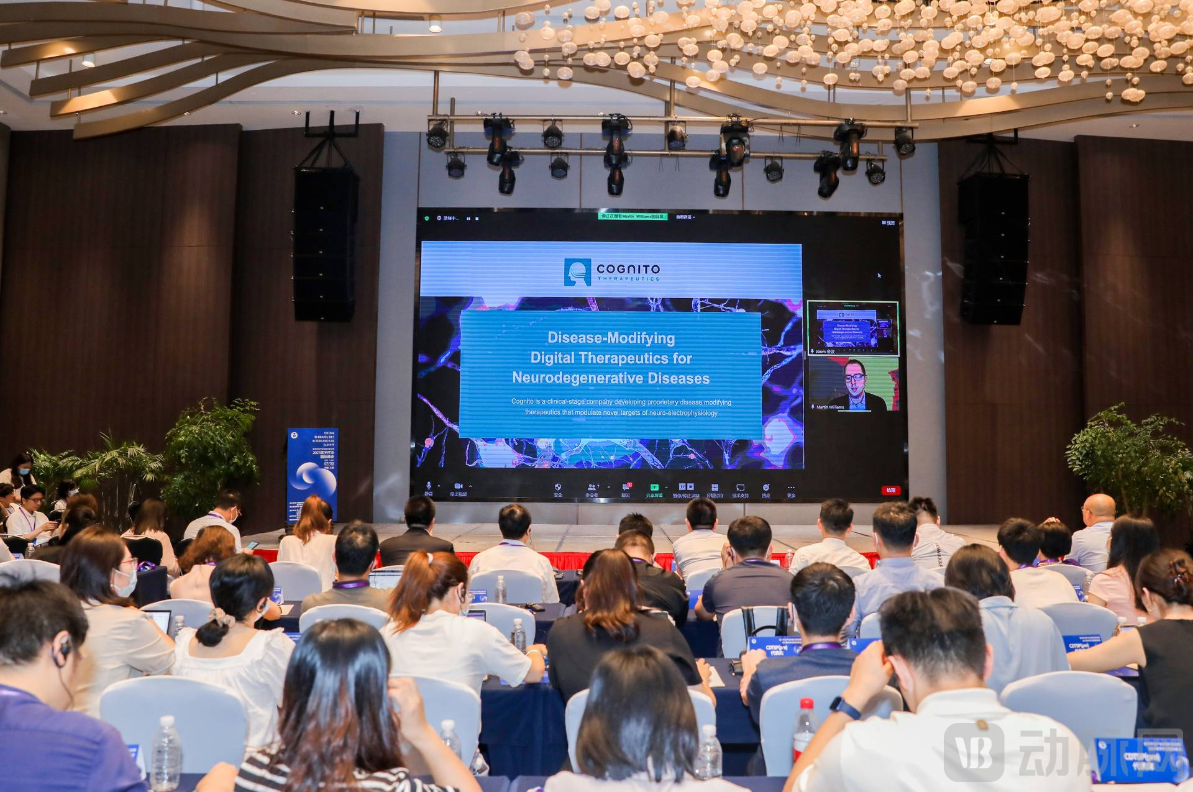
( Vice President, Business Development and Marketing, Cognito .Martin Williams )
As a U.S.-based digital therapeutics company focused on improving outcomes for neurodegenerative diseases, Cognito Therapeutics received FDA Breakthrough Device designation for its next-generation digital therapeutic for Alzheimer’s disease in mid-January this year and will enroll in a pivotal study by the end of 2021. The company has completed three Phase II clinical trials, demonstrating that the therapy is highly safe. Alzheimer’s disease is notoriously difficult to treat, with many investigational therapies associated with severe post-treatment side effects and adverse events. However, across 40,000 treatment sessions, this therapy has proven safe, with no treatment-related side effects and an adherence rate as high as 90%. China has a large patient population; the prevalence of Alzheimer’s disease in China is currently 3.2%, and the incidence is projected to reach 6.7% over the next five years. Alzheimer’s disease significantly impacts the lives of patients and their families. We aim to help China address, prevent, and diagnose more cases of early-stage Alzheimer’s disease.
Suyuan Chen: Current Development Status and Case Studies of German Digital Health Applications (DiGA)

(DiGA Policy Senior Analyst Suyuan Chen)
Addressing clinical needs, Germany has established high-level industry standards for digital healthcare, with relevant digital health applications successively entering the market, potentially spearheading a new revolution.
Chen Suyuan, Senior Analyst at Yibang Germany and Founder of Maibo Medical Health Germany, stated in his speech that, in response to the challenges of profound population aging and urgent clinical needs, Germany is undergoing a digital healthcare revolution. The German government has established high-level industry standards for digital healthcare, classifying digital health applications as medical devices for regulatory approval and oversight, while also incorporating patient-related expenditures into the national statutory health insurance system through legislation. The market size is projected to reach €57 billion by 2025.
Joseph Condurso:Strategic Growth Imperatives and M&A
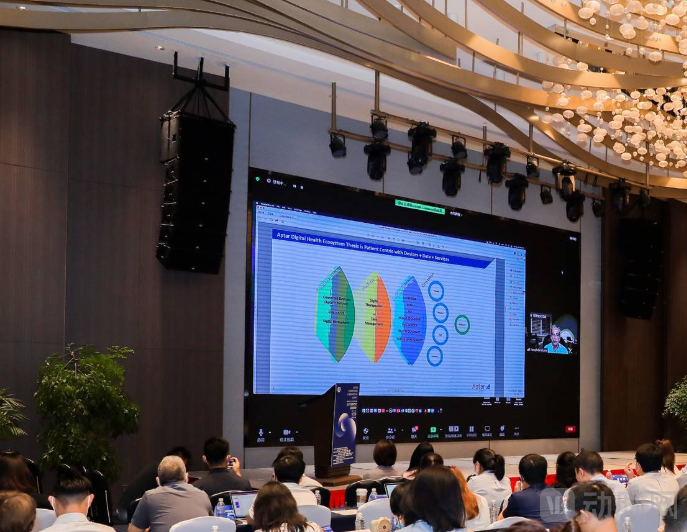
(CEO, Cohero Health (An Aptar Pharma Company) Joseph Condurso)
Joseph Condurso delivered a speech on the growth logic of digital strategy, covering topics such as digital health, Aptar’s acquisition initiatives, and the history and development vision of Cohero Health. Aptar is a global manufacturer in the pharmaceutical industry, holding a leading position worldwide in product delivery and materials science. Joseph mentioned that four years ago, the company proposed establishing a patient-centric digital healthcare ecosystem. This system provides a digital therapeutic platform that integrates devices with software, enabling seamless hardware-software integration to improve patient management. Driven by developmental needs, Aptar completed several significant acquisitions, including the acquisition of Cohero Health in 2020. Cohero Health specializes in connected platforms and diagnostics, incorporating human-centered considerations into medication quality while addressing unmet needs across various fields.
Liu Chongsheng: Key Regulatory Points for Digital Therapeutics Products in China

(Liu Chongsheng, Director of the Software and Cybersecurity Division, Shanghai Institute for Medical Device Testing)
The definition and scope of digital therapeutic medical devices have not yet been established in China. For products without reference items in the current Classification Catalog, classification determination shall be conducted in accordance with relevant regulations prior to registration, to clarify whether they are defined as medical devices and, if so, whether they are regulated as Class II or Class III medical devices. Regardless of whether they are classified as Class II or Class III, their essential nature as standalone software medical devices is widely recognized. This means that when registering a digital therapeutic medical device, it is necessary to fully comply with the relevant laws, regulations, and standards applicable to standalone software medical devices.
Following insightful presentations by nine association leaders, entrepreneurs, and experts in the morning, the afternoon featured compelling pitch sessions for high-quality projects from Canada, the United States, and Australia. The project teams comprise talent from top-tier global universities, research institutes, and laboratories. Primarily focused on technology-driven digital therapeutics, these projects address conditions in psychiatry, endocrinology, and hematology, with their business models already showing initial success.

(Host: Wang Xiangling, China-Europe Scientific and Technological Innovation Cooperation)

Orange Neurosciences is an emerging digital health technology company that has developed a web-based cognitive therapy platform for neurological disorders, age-related conditions, and rehabilitation. The platform aims to meet the substantial global demand among neurodiverse populations for evidence-based, affordable, and scalable cognitive therapies.
ReadON.ai is the company’s first commercial product, a next-generation digital therapeutic (DTx) powered by ML/AI and online software based on neuroplasticity, which is revolutionizing the global market by providing interventions for struggling readers.
Titli.ai will launch its D2C offering in July 2021, targeting the core symptoms of ADHD and autism. The Orange Neurosciences digital cognitive therapy platform can provide medical services for the rehabilitation of patients with neurological disorders.

As one of the first commercially viable, digital-native platforms in Canada to offer therapist-assisted, internet-based cognitive behavioral therapy (iCBT), MindBeacon designs its professional services around the end user—prioritizing their health and their preferences. By partnering with employers, insurance providers, and government agencies, MindBeacon ensures its services are easily accessible, affordable, and, most importantly, proven effective. MindBeacon is transforming the therapeutic landscape by delivering professional care to every Canadian, regardless of when, where, or how they choose to access it.
The MindBeacon experience is designed to reduce barriers to mental health treatment, including cost and stigma. Therapist-assisted digital delivery of CBT (TAiCBT) through MindBeacon eliminates time and geographic barriers while ensuring evidence-based, personalized care for users across Canada.

AI-Powered Tele-Rehabilitation and Clinically Validated Solutions for Musculoskeletal, Neurological, Cognitive, and Cardiac Care. Low-cost solutions provide patients with streamlined chronic, acute, and mental health care. Computer vision-based motion technology supports assessments of gait, balance, and range of motion. Machine learning applications accurately measure functional capacity in both simple and complex movements. Providers can remotely conduct musculoskeletal, neurological, and cognitive assessments.
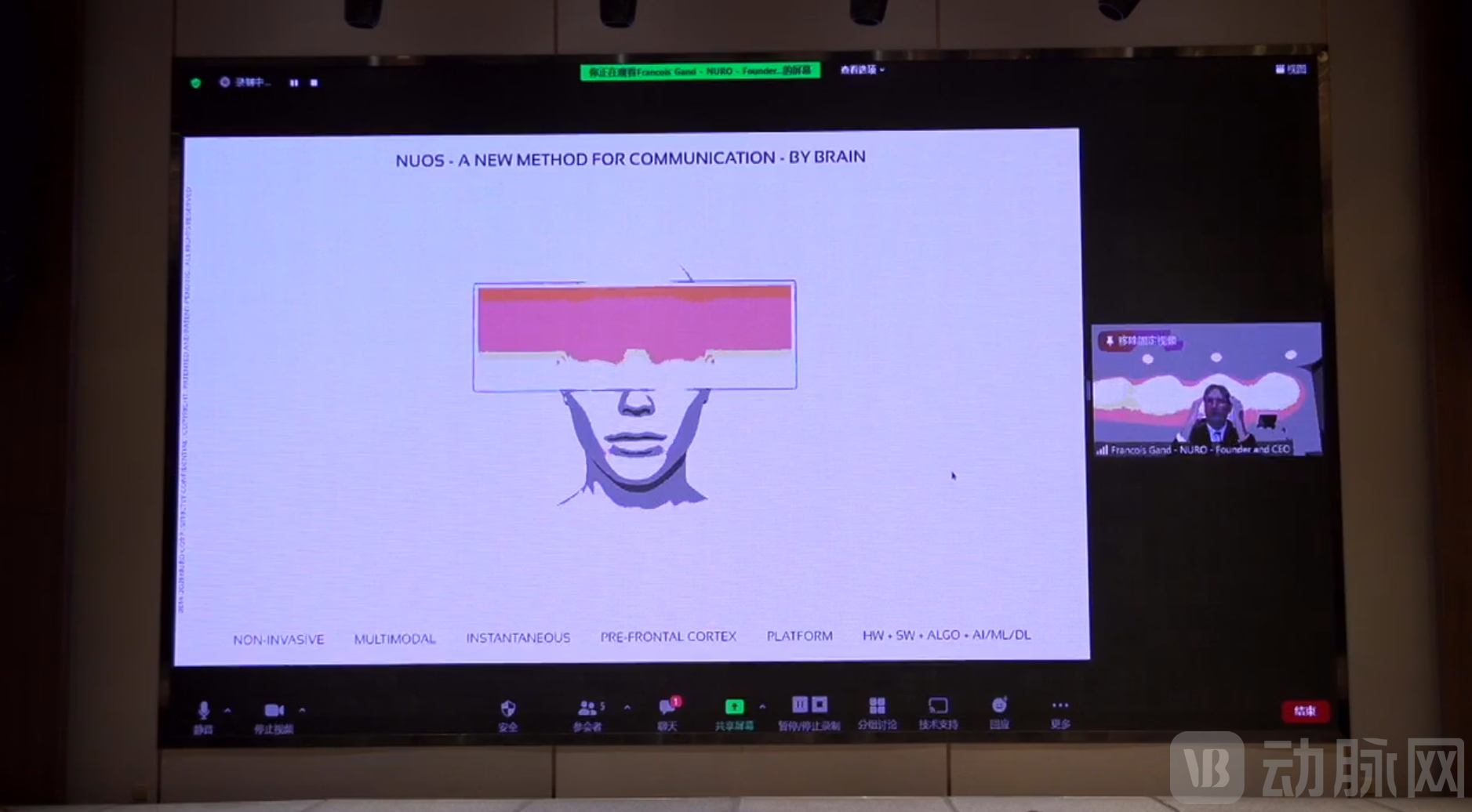
An award-winning startup based in the Waterloo Region specializing in neurotechnology. In December 2020, NURO released the first three versions of NUOS, a multimodal neural platform comprising custom hardware, software, algorithms, and artificial intelligence. With NUOS, individuals with severe disabilities resulting from stroke, trauma, or neurodegeneration can now communicate via brain signals instantly and non-invasively. NUOS is approved by Health Canada, cleared by U.S. Institutional Review Boards (IRBs) for human research, and has received FDA “Expanded Access” authorization as the sole non-invasive technology for treatment and communication.
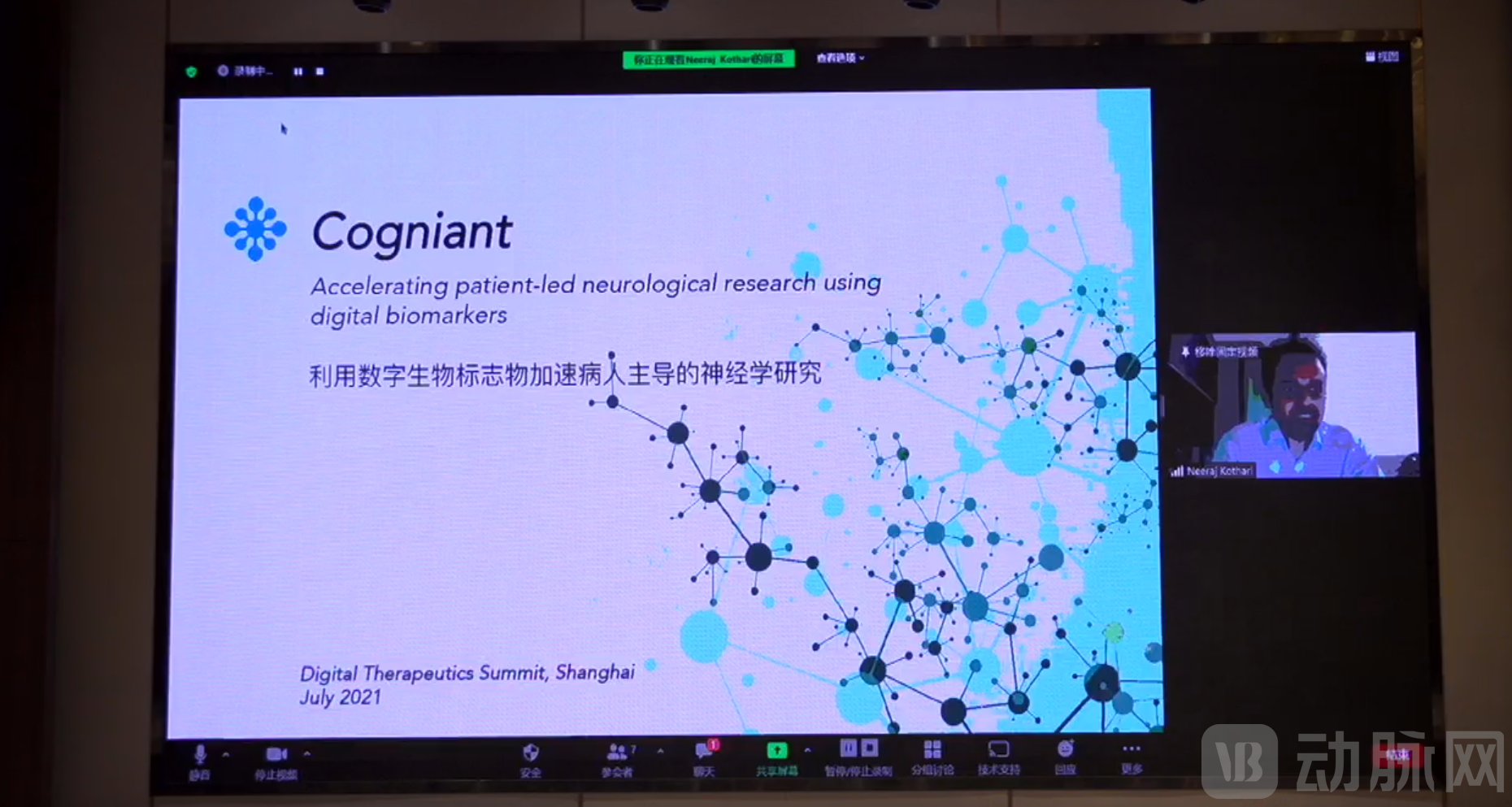
New Data Collection, Clinical Status Prediction, and Treatment Optimization for Neurological Disorders. Cogniant supports researchers, clinicians, and biopharmaceutical companies in the value chain of clinical research and drug discovery for psychiatric disorders, Alzheimer’s disease, and multiple sclerosis.
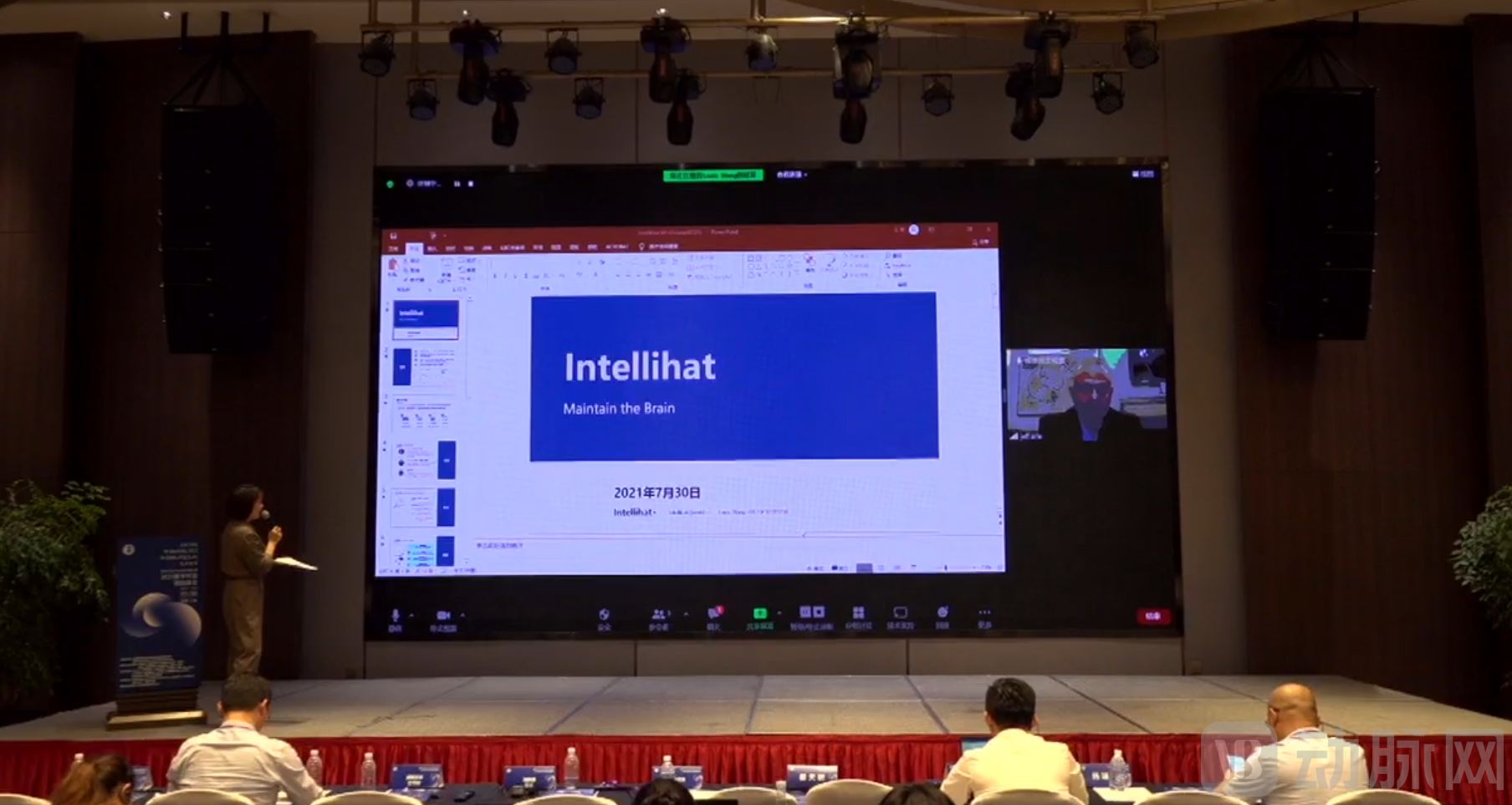
Wearable Technology for the Aging Brain: Consumer Health Devices Designed to Slow Cognitive Decline Caused by Natural Aging. IntelliHat employs TES and tDCS technologies to gently stimulate and target the dorsolateral prefrontal cortex (DLPFC), the region of the brain associated with cognitive function.