

Black Tech Drives China's Smart Rehabilitation Industry to Overtake Global Leaders: Highlights from the 2nd Rehabilitation and Assistive Technology Forum in Shanghai
According to the forecast in KPMG’s report, “Rehabilitation Medical Trends Lead a New Blue Ocean,”From 2020 to 2025, the compound annual growth rate (CAGR) of China's rehabilitation medical industry market size will reach 20.9%, and by 2025, the market size will exceed RMB 200 billion.. Data show that the population requiring rehabilitation services accounts for approximately 15% of the total population, encompassing the elderly, patients with chronic diseases, persons with disabilities, individuals with postoperative functional impairments, women with postpartum functional impairments, and those suffering from critical illnesses.The key demand group for domestic rehabilitation medical services in China numbers approximately 100 million people.
This is a vast blue ocean, yet it is also fraught with challenges.First, there is a severe shortage of rehabilitation medical resources in China. A systematic, comprehensive, and adequate supply system for rehabilitation services has not yet been established, with a talent gap of 300,000 rehabilitation therapists alone. Second, the efficiency of rehabilitation treatment is low. Current rehabilitation practices rely heavily on manual labor, making it difficult to improve overall efficiency and quality of care. Finally, public awareness of rehabilitation is weak; many people lack understanding of or fail to prioritize post-acute rehabilitation, opting instead to “rest at home” after receiving acute-phase treatment in hospitals., which has, to some extent, hindered the development of the rehabilitation medical sector in China.
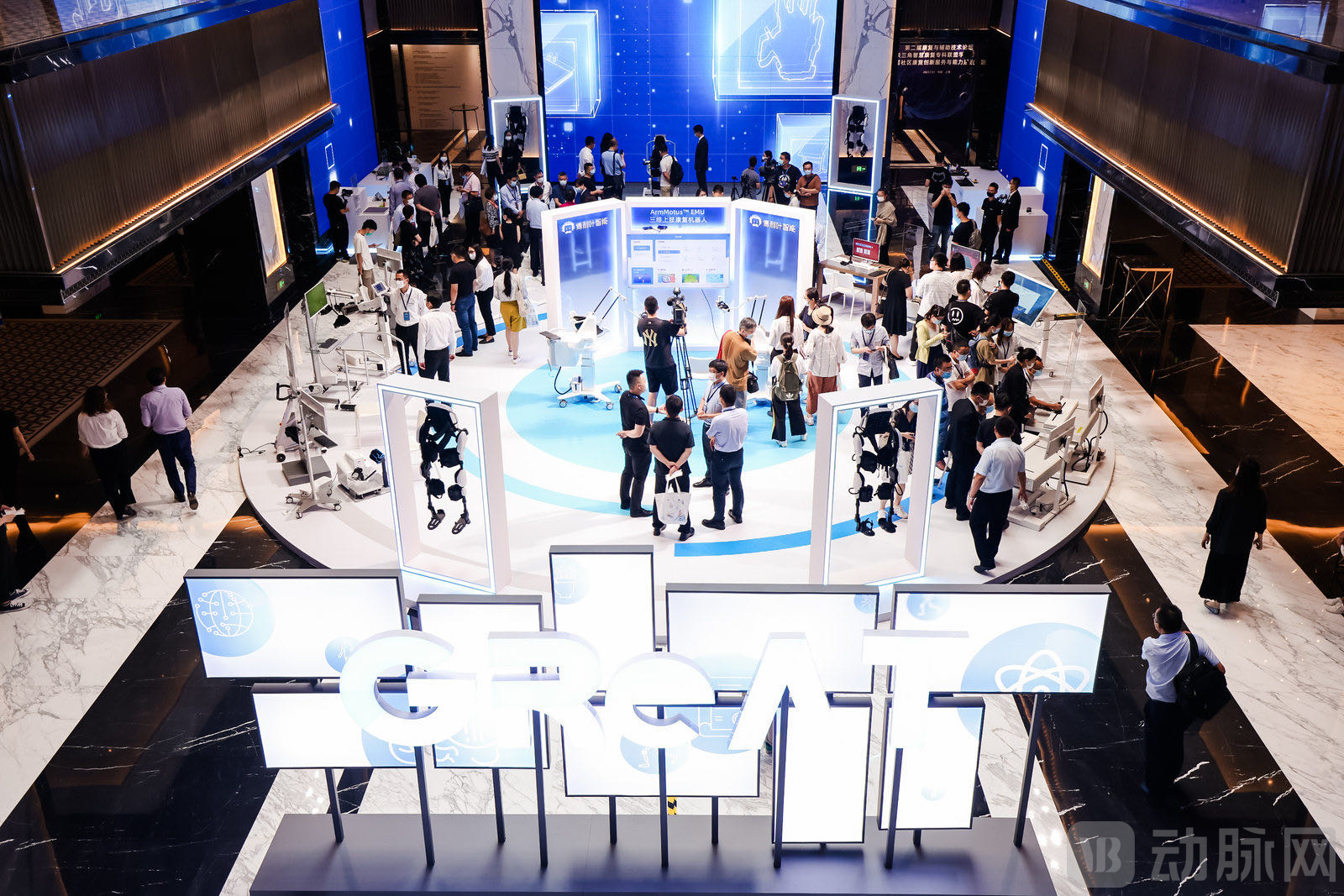
Intelligent rehabilitation has emerged as a breakthrough in addressing these challenges. To further promote the translation of rehabilitation technologies and resource sharing, accelerate the rapid development of the rehabilitation healthcare sector, and enhance the technical service standards of the industry through innovative technologies and forward-thinking approaches,On July 31, the Second Rehabilitation and Assistive Technology Forum was held in Shanghai, concurrently with the Academic Annual Meeting of the Yangtze River Delta Smart Rehabilitation Specialty Alliance and the Dean’s Seminar on the Fourth Grassroots Community Rehabilitation Innovative Services and Capacity Building.This conference was jointly hosted by the China Health Promotion Foundation and the Yangtze River Delta Smart Rehabilitation Specialty Alliance, with co-organization by Shanghai Fourier Intelligence Co., Ltd.
This conference has specially invited distinguished representatives from leading hospitals, who have achieved remarkable results in overall hospital development, technological innovation, and talent cultivation, to share their experiences and jointly shape the future. Centered on the axis of “Rehabilitation Technology – Rehabilitation Therapy – Rehabilitation Education,” the event will facilitate extensive exchanges and discussions on hot topics such as smart rehabilitation, precision rehabilitation, and the future of rehabilitation. The conference aims to promote the development of rehabilitation institution systems, advance the integrated development of rehabilitation technologies, accelerate the construction of medical consortia for rehabilitation, and improve primary healthcare management service systems.
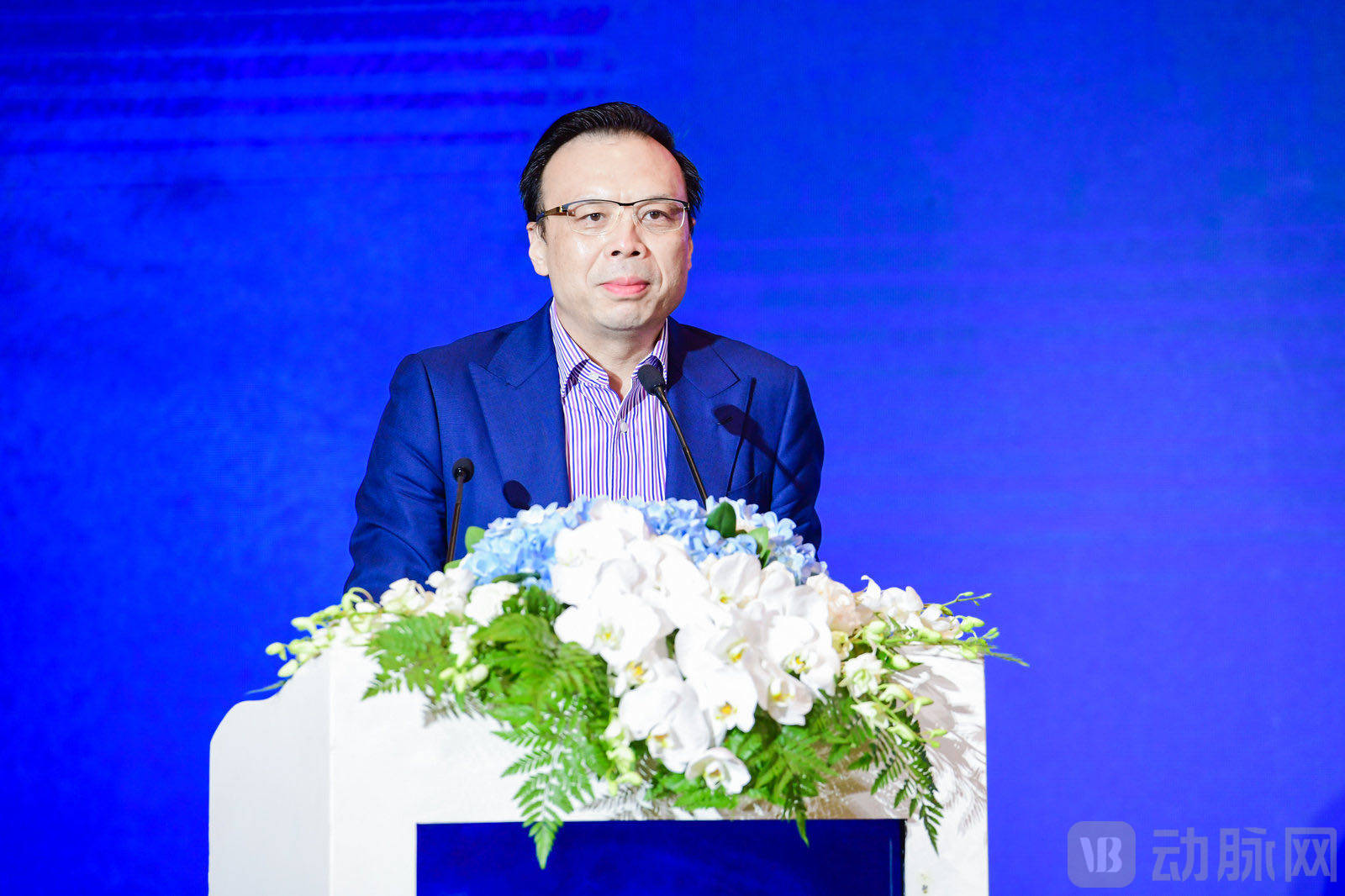 Address by Chairman Zhu Renming of the Yangtze River Delta Smart Healthcare Development Alliance
I. Gathering of Industry Leaders to Discuss New Trends in the Future of Rehabilitation Medicine
The conference attracted numerous industry leaders, who provided in-depth interpretations and discussions on the future trends of rehabilitation medicine. Below are the key highlights from the speakers’ presentations, curated by VCBeat:
Zhou Mouwang, Director of the Department of Rehabilitation Medicine at Peking University Third Hospital: "Current Status and Opportunities for the Development of Rehabilitation Medicine in China"
We are entering a golden age for the development of rehabilitation medicine. Guided by the recent policy document issued by eight ministries and commissions to further promote the advancement of rehabilitation medicine, the rehabilitation industry has entered a period of rapid growth. To adapt to new trends and seize emerging opportunities, we must first establish a sound and comprehensive rehabilitation medical service system; second, support and guide social forces in participating in healthcare provision; third, strengthen the construction of rehabilitation departments in both specialized rehabilitation hospitals and general hospitals; and finally, enhance the training of relevant professionals.
Chen Zuobing, Vice President of the First Affiliated Hospital, Zhejiang University School of Medicine: “Ideas and Challenges for the Development of Rehabilitation Medicine in China in the Post-Pandemic Era”
During the pandemic, rehabilitation medicine played a significant role in substantially reducing mortality rates. The development of critical care rehabilitation is an inevitable pathway for comprehensive rehabilitation medicine and represents a key aspect of its advancement. Specifically, in addition to focusing on functional recovery, we must also emphasize organ-specific rehabilitation, including cardiac, pulmonary, intestinal, and cognitive rehabilitation. These are areas where rehabilitation medicine can make substantial contributions.
Shen Xudong, President of Shanghai Yongci Rehabilitation Hospital: “Practice and Exploration of Smart Hospital Construction Based on Patient Experience”
Currently, the level of informatization in medical institutions has reached a considerable height, playing a significant role in optimizing the patient care process, improving medical quality, enhancing service efficiency, and ensuring medical safety. Meanwhile, with the rapid development of computer and network technologies, as well as the growing healthcare demands of the population, the in-depth application and practice of emerging technologies such as cloud computing, the Internet, and big data in the medical and health sector have provided new opportunities and directions for traditional informatization initiatives.
Focusing on the Field of Rehabilitation. By building smart IoT-enabled hospitals, hospital development can be elevated to a new level. First, smart nursing applies electronic information and artificial intelligence technologies to clinical practice. Second, it adheres to the principle of returning time to medical staff, thereby providing patients with timely, safe, and comprehensive care. Third, patient information can be accessed anytime and anywhere through a smart healthcare app. IoT technologies are employed to achieve interconnectivity among devices, users, and rehabilitation therapists, improving work efficiency, reducing labor costs, and facilitating data contribution.
II. Expanding the Radiation Radius: How Can Integrated, High-Quality Development Be Achieved in Smart Rehabilitation Across the Yangtze River Delta?
The Yangtze River Delta Smart Rehabilitation Specialty Alliance was established in 2020 and currently comprises 225 member institutions. By integrating resources across Shanghai, Zhejiang, Jiangsu, and Anhui (“three provinces and one municipality”), the Alliance actively promotes the application of intelligent rehabilitation technologies to enhance the technical capabilities and service standards of rehabilitation medicine within the Yangtze River Delta urban agglomeration. Meanwhile, leveraging the advantages of integrated healthcare in the Yangtze River Delta region, the Alliance is building a replicable and scalable rehabilitation medicine diagnosis and treatment system for nationwide adoption, thereby extending the smart rehabilitation model throughout China.
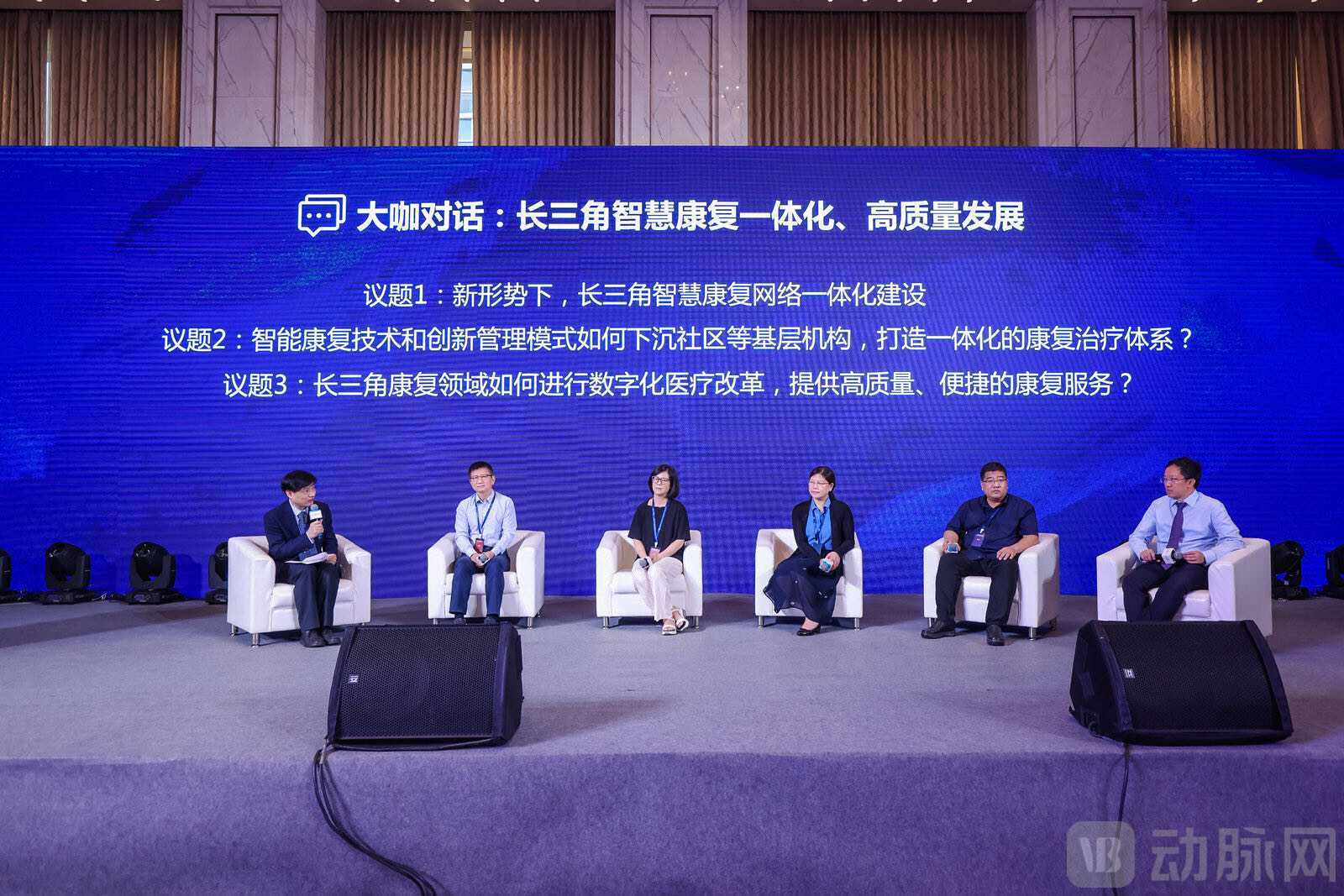
To comprehensively explore its development trajectory and rapidly identify the optimal solution for the growth of the smart rehabilitation industry in the Yangtze River Delta, numerous industry leaders have engaged in extensive discussions. VCBeat has compiled their core insights.
Gao Xiaoping, Director of the Department of Rehabilitation Medicine, The First Affiliated Hospital of Anhui Medical UniversityHe stated, “Compared with the Jiangsu-Zhejiang-Shanghai region, Anhui’s rehabilitation industry is relatively underdeveloped. However, the Yangtze River Delta Smart Rehabilitation Specialty Alliance can effectively address this gap, narrow regional disparities, and accelerate the integrated development of the rehabilitation medical industry.”
Chen Wenhua, Director of the Department of Rehabilitation Medicine, Shanghai General Hospital, Shanghai Jiao Tong UniversityHe stated, “The growth and development of rehabilitation medicine are particularly dependent on intelligent devices. On one hand, this will significantly liberate the workforce; on the other, it can promote the integrated development of regional industries. This is an era in which rehabilitation medicine must be vigorously advanced. As a ‘pioneer’ on this path, the Yangtze River Delta Smart Rehabilitation Specialty Alliance represents not only a significant endeavor but also holds important demonstrative significance nationwide.”
Xie Qing, Director of the Department of Rehabilitation Medicine, Ruijin Hospital, Shanghai Jiao Tong University School of MedicineHe stated, “First, we must clarify the positioning of the rehabilitation discipline to achieve homogenization and integration. Second, within the rehabilitation industry planning for the Yangtze River Delta region, consistency and uniformity in personnel and technology must be realized. Finally, medical institutions should accurately define their positioning and establish a unified standard system to ensure a high degree of consistency in management approaches, medical technologies, and patient treatment.”
Li Jianhua, Director of the Department of Rehabilitation Medicine, Sir Run Run Shaw Hospital, Zhejiang University School of MedicineHe stated, “The document on the development of rehabilitation medicine issued by eight ministries and commissions has opened up new breakthroughs for the entire rehabilitation industry. However, we still have a long way to go. We must be adept at identifying gaps and continuously improve the systemic architecture and substantive content of the Yangtze River Delta Rehabilitation Alliance by addressing these gaps.”
Gu Jie, President of Fourier Intelligence GroupHe stated, “The core of the Yangtze River Delta Rehabilitation Alliance is standardization. Specifically, this means maintaining a high degree of consistency in technology, data, clinical pathways, and management standards, which is also an area where the primary care rehabilitation medical system needs improvement. However, achieving such standardization requires solutions provided by intelligent devices such as robotics; this is the key focus of Fourier Intelligence’s current and future efforts.”
III. Focusing on Innovative Technologies to Build an Intelligent Rehabilitation System for Grassroots Communities
In a document jointly issued by eight national ministries and commissions to promote the development of rehabilitation medicine, important directives were provided for primary-level rehabilitation services. First, the rehabilitation medical service system should be improved and perfected by increasing the number of medical institutions and beds providing rehabilitation services, and by facilitating the transformation of certain Tier-1 and Tier-2 hospitals in areas with abundant medical resources into rehabilitation hospitals. Second, capacity building for rehabilitation medicine in county-level hospitals and primary healthcare institutions should be strengthened, supporting qualified primary healthcare institutions in establishing outpatient rehabilitation clinics. Third, the rehabilitation medical service network should be enhanced, requiring medical institutions to provide classified rehabilitation services according to their functional positioning and the requirements of tiered diagnosis and treatment. Fourth, talent cultivation and workforce development in rehabilitation medicine should be strengthened by continuously advancing standardized residency training in rehabilitation medicine, exploring transitional training programs for physicians shifting into rehabilitation specialties, and increasing the number of physicians engaged in rehabilitation medical work. Fifth, the capability of rehabilitation medical services should be improved by refining institutional policies, service guidelines, and technical standards; encouraging qualified medical institutions to actively provide traditional Chinese medicine (TCM) rehabilitation services; and supporting qualified medical institutions in extending in-house rehabilitation services to communities and households through “Internet+” initiatives, home hospital beds, and home visit consultations.
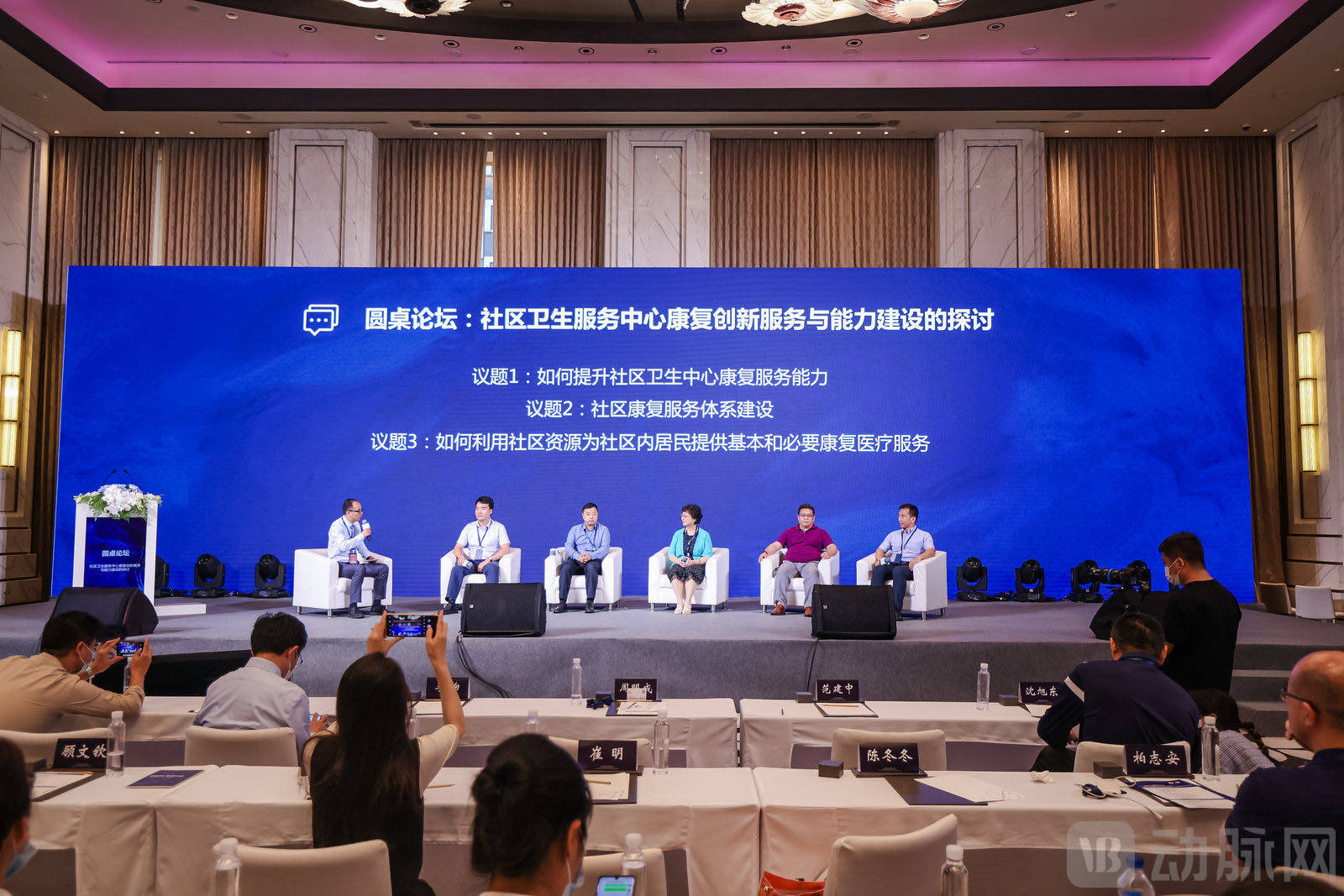
This is undoubtedly a significant boon for grassroots rehabilitation services. However, challenges remain; realizing the vision of rehabilitative medicine and achieving substantial progress in grassroots rehabilitation services under the new circumstances is a long and arduous journey.
Deputy Secretary-General of the Shanghai Community Health Association, Chen DongdongHe stated, “To strengthen and solidify primary-level rehabilitation services, it is essential to build a robust workforce, which is of paramount importance. Therefore, the cultivation of relevant talent is critical; only by laying a firm foundation at the grassroots level can the cause of primary-level rehabilitation truly flourish.”
Deputy Director of the Xuhui District Health Administration and Development Center, Shanghai: Gu WenqinHe stated, “Primary-level rehabilitation is closely related to everyone and requires collective participation. In this context, creating a supportive rehabilitation environment is crucial. Guiding the public toward healthy rehabilitation concepts is also part of the scope of primary-level rehabilitation services. Therefore, while strengthening workforce development, it is equally important to enhance science popularization efforts and ensure the effective implementation of relevant policies.”
Cui Ming, Director of the Yinhang Community Health Service Center in Yangpu District, ShanghaiHe stated, “The advancement of grassroots rehabilitation services critically depends on public trust, as the work only holds value when people actively participate. To earn this trust, specialized organizations such as the Yangtze River Delta Smart Rehabilitation Specialty Alliance are needed to provide demonstration and leadership, thereby achieving regional standardization. Furthermore, supportive policies are essential. Finally, these services must be paid; free models are neither sustainable nor scalable.”
Wang Weigang, Deputy Director of Hongqiao Community Health Service Center, Minhang District, ShanghaiHe remarked, “For current primary-level rehabilitation, the functions are comprehensive, the equipment is advanced, and the personnel are highly competent; however, effectively integrating these advantages requires a well-established operational mechanism.”
Li Chao, Deputy Medical Director of Ruihe Kang Physician GroupHe stated, “Issues related to talent and equipment cannot be resolved in the short term and require a certain amount of time; however, business management and operations can be improved in the short term, which is also crucial for primary-level rehabilitation.”
IV. Cutting-Edge Technologies Become Reality, Breakthroughs in Rehabilitation Innovation Are Just Around the Corner
The conference brought together leading experts in rehabilitation to exchange innovative technological achievements, explore resource collaboration, and conduct joint research to advance rehabilitation technology, contributing wisdom and strength. Wu Liang, Director of the Rehabilitation Center at Beijing Xiaotangshan Hospital, presented his research on “Informatization Construction of Primary Care Rehabilitation and Home-Based Rehabilitation APP.” Liu Gang, Director of the Department of Rehabilitation Medicine at Nanfang Hospital, Southern Medical University, shared insights on “Research and Application of Motor Function Assessment.” Trent Maruyama, Rehabilitation Technology Manager at the Barrow Neurological Institute’s Center for Neurorehabilitation in the United States, reported on “Applications of Robotics in Rehabilitation and Future Development Directions.”
Brain-computer interface (BCI) technology is enabling a form of “telepathy” between humans and machines, allowing for machine control—a science-fiction scenario that is gradually becoming a reality. Experts from both China and abroad have engaged in discussions on the application of non-invasive brain-computer interaction technologies in the field of rehabilitation. Professor Teng Fei from Xi’an Jiaotong University and Xu Guanghua, Director of the Shaanxi International Joint Research Center for Digital Medical Devices and Instruments, delivered a presentation titled “Applications of Brain-Computer Interaction and Brain-Controlled Rehabilitation Robots.” Describing the integration of brain-computer interaction into rehabilitation robots, Xu Guanghua stated that it “acts as a bridge for the motor command pathway from the central nervous system to limb movements, leveraging BCI technology to reconstruct damaged neural circuits.”
Professor Dario Farina, Director of the Department of Neurorehabilitation Engineering at Imperial College London, shared insights on wearable, non-invasive brain-computer interfaces and their integration with spinal motor neurons. He pointed out, “The concept that neurons associated with brain activity can be used by healthy individuals to control robotic arms has been proven feasible.”
In his presentation titled “Bionic Soft Exoskeletons for Motor Rehabilitation,” Professor Robert Riener, head of the Sensory-Motor Systems Lab at ETH Zurich, discussed the practicality of soft exoskeletons. He affirmed their advantages, such as being lightweight, highly comfortable, and suitable for prolonged use, while also pointing out drawbacks like insufficient supportive force.
Gu Jie stated that with China’s rise in the field of intelligent rehabilitation, there is promising potential to achieve leapfrog development. “As a leading enterprise in China’s rehabilitation robotics sector, Fourier Intelligence bears the responsibility to take on this critical role. We aim to lead technological advancements in the rehabilitation market and foster communication and exchange among experts and scholars.”
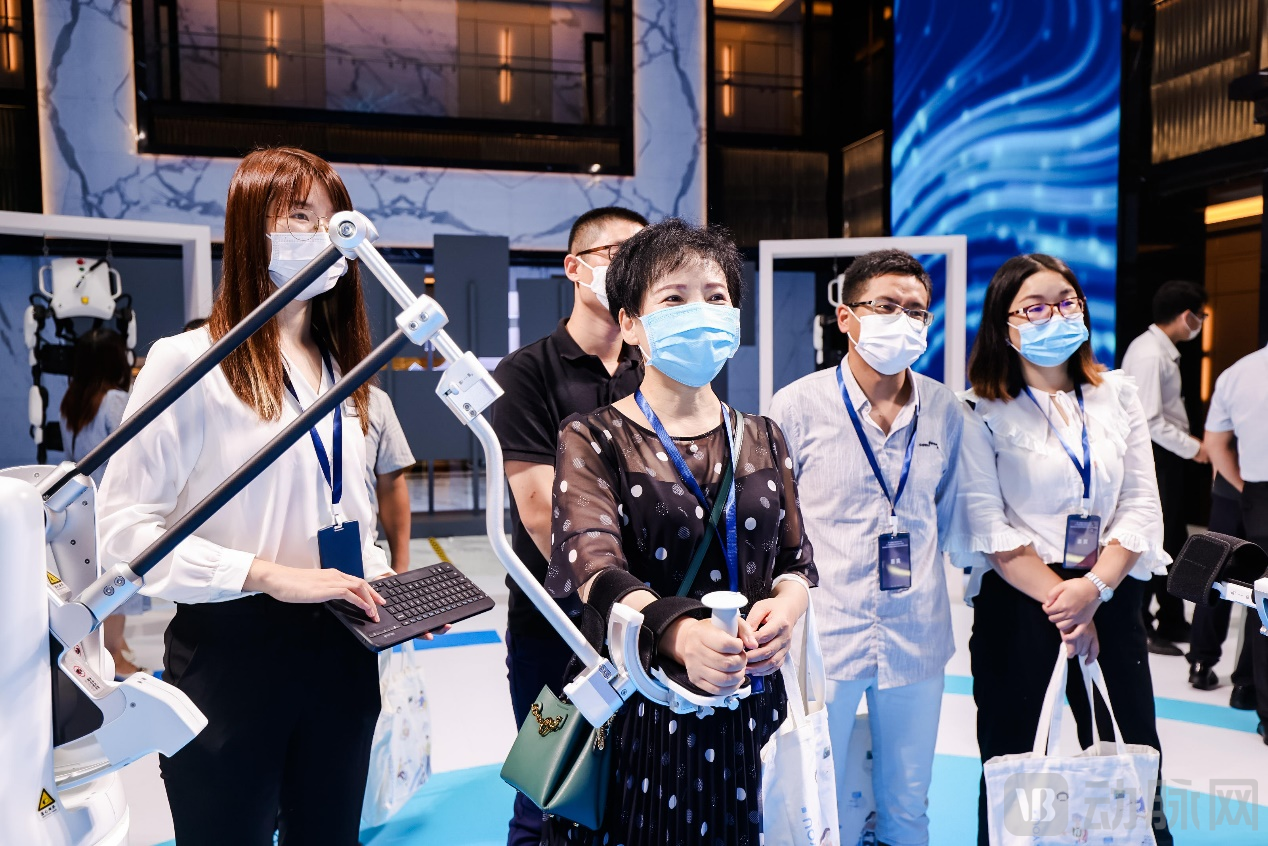
ArmMotus EMU 3D Upper Limb Rehabilitation Robot
At the conference, Fourier Intelligence officially launched the ArmMotus EMU (hereinafter referred to as “EMU”), a 3D upper-limb rehabilitation robot, marking another milestone in international industry-academia-research collaboration. The company also shared new technical advancements in its ExoMotus M4 lower-limb rehabilitation robot, further enriching its Intelligent Rehabilitation Hub robotic product portfolio and signaling China’s entry into a leading position in the field of rehabilitation robotics.