

Jiuzhou Capsule Biopharma Plans Asia's Largest Plant-Based Capsule Production Base with Annual Capacity of 20 Billion Units
Capsules are primarily used to contain solid or liquid medications. As an important pharmaceutical excipient, their quality directly affects the safety and stability of drugs.
Currently, most capsules on the market are gelatin capsules, which are composed of protein components derived from the hydrolysis of connective or epidermal tissues, using raw materials such as bones and skins from animals like pigs and cattle. However, gelatin capsules are prone to cross-linking reactions with certain substances, posing certain safety risks.
Moreover, the rapid expansion of capsule production capacity in China has led some manufacturers to relax quality control over raw materials in an effort to reduce production costs. The 2012 “problematic capsules” incident further exposed issues within the capsule industry and raised public concerns about animal-derived capsules.
The raw materials for plant-based capsules are extracted from marine or terrestrial plants, making them greener, more natural, and safer compared to animal-derived capsules. With the global consumer trend favoring natural products, the market for plant-based empty capsules is gradually expanding.
Recently, Guangzhou Jiuzhou Capsule Biotechnology Co., Ltd. (“Jiuzhou Capsule”) achieved outstanding results in the finals of the “2021 ‘Maker Guangdong’ Biopharmaceutical SME Innovation and Entrepreneurship Competition,” hosted by Guangdong Medical Valley, with its innovative project on “pure plant-based hollow capsules, as well as plant-derived acid-resistant hollow capsules and liquid-filled hollow capsules.”
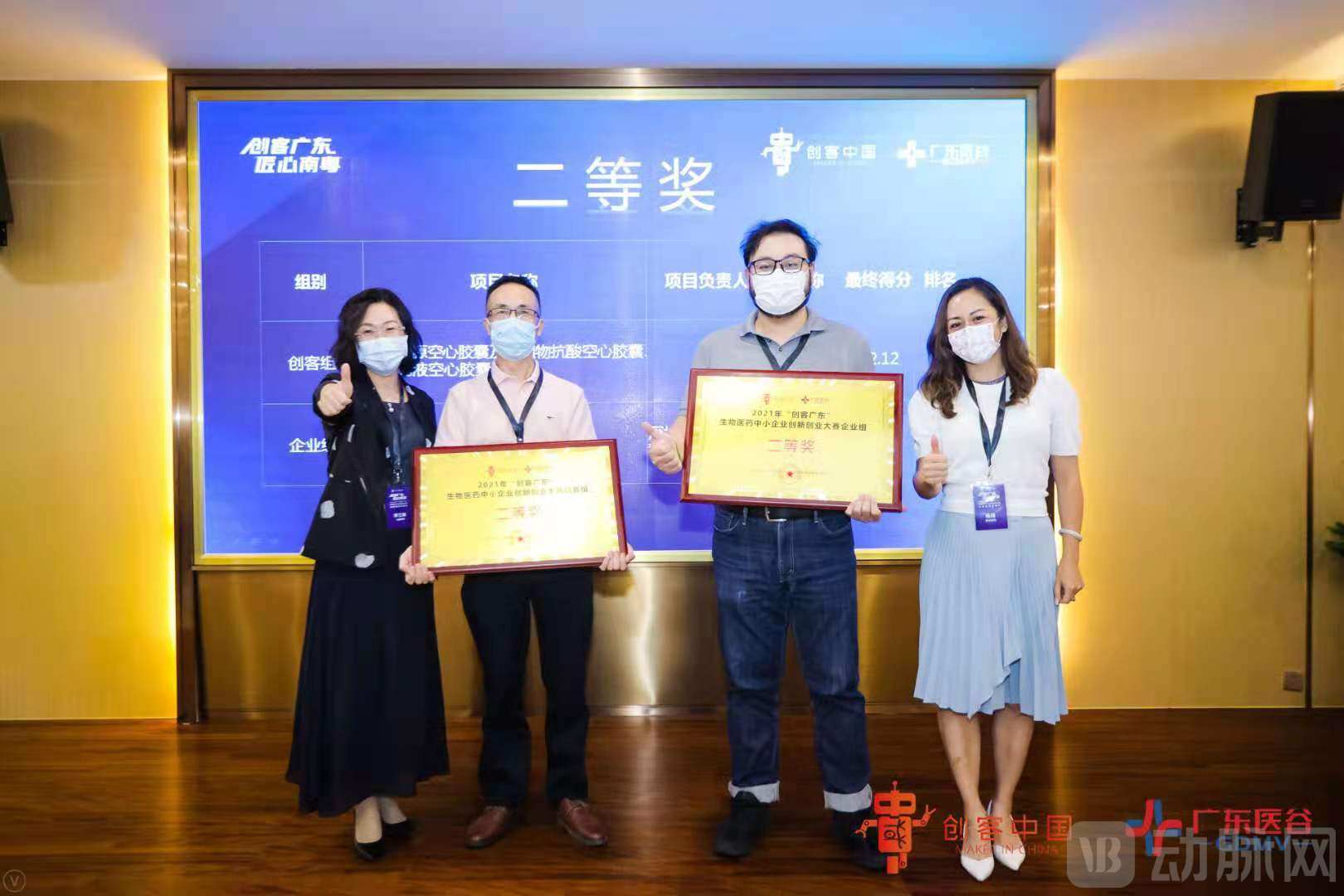
Source: Jiuzhou Capsules
Jiuzhou Capsule, located in the Medical Valley of Nansha District, Guangzhou, is an enterprise engaged in the research and development, production, and sales of plant-based hollow capsules and their derivative products.Currently, the company has developed four series comprising 12 products: hydroxypropyl methylcellulose (HPMC) vegetarian empty capsules, pullulan vegetarian empty capsules, hydroxypropyl starch vegetarian empty capsules and their plant-based enteric-coated empty capsules, liquid-filled vegetarian empty capsules, and vegetable colloids for soft capsules.
The 2020 edition of the Chinese Pharmacopoeia established standards for three types of plant-based hollow capsules: hypromellose hollow capsules, pullulan hollow capsules, and hydroxypropyl starch hollow capsules. Among these, hypromellose hollow capsules are the most stable and widely used.
Hydroxypropyl Methylcellulose (HPMC) Hollow Capsules refer to capsules made from hydroxypropyl methylcellulose, which is produced by etherifying wood pulp derived from pristine tropical coniferous or broadleaf forests under alkaline conditions, with the addition of a certain proportion of algal polysaccharide gum as a gelling agent. Their unique properties—including inertness, antibacterial activity, non-associativity, absence of barriers, superiority, value-added characteristics, and environmental friendliness—can compensate for the shortcomings of animal-derived gelatin hollow capsules.
Jiuzhou Capsules leverages proprietary R&D technology to produce pharmaceutical plant-based hollow capsules, plant-based liquid-filled hollow capsules suitable for filling with oily or water-soluble liquids, and plant-based enteric-coated hollow capsules designed for intestinal targeted release.
Among them, plant-derived medicinal liquid-filled hollow capsules refer to hollow capsules that can be filled with water-soluble liquids.Conventional gelatin and plant-based capsules can only be filled with powders, granules, and certain oily substances. In contrast, liquid-filled capsule technology is particularly suitable for liquid drugs that are poorly soluble, have unpleasant tastes or odors, or are prone to oxidation and discoloration.
It exhibits extremely high transparency, along with excellent heat resistance, moisture resistance, sealing properties, and toughness. It is particularly suitable for encapsulating liquid pharmaceuticals or health supplements that have unpleasant tastes or odors, are prone to oxidative discoloration, or contain poorly soluble active ingredients. This technology has been recognized by authoritative institutions in Europe and the United States and is currently ready for mass production.
Enteric-Coated Hollow Capsules of Medicinal Plants, Also Known as Acid-Resistant Capsules for Targeted Release.By leveraging the pH differences between human gastric juice and intestinal fluid, the pH of the hollow capsule can be controlled to prevent the release of its contents in the stomach and enable targeted release in the intestines, thereby avoiding gastric irritation caused by the drug. Currently, such products are relatively scarce in the market. Jiuzhou Capsule has completed laboratory-scale and pilot-scale trials and is ready for industrialized production.
Furthermore, it is worth noting that the algal polysaccharide gum used in plant-based hollow capsules is a type of seaweed polysaccharide extracted from red algae. This purely natural substance exhibits excellent gelling and film-forming properties, along with stable performance.
Moreover, the polysaccharide component is an essential natural dietary fiber for the human body, offering benefits such as lowering blood lipids and blood sugar, antioxidant activity, and anti-tumor effects. It plays a certain role in preventing hypertension, coronary heart disease, obesity, diabetes, and gastrointestinal disorders. Jiuzhou Capsules states that this is a feature not found in other similar products domestically or internationally.
Over the past decade, the research team has navigated a challenging path to overcome the technical bottlenecks in the large-scale production of hypromellose (HPMC) hollow capsules. To date, cumulative investments in research and development and technological upgrades have exceeded 70% of revenue, amounting to RMB 15 million. Jiuzhou Capsule has been granted three utility model patents, with six invention patents currently under national patent examination. Additionally, applications are pending for nine products, encompassing a total of 14 invention patents and seven utility model patents.
Jiuzhou Capsule’s plant-based capsule project is currently under construction, with an estimated total investment of approximately RMB 240 million, to be completed in two phases over three years.
The first phase of the project involves an investment of RMB 80 million, with funds allocated for the construction or leasing of workshops, warehouses, inspection and R&D centers, office facilities, employee dormitories, and other ancillary infrastructure, as well as the installation of 12 fully automated plant-based capsule production lines and supporting cleanroom facilities. The second phase entails an investment of RMB 160 million to install 40 fully automated plant-based capsule production lines and associated cleanroom facilities.
Upon reaching full production capacity, the project is expected to have an annual output of approximately 4.6 billion hydroxypropyl methylcellulose (HPMC) empty capsules in Phase I, and approximately 15.5 billion HPMC empty capsules in Phase II, resulting in a combined annual production capacity of 20.1 billion capsules for both phases.Upon completion, the project will establish Asia’s largest production base for plant-based capsules, with Jiuzhou Capsule becoming the world’s sole manufacturer of plant-based enteric-coated capsules and plant-based liquid-filled capsules.
The Phase I project is implemented in two stages. The first stage involves a total investment of RMB 35 million to install four production lines for plant-based capsules and their derivative products. Upon reaching full production capacity, the projected annual output value is approximately RMB 82.65 million. The second stage entails a total investment of RMB 45 million to add eight more production lines.
To ensure the smooth implementation of the project, Jiuzhou Capsule is actively seeking financing.
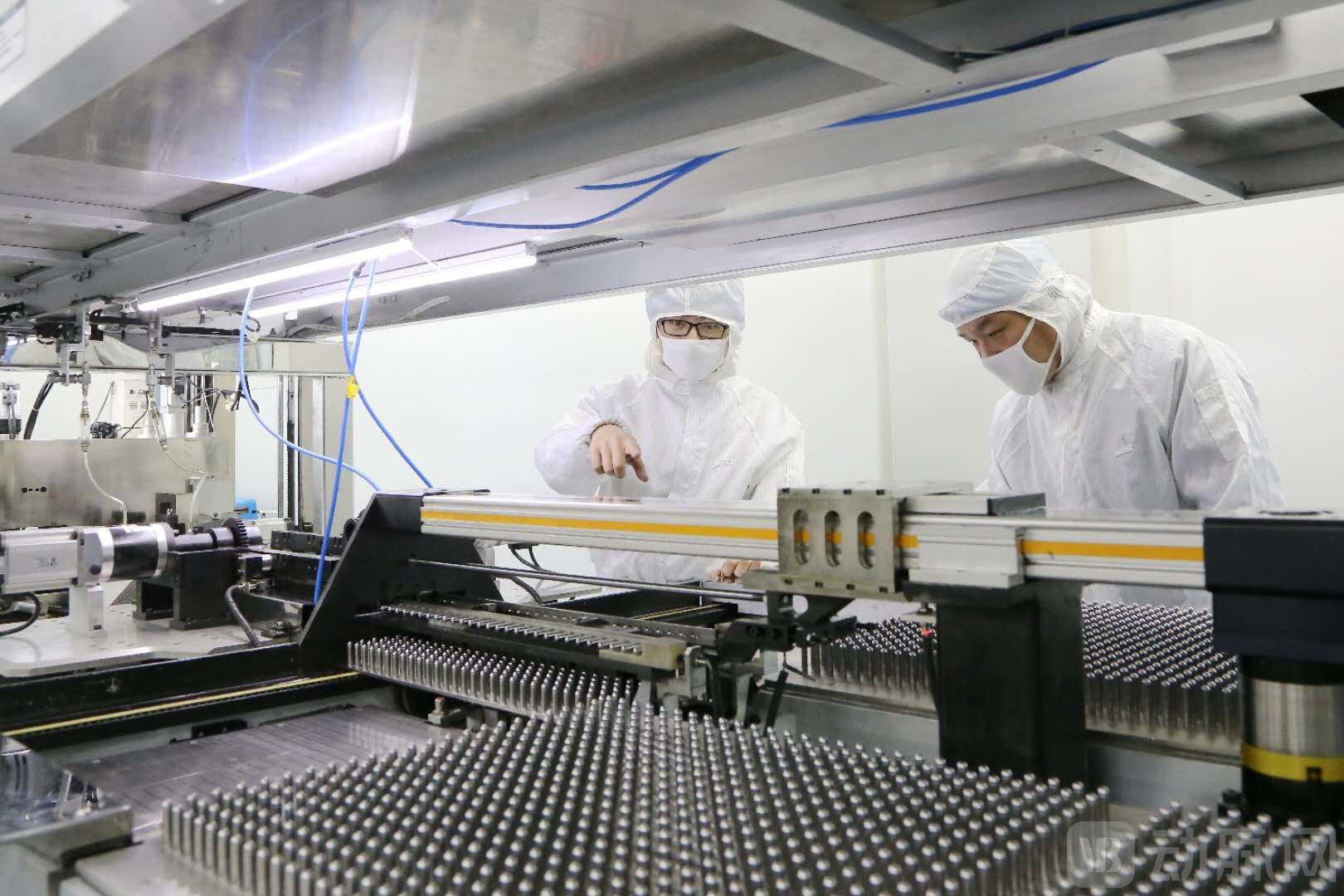 Workshop Overview Source: Jiuzhou Capsule
Guided by market demand and aiming at industry development trends, Jiuzhou Capsule’s philosophy is to customize products according to customer needs—what you need is what we manufacture.
Plans for Future Product Expansion, Jiuzhou Capsules stated that, to mitigate the risk of substitution by similar products in the future, it is accelerating the mass production of comparable products using other plant-derived raw materials such as pullulan and hydroxypropyl starch, while continuing to file applications for invention patents.
In addition, Jiuzhou Capsule has extended its technology into the food and daily necessities sectors. First, in the food sector, it primarily produces larger-sized capsules to replace the plastic seasoning packets found in instant noodles, a major consumer market, thereby making instant noodles both convenient and environmentally friendly. Second, it offers animal-based bursting beads as a substitute for cigarette filters, enhancing the value-added appeal of cigarettes. Third, it serves as a carrier for holding plant-based filter extracts in smoking accessory filters.
In the domestic plant-based capsule market, few companies are capable of large-scale production, and there is a significant pain point regarding substantial variations in product quality. Insufficient production capacity and inconsistent quality have led to slow progress in market expansion; however, this also indicates that the market holds considerable room for growth.
According to publicly available data from Lianxun Securities, the demand for medicinal empty capsules in China was approximately 550 billion units in 2020. Assuming plant-based empty capsules accounted for 10% of this volume, domestic demand for plant-based capsules would reach 55 billion units. At a price of RMB 300 per 10,000 capsules, the market size in 2020 was estimated at approximately RMB 1.65 billion. Domestic market demand is projected to continue rising over the next three to five years.
Plans for Future Market LayoutJiuzhou Capsule stated that 85% of its products are primarily exported to health supplement and pharmaceutical companies in Europe, North America, and Asia, Africa, and Latin America, while 15% are sold domestically. The company will establish sales subsidiaries in Europe and North America and lease local overseas warehouses, enabling the distribution of Jiuzhou Capsule products to countries and regions worldwide through efficient and timely logistics transportation.
About the 2021 "Maker Guangdong" Biopharmaceutical Special Competition
The 2021 “Maker Guangdong” Biopharmaceutical SME Innovation and Entrepreneurship Competition was guided by the Department of Industry and Information Technology of Guangdong Province, the Department of Finance of Guangdong Province, and the People’s Government of Dongguan City, and hosted by Guangdong Medical Valley. Since undertaking the competition, it has focused on the biopharmaceutical sector, identifying high-quality projects related to COVID-19 prevention and control as well as health protection. To date, nearly 200 projects have been identified, with many recommended projects winning major awards in the provincial finals. Guangdong Medical Valley was honored as the “Best Organizing Unit of 2020.”
Guangdong Medical Valley, established in 2014, is a new healthcare industry cluster service provider under Zhongchuang Group. It focuses on investment and incubation platforms for the biopharmaceutical and medical device industries. With operations currently laid out in Guangzhou, Zhuhai, and other locations, it has built and is constructing industrial parks with a total area of approximately 530,000 square meters. It is recognized as a National-Level Technology Business Incubator, a Key Construction Project of Guangdong Province, and a Demonstration Park in Guangzhou. Adhering to the philosophy that "industry clusters are the most crucial lever for innovative development in the healthcare industry," Guangdong Medical Valley persists in an integrated development model combining healthcare incubation, equity investment in healthcare projects, and comprehensive supporting services for the healthcare industry. Deeply rooted in the Greater Bay Area, it is committed to building a world-class international healthcare industry innovation center.