

Medera Biopharmaceutical Strengthens Its Position as an Integrated Biopharma Group Targeting Heart Failure and Rare Diseases

Medera
Biopharmaceutical Manufacturer
Amid population aging and the continuous growth in healthcare demand, the global pharmaceutical industry is undergoing rapid transformation and flourishing. In recent years, to enhance the overall strength of Chinese enterprises in new drug research and development (R&D) and to develop truly innovative drugs that benefit people worldwide, the Chinese government has introduced a series of policies to encourage new drug R&D activities in China.
As innovative drug research gains momentum, pharmaceutical companies of all sizes remain constrained by the “three major challenges” of drug development: high risk, high investment, and long cycles. Enhancing R&D efficiency and advancing the development of breakthrough therapies are undoubtedly the most fundamental needs of the current pharmaceutical industry.
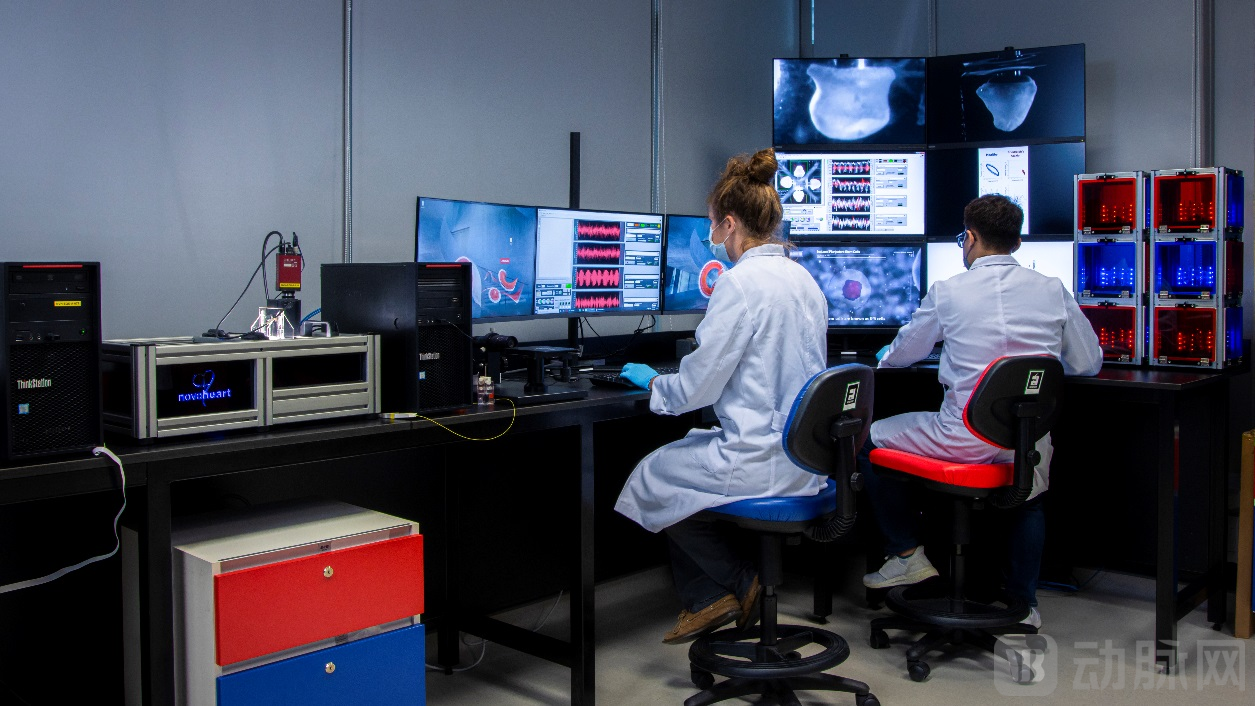
Medera Laboratories
Medera Medical Group(English name: Medera Biopharmaceutical) aims to precisely address current pain points in the pharmaceutical industry by providing “mini-heart” products that enhance the efficiency of new drug development, as well as developing gene and cell therapy products with the potential to radically cure diseases, thereby benefiting patients worldwide. Founded in 2014 and headquartered in Hong Kong, the company comprises three subsidiaries—Novoheart, Sardocor, and Xellera. These subsidiaries operate in synergy to build a one-stop biomedical technology group spanning drug development, clinical trials, and the advancement of gene and cell therapy products.
The high costs and lengthy timelines of drug development are often most pronounced during the clinical trial phase. Proactively mitigating the risk of safety incidents in clinical trials can correspondingly reduce both development costs and risks, thereby significantly enhancing the efficiency of new drug development.
Novoheart, a subsidiary of the Chuangji Medical Group, has developed its proprietary MyHeart platform to address the high costs and long cycles associated with clinical trials, thereby revolutionizing traditional drug development methods.
Professor Li Dengwei, CEO & Co-Founder of Medera Medical GroupTell VCBeat,One of the reasons for the high failure rate in new drug development is related to drug safety incidents discovered during clinical trials. Moreover, more than 40% of drug studies are halted due to cardiovascular toxicity.This is because animal models are commonly used in the early stages of drug development; however, due to physiological differences between animals and humans, adverse effects or toxicity of drugs often cannot be detected in a timely manner during preclinical studies.
Novoheart’s proprietary commercial “mini-heart” technology, under the Genesis Medtech Group, is well-positioned to address the pharmaceutical industry’s most pressing challenge. Novoheart’s exclusive MyHeart platform leverages its unique “miniature human hearts” and ventricular cardiomyocyte layers to simulate human cardiac function in vitro, providing a highly precise drug screening platform for both internal use and major pharmaceutical companies worldwide.
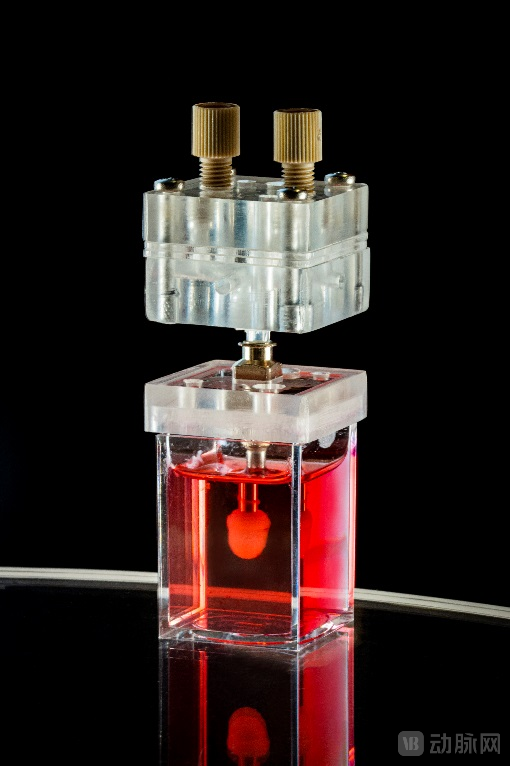
"Mini Heart"
The “mini-hearts” developed by Novoheart are composed of cardiomyocytes differentiated from human pluripotent stem cells. As the cells used to create these mini-hearts are of human origin, they can be directly employed in the early stages of drug development to accurately predict drug efficacy and toxicity in humans. In addition to assessing drug toxicity, Novoheart utilizes these mini-hearts to create disease models, thereby replacing animal models in drug development. Therefore,“Mini hearts” can provide a large number of preclinical candidates prior to clinical trials, thereby shortening drug development timelines, reducing R&D costs, and increasing the success rate of development.
Professor Li Dengwei stated that the preclinical research phase of new drug development previously took 5 to 7 years, with a success rate of less than 5%. However, with the aid of the “mini-heart” disease model, the duration of preclinical trials can be reduced to 1–2 years, and the success rate can increase by nearly tenfold or more.Currently, Novoheart’s independently developed clinical candidate drug is available for supply to Sardocor.(A gene and cell therapy company under Medera Medical Group)Ten clinical trials were initiated between 2021 and 2023.
Furthermore, in recent years, Novoheart has successfully developed mini-heart models for various diseases, either independently or in collaboration with other pharmaceutical companies. Examples include the heart failure with preserved ejection fraction (HFpEF) model co-developed with AstraZeneca and the Friedreich’s ataxia cardiomyopathy model co-developed with Pfizer. This also indirectly demonstrates the recognition of “mini-heart” technology by pharmaceutical giants.
Sardocor, another subsidiary under the Medera Group, specializes in the development of gene and cell therapies, primarily addressing the clinical needs of patients with current heart failure and incurable diseases such as Duchenne muscular dystrophy.
As a drug development platform under Medera, Sardocor is currently advancing multiple gene and cell therapy projects within its core product pipeline. Its three lead programs target heart failure with reduced ejection fraction (HFrEF), heart failure with preserved ejection fraction (HFpEF), and Duchenne muscular dystrophy (DMD).
Heart FailureIt is the end-stage manifestation of many types of cardiovascular diseases, often referred to as the "final battlefield" of cardiovascular disease. Currently, the incidence of heart failure is rising rapidly. According to the "Report on Cardiovascular Health and Diseases in China 2019," the prevalence of heart failure in China is 1.3%, with approximately 8.9 million patients, imposing a heavy burden on society and the nation.
As China joins the ranks of aging societies, the number of heart failure patients is expected to rise further. However, there is currently a lack of truly effective treatments for heart failure. For end-stage heart failure, heart transplantation remains the most effective treatment, but donor organs are severely scarce. The population in China requiring cell therapy is estimated at approximately 5 million, with the total market size exceeding RMB 100 billion.
Duchenne Muscular DystrophyIt is a disease caused by rare genetic mutations, with the patient population ranging from tens of thousands to hundreds of thousands, depending on its prevalence in the United States, Europe, and Asia/China.
According to Professor Li Dengwei,The three clinical programs targeting HFrEF, HFpEF, and DMD are expected to enter Phase 2b clinical trials in Q1 2022.Notably, the DMD and HFpEF programs are 1–2 years ahead of similar competitors in the international cardiovascular field. Additionally, Sardocor is expected to initiate 10 clinical trials between 2021 and 2023.
Xellera is Hong Kong’s first and exclusive international cGMP-compliant manufacturing facility for cell and gene therapy products, producing Advanced Therapeutic Medicinal Products (ATMPs) under sterile conditions and rigorous monitoring. Located in the Hong Kong Science Park and MegaBox Phase 5, the facility spans over 8,500 square feet, complemented by an additional 15,000 square feet dedicated to R&D laboratories and office space. According to Professor Li Dengwei, the facility was established not only to meet the internal production needs of the Medera Medical Group but also to provide external contract development and manufacturing organization (CDMO) services.
In summary,As the group’s headquarters, Medera Biopharmaceutical oversees three subsidiaries—Novoheart, Sardocor, and Xellera—which respectively conduct specialized operations in drug discovery, clinical research for gene and cell therapies, and the manufacturing of related gene and cell products. The business activities of these three subsidiaries create synergistic support.This will grant Medera Biopharmaceutical a stronger competitive advantage, enabling it to evolve into a one-stop biomedical technology group encompassing drug development and the advancement of gene and cell therapy products.
Medera was founded in 2014 by Professor Dengwei Li, Professor Roger Hajjar, and Professor Kevin Costa. The bond connecting the three founders is their shared alumni status at Johns Hopkins University. Years of mutual acquaintance and understanding have enabled them to work in seamless coordination in the company’s overall operations, achieving complementary advantages.
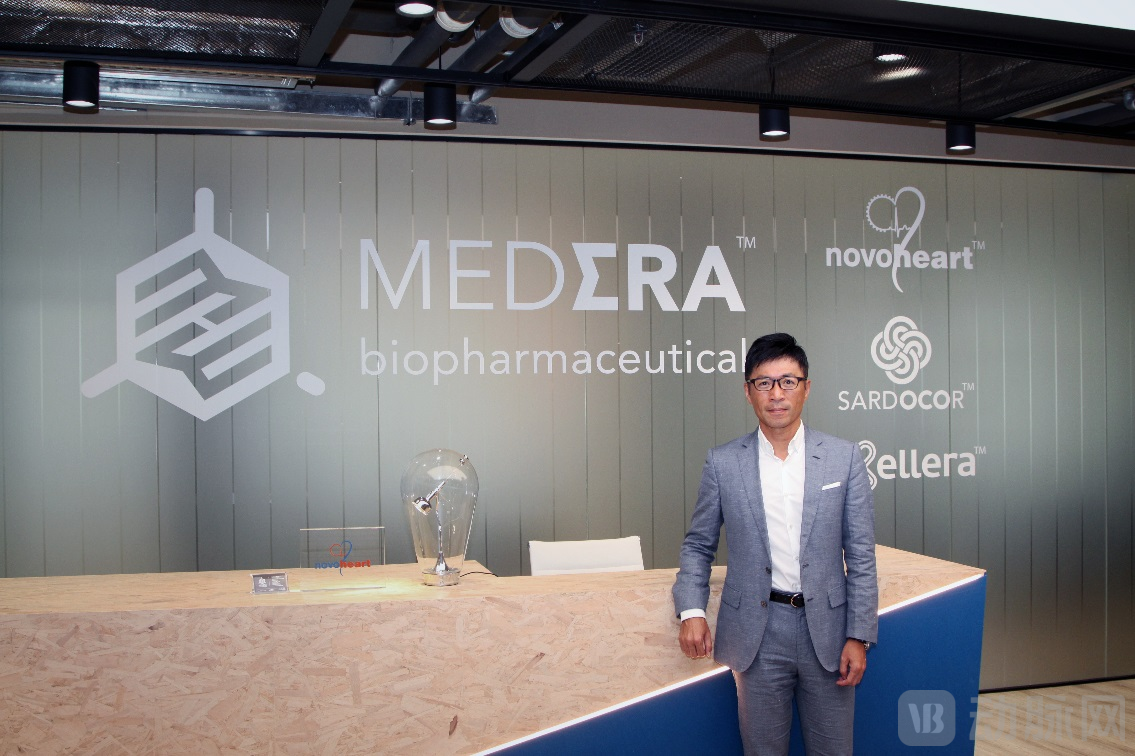
Professor Ronald Li, CEO and Co-founder of Medera
The three founders of Medera have accumulated over thirty years of extensive experience in research on pluripotent stem cells, cardiomyocytes, heart disease, and cardiovascular disorders.Among them, Professor Dengwei Li is an internationally recognized expert in cardiac electrophysiology, human cardiac cell and tissue engineering, and pluripotent stem cells; Professor Roger Hajjar is a world-renowned cardiac scientist, inventor, and translational scientist specializing in heart failure and gene therapy; and Professor Kevin Costa is a distinguished biomedical engineer focusing on cardiovascular cell and tissue engineering.
The three individuals have published more than 800 peer-reviewed articles in top-tier international journals such as *Nature*, *Nature Communications*, *Nature Biotechnology*, and *Circulation*. They have secured over $100 million in government funding and are recognized leaders in their respective fields.
Currently, Medera Medical Group is participating in the construction of the first human induced pluripotent stem cell (iPSC) bank designed for Hong Kong and other cities in the Greater Bay Area. Other partners in this project include the Hong Kong Red Cross Blood Transfusion Service, the Department of Paediatrics and Adolescent Medicine at Queen Mary Hospital, The University of Hong Kong, Scottish National Blood Transfusion Service, and The University of Edinburgh.
Professor Li Dengwei stated, “We are delighted to establish Hong Kong’s first commercial-scale current Good Manufacturing Practice (cGMP) facility dedicated to the production of Advanced Therapy Medicinal Products (ATMPs). Unlike in the past, when we had to rely on imported products, we can now achieve local or regional production, directly benefiting patients in Hong Kong and other cities across the Greater Bay Area.”
The cell lines within the iPSC cell bank will serve as a source for immune cell matching in the treatment of various diseases, including heart disease, spinal cord injury, and blindness.Thereby significantly bolstering the development of next-generation advanced gene and cell therapies both within Medera Group itself and across the Hong Kong region. It is reported that this major project marks the fourth substantial 50/50 matching grant awarded to Medera Group by the Innovation and Technology Commission, underscoring the Hong Kong Special Administrative Region Government’s endorsement of advancing next-generation therapeutic modalities.
As the three subsidiaries under the group develop in synergy and the group advances the construction of its human induced pluripotent stem cell (iPSC) unit bank, Professor Li Dengwei stated that Medera Group will continue to strengthen external collaborations to drive the ongoing expansion of its business lines. Medera Group also looks forward to engaging in business discussions with partners and investors whose interests align with its operations, while welcoming more outstanding talent from the industry to join the team.