

H2NET Heart Health Network Officially Launches to Advance Cardiovascular Disease Prevention Through High-Quality Medical Data Collaboration
To accelerate the rapid development of the cardiovascular field, leverage reliable, high-quality medical data to explore patterns in the prevention and treatment of cardiovascular diseases, and usher in the cardiovascular inflection point at an early date.Under the advocacy of Professor Chen Jiyan from Guangdong Provincial People’s Hospital and Professor Yang Qing from Tianjin Medical University General Hospital, cardiovascular experts across China jointly established the H2NET (Heart Health Network) Cardiac Health Collaborative Group. This initiative relies on two national platforms: the National Health and Medical Big Data West Center and the NMPA Hainan Key Laboratory of Real-World Data. H2NET receives exclusive technical support from Beijing Yiming Technology Co., Ltd.
On August 11, 2021, the H2NET Cardiac Health Collaborative Group was officially launched at the 2021 China Southern International Cardiovascular Academic Conference. On its inaugural day, nearly 40 cardiovascular experts from hospitals across China had joined the initiative.
The H2NET Cardiac Health Collaborative Group aims to address the difficulties and obstacles encountered in data sharing within the cardiovascular field, explore operational models for cardiovascular data sharing, and facilitate data sharing in China. By establishing multi-level collaborative strategies and sharing mechanisms, it strives to provide new channels for cooperation and data sources for the development of cardiovascular epidemiology and clinical research, thereby fostering a data-sharing ecosystem characterized by shared resources, joint development, symbiosis, and mutual benefit.
At the inaugural meeting of the H2NET Cardiovascular Health Collaborative Group, Professor Chen Jiyan, Vice Chairman of the Cardiovascular Branch of the Chinese Medical Doctor Association and a leading expert at Guangdong Provincial People’s Hospital, pointed out that although China, as a country with a large population and a high burden of cardiovascular disease, has clinicians with extensive treatment experience, its contribution of cardiovascular data to the global medical community remains limited. This disparity is inconsistent with the nation’s current healthcare status and capabilities. The key lies in leveraging big data from cardiovascular care in China to uncover patterns in the prevention and management of cardiovascular diseases. In the future, it is hoped that hospitals across China, primarily tertiary A-grade institutions, will participate in effectively integrating, summarizing, and sharing cardiovascular data, thereby making greater contributions to the medical community.
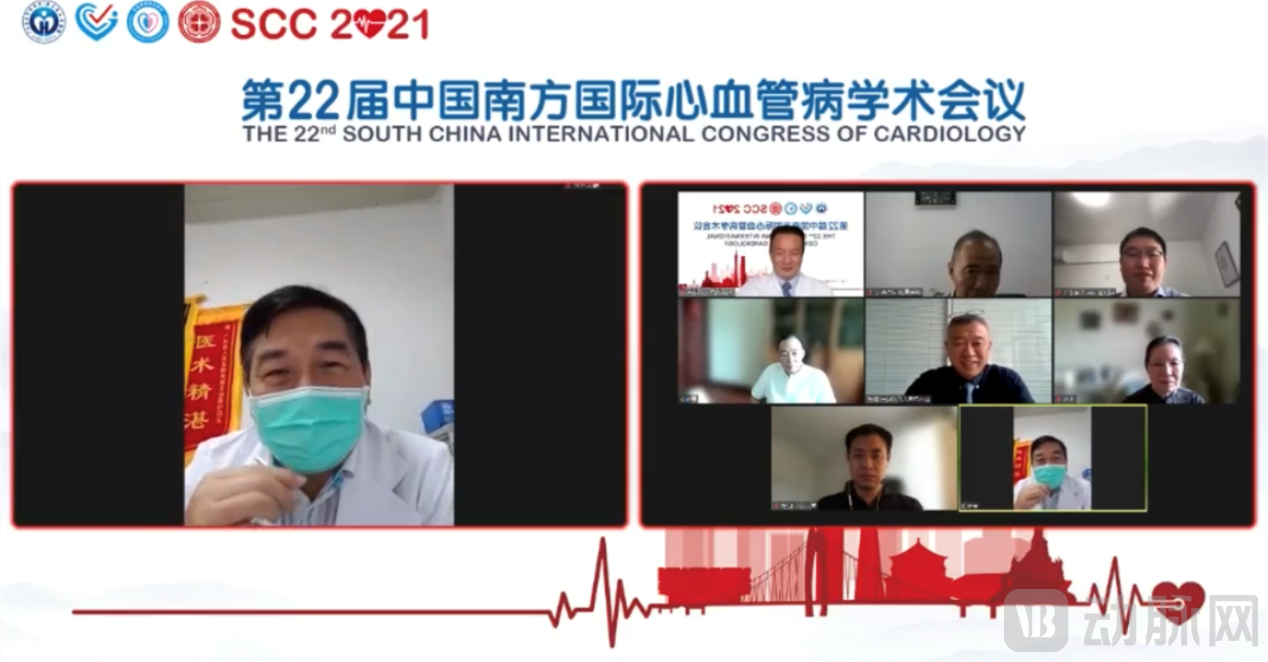
Professor Huo Yong from Peking University First Hospital stated that the establishment of H2NET has facilitated domestic data utilization, the construction of multi-level data collection systems, and information sharing. He expressed hope that diverse research initiatives will jointly advance the informatization of cardiovascular care, enhance capabilities in cardiovascular disease prevention and treatment, and accelerate the arrival of the turning point in cardiovascular morbidity and mortality.
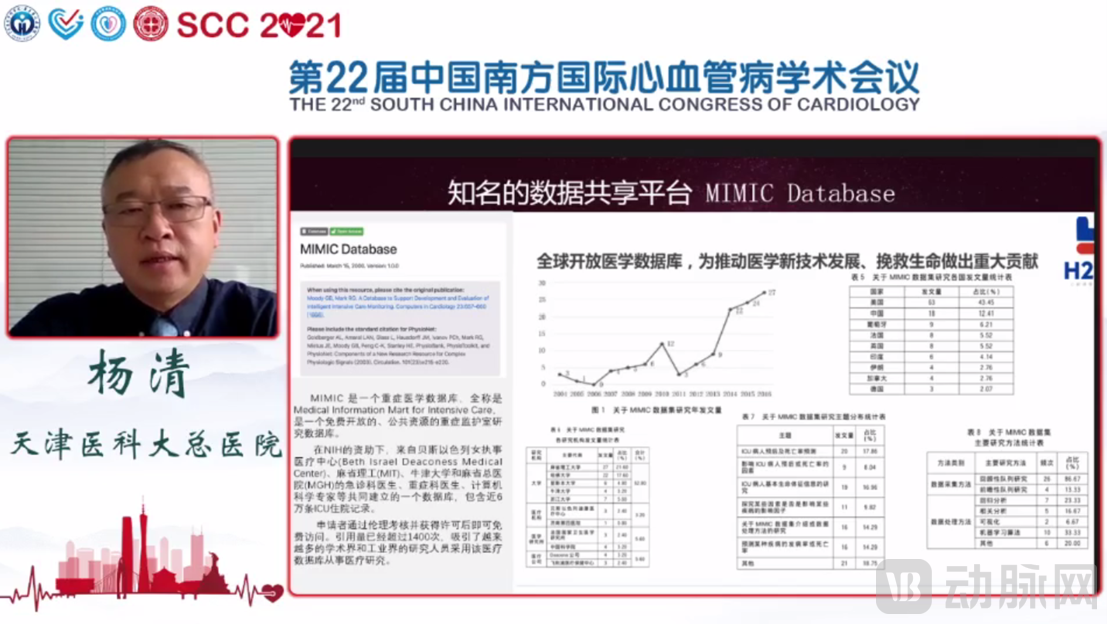
Professor Yang Qing from Tianjin Medical University General Hospital provided a detailed introduction to the organizational structure, management mechanisms, platform operations, and 2021 annual plan of the H2NET Cardiac Health Collaborative Group.
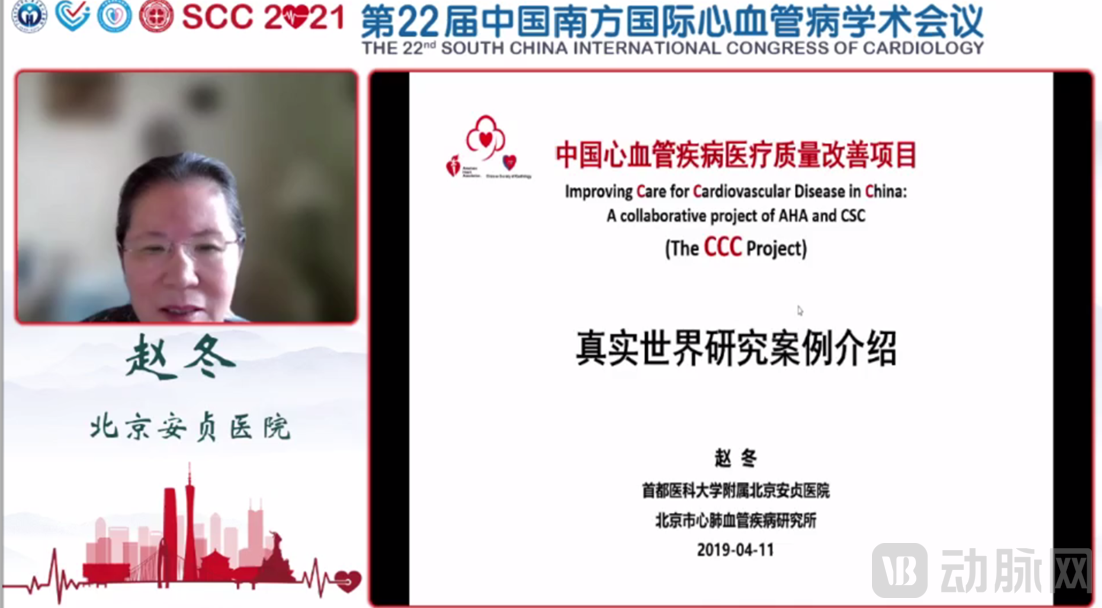
Multiple experts shared findings from early real-world studies in the field of cardiovascular medicine in China. Professor Zhao Dong, a renowned expert in cardiovascular epidemiology at Beijing Anzhen Hospital, Capital Medical University, presented “Introduction to Real-World Study Cases.” He highlighted that the CCC project has achieved significant results in data sharing and utilization, yielding 29 scientific publications over five years, including 5 domestic papers and 24 SCI-indexed articles. Summarizing his experience, Professor Zhao noted that the widespread adoption of electronic medical records and improvements in standardization and structuring will greatly promote clinical research based on routinely collected clinical data. This approach can substantially improve the efficiency of clinical research while reducing costs. However, one of the challenges in real-world studies is data quality. If the H2NET Cardiovascular Health Collaborative Group can address data quality issues at the technical level in the future, it will bring substantial benefits to clinical research.
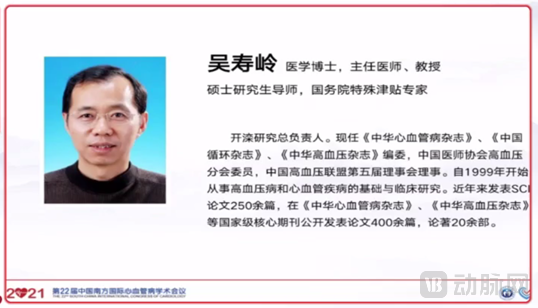
Professor Wu Shouling from Kailuan General Hospital also shared his experiences and insights on the “Construction of a Cardiovascular Platform Based on Community Cohort Populations.” Through open data sharing via the platform, substantial scientific research achievements have been obtained, with published articles covering multiple specialties including cardiology, neurology, endocrinology, nutrition, psychiatry and psychology, oncology, gastroenterology, orthopedics, ophthalmology, obstetrics and gynecology, rheumatology, and immunology. To date, 600 articles have been indexed by SCI, and nearly 500 articles have been published in Chinese core journals.
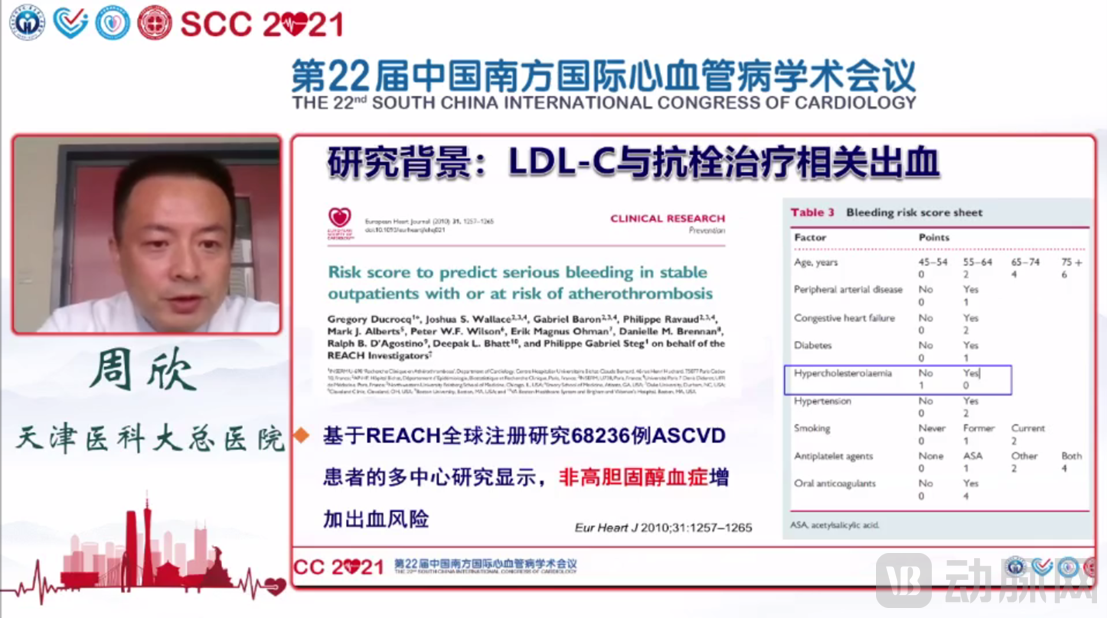
Tianjin Medical University General Hospital: At the conference, Professor Zhou Xin shared findings from Professor Zhao Dong’s CCC-ACS registry study regarding the association between low-density lipoprotein cholesterol levels and bleeding risk associated with intensive antithrombotic therapy. The study, published in the European Heart Journal, further demonstrates that real-world studies also hold significant scientific value.
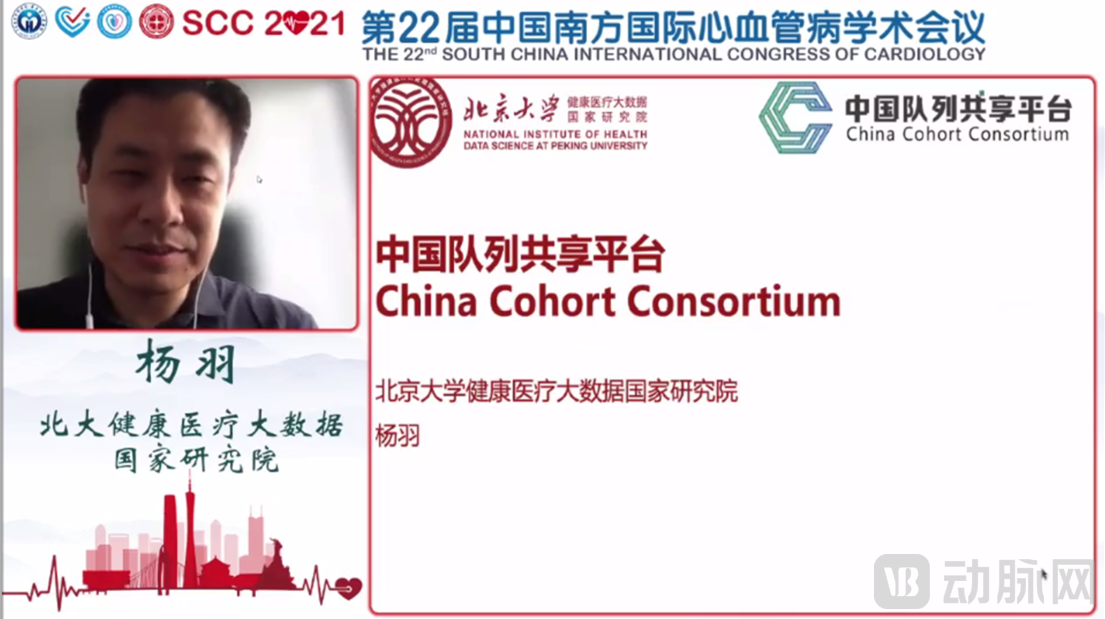
Professor Yang Yu from the National Institute of Health and Medical Big Data at Peking University shared the successful model of the “China Cohort Sharing Platform.”
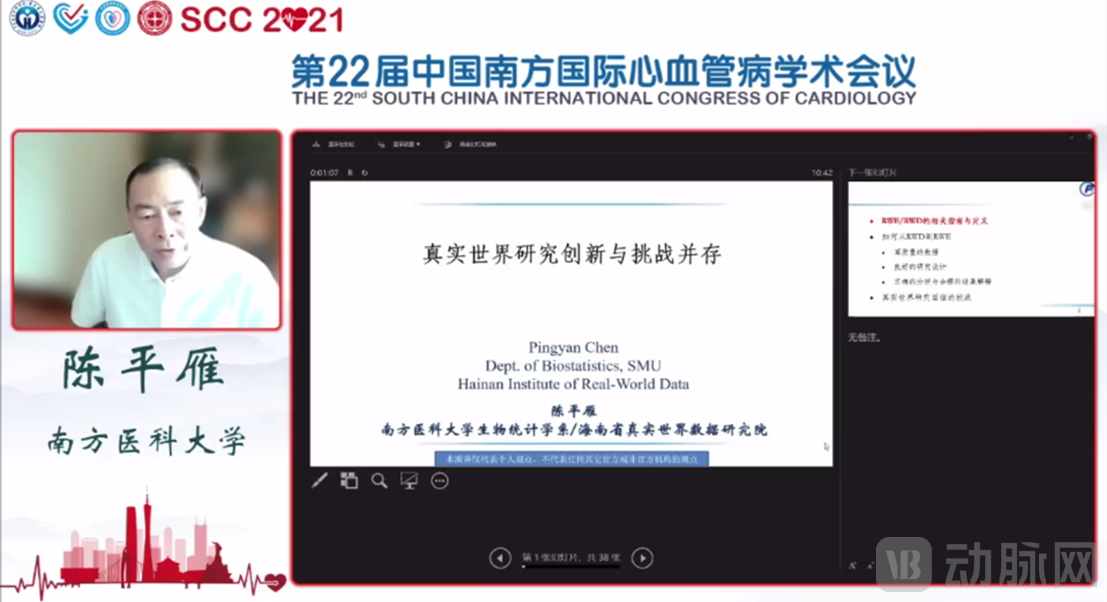
Finally, in his presentation titled “Innovation and Challenges Coexist in Real-World Studies,” Professor Chen Pingyan from the School of Biostatistics at Southern Medical University emphasized that generating real-world evidence from real-world studies requires high-quality data, robust study design, appropriate statistical analysis, and reasonable interpretation of results. In the practice of real-world studies, data governance is equally important as data management. The speaker engaged in active interactive discussions with the attendees, and the conference concluded successfully amidst lively deliberations.
We look forward to the H2NET Cardiac Health Collaborative Group successfully exploring a fair, mutually beneficial, and efficient data-sharing mechanism, becoming China’s MIMIC, leveraging China’s big data advantages to publish more guidelines, advance global medical development, and attract more experts to study in China!