

Breaking Barriers in Drug Development: Which Delivery Platform Reigns Supreme—Viral Vectors, Lipid Nanoparticles, Extracellular Vesicles, or ADCs?
Drug delivery has always been a perennial topic in pharmaceutical R&D. Whether for small-molecule drugs or biologics, nearly all therapeutics face challenges related to drug delivery. Drug delivery not only influences the ultimate efficacy of a medication but can even become a critical determinant of the success or failure of drug development.
For example, in the field of gene therapy,The construction of AAV viral vectors is widely recognized in the industry as a bottleneck constraining the development of the entire sector.. Dr. Yang Hui of Huida Gene, a leading gene therapy pharmaceutical company, once mentioned in an interview that large-scale, industrial-grade viral vector packaging and production is a significant factor limiting the industrialization of gene therapy in China. To achieve the transition from research and development to industrial-level production in the gene therapy industry, mature viral process development technology is required.
Certainly, beyond gene therapy, both small-molecule and large-molecule drugs rely heavily on delivery technologies. From ex vivo microneedle injection for delivering small-molecule chemical agents to in vivo delivery of large-molecule therapeutics encapsulated in lipid nanoparticles (LNPs), drug delivery systems are ubiquitous in the pharmaceutical field. Moreover, the healthcare industry has spawned a distinct CDMO sector dedicated exclusively to delivery technology services.
In 2020, Codiak BioSciences, a biotechnology company based in Massachusetts, USA, listed on the Nasdaq, becoming the first publicly traded pharmaceutical company in the U.S. stock market to focus exclusively on exosomes. Exosomes are naturally occurring delivery structures; Codiak engineers them to possess specific transport capabilities, enabling their use as “natural” carriers for the delivery of small molecules, RNA, proteins, and other substances. In the same year, Taysha Gene Therapies, an adenoviral vector-based gene therapy company founded just one year prior, also announced its listing on the Nasdaq. The company utilizes its proprietary adenoviral vectors to deliver gene therapies for the treatment of GM2 gangliosidosis, having received both Orphan Drug Designation and Rare Pediatric Disease Designation from the FDA for this condition.
In 2021, Verve Therapeutics, a biotechnology company specializing in lipid nanoparticle (LNP)-based mRNA therapeutics, announced its initial public offering (IPO). Its LNP-mRNA gene therapy is intended for the treatment of atherosclerotic cardiovascular disease (ASCVD).
Delivery technologies have become an indispensable component of the healthcare industry. But what does the overall landscape of the delivery technology sector look like? What are the cutting-edge delivery technologies currently emerging in drug development, what are their respective advantages and disadvantages, and what roles do they play in pharmaceutical R&D? By interviewing founders of more than ten pioneering pharmaceutical companies in China’s drug delivery field and reviewing extensive literature on delivery technologies, the author provides readers with a comprehensive overview of the entire delivery technology industry.
The History of Drug Delivery Development: Technological Upgrades Driven by Rising Demand
Clinically, drug delivery is of paramount importance. It is not merely about transporting drugs to the site of pathology; in fact, drug delivery systems primarily serve four core functions:Drug Targeting, Controlled Drug Release, Enhanced Drug Absorption, and Improved Drug PropertiesAmong these, “enhancing drug absorption” and “drug targeting” are the two areas with the strongest demand in clinical drug development. Of course, the functions of delivery systems are often not singular; rather, multiple functions coexist and work synergistically.
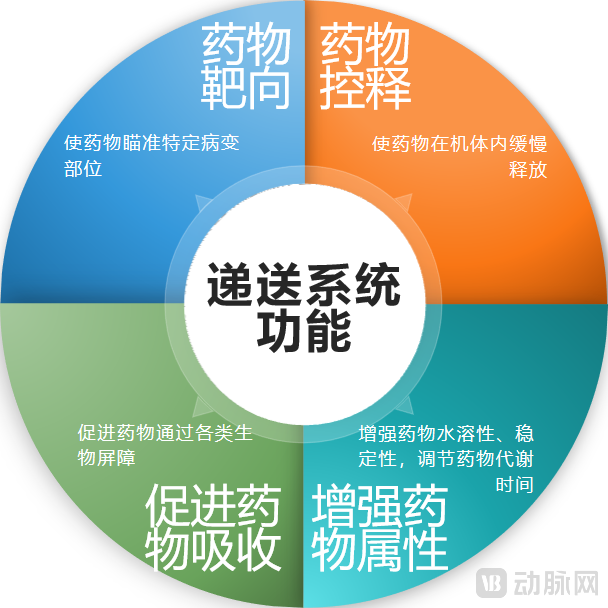
For example, various carrier-based formulations can facilitate drug absorption. By employing diverse surface modifications of the carriers, these systems enhance the ability of drugs that would otherwise struggle to directly penetrate cells to cross specific biological barriers (such as the blood-brain barrier and cell membranes), thereby improving therapeutic efficacy. Meanwhile, certain carriers can be engineered to achieve controlled drug release; for instance, by regulating the drug loading capacity and release rate of liposomes, it is possible to reduce adverse drug reactions while ensuring therapeutic effectiveness.
Furthermore, there is significant demand for “controlled drug release” in areas such as chronic disease management and ophthalmic therapy. Taking wet age-related macular degeneration (wAMD) as an example, the primary challenge in current treatment is the need for frequent intravitreal injections of anti-VEGF drugs over many years. The vast majority of patients discontinue treatment due to poor adherence, ultimately leading to vision loss or even blindness. Companies such as AbbVie, Regeneron, and Roche are all developing long-acting controlled-release drug systems for wAMD. Drug Delivery System Platform CompaniesPleryon TherapeuticsProprietary dynamic pore-size-modulated sustained-release system enables precise control over the release duration and profile of protein therapeutics, achieving up to six months of sustained intraocular delivery of anti-VEGF drugs.
In addition to promoting drug absorption and facilitating controlled drug release, conjugation-based targeted delivery technologies can achieve a wider range of functions depending on the specific conjugated molecules. For instance, conjugation with polyethylene glycol (PEG) molecules can enhance the stability of drug molecules, while conjugation with monoclonal antibodies or peptides can improve their targeting specificity. In comparison, conjugation-based delivery technologies offer greater flexibility in design, enable more diverse functionalities, and accommodate a broader variety of therapeutic payloads.
In 1959, the phospholipid bilayer structure of the cell membrane was observed for the first time under an electron microscope. Two years later, British biologist Alec Douglas Bangham and American scientist R. W. Horne, while calibrating an electron microscope using negatively stained phospholipids, observed that the phospholipids formed structures resembling the plasma membrane. This discovery laid the groundwork for the future development of liposomes (LNPs).
Subsequently, in 1971, British scientist Gregoriadis and colleagues first utilized liposomes (LNP) as drug carriers to formulate therapeutic agents. Since then, liposomes (LNP) have entered the stage of new drug development as a novel type of drug carrier.
Since liposomes (LNPs) can be prepared into lyophilized powder for storage via freeze-drying, they only form upon exposure of the lipid membrane components and encapsulated drugs to an aqueous environment. This unique system allowsLiposomes (LNPs) have become the most widely used and extensively applied drug delivery vehicles in the current pharmaceutical industry.。
Viral vectors possess the inherent ability to infect cells, enabling them to breach the cell membrane and deliver their genetic material (DNA/RNA) into the host cell. By hijacking the cell’s native transcription and translation machinery, the virus achieves replication and propagation of its own genetic material. This naturally occurring mechanism has highlighted the significant potential of viruses as delivery vectors for scientific applications.
In 1977, scientists achieved for the first time the delivery of “gene drugs” into mammalian cells for expression using viruses as vectors. By encapsulating the target gene within a viral capsid and leveraging the virus’s inherent infection mechanism, they successfully delivered it into target cells, thereby completing the “drug” delivery process.
The emergence of viral vectors occurred exactly five years after the concept of gene therapy was proposed, and 24 years after the discovery of the DNA double helix structure. From a historical perspective, it is evident that viral vectors were primarily applied as one component in the development of the gene therapy industry. During the same period, technologies such as recombinant DNA technology and PCR also advanced, collectively laying the foundation for the progress of the gene therapy field.
To date, the largest application scenario for viral vectors remains in the delivery of nucleic acid therapeutics (gene therapy).70% to 80% of gene therapy solutions on the market still rely on viral vectors for delivery.. Oncolytic viruses, which leverage the inherent oncolytic activity of the virus itself, have emerged as another major sub-sector.
Extracellular vesicles (EVs) are microscopic vesicles released by cells, containing biologically active molecules such as proteins and microRNAs (miRNAs). EVs were once regarded as cellular “garbage bags” for clearing unnecessary macromolecules. However, it was later discovered that the surface of EVs carries protein signaling molecules capable of recognizing target cells. Target cells can internalize EVs through receptor-ligand binding or endocytosis, thereby altering their physiological and pathological states. As carriers of intercellular signal transmission, EVs play a crucial role in cell-to-cell communication.
In 2013, American scientists James E. Rothman and Randy W. Schekman, along with German-American scientist Thomas C. Südhof, were awarded the Nobel Prize in Physiology or Medicine for their discoveries of the regulatory mechanisms governing extracellular vesicle (EV) transport. In the same year, Aegle Therapeutics, a U.S.-based regenerative medicine company, was established, becoming the first pharmaceutical company in history to focus on the industrial development of extracellular vesicles (EVs).
Extracellular vesicles (EVs) are now regarded as the most promising drug delivery carriers due to their natural material transport properties, inherent long-circulation capability, and excellent biocompatibility, making them suitable for delivering various chemical substances, proteins, nucleic acids, and gene therapy agents. Furthermore, EV-based drug delivery offers additional advantages, such as the ability to cross the blood-brain barrier.
Focusing on the Delivery Potential of Extracellular Vesicles (EVs),In 2015, the U.S. biopharmaceutical company Codiak was established, becoming the first biotechnology company in history to develop drugs using extracellular vesicles (EVs) as delivery vehicles.Codiak independently develops engineered exosomes, loading therapeutically active drugs into the exosomal lumen to selectively deliver them to specific cells within the tumor microenvironment.
The Landscape of Drug Delivery: From Delivery Vectors to Targeted Therapeutics
In the field of pharmaceutical R&D, drug delivery systems are not limited to drug carriers alone, nor is their function merely confined to delivering drugs to target sites. To gain a more systematic understanding of drug delivery systems, we have categorized them as follows, based on a review of publicly available information and in-depth interviews with industry practitioners:
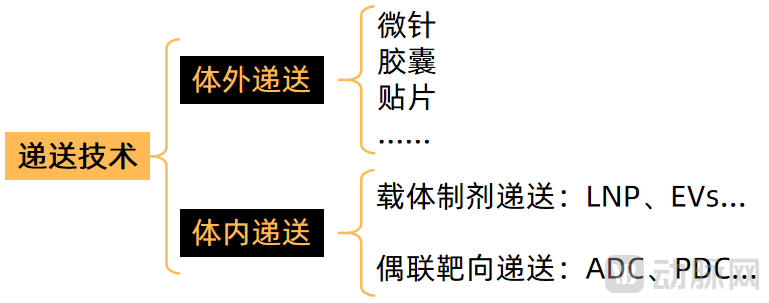
As shown in the figure, we first categorized drug delivery systems intoEx Vivo DeliveryandIn Vivo DeliveryThere are two major types, among which ex vivo delivery is not the primary focus of this article; rather, the study mainly revolves around various in vivo drug delivery methods. The authors further subdivide in vivo drug delivery intoCarrier-based Formulation DeliveryandConjugated Targeted DeliveryTwo forms.
Carrier-Based Formulation DeliveryIt refers to drug delivery that requires packaging via independent carriers, such as natural carriers represented by extracellular vesicles, artificial microspheres represented by lipid nanoparticles (LNPs), molecular polymers represented by micelles, and viral vectors, which encapsulate drugs within the carrier cavity to achieve drug molecule delivery.Conjugated Targeted DeliveryThis term refers to innovative drugs formed by covalently linking targeting molecules with drug molecules, which inherently possess targeted delivery capabilities since their development, such as nucleic acid carrier drugs and antibody-drug conjugates (ADCs).
This article will review these delivery vectors/drugs, compare their transport characteristics, and analyze the differences in application scenarios.
1Carrier-Based Drug Delivery: From Artificially Designed to Engineered Natural Carriers, with Increasingly Refined Delivery Functions
 Comparison of the Functions of Three Common Delivery Vectors
Liposomes (LNP)Liposomes are currently the most widely used delivery carriers in the industry. They are primarily composed of phospholipids and cholesterol, exhibiting excellent biocompatibility and biodegradability, with no toxicity or immunogenicity. As a drug delivery system, liposomes (LNPs) can effectively encapsulate various water-soluble macromolecules and small molecules with differing dissociation constants.
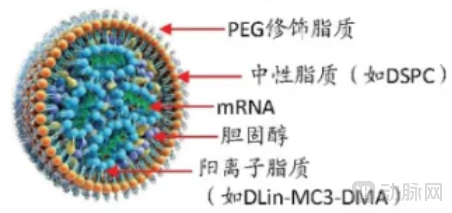
Schematic Diagram of Lipid Nanoparticle (LNP) Structure
Since lipid nanoparticles (LNPs) lack intrinsic targeting ligands on their surface, they are predominantly employed to deliver drugs that do not require targeted delivery. Examples include chemotherapeutic agents, antimicrobial and antiviral drugs, antiparasitic medications, genetic materials, vaccines, therapeutic proteins, anti-inflammatory drugs, hormones, and natural products. Notably, in the context of mRNA vaccine delivery, LNPs can protect against nuclease degradation and achieve highly efficient cellular transfection, making this one of the most prominent current applications of LNP technology.
Certainly, clinical applications can enhance the targeting capability of liposomes, control their circulation time, and determine their site of action by modifying the surface and improving functionality. Furthermore, altering the composition of the lipid bilayer in liposomes (LNPs) can enable them to perform different functions.
However, mRNA formulations prepared using lipid nanoparticles (LNPs) as carriers tend to accumulate in the liver and spleen, making it difficult to target other tissues. Due to the potential application limitations of LNPs, there is still significant room for improvement in vector technology, and the industry is exploring alternative delivery vectors such as lipid complexes and polymers. For example, StemRNA is developing a unique LPP nano-delivery platform, which features a bilayer structure with a polymer-encapsulated mRNA core and a phospholipid shell.
Viral VectorPackaging is primarily categorized into three major types: lentivirus (LV), adenovirus (ADV), and adeno-associated virus (AAV).
Among these, lentiviruses are viral vectors derived from the human immunodeficiency virus (HIV) and belong to the retrovirus family; adeno-associated viruses consist of an icosahedral protein capsid approximately 26 nm in diameter and a single-stranded DNA genome of about 4.7 kb; adenoviruses are non-enveloped viruses with a diameter of approximately 90–100 nm, exhibiting broad cellular and tissue tropism, and adenoviral vectors have a large gene-carrying capacity, accommodating inserts of up to 7–8 kb.
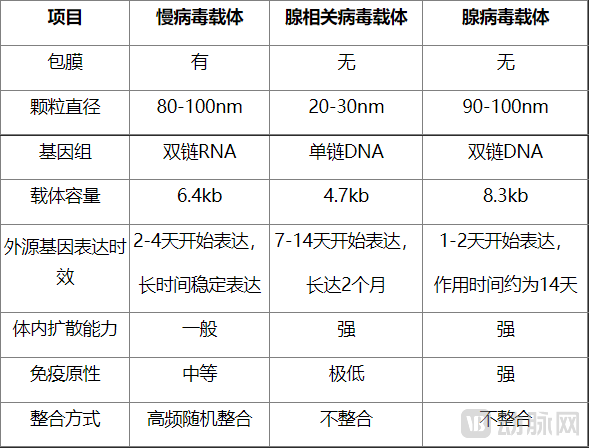
Comparison of the Characteristics of Three Common Viral Vectors
Among viral vectors, lentiviral vectors can efficiently infect nearly all cell types, and adeno-associated virus (AAV) vectors also demonstrate high delivery efficiency. AAV-based delivery has already been applied in clinical in vivo and ex vivo gene therapies, representing a relatively mature delivery technology. However, viral vectors have critical limitations, including risks associated with genomic integration, inability to support repeated administration, and potential host immune rejection. These shortcomings represent urgent areas for optimization in viral vector research. To address these challenges, the industry has made corresponding efforts.
In China, Bendao Gene has developed a newVirus-Like Particle (VLP) Vector, leveraging the principle of specific recognition between mRNA stem-loop structures and phage capsid proteins, this approach employs viral engineering technology to seamlessly combine the advantages of both viruses and mRNA. This has led to the creation of a novel delivery platform, VLP-mRNA, which ensures transient in vivo expression of gene-editing enzymes (with degradation within 72 hours), thereby reducing the probability of off-target effects and enhancing the safety of gene-editing therapeutics.
In the United States, Ring Therapeutics' gene therapy company, a global first-of-its-kind“Ring Virus”It can overcome the limitation of traditional viral vectors that cannot be repeatedly administered, as it is compatible with the human immune system and does not trigger an immune response even upon repeated dosing, thereby facilitating long-term therapy. Furthermore, the torquetenovirus vector carries circular single-stranded DNA, which does not integrate into human double-stranded DNA, making it a safer vector platform. Reportedly, this virus belongs to the genus Alphatorquevirus, primarily uses primates as hosts, has circular single-stranded DNA as its genetic material, and features a genome size of approximately 3.5–3.8 kb.
Extracellular Vesicles (EVs)As natural biopolymer carriers, they offer advantages such as low immunogenicity, minimal toxic side effects, high cargo capacity (including proteins, lipids, nucleic acids, and carbohydrates), systemic circulation, and targeted delivery. They are widely recognized within the industry as the most promising delivery vectors.
Extracellular vesicles (EVs) can be classified based on their biosynthetic or release pathways into exosomes, microparticles/microvesicles, apoptotic bodies/blebs, large oncosomes, and various other EV subpopulations. The membranes of extracellular vesicles are resistant to degradation by extracellular nucleases, making them suitable carriers for small-molecule nucleic acid therapeutics, an application that has been extensively documented in the literature.
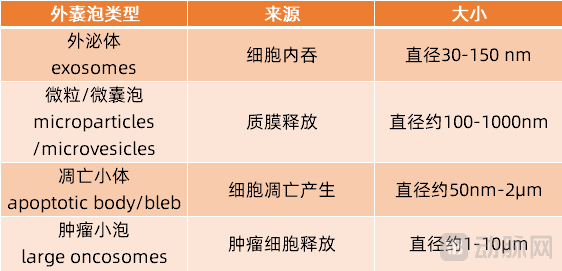
Comparison of Several Types of Extracellular Vesicles
Currently, there are three main types of extracellular vesicles (EVs) used by the industry for carrier development:Human-derived engineered exosomes, exosomes derived from human mesenchymal stem cells (MSCs), and exosomes derived from anucleate cells such as red blood cells and platelets. Engineered exosomes are currently the mainstream in the industry due to their modifiable targeting capabilities and enhanced drug loading efficiency. Mesenchymal stem cell (MSC)-derived exosomes, approximately 40–80 nm in size, can deliver microRNAs of 20–30 base pairs in length. Red blood cell-derived exosomes, influenced by the intrinsic properties of red blood cells, can carry DNA fragments up to 30 kilobases in length.
2Conjugated Targeted Delivery: Freely Combinable Targeting Moieties, High-Barrier "Biological Missiles"
Unlike carrier-based delivery methods,Conjugation targeting technology involves linking a drug to a molecule with targeted delivery capabilities via a linker, resulting in a conjugated drug with targeted delivery functions.. The most common examples include antibody-drug conjugates (ADCs), which were initially developed and applied as “biological missiles.” By leveraging the specificity of biological macromolecules (antibodies), ADCs selectively deliver small-molecule toxins (which are non-specific) to disease sites (such as cancer cells), thereby achieving targeted killing of cancer cells without affecting normal cells.
ADC DrugsIts origins can be traced back to 1980, when the initial concept was to combine monoclonal antibody-targeted therapy with conventional chemotherapy, thereby achieving both the high selectivity of targeted therapy and the potent cytotoxicity of chemotherapy in cancer treatment.
Currently, antibody-drug conjugate (ADC) drugs primarily consist of three components: an antibody, a linker, and a drug. The drug linked via the linker is typically a cytotoxin, which acts as the warhead to kill tumor cells; the antibody serves as the guidance system, precisely navigating the toxin to the target; and the linker connects the antibody to the toxin, facilitating intracellular release of the toxin.
According to Nature's forecast,The cumulative sales of the 10 ADC products launched before 2020 are projected to exceed $16.4 billion by 2026. The domestic ADC market in China was initiated in 2020 and is expected to reach RMB 7.4 billion in 2024 and RMB 29.2 billion in 2030, with a compound annual growth rate (CAGR) of 25.8% from 2024 to 2030.
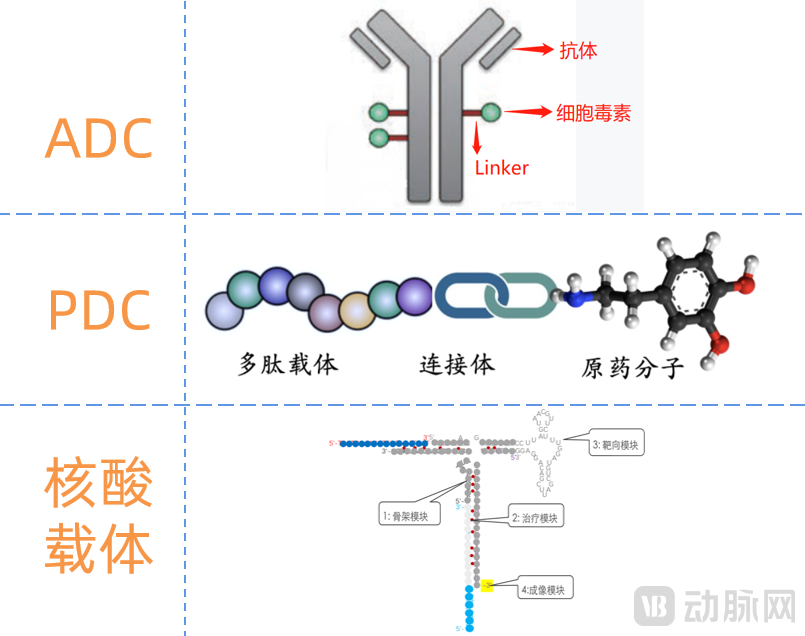
Several Drug Forms for Conjugated Targeted Delivery
In addition to ADCs, there have also emerged in recent yearsPeptide-Drug Conjugates (PDC), similar to antibody-drug conjugates (ADCs), it replaces the “antibody” component of the three-part antibody-linker-drug structure with a “peptide,” thereby retaining targeted delivery capabilities.
PDCs covalently link specific peptide sequences to cytotoxins via a cleavable linker, targeting diseased tissues to increase local cytotoxin concentration, reduce toxicity in non-diseased tissues, mitigate adverse reactions, and achieve the goal of enhanced efficacy with reduced toxicity.
PDCs integrate the advantages of peptides, featuring low molecular weight and biodegradability without inducing immunogenicity. By modifying the amino acid sequence of the peptide chain, the hydrophobicity and ionization properties of PDC conjugates can be altered, thereby addressing issues such as poor water solubility and inadequate metabolic clearance, while enhancing cellular and tissue permeability. This overcomes the high attrition rate of small-molecule drugs in clinical development due to suboptimal physicochemical properties. Certain specific peptide carriers can also overcome tumor drug resistance and enable drug delivery across the blood-brain barrier. Furthermore, compared with antibody-drug conjugate (ADC) technology, peptide-drug conjugates (PDCs) offer several industrial advantages, including superior homogeneity, lower production costs, and shorter manufacturing cycles.
In addition to ADC and PDC drugs, which can serve as “biological missiles,” other conjugate drugs in clinical use—such as antibody-cell conjugates (ACC), virus-like drug conjugates (VDC), antibody fragment-drug conjugates (FDC), antibody-oligonucleotide conjugates (AOC), immune-stimulating antibody conjugates (ISAC), and antibody-biopolymer conjugates (ABC)—also possess delivery capabilities. However, due to limited industrial research in these areas, this article will not provide an in-depth analysis.
In addition to conjugated drugs, there are delivery technologies that directly provide “linkers.” For example, by designing and assembling nucleotides into specific drug carriers, these carriers can be conjugated with the underlying nucleic acid sequences of target molecules (including macromolecules with targeting functions), thereby becoming nucleic acid drugs with specific targeted delivery capabilities.
Compared with ADC and PDC drugs,Nano Nucleic Acid CarriersIt enables the multi-targeted loading of aptamers, enhancing the specific binding of aptamer-mediated drugs to target cells. Through linker design, it ensures that the targeted aptamers remain unfolded with intact three-dimensional conformations, thereby preserving their specificity and affinity. Furthermore, a reasonable molecular weight ratio between the targeted aptamers and the drug increases the probability of specific binding of aptamer-mediated drugs to target cells. Nanonucleic acid carriers can load nucleotide fragments and most N-heterocyclic small-molecule drugs via sequence extension.
Pioneers in Domestic Drug Delivery: What Delivery Technologies Are Pharmaceutical Companies Using?
Having explored the diverse landscape of delivery technologies, which companies in China are actively advancing in this field?
First, from the perspective of viral vectors, gene therapy companies in China generally use viral vectors, includingAoyuan Heli, Zhishan Weixin, Huida Gene, Xinnian Medicine, Anlong BioNearly 20 domestic pharmaceutical companies are using viral vectors for gene therapy development.
On the other hand, there are also many CROs/CDMOs in China that provide professional virus packaging technical services, such asYuanxing Gene, Genesky Biotechnologies, Obio Technology, Baize Bio, Hanheng Bio, Cyagen BiosciencesMore than 10 companies, including [Company Names], are capable of producing a diverse range of clinical-grade viral vectors.
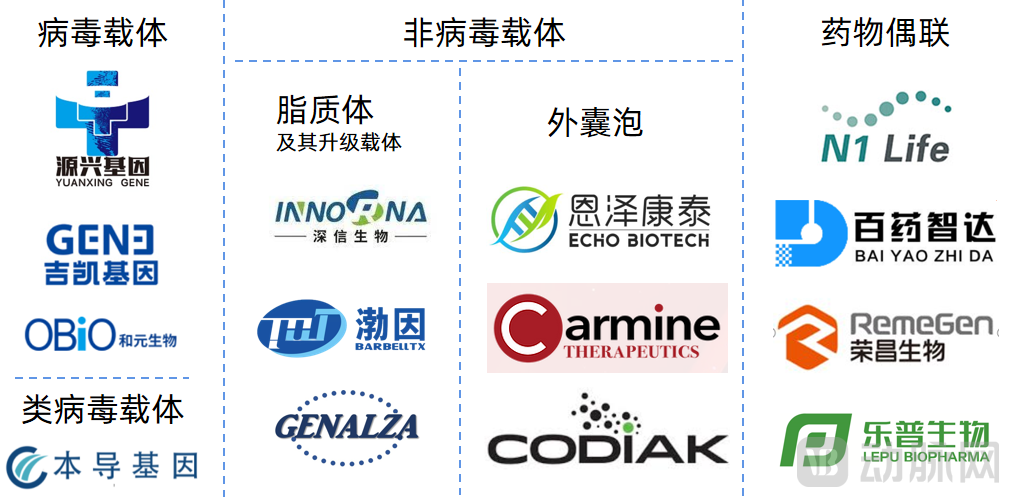
It is worth noting that,BenDao GeneA self-developed virus-like particle (VLP) delivery technology utilizes VLPs as carriers, which are intermediate between viral and non-viral vectors. By leveraging the specific recognition between mRNA stem-loop structures and bacteriophage capsid proteins, this approach employs viral engineering techniques to perfectly combine the advantages of both viruses and mRNA, creating a novel delivery platform known as VLP-mRNA. On one hand, the VLP carrier exploits the viral envelope to achieve highly efficient cellular infection; on the other hand, it capitalizes on the transient nature of mRNA to enhance the safety and controllability of gene-editing therapies, thereby reducing off-target effects. It is reported that BenDao Gene’s VLP platform has entered the Investigator-Initiated Trial (IIT) phase.
Unlike the strong association with viral vectors and gene therapy, lipid nanoparticles (LNPs) as delivery vehicles are linked not only to cutting-edge mRNA vaccines but also to various anticancer chemotherapeutic agents. Furthermore, clinical drugs requiring controlled drug release or enhanced drug absorption can also utilize lipid nanoparticles (LNPs) as delivery vehicles.
For example,Jingnuoze BiotechBuilding upon foundational liposome (LNP) technology, we have innovatively developed a “multi-drug liposome technology.” By controlling drug loading capacity and release kinetics, this approach reduces adverse drug reactions while ensuring therapeutic efficacy. Furthermore, surface modification of the liposomes enhances their targeting capability, thereby regulating drug distribution and duration of action in vivo. This technology alters the distribution and half-life of co-administered drugs, promoting uniform in vivo distribution. Consequently, it improves drug metabolic profiles, augments the synergistic effects of combination chemotherapy, addresses the limitations of existing methods, and ultimately enhances treatment outcomes.
However, the most cutting-edge research on liposomes (LNPs) is still based on nucleic acid vaccines. Because vaccine injections do not have high requirements for targeting, LNPs have become the preferred drug carrier for nucleic acid vaccine delivery. In China,Shenxin Biologics, Chuanxin BiologicsResearch on RNA drugs (mostly vaccines) has relied on lipid nanoparticles (LNPs) as delivery vehicles, making LNPs the most promising delivery technology for mRNA vaccines against infectious diseases.
Among them,Shenxin BiologicsThe lipid nanoparticles (LNPs) employed are ionizable cationic lipid nanoparticles that can efficiently encapsulate nucleic acid therapeutics. Compared with adeno-associated virus (AAV) vectors, this delivery system offers a larger cargo capacity and improved repeatability of administration.
Additionally, it is worth mentioning thatBoyin Biotech, the company is conducting innovative drug R&D focused on nucleic acid (DNA) drugs/gene therapy, but instead of using viral vectors, it employs a non-viral drug delivery vehicle capable of repeated administration. It is understood that this non-viral vector is an innovative carrier specifically optimized for DNA delivery, developed based on lipid nanoparticles (LNPs).
Secondly, in terms of extracellular vesicle carriers, the main ones currently in China areEnze Kangtai, Bomi Biotech, Yumeibo Biotechand other companies are conducting related research. Among them,Enze KangtaiPrimarily leveraging exosomes, a subtype of extracellular vesicles, as macromolecular delivery carriers, this approach employs engineering strategies to modify exosomes, significantly enhancing their loading capacity for specific active ingredients—including peptides, proteins, and nucleic acid therapeutics—and enabling selective delivery to target organs.
andBomi BioThe company employs red blood cell extracellular vesicle (RBCEV) carriers for delivery. It first isolates red blood cells from the blood of O-type donors, induces them to secrete RBCEVs in vitro, and then purifies them to obtain high-purity RBCEVs. RBCEVs can load DNA fragments up to 30 kb in size, as well as other nucleic acid therapeutics such as mRNA, antisense oligonucleotides, and siRNA. Since red blood cells lack nuclei and mitochondria, the secreted RBCEVs contain minimal endogenous nucleic acids, thereby forming a naturally blank nucleic acid delivery vehicle.
In addition to the carrier-based formulation delivery mentioned earlier, there are more than 20 companies in China engaged in ADC drug R&D, includingRemeGen, Lepu Biopharma, Keymed Biosciences, Genor Biopharmaetc.; other entities engaged in the R&D of PDC drugs includeN1 Life, Telcon Pharma, Mainstream Biotech, Tanyi Pharma, Shengnuoji PharmaFewer than 10 companies; this field remains a developmental lowland in China, with research firms being quite rare.
For example,Anhui Medical UniversityThe polypeptides linked via the linker not only target the tumor microenvironment to facilitate drug enrichment within tumors—thereby increasing intratumoral drug concentration, enhancing drug absorption efficiency, and reducing toxic side effects—but also leverage the peptide carrier to overcome multidrug resistance in tumors and even expand the indications of the original drug.Kangyuan JiuyuanUsing a linker to conjugate PEGylated toxins overcomes the randomness inherent in traditional ADC coupling technologies.
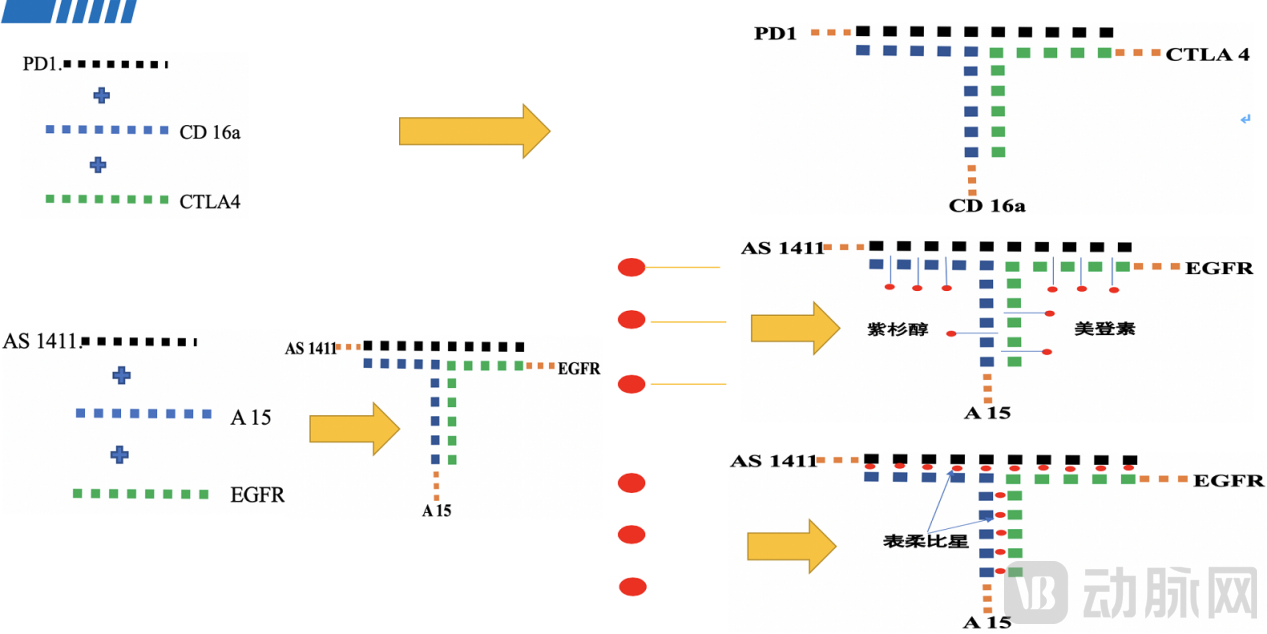
Baiyao Zhida's Nano-Nucleic Acid Drug Synthesis Process
Finally, another pharmaceutical company specializing in delivery technology services is worth introducing——Baiyao ZhidaLeveraging nucleotides and modified building blocks, the company biomimetically synthesizes multiple oligonucleotide RNA or DNA strands based on tRNA, which self-assemble into a series of T-shaped drug delivery systems in accordance with base-pairing principles. These carriers exhibit a dynamic particle size of approximately 10 nm (increasing to about 15 nm after conjugation with drugs and targeting ligands) and adopt a stable superhelical three-dimensional conformation, demonstrating excellent thermodynamic, pH, blood physiological, and enzymatic stability. Furthermore, Baiyao Zhida has developed a suite of methods for sequence extension, conjugation, and coupling, enabling the efficient attachment of various targeting moieties and pharmacophores, thereby facilitating flexible drug development.
Postscript: There Is No Best Vector, Only the Most Suitable Delivery Technology
Delivery technologies constitute a significant segment of the healthcare industry. As indicated by our previous research, nearly every delivery technology has corresponding drug candidates specifically developed to leverage its capabilities. For instance, viral vectors are the most commonly employed delivery system for nucleic acid therapeutics. This preference is attributed to the advantages of viral vectors, including high transduction efficiency, broad host range, and the capacity for simultaneous expression of multiple genes, all of which make them highly suitable for delivering nucleic acid drugs.
Certainly, the inherent limitations of viral vectors have become a key focus for pioneering scientists striving to overcome challenges such as the inability to re-administer doses and the risk of random genomic integration. This has led to the emergence of virus-like particle (VLP) vectors, as well as companies like Boyin Biologics that are exploring non-viral vector platforms to address the shortcomings of adeno-associated virus (AAV) in gene therapy.
When it comes to non-viral vectors, lipid nanoparticles (LNPs) have become the industry’s favorite. Pharmaceutical companies are undertaking various upgrades centered on LNPs to efficiently accommodate the delivery of target drugs, driven by differences in the properties of the payloads. Innovations such as nanoliposomes, cationic nanoemulsions, and multi-drug liposomes have emerged as a major direction for industry development. Due to their lack of active targeting, LNPs are currently the preferred delivery technology for nucleic acid vaccines. With strong capabilities in optimizing ionizable phospholipid chemical structures, along with advantages such as rapid degradation and high production yields, LNPs hold immense promise for future applications.
Compared with viruses and lipid nanoparticles (LNPs),Natural extracellular vesicles can be regarded as the cutting-edge third-generation delivery technology.. Not only is it easy to design for targeting, but it can also naturally carry large molecules and exhibits low immunogenicity. It is expected to address the shortcomings of existing delivery technologies and become a drug delivery system with unique advantages. However, there are currently few companies in China engaged in this field, and the technical processes require further refinement. Nevertheless, according to industry insiders, many pharmaceutical companies in China have already begun attempting to use extracellular vesicle delivery technology to replace original delivery methods, thereby improving drug delivery efficiency and other related properties.
Finally, we mention small-molecule drugs, which can be conjugated with monoclonal antibodies, peptides, and other moieties to form targeted therapeutics that selectively navigate to diseased sites (primarily tumors). Meanwhile, the linkers connecting small-molecule drugs to macromolecular monoclonal antibodies or peptides have become a focus of optimization for scientists. Additionally, improving the homogeneity of these conjugate drugs is a critical challenge that leading pharmaceutical companies need to address. Consequently, some pharmaceutical companies are attempting to directly construct nucleic acid vectors by “integrating” the drug payload into the nucleotide sequence itself, forming stable nucleic acid complexes linked to nanonucleic acid carriers, thereby addressing the issue of drug delivery homogeneity.
In summary, the pharmaceutical industry’s exploration of delivery technologies is unending, with continuous efforts dedicated to developing more efficient and optimized delivery systems. Delivery systems and pharmaceuticals evolve synergistically; drug delivery is ubiquitous in the medical field and will remain an enduring topic in the development of the pharmaceutical industry.
Special Acknowledgments:
Baiyao Zhida Partner, Wei Hong
Feng Hao, Founder of Jingnuoze Biotech
Kong Guanyi, CEO of Enze Kangtai
Li Linxian, Founder of Deepin Biologics
Pan Yukun, Founder of Boyin Biotech
Carmine Therapeutics Co-Founder Shi Jiahai
Yu Yu, Founder of Kening Biotech
Cai Yujia, Founder of Bendao Gene
Zang Xiaoyu, Founder of N1 Life
Liu Shumin, CEO of Kangyuan Jiuyuan
Hedu Bio......