

Ten Years of China's New Healthcare Reform: A Validation Journey of Internet Healthcare Models
Healthcare reform has been a central thread running through the development of China’s healthcare system. Since March 2009, when the central government set the goal of alleviating the difficulties and high costs associated with accessing medical care, the new round of healthcare reform has completed its first decade. Over these ten years, the internet healthcare industry has also emerged and developed in tandem. A review of the various phases reveals that the more successful pioneers in this sector have all sought to contribute to healthcare reform as their key entry point.
At the 2021 National Conference on Promoting Experience in Deepening Healthcare Reform and the China Health Development Summit held recently, Tianjin’s initiative to build a grassroots digital health consortium was awarded the 2020 “Top Ten New Measures for Advancing Healthcare Reform and Serving Public Health,” drawing widespread attention.
Tianjin’s Primary Care Digital Health Consortium is an innovative model launched in 2020 under the leadership of the Tianjin Municipal Health Commission. It aims to leverage digital platforms to build a citywide, health-centric, and efficient health maintenance system. The pioneering significance of this model lies in its being the first to designate an internet hospital as the lead entity, playing a crucial role in provincial-level healthcare reform.
It is evident that the innovative pathways through which internet healthcare empowers healthcare reform, both in broader scope and greater depth, have become increasingly clear. In fact, since the outbreak of the pandemic in 2020, internet healthcare has demonstrated remarkable responsibility, with its value widely recognized by various sectors of society. However, the pandemic was merely a contingent factor; the industry’s value should be evaluated and substantiated over a longer timeline.
The emergence of internet healthcare is primarily based on two core logics.
From the perspective of the internet industry, digital transformation is an inevitable trend in the evolution of traditional sectors. Mobile internet has aggressively penetrated and achieved success in fields such as social networking, media, and retail. The healthcare market, while vast, suffers from severe information asymmetry and inefficiency. There is a widespread belief that the value of the internet in enhancing efficiency and resolving information matching issues, as demonstrated in other sectors, can likewise be applied to the healthcare domain.
From the perspective of the healthcare industry, there has long been an imbalance between supply and demand in medical services. With the accelerating aging of the population and changes in disease patterns, public demand for medical and health services has surged. Given the limited supply, there is an urgent need to improve supply-side efficiency. Internet healthcare has thus assumed the critical responsibility of enhancing efficiency and improving the supply-demand relationship.
In 2009, the state launched a new round of healthcare reform. The "Opinions of the Central Committee of the Communist Party of China and the State Council on Deepening the Reform of the Medical and Health System" pointed out that there is an imbalance in the development of urban and rural medical and health services as well as regional disparities, along with irrational allocation of resources. This is one of the key issues that the new healthcare reform aims to address.
Since 2010, the internet has accelerated its penetration into the healthcare sector, with several prominent digital health companies being established in succession: Guahaowang (the predecessor of WeDoctor) was founded in 2010, Chunyu Doctors in 2011, and Ping An Good Doctor in 2014. From 2010 to 2014, the internet began to reduce information asymmetry in the healthcare field. The emergence of internet hospitals in 2015 provided a more effective breakthrough for alleviating the uneven distribution of medical resources in practice.
Resource Accumulation in the Era of Light Consultation
In the early stages of integrating the Internet with healthcare, the primary entry points were online appointment registration, lightweight consultations, physician tools, and health information services.
For example, WeDoctor (formerly Guahao.com) partners with physical hospitals to integrate offline medical service capabilities and provide appointment registration services for patients. On online doctor-patient communication platforms launched by Chunyu Doctor and Xunyi Wenyao, patients can consult with doctors online and receive medical advice. Haodf Online has gradually expanded from its initial physician review system into an online physician service platform, establishing post-diagnosis management tools across multiple disease areas. After its establishment, Ping An Good Doctor rapidly assembled a team of full-time physicians and introduced free consultation services.
Exploration during this period was highly significant. These initiatives promoted the digitalization of healthcare resources via the internet, laying a broad foundation for subsequent industry development and playing a crucial role in reducing information asymmetry between doctors and patients while enhancing the efficiency of their interactions. A large number of physicians began to embrace and leverage internet-based tools to provide online services. As early adopters, they influenced their peer communities after experiencing the convenience of these digital tools. Meanwhile, internet healthcare platforms accumulated substantial physician and hospital resources during this phase, establishing the foundation for future iterations and upgrades.
Internet Hospitals Emerge
In 2015, the “Guiding Opinions of the State Council on Actively Promoting the ‘Internet Plus’ Action” pointed out that the integrated development of the internet with various sectors of the economy and society would be further deepened, and healthcare services based on the internet should be developed. This provided a favorable policy environment for the innovative integration of the internet and the medical field.
At that time, internet-based healthcare models such as online hospitals and cloud hospitals had already emerged. In certain regions, pilots were conducted to enable online consultations, e-prescribing, and medication purchases through community health centers and pharmacies, or to facilitate family doctor contracting and services via the internet. These models represented an advancement beyond basic appointment scheduling and minor ailment consultations, helping to alleviate patients’ challenges in accessing medical care and purchasing medications with greater convenience.
In December of the same year, WeDoctor established the Wuzhen Internet Hospital, building on its prior accumulation of medical resources. As China’s first internet hospital, it pioneered a series of integrated innovative healthcare services, including online appointment scheduling, remote consultation, e-prescribing, medication delivery, and online payment.
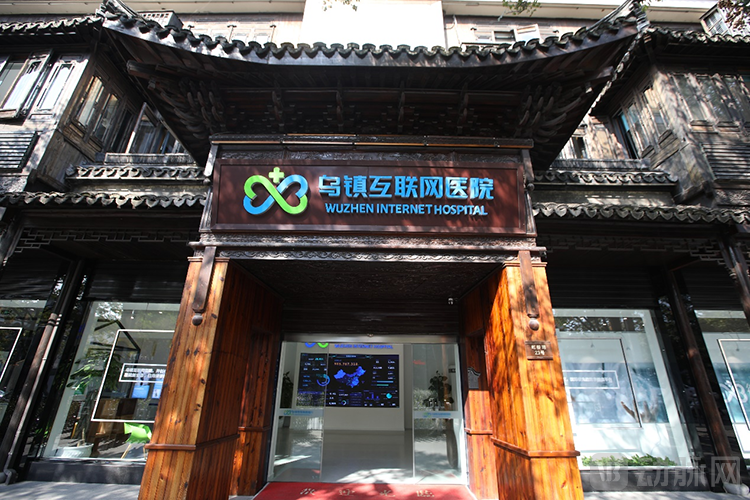
Wuzhen Internet Hospital represents a milestone achievement in the early exploration of internet-based healthcare. It has established the industry’s definition of an “internet hospital,” proposed solutions for effectively connecting patients, physicians, and hospitals, and broken down the traditional walls of conventional healthcare institutions.
The ability to provide follow-up consultations and prescribe medications for common and chronic diseases has become the key criterion distinguishing internet hospitals from ordinary online consultation platforms. The term “internet hospital” and its business model have since been widely adopted across the industry and ultimately incorporated into national policy. To date, internet hospitals have become a fundamental component of digital healthcare infrastructure.
In 2016, internet hospitals exhibited rapid growth, continuously expanding in both the breadth and depth of their connectivity to medical resources.
According to the 2016 White Paper on Internet Hospitals in China, jointly released by Tencent Research Institute and VCBeat Eggshell Research Institute, there were approximately 36 internet hospitals across China as of November 2016. Among them, Wuzhen Internet Hospital, Sichuan WeDoctor Internet Hospital, Gansu Internet Hospital, Guangxi Internet Hospital, Ningbo Cloud Hospital, 39 Internet Hospital, and Ali Health Online Hospital demonstrated a high level of development maturity.
Quantitative changes lead to qualitative transformations; once the breadth and depth of resource connectivity in internet hospitals reach a certain level, the key value lies in how to effectively mobilize these resources.
In March 2017, the Yinchuan Municipal Government launched the “Signing Ceremony for the Yinchuan Internet Medical Industry Project,” with 15 internet hospitals collectively signing agreements to establish their presence.
At that time, internet hospitals were a crucial component of Yinchuan’s smart city initiative, also revealing another key strategy of the city: leveraging internet-based healthcare to promote tiered diagnosis and treatment.
Tiered diagnosis and treatment is a core strategy of the new round of healthcare reform. The "Guiding Opinions of the General Office of the State Council on Promoting the Construction of a Tiered Diagnosis and Treatment System," issued in 2015, pointed out the need to develop internet-based medical and health services and fully leverage information technologies such as the internet and big data in the tiered diagnosis and treatment system. In 2016, Yinchuan became one of the 266 pilot cities nationwide for tiered diagnosis and treatment.
In 2017, the “Guiding Opinions of the General Office of the State Council on Promoting the Construction and Development of Medical Consortia” required the development of medical consortia in forms such as urban medical groups, county-level medical communities, cross-regional specialty alliances, and telemedicine collaboration networks, so as to adjust and optimize the structural layout of medical resources, promote the shifting of focus and resources in healthcare services to the grassroots level, and enhance primary care service capacity.
Thus, the country embarked on Phase 1.0 of medical consortium development, with internet hospitals serving as a key lever by leveraging their inherent “connectivity” advantage to participate from the outset.
The implementation of medical consortiums has accelerated collaboration between internet healthcare providers and public hospitals. Yinchuan has adopted a pioneering approach, encouraging the coordinated development of internet hospitals and offline physical hospitals to build medical consortiums and medical communities, foster clusters of internet hospital industries, facilitate the decentralization of high-quality medical resources, and promote tiered diagnosis and treatment.
In that year, Yinchuan Smart Internet Hospital partnered with Yinchuan First People’s Hospital to jointly launch remote specialist outpatient services, establishing an “Online Medical Consortium.” This “Online Medical Consortium” not only introduced high-quality medical resources from cities such as Beijing and Shanghai into Yinchuan, but also extended internet-based healthcare services to patients in surrounding counties, towns, and villages. By remotely guiding primary care physicians in the standardized management of common and frequently occurring diseases, it helped transfer diagnostic and treatment capabilities from the municipal level down to the grassroots level.
“Upgrading internet hospitals into internet medical consortia is the key implementation path for tiered diagnosis and treatment.”As early as October 2016, at a high-level industry summit, WeDoctor founder Liao Jieyuan put forward this perspective. Subsequently, starting with the Wuzhen Internet Hospital, WeDoctor launched internet hospitals in more than ten provinces and municipalities across China, using these platforms as vehicles to explore the establishment of an internet-based medical consortium.
In 2017, the Pingdingshan Municipal Government of Henan Province signed a cooperation agreement with WeDoctor on “Internet + Health Pingdingshan,” launching the initial pilot in Jia County. Online, WeDoctor helped establish an intelligent tiered diagnosis and treatment platform connecting county, township, and village-level medical institutions, while also leveraging internet hospitals to link with renowned national general and specialized hospitals. Offline, mobile cloud consultation vehicles and mobile hospitals delivered healthcare services from various levels directly to villagers’ doorsteps. This created a tiered diagnosis and treatment system that integrates online and offline services and connects medical resources across all levels.
During this period, internet-based medical consortiums targeted residents and healthcare institutions within specific regions, leveraging the internet to optimize resource allocation and facilitate the directed flow of medical resources. As an upgraded form of internet hospitals, these consortiums have emerged as significant milestone achievements in phased explorations.
In 2018, the internet healthcare sector witnessed the introduction of significant policy measures. The “Opinions of the General Office of the State Council on Promoting the Development of ‘Internet + Medical Health’” proposed the development of “Internet +” medical services. The “Internet +” medical services outlined in the document comprise two components:
First, medical institutions are permitted to establish internet hospitals. Second, internet-based services within medical consortia are allowed. Medical consortia should actively leverage internet technologies to accelerate the vertical integration of medical resources, enable interoperability and sharing of information, and facilitate efficient operational coordination. This will support the convenient provision of services such as appointment scheduling, two-way patient referrals, and telemedicine, promote the model of “primary-level testing with senior-level diagnosis,” and advance the development of an orderly tiered diagnosis and treatment system.
Subsequently, propelled by the support of internet healthcare, the construction of national medical consortiums has also entered the 2.0 phase.
In 2019, the National Health Commission and the National Administration of Traditional Chinese Medicine issued the “Notice on Promoting the Construction of Close-Knit County-Level Medical Communities,” requiring the establishment of close-knit medical communities, improving the intensive allocation of healthcare resources, promoting the integration of information systems and information sharing among healthcare institutions within the medical communities, and strengthening medical service capabilities and public health service levels.
County-level close-knit medical consortia have further focused on and deepened the development of medical alliances, aiming to establish a new type of county-level healthcare service system with clear objectives, well-defined rights and responsibilities, and collaborative division of labor, thereby gradually forming a community characterized by shared services, responsibilities, interests, and management.
As can be seen, the introduction of the policy on close-knit county-level medical communities, representing the 2.0 phase of medical consortiums, is precisely based on a series of exploratory practices previously carried out by local governments, public hospitals, and internet healthcare platforms such as WeDoctor.This demonstrates that internet healthcare has consistently strived to align with the top-level design of China’s national healthcare reform, and its exploratory practices have thus gained national recognition and even encouragement.
The establishment and reform of the basic medical security system are important components of the new healthcare reform.
Currently, the enrollment rate for China’s basic medical insurance has remained stable at over 95%, establishing the world’s largest basic medical security network. However, with the accelerating pace of industrialization, urbanization, and population aging, the disease spectrum is continuously evolving. In China, deaths attributable to chronic non-communicable diseases (NCDs)—such as cardiovascular and cerebrovascular diseases, cancer, chronic respiratory diseases, and diabetes—account for 88% of all deaths, while the associated disease burden represents more than 70% of the total disease burden. This substantial population of patients with chronic conditions has also increased pressure on medical insurance funds. Therefore, effective management of chronic diseases and reduction of the risk of complications are of significant importance for both patients and the medical insurance system.
Chronic diseases are permitted for online follow-up consultations and prescription issuance, opening up a key link in digital chronic disease management.
Historically, so-called digital chronic disease management primarily used health checkups, smart hardware, and medical devices as entry points to provide online management for patients. With follow-up consultations and prescription services serving as the connecting link, digital chronic disease management has evolved into a more comprehensive end-to-end service spanning from medical care to pharmaceuticals. A review of internet hospital services at the time by VCBeat’s Eggshell Research Institute in its “2019 Internet Hospital Report” found that approximately 35% of them were involved in chronic disease management.
In 2018, Medlinker began to intensify its efforts in the internet hospital sector, leveraging liver disease as an entry point to establish an online chronic disease management framework. It integrated the closed loop of “physicians, pharmaceuticals, and patients,” gradually expanding into additional therapeutic areas. Zhiyun Health, a company specializing in chronic disease management, also launched its internet hospital platform, providing patients with services such as online consultations, e-prescriptions, medication delivery, and long-term physician-led management.
In 2019, JD Health began operating independently and established a strategy centered on health management. Leveraging its advantages in pharmaceutical supply chains, JD Health has integrated online hospitals with offline resources, launching multiple specialty centers to explore prevention, rehabilitation, and chronic disease management for specialized conditions.
Chronic disease management is considered a high-frequency demand in the field of internet healthcare. With a large population base, patients with chronic diseases need to establish long-term connections with doctors, require continuous medication, health monitoring, and regular feedback on relevant indicators, as well as scientific guidance for disease management. These factors have driven many internet healthcare platforms to focus on chronic disease management services. More importantly, digital chronic disease management has gained recognition from national medical insurance.
In 2019, WeDoctor established China’s first internet hospital for chronic diseases in Tai’an, Shandong Province. Leveraging this internet hospital, WeDoctor built an internet-based medical consortium for chronic disease management. By collaborating with local public hospitals, it provides patients with end-to-end digital chronic disease management services, including follow-up consultations and prescription issuance, online medication purchases, online medical insurance payments, and health guidance and intervention, thereby forming an integrated online-offline chronic disease management system. On the payment side, WeDoctor has also promoted intelligent monitoring of medical insurance and innovation in payment methods, creating a “Internet + Medical Insurance + Healthcare + Pharmaceuticals” chronic disease management model. After one year of operation, the average time required for patients to renew prescriptions and obtain medications was reduced from two to three hours to approximately 30 minutes. The average cost per prescription decreased by about 12.7% compared to 2019, also reducing expenditures from the medical insurance fund.
In this model, internet-based healthcare services have secured more stable payers, while simultaneously enabling cost containment for these payers through the optimized allocation of online and offline resources. Consequently, a virtuous cycle is established between service providers and payers, thereby validating the value of internet healthcare through chronic disease management.
In 2020, the National Healthcare Security Administration issued the Guiding Opinions on Actively Promoting Medical Insurance Payment for “Internet+” Medical Services, proposing that localities may start with outpatient coverage for specific chronic and serious diseases and gradually expand the scope of medical insurance payment for “Internet+” medical services covering common and chronic diseases; the implementation of medical insurance payment for “Internet+” medical services serves as a significant driver for deepening reforms in the pharmaceutical and healthcare system as well as the medical security system.
The COVID-19 pandemic triggered an explosive growth in the internet healthcare industry. Data shows that by June 2021, more than 1,600 internet hospitals had been established across China. Among these, top-tier hospitals have created a demonstration effect, driving a large number of physical hospitals to launch their own internet hospital platforms. In addition to companies specializing in internet healthcare and pharmaceutical e-commerce, pharmaceutical manufacturers, medical device companies, and insurance firms have also become major entities in establishing internet hospitals.
As the development paths of internet healthcare enterprises and their payers become increasingly clear, the distinct strengths of each company are further emerging.
WeDoctor has established a digital healthcare service platform integrating internet hospitals, general practice centers, and mobile hospitals, providing medical services and health maintenance services, and constructing a payment system encompassing individuals, enterprises, basic medical insurance, and commercial insurance.
Alibaba Health and JD Health have carved out medical and pharmaceutical demands from e-commerce traffic, forming a consumer-centric (C-end) payment model.
As the online traffic gateway within Ping An’s healthcare ecosystem, Ping An Good Doctor works in close synergy with Ping An Group’s subsidiaries, including pension insurance, life insurance, and health insurance providers, with commercial insurance companies and enterprises serving as the primary payers.
Despite their diverse development paths, they share a commonality: no longer limiting their focus to medical services alone, but instead proposing “health” as the goal for development in a broader space.
JD Health is accelerating the implementation of its health management strategy through specialized centers and family doctor services. In 2021, Ali Health unveiled a new strategic vision: to become a “trusted expert” in caring for the health of you and your family. Ping An Good Doctor rebranded its app as Ping An Health, comprehensively upgrading its strategy from medical services to integrated medical and health services.
As early as 2016, the Chinese government established the “Healthy China” strategy. In 2019, the “Opinions of the State Council on Implementing the Healthy China Action” proposed accelerating the shift in healthcare philosophy and service delivery from a disease-centered approach to one centered on people’s health.
Internet healthcare infrastructure has been established, and the initiatives in the new phase are also a response to national policies.
From the evolution from internet hospitals to internet-based medical consortia, it is evident that internet healthcare played a pivotal role in the 1.0 and 2.0 phases of national medical consortium development. Against the current backdrop of the state’s vigorous promotion of the Sanming healthcare reform model and the accelerated advancement of coordinated reforms across healthcare, health insurance, and pharmaceutical sectors, internet healthcare is further propelling the construction of medical consortia into the 3.0 phase.
The Tianjin Primary Care Digital Health Consortium, honored as one of the “Top Ten New Initiatives in 2020 for Advancing Healthcare Reform and Serving Public Health,” stands as a highly representative innovative practice in the 3.0 stage of Medical Consortia. Led by Tianjin WeDoctor Internet Hospital and collaboratively established with 267 primary healthcare institutions across the city, the consortium has implemented four cloud-based platforms—Cloud Management, Cloud Services, Cloud Pharmacy, and Cloud Diagnostics—to digitally empower primary care settings, thereby providing users with comprehensive medical and health maintenance services throughout the pre-diagnosis, during-diagnosis, and post-diagnosis phases.
Tianjin’s Grassroots Digital Health Community has undergone a further upgrade based on medical consortia and tightly integrated county-level medical communities. It establishes a health stewardship system within the provincial administrative region through digital means, redefines performance evaluation mechanisms with a focus on health outcomes, incentivizes through retained surpluses, constructs a new accountability mechanism, and enables healthcare payers to cover health outcomes based on predetermined costs.
In contrast, previous efforts to build medical consortia primarily leveraged information technology and hardware infrastructure to integrate healthcare resources within a given region, thereby enhancing collaboration efficiency among medical institutions. In the Stage 3.0 era of medical consortia, exemplified by grassroots digital health communities, the focus extends beyond resource integration to establishing corresponding incentive mechanisms through digital means, underpinned by more aligned objectives.
The “Work Plan for Comprehensive Performance Assessment of Medical Consortia (Trial)” issued in 2018 already pointed out the need to establish a benefit-sharing mechanism for medical consortia, so as to promote their development toward close-knit collaboration and form a dynamic mechanism that ensures their sustainable development.
Currently, Tianjin’s primary care digital health consortium is deploying digital chronic disease management services and exploring new payment models, such as diagnosis-related capitation-based bundled payments under medical insurance.Based on the assessment results of healthcare management quality, implement the incentive and constraint mechanism of “retaining surpluses and providing no subsidies for deficits.” Under this mechanism, service providers and payers share aligned objectives, which facilitates the effective implementation of a “health-centered” approach.Taking the Zhongtang Town Community Health Service Center in Binhai New Area and the Dasi Town Community Health Service Center in Xiqing District, Tianjin, as examples within the Healthcare Consortium, diabetic patients who were enrolled and had health records established demonstrated an overall improvement in health status after management compared to pre-enrollment levels. The blood glucose control rate increased by 14%, the blood pressure control rate by 10%, and the complication screening rate by 5%.
“Tianjin is currently building a Digital Health Community, led by internet hospitals to form close-knit medical alliances, and establishing a ‘health accountability system’ centered on family doctor contracts and focused on chronic disease management. This is essentially the goal of Sanming’s Healthcare Reform 3.0; its related practical experience has strong demonstrative effects, and its achievements are worthy of attention,” said Zhan Jifu, the “chief architect” of Sanming’s healthcare reform and Director of the Standing Committee of the Sanming Municipal People’s Congress, in an interview with the media.
Within a closed system, there is an inherent tension among high-quality medical services, low costs, and convenient access to healthcare resources, making it difficult to satisfy all three simultaneously. Today, however, innovations in technology and business models are gradually resolving this conflict. Internet healthcare platforms have partially facilitated the migration of medical and health service scenarios, leading to varying degrees of improvement in healthcare accessibility, effectiveness, and affordability.
The new healthcare reform’s efforts to address the difficulties and high costs of accessing medical care are, in essence, a process of breaking the “impossible trinity.” Looking back, from internet hospitals to tightly integrated internet-based medical consortia, from pilot initiatives in select regions to widespread adoption nationwide, and from operating in a regulatory gray area with unclear policies to receiving policy support and broad recognition from multiple stakeholders, internet healthcare is becoming more deeply embedded within the healthcare system, emerging as a cornerstone of the new healthcare reform.
This is both an opportunity of the times and a mission for the industry.