

Aoda Biotech Advances Long-Acting Peptide Therapeutics Through Proprietary Modification Technology
Peptide drugs are currently one of the hotspots and key directions in international new drug research and development. Meanwhile, peptide and protein therapeutics have also been identified as a priority area for development under China’s 13th Five-Year Plan. Data shows that the global peptide drug market reached $62.8 billion in 2020 and is projected to grow by an additional $33.2 billion to $96 billion by 2025, representing a compound annual growth rate (CAGR) of over 10% from 2020 to 2025. According to Frost & Sullivan, although peptide drugs currently account for only a small fraction of the total global pharmaceutical market in terms of sales revenue, peptides represent the second-fastest growing therapeutic class, with their market size expected to reach $141.9 billion by 2030.
Most peptides in the human body are hormones, which participate in nearly all critical physiological processes—including growth, development, immunity, and metabolism—by regulating protein function. Consequently, peptide drugs can exert broad effects on the endocrine, immune, digestive, cardiovascular, hematologic, and musculoskeletal systems. Currently, international peptide therapeutics are primarily concentrated in seven major disease areas: rare diseases, oncology, diabetes, gastrointestinal disorders, orthopedics, immunology, and cardiovascular diseases. Among these, rare diseases, oncology, and diabetes are regarded as the “three pillars” driving the peptide drug market.
Clinically, peptide drugs can be produced through chemical synthesis, genetic recombination, or extraction from animals and plants. They are primarily derived from endogenous peptides or other natural peptides, featuring well-defined structures and clear mechanisms of action. However, the development of peptide drugs still faces numerous challenges, such as difficulties in scalable production, high costs, poor stability, and short half-lives, which significantly hinder their research and development as well as their application in disease treatment.
Recognizing the potential and market opportunities of peptide drugs, the company’s founder, Ms. Zhou Shuliang, decided to launch a venture aimed at addressing the pain points in the clinical development of peptide therapeutics. In 2017, Chengdu Aoda Biotechnology Co., Ltd. (hereinafter referred to as “Aoda Biotech”) was established, focusing on structural modification and long-acting optimization of peptides to overcome numerous challenges in peptide drug development, thereby enabling the creation of long-acting peptide therapeutics.

Ms. Zhou Shuliang, Founder of Aoda Biology
It is reported that Aoda Bio possesses proprietary advanced technologies in the field of long-acting peptide engineering and modification, has filed 21 national invention patents, and has multiple patents currently undergoing PCT evaluation.
Following the establishment of Aoda Bio, Dr. Yu Haining, who brings over 20 years of experience in peptide medicinal chemistry research, joined the team. She earned her Ph.D. from the College of Pharmacy at the University of Iowa, studying under the distinguished American scientist Professor Robert J. Linhardt, where she focused on the structure and function of glycoproteins and the mechanisms regulating the onset and progression of major diseases. For many years, Dr. Yu has been dedicated to the research and development of innovative peptide drugs, as well as the design and industrial application of functional peptides.
In the fields of identifying disease-associated marker peptides, validating their functions, and discovering lead peptides, Dr. Yu Haining has published 77 scientific papers, filed 34 national invention patents (30 of which have been granted), and received several provincial and municipal Natural Science Awards. This extensive research experience has laid a solid foundation for Dr. Yu’s transition to industry, joining Aoda Bio to continue specializing in innovative peptide-based therapeutics.
Compared with conventional small-molecule chemical drugs, peptide drugs exhibit higher potency and greater selectivity, offering more pronounced advantages in the treatment of complex diseases. Moreover, as peptides are amino acid-based compounds, their metabolites are amino acids, resulting in minimal or even no adverse effects on the human body. In contrast to protein therapeutics, peptide drugs also boast advantages such as superior stability, high purity, lower production costs, and reduced or absent immunogenicity.
Dr. Yu Haining introduced that during the drug development phase, peptides can also be optimized through chemical modifications to improve the affinity, solubility, pharmacokinetic properties (stability), and toxicity of drug candidates, thereby supporting rapid screening of these candidates. This is precisely one of Aoda Bio’s strategies. Leveraging its proprietary core technologies with full intellectual property rights, the company mutates key sites in the peptide chain to significantly reduce enzymatic degradation rates. Meanwhile, through its pioneering amino acid long-acting modification technology, it has substantially extended the plasma half-life of its drugs.
China has long ranked first in the world for the number of patients with diabetes. GLP-1 receptor agonists are designated as standard therapeutic agents in both domestic and international clinical guidelines for diabetes management. These agents not only lower blood glucose levels but also effectively promote weight loss, provide cardiorenal protection, and reduce organ complications associated with diabetes. However, the domestic market for novel peptide-based diabetes medications has long been dominated by international pharmaceutical giants such as Novo Nordisk and Eli Lilly, resulting in a relatively low market share for domestically produced drugs. Consequently, Aoda Bio has chosen to focus its initial efforts on GLP-1 receptor agonists, leveraging its proprietary technologies.
In 2018, Aoda Bio Lab was established, and the team defined its R&D pipeline with a focus on long-acting GLP-1 receptor agonists. GLP-1 receptor agonists are a novel class of insulin secretagogues that exert biological effects such as glycemic control, weight reduction, cardiovascular benefits, and renal protection by acting on multiple organs through various mechanisms.
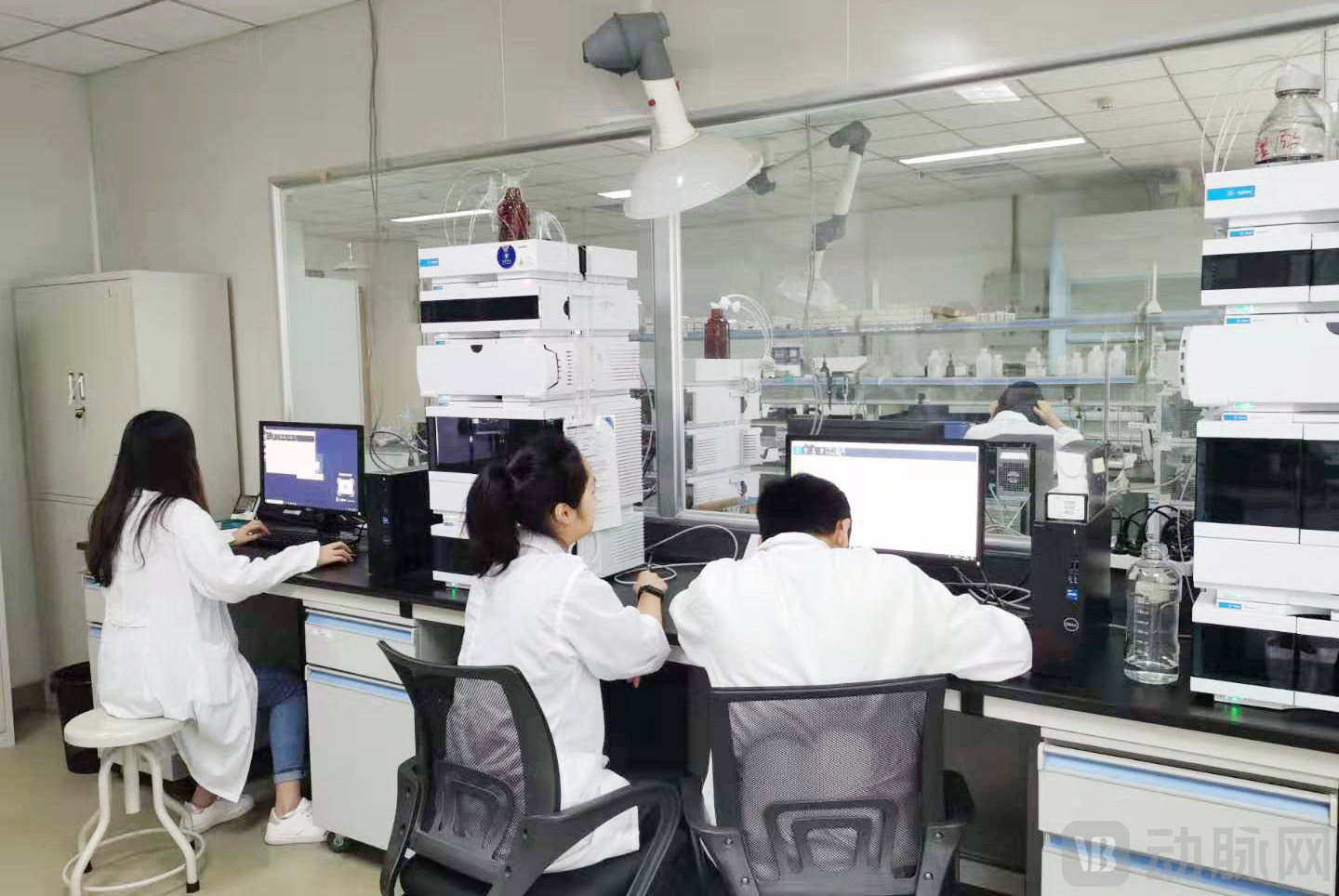
Aoda Biological Laboratory Team
Leveraging AudaBio’s amino acid long-acting modification technology, existing GLP-1 receptor agonist peptide drugs can be “upgraded.” By mutating key sites in the peptide chain, this approach reduces enzymatic degradation of the peptide and extends its plasma half-life, enabling once-weekly or even once-every-two-weeks dosing. The reduced frequency of administration inevitably alleviates patient discomfort and economic burden, significantly improving medication adherence among diabetic patients.
Dr. Yu Haining further emphasized that, compared with existing technologies such as PEGylation and genetic engineering-based IgG Fc fragment modification, this modification technology offers advantages including lower toxicity and significantly reduced costs, ultimately benefiting patients. Following three years of design and screening for long-acting modifications, the GLP-1/GIP dual-target receptor agonist in Aoda Bio’s pipeline has demonstrated higher potency than compounds with publicly available data both domestically and internationally.
Centered on GLP-1 receptor agonists, Aoda Bio’s pipeline primarily focuses on three major therapeutic areas: metabolic diseases, antimicrobial and antiviral treatments, and neurological disorders. Its portfolio mainly includes first-in-class innovative drugs such as long-acting GLP-1 receptor agonists, long-acting dual GLP-1/GIP receptor agonists, dual GLP-1/glucagon (GCG) receptor agonists, kappa opioid receptor agonists, and long-acting insulin analogs. These candidates are positioned to compete with high-end imported innovative drugs like semaglutide and liraglutide, which have achieved sales exceeding RMB 1 billion. Indications cover major disease areas including type 2 diabetes, non-alcoholic steatohepatitis (NASH), and COVID-19.
It is reported that Aoda Bio’s two most advanced pipelines have submitted pre-IND applications. Its novel coronavirus fusion inhibitor, long-acting GLP-1/GIP dual-target agonist, and long-acting GLP-1/GCG dual-target agonist have all achieved Preclinical Candidate Compound (PCC) status and are currently undergoing Good Laboratory Practice (GLP) non-clinical studies. Additionally, its long-acting teriparatide analog and long-acting abaloparatide analog, both indicated for osteoporosis, have also reached PCC status.
In July 2020, Aoda Biotech licensed out its GLP-1 receptor inhibitor pipeline to Lepu Bio-pharma. Through this model of project support, collaborative R&D, and license-out transactions, the company has essentially achieved self-sufficiency and is able to provide financial support for the R&D of other clinical pipelines.
Furthermore, Aoda Biotech has closely followed international hotspots in peptide drug research and established close collaborations with leading academic and research institutions, including the Aaron Diamond AIDS Research Center at The Rockefeller University and the New York University School of Public Health in the United States, as well as the Chinese Academy of Medical Sciences & Peking Union Medical College, the Kunming Institute of Zoology of the Chinese Academy of Sciences, Lanzhou University, and Sichuan University. These partnerships have broadened our frontier perspectives and significantly accelerated the company’s new drug development process.
Among these, Aoda Biotech collaborated with Professor He Yuxian from the Institute of Pathogen Biology, Chinese Academy of Medical Sciences and Peking Union Medical College—a recipient of the National Science Fund for Distinguished Young Scholars and the State Council’s Special Government Allowance—to develop a novel coronavirus fusion-inhibiting peptide, for which a Chinese invention patent has been filed. This peptide (AOD1537) demonstrated exceptionally high membrane fusion inhibitory activity in pseudovirus assays, with an IC50 as low as 1.5 nM. In evaluations of fusion inhibition mediated by the SARS-CoV-2 S protein, the IC50 was further reduced to merely 0.3 nM, reaching the picomolar (pM) range.
The potent inhibitory activity against live SARS-CoV-2 observed in the P3 laboratory further underscores the excellent performance of AOD1537, with an IC50 value of merely 7.7 nM. Among the inhibitors reported both domestically and internationally, it is classified as a highly active compound against SARS-CoV-2. Currently, the nebulized inhalation formulation of AOD1537 is undergoing preclinical pharmacodynamic evaluation. Professor He Yuxian stated that AOD1537 was designed based on the HR2 region of the S2 subunit of the SARS-CoV-2 spike (S) protein. It exerts its antiviral effect by binding to specific sequences of the HR1 region to form heteromeric complexes, thereby inhibiting viral fusion with target cells at the initial stage of virus-cell membrane fusion.
In conclusion, Dr. Yu Haining further stated that, due to the inherent pharmacological characteristics of natural peptides, peptide drugs are typically developed as receptor agonists. However, major diseases such as cancer and autoimmune disorders are often associated with enzyme inhibitors or receptor inhibitors; therefore, peptide inhibitors will also be incorporated into Aoda Biotech’s long-term development strategy, and the company has already initiated relevant research projects. To accelerate the advancement of Aoda’s innovative peptide drugs into Phase I clinical trials, Chen Qingyi, Vice President in charge of investment and financing at Aoda Biotech, announced that the company’s first round of financing is currently under planning.