

Weimai Leverages Internet + Full-Care Management Platform to Empower the Inheritance and Development of Traditional Chinese Medicine
In recent years, the rapid development of “Internet + Healthcare” has played a significant role in alleviating the uneven distribution of medical resources, enhancing the service capabilities of medical institutions and practitioners, and improving the efficiency of healthcare services. As an important component of China’s medical system, traditional Chinese medicine (TCM) has also embraced the “Internet +” model, injecting new vitality into this ancient practice for the modern era.
In October 2019, the “Opinions of the Central Committee of the Communist Party of China and the State Council on Promoting the Inheritance, Innovation, and Development of Traditional Chinese Medicine” issued by the state pointed out that information technology should support the construction of service systems, the “Internet + TCM Health Services” initiative should be implemented, and the development of internet-based TCM hospitals relying on medical institutions should be encouraged to promote integrated online-offline services and telemedicine. This March, General Secretary Xi Jinping reiterated, while visiting members attending the CPPCC session, the importance of upholding fundamental principles and breaking new ground in TCM, as well as advancing its inheritance and development. He emphasized the need to establish service, operational, management, and talent cultivation models that align with the unique characteristics of TCM, thereby carrying forward and enhancing traditional Chinese medicine.
Can the “Internet Plus” model inject fresh vitality into the inheritance and development of Traditional Chinese Medicine (TCM)? How can “Internet Plus TCM” empower TCM medical institutions and practitioners? How can we comprehensively enhance the general public’s scientific understanding of TCM?
The answer to all these questions begins with a small packet of traditional Chinese medicine belonging to Mr. Lin, a resident of Shenzhen.
Recently, Mr. Lin, who previously had to take a two-hour bus ride to the Shenzhen Traditional Chinese Medicine Hospital for follow-up visits and prescription pickups, discovered that with just a few clicks on his smartphone, his TCM herbal packs could be delivered directly from the hospital to his home. In this city never short of innovation, this change in TCM delivery reflects the “digital engagement” practices undertaken by hospitals and platforms across management, operations, technology, and other areas.
As the largest comprehensive Grade A tertiary traditional Chinese medicine (TCM) hospital in Shenzhen, Shenzhen Traditional Chinese Medicine Hospital serves as a local hub for TCM medical care, scientific research, and education. Like many traditional TCM hospitals, it faces significant constraints on improving the quality and efficiency of its medical services, as well as on patient experience, due to factors such as cumbersome herbal medicine management processes, complex chronic disease population management, and limited service coverage.
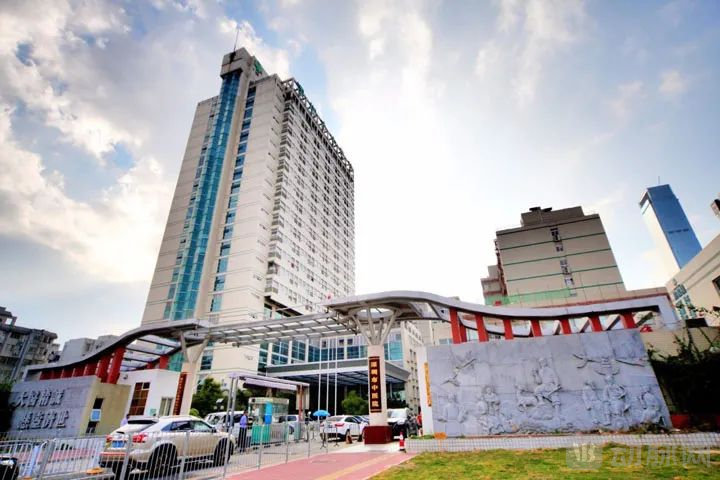
Shenzhen Traditional Chinese Medicine Hospital
In May 2021, Shenzhen Traditional Chinese Medicine Hospital, well-versed in modern technology, chose to partner with Weimai, an “Internet+” whole-course disease management service platform. Addressing two key pain points—follow-up visits and medication dispensing—the hospital embarked on a new exploration of the “TCM Whole-Course Disease Management Service” model:
In response to the “two highs” characteristic of TCM diagnosis and treatment—namely, a large number of chronic disease patients and frequent follow-up visits—the Shenzhen Traditional Chinese Medicine Hospital’s “Internet + TCM Full-Course Disease Management Service” provides comprehensive, full-cycle medical care that integrates online and offline services, including follow-up consultations, online payment, and medication delivery.
For Grandpa Lin, this small packet of medicine represents a process—prescribing, dispensing, decocting, and delivery—that is completed in one stop online.
Regarding collaboration with public hospitals on traditional Chinese medicine (TCM), Hong Naili (alias: Shi Jueming), head of Weimai’s TCM business, stated, “From pre-consultation preventive care to in-consultation medical treatment, and further to post-consultation rehabilitation and medication management, both inside and outside the hospital, hospitals and patients can benefit from whole-disease-course services that are accessible to the entire population, span the full care cycle, and cover all aspects of care. Traditional TCM hospitals are thus revitalized with new vitality.”
In Grandpa Lin’s words, “It’s much more convenient to see a doctor at the hospital.”
Shenzhen Traditional Chinese Medicine Hospital’s successful foray into the digital realm has demonstrated to the industry the greater potential for innovation in traditional Chinese medicine (TCM) services within public hospitals. Leveraging real-world patient and provider needs, along with years of deep industry expertise, multiple hospitals have partnered with Weimai to deliver refined, whole-course TCM health management services tailored to specific patient populations. These specialized services span departments such as gynecology, andrology, gastroenterology, and internal medicine, encompassing the formulation of TCM conditioning plans, health education, diagnostic and treatment support, refill prescriptions for Chinese herbal medicines, and guidance on TCM-based wellness and health management.
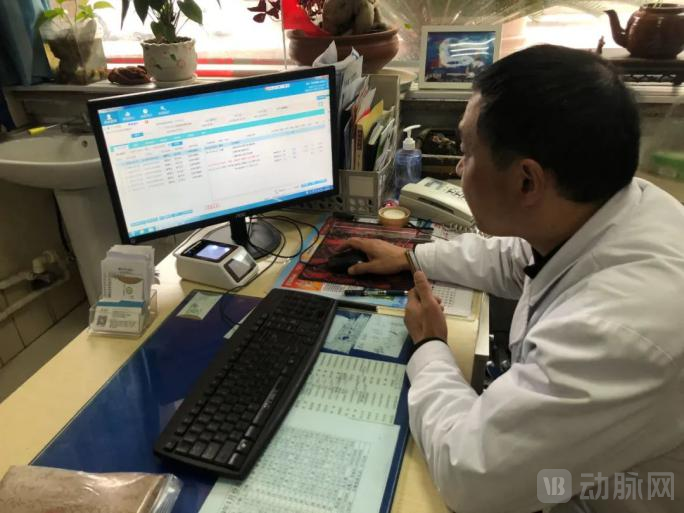
Doctors at Luohe Traditional Chinese Medicine Hospital Provide Precision Patient Management Online
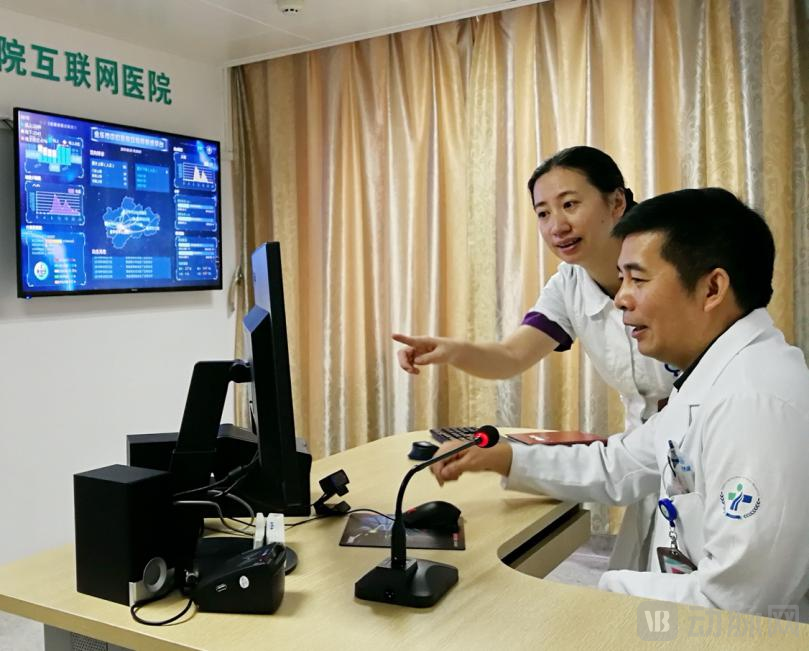
Jinhua Central Hospital’s TCM Services “Go Online” ((Source: Jinhua Central Hospital Official WeChat Account)
The “Opinions of the Central Committee of the Communist Party of China and the State Council on Promoting the Inheritance, Innovation, and Development of Traditional Chinese Medicine” point out that we should strengthen the development of traditional Chinese medicine (TCM) service institutions to provide TCM services covering the entire population and the full life cycle. By leveraging high-quality resources from collaborative partner hospitals, Weimai has established a management platform tailored for TCM patients, offering an online-offline integrated TCM treatment and service model that covers the full life cycle for patient communities, thereby effectively enhancing the level of TCM health management services.
The Ninth Meeting of the Central Committee for Comprehensively Deepening Reforms pointed out that it is necessary to improve the traditional Chinese medicine (TCM) service system, promote high-quality development of TCM undertakings and industries, strengthen the building of TCM talent teams, promote the inheritance, openness, and innovative development of TCM, reform and improve the TCM management systems and mechanisms, and leverage the unique role of TCM in disease treatment and prevention.
Improving the Traditional Chinese Medicine (TCM) service system involves more than just large hospitals; how to revitalize high-quality resources across the entire TCM ecosystem is another key consideration for Weimai’s TCM business team.
“In our country, renowned TCM physicians’ studios in public hospitals, TCM departments in primary care hospitals, chain TCM clinics, and individual TCM practices are all integral components of the TCM ecosystem. When discussing the inheritance and development of Traditional Chinese Medicine (TCM), we must not limit our perspective to a single consultation room; rather, we need to revitalize the entire TCM system by unblocking its ‘seven orifices and six meridians,’” said Hong Naili.
Hong Naili is not the only one who holds similar views.
Xu Kai is the third-generation inheritor of the Guo School of Traditional Chinese Medicine (TCM) within the Yanjing Medical Tradition. “Is TCM diagnosis and treatment merely limited to the four diagnostic methods—inspection, auscultation and olfaction, inquiry, and palpation—conducted within the consultation room?” As a key specialist in gynecology at the Zhejiang Provincial Hospital of Traditional Chinese Medicine, Xu Kai once pondered this question. The answer emerged from an innovative collaboration between the Yanjing School he represents and Weimai.
In collaboration with public hospitals, Weimai has established multiple Inheritance and Innovation Centers for Renowned Medical Schools, including the Yanjing School. Leveraging the academic characteristics of each school and the specialized expertise of renowned physicians, online studios have been set up to provide patients with services such as expert online consultations and out-of-hospital follow-up. Furthermore, by integrating online and offline resources, Weimai has created more channels for grassroots medical halls and clinics to connect with renowned experts, thereby facilitating the decentralization of traditional Chinese medicine (TCM) resources and enhancing the overall quality of local TCM medical services.
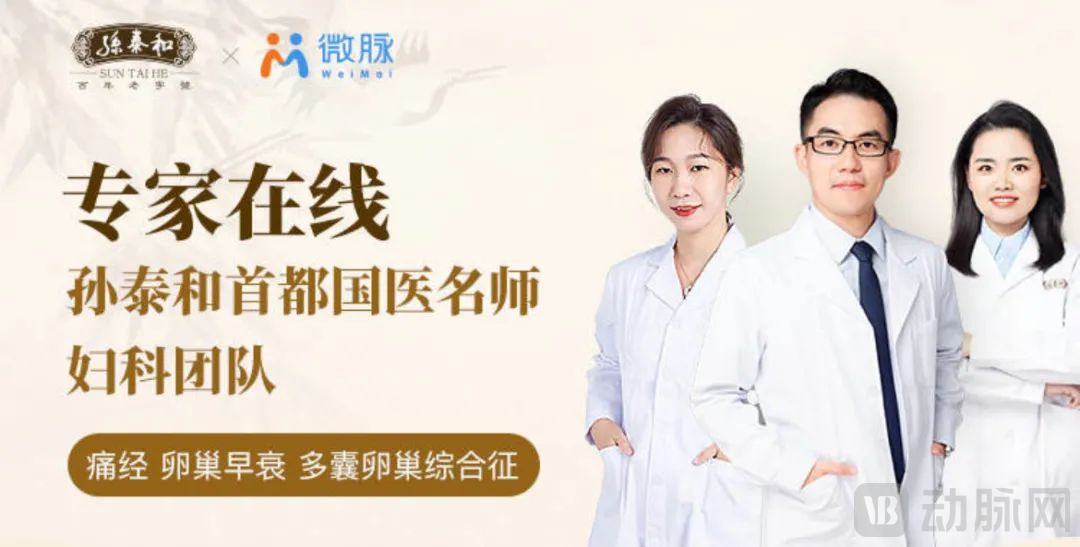
Weimai and Sun Taihe Jointly Launch a Gynecology Renowned Expert Studio
“Traditional Chinese Medicine (TCM) diagnosis and treatment services should constitute a long-chain continuum; beyond the consultation room, there must be regular communication, continuous monitoring, and consistent care. This is precisely where the internet can play a pivotal role.” Xu Kai offered this perspective in the course of providing services at his renowned physician’s studio.
Notably, in addition to renowned medical schools, a number of time-honored traditional Chinese medicine (TCM) brands have joined Weimai’s “Internet + TCM” ecosystem. Taking Beijing Tongrentang as an example, through its strategic partnership with Weimai, Tongrentang’s proprietary formulations have been made available on the online platform, enabling doctors and patients in third- and fourth-tier cities to access these prestigious medicines and prescriptions from the esteemed brand with greater time and effort efficiency.
In addition, Weimai has collaborated with traditional Chinese medicine (TCM) hospitals, TCM clinics, TCM practitioners, and pharmaceutical companies to jointly launch the TCM Herbal Paste Festival. This initiative showcases distinctive formulations from traditional Chinese medicine, helping time-honored brands and TCM pharmacies identify new pathways for heritage preservation and innovation.
The inheritance and development of Traditional Chinese Medicine (TCM) is not a “one-man show” by platforms and medical institutions. In Weimai’s view, public recognition is the vital source for the传承 of traditional medicine. To this end, Weimai has established online channels, providing hospitals and physicians with a diversified platform for promoting TCM culture, including personal brand building and live broadcasts by renowned experts.
Take the online course “A TCM Doctor’s Guide to Herbal Paste Regimens for Health Preservation” as an example. Condensing years of clinical experience in herbal paste-based conditioning from a Doctor of Traditional Chinese Medicine, the course attracted nearly 100,000 views and learners shortly after its launch, earning acclaim from audiences as a “nationally treasured” popular science resource on herbal paste regimens.
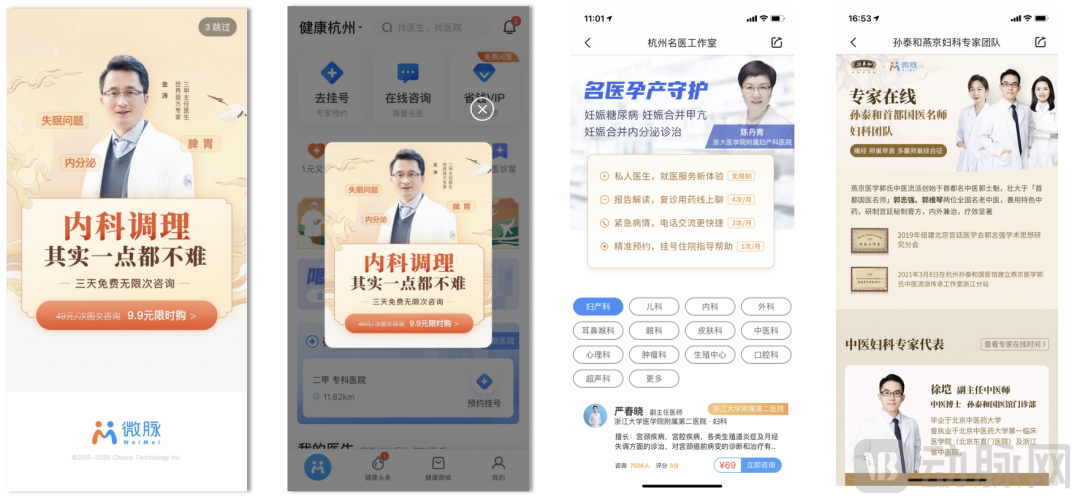
Multi-Channel Support for Building Specialty Brands of Renowned Traditional Chinese Medicine Practitioners
To further embed Traditional Chinese Medicine (TCM) in public consciousness, Weimai has partnered with high-quality TCM resources to establish a sustainable, collaborative mechanism for TCM public welfare initiatives.
In February 2020, a critical period during the full-scale outbreak of the COVID-19 pandemic, Weimai joined forces with China Resources Sanjiu, the Beijing Qihuang Traditional Chinese Medicine (TCM) Culture Development Foundation, Fang Huichun Tang, and Wan Chengzhi Tang to launch a public welfare TCM support platform for epidemic response. The platform provided free online consultations, antiviral preventive care, and charitable medication dispensing services, allowing people across China who were in home isolation to experience for the first time the unique role of TCM in combating major infectious diseases.
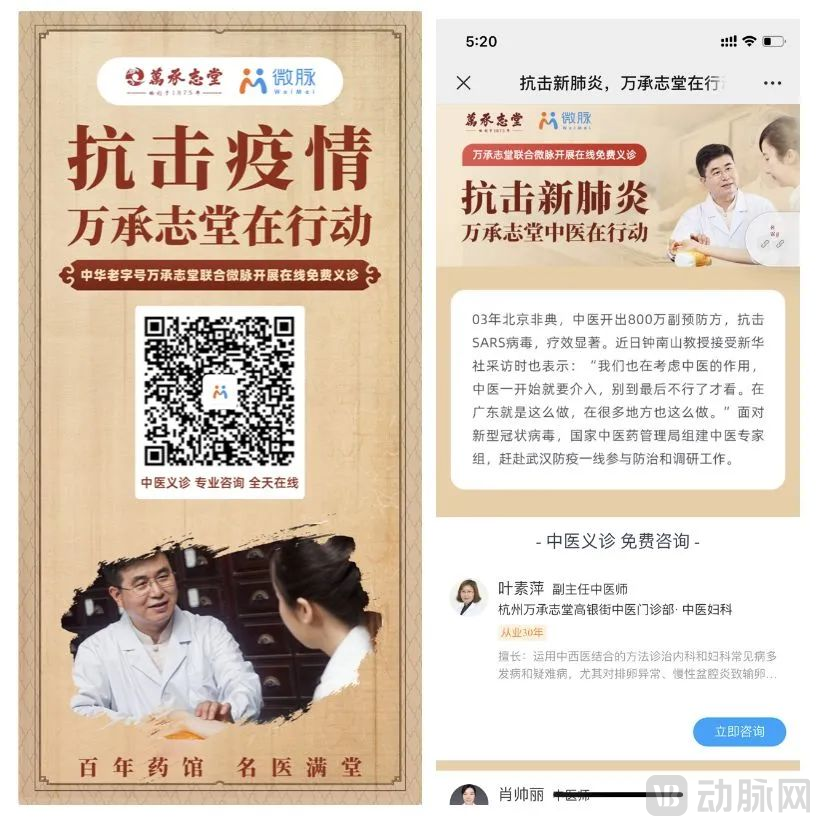
Weimai Partners with Wan Chengzhi Tang to Launch Online Public Welfare Consultations
Today, Weimai has institutionalized and normalized its existing public welfare collaboration experience in traditional Chinese medicine (TCM). Initiatives such as “TCM Services in Enterprises” free clinics and “One Hundred Veteran TCM Practitioners Visiting Grassroots Communities” have become well-known public welfare brands in the TCM field. By creating opportunities for direct face-to-face engagement with TCM practitioners through these charitable activities, Weimai has helped TCM gain broader external recognition in a subtle yet pervasive manner.
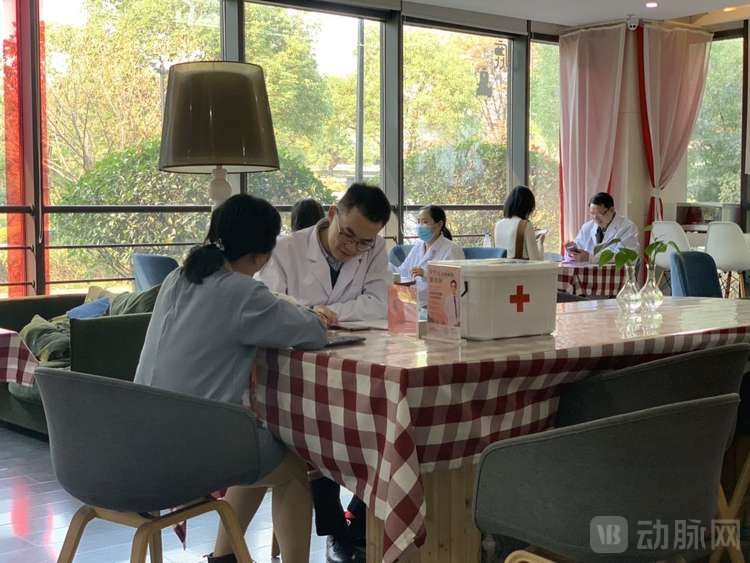
"TCM in Enterprises" Public Welfare Clinic
Inheritance is the lifeblood of Traditional Chinese Medicine (TCM), while development is the source of its vitality. Weimai’s “Internet + TCM” development model, which upholds fundamental principles while fostering innovation, not only preserves TCM’s traditional advantages in diagnosis and treatment but also expands the scope for its growth.
From Shennong, who personally tasted hundreds of herbs, to Sun Simiao, the “Great Physician for the Common People,” and from Li Shizhen, the “Sage of Materia Medica,” to Zhang Boli, a “People’s Hero,” the torch of traditional Chinese medicine (TCM) has been passed down through generations of practitioners. Today, the ancient diagnostic methods of “inspection, auscultation and olfaction, inquiry, and pulse-taking” are empowered by the internet. Weimai, joining hands with contemporary TCM practitioners, has taken up this historical mantle. Through an integrated approach that combines offline and online services, in-hospital and out-of-hospital care, one-off visits and cyclical management, random access and personalized care, as well as manual and intelligent solutions, new concepts and models are writing a fresh chapter in the inheritance and development of TCM.