

ClouDr Health Files for Hong Kong IPO with Q1 Revenue Surging 116% Year-on-Year
According to the official website of the Hong Kong Stock Exchange, China’s largest provider of digital chronic disease management solutions—Zhiyun HealthThe technology group (hereinafter referred to as “Zhiyun Health”) officially filed its prospectus on August 27, with Morgan Stanley and JPMorgan Chase serving as joint sponsors.
Zhiyun Health, founded in 2014, is dedicated to providing services to thousands of hospitals and hundreds of thousands of pharmacies across China through its self-developed hospital SaaS system, pharmacy SaaS system, and advanced internet hospital platform, covering tens of millions of patients with chronic diseases.
To date,Over the seven years since its establishment, Zhiyun Health has completed multiple rounds of financing, with a cumulative amount exceeding RMB 3.5 billion., with financing exceeding RMB 1 billion in both 2020 and 2021, drawing significant attention from the capital markets.
Leveraging its leading operating model, Zhiyun Health has attracted numerous renowned investment institutions from both China and abroad during its financing process, includingSIG, IDG, CICC Capital, CMB Internationalamong others, with most of these investment firms having participated in more than two follow-on funding rounds, reflecting their continued confidence in Zhiyun Health’s business model.
In addition to being backed by top-tier financial investment institutions, Zhiyun Health’s extensive “shareholder think tank” includes numerous industry enablers. According to public information, the investor roster featuresTaiping Insurance, Ping An of China, Sunshine Insuranceleading domestic insurance institutions, thereby laying a solid foundation for the integration of insurance services, andTigermed, Samsung Group, Greenland Group, Chow Tai FookStrategic investors are also prominently included.
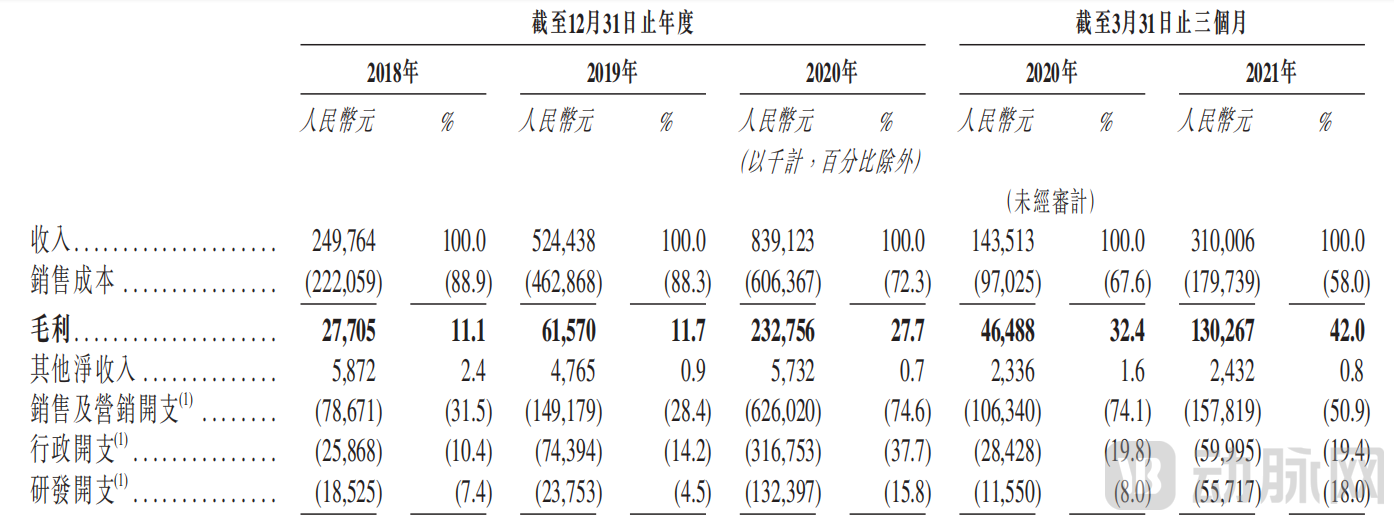
According to the prospectus,Zhiyun Health’s revenues in 2018, 2019, and 2020 were RMB 250 million, RMB 524 million, and RMB 839 million, respectively., with a remarkably rapid growth rate. Particularly since entering 2021, driven by the swift expansion of its hospital and pharmacy network layouts, Zhiyun Health has maintained a strong momentum of high revenue growth.Revenue in the first quarter of 2021 reached RMB 310 million, a year-on-year increase of 116%.
Of greater concern is the gross profit margin. According to the prospectus, Zhiyun Health’s overall gross profit margin was 11.7% and 27.7% in 2019 and 2020, respectively, marking a significant improvement. AndIn the first quarter of 2021, Zhiyun Health’s gross profit margin rose to 42%, far surpassing competitors in the same sector and making it one of the most profitable companies in the industry.
Seven Years In and On the Verge of an IPO: How Did Zhiyun Health Stand Out in the High-Barrier Chronic Disease Management Market?
Patient-Centric: Covering the Full Lifecycle of Digital Chronic Disease Management Both Inside and Outside Hospitals
China has the world's largest population of patients with chronic diseases. According to the Report on Nutrition and Chronic Disease Status of Chinese Residents (2020), in 2019, deaths attributable to chronic diseases accounted for as high as 88.5% of all deaths in China. It is projected that by 2050, with the further acceleration of population aging, this figure will exceed an astonishing 90%. Effectively preventing and controlling chronic diseases and properly guiding patients to improve their personal health outcomes have become major challenges facing China’s healthcare sector.
Meanwhile, the proportion of medical expenditures for chronic diseases is substantial.In 2020, Chinese patients' spending on chronic disease management amounted to approximately RMB 4.1 trillion.How to enhance the collaborative efficiency of the entire healthcare industry through digital chronic disease management solutions is a major challenge facing the digital health sector.
From this perspective, based on a systematic review and insights into the industry, the field of chronic disease management faces numerous pain points, including barriers to the flow of medical information across different care settings, uneven distribution of medical resources, and poor patient access to high-quality pharmaceutical and healthcare services. These shortcomings significantly reduce the accessibility of chronic disease management services.
On one hand, it is difficult to maintain consistent continuity across the pre-diagnosis, mid-treatment, and post-treatment phases of patient care. On the other hand, physicians struggle to fulfill the role of continuous care managers. This is specifically manifested by the “silo effect” in the monitoring of patient indicator data, which hinders effective management by physicians and compromises patient adherence. Consequently, clinical efficiency remains remarkably low, and the basic quality of medical care for patients cannot be guaranteed.
Increasingly mature digital health solutions have become the breakthrough for addressing this issue.Specifically, digital technology will become a new driving force in the field of chronic disease management, deeply penetrating key sectors such as hospitals, physicians, pharmacies, and patients. By leveraging innovative technologies to break down interaction barriers and enhance operational efficiency, it will drive the continuous improvement of overall medical service standards, thereby ameliorating the current situation and effectively addressing patients’ difficulties in accessing and obtaining medical care.
As the “Chinese model” for chronic disease management, Zhiyun Health is pioneering a unique integrated “in-hospital to out-of-hospital” model within this digital healthcare framework.
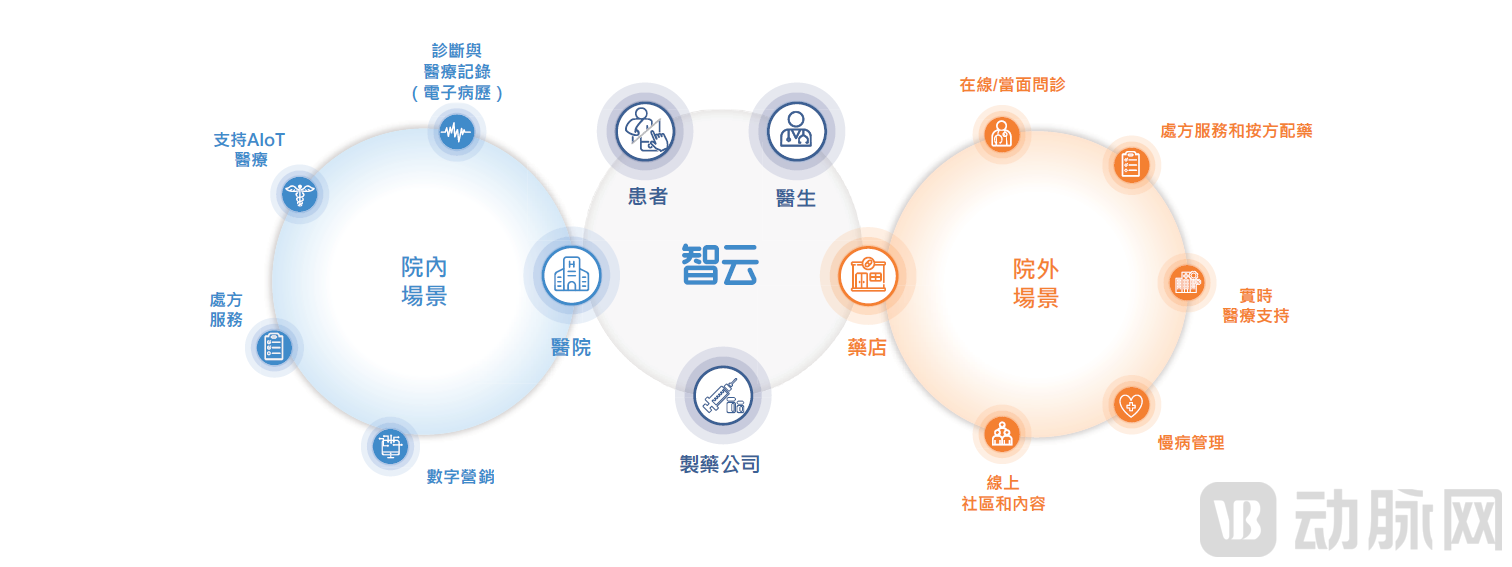
Zhiyun Health’s Business Model, Source: Prospectus
First, enhance the efficiency of chronic disease management at hospitals.Since 2016, Smart Healthcare has launched its in-hospital solution primarily based on SaaS services—Zhiyun Yihui. This is China’s first product to digitize and standardize the chronic disease management process, enhancing the efficiency and effectiveness of in-hospital chronic disease management and enabling connectivity with medical devices through AIoT equipment developed by Smart Healthcare.
As is well known, hospitals are among the core providers of medical resources in China and feature extremely high entry barriers. Yet, nearly all digital health platforms have failed to breach this “fortress.” Zhiyun Health has deployed its hospital-side strategy through its proprietary AIM (Access-Install-Monetize) model. It has currently partnered with over 7,000 hospitals and installed its Zhiyun SaaS system in more than 1,800 of them, including 26 of China’s Top 100 hospitals, making it the only enterprise that has successfully achieved large-scale SaaS adoption within hospitals. Through its in-hospital solutions, Zhiyun Health has established deep connections with hospitals, building an exceptionally strong “moat” and laying the foundation for extending its service chain to out-of-hospital scenarios and other settings, thereby creating a closed-loop service ecosystem.
The effectiveness of Zhiyun Health’s in-hospital chronic disease management solution has also been supported by research evidence. Leveraging the Zhiyun Yihui In-Hospital Blood Glucose Management System, ten tertiary hospitals in East China launched the “Informatization-Based Integrated Hospital-Wide Diabetes Management” project. According to research data from a Grade A tertiary hospital collaborating with Zhiyun Health, patients managed under this model experienced a reduction in average length of stay by 3.2 days and a 20% improvement in the rate of blood glucose levels within the normal range. After three days of hospitalization, mean fasting blood glucose decreased by 3.3 mmol/L, and mean postprandial blood glucose decreased by 4.1 mmol/L.
Second, provide online consultation and pharmaceutical care services.Zhiyun Health’s Pharmacy SaaS System, the company’s second core product, is designed to enhance pharmacy operational efficiency and prescription rationality. Through offline pharmacies, it provides chronic disease patients with more professional and compliant 24/7 pharmaceutical care services. As of June 2021, over 150,000 pharmacies in China had installed Zhiyun Health’s Pharmacy SaaS System, representing a market penetration rate of 29%. In terms of both the number of pharmacy installations and the volume of patients served, Zhiyun Health has undoubtedly become China’s largest provider of pharmacy SaaS solutions.
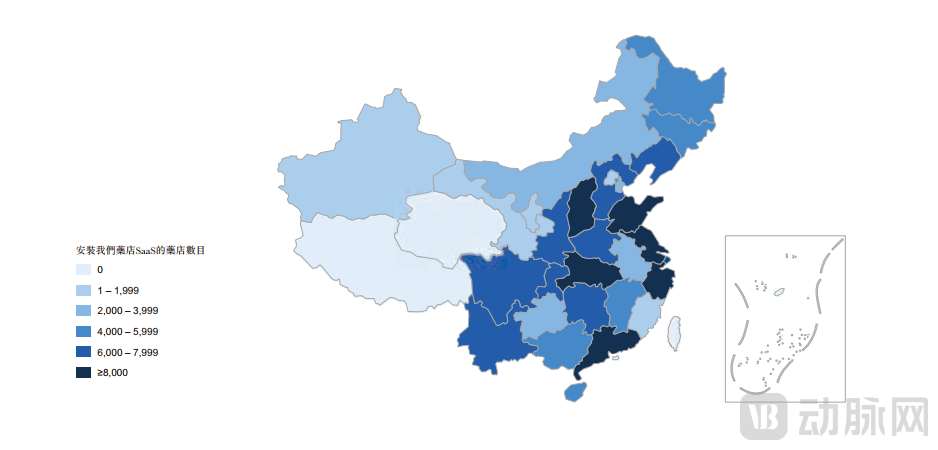
Geographic Coverage of Pharmacies Deploying Zhiyun Health’s Pharmacy SaaS as of June 30, 2021 Source: Prospectus
3. Personal Chronic Disease Management Solutions.Targeting patients, Zhiyun Health has established a membership service system aimed at providing multi-tiered health services through “platform-based consultations + community health management guidance.” This approach addresses patients’ precise, complex, and long-term practical needs, delivering valuable medical services. As of June 2021, Zhiyun Health had amassed over 70,000 registered physicians and 20 million registered users.
It is worth noting that Zhiyun Health’s personal chronic disease management solution is built upon its SaaS network connecting hospitals and pharmacies, thereby endowing it with strong “vitality.” According to disclosures, taking the second quarter of 2021 as an example, 90% of Zhiyun Health’s registered users originated from organic traffic within its “in-hospital + out-of-hospital” SaaS ecosystem, such as conversions through online pharmacy SaaS platforms and in-hospital channels. This precise user acquisition strategy has largely addressed the long-criticized pain point in internet healthcare—namely, the difficulty in acquiring users due to the low-frequency yet essential nature of medical services—thus creating a virtuous cycle and truly delivering valuable medical services to users.
On the other hand, Zhiyun Health has systematically organized and applied standardized disease diagnosis and treatment protocols, clinical practice guidelines, and the clinical expertise of mainstream physicians in China. Leveraging digital technologies, it enables the effective allocation and practical implementation of healthcare resources.
Fourth, multi-scenario information interaction makes digital marketing a natural outcome.By enabling information exchange across multiple scenarios, Zhiyun Health has successfully extended from the chronic disease management chain to connect with the industrial side, including pharmaceutical and medical device manufacturers. It identifies and reaches pharmaceutical demands, ensures the practical application of professional services from the industrial sector in hospitals, and establishes a monitoring system for the safe and rational use of drugs and medical devices. According to disclosures, through extensive data insights, Zhiyun Health has partnered with dozens of industrial enterprises, seamlessly linking them into an ecosystem comprising hospitals, doctors, pharmacies, and patients, thereby significantly enhancing the experience, timeliness, and convenience of treatment.
Overall, the Zhiyun Model has begun to yield results among various collaborators across the industry chain, generating a robust network ecosystem effect through innovative and scalable solutions, thereby further enhancing the efficiency and capabilities of chronic disease management.
Driven by the pandemic and supported by policy initiatives, internet healthcare, smart healthcare, and digital healthcare are in a phase of rapid development, with market participants adopting diverse business models.
One model, represented by Ali Health and JD Health, is based on “pharmaceutical e-commerce” and “lightweight consultation services.”Large Platform Model, by leveraging its scale and experience in the supply chain, it has currently established an advantage in service breadth within the digital healthcare industry.
Another is the “healthcare services + commercial insurance” model originating in the United States.HMO Model, its core features are the integrated organizational structure of insurance and healthcare, along with a capitation payment system. Following this path, companies such as WeDoctor and Ping An Good Doctor are actively exploring within a closed ecosystem that integrates insurers, hospitals, and physician groups. As China’s commercial health insurance sector continues to develop positively, this model shows promising prospects. Meanwhile, closely aligning with medical big data management in tiered hospitals, and leveraging services for scientific research, clinical studies, and specialized data operations, has also become another important direction for digital healthcare services.
Zhiyun Health has entered the field of chronic disease management, advocating its proprietary AIM (Access-Install-Monetize) model. This approach establishes a multi-dimensional layout connecting hospitals, pharmacies, and individual users, thereby achieving effective and deep integration between the medical service chain, pharmaceutical supply chain, and digital marketing. This comprehensive strategy aligns closely with the operational models of healthcare delivery and access in China, representing a typical “Chinese model.”
Surge in Multiple Key Metrics Signals Inflection Point for Zhiyun Health’s Profitability
Data is the core metric for validating whether its business model is viable, and for Zhiyun Health, it has already begun to demonstrate commercial viability.
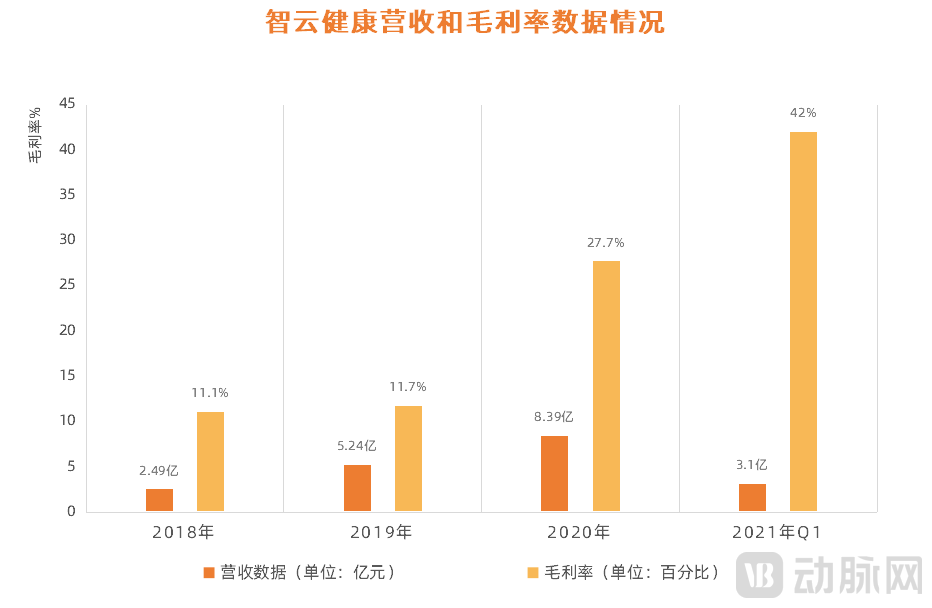
According to the prospectus, Zhiyun Health’s revenue reached RMB 839 million in 2020, representing a year-on-year increase of 60.1%. Entering 2021, Zhiyun Health maintained its rapid growth momentum, with first-quarter revenue reaching RMB 310 million, a year-on-year increase of 116%. Notably, the gross profit margin warrants mention; data shows thatAs of March 31, 2021, Zhiyun Health’s gross profit margin had reached 42%, far surpassing competitors in the same sector and making it one of the most profitable companies in the industry.
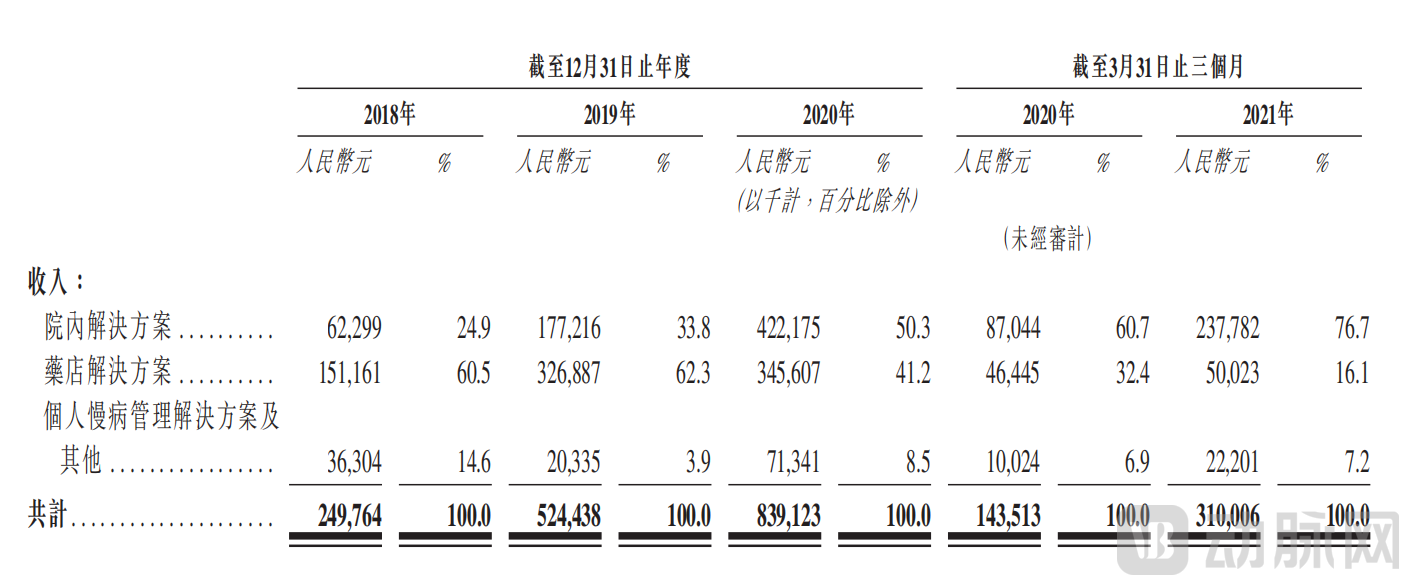
A further breakdown of financial data reveals that Zhiyun Health’s revenue streams primarily rely on three dimensions: in-hospital solutions, pharmacy solutions, and personal chronic disease management solutions. “In-hospital solutions” include sales of medical supplies to hospitals, digital marketing services for pharmaceutical companies, and SaaS platform subscriptions; “pharmacy solutions” encompass the sale of pharmacy-based medical users and pharmacy SaaS platform subscriptions; “personal chronic disease management solutions” mainly refer to revenue generated through the sale of chronic disease-related products, including medical devices, consumables, pharmaceuticals, and other categories, as well as membership fees and other sources.
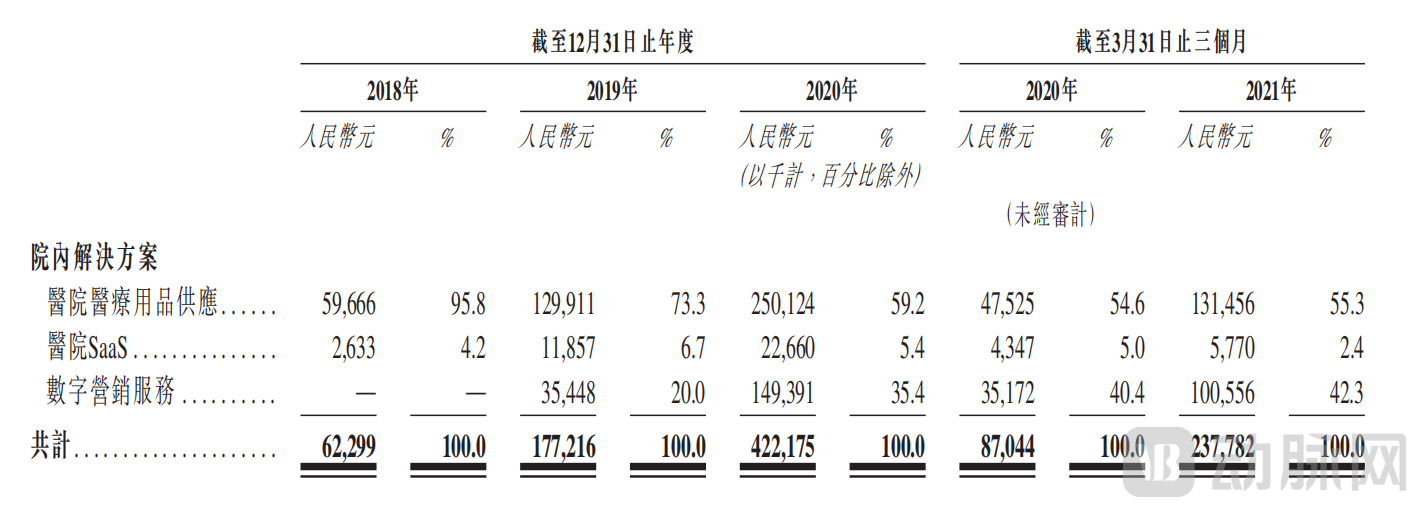
First, the “In-Hospital Solutions” segment saw a substantial surge in revenue, leading to a structural shift in its income proportion.According to the prospectus, Zhiyun Health’s in-hospital solutions generated RMB 420 million in revenue in 2020, a year-on-year increase of 50.3%. Among this, revenue from the supply of in-hospital medical supplies amounted to RMB 250 million, surpassing revenue from the hospital SaaS platform and becoming the largest revenue source for in-hospital solutions. This growth was primarily driven by a significant increase in the number of hospital users. In 2020, the number of hospitals connected to the in-hospital SaaS platform reached 1,705, an increase of 1,328 compared with 2019.
On the other hand, digital marketing services fueled by pharmaceutical company spending have seen significant growth, rapidly increasing from RMB 35 million in 2019 to RMB 149 million. This trend indirectly underscores the importance of digital marketing services within hospital settings, positioning them as a new growth engine for Zhiyun Health’s future in-hospital solutions.
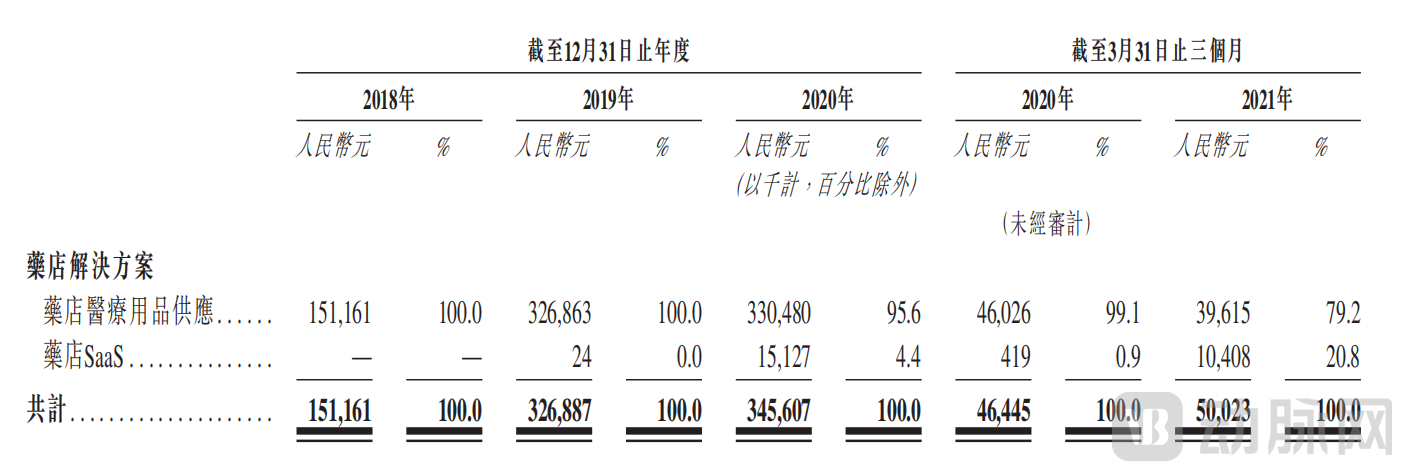
Next is the “Pharmacy Solutions” segment, which has added SaaS platform service fees, while the supply of medical supplies remains dominant.According to the prospectus, Zhiyun Health’s pharmacy solutions revenue reached RMB 340 million in 2020, a year-on-year increase of 41.2%, with revenue from the supply of medical supplies to pharmacies amounting to RMB 330 million, remaining its primary source of income.
It is worth noting the pharmacy SaaS service fees added in 2020. An increasing number of medical institutions are paying for this chronic disease management SaaS system. The heightened willingness of pharmacies to pay indicates their recognition of its service model and has fostered long-term dependence on the platform. Data shows that in 2020, “Zhiyun Health Pharmacy SaaS” was integrated with approximately 110,000 pharmacies across China, an increase of nearly 100,000 compared to 2019. This suggests that Zhiyun Health will have greater market growth potential in its pharmacy solutions in the future.
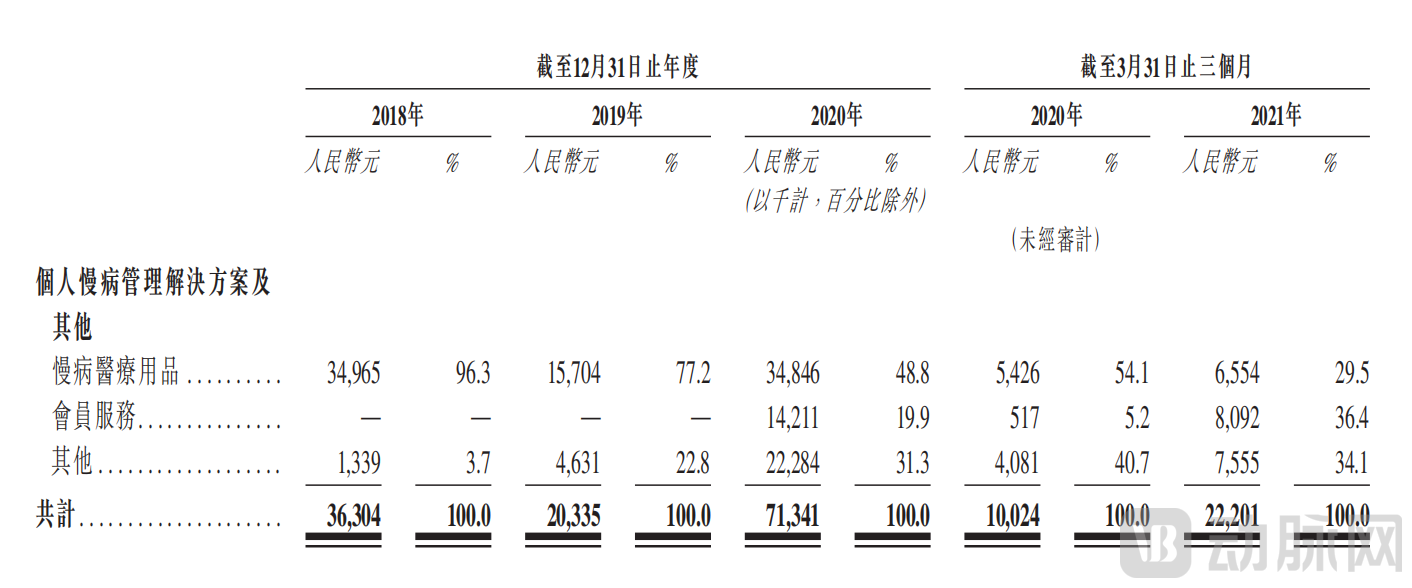
Finally, the personal chronic disease management solution has added membership services, with the proportion of fees for other service items rising rapidly.According to the prospectus, Zhiyun Health’s in-hospital solutions generated RMB 71 million in revenue in 2020, a year-on-year increase of 8.5%, primarily derived from three major revenue streams: chronic disease management users, membership services, and other sources.
According to the prospectus, the number of paying individual users of Zhiyun Health increased rapidly from nearly 40,000 in 2019 to over 360,000 in 2020, indicating that its high-quality and professional medical services have been highly recognized by users. On the other hand, Zhiyun Health introduced a membership service in 2020, which generated RMB 14 million in revenue in its first year. In addition, there was significant growth in other income streams, primarily comprising paid services and advertising agency services. Data shows that the proportion of this revenue has risen to 31.3%, further approaching the revenue from medical supplies.
Meanwhile, Zhiyun Health is significantly narrowing its losses.According to the prospectus, Zhiyun Health reported a net loss of RMB 94.15 million in the first quarter of 2021, with a loss margin of -30.4%. Compared to the same period in 2020 (-57.1%), the loss margin narrowed by nearly half. The full-year net loss for 2021 is also expected to decrease rapidly year-on-year, projected to reach half of the amount recorded in the same period of the previous year.
Overall, key metrics for Zhiyun Health, including revenue and user base, achieved rapid growth in 2020. This positive trend continued into 2021 with even more robust expansion. This success is attributable to Zhiyun Health’s closed-loop “doctor-patient-pharmacy-insurance” service ecosystem built around chronic disease management. More importantly, however, it stems from the company’s extensive market promotion strategies and its ability to significantly reduce operating costs by leveraging its high market share, thereby creating greater economies of scale and unlocking broader opportunities in the chronic disease management sector.
The Era of Digital Healthcare Has Arrived: How Can the “China Model” Go Deeper and Stronger?
Advanced technologies such as artificial intelligence, the Internet of Things, and data algorithms are rapidly permeating the healthcare sector, reshaping the user-centric healthcare security system, and beginning to translate cutting-edge technologies into clinically viable solutions.
In the field of chronic disease management, a massive market opportunity is taking shape. According to an industry report by Frost & Sullivan,In 2020, the overall market size for chronic disease management reached RMB 4.1 trillion, with the internet-based chronic disease management segment accounting for RMB 176.1 billion, or 4.3% of the total market.
It has been learned that leveraging leading artificial intelligence to further strengthen its advantages in chronic disease management has become a key strategic priority for Zhiyun Health’s future.The core product, “Zhiyun Medical Brain,” has gradually established knowledge bases covering medications, symptoms, standard case analyses, and diagnostics across multiple specialized disease areas, with plans to expand into a broader range of disease fields.
On the other hand, Zhiyun Health also hopes that its advocated"Serious Healthcare"Its philosophy and commitment to long-termism have become its core competitive advantages, enabling it to stand out in the industry and contribute to the achievement of national health strategies under the guidance of the “Healthy China 2030” Planning Outline.