

BioCytoGen Files for Hong Kong IPO: Can It Succeed in Drug Development After Establishing Leadership in Animal Models?

Biocytogen
Antibody Drug Developer
On August 29, according to disclosures from the Hong Kong Stock Exchange, Biocytogen Pharmaceuticals (Beijing) Co., Ltd. (hereinafter referred to as “Biocytogen”) filed an IPO application with the Hong Kong Stock Exchange, with Goldman Sachs and CICC serving as joint sponsors.
As disclosed in the prospectus, Biocytogen completed six rounds of financing prior to its IPO application, with cumulative proceeds totaling RMB 1.7 billion. Investors included institutions such as CMB Growth Fund No. 7, SDIC Shanghai, Bencao Capital, Origin Zhengze Fund No. 2, Gaoxin Investment, CMB Win-Win, China Life Chengda, CMB Langyao, and BioVeda, among other institutional and individual investors.
In addition to Biocytogen, two other model animal companies had previously applied for listings on the STAR Market, both reporting consecutive annual growth in performance and remarkable profits. Unlike these two applicants, Biocytogen’s prospectus indicates that the company has evolved from a supplier of mouse models into the field of drug development. Why did Biocytogen choose a strategic path different from its peers? Let us begin with the experience of its founder, Shen Yuelei.
Unable to Find a Job, So You Became a Boss?
In July 1992, Shen Yuelei graduated from Wuhan University in China with a major in Virology and Molecular Biology. She was then admitted to the National Institutes for Food and Drug Control (formerly known as the National Institute for the Control of Pharmaceutical and Biological Products) to pursue a master’s degree in Immunology. During this period, observing her classmates preparing to study abroad, Shen Yuelei decided to give it a try and joined the ranks of those taking overseas study entrance exams. Unexpectedly, her attempt proved successful.
In 1997, Shen Yuelei arrived at the Graduate School of Biomedical Sciences at the University of Massachusetts Worcester to pursue a Ph.D. in Immunology and Virology. After earning his doctoral degree, Shen joined Dan Littman’s laboratory at New York University School of Medicine as a postdoctoral fellow, where he investigated immunological issues using model organisms. In early 2008, having completed his postdoctoral training, Shen embarked on his job search. However, immunology was considered a field with limited employment opportunities at the time, and the resumes he submitted to several companies yielded no response.
Trapped by the Job Market, Shen Yuele Shifted His Mindset: Since He Couldn’t Find a Job, Why Not Start His Own Business?
In June 2008, with financial support from friends, Shen Yuelei established Biocytogen in the United States to commence research and development of model animals. At that time, the IL17a-EGFP knock-in mice developed by Biocytogen were licensed out to hundreds of laboratories and pharmaceutical companies, generating substantial revenue. Building on this success, Shen Yuelei believed that returning to China for R&D while continuing to serve international clients would offer greater cost competitiveness compared to starting a business abroad.
With this hope in mind, Shen Yuelei returned to China in 2009 to found Biocytogen. Headquartered in Beijing, the company currently has branches in Haimen (Jiangsu), Boston (USA), Shanghai, and other locations. Its wholly-owned subsidiary, Youhe Pharma, focuses on clinical development.
Our services cover the entire spectrum from early-stage target validation and antibody generation to clinical development.
Biocytogen is currently a revenue-generating company operating in the clinical-stage biotechnology and preclinical research services sectors. Leveraging its proprietary gene-editing technology, transgenic mouse platform, comprehensive animal disease models, and high-throughput in vivo antibody discovery platform, along with its extensive experience serving global multinational corporations and domestic biotechnology firms, and building upon its internal pipeline of clinical-stage drug candidates, Biocytogen has established an integrated, end-to-end R&D value chain that spans from early target validation and antibody generation to clinical development.
Why enter these fields? Naturally, it is because of the vast and substantial market.
1. Antibody R&D Market: Fully Human Antibodies May Become the Preferred Type of Monoclonal Antibody Drugs in the Future
With continuous advancements in antibody engineering technologies and the discovery of more therapeutic targets, the therapeutic applications of antibody drugs have expanded from their initial use in reducing acute rejection in patients during organ transplantation to broader fields such as cancer, immune-related diseases, and infectious diseases.
Phage display technology and fully human antibody mouse platform technology are the two primary technologies currently used for producing fully human antibodies. Unlike phage display technology, the fully human antibody mouse platform technology introduces human immunoglobulin gene sequences into the genome of gene-edited mice, enabling the murine immune system to naturally generate a diverse repertoire of human antibodies. This technology yields antibodies with reduced immunogenicity in humans, as well as enhanced affinity, stability, solubility, and other drug-like properties.
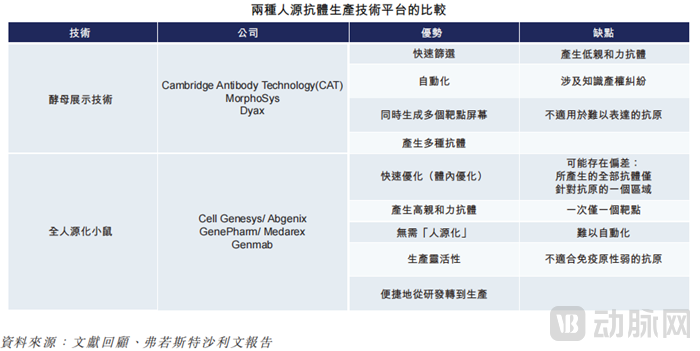
Comparison of Two Human Antibody Production Technology Platforms, Source: Prospectus
According to Frost & Sullivan, more than 70% of fully human monoclonal antibodies are derived from mouse platform technologies. Among the 31 innovative monoclonal antibodies approved by the National Medical Products Administration (NMPA) from 2016 to June 2021, 18 were fully human antibodies, accounting for 58.1% of the total approved monoclonal antibodies. Among the 44 innovative monoclonal antibodies approved by the U.S. Food and Drug Administration (FDA) during the same period, 19 were fully human monoclonal antibodies, representing 43.2% of the total approved monoclonal antibodies. Due to their lower immunogenicity compared to murine, chimeric, or humanized monoclonal antibodies, fully human antibodies are likely to become the preferred type of monoclonal antibody therapeutics in the future.
2. Preclinical CRO Market: The Global Market Will Reach $70.6 Billion by 2030
In the field of preclinical CRO services, Biocytogen leverages its technical advantages in gene editing, disease modeling, and its existing repository of animal models to provide clients with customized pre-IND testing services, focusing on candidate drug screening, pharmaceutical research, and in vivo safety assessment. As processes for preclinical CRO services—including project negotiation, evaluation, contract signing, study design, trial implementation, project delivery, and after-sales support—become increasingly standardized, this market is currently experiencing steady growth.
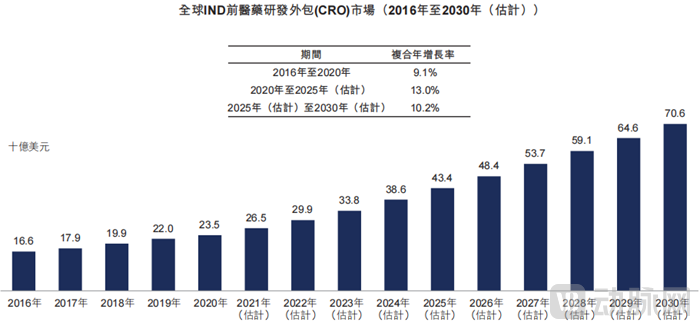
Global Preclinical CRO Services Market, Source: Prospectus
According to the prospectus, the global preclinical CRO market is projected to grow at a compound annual growth rate (CAGR) of 13.0% from 2020 to 2025, and further at a CAGR of 10.2% from 2025 to 2030, reaching approximately USD 70.6 billion by 2030. In China, the pre-IND CRO market is expected to expand at a CAGR of 23.7% from 2020 to 2025, and subsequently at a CAGR of 15.0% from 2025 to 2030, reaching approximately RMB 150.1 billion by 2030.
3. Mouse Model Market: Global Market to Reach $17.8 Billion by 2030
According to the prospectus, the global market size for mouse models is projected to grow at a compound annual growth rate (CAGR) of 9.2% from 2020 to 2025, and further expand at a CAGR of 7.0% from 2025 to 2030, reaching $17.8 billion by 2030. In China, the market size for mouse models is expected to grow at a CAGR of 26.6% from 2020 to 2025, and continue to grow at a CAGR of 14.9% from 2025 to 2030, reaching approximately RMB 19.5 billion by 2030.
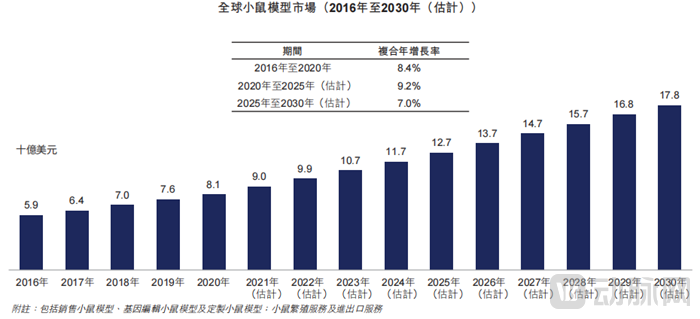
Global Mouse Model Market, Source: Prospectus
The sale of mouse models serves as an upstream supply for various drug development and CRO companies, supporting preclinical R&D.Mouse models created through gene editing and humanization can accurately recapitulate disease phenotypes, offering greater similarity to human diseases. These optimized mouse models serve as superior research platforms for exploring the pathogenesis of specific diseases and evaluating the efficacy of candidate drugs during the early stages of drug development.
The market for customized gene-edited animal services, derived from the sales of mouse models, refers to providing clients with a suite of services tailored to their needs, ranging from early-stage gene editing strategy formulation to the generation of gene-edited model animals.Currently, the two major gene technologies in the global market are primarily ES targeting technology and CRISPR/Cas9 technology. Biocytogen not only possesses mature ES technology but has also improved and upgraded traditional CRISPR/Cas9 gene editing technology to develop gene editing technology based on CRISPR/EGE™. Compared with traditional CRISPR/Cas9, EGE technology enables genetic modification using fertilized eggs, no longer limited to embryonic stem cells, thereby significantly broadening the application scope of gene editing.
RenMice platform enables antibody generation and further development of ADC drugs
Building on its substantial market scale, Biocytogen has developed the RenMice platform through gene-editing technologies, and independently developed fully human antibody platforms RenMab and RenLite mice. Centered on this core capability, the company has organically integrated its high-throughput single-cell antibody discovery platform, efficient gene-edited model development platform, large-scale animal model supply platform, rapid in vivo and in vitro efficacy evaluation platform, and robust clinical development capabilities. This integration has established a distinctive new drug R&D system that covers the entire drug development process.
Specifically, the RenMab platform utilizes RenMab mice to discover and generate fully human monoclonal antibodies, while the RenLite platform employs RenLite mice to produce various bispecific antibodies.
RenMab mice carry a fully human immunoglobulin variable region library and possess an intact immune system. According to Frost & Sullivan, Biocytogen’s RenMab platform is one of the top three global in situ replacement technology-based fully human transgenic mouse antibody generation platforms.
The heavy-chain antibody genes in RenLite mice have been replaced in situ with fully human heavy-chain variable regions, generating a human-like diversified heavy-chain repertoire. This gene editing ensures the diversity and affinity of the immune response, enabling the production of antibodies with desired drug-like properties. RenLite mice effectively resolve the light-chain and heavy-chain mismatch issues frequently encountered in bispecific antibody platforms, thereby significantly reducing the complexity of CMC process development. In addition to bispecific antibodies, RenLite mice can also generate antibodies for ADCs and bispecific ADCs. Our bispecific ADCs can effectively target two tumor antigens, accurately delivering therapeutic payloads to tumor cells while overcoming the off-tumor toxicity associated with traditional ADC drugs.
Furthermore, antibodies generated by the RenMice platform can be further utilized for the development of antibody-drug conjugates (ADCs).
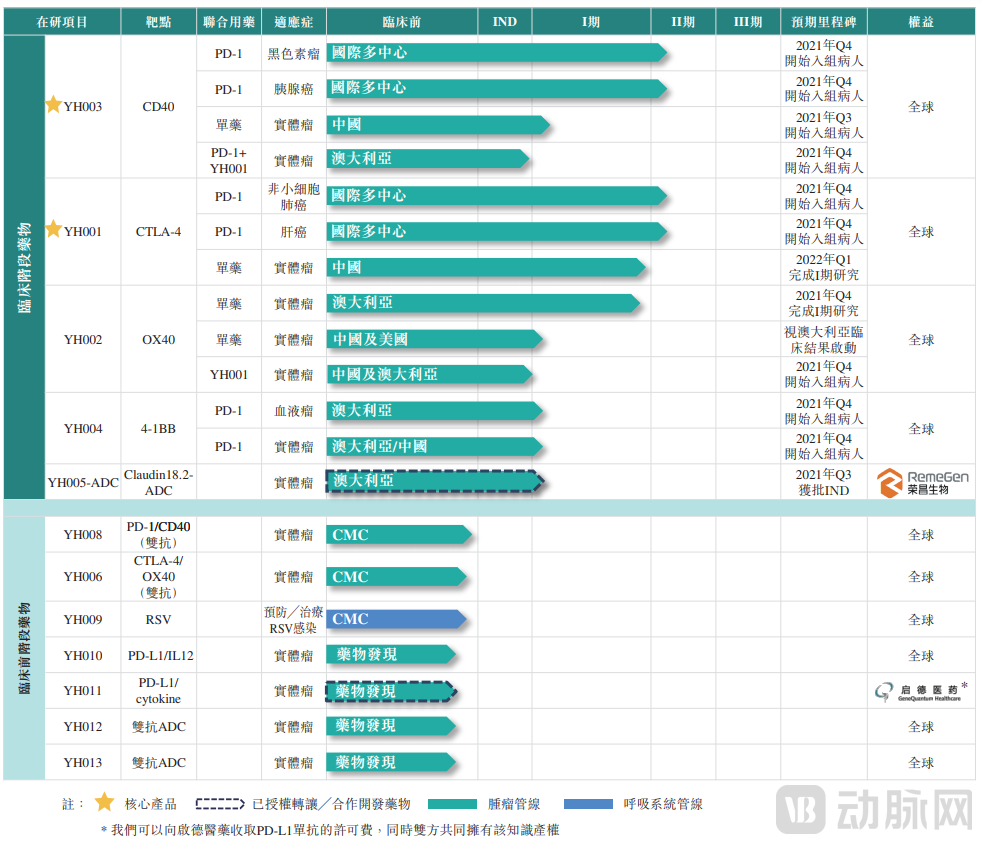
Project Pipeline, Source: Prospectus
Core product YH003 has the potential to become a best-in-class humanized IgG2 agonistic monoclonal antibody targeting CD40.Currently, Biocytogen has largely completed the Phase I dose-escalation clinical trial of YH003 as a monotherapy and in combination with PD-1 monoclonal antibodies (mAbs) for the treatment of patients with advanced solid tumors in Australia, and has identified the recommended Phase II dose. Preliminary results from the Phase I clinical trial demonstrated favorable safety and efficacy profiles, with no observed hepatotoxicity. Preclinical animal studies also showed that the combination of YH003 with anti-PD-1 monoclonal antibodies exhibits potent antitumor activity.
Biocytogen is currently initiating a Phase II multi-regional clinical trial (MRCT) of YH003 in combination with toripalimab in the United States and Australia, enrolling subjects with PD-1-refractory unresectable or metastatic melanoma or pancreatic ductal adenocarcinoma. Biocytogen received Investigational New Drug (IND) approval from the U.S. FDA in June 2021 and is currently seeking IND/Clinical Trial Notification (CTN) approvals from China’s National Medical Products Administration (NMPA) and the Taiwan Food and Drug Administration (TFDA). To date, Biocytogen has obtained IND approval from the NMPA, enabling the conduct of Phase I clinical trials of YH003 in patients with advanced solid tumors in China.
Another core product, YH001, is a humanized anti-CTLA-4 IgG1 monoclonal antibody.Preclinical data indicate that YH001 exhibits stronger CD28 signal activation and ADCC activity induction under the same conditions compared to ipilimumab (Yervoy), an FDA-approved therapy. Furthermore, YH001 demonstrated superior efficacy over ipilimumab (Yervoy) in preclinical efficacy studies. These preclinical data suggest that YH001 holds significant potential in the clinical setting.
Biocytogen has largely completed the Phase I dose-escalation clinical trial in Australia evaluating YH001 as monotherapy and in combination with toripalimab for patients with advanced solid tumors, and has identified the recommended Phase II dose. Preliminary results from the Australian Phase I clinical trial demonstrated favorable safety and efficacy profiles.
Biocytogen is initiating Phase II clinical trials in the United States for patients with advanced non-small cell lung cancer (NSCLC) and hepatocellular carcinoma (HCC), and is seeking Clinical Trial Notification (CTN)/Investigational New Drug (IND) approvals from the National Medical Products Administration, the Taiwan FDA, and the Australian Therapeutic Goods Administration (TGA). As of the latest practicable date, Biocytogen has received approval from the U.S. FDA for the Phase II clinical trial of YH001 in combination with toripalimab.
“Thousand Mice, Ten Thousand Antibodies”: Launching the World’s First Large-Scale In Vivo Antibody Discovery and Screening Initiative
In addition to integrating its comprehensive portfolio of model animals and large-scale animal production with in vivo efficacy studies to support the in-house discovery and screening of antibodies for its proprietary pipeline, Biocytogen’s other core business is providing disease model animals and in vivo pharmacology services to biotechnology firms and major global pharmaceutical companies.
Currently, Biocytogen has established a world-class model animal production center, comprising three animal housing facilities with a total area of approximately 55,500 square meters equipped with specialized animal infrastructure. The center has an annual supply capacity of 800,000 pairs of gene-edited mice. Biocytogen’s large-scale animal housing facilities can accommodate various genetically modified mice, disease mouse models, and aged small animals, offering significant cost advantages.
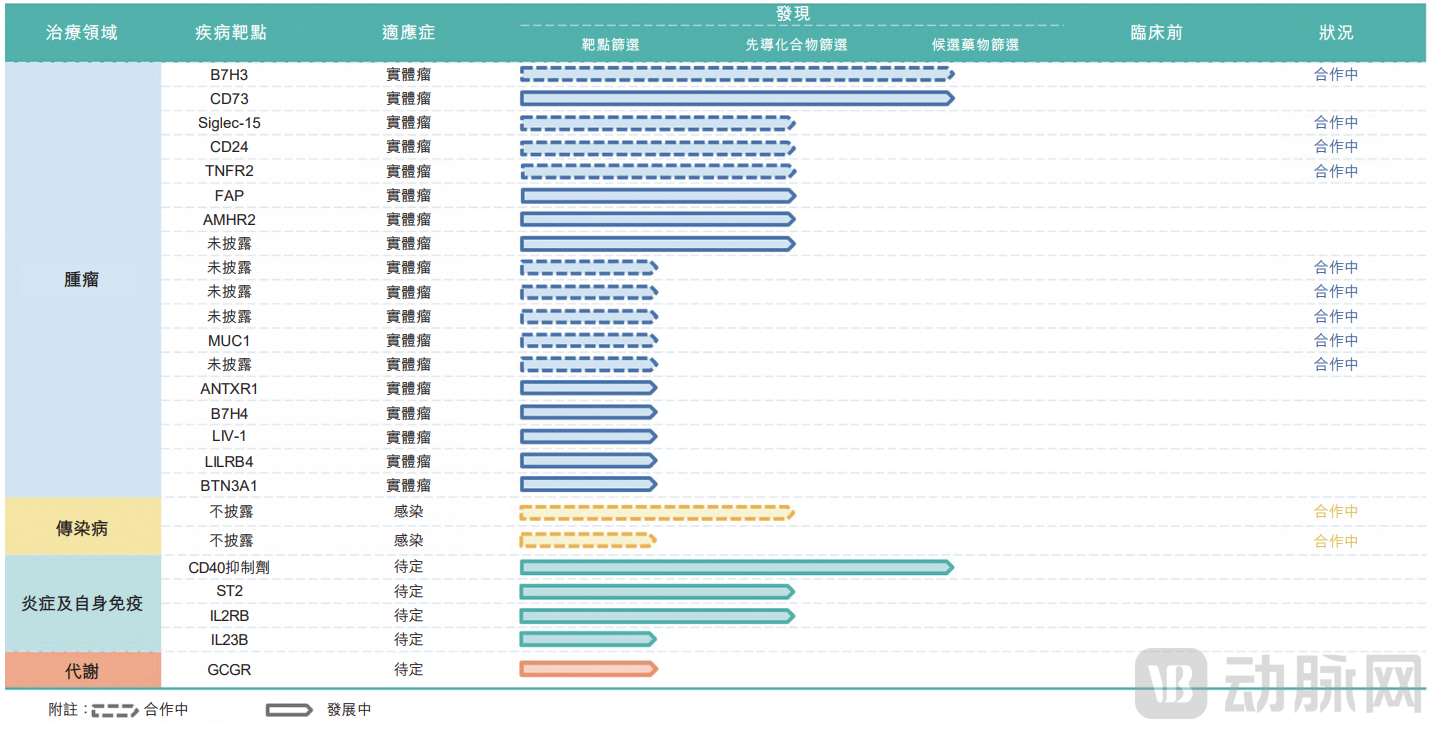
In addition, Biocytogen launched the “Thousands of Mice, Tens of Thousands of Antibodies” initiative in March 2020, marking a significant milestone in its large-scale development of antibody drugs.The goal is to utilize RenMice, a fully human antibody mouse platform, over a period of 3–5 years to perform gene knockouts on thousands of potential antibody drug targets individually, and to develop therapeutic antibody drugs using these knockout mice. This initiative focuses on discovering first-in-class (FIC) targets and identifying fully human antibodies with cross-species reactivity. By validating efficacy through screening in animal models with diverse genetic backgrounds, this approach aims to enhance the success rate of clinical translation and significantly accelerate the R&D process.
To date, Biocytogen has knocked out more than 980 potential drug targets under its Thousand Mice, Ten Thousand Antibodies program, with over 15 targets having advanced to the candidate screening stage. During this period, Biocytogen signed 13 co-development agreements with pharmaceutical and biotechnology companies in China and Japan under the same program.
Source: Prospectus
Currently, Biocytogen’s revenue is primarily derived from gene editing services, preclinical pharmacological and efficacy evaluations, sales of model animals, and antibody development. In 2019 and 2020, its annual revenues reached approximately RMB 170 million and RMB 254 million, respectively, marking significant growth. During the four months ended April 30, 2021, Biocytogen generated over RMB 70 million in revenue, representing a year-on-year increase of 48.6%.
In the future, Biocytogen will leverage its RenMice platform—a unique and innovative large-scale antibody drug discovery program known as “Thousand Mice, Ten Thousand Antibodies”—to generate a rich library of fully human antibodies. By establishing a solid foundation for antibody-discovery mouse models and disease-model animals through its reliable gene-editing technology platform, the company will continue to explore monoclonal antibodies, bispecific antibodies, and antibody-drug conjugate (ADC) therapies, with a focus on oncology and autoimmune disease treatments.
We eagerly await the successful market launch of Biocytogen’s independently developed novel antibody drugs. With the implementation of its large-scale antibody drug R&D initiative, the “Thousands of Mice, Thousands of Antibodies” program, we will join hands with global partners to accelerate the new drug development process, looking forward to Biocytogen’s transformation from a research-focused biotechnology company into a fully integrated biopharmaceutical company.