

10th China Rare Disease Summit Successfully Concludes with Inaugural Golden Snail Awards Ceremony
From September 10 to 12, 2021, the 10th China Rare Disease Summit was grandly held in Hangzhou. Themed “Walking Together on the Rare Path: A Decade of Shared Journey,” the conference was jointly hosted by the Center for Rare Disorders (CORD), Zhejiang University School of Medicine, and the Second Affiliated Hospital of Zhejiang University School of Medicine. More than 800 participants from diverse sectors—including government, industry, academia, and research—both domestic and international, gathered to engage in three days of in-depth exchanges and discussions centered on the principle of “patient-centricity,” offering a multidimensional perspective on the development and opportunities within the rare disease industry. Additionally, the forum was simultaneously live-streamed on three platforms—CCMTV Clinical Channel, Sina Health, and Wei Jie Yao—attracting over 800,000 views.
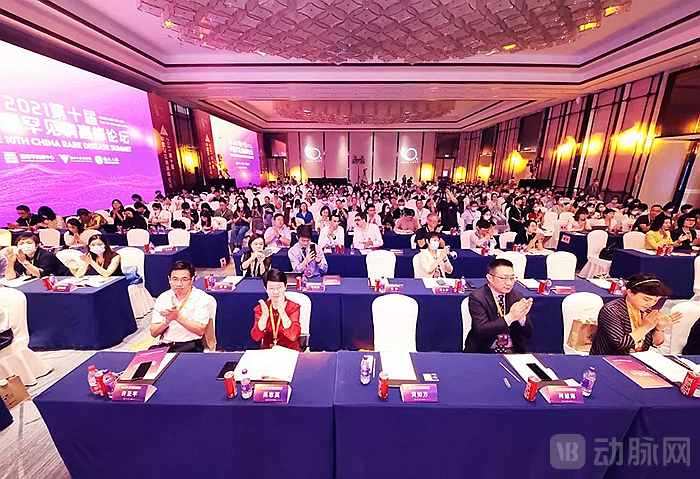
At the opening ceremony, Ke Yuehai, Vice Dean of Zhejiang University School of Medicine; Wu Zhiying, Vice President of The Second Affiliated Hospital of Zhejiang University School of Medicine; and Huang Rufang, Founder and Director of the Cord Rare Disease Center, delivered remarks on behalf of the three organizing institutions.
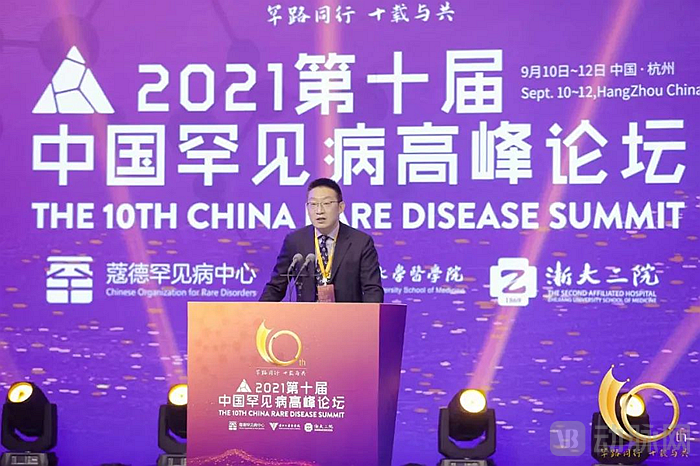
Ke Yuehai, Vice Dean of the School of Medicine, Zhejiang University
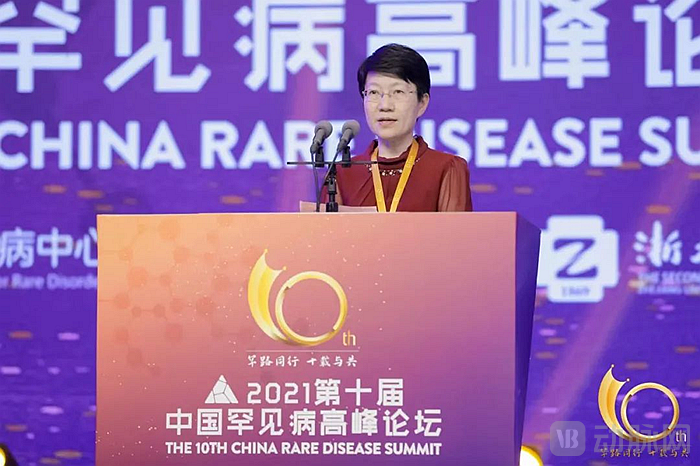 Wu Zhiying, Vice President of the Second Affiliated Hospital of Zhejiang University School of Medicine
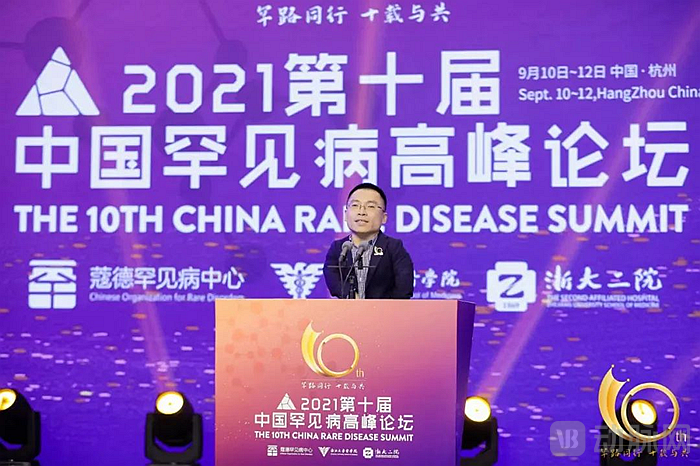 Huang Rufang, Founder and Director of the Cord Rare Disease Center
Subsequently, Zhang Shuyang, President and Deputy Secretary of the Party Committee of Peking Union Medical College Hospital; Xiang Yu, CEO of Langyu Group; and Harvey F. Lodish, Member of the U.S. National Academy of Sciences and Professor of Biology and Biological Engineering at the Massachusetts Institute of Technology, delivered addresses as distinguished guests. Meanwhile, experts from previous conferences shared their reflections and well-wishes via video messages.
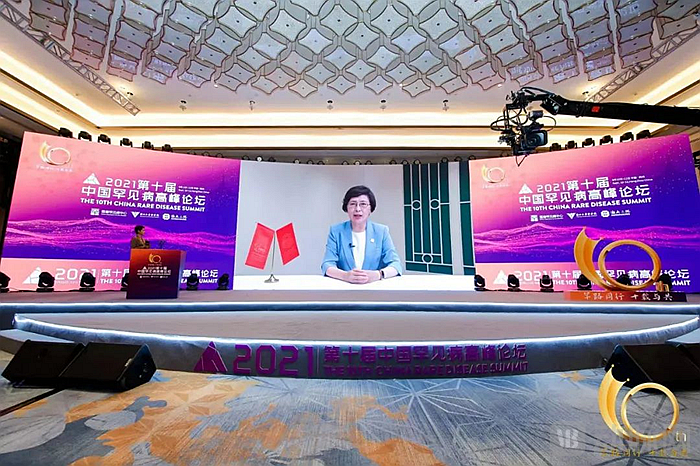
Zhang Shuyang, President and Deputy Secretary of the Party Committee of Peking Union Medical College Hospital
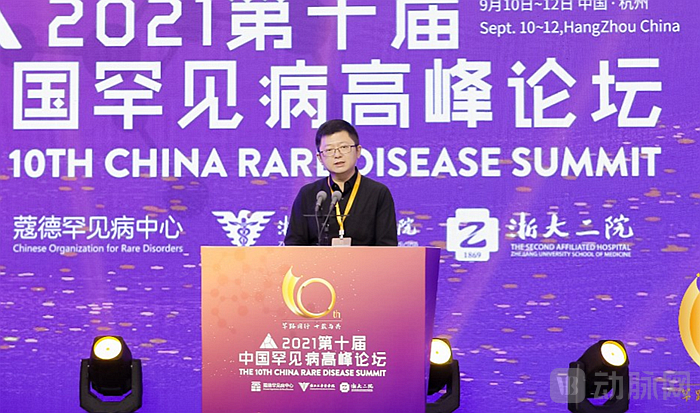 Xiang Yu, CEO of Langyu Group
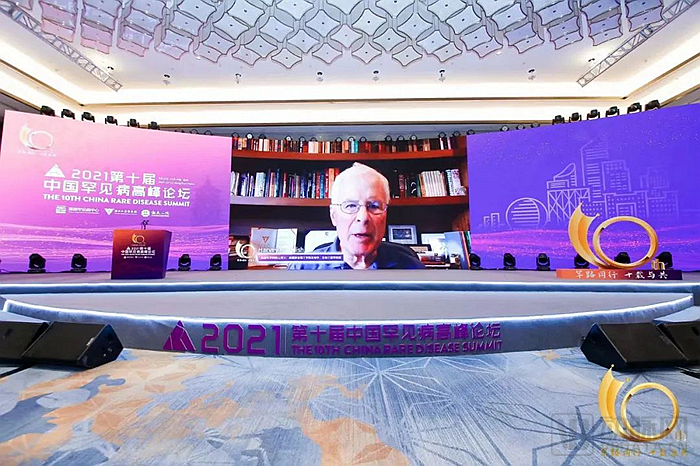 Harvey F. Lodish, Professor of Biology and Biological Engineering at the Massachusetts Institute of Technology (MIT)
Subsequently, Meng Dongping, Party Secretary and Vice President of the China Chamber of Commerce for Import and Export of Medicines and Health Products; Wu Zhiying, Vice President of the Second Affiliated Hospital of Zhejiang University School of Medicine; and Huang Rufang, Founder and Director of the Cord Rare Disease Center, each delivered keynote addresses.
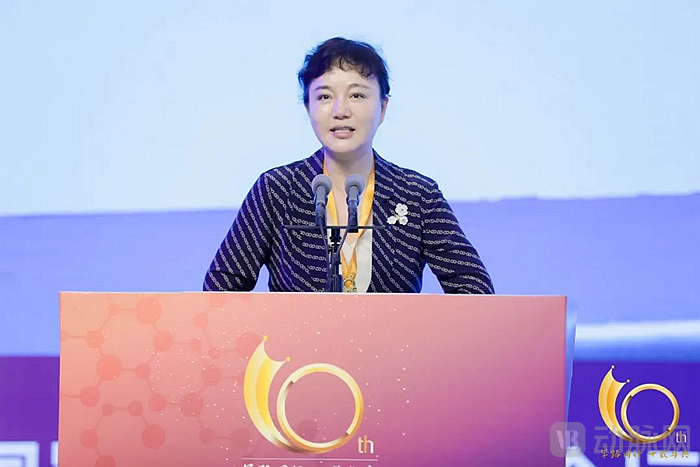
Meng Dongping, Secretary of the Party Committee and Vice President of the China Chamber of Commerce for Import and Export of Medicines and Health Products
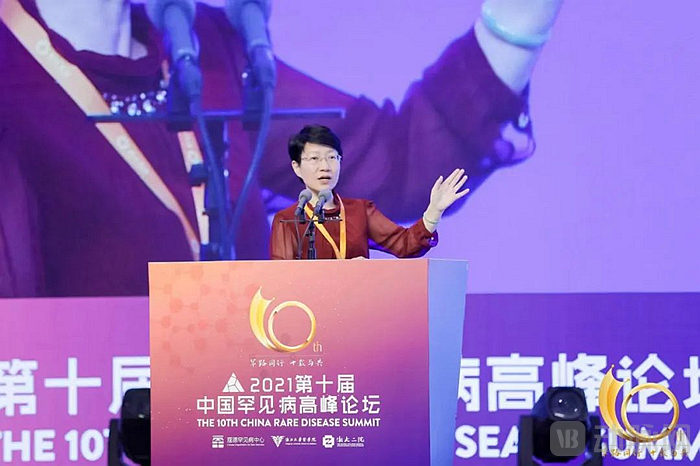
Wu Zhiying, Vice President of the Second Affiliated Hospital of Zhejiang University School of Medicine
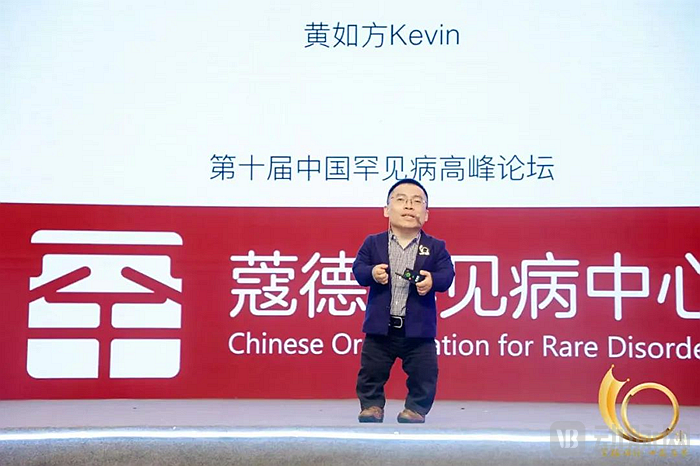 Huang Rufang, Founder and Director of the Cord Rare Disease Center
Subsequently, Meng Dongping, Party Secretary and Vice President of the China Chamber of Commerce for Import and Export of Medicines and Health Products; Xu Zhengping, Vice Dean of Zhejiang University School of Medicine and Executive Deputy Director of Zhejiang University Medical Center; Wu Zhiying, Vice President of the Second Affiliated Hospital of Zhejiang University School of Medicine; Xiang Yu, CEO of Langyu Group; and Huang Rufang, Founder and Director of the Cord Rare Disease Center, jointly participated in the roundtable discussion.
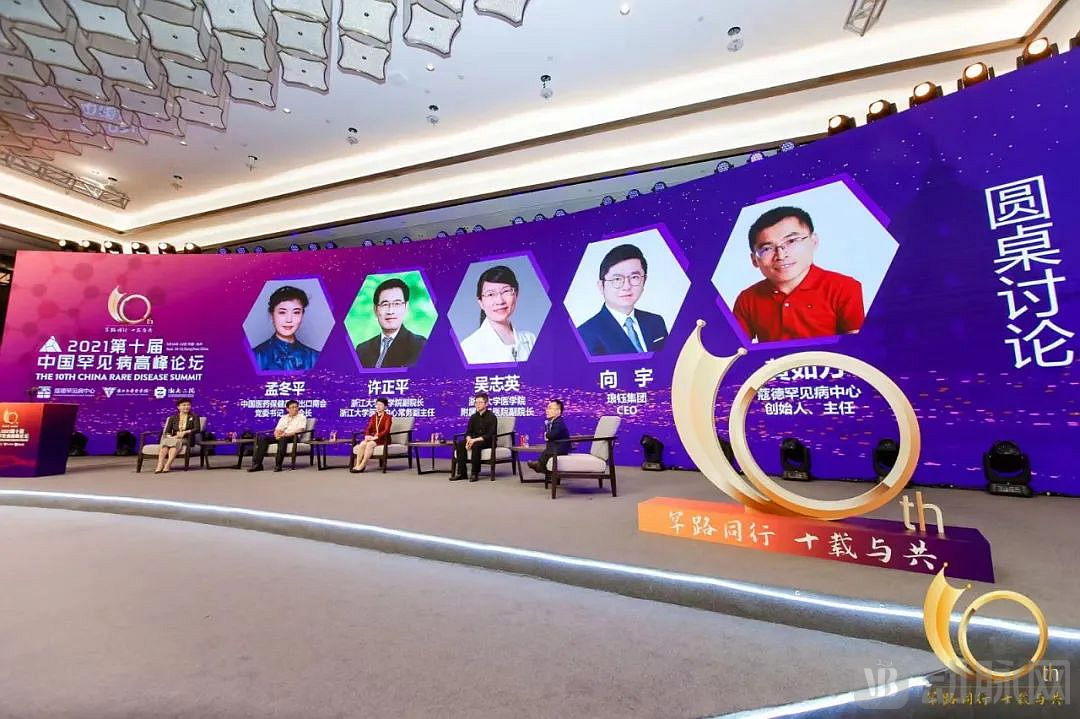
Roundtable Discussion
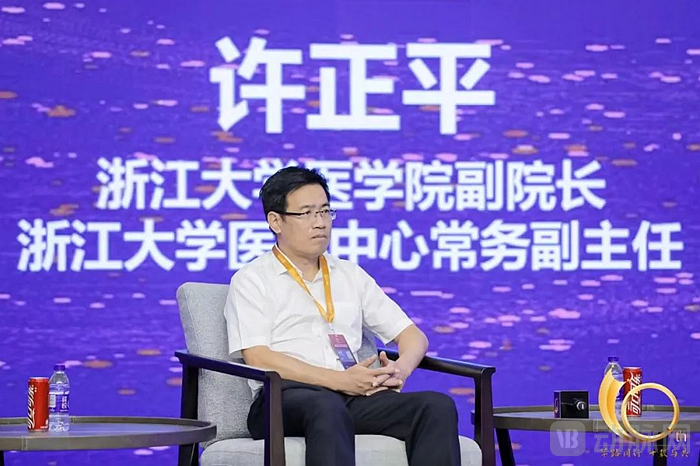
Xu Zhengping, Vice Dean of the School of Medicine at Zhejiang University and Executive Deputy Director of the Zhejiang University Medical Center
Over a Decade of Unwavering Progress: Advancing Together for Shared Growth
Initiated by the Cord Rare Disease Center, the China Rare Disease Summit, launched in 2012, is the earliest-established, largest-scale, and most comprehensively engaged multi-stakeholder forum in China’s rare disease sector. The summit brings together top experts from various fields of rare diseases to foster in-depth discussions, transforming stakeholders from “fighting alone” to “collaborating with synergy.” Over the past decade of perseverance and fruition, the summit has witnessed the rapid development of China’s rare disease and orphan drug industries, while also deeply reflecting China’s increasing integration into and growing influence within the global rare disease landscape.
Patient-Centered: Amplifying the Patient Voice

The theme of the 10th China Rare Disease Summit, “Walking Together on the Rare Path, Sharing a Decade,” is specially presented in brush calligraphy. This artwork was created by Yingya, a patient with a rare disease. She suffers from neuromyelitis optica (NMO); one of her eyes is blind, while the other has a visual acuity of only 0.02. To mark this tenth anniversary, the organizing committee combined the patient’s handwritten calligraphy with “Hanhan,” the snail mascot, to design and produce gold-colored badges as souvenirs for attendees.
In the fight against rare diseases, many patients do not succumb to despair. While enduring the pain of their conditions with tears, they continue to pursue their passions—singing, dancing, and performing stand-up comedy. At the opening gala dinner of the 10th China Rare Disease Summit (held on September 10), patients with various rare diseases presented attendees with a unique and inspiring audiovisual feast.
Professional academic conferences often lack the patient voice. The China Rare Disease Summit, initiated and organized by patient advocacy groups, consistently adheres to a patient-centric philosophy in its agenda and overall design. The conference serves not only as a platform for the exchange of cutting-edge technologies and ideas in the fields of rare diseases and orphan drugs but also as a venue for dialogue between patients and healthcare providers. Held concurrently with the main conference are patient–physician exchange sessions focused on four specific conditions: Pitt-Hopkins syndrome, pulmonary arterial hypertension, mucopolysaccharidosis, and spinocerebellar ataxia.
Doctor-patient communication is a crucial component of the entire healthcare process. Given the small number of individuals affected by rare diseases, physicians knowledgeable about these conditions are even rarer than the diseases themselves. Strengthening doctor-patient communication can enhance patients’ trust in medical personnel and healthcare institutions, facilitate information exchange and mutual understanding between providers and patients, bolster patients’ confidence in overcoming their illnesses, and improve physicians’ diagnostic and therapeutic proficiency in managing rare diseases.
Gathering Top Industry Experts,
A Comprehensive Discussion on the Current State of the Industry
Rooted in the continuous advancement of China’s rare disease industry, the Forum has expanded its scope to address key industry hotspots and convene top domestic and international experts for in-depth analysis of current development trends. It has evolved into a comprehensive platform covering seventeen specialized sectors: regulatory policies, industry development, R&D innovation, genetic counseling, diagnosis and treatment, precision medicine, health technology assessment (HTA), gene therapy, international exchange, innovative payment models, real-world data (RWD), clinical service systems, social support, prenatal diagnosis and screening, assisted reproductive technology (ART), multidisciplinary collaboration (MDT), and regulatory approval.
Having been held for a decade, the forum has become a bellwether for the rare disease and orphan drug industry. Keeping pace with international developments, it has featured special sessions dedicated to leading institutions such as the Children’s Hospital of Philadelphia (CHOP) in the United States and Great Ormond Street Hospital for Children (GOSH) in the United Kingdom. For the past three years, the Rare Disease Summit has included international sessions that comprehensively showcase the management expertise and cutting-edge technologies employed by top-tier hospitals in the diagnosis, treatment, and research of rare diseases. These efforts have provided valuable insights for China as it learns from the global pathway of rare disease development. The conference serves as an important window for the world to understand China’s rare disease sector, amplifying China’s voice in this field and presenting an authentic, multidimensional, and comprehensive view of the current state of the industry, thereby enhancing the country’s influence in the global rare disease landscape.
The Inaugural “Golden Snail Awards” Ceremony Kicks Off
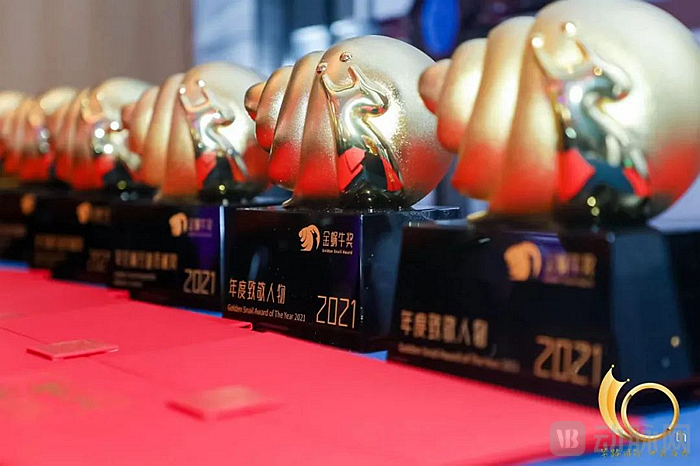
On the evening of September 10, the inaugural “Golden Snail Award” ceremony was held during the welcome dinner of the 10th China Rare Disease Summit. Attendees jointly witnessed the glorious moments of the 14 awardees. Despite being the first edition, the Golden Snail Awards attracted enthusiastic participation, with the organizing committee receiving nearly 100 submissions. Behind each submission lay a profound commitment of love and responsibility toward the rare disease community. Whether individuals, groups, or institutions, all nominees have been dedicated to addressing the challenges faced by people with rare diseases through various avenues—including community services, industry development, medical research, drug R&D, and social advocacy—striving to build an equitable and respectful social environment for those engaged in long-term battles against their conditions.
The 2021 “Golden Snail Awards” ultimately announced five major awards, with 14 winners (individuals or organizations), who are:
Rare Disease Community Contribution Award: Beijing Aili Myasthenia Gravis Rare Disease Care Center;
Rare Disease Industry Promotion Award: Sanofi Genzyme, Pfizer Investment Co., Ltd., Suzhou Yikang Medical Laboratory Co., Ltd.;
Rare Disease Medical Contribution Award: Hemophilia Center, Institute of Hematology & Blood Diseases Hospital, Chinese Academy of Medical Sciences (Team led by Yang Renchi); Medical Genetics Center, Guangdong Women and Children Hospital (Team led by Yin Aihua); Rare Disease Diagnosis, Treatment and Research Center, West China Hospital, Sichuan University; Professor Zou Liping, Chief Physician, Chinese PLA General Hospital.
Rare Disease Industry Contribution Award: Research Institute of China-Japan Friendship Hospital; Dr. Gu Weihong, Clinical Geneticist; Professor Shen Yiping, Founder of Heyin Education & Yishan Genetics and Assistant Professor in the Department of Neurology at Harvard Medical School; Takeda (China) Investment Co., Ltd.;
Annual Tribute to Outstanding Individuals: Professor Huang Shangzhi of Peking Union Medical College, and Professor Zhang Shuyang, President of Peking Union Medical College Hospital and Chair of the National Health Commission’s Committee on Diagnosis, Treatment, and Assurance for Rare Diseases.
Among them, Professor Huang Shangzhi, a preeminent figure in the field of Chinese medical genetics, has devoted more than 40 years to research on genetic diagnosis of rare genetic diseases. He has undertaken more than 30 national and Ministry of Health scientific research grants, promoted the development of medical genetics as an academic discipline in China, and is one of the earliest, most enduring, and most accomplished experts in genetic counseling in the country. Professor Zhang Shuyang began leading the National Key R&D Program project “Clinical Cohort Study of Rare Diseases” in 2016 and facilitated the establishment and growth of the Rare Disease Branch of the Chinese Research Hospital Association and the Chinese Alliance for Rare Diseases. She has played an irreplaceable role in advancing the diagnosis, treatment, and health insurance policies related to rare diseases in China.
The Future: 20 Million Patients with Rare Diseases,
No One Left Behind on the Journey to Health
General Secretary Xi Jinping has pointed out, “Without health for all, there can be no comprehensive well-being. We must prioritize public health as a strategic development goal and strive to safeguard people’s health in an all-around and full-lifecycle manner.” China is home to approximately 20 million individuals with rare diseases; on the path to universal health, no one should be left behind. At present, the greatest challenge facing the industry lies in the lack of consensus across society regarding awareness of rare diseases and payment mechanisms.
Addressing rare diseases is not a challenge that can be resolved by any single hospital or department alone. All stakeholders must join forces to ensure that the nearly 20 million rare disease patients in China have access to available, accessible, and affordable medications, thereby accelerating the realization of health for all. We look forward to the China Rare Disease Summit continuing to play a pivotal role in the decade ahead.
Unyielding as the mountains, flowing like the rivers! Embarking on our second decade. In the coming ten years, we look forward to working hand in hand with all stakeholders to advance the strategic goals of Healthy China 2030. We are committed to addressing gaps in public health, diligently carrying out patient-centered clinical care, treatment, and research, forging new breakthroughs for China’s biopharmaceutical industry, and contributing Chinese wisdom and strength to medical scientific research for the benefit of all humanity.