

Rare Disease Blue Ocean Market: Clinical, R&D, and Investment Insights Amid 7,000 Rare Diseases and Only 5% with Effective Treatments
From September 10 to 12, 2021, the 10th China Rare Disease Summit was held in Hangzhou. Themed “Walking Together on the Rare Disease Journey: A Decade of Shared Commitment,” the summit was jointly organized by the Center for Rare Diseases (CORD), Zhejiang University School of Medicine, and the Second Affiliated Hospital of Zhejiang University School of Medicine.
Over 800 attendees from diverse sectors—including government, industry, academia, and research, both domestic and international—convened for a three-day forum centered on the “patient-centric” philosophy, engaging in multidimensional discussions on the development and opportunities within the rare disease industry. The forum was simultaneously live-streamed on three platforms: CCMTV Clinical Channel, Sina Health, and Wei Jie Yao, attracting more than 800,000 views.
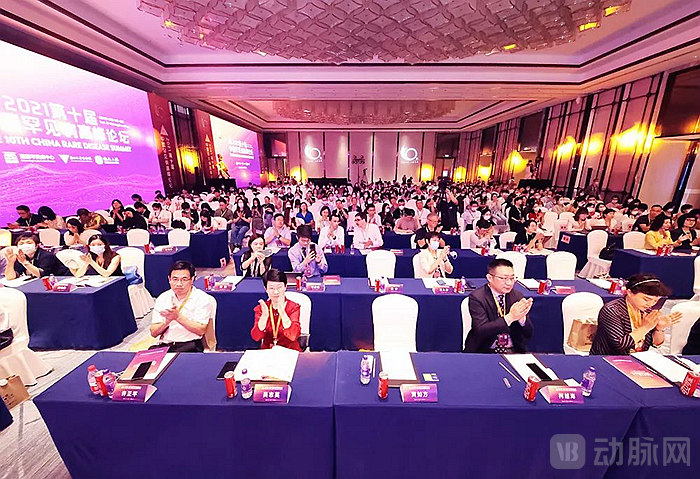
At the opening ceremony of the forum, Ke Yuehai, Vice Dean of the School of Medicine, Zhejiang University; Wu Zhiying, Vice President of the Second Affiliated Hospital of Zhejiang University School of Medicine; and Huang Rufang, Founder and Director of the Cord Rare Disease Center, delivered speeches on behalf of the three organizing entities. Guests who addressed the conference included Zhang Shuyang, President and Deputy Party Secretary of Peking Union Medical College Hospital; Xiang Yu, CEO of Langyu Group; and Harvey F. Lodish, Member of the U.S. National Academy of Sciences and Professor of Biology and Biological Engineering at the Massachusetts Institute of Technology. Meng Dongping, Party Secretary and Vice President of the China Chamber of Commerce for Import and Export of Medicines and Health Products; Wu Zhiying, Vice President of the Second Affiliated Hospital of Zhejiang University School of Medicine; and Huang Rufang, Founder and Director of the Cord Rare Disease Center, each delivered keynote presentations. Experts from previous editions also shared retrospectives and well-wishes via video messages.
Prior to the official commencement of the conference, a compelling pre-conference symposium was held. The pre-conference discussions provided an in-depth analysis of the future development of rare diseases from multiple perspectives, including drug licensing and acquisition, investment and financing trends, clinical products, and the ecosystem. The following are selected excerpts:
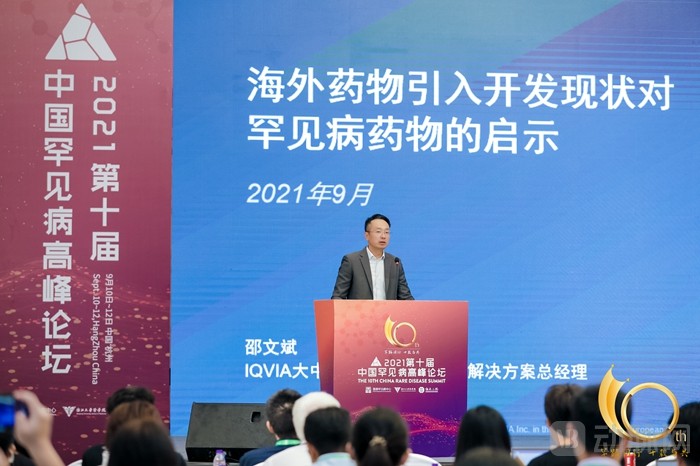
Wenbin Shao, Vice President of IQVIA Greater China and General Manager of Business Solutions
Even in 2020, when the pandemic was severe, the introduction of overseas drugs into China remained highly active, becoming a primary approach for emerging biopharmaceutical companies to build their R&D pipelines.
Typically, the in-licensing of overseas pharmaceutical products can help Chinese pharmaceutical companies rapidly enter relevant therapeutic areas. It also offers certain advantages in terms of talent acquisition and management, secondary development to enrich the pipeline, commercial benefits, and shared risk.However, innovative pharmaceutical companies, including those focused on rare diseases, need to adopt different commercial development models in China after introducing their products.For some highly differentiated innovative pharmaceutical companies, they naturally hope to keep R&D and commercialization rights in their own hands.
Amid the rigorous selection process of the capital markets and varying market performance across different products, innovative pharmaceutical companies have evolved from a 1.0 model focused solely on in-licensing to 2.0 and 3.0 models. The 2.0 model represents an investment and development strategy that places equal emphasis on in-licensing and in-house R&D. The 3.0 model prioritizes the development of proprietary products while driving their expansion from the Chinese market to the global stage. This trajectory reflects the technological and commercial pathways taken by many innovative pharmaceutical enterprises.
Shao Wenbin, Vice President of IQVIA Greater China and General Manager of Business Solutions, stated, for overseas-introduced drugs, including those for rare diseases, there are three key factors behind their journey from introduction and development to successful commercialization.
First, build a robust product portfolio by leveraging business development and R&D capabilities., there is no shortage of benchmark cases of successful biotechnology enterprises in China for our reference;Secondly, benefiting from policy dividends, the processes of clinical trials and drug registration have been accelerated., many enterprises are not merely satisfied with accelerating clinical development and approval along the vertical axis; they also expand indications horizontally to meet market demands more rapidly and extensively.Finally, optimization of production and commercialization processes, which is particularly important for many enterprises, as it determines whether they can become industry benchmarks and demonstrate their strategic capabilities in market development.
A review of the development trends in rare disease drugs in recent years reveals a significant number of therapies introduced from overseas to fill domestic treatment gaps and optimize patient experience. Through these introduction strategies, such drugs have gained faster access to the Chinese market. Currently, many projects are approaching late-stage clinical development or even commercialization.It is not difficult to observe that most enterprises adopt a hybrid strategy., thereby introducing products in parallel with the company’s in-house R&D efforts. Furthermore, these companies have fully leveraged the potential of their drugs by pursuing comprehensive development across indications and establishing a sustainable commercialization roadmap for their entire pipeline. These strategies offer valuable insights for accelerating the introduction of rare disease medications.
Of course, this success is underpinned by the aggregation and contributions of corporate experts and talent, specialized capabilities in clinical trials, an experienced commercialization team, and sufficient capital investment both before and after market launch. All of the aforementioned strategies for introducing overseas pharmaceuticals serve as valuable, long-term references for the importation of rare disease drugs from abroad.
The average amount per financing round for rare diseases in China is close to that in the United States,
The Industry Still Faces Payment and Product Market Challenges
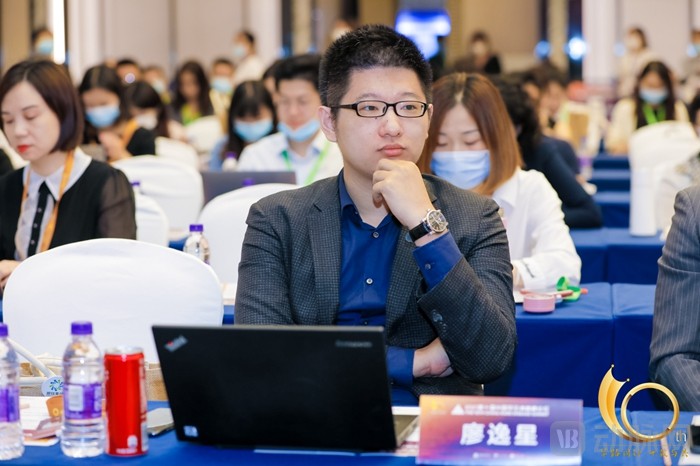
Liao Yixing, Co-Head of Huatai Health
Regarding the rare disease drug industry, foreign markets are in a relatively mature state, as indicated by the annual number of approved drugs and the size of the market. In the U.S. capital market, dozens of companies in the rare disease sector secure financing each year, with the total funding amount reaching several billion dollars. In terms of financing stages, rare disease companies raise the largest amounts during their IPO rounds, averaging $200–300 million.
In contrast, the domestic landscape in China shows that relevant enterprises are in a relatively passive position regarding financing, as laws and regulations concerning rare diseases are still being progressively introduced. Although the first national catalog of rare diseases was published in 2018, China currently lacks higher-level legislative frameworks for rare diseases comparable to those in Europe and the United States.
The definitions of rare diseases are relatively clear in the United States, Europe, and Japan. In the U.S., a disease affecting fewer than 200,000 patients is classified as a rare disease. In China, there are approximately 700,000 new cases of lung cancer and 500,000 new cases of breast cancer annually. With the application of cutting-edge targeted therapies, the number of lung and breast cancer patients receiving such treatments amounts to only tens of thousands. Therefore, a patient population of 200,000 already represents a substantial scale.For the same rare disease, given China’s significantly larger population base compared to the United States, the number of patients is theoretically far greater in China than in the U.S.
However, in recent years, China has seen positive developments in the field of rare diseases, including the expansion of lists of urgently needed medications, with a significant proportion of rare disease drugs being incorporated. Meanwhile, substantial flexibility and accelerated timelines have been provided for critical steps such as drug marketing approval and inclusion in the national medical insurance scheme.
Supported by this series of policy changes and regulatory frameworks, fundraising in China’s private equity market has become more active than before. Although no company in the Chinese market focused exclusively on rare diseases has yet completed an initial public offering (IPO), the size of individual financing rounds is beginning to approach those in the United States. Overall, in recent years, the financial support secured by leading Chinese companies has been comparable to that of their U.S. counterparts.
In fact, a key prerequisite for an active private equity market is the vibrancy of public equity financing in the secondary market., reflecting the accessibility of public exit channels in the secondary market.In addition to the traditional Nasdaq, which offers a wealth of capital market exit channels for certain Chinese companies, we are not lacking in relevant avenues either. The Chapter 18A rules introduced by the Hong Kong Stock Exchange in 2018, the STAR Market launched by the Shanghai Stock Exchange in 2019, and the recently established Beijing Stock Exchange have all provided securitization pathways for Chinese rare disease companies.
Regulatory support and securitization pathways in the capital market are both in place, so why is there still discussion about related development issues today? In fact, apart from a few leading companies that have progressed relatively smoothly,Many other rare disease companies in China have also encountered difficulties during their development.This difficulty stems from the industry’s immaturity, which in turn makes it difficult to establish a valuation framework.Traditional valuation methods applied to innovative drug companies fall into two categories: one is the risk-adjusted discounted cash flow (rDCF) method, and the other is the probability-adjusted scenario analysis method. For Chinese rare disease companies at the current stage, the risk-adjusted discounted cash flow method should theoretically be applicable. This approach incorporates a company-specific risk factor, which is closely tied to the clinical success rate of its product pipeline and peak sales projections. However, rare disease companies currently face certain challenges in selecting appropriate values for this risk factor.
Furthermore,Rare disease companies also face two more concentrated challenges. The first is the issue of payment.This issue is currently being improved.The second is the number of patient visits.We rarely discuss the consultation rate for tumors, but in China’s rare disease market, there is often concern about the diagnostic rate of patients. For certain rare diseases that currently lack diagnostic methods and awareness, we frequently question where the patients are and where the future market lies.
Preliminary analysis suggests that for rare disease companies, adopting a “patient-centric” approach is particularly crucial. This approach encompasses identifying patients, delivering effective treatments, and providing high-quality services to ensure tangible clinical benefits for patients, which may be the key to resolving challenges in the rare disease market.
Providing Clinically Accessible Products for Patients with Rare Diseases in China:
Responsibilities and Missions of the Pharmaceutical Industry in the New Era
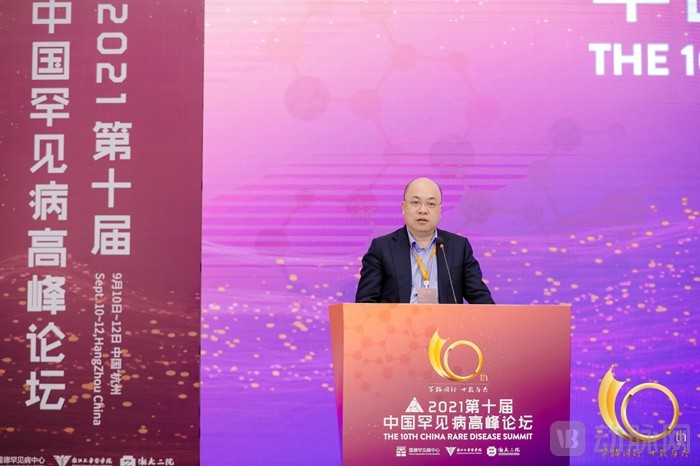
Yan Zhiyu, Co-founder, Chairman, and CEO of Shufang Pharma
The rare disease industry is flourishing globally. Across the entire pharmaceutical sector, including rare diseases, its fundamental purpose is to develop products that treat illnesses and save lives. If a drug fails to help patients in a given market, both its market value and medical value become meaningless.
Specifically regarding China today,How can we realize and demonstrate its industrial value?Shufang Pharma proposes a patient-centric approach,To develop products with clinical accessibility, i.e., products that are usable by patients and capable of saving their lives.
Why make such a choice? First, from the perspective of national policy, state leaders have provided clear guidance: “Prioritize the protection of people’s health as a strategic priority in development.” If all industries align with this direction, then within the pharmaceutical sector, this translates to adopting a patient-centric approach focused on clinical needs—developing and delivering products capable of treating patients. The General Secretary also emphasized, “Improve the medical insurance and assistance systems for major diseases,” which further supports the development of the rare disease field.
Reviewing the development of rare diseases within the broader context, it indeed aligns with the aforementioned policies. As early as 2016, the Outline of the “Healthy China 2030” Planning Program explicitly proposed safeguards for access to orphan drugs. Subsequently, various policies issued in 2017 and 2018 clearly encouraged the development of the rare disease industry, including research and development of innovative drugs, generic drugs, and the review and approval system. In 2018, China’s first Catalogue of Rare Diseases was officially promulgated. In 2019, the newly revised Drug Administration Law of the People’s Republic of China legally mandated encouragement of the development of new orphan drugs and granted them priority review and approval.
Therefore, although it was previously believed that China’s laws and regulations in the field of rare diseases lagged behind those of other countries, the current situation is rapidly improving. In the pharmaceutical industry, for instance, concerns regarding market procurement have been addressed. In January this year, the General Office of the State Council issued the “Opinions on Promoting the Normalization and Institutionalization of Centralized Volume-Based Drug Procurement,” which explicitly outlined appropriate procurement methods for orphan drugs and shortage medicines, thereby providing significant reassurance to the rare disease sector.
So, under the guidance of policies, what can our company do? As a business entity, we should take proactive initiatives rather than merely waiting for future policy directions. We must actively engage in research and development from now on to enhance the clinical accessibility of drugs for rare diseases.Regarding clinical accessibility, there are currently three main challenges: diagnosability, treatability, and affordability.
First, the most critical aspect of "diagnosability" is that clinical diagnosis rates for certain diseases remain extremely low, with only the tip of the iceberg of patients actually receiving a diagnosis. These undiagnosed, misdiagnosed, or missed cases represent significant latent demand for rare disease medications. It is the responsibility of pharmaceutical companies to assist healthcare teams in identifying these patients. Second, "treatability" means not only delivering medications to specialized disease centers but, more importantly, helping these centers establish appropriate and comprehensive methodologies for patient diagnosis and treatment, including multidisciplinary collaboration and tiered diagnosis and treatment systems. Finally, from the perspective of rare disease companies, addressing "affordability" involves designing products with clinical accessibility in mind throughout their lifecycle, which can largely resolve affordability challenges.
To achieve clinical accessibility, multi-party collaboration is required, including medical and research institutions, governments, and industry practitioners. Medical and research institutions should focus on cutting-edge and latest technologies, strengthening basic and translational scientific research. From the government’s perspective, it is hoped that the state will increase investment and research in basic science and formulate supportive policies. For the industry, there should be increased investment in funding, talent, and technology for innovative drug development, with all parties working together to advance the cause of rare diseases.
As a pharmaceutical company, we are actively exploring ways to improve clinical accessibility for rare diseases, with four specific initiatives:1. Ensure patients have access to medications, including accelerating the introduction of overseas marketed and clinical-stage rare disease drugs, and developing new drugs tailored to the needs of the Chinese market;Second, to ensure patients have access to affordable medications., reducing product costs by establishing a balanced product portfolio, securing pricing power through independent domestic R&D, enhancing payment capacity via innovative payment models and risk-sharing mechanisms, and improving commercial operational efficiency through digital technology and product synergy;Third, enable early diagnosis for patients and timely treatment by physicians., leverage AI technologies and digital health tools to empower patients and healthcare providers, promote the establishment of specialized disease diagnosis and treatment centers and collaborative diagnostic and therapeutic networks, and enhance diagnostic and therapeutic capabilities while optimizing resource allocation;Fourth, accelerate the conversion of R&D achievements into products, establish a core technology platform for the research and development of drugs for rare diseases, promote the R&D of oligonucleotide drugs and novel gene therapies, and build a diverse pipeline for rare disease drug development spanning from clinical studies to Investigational New Drug (IND) applications.
Where Is the Future of the Rare Disease Pharmaceutical Industry Headed? The Path Lies in Our Hands and Beneath Our Feet.
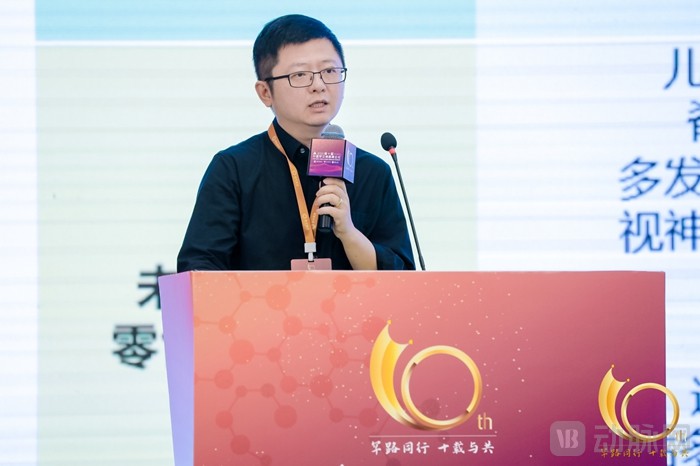
Xiang Yu, CEO of Langyu Group
How Pharmaceutical Companies Can Demonstrate a Patient-Centric Approach: Three Key Issues to Address—First, enhancing the accessibility of medicines; second, recognizing that pharmacological therapy alone cannot address all patient pain points; and third, fostering a sustainable ecosystem for rare diseases through multi-stakeholder collaboration.
First, it is imperative to improve drug accessibility without delay.In recent years, driven by the joint efforts of the National Medical Products Administration (NMPA), the National Health Commission (NHC), and the National Healthcare Security Administration (NHSA), the accessibility of orphan drugs has improved significantly. More than 20 new drugs have been launched in China, and two-thirds of medications for rare diseases have been included in the National List of Rare Diseases. With the normalization of negotiations for the National Reimbursement Drug List (NRDL), an increasing number of orphan drugs are being covered. Regarding reimbursement standards, a considerable number of orphan drugs with annual treatment costs ranging from RMB 100,000 to over RMB 200,000 have been incorporated into the NRDL, which is encouraging news for both the industry and patients.
Despite significant progress in ensuring access to medicines for rare diseases, certain high-cost drugs remain out of reach for patients with rare diseases in the short term. Therefore, from a corporate perspective, we have remained committed to our patient-centric mission in shaping our product pipeline over the past 12 months. For rare disease treatments available overseas but not yet in China, we have accelerated their introduction without hesitation; for those already available in China but financially inaccessible to patients, we have actively advanced local innovative R&D to secure pricing autonomy.
Secondly, recognizing that pharmacotherapy alone cannot address all patient needs, we have built a patient-centric open ecosystem platform for rare diseases., will provide patients and physicians with more open and flexible diagnostic and therapeutic interaction services, helping patients achieve “early detection, early diagnosis, and early intervention.” We also aim to leverage cutting-edge technology to develop a diverse range of intelligent solutions for patients with rare diseases in China, comprehensively enhancing their quality of life and well-being.
We have also launched a free rare disease think tank service to eliminate information asymmetry, enabling more patients and physicians to access accurate, diagnosis- and treatment-supporting information in a timely manner.Furthermore, over the past ten months, we have collaborated with multiple patient organizations and institutions across various channels to enhance the accessibility of disease knowledge about rare diseases throughout society. While these efforts may not be profitable for enterprises, they hold immense value for the entire rare disease industry.
Finally, the rare disease industry is characterized by its unique nature, requiring multi-stakeholder collaboration to jointly build a sustainable ecosystem.Globally, drug development for rare diseases remains limited. In China, only through the joint efforts of industry peers and policymakers to actively explore access and reimbursement models with Chinese characteristics can we further drive industry growth and build a more robust rare disease ecosystem.
The development of the rare disease industry relies on support from all sectors. As long as there are unmet needs among patients, the value of the rare disease industry will inevitably persist. We hope to join hands with more stakeholders and like-minded partners to co-build an ecosystem for rare diseases, providing more comprehensive solutions and a robust support network for rare disease patients in China!