

Zhiyu Medical AI Gains Traction in Liver and Brain Imaging with MR-Based Solutions
Wu Huazhao is a person who enjoys challenges, which has been vividly demonstrated in his previous work experience.
Since entering the medical industry in 1998, Mr. Wu Huazhao has carried the GE Healthcare DNA, having consistently worked in marketing before embarking on his own entrepreneurial ventures. He boasts 22 years of global experience in medical device marketing and corporate management.
In 2009, to secure the distributorship for Varian, the U.S.-based global leader in oncology radiation therapy, Wu Huazhao devised a tailored market strategy for Varian’s radiation therapy business in China. He then traveled alone to Silicon Valley and, after several rounds of negotiations, ultimately secured the rights to distribute Varian’s radiation therapy products in China.
Stepping away from a stable life to found Zhiyu Technology was also a personal challenge for Wu Huazhao. During his many years in the medical field, Wu keenly recognized that policies such as tiered diagnosis and treatment, and volume-based procurement would drive profound and far-reaching transformations in the healthcare industry.
In 2018, while coordinating with a hospital on large-scale medical equipment, the hospital expressed its need for an AI-assisted system. Leveraging the medical resources he had accumulated in the industry, Wu Huazhao teamed up with his university alumni to delve into the field of AI-based medical imaging.
The two parties unanimously decided to pursue AI for the following reasons: first, national policies encourage such initiatives, and they aim to contribute to healthcare system reform and inclusive healthcare; second, they are optimistic about the market prospects of the medical AI sector; third, they seek to uncover new value propositions in medical services by focusing on domestic substitution.
In the past two years, national policies have significantly increased their support for AI. Policy initiatives such as “New Infrastructure” and “Healthy China 2030” have repeatedly highlighted the application of AI in the healthcare sector. The Center for Medical Device Evaluation is also continuously improving the review and approval system for medical AI, striving to help AI companies optimize existing approval processes and reduce risks for artificial intelligence enterprises.
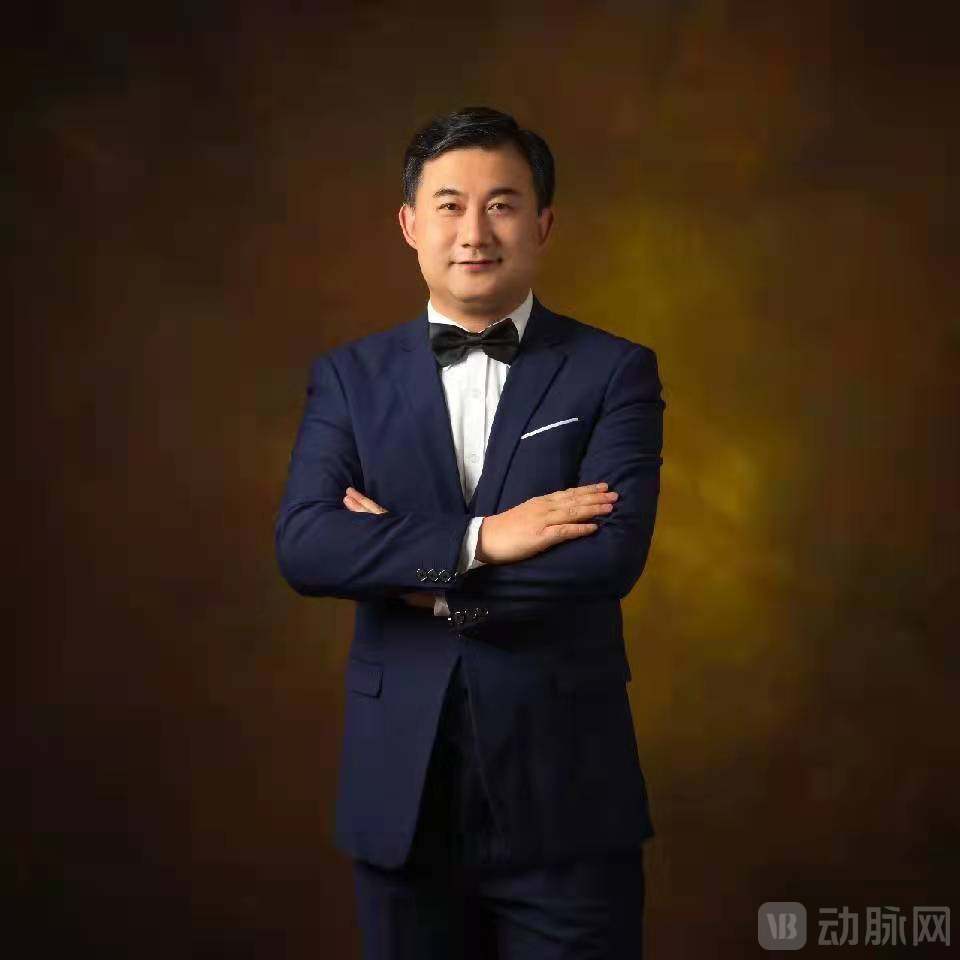
Wu Huazhao, Founder of Zhiyu Technology
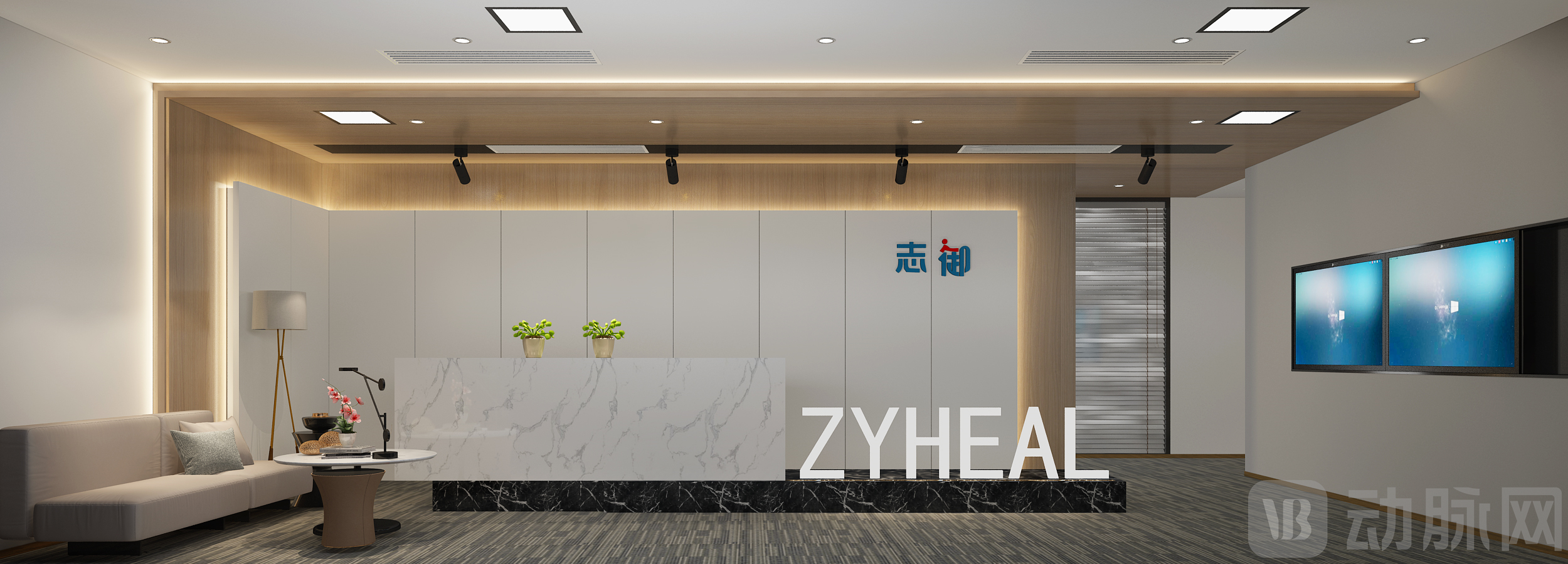
Zhiyu Technology, founded in 2020, focuses on AI-driven healthcare solutions for liver and brain conditions, providing intelligent analysis of MR medical imaging.
From the perspective of market demand, MR-based imaging demonstrates significant advantages over ultrasound and CT in various stages of health check-ups and assisted diagnosis and treatment. However, quantitative analysis of certain clinical MR images currently lacks digital solutions. For instance, in the field of liver imaging, MR-based assessment of fat infiltration is the most accurate non-invasive diagnostic method available, yet there is a shortage of AI-powered products for automated fatty liver evaluation. Similarly, in neuroscience, advancements in imaging technology have elevated neurology to a major clinical department, but there remains a lack of AI products for the quantitative analysis of relevant clinical images.
Founded in 2020, Zhiyu Technology is clearly a latecomer. To this end, the company has chosen to focus on high-barrier, low-competition sectors such as liver and brain therapies.
“Neurology and hepatology are highly specialized fields. Even with mature research conducted abroad, it is still necessary to perform detailed analyses of localized cases within China to address the same issues. It is not simply a matter of ‘doing it whenever one wishes,’” stated Wu Huazhao. While there are numerous public databases available for conditions such as pulmonary nodules and fundus diseases, publicly available data for liver- and brain-related conditions remain scarce, fragmented, and unstructured. Leveraging the medical resources and professional expertise in hepatology and neuroscience at institutions such as Zhongshan Hospital and Huashan Hospital, Zhiyu Technology has engaged in scientific research collaborations with medical institutions to conduct quantitative application research based on extensive volumes of research-grade clinical imaging data.
From a business model perspective, “dual-wheel drive of technology and commercialization” is the biggest highlight of Zhiyu Technology.
Product professionalism is ensured by a professional R&D team represented by the Chief Scientist of Zhiyu Technology.
Zhiyu Technology’s Chief Scientific Advisor, a former postdoctoral fellow in biomedical engineering in the United States, has published nearly 50 SCI-indexed papers and previously served as a Senior Researcher at the research institute of a renowned international medical device manufacturer, with extensive experience in medical imaging and AI-based analysis. Zhiyu Technology’s Medical Advisory Board is led by top Chinese academic authorities in hepatology and neurology, including academicians, and over 70% of its R&D team hold doctoral degrees.
In terms of commercial implementation, skepticism regarding the difficulties in deploying AI and achieving monetization is commonplace, making the integration of medical AI with specific application scenarios increasingly important.
This is precisely Zhiyu Technology’s competitive advantage. Drawing on over two decades of experience serving more than 1,000 tertiary hospitals across China, Wu Huazhao has a deep understanding of hospital needs and pain points, as well as extensive hands-on experience in the commercial deployment of hardware and software solutions. Together with a management team boasting backgrounds at Fortune Global 500 companies such as Accenture, EY, and Mindray, Zhiyu Technology benefits from profound insights into the healthcare industry and distinct advantages in the commercialization of medical AI products.
In terms of marketing, Wu Huazhao, Chairman and CEO, personally leads the initiative, having built an elite marketing team with an average of 20 years of industry experience. Leveraging his background in the medical sector, Zhiyu Technology’s channel resources cover more than 1,000 tertiary hospitals and health management institutions, as well as over 5,000 county- and city-level medical facilities. In the international market, Zhiyu Technology maintains close collaborative relationships with numerous renowned institutions, including HCA Healthcare, Massachusetts General Hospital, MD Anderson Cancer Center, Mayo Clinic, and NewYork-Presbyterian Hospital.
Currently, Zhiyu Technology is continuously iterating its products around clinical and out-of-hospital application scenarios in hepatology and brain science, deepening their practical implementation. Although the company was founded just over a year ago, its medical AI products have already been deployed in real-world settings, generating both commercial and social value.
Wu Huazhao stated that, as a technology-driven AI innovation enterprise, Zhiyu Technology’s dual-wheel drive of “technology and commercialization” facilitates rapid industrial commercialization. Currently, Zhiyu Technology has established in-depth collaborations with top-tier hospitals such as Shanghai Zhongshan Hospital, Huashan Hospital, West China Hospital, and the First Affiliated Hospital of Zhejiang University School of Medicine, empowering radiology departments and clinical medical staff. The company has signed strategic cooperation agreements with Pan-View Medical and Yimai Yangguang. Meanwhile, it has either signed contracts or is in negotiations for cooperation with other insurance companies, health management institutions, and dozens of Grade III tertiary hospitals.
Currently, Zhiyu Technology has pioneered the development of multiple AI-assisted diagnostic software products based on MR (Magnetic Resonance), covering conditions such as fatty liver, liver cirrhosis, liver tumors, stroke, and Parkinson’s disease. These products provide clinicians with intelligent tools for assisted diagnosis, non-invasive assessment, and surgical planning.
Among them, two medical imaging AI products, “Multiparameter Precision Assessment of Liver Health” and “Precision Surgical Planning for Hepatic Surgery,” have already initiated the NMPA medical device registration application process.
For precise multi-parameter assessment of liver health, specialized MRI sequences can accurately quantify fat infiltration within 5 minutes. This non-invasive and repeatable approach offers sensitivity approaching that of the biopsy "gold standard." Abdominal PDFF scanning and automated quantitative analysis of fat infiltration and iron deposition are completed in 9 minutes, enabling rapid generation of precise segmental measurement reports for fat and iron deposition.
Precise surgical planning for liver surgery utilizes quantitative reconstruction techniques to clearly and intuitively visualize liver tumors, hepatic segments, and the complex internal vascular anatomy. By integrating quantitative imaging, digital modeling, and artificial intelligence technologies, this approach allows for flexible adjustment of the position, angle, and curvature of resection planes according to surgical requirements. This facilitates the optimization of transplantation, resection, and interventional procedural plans, thereby helping to achieve personalized and optimized therapeutic outcomes for patients.
Wu Huazhao stated that Zhiyu Technology will continue to increase its investment in R&D, extensively recruit top-tier research talent, and further refine its existing products, thereby providing healthcare institutions with AI-assisted diagnostic solutions that are more efficient, convenient, accurate, and safe, ultimately making healthcare delivery more efficient and precise.
Moving forward, Zhiyu Technology will also expand its team size to lay the foundation for becoming the leading AI brand in liver and brain healthcare. It is reported that Zhiyu Technology is preparing for NMPA approval of its related products and intends to engage in fundraising activities in the capital market.