China's Innovative Drugs Enter 'Dual Circulation' Era, with Biologics Poised for Overtaking Leap | 2021 CHP Summit

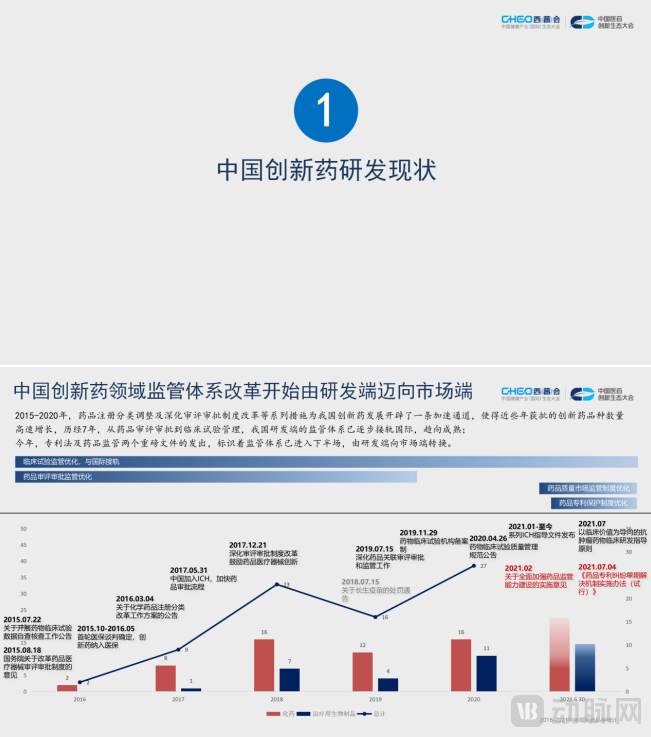
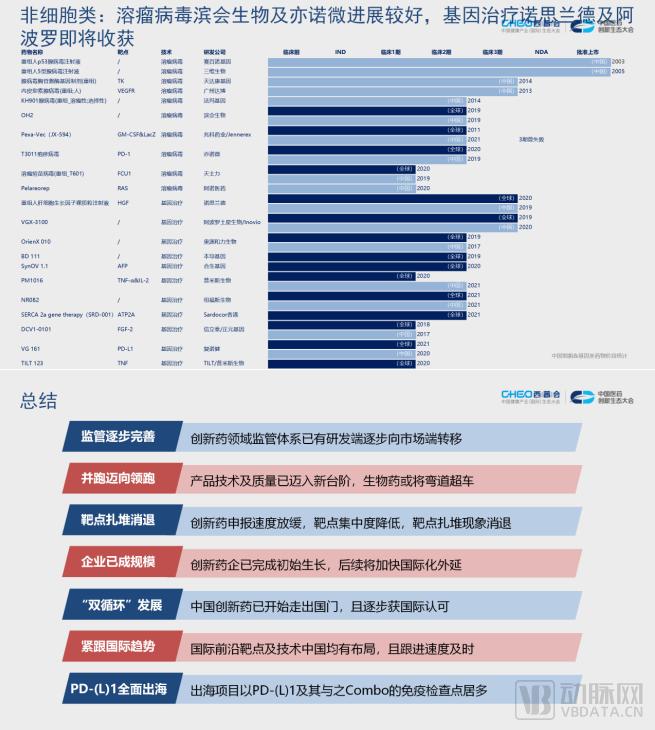
Since 2015, the implementation of a series of policies, including reforms to the drug review and approval system and the adoption of ICH guidelines, has opened an accelerated pathway for the development of innovative drugs in China, while also facilitating the gradual alignment of China’s drug regulatory system with international standards and its progression toward maturity.
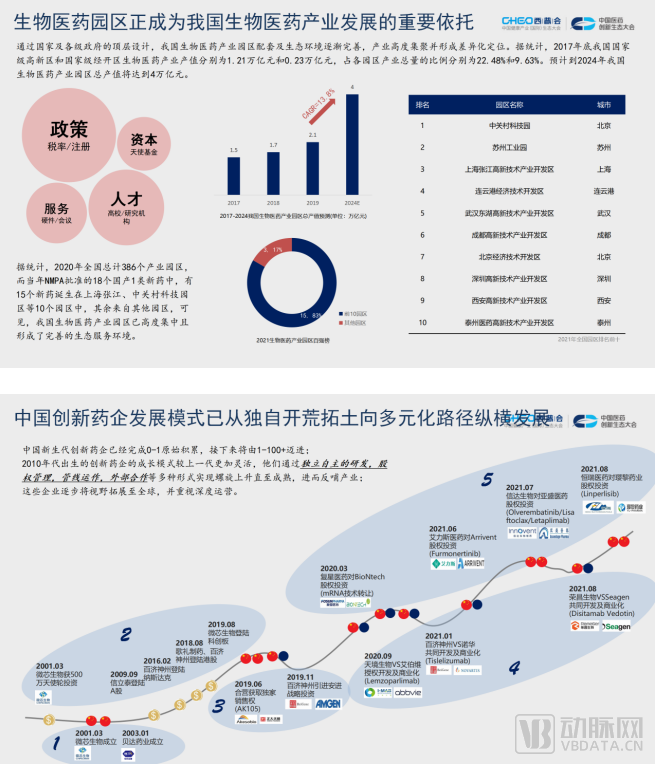
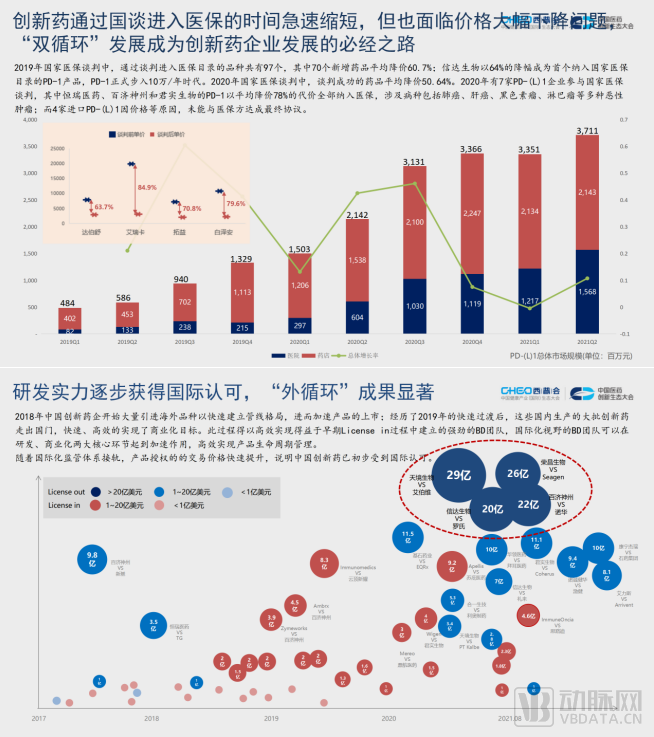
In the domestic market, the time required for innovative drugs to enter the National Reimbursement Drug List (NRDL) through national price negotiations has been significantly shortened, leading to a rapid improvement in commercialization efficiency and swift realization of value, thereby yielding remarkable results in the “internal circulation.” In the international market, the shift in innovative drug pipelines from high-cost in-licensing a few years ago to high-value out-licensing in the past two years fully demonstrates global recognition of the value of Chinese innovative drugs, with significant benefits evident in the “external circulation.”
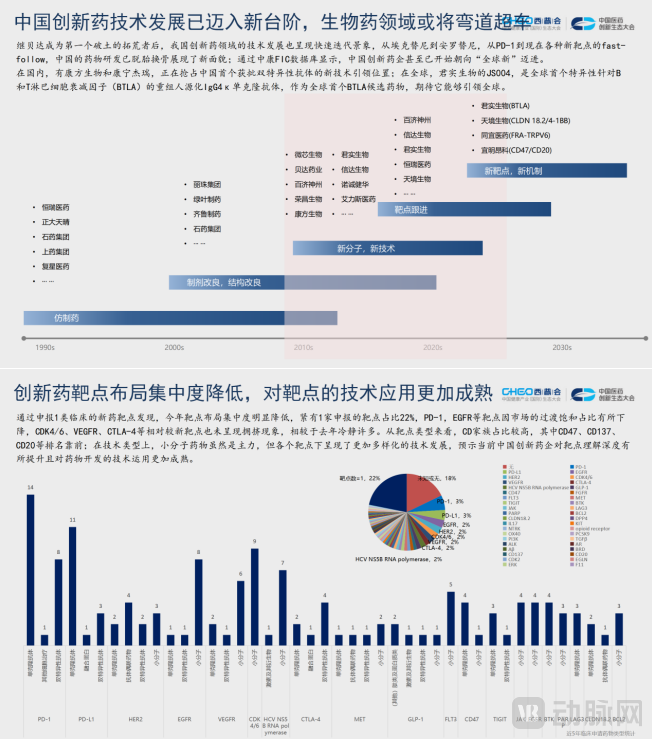
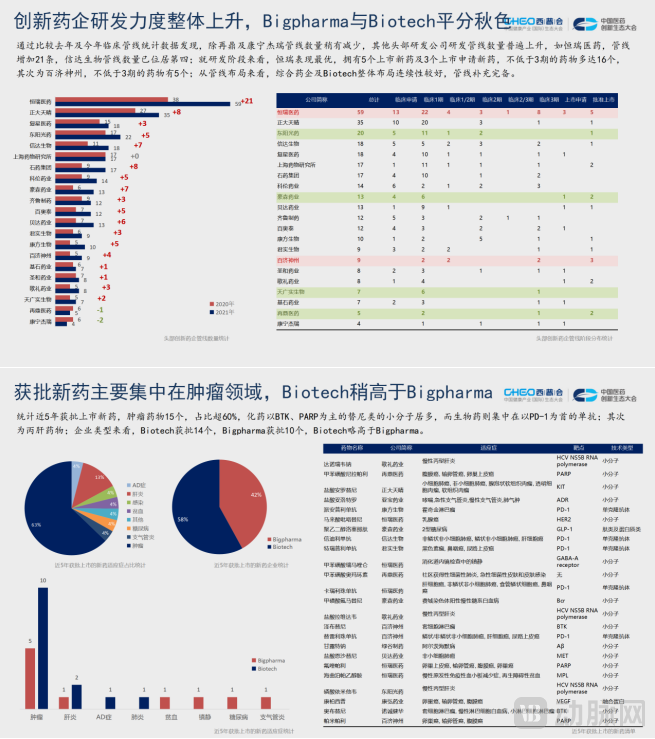
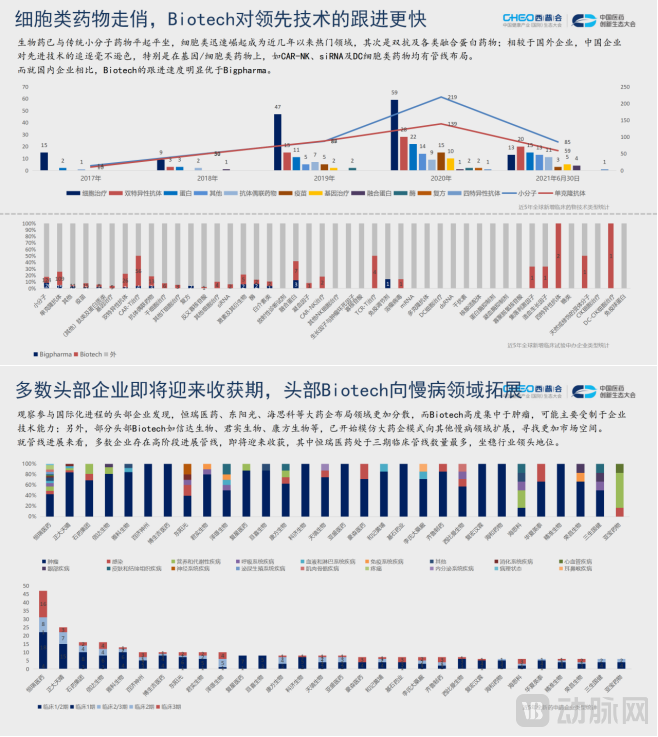
An analysis of Class 1 new drug applications reveals a significant decrease in target concentration compared to previous years. Notably, 22% of applications involve targets pursued by only a single company, including several “global first-in-class” targets such as Junshi Biosciences’ BTLA and I-Mab’s CLDN18.2/4-1BB. The capability to apply technologies has been progressively strengthened, with small-molecule drug development increasingly adopting strategies traditionally associated with antibody-based therapeutics. This shift marks an unprecedented leap in technological innovation.
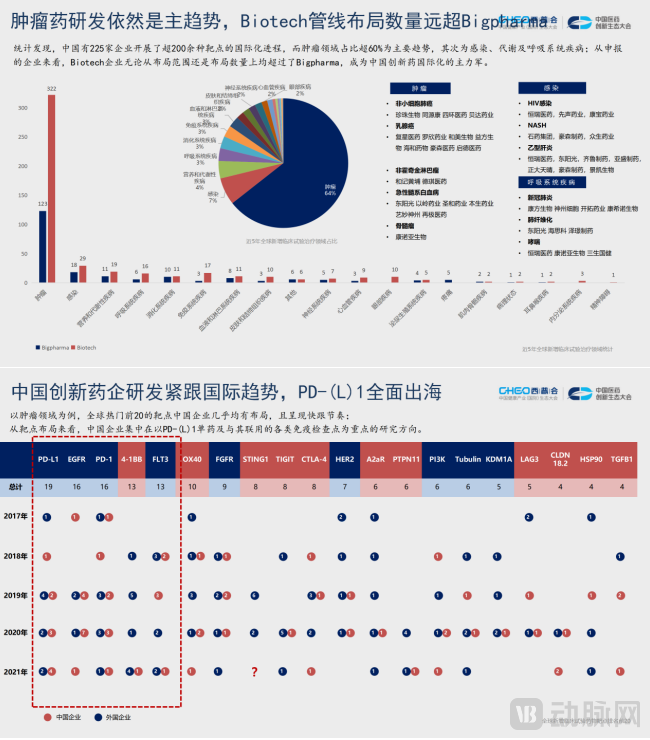
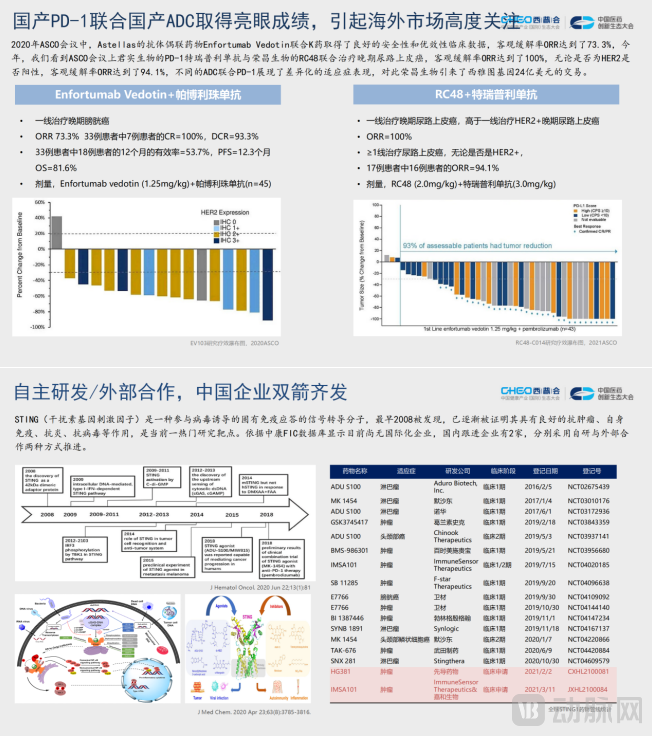
As of the first half of 2021, data from the FIC Intelligence Innovative Drug Database revealed that 225 pharmaceutical companies in China had initiated international clinical trials. Biotech firms significantly outnumbered Big Pharma companies, emerging as the main force in China’s internationalization efforts. Their R&D focus has largely centered on PD-(L)1 targeted combination therapies in oncology, where substantial progress has been achieved. From a corporate development perspective, the recently prevalent equity investment models will enable Chinese innovative drugs to deeply integrate with international markets, both in R&D and commercialization, thereby accelerating the transformation of Chinese pharmaceutical companies into global multinational enterprises.
In just seven years, China’s pharmaceutical industry has undergone dramatic transformations and continues to evolve with increasing intensity and speed. Embracing a new industrial landscape through painful yet necessary restructuring, we believe that sustained innovation will inevitably lead to continuous breakthroughs, propelling Chinese innovative drugs onto the global stage—transitioning from catching up and running alongside to taking the lead.