Signet Therapeutics Honored as 'CGT Leading Enterprise' Amid IPO Filing
SIGNET
Innovative Targeted Cancer Drug Developer
XtalPi
Computation-Driven Innovative Drug R&D Provider
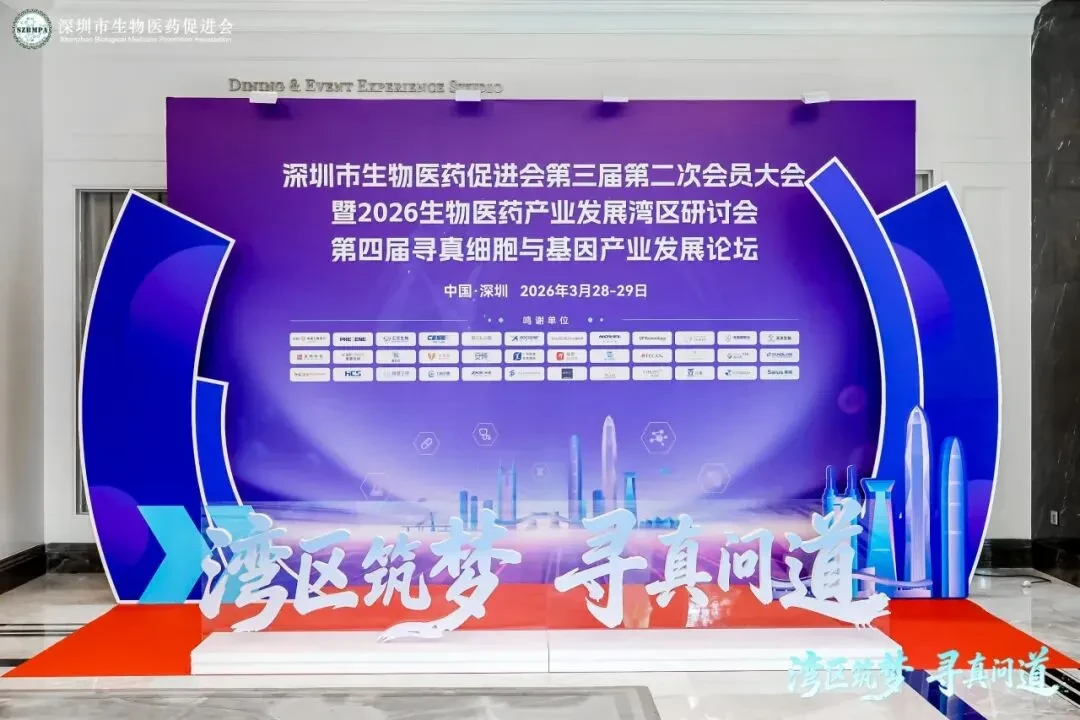
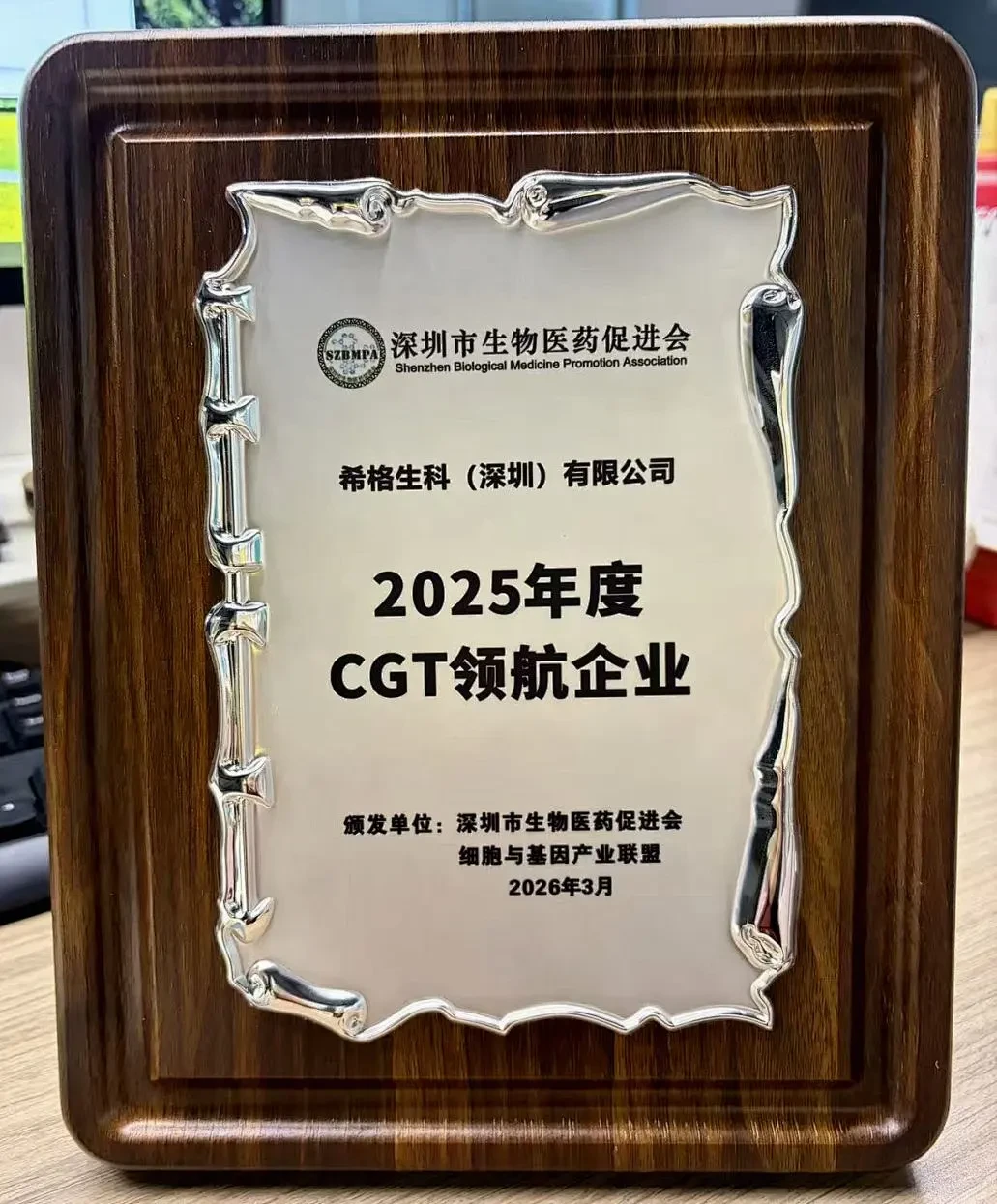
Recently, at the "2026 Bay Area Seminar on Biomedical Industry Development and the 4th Xunzhen Cell and Gene Industry Development Forum," Signet Therapeutics (hereinafter referred to as "SIGNET") was awarded "CGT Pioneer Enterprises"Title of Honor."
The event was jointly hosted by the Shenzhen Biomedical Promotion Association and the Cell and Gene Industry Alliance, and co-organized by Peking University Shenzhen Graduate School, Tsinghua University Shenzhen International Graduate School, and Industrial and Commercial Bank of China Shenzhen Branch. It brought together academic leaders, industry pioneers, and representatives of investment institutions from the Guangdong-Hong Kong-Macao Greater Bay Area and across China in the biomedical field.
SIGNET Honored with 2025 Shenzhen Biomedical Promotion Association’s “CGT Leading Enterprise” Award
Since its establishment in late 2020, SIGNET has consistently adhered to the core driver of "organoids + AI," building a full-process new drug R&D platform covering target discovery, drug screening, preclinical development, and clinical trials. SIGX1094, the world's first targeted drug for diffuse gastric cancer independently developed by the company, took less than four years from target discovery to entering Phase I clinical trials. SIGX1094 is also the first pipeline co-developed with XtalPi (2228.HK), the first company in the "AI + robotics" sector to go public. It has received IND approvals from both China and the US, as well as Orphan Drug Designation (ODD) and Fast Track Designation (FTD) from the US FDA. In 2025, it was nominated for the Prix Galien USA, known as the "Nobel Prize of the pharmaceutical industry," and received support from China’s National Major Science and Technology Project for Innovative Drug Development.
About SIGNET
Signet Therapeutics is a pioneer in the global "organoid + AI"-powered innovative targeted drug R&D model, and is a national high-tech enterprise as well as a specialized and new enterprise. The company's founding team consists of top talents from prestigious institutions such as Harvard University, MIT, and the Chinese Academy of Sciences. As first/corresponding authors, they have published over 20 groundbreaking research papers on gastric cancer, esophageal cancer, and other cancer fields in high-impact journals such as Nature, Nature Medicine, and Cancer Cell, with impact factors exceeding 20, making them a global leader in gastric and esophageal cancer research. Since its establishment in Shenzhen at the end of 2020, the company has completed nearly 300 million yuan in financing and project funding, and holds more than 40 core intellectual properties.
The company currently has four first-in-class drug pipelines and one organoid platform in its portfolio. The core pipeline, SIGX1094, is the world’s first targeted drug for diffuse gastric cancer. It has received IND approval from both the U.S. FDA and China's NMPA, and has been granted Orphan Drug Designation (ODD) and Fast Track Designation (FTD) by the U.S. FDA. In August 2025, this drug was nominated for the Galien Award, known as the "Nobel Prize of the pharmaceutical industry." It is currently undergoing Phase I clinical trials at the Peking University Cancer Hospital. This pipeline is also the world’s first drug to be advanced to the clinical stage through an "organoid + AI" technology platform. The second drug pipeline, SIGX2649, is a pan-TEAD inhibitor targeting the key downstream effector of the Hippo signaling pathway. There are currently no marketed drugs for this target, and an IND application will soon be filed simultaneously in the U.S. and China.
Since its establishment at the end of 2020, the company's forward-looking strategic layout of an "Organoid + AI"-powered technology system for innovative targeted cancer drug research and development has gained international authoritative recognition. It was featured on the homepage of the globally renowned biotech media Fierce Biotech and hailed as the "NEXT Generation" paradigm for cancer drug development. In April 2025, the U.S. FDA officially issued a statement explicitly supporting the gradual replacement of traditional animal testing with organoid and AI technologies, fully validating the foresight and scientific rigor of the company’s technical layout from four years prior.
1
END
1