

Digital Therapeutics Industry China Tour Chengdu Stop: DTx and Chronic Disease Management
In recent years, as the aging process in China has accelerated, the burden of chronic diseases has continued to intensify. China currently has the world’s largest population of chronic disease patients, numbering nearly 500 million. Last year alone, expenditures on chronic disease management amounted to approximately RMB 4.1 trillion. This poses significant challenges to disease prevention and control efforts in the country. As a supplement and optimization to traditional treatment modalities, digital therapeutics products offer substantial value for chronic disease management through advantages such as convenience and low cost. They have expanded the scope of prescriptions from medication alone to include patients’ lifestyle behaviors, thereby closely linking interventions within and outside hospital settings.
So, what are the technological underpinnings of digital therapeutics combined with chronic disease management? Do they truly deliver robust clinical outcomes? What is the current status of investment deployment? And how can companies achieve sustainable growth?
The 10th Edition of the Digital Therapeutics Industry China Tour Lands in Chengdu on September 24, Bringing Together Renowned Clinical Experts, Innovative Digital Therapeutics Companies, and Investment Firms to Discuss Digital Therapeutics and Chronic Disease Management.
This event is organized byPreparatory Committee for Digital Therapeutics Systems Engineering, China Association for Promotion of Rehabilitation Technology Transformation and Development(hereinafter referred to as the Preparatory Committee),VCBeat, Yuan Yi Capital, Sanofi (China), Viatris, Weimai, Qianglian Zhichuang, Fosun Pharma, Shanzhen, Takeda (China)Co-organized by,Tasly, Senmei Medical, Huanuo Zhisheng, Miao Health, Shukang, Yuanxin Medical Technology, Yuanxin Huibao Technology, Rendong Medicine, Tigermed Jietong, Liangyihui, Boston Technology, Guyitang, Jianhai Technology, Shuyao, Zhongke Zhikang, Jicheng Children's Dentistry, Zhi Lan Health, Shuyu Technology, Fangxin Technology, AffaMedCo-organizer,Yongliu Technology, Yunkai Yamei, Changling Capital, BlueRun Ventures, Shengshan Asset Management, Wangli Technology, China-Europe Science and Technology InnovationSupported.
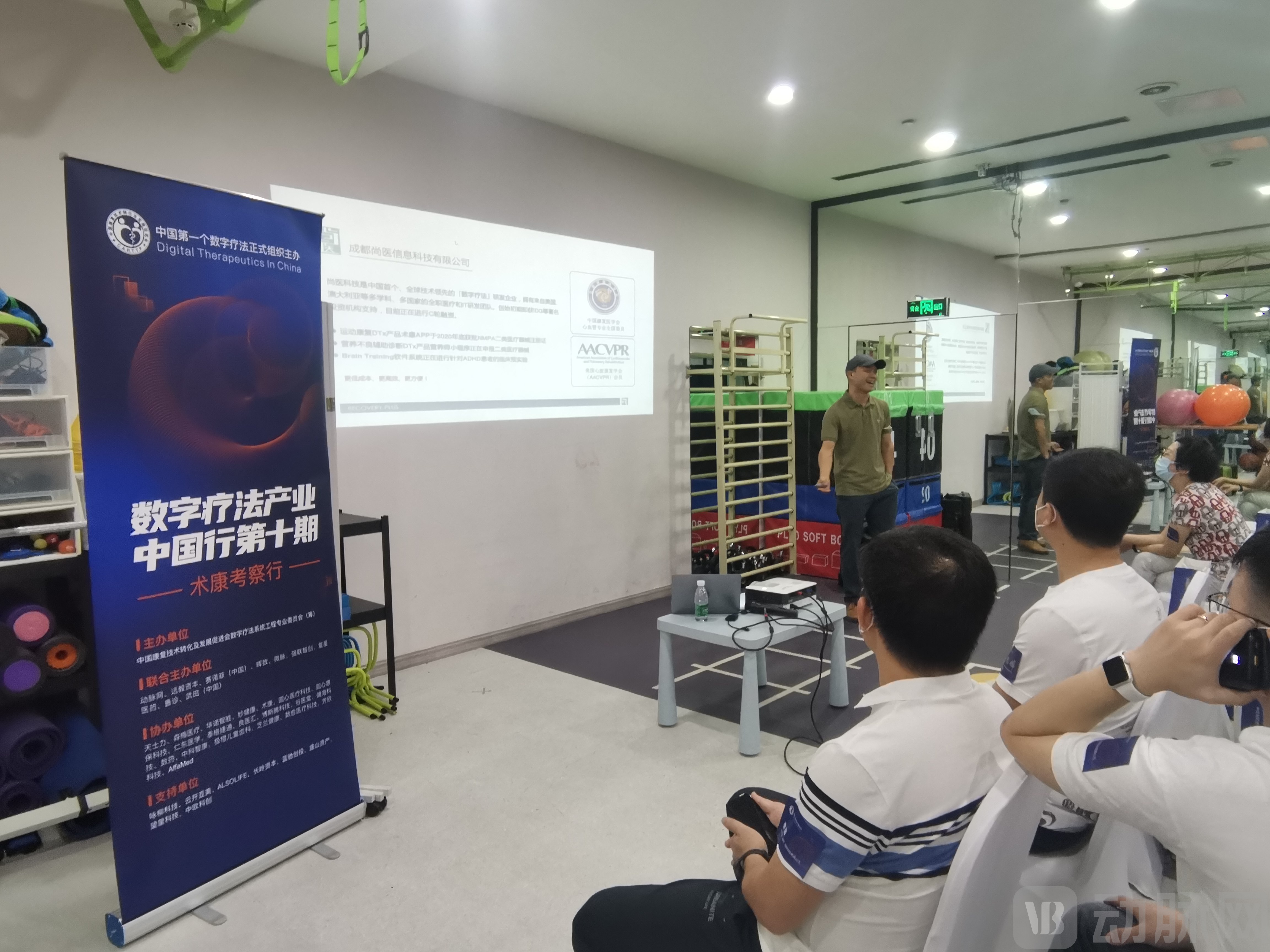
Shangyi Information Technology is dedicated to providing AI-based remote intelligent rehabilitation therapy for patients with chronic diseases through “intelligent lifestyle interventions,” thereby improving their quality of life. After years of R&D and clinical research, Shukang is now fully building an AI-driven technological foundation that integrates its holistic rehabilitation system encompassing “exercise, nutrition, and cognition.” This system adapts in real time, enabling users to receive digital prescriptions tailored precisely to their individual needs.
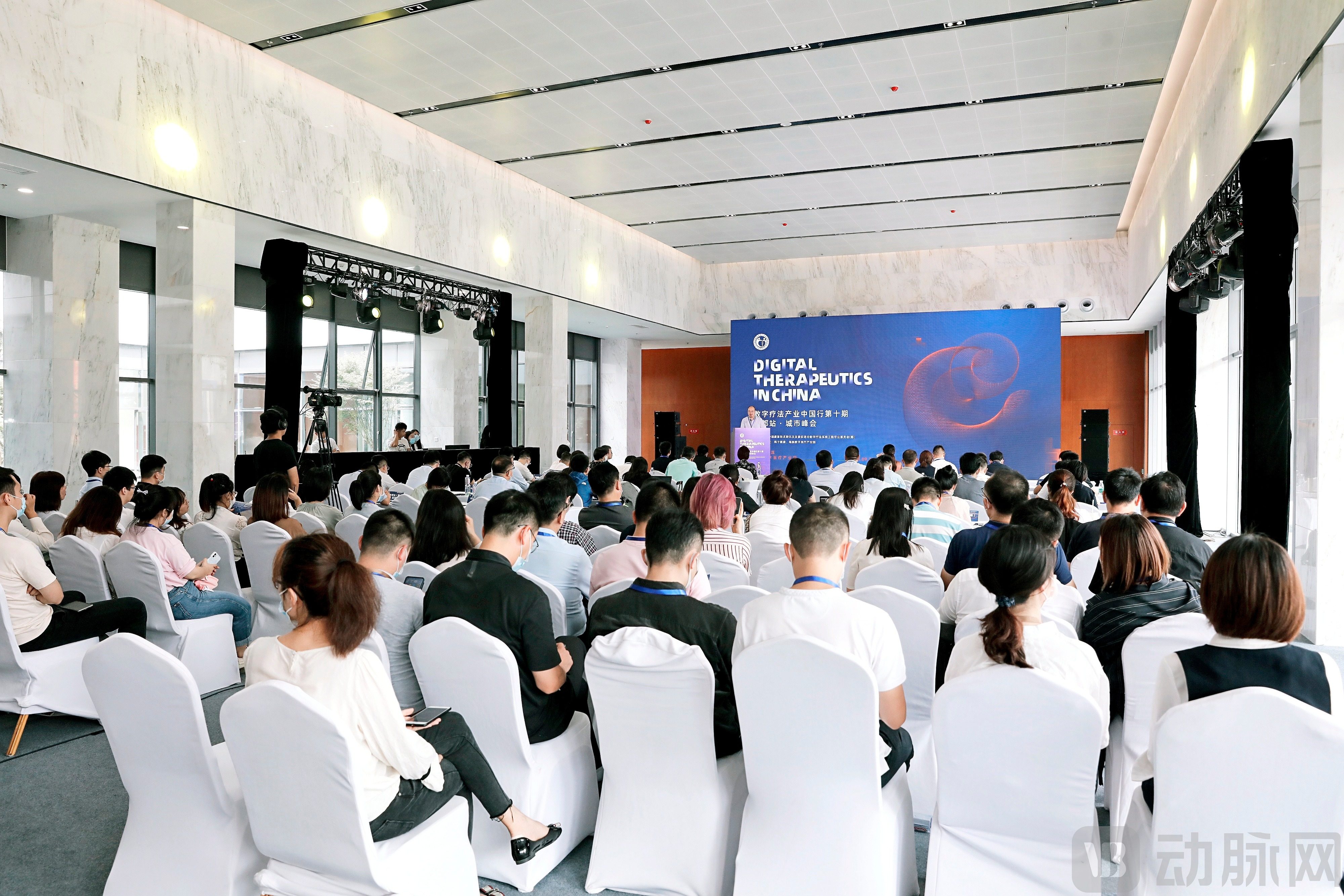
Digital Therapeutics City SummitAs China’s premier industry event for digital therapeutics, it has cumulatively1000+The participating representatives provided a platform for exchange, significantly promoting cooperation and development across the upstream and downstream segments of the industry chain.
Preparatory Committee for Digital Therapeutics Systems Engineering, China Association for the Promotion of Rehabilitation Technology Translation and Development, is a secondary branch of the China Association for Promotion of Rehabilitation Technology Translation and Development. It is voluntarily composed of clinical and research experts and scholars engaged in the field of digital therapeutics in China, industry elites, as well as multidisciplinary talents in technology management and technical testing, clinical institutions, research institutes, and related enterprises. It serves as an important force in the theoretical research and practical development of systems engineering for digital therapeutics. AsChina's First Digital Therapeutics Industry Organization, currently joined by over enterprises/institutions60...all stakeholders in the value chain of digital therapeutics, have successfully held6The Second Digital Therapeutics City Summit, Dedicated to Advancing the Practice of Digital Therapeutics in China.
Host: Bi Yuanfeng
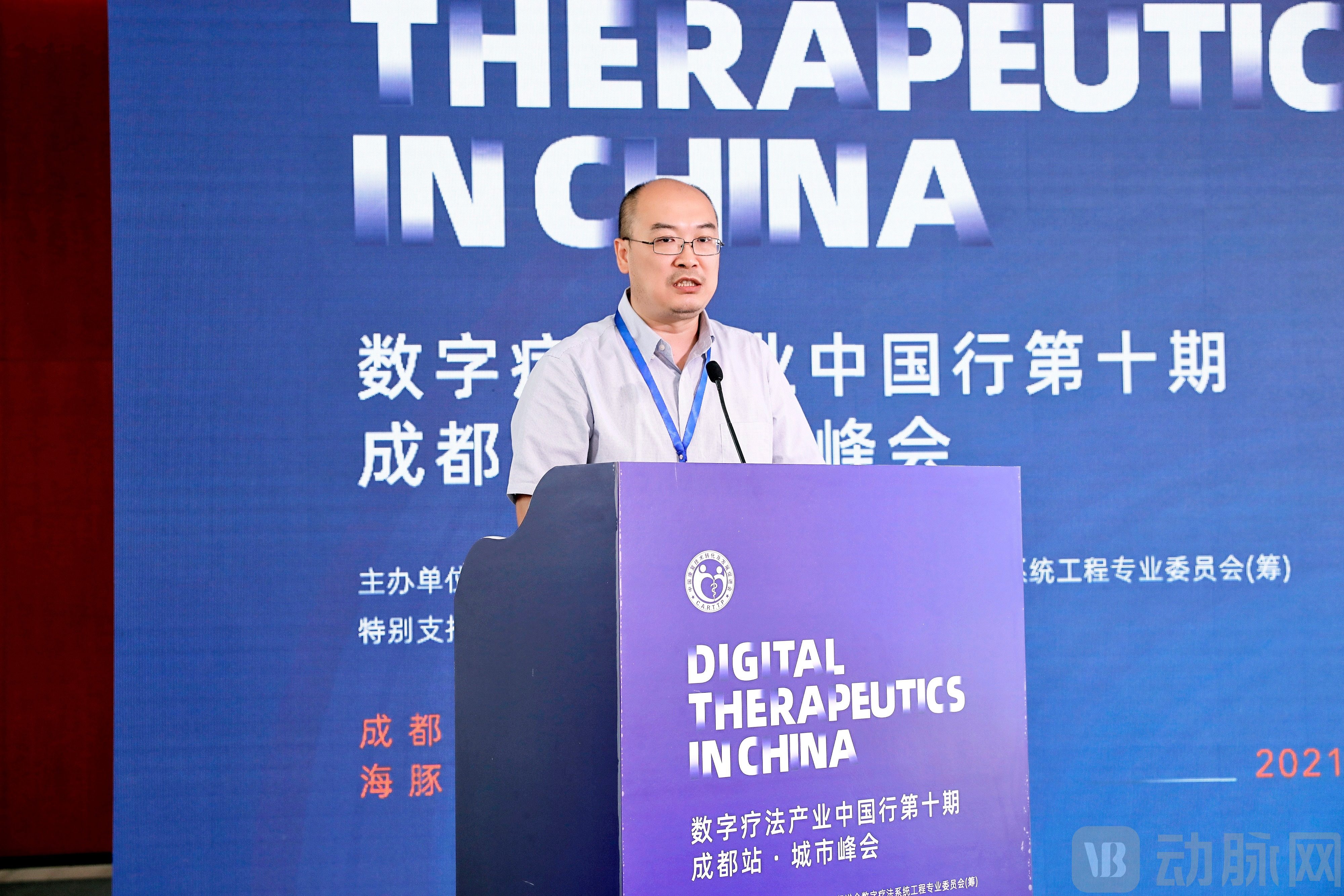
Bi Yuanfeng, Co-founder and COO of VCBeat
Zhao Yinli: Opening Remarks
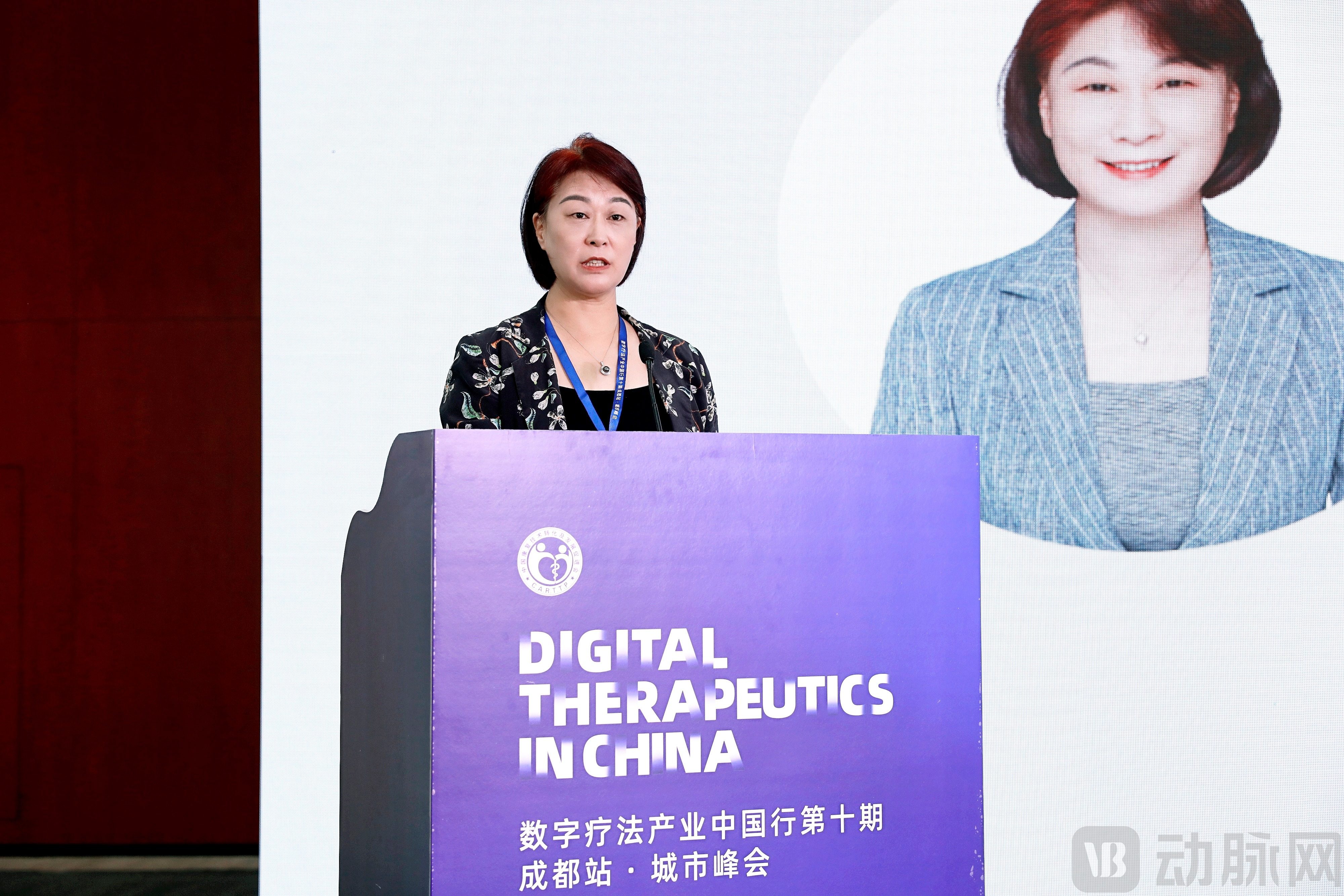
Zhao Yinli, Deputy Secretary-General of the China Association for the Promotion of Rehabilitation Technology Transformation and Development
The newly released "Outline of the 14th Five-Year Plan for National Economic and Social Development of the People's Republic of China and the Long-Range Objectives Through the Year 2035 (Draft)" proposes to focus on promoting the inclusive application of digital services in the healthcare sector, thereby continuously enhancing the public’s sense of gain.
The Sixth Meeting of the Central Financial and Economic Affairs Commission explicitly stated that promoting the construction of the Chengdu-Chongqing Twin City Economic Circle is crucial to forming an important growth pole for high-quality development in western China. Centered on Chongqing and Chengdu, the Chengdu-Chongqing Twin City Economic Circle serves as a key platform for the Western Development Strategy, a strategic support for the Yangtze River Economic Belt, and an important demonstration zone for the national promotion of new-type urbanization. As a central city within this economic circle, Chengdu has actively responded to the call to “accelerate the digitalization of industries and the industrialization of digital technologies, and promote the deep integration of the digital economy with the real economy.” By formulating its 14th Five-Year Plan, Chengdu has emphasized accelerating the digital transformation of modern service industries and promoting the widespread application of digital technologies in fields such as healthcare, thereby driving the rapid improvement of medical services in the city.
Song Yiran: Address
Song Yiran, Investment Director at Yuan Yi Capital
The purpose of establishing the professional committee is to foster collaboration during this period of industry development, enabling stakeholders to work together in promoting standardized, high-quality, and sustainable growth. We have come together because we believe that digitalization can deliver significant value to the future of healthcare in China—benefiting patients, physicians, medical institutions, the government, and other relevant parties—and help ensure that patients enjoy more accessible and higher-quality medical services.
Guo Jinhong | The Integrated Application of Digital Therapeutics and Biosensors
 Guo Jinhong, Professor at the University of Electronic Science and Technology of China, recipient of the National Natural Science Foundation of China’s Excellent Young Scientists Fund, and Chief Expert of the National JKW Major Special Project
What is the difference between informatization and digitalization?
Informatization is the extraction and visualization of signals and information to support managerial decision-making, with the ultimate focus remaining on managers; whereas digitalization is the informatization-driven processing oriented toward achieving specific objectives.
Digitization: Signal and Information Processing for Goal-Oriented Realization
A typical informatization architecture transfers data from the physical space to the cyber space, through sensors, network links, and other components, ultimately reaching physicians. In contrast, a digitalization architecture connects people and objects, with final decision-making embedded within the system. This is where digital therapeutics hold the most promising future.
Tao Feng | Reflections on Investment Opportunities in Digital Therapeutics in China
Tao Feng, Founding Partner of Boyuan Capital
Reflections on Investment Opportunities in the Digital Therapeutics Market: Insights from the Chinese and U.S. MarketsTao Feng proposed that, from the perspective of investment firms, digital therapeutics can be categorized into therapeutic intervention-type and disease management-type solutions. For companies focused on therapeutic interventions, demonstrating clinical efficacy and gaining physician endorsement are fundamental to success. Meanwhile, establishing a viable business model and earning patient acceptance are key to building a competitive lead in the sector. For companies specializing in disease management, the key to success lies in constructing an ecosystem that delivers tangible benefits to patients in managing their conditions.
He Chunshui | Shukang Digital Therapeutics and Its Clinical Applications
He Chunshui, Director of the Department of Vascular Surgery at the Affiliated Hospital of Chengdu University of Traditional Chinese Medicine and Co-founder of Shukang
As a standalone digital therapeutic, Shukang is globally recognized as a digital therapeutic for improving cardiorespiratory endurance.
Tele-rehabilitation offers key advantages, including high participation rates, high completion rates, and cost-effectiveness. Leveraging technological advancements to enhance the efficacy and safety of tele-rehabilitation represents a significant trend in the future development of rehabilitation medicine.
Clinical Studies of Shukang:
(1) A prospective, multicenter, randomized controlled trial on type 2 diabetes mellitus. The study found that the use of the Shukang App was more effective in reducing body weight, body fat, and blood glucose levels in patients with type 2 diabetes mellitus.
(II) A prospective, single-center, randomized controlled study following radiofrequency catheter ablation for atrial fibrillation: From the perspective of intervention and control groups, the ShuKang App group demonstrated greater improvements in cardiorespiratory endurance and higher adherence to exercise-based cardiac rehabilitation.
(3) A prospective, multicenter, randomized controlled study on post-COVID-19 infection. It was found that the group using the Shukang App demonstrated greater improvements in cardiorespiratory endurance, respiratory function, lower limb strength, and quality of life.
Cao Qiang | Practice of Full-Course Digital Therapeutics Management in Cardiovascular Care
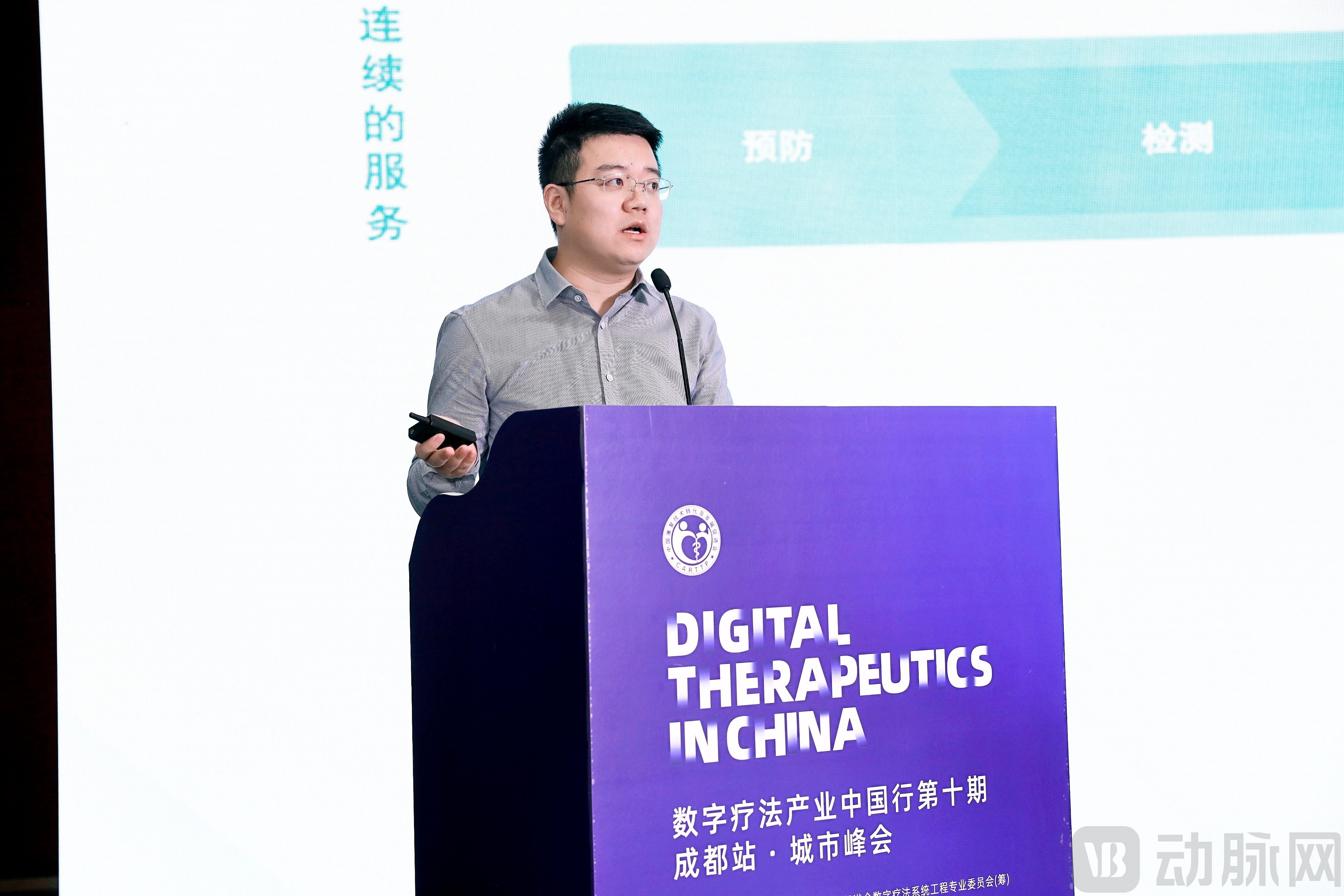
Cao Qiang, CEO of Harit Medical
Whole-Course Disease Management Is an Important Component of Supply-Side Reform in Healthcare
Key Directions for Deepening Healthcare Reform
The Inevitable Outcome of Consumption Upgrading and Technological Advancement
A Booster for Healthy China
Harriet Management Program Delivers Clinical Benefits to Patients: Blood pressure control rate increased by 163%, readmission rate decreased by 78%, and mortality rate decreased by 85%
Create Incremental Value and Build a Value Chain for Sustainable Multi-Party Benefits
For Hospitals & Physicians: We assist medical institutions in managing discharged patients with chronic cardiovascular diseases.
To Governments & Society: We assist governments and social institutions in managing patients with chronic cardiovascular diseases:
To Patients & Families: We Are a Professional Cardiovascular Chronic Disease Management Organization:
Tong Nanwei | Digital Therapeutics Launch a New Model for Chronic Disease Management
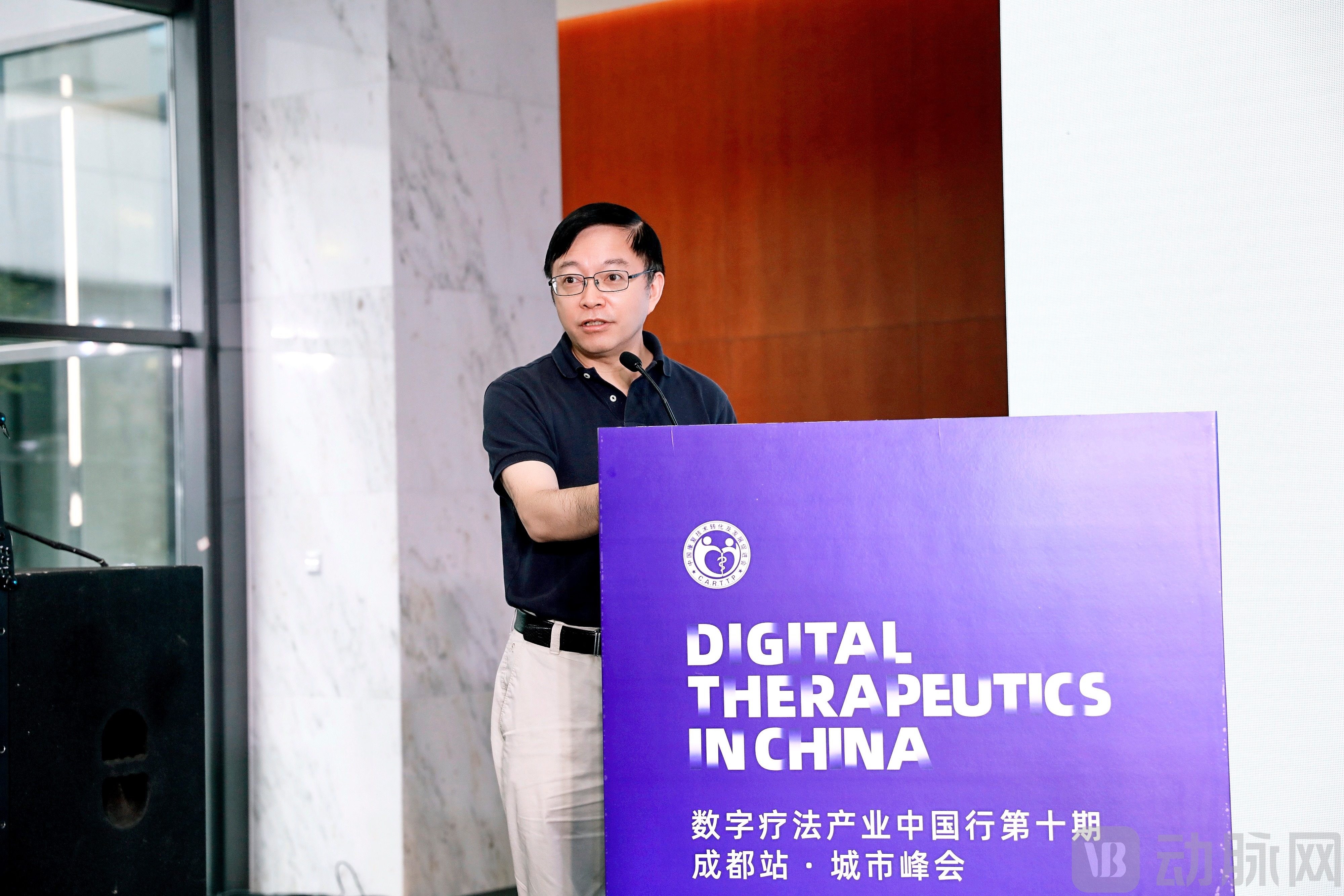
Tong Nanwei, Director of the Diabetes and Metabolism Research Center and Director of the Department of Endocrinology and Metabolism, West China Hospital, Sichuan University
Current AI applications differ from those in the past. While clinicians may refer to medical guidelines, these guidelines may not be fully applicable to individual patients. Therefore, it is feasible to develop personalized digital health management or treatment plans tailored to each individual patient.
Digital healthcare plays a critically important role in our work and daily lives. It is the shared expectation of multiple departments and sectors to leverage certain mobile applications, or products integrated with such apps, to incorporate them into medical insurance coverage and promote them to a broad user base, thereby delivering tangible benefits. For example,Shukang APP, leveraging artificial intelligence technology to provide doctors and patients with a simple, user-friendly, and scientifically grounded sports rehabilitation management platform.
Feng Miao | Application of Israeli Medical Device Innovation in Chronic Disease Management
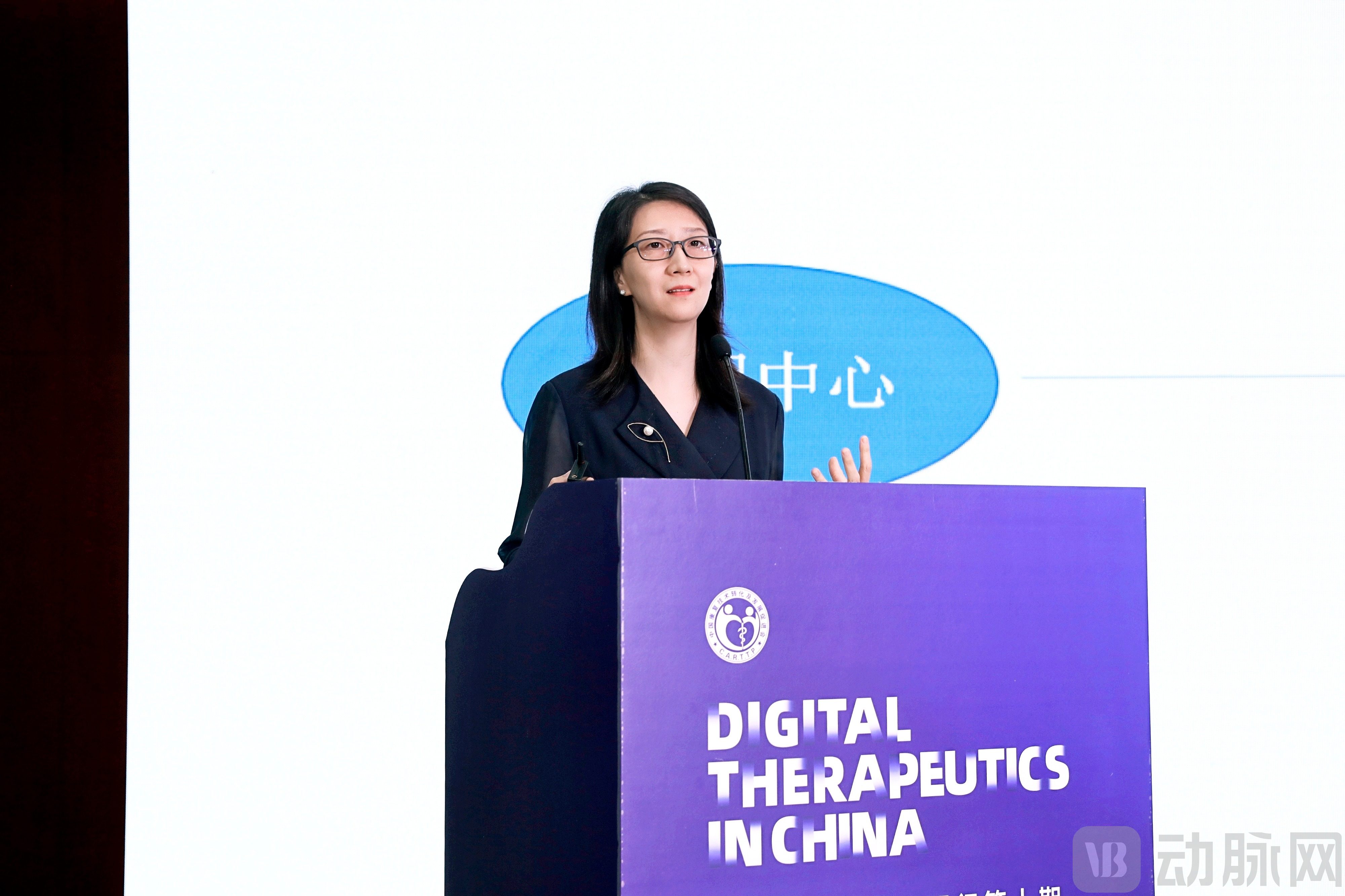
Feng Miao, Founder of Lingwo Technology and China Representative of Israel’s CardiacSense
Israel’s CardiacSense has developed world-class, IP-protected wearable sensors for medical devices used in arrhythmia detection and vital signs monitoring.
CardiacSense is the only solution capable of beat-to-beat monitoring, with integration into electronic medical records (EMR) and patient monitoring systems, as well as interoperability with hospital information systems. In May 2021, it was selected as the vital signs medical monitoring device for astronaut Eytan Stibbe’s use in space.
Its proprietary technologies include arrhythmia detection, continuous respiratory rate monitoring under dynamic conditions, continuous blood oxygen saturation (SpO2) monitoring under dynamic conditions, and blood pressure measurement.
Zhang Hua | Chongyi Yunhao: Leveraging Big Data to Empower Digital Therapeutics for Maternal and Infant Care Management

Zhang Hua, Deputy Director of the Department of Obstetrics at the First Affiliated Hospital of Chongqing Medical University and Deputy Director of the China-Canada-New Zealand Joint Laboratory for Maternal-Fetal Medicine
Zhang Hua noted that the digital therapeutics industry urgently needs to establish industry standards. Clinical research teams should be deeply involved in the standard-setting process, safeguarding both digital therapeutics manufacturers and hospitals implementing these solutions.
After nearly a decade of development, the CQMU Yunhao Clinical Research Team has not only focused on the implementation of digital therapeutics but also prioritized the promotion of “standardized digital therapeutics for maternal and infant care.”
Transition from being an “implementer” of digital therapeutics to a “guardian” of patient safety. Implement big data–based specialty quality control and medical regulatory services; cultivate and build a talent pool for the digital therapeutics industry; expand patient service data to further refine specialty quality control standards.