

"Micro" Future Ahead: Jisheng Life's Micro-Tumor PTC Platform Drives New Breakthroughs in Precision Oncology — Satellite Symposium at CSCO 2021
The 24th National Clinical Oncology Conference and the 2021 Annual Meeting of the Chinese Society of Clinical Oncology (CSCO) grandly opened on September 25, 2021. On September 27, Beijing Geneseeq Technology Inc. (hereinafter referred to as "Geneseeq") successfully held its CSCO special satellite symposium titled “Microfuture is Promising: Micro-tumor PTC Leading New Breakthroughs in Precision Cancer Therapy.” The meeting specially invited Professor Shen Lin, Deputy Director of Peking University Cancer Hospital, and Professor Xi Jianzhong, Deputy Dean of the School of Future Technology at Peking University, to serve as Conference Chairs. Professor Jiang Liyan from Shanghai Chest Hospital, Professor Wang Shu from Peking University People's Hospital, and Professor Xi Jianzhong, Deputy Dean of the School of Future Technology at Peking University, served as key speakers. They shared the latest clinical research and application advances of micro-tumor PTC drug sensitivity testing in lung cancer, gastrointestinal tumors, and breast cancer, and invited numerous experts and scholars to provide insights and engage in discussions.
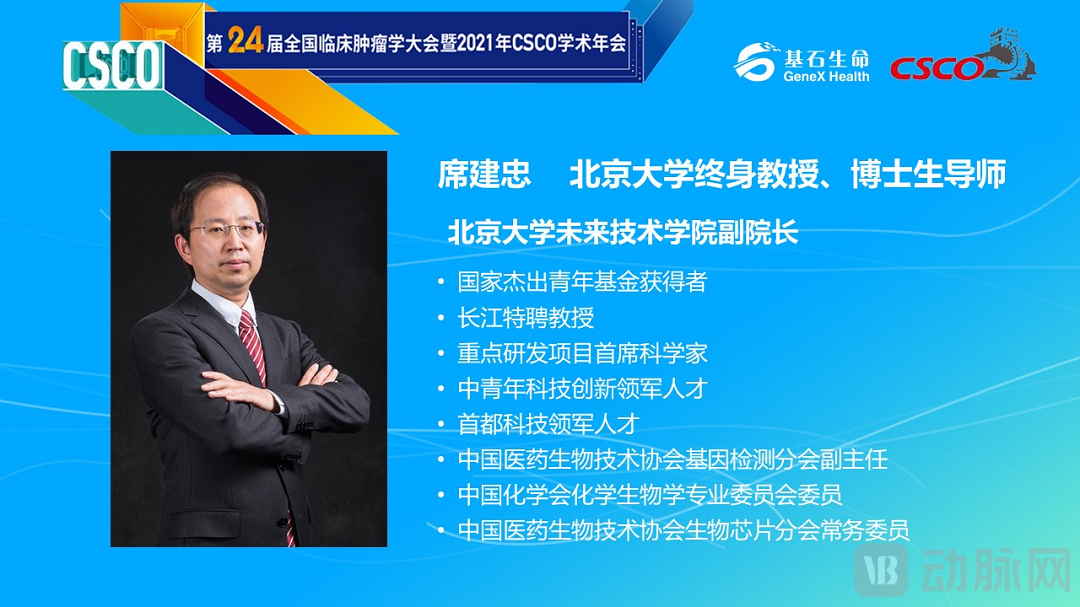
Professor Xi Jianzhong, Deputy Dean of the School of Future Technology, Peking University
Professor Xi Jianzhong, on behalf of Basecare Life Sciences, extended a warm welcome and heartfelt gratitude to the experts and scholars who participated in and supported this conference. Professor Xi stated that the micro-tumor PTC technology originates from clinical practice and is applied back to clinical settings. This conference aims not only to share the latest research advances in micro-tumor PTC drug sensitivity testing but also to engage in discussions with clinical experts, foster collaborations, and accelerate the clinical translation of micro-tumor PTC technology.
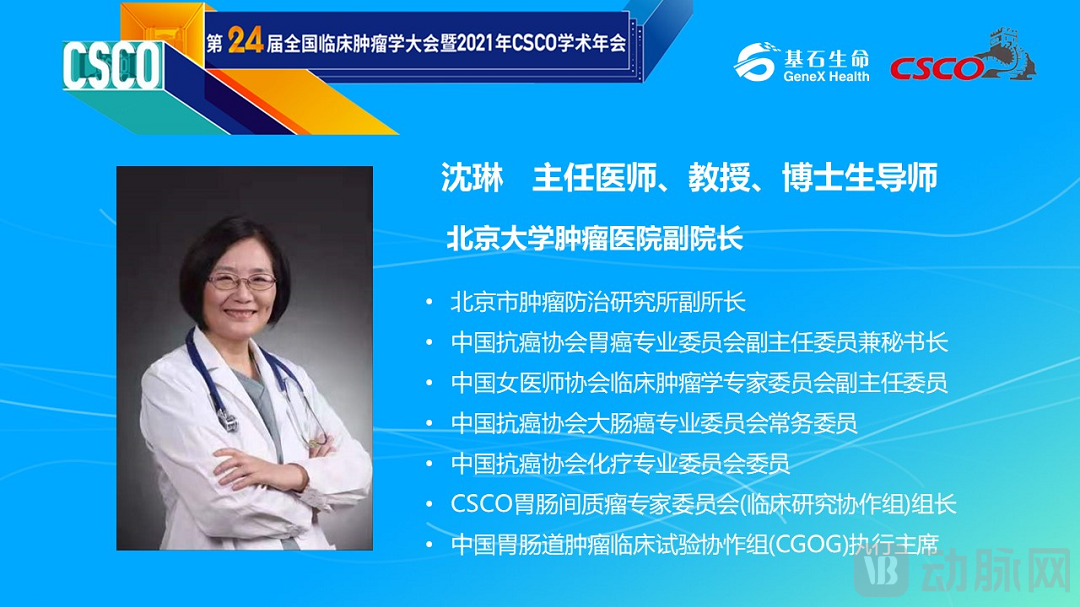
Professor Shen Lin, Vice President of Peking University Cancer Hospital
Professor Shen Lin pointed out that there are still some issues in achieving truly precise treatment in clinical practice. There is an urgent need for a more accurate preclinical model in areas such as clinical medication, translational research, and the development of new anti-tumor drugs. Microtumor PTC plays a leading role in this regard, not only breaking through the limitations of previous in vitro tumor models in clinical applications but also achieving remarkable collaborative results in lung cancer, gastrointestinal tumors, and breast cancer.
Professor Jiang Liyan: Application and Exploration of Microtumor PTC in Precision Treatment of NSCLC
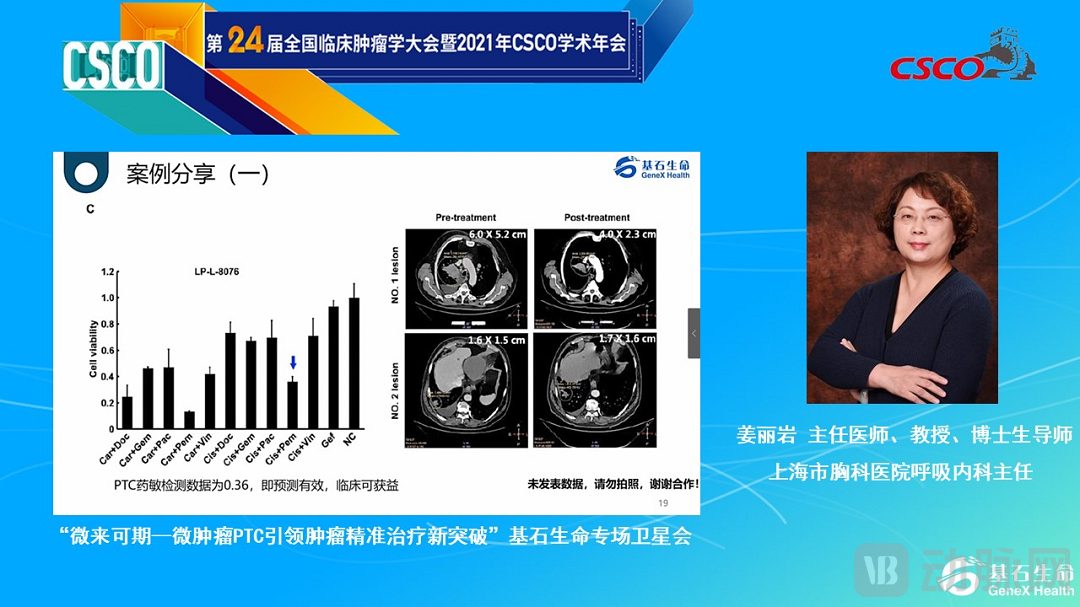
Professor Jiang Liyan was invited to deliver a keynote speech titled “Application and Exploration of Micro-tumor PTC in Precision Treatment of NSCLC.” Professor Jiang stated that her team has collaborated with Professor Xi Jianzhong for over five years, achieving remarkable results in the clinical application of micro-tumor PTC drug sensitivity testing for non-small cell lung cancer (NSCLC). These results have effectively validated the accuracy of micro-tumor PTC in predicting clinical responses to medication in lung cancer patients. Professor Jiang introduced that the PTC model boasts a high success rate in construction and has been verified to exhibit strong consistency with original tumor tissues. Furthermore, high-throughput drug sensitivity testing can be completed within two weeks, providing a feasible solution for clinical practice. Professor Jiang Liyan also shared two clinical cases: one involved a male patient with poorly differentiated lung adenocarcinoma who was treated with a platinum-based two-drug chemotherapy regimen; the PTC drug sensitivity test indicated potential clinical benefit from this regimen, and subsequent imaging after a period of treatment confirmed disease regression. The other case involved a lung cancer patient with an EGFR mutation; imaging results before and after clinical treatment showed that gefitinib was ineffective while osimertinib was effective, a finding that was entirely consistent with the PTC drug sensitivity test results. Both cases demonstrate that PTC can accurately predict patients’ clinical responses to medication.
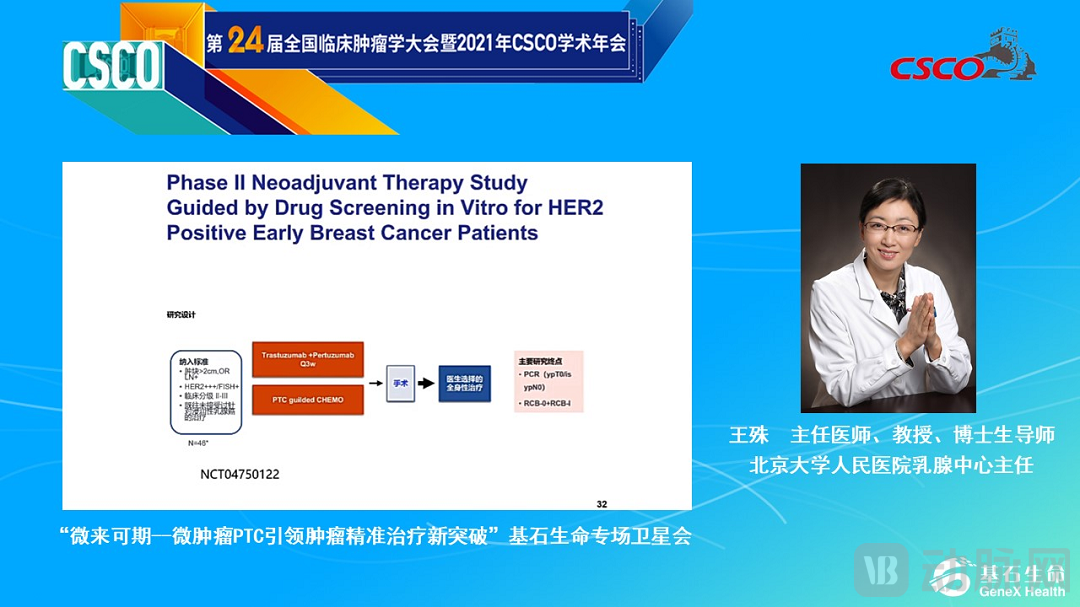
Professor Wang Shu: Study on Drug Sensitivity of Patient-Derived Tumor Organoid Cell Clusters in Breast Cancer
Professor Wang Shu pointed out that the micro-tumor PTC technology possesses unique advantages in clinical translation and application. This technology features a short detection cycle, standardized testing procedures, and, to a certain extent, preserves the characteristics of the in vivo tumor microenvironment. Imaging and pathological evaluations have demonstrated a 91.4% concordance rate between PTC drug sensitivity test results and clinical outcomes in breast cancer patients, thereby providing an ideal personalized treatment plan for clinical decision-making in breast cancer. Furthermore, Professor Wang announced a Phase II multicenter clinical study protocol designed to rigorously, professionally, and comprehensively validate the scientific rationale, feasibility, and efficacy of using PTC technology to guide precise, individualized clinical treatment. She noted that the study is currently underway and welcomed interested hospitals and expert colleagues to participate.
Professor Xi Jianzhong: Investigating Tumor Heterogeneity and Drug Resistance Mechanisms Based on Microtumor Chips
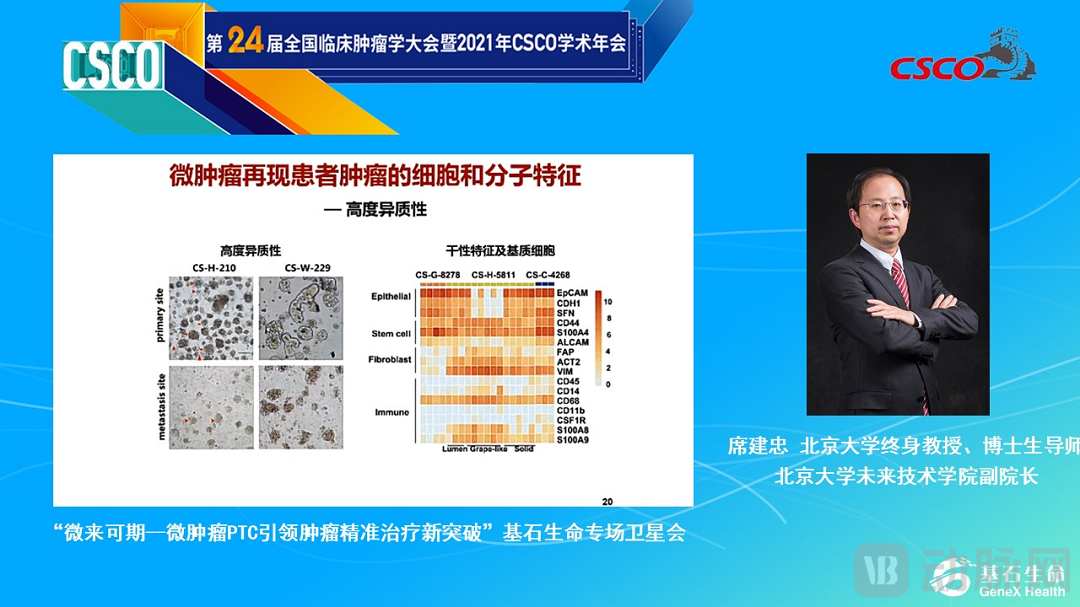
Professor Xi Jianzhong delivered an insightful lecture titled “Studying Tumor Heterogeneity and Drug Resistance Mechanisms Based on Micro-tumor Chips.” Professor Xi stated that in vitro models serve as the cornerstone and platform for life science research, and the accuracy of testing with these models holds significant importance for clinical applications. Many technical approaches and core parameters involved in the micro-tumor PTC (Patient-derived Tumor Chip) model were determined through collaboration with clinicians, aiming to establish drug efficacy testing methods aligned with clinical needs and matched to clinical outcome assessments. Professor Xi pointed out that cells within the tumor microenvironment influence the self-assembly process and drug response. PTCs cultured from the same tumor tissue contain more than four morphologically distinct micro-tumors, thereby recapitulating the heterogeneity characteristics of patient tumors. Given that differing features lead to varying drug efficacies, the micro-tumor model is key to elucidating the mechanisms of heterogeneity. Furthermore, studies have found that different micro-tumors derived from the same patient exhibit varied responses to PD-1 antibody therapy. Therefore, bead-based single-cell sequencing and imaging technologies can be employed to analyze the roles of various components, isolate cell subpopulations associated with drug resistance, and dynamically investigate the heterogeneity of immunotherapy. Professor Xi noted that another highlight of the micro-tumor PTC lies in its ability to integrate with multiple other technologies, providing a robust research platform for precision medicine, particularly in the study of molecular mechanisms.
Online experts participating in the discussion session included Professor Bai Xue from the Chinese PLA General Hospital, Professor Zhou Lei from China-Japan Friendship Hospital, Professor Wang Da from the Second Affiliated Hospital of Zhejiang University School of Medicine, Professor Su Li from the First Affiliated Hospital of Anhui Medical University, and Professor Jin Shi from the First Affiliated Hospital of Dalian Medical University.
Professor Bai Xue stated that the micro-tumor PTC is a highly anticipated and innovative model. After hearing Professor Wang Shu’s elaboration on the application of micro-tumor PTC technology in breast cancer, she expressed strong interest in multi-center studies. Professor Bai Xue focused on the concordance between PTC drug sensitivity test results and in vivo drug efficacy. Professor Wang Shu indicated that the PTC model preserves the heterogeneity of the primary tumor; the microspheres vary in size and morphology, consistent with clinical heterogeneity. He expressed hope that this multi-center clinical study will yield satisfactory results, thereby promoting the clinical translation of PTC technology to guide breast tumor treatment.
Professor Zhou Lei stated that the micro-tumor PTC model offers unique advantages. By employing a self-aggregating proliferation culture method, it incorporates multiple cell types, particularly immune cells, thereby effectively mimicking the in vivo microenvironment. Professor Zhou Lei raised questions regarding sample collection and culture. In response, Professor Xi Jianzhong emphasized that the key lies in ensuring sample freshness, with careful attention paid to sample preservation and transportation.
Professor Wang Da stated that microtumor PTC technology has brought hope to patients who have failed later-line therapies. Professor Wang Da raised the question of how PTC evaluates the efficacy of chemotherapeutic agents that exert their effects after in vivo metabolism, as well as immunotherapeutic agents that kill tumors by modulating the immune system. Professor Shen Lin indicated that, generally, active pharmaceutical ingredients (APIs) are available for in vitro experiments before drugs enter clinical trials, providing a certain degree of demonstrative utility. The development of screening models for immunotherapeutic agents has long been an urgent need in oncology clinical research and remains an unresolved challenge. While some progress has been made in researching the mechanisms of immunotherapy using microtumor PTC, greater breakthroughs are anticipated in the future.
Professor Su Li believes that microtumor PTC drug sensitivity testing technology provides more directions for the study of tumor heterogeneity and later-stage resistance mechanisms, and raises questions about the relationship between PTC and NGS. Professor Jiang Liyan stated that for some patients whose clinical treatment effects are not accurately reflected by precision testing, such as those with low-abundance mutations, microtumor PTC testing can intuitively reflect their drug sensitivity. Furthermore, using microtumor PTC technology to study the mechanisms of drug resistance or insensitivity in certain difficult cases is also of significant importance.
Professor Jin Shi raised the question of how to proceed for patients who underwent surgery or needle biopsy but whose pathology results ultimately did not confirm a cancer diagnosis. Professor Xi Jianzhong stated that we perform cytological identification and basic pathological quality control on every PTC sample obtained from culture to determine whether malignant tumor cells are present. If no tumor cells are detected in the sample, or if the tumor cell content in the tissue fragment used for culture is extremely low, we will provide feedback to the referring physician and terminate the experiment. This is an issue pertaining to experimental science; test results may vary depending on the tissue site, and continuous improvement is required through ongoing collaboration and refinement.
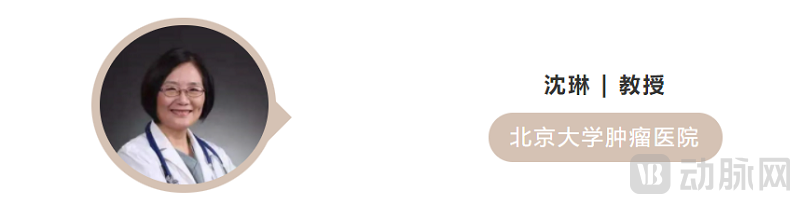
Professor Shen Lin, the Conference Chair, delivered the concluding remarks. Professor Shen pointed out that the entire R&D process of micro-tumor PTC technology, along with its applications and explorations in non-small cell lung cancer, breast cancer, and other digestive system tumors, demonstrates its significant potential for clinical translation. Through the presentations by today’s speakers and the in-depth discussions on the clinical application of PTC held after the conference, the promising prospects of micro-tumor PTC technology in precise tumor treatment, exploration of drug resistance mechanisms, and new drug development were affirmed. This event represented a collision of academic ideas and an exploration of an innovative platform, yielding substantial benefits for both further research on the PTC platform and the clinical experts and patients utilizing it. Small microspheres, grand vision. We believe that micro-tumor PTC will elevate precision medicine and individualized patient treatment to a new level, achieving their fullest potential. Micro-tumor PTC: A “micro” future full of promise.