

Laronde Therapeutics Announces IPO Filing: Pioneering Endless RNA Platform to Enable In Vivo Self-Healing Through Programmable Protein Expression

Laronde
Novel Programmable Drug Developer
Reshaping the future paradigm of all therapeutics and making bold claims: if you understand the “grand vision” being pursued by Laronde, a cutting-edge U.S. biopharmaceutical company, you will deeply appreciate that the era in which biotechnology transforms the world has arrived.
“Laronde” means “circle” in French, and the company’s core technology is built around this very concept. The circle refers to circular RNA (circRNA), as shown in the figure below, which holds the key to Laronde’s technology for reshaping the future of all therapeutic modalities.
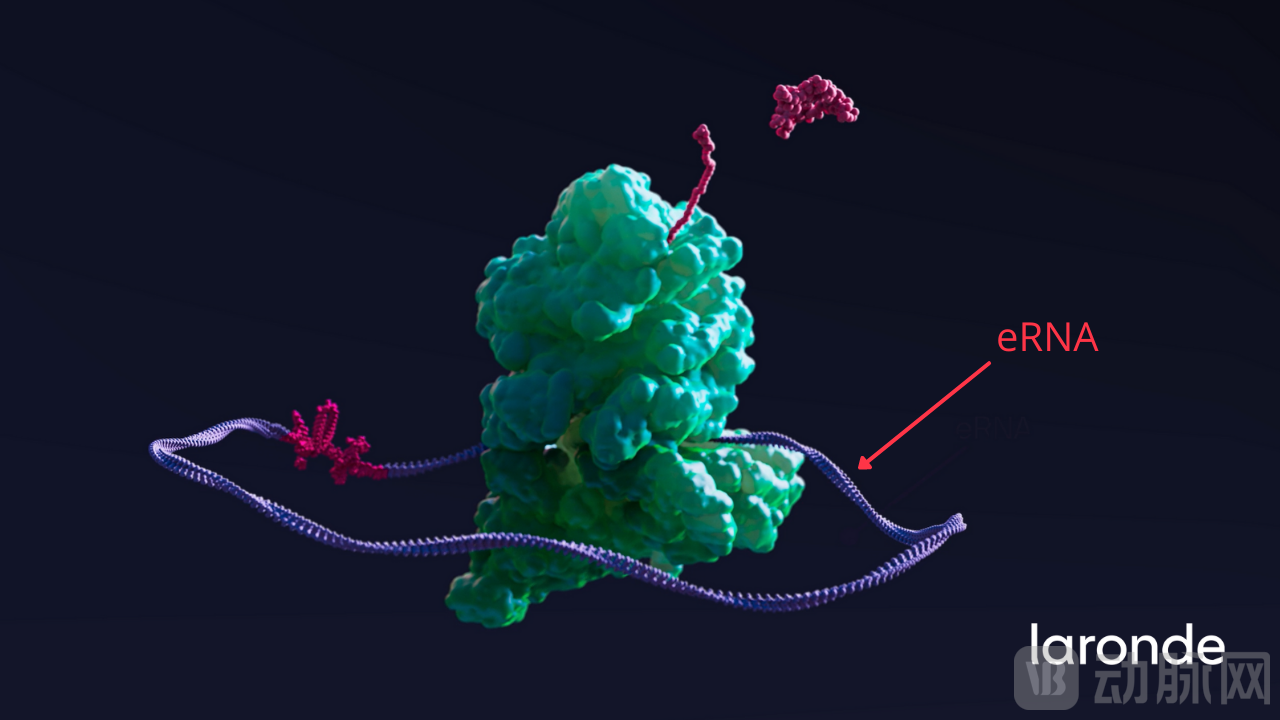 Laronde’s “Circular” eRNA
The outbreak of the COVID-19 pandemic in 2020 spurred a wave of research into corresponding vaccines, with messenger RNA (mRNA) vaccines emerging as one of the key development pathways. mRNA is a naturally occurring molecule in the human body that serves as a tool for the transcription and translation of genetic material.
The rationale behind mRNA vaccine development is to design the nucleotide sequence of mRNA so that it encodes partial “viral spike glycoproteins (antigens),” thereby specifically activating the body’s immune response. This prompts B cells to produce corresponding antibodies, while memory cells “record and retain” information about these specific antibodies. Consequently, when vaccinated individuals are re-exposed to the pathogen in the future, their B cells can rapidly and abundantly generate pathogen-specific antibodies, ensuring that the immune response completely neutralizes the pathogen in its “cradle” before any clinical symptoms appear, thus providing thorough preventive protection.
In addition to mRNA, common types of RNA in the human body include transfer RNA (tRNA) and ribosomal RNA (rRNA), which serve as the “transporters” that recognize mRNA/amino acids and the “guides” that synthesize amino acids into peptide chains during DNA transcription and translation, respectively. However, both tRNA and rRNA adopt a linear structure with distinct 5' and 3' ends in the human body, which is also the structural form of most (deoxy)ribonucleic acids.
Today, we are introducing a novel class of eRNA (endless RNA, also known as infinite RNA or circular RNA), which isA closed loop formed by the ligation of free 5' and 3' ends in linear RNA, first discovered in 1976., it was initially regarded as a byproduct resulting from erroneous intracellular mRNA splicing. However, after more than 30 years of dormancy, two research papers on eRNA were published simultaneously in Nature in 2013, indicating that eRNA is a class of regulatory RNAs that can act as miRNA sponges to modulate the expression of other genes.
Exceptional eRNA: Stable, Durable, Reproducible, Highly Functional, and Non-Immunogenic
Naturally, scientists have compared circular RNA with linear RNA.
U.S. biotechnology company Laronde conducted a one-to-one comparison between eRNA encoding the secreted form of the luminescent firefly luciferase G-Luc and mRNA encoding the same protein. The results showed that both RNAs were expressed in experimental animals, howeverThe enzymes produced by mRNA begin to disappear after 3–4 days, whereas eRNA continues to produce enzymes for several weeks.。“The half-life of firefly luciferase is 20 minutes, whereas eRNA molecules can have a half-life ranging from several days to weeks..” Sophie de Boer, a founding team member of Laronde, stated, “This is a groundbreaking moment that holds the promise of establishing an entirely new paradigm for therapeutics.”
The circular structure exhibits greater stability than its linear counterpart, a phenomenon that is readily understandable from a physical structural perspective. This enhanced stability positions eRNA as a more robust alternative to mRNA vaccines. In July 2021, the team led by Wei Wensheng at Peking University published a relevant paper on bioRxiv. The team developed a circular RNA vaccine encoding the trimeric receptor-binding domain (RBD) of the SARS-CoV-2 spike protein. This vaccine can be rapidly produced via in vitro transcription, requires no nucleotide modifications, and demonstrates high stability.
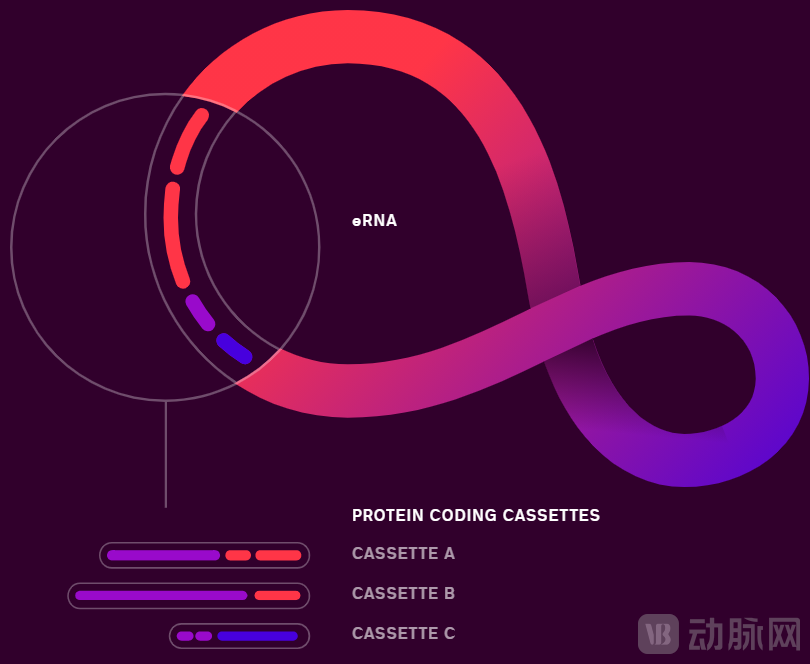
Modular Coding Regions of eRNA
Meanwhile, the modular coding regions of eRNA enable versatile applications with unlimited potential. The inherently “translatable” and “closed” structure of eRNA lacks free ends, rendering it unrecognizable by the innate immune system or exonucleases; this confers high stability and prolongs its therapeutic effect. Consequently, scientists have renewed their recognition of the immense potential of eRNA in disease treatment.
Laronde’s eRNA technology was invented by Dr. Avak Kahvejian, a partner at Flagship Pioneering and the founding CEO of Laronde, while he was leading the Flagship Labs team. In 2017, while exploring the therapeutic applicability of long non-coding RNAs (lncRNAs), the team discovered that lncRNAs naturally exist predominantly in circular forms in mammalian cells. Conventional mRNA recruits ribosomes to initiate translation through interactions with proteins bound to its 5' terminal region; however, natural circular lncRNAs lack free ends and therefore do not readily interact with ribosomes.
Editing eRNA for Therapeutic Protein Production: The Primary Challenge Lies in How to “Recruit” Ribosome Binding?
As evidenced by the aforementioned advantages, the absence of free ends in eRNA prevents its recognition by exonucleases, thereby achieving remarkable stability and durability. Concurrently, this feature hinders eRNA from binding to ribosomes, rendering it a non-coding region that cannot have its sequence translated into proteins.
What would happen if these circular RNAs could be modified to bind to ribosomes and engineered to carry protein-coding sequences that lead to protein expression?The Flagship Labs team began to wonder: Would this yield stable “encoded information”? Would the ribosome, likePerpetual Motion MachineContinuously rotating in a "rolling cycle" of translation to read RNA?
Ribosomes are essential organelles that synthesize amino acids into peptide chains during DNA transcription and translation. The primary challenge for Flagship Labs in applying eRNA technology to produce therapeutic proteins is achieving the binding of eRNA to ribosomes.
Because eRNA lacks the free 5′ end and cap structure required for ribosomal initiation of RNA translation, Flagship Labs drew inspiration from both canonical and non-canonical translation mechanisms, including viral mechanisms—The viral gene sequence contains an internal ribosome entry site (IRES)., enabling binding to the ribosome. This is a critical step. The Flagship Labs team incorporated an IRES into the eRNA and then worked to optimize its characteristics, such as how closely the IRES-encoded information is positioned and the maximum allowable size of the remaining construct.
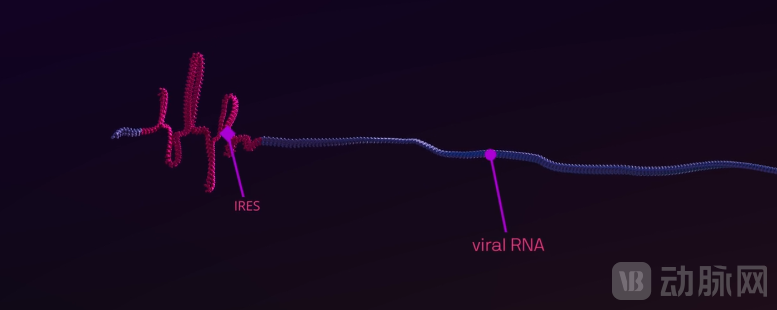
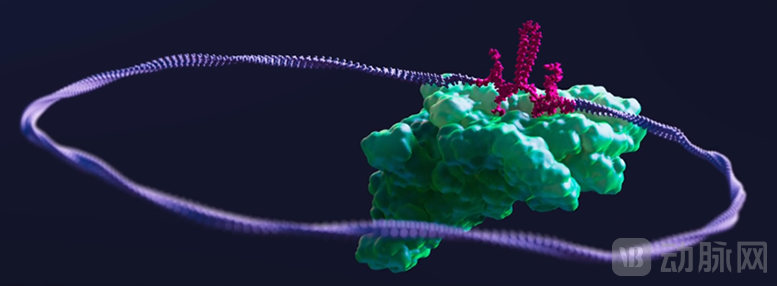
Flagship Labs Team Incorporates IRES into eRNA
It took the Flagship Labs team four years to go from concept to validation, during which they fully built and developed the eRNA platform internally and established Laronde (Endless RNA Therapeutics), which holds all intellectual property (IP) rights to the eRNA platform, including methods for translating circular RNA using IRES.
“The greatest benefit of working at Flagship is that we not only possess the capacity for invention and creation, but also enjoy the freedom to continually challenge ‘assumptions,’ allowing us to practice unverified ideas with novel approaches, unconstrained by dogma,” said Kahvejian, Founding CEO of Laronde.
Laronde: Unveiling the Ambitions of Top VC Firm Flagship Pioneering, Where the eRNA Dream Began
Unlocking the full potential of RNA to create disruptive, programmable therapeutics has long been the focus of Dr. Avak Kahvejian, a Partner at Flagship Pioneering; Dr. Noubar Afeyan, Founder of Flagship Pioneering; and the Flagship Labs team. Through their in-depth research into various types of RNA, they ultimately developed a strong interest in “unconventional” circular RNA.
In 2017, Dr. Avak Kahvejian and Dr. Noubar Afeyan co-founded Laronde, which was established by Flagship Labs, the innovation foundry of Flagship Pioneering. Laronde received $50 million from Flagship Pioneering to support the continued development of its eRNA technology platform.

Dr. Avak Kahvejian, Partner at Flagship Pioneering and Founding CEO of Laronde
Dr. Avak Kahvejian led the Flagship Labs team in developing eRNA technology, which was operated internally at Flagship Labs as the 50th life sciences platform development project. Dr. Kahvejian subsequently became the founding CEO of Laronde, the incubated venture.
Avak Kahvejian holds a Ph.D. in Biochemistry from McGill University in Canada. Prior to joining the top-tier venture capital firm Flagship Pioneering, he developed and commercialized technologies at the genomic analysis company Helicos BioSciences.The World's First Single-Molecule DNA Sequencer。
In 2011, Dr. Avak Kahvejian joined Flagship Pioneering as a Partner. He subsequently led Seres Therapeutics, the first microbiome therapeutics platform, and Rubius Therapeutics, a red blood cell therapy company, to their NASDAQ listings. Additionally, he spearheaded the incubation and creation of six other biotechnology enterprises: Codiak BioSciences (exosome therapeutics), Cygnal Therapeutics (neuronal therapeutics), Ring Therapeutics (a commensal virome platform), Cellarity (cellular medicines), Laronde (a circular RNA technology platform), and Generate Biomedicines (an innovative drug discovery company).

Dr. Noubar Afeyan, Founder of Flagship Pioneering and Chairman of Laronde
As one of Flagship Pioneering’s incubated ventures, Laronde counts among its co-founders Dr. Noubar Afeyan, who is also the founder of Flagship Pioneering. Dr. Afeyan established Flagship Pioneering in 2000 with a commitment to continuous innovation in uncharted territories. This approach does not merely iterate on or update existing technologies; rather, it delivers entirely novel solutions to address potential future challenges and scenarios.
Throughout Dr. Noubar Afeyan’s career,Helped establish more than 50 life sciences companies and facilitated the development of over 100 scientific enterprises; holds thousands of patents and patent applications, as well as more than 50 drugs in clinical development., and countless honors (the Ellis Island Medal of Honor, the World Economic Forum’s Technology Pioneer Award, the Great Immigrants Award, the Golden Door Award, etc.). Noubar Afeyan also pursued his doctoral studies at McGill University in Canada and earned his Ph.D. in Biochemical Engineering from the Massachusetts Institute of Technology in 1987.
“Over the past decade, Flagship Labs has founded multiple biotechnology companies based on programmable therapeutics, capable of predictably creating drugs,” said Dr. Noubar Afeyan. “Now, with Endless RNA, we have created another novel class of medicines that can be programmed to sustainably express therapeutic proteins in vivo without eliciting an immune response, thereby supporting repeated dosing. The platform has a broad range of applications and holds promise to replace or enhance the modalities of many current drugs.”
Avak Kahvejian also added, “eRNA enables Laronde to intentionally and predictably create drugs. This is nothing short of a structural transformation in drug development and disease treatment.”
Powerful Translation Engine: eRNA Poised to Transform All Future Drug Modalities, Enabling “Self-Healing” Within Patients
Laronde states in the manifesto on its official website:Launch 100 New Drugs Within the Next 10 Years。
The confidence behind these visions stems from Laronde’s modular Endless RNA™ (eRNA™) technology platform. eRNA™ is specifically designed to translate programmed genetic codes and direct protein expression, leveraging the modular coding regions of eRNA to achieve diverse functions, while utilizing the non-coding regions of eRNA to control expression stability, targeting, and other parameters. Furthermore, eRNA is constructed using unmodified natural nucleotides, thereby avoiding the triggering of innate immune responses.
The “protein-coding cassette” of eRNA™ can instruct the body to synthesize a variety of proteins, including peptides, enzymes, antibodies, and receptor channels. The coding potential is virtually limitless, enabling the endogenous expression of any disease-curative protein within patients, which will replace or enhance nearly all current therapeutic modalities. Laronde is also rapidly expanding to support the parallel development of projects across multiple disease areas.
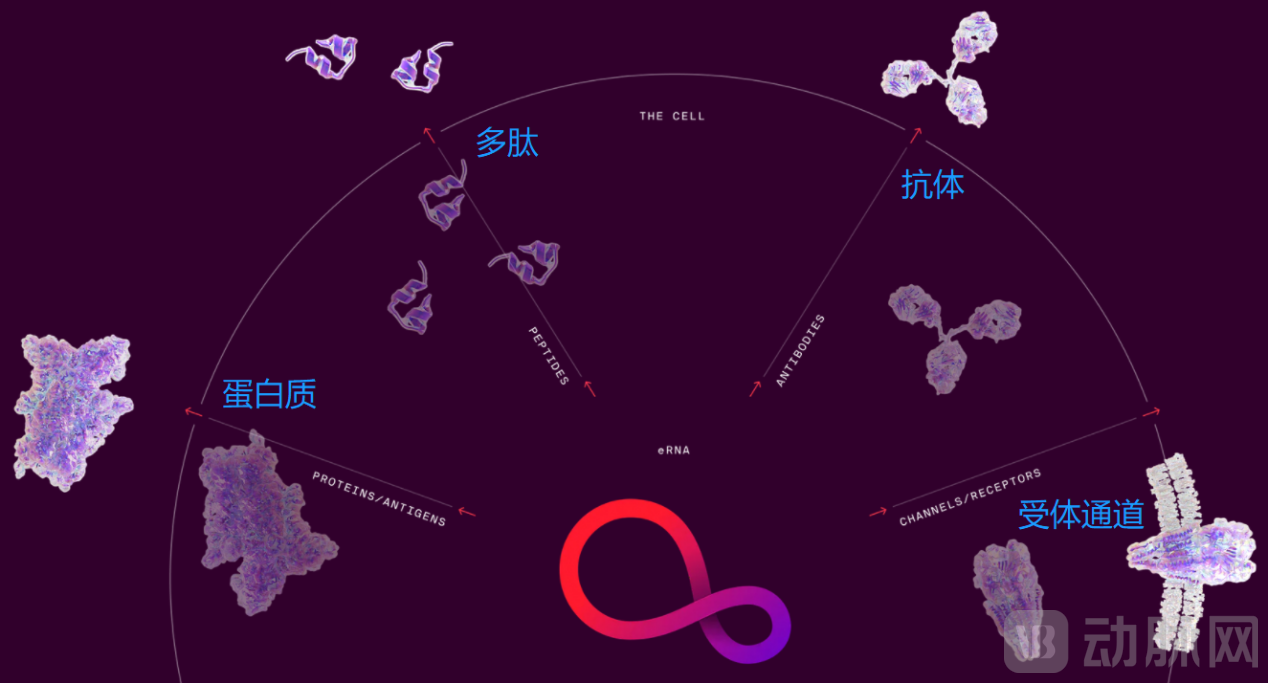 eRNA™'s "Protein-Coding Cassette"
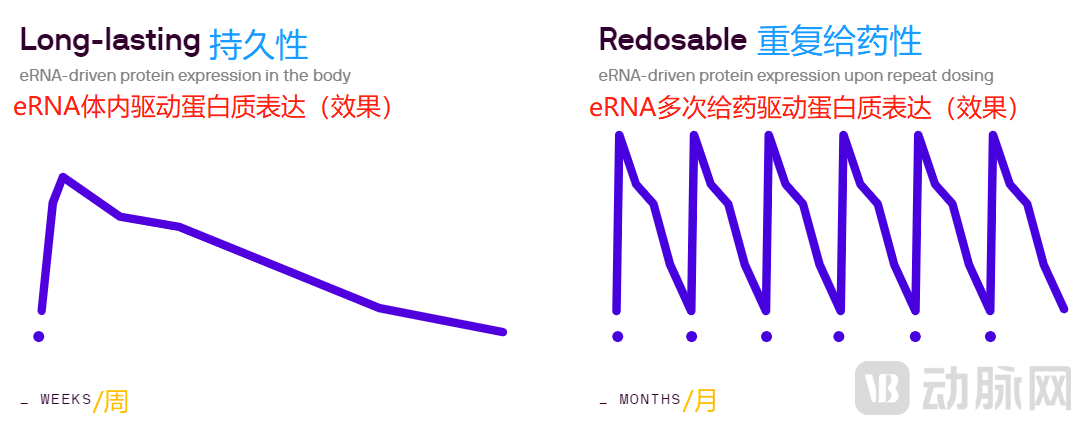
Meanwhile, owing to the inherent advantages of eRNA™, this therapeutic approach offers more durable effects, low immunogenicity, and allows for repeated dosing with flexible delivery methods. As shown on Laronde’s official website (see figure below), eRNA-driven in vivo protein expression can remain stable for over a week (whereas linear RNA expression typically lasts only a few days), and repeated administration of eRNA does not compromise the sustained protein expression.
This novel programmable drug platform enables Laronde to develop best-in-class therapeutics across a wide range of therapeutic areas, including metabolic disorders, genetic diseases, hematologic conditions, oncology, central nervous system (CNS) disorders, women’s health, immunological diseases, cardiovascular diseases, respiratory diseases, gastrointestinal disorders, orthopedic and bone diseases, ophthalmic conditions, and dermatological diseases. Furthermore, it allows for administration via multiple routes, such as subcutaneous, intramuscular, intravenous, and topical delivery.
The concept of infinite “e” has also attracted a host of investors. In addition to the $50 million Series A financing round disclosed by Flagship Pioneering in May this year, on August 30, three months later,The company raised up to $440 million in its Series B funding round., propelling Laronde onto a trajectory of rapid growth.
“Ninety-five percent of the investors we spoke with invested in Laronde,” said Diego Miralles, CEO of Laronde, confidently to the media. “The support was overwhelming.” It is reported thatLaronde’s investors include T. Rowe Price Associates, BlackRock, Invus, the Canada Pension Plan Investment Board, and Fidelity Management & Research Company.etc.
Postscript: Flagship Pioneering’s Innovation Foundry, “Flagship Labs”
Flagship Pioneering, founded in 2000, hasIncubated and nurtured 109 life sciences companies, with a combined valuation exceeding $90 billion. Flagship Pioneering has successively invested in the founding and development of these pioneering companiesOver $2.3 billion in funding, and over $19 billion in follow-on investments from other institutions.
Among the 109 companies incubated by Flagship Pioneering are notable stars such as Moderna Therapeutics, Denali Therapeutics, Rubius Therapeutics, and Sana Biotechnology. To date, 24 of these companies have successfully completed initial public offerings (IPOs), while more than 30 others have continued to develop their businesses through acquisitions or mergers. Reportedly, Flagship Pioneering’s current portfolio includes 53 clinical-stage projects and 150 preclinical projects underway.
Flagship Labs serves as the biopharmaceutical project incubator for top-tier venture capital firm Flagship Pioneering, acting as an “innovation foundry” for various pharmaceutical projects. The different numbered entities within Flagship Labs correspond to distinct pharmaceutical projects under Flagship Pioneering’s portfolio. Flagship Pioneering continuously injects capital into Flagship Labs to drive the development of innovative projects within its incubator. For instance, in 2019, Flagship Pioneering raised $824 million to support the growth of companies within the Flagship Labs incubator. In 2020, it secured an additional $1.1 billion for the Flagship Labs division to back the incubation, development, and operation of startups that leverage biotechnological innovations to improve human health and promote sustainable industries.