

Nipro Corporation Files IPO Prospectus: Global Leader in Hemodialysis with 20% Market Share Expands into Regenerative Medicine

Nipro
Medical Product Provider
Hemodialysis (HD) is the primary modality of renal replacement therapy for patients with acute and chronic kidney failure. Dialysis therapies, including hemodialysis and peritoneal dialysis, are the main treatment options for patients with end-stage renal disease (ESRD), with hemodialysis accounting for 90% of all dialysis treatments.
Considering various factors such as clinical application, therapeutic efficacy, and treatment costs across different blood purification technologies, hemodialysis remains the primary treatment modality for uremia due to its superior efficacy, broad applicability to dialysis patients at all disease stages, and higher reimbursement rates. Other blood purification technologies serve as complementary options, balancing therapeutic outcomes, indications, and economic feasibility. For patients with uremia,Hemodialysis is an essential and high-frequency treatment modality.: Patients need to go to the hospital for dialysis about three times a week, with each treatment lasting around 4 hours, and the annual cost is approximately 80,000 to 100,000 yuan.
According to the forecasts and statistics disclosed in Fresenius's annual report, the global dialysis market size has steadily increased from €66.8 billion in 2015 to €82.0 billion in 2020.The compound annual growth rate is approximately 4%, and by 2021, the dialysis market size will continue to grow to around €83–85 billion.. Among them, the market size of dialysis services (including pharmaceuticals) accounts for over 80%.
In 1965, Nipro, a healthcare company that started with light bulb recycling, launched its medical device business by selling infusion sets to pharmaceutical companies. Since then, Nipro has shifted its focus to the medical field and become a world-renowned expert in hemodialysis.Captures 20% of the global hemodialysis market share.
Over the more than 70 years since its establishment in 1954, Nipro has gradually built three core business segments: medical devices, pharmaceuticals, and glass products.
In 2016, Nipro sold its diagnostic business subsidiary, NIPRO DIAGNOSTICS Inc., to China’s Sinocare for $273 million, and restructured its operations into three major segments: medical devices, pharmaceuticals, and pharmaceutical packaging.
Currently, there are 11 pharmaceutical production bases, 20 medical device production bases, 19 glass production bases, 77 subsidiaries and offices, and more than 29,000 employees worldwide.
Nipro has established close collaborations with multiple multinational pharmaceutical companies, including Pfizer, Novartis, AstraZeneca, Takeda, and Astellas. These partnerships span specialized therapeutic areas such as oncology, respiratory diseases, nephrology, rare diseases, anti-infectives, and psychiatric disorders. By designing and optimizing the formulations of originator drugs, Nipro aims to enhance drug bioavailability and safety.
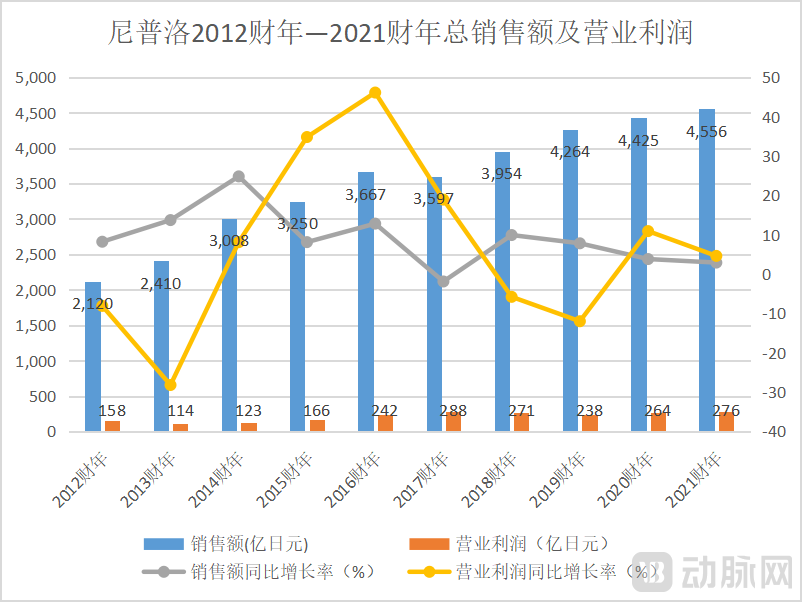
Nipro’s total sales increased from JPY 212.0 billion in fiscal year 2012 to JPY 455.5 billion in fiscal year 2021 (1 CNY ≈ 17.2077 JPY), representing an increase of over 50%; operating profit rose from JPY 15.8 billion to JPY 27.6 billion, a growth of 42.75%.
It can be said that no industry giant has emerged without undergoing mergers and acquisitions. In 1969, Nipro acquired Tomisawa Manufacturing Co., Ltd. (now Nipro Medical Industries, Ltd.), marking the beginning of its medical device manufacturing operations and setting it on the path to becoming a comprehensive healthcare company.
In 1972, Nipro Japan Plastic Specialist Co., Ltd. (renamed Nipro Corporation in the same year) began selling medical devices in Japan. Two years later, Nipro started producing disposable syringes and coil dialyzers, becoming one of the first companies in Japan to manufacture hollow-fiber dialyzers. Dialyzers also became Nipro’s flagship product. In the following years, Nipro gradually expanded its production to include blood vessels, infusion sets, hollow-fiber dialyzers, vacuum blood collection tubes, and catheters.
In 1983, Nipro began supplying dialyzers and related products to a major medical device distributor in the United States, marking the start of its international expansion. A few years later, Nipro expanded its product sales to Denmark and Sweden.
In 1987, Nipro was listed on the Osaka Stock Exchange, marking the beginning of its large-scale acquisition campaign.
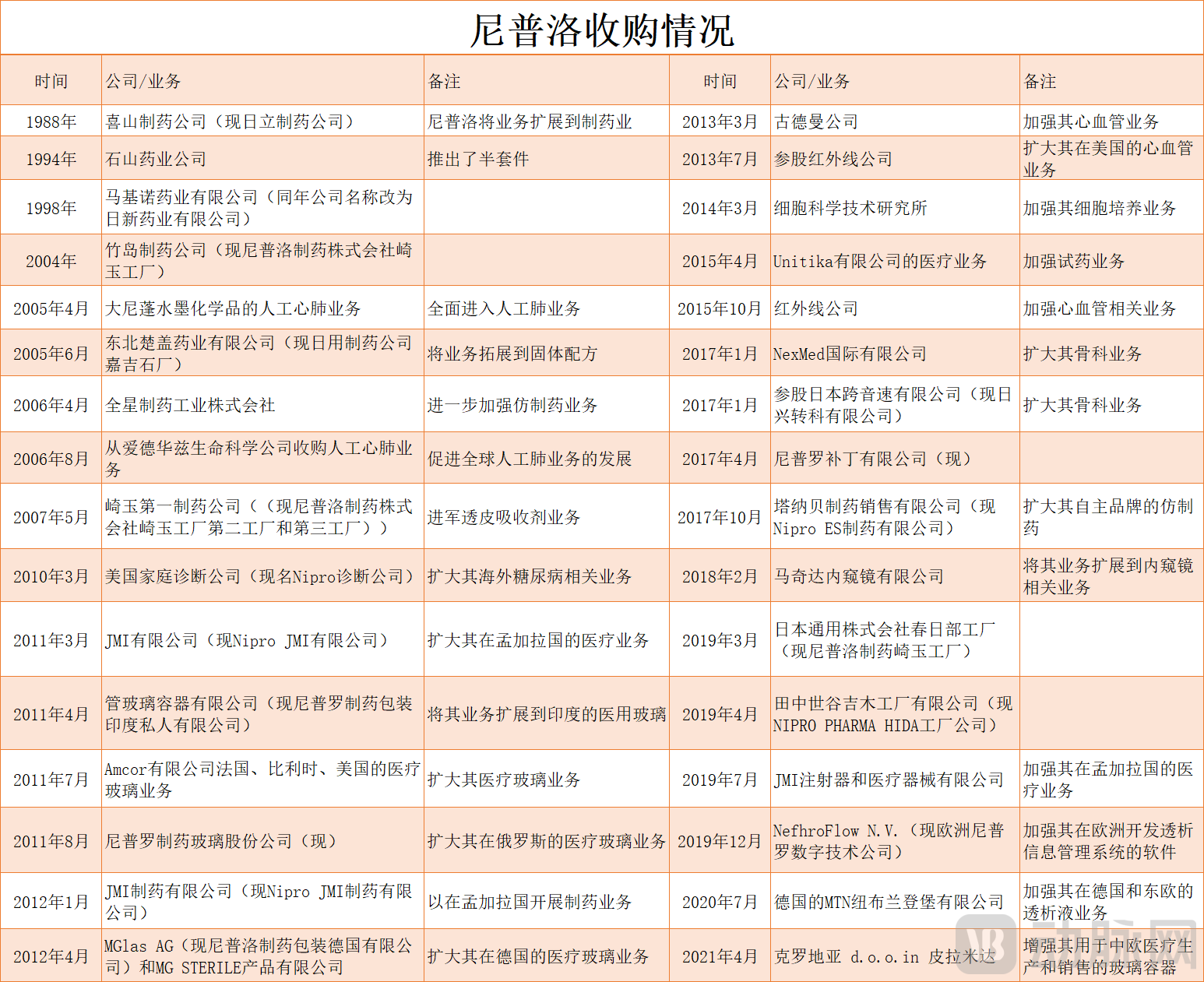
Subsequently, Nipro’s three major business segments gradually took shape. Among them, the medical devices business primarily encompasses the development, production, and sales of injection and infusion products, artificial organs, and cell culture-related products, as well as the sales of medical equipment for renal therapy, diabetes care, and generic pharmaceuticals.
The pharmaceutical business primarily provides CDMO services and manufactures various drugs, including oral medications, injections, and topical preparations, which are supplied to 84 pharmaceutical companies in Japan. The pharmaceutical glass business mainly involves the production and sales of glass products for medical applications.
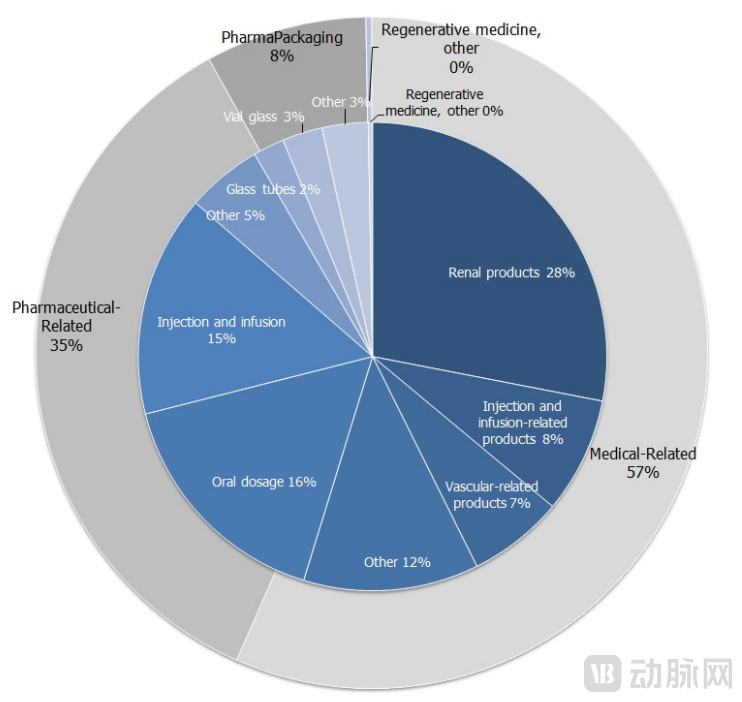 Nipro’s Major Business Segments and Their Proportions (Source: Nipro Financial Report)
Currently, Nipro's medical device business segment mainly includes dialysis products, ventricular assist devices and cardiopulmonary bypass systems, catheters, diagnostic products, injection products, and cell culture products.Among them, mainstream dialysis machines account for approximately 16% of its total sales.
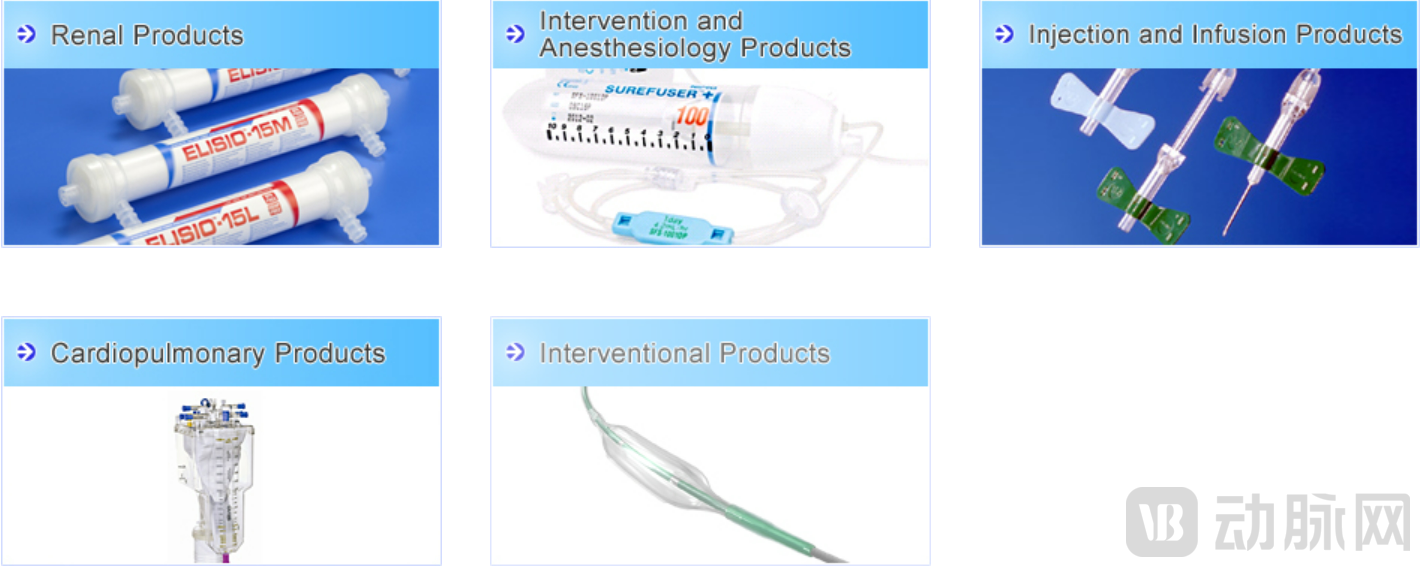
Nipro’s Medical Device Business Segment Products (Source: Nipro Official Website)
Nipro’s dialysis machines mainly include the SURDIAL series, DIAMAX, and NCU-18. The SURDIAL series is primarily divided into SURDIAL-X, SURDIAL, and SURDIAL55 Plus.
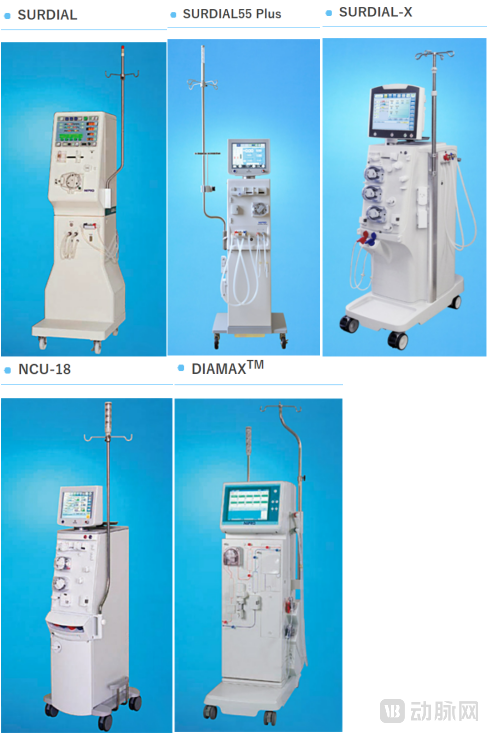
Nipro Dialysis Machine (Source: Nipro Official Website)
Among them,NCU-18 is Nipro's new dialysis machine., featuring comprehensive functionality covering the entire spectrum from treatment to monitoring, it meets the demands for high-volume and precise volume exchange therapy. It achieves dialysate linkage to provide personalized dialysis services, enables real-time blood pressure-linked monitoring, and automatically manages intradialytic hypotension (IDH). Furthermore, it ensures synchronized replacement fluid delivery with more accurate fluid replenishment, thereby standardizing and intelligentizing the device to minimize human operational errors to the greatest extent.
Additionally, this dialysis machine minimizes manual operations, thereby effectively reducing nosocomial infections and lowering labor costs. It frees nurses from constant monitoring of the equipment, allowing them to devote more time to patient care and health education.The dialysis machine is also equipped with patient IC cards and a network information system module, facilitating hospital-based patient management. In 2002, the product initially received certification from the China Quality Certification Centre.
Dialyzers, also known as artificial kidneys, are Nipro's flagship products.Dialyzers filter blood through a membrane with microscopic pores to remove waste substances such as urea and uric acid.In fiscal year 2019, its sales amounted to JPY 72.1 billion, representing an 11% year-on-year increase. Of this total, 70% was directed to overseas markets.
Nipro dialyzers account for approximately 20% of the global market share, ranking second.Nipro CEO and Chairman Yoshihiko Sano stated in the financial report that Nipro would catch up with Germany's Fresenius Medical Care, which holds approximately a 40% market share.
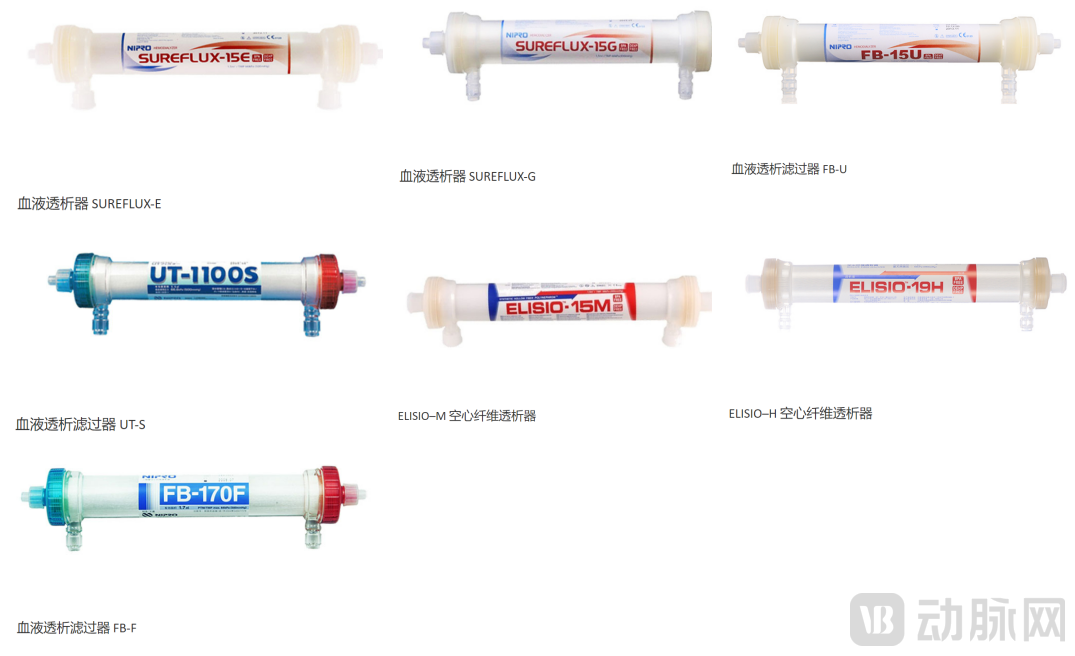
Nipro Dialyzers (Source: Nipro Official Website)
Nipro dialyzers have become one of the world’s leading products primarily due to their superior solute removal efficacy, excellent biocompatibility, and gentle profile for patients.The variation in marker elements used to assess biocompatibility is minimal. Furthermore, another key feature of Nipro dialyzers, based on their proprietary technology, ensures that no blood remains in the dialyzer after hemodialysis.
The medical device business segment has always been a pillar of Nipro’s operations and its primary growth driver. From fiscal year 2012 to fiscal year 2021, sales in this segment grew from ¥145 billion to ¥347.6 billion, representing an increase of over 130%.
Except for a sales decline in fiscal year 2017, this business segment achieved year-on-year growth of approximately 10%, with a 30.2% year-on-year increase recorded in fiscal year 2014.Since fiscal year 2013, this business has accounted for more than 70% of Nipro’s total sales, consistently remaining above the 70% threshold and reaching a peak share of over 76%.
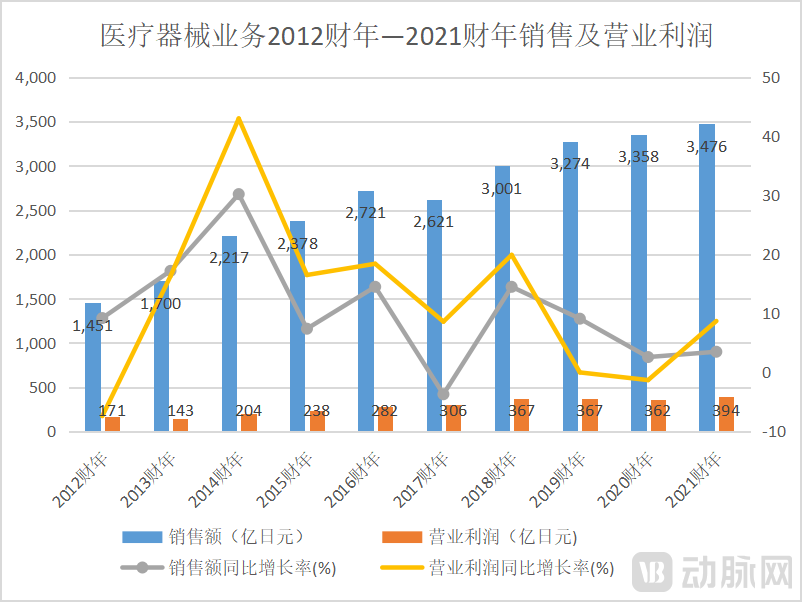
However, in the past two years, the growth of this business has significantly slowed, with rates of 2.6% in fiscal year 2020 and 3.5% in fiscal year 2021, markedly lower than previous growth rates.
In response, Nipro’s financial report attributed the modest overall sales growth to reduced procurement resulting from the October 2019 revision of drug prices by the National Health Insurance Association, as well as healthcare restrictions imposed due to the coronavirus disease (COVID-19) pandemic.
In its financial report, Nipro analyzed that it ranks first in the Japanese domestic market share and second in the global market share for dialyzers, also known as artificial kidneys.Among them, in China, Japan's annual dialyzer shipments are approximately 45 million units, with Nipro being the largest supplier, shipping 20 million units (a market share of 44%).Next is Asahi Kasei Medical, with shipments of 13.5 million units, and Toray Industries, with shipments of 6.3 million units (14%).
Globally, annual shipments of dialyzers amount to approximately 345 million units. Fresenius Medical Care is the largest supplier, with shipments of 140 million units (a market share of 41%), followed by Nipro with 74 million units (21%) and Baxter with 31 million units (9%).Therefore, in its financial report, Nipro identified Fresenius Medical Care as its largest competitor in overseas markets; its parent company, Fresenius, also operates the largest private hospital chain in Europe.
As mentioned in Nipro’s financial report, Fresenius focuses on the treatment of dialysis and kidney diseases and failure, manufacturing medical devices for hemodialysis and peritoneal dialysis. The company was established in 1996 when Fresenius spun off its dialysis equipment division and merged it with National Medical Care, a U.S. healthcare company acquired that same year.
Fresenius Medical Care provides dialyzers and other dialysis equipment to various healthcare institutions, including hospitals operated by its parent company. In Japan, Fresenius Medical Care has a subsidiary, Fresenius Medical Care Japan Ltd., as well as a joint venture with Kawasumi Laboratories (which was delisted in October 2020), Fresenius-Kawasumi Ltd., which produces hollow fibers for home-use dialyzers.
Nipro’s pharmaceutical business primarily focuses on CDMO services and the manufacturing of various drugs, including oral medications, injectables, and topical formulations, which are supplied to 84 pharmaceutical companies in Japan.
In its CDMO business, Nipro develops and manufactures all dosage forms—including injectables, oral formulations, and topical preparations—and possesses development and production capabilities for handling compounds with high pharmacological activity. With manufacturing bases primarily located in Japan, as well as in overseas regions such as Vietnam, the United States, and China, Nipro is able to provide flexible manufacturing services.
Maintaining production facilities across multiple locations ensures business continuity planning, minimizes the risk of operational disruptions caused by natural disasters and other events, and facilitates rapid business recovery in the aftermath of an incident.
In this way, Nipro’s CDMO business provides a stable supply structure for pharmaceutical products.In addition, Nipro has developed pharmaceutical containers and delivery systems, for which it has established corresponding development and production infrastructures.
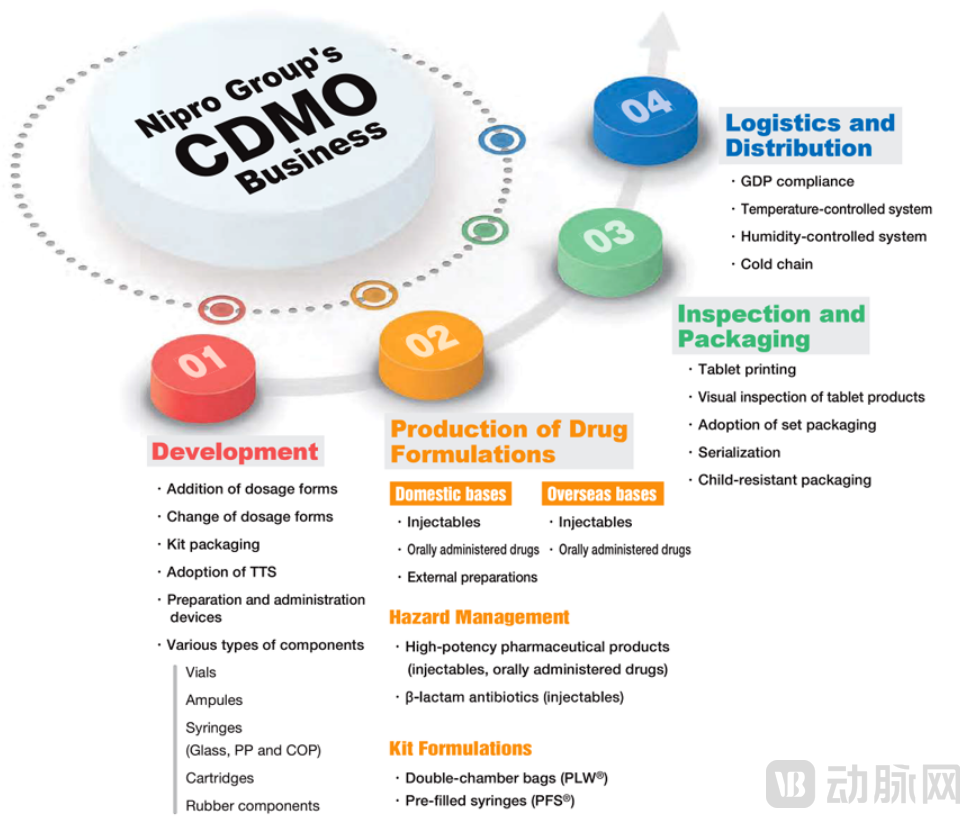
Nipro’s CDMO Business Model (Source: Nipro Financial Report)
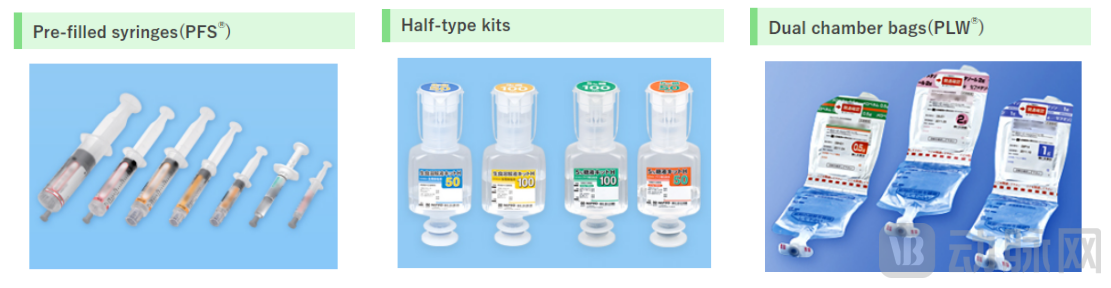
In its pharmaceutical business, Nipro also provides ampoule medications, such as dual-chamber bags (PLW®) for ophthalmic solutions and pre-filled syringes (PFS®).
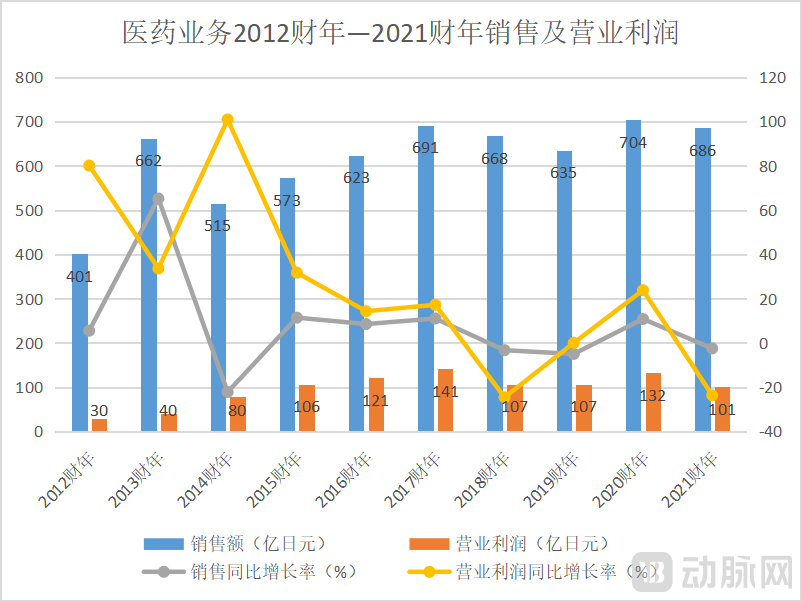
The financial report shows,From fiscal year 2012 to fiscal year 2021, sales in the pharmaceutical business segment grew from JPY 40 billion to JPY 68.6 billion, an increase of over 70%; operating profit rose from JPY 3 billion to JPY 10.1 billion, an increase of over 230%.
The year-on-year growth rate of sales revenue has generally remained at around 10%. The highest year-on-year growth rate reached 65.2% in fiscal year 2013, while the lowest was -22.2% in fiscal year 2014. In recent years, except for fiscal year 2020, the growth rates have all been negative.
Operating profit year-over-year growth rate fluctuated significantly, reaching a peak of 100.9% in fiscal year 2014 and hitting a low of 24.6% in fiscal year 2018. Similar to sales revenue, the growth rate was negative or stagnant in recent years, except for fiscal year 2020.
The financial report also noted that although Nipro contract-manufactured new products, such as vial and pre-filled syringe formulations (including COVID-19 vaccines), in the first quarter of fiscal year 2022, sales and profits still declined year-on-year due to lower demand and delays in the use of certain hospitalization- and surgery-related products caused by the prolonged COVID-19 pandemic.
However, in its financial report, Nipro stated that it has developed into Japan’s leading contract manufacturing services provider, with strengths including expertise in pharmaceutical development, flexible contracting models, and stringent quality control.
According to the financial report, Nipro estimates that its contract manufacturing business generated approximately JPY 70 billion in sales in fiscal year 2021, while the unlisted Bushu Seiyaku and Teikoku Seiyaku each recorded sales of around JPY 30 billion, and CMIC Holdings posted sales of approximately JPY 20 billion.
Nipro’s final business segment, pharmaceutical packaging—also known as the pharmaceutical glass business—is the foundational operation upon which Nipro was built. It primarily provides a comprehensive range of pharmaceutical packaging-related products, spanning from materials and molded components to mechanical processing equipment, thereby forming an integrated system for development, manufacturing, and sales.
In addition, it provides materials such as plastics and rubber, as well as devices for drug reconstitution and administration. This business segment operates 16 manufacturing plants worldwide, with development activities primarily conducted in Japan.
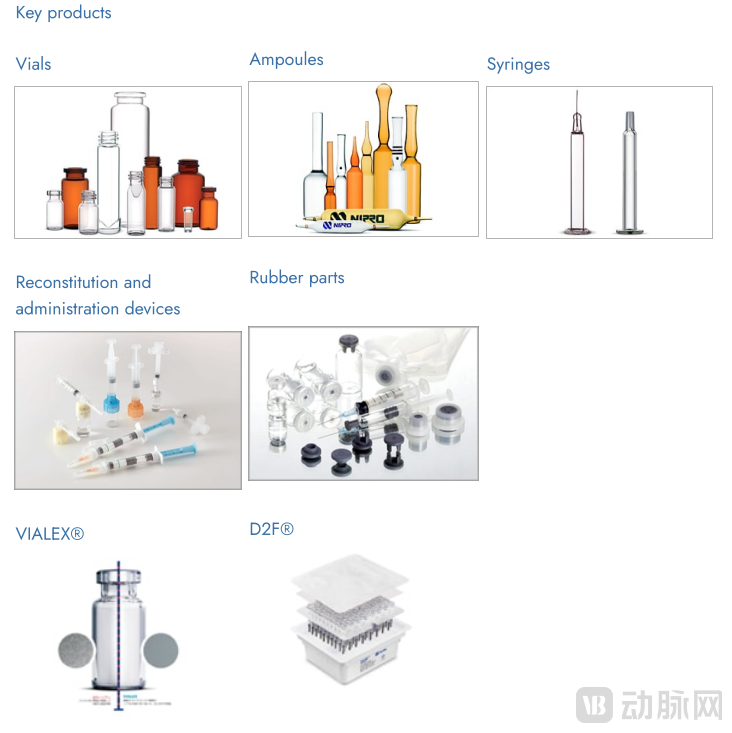
Nipro’s Pharmaceutical Packaging Products (Source: Nipro Official Website)
Compared with the significant growth in Nipro’s medical device and pharmaceutical businesses, its pharmaceutical packaging business appears to have been a drag on the company’s overall performance, despite the considerable efforts Nipro has invested in pharmaceutical glass packaging, as evidenced by its acquisition history.
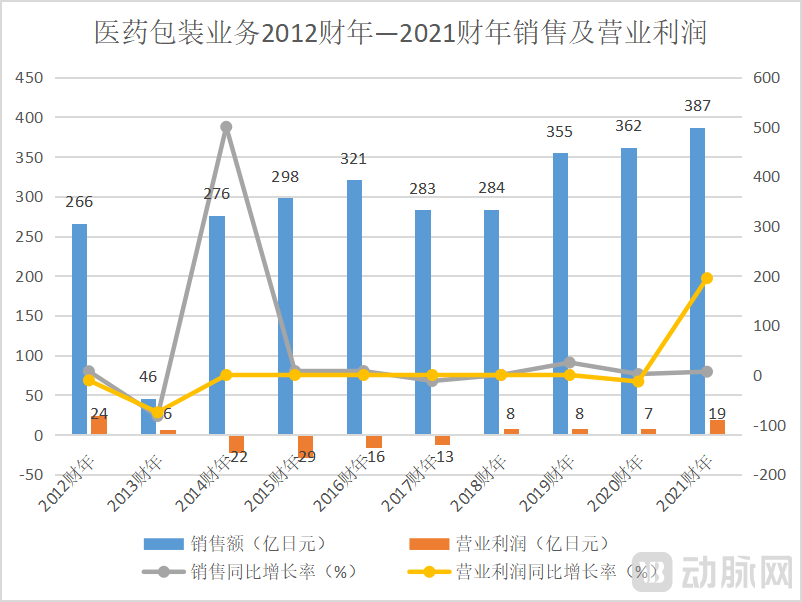
Financial reports show that Nipro’s pharmaceutical packaging business saw its sales rise from JPY 26.6 billion in fiscal year 2012 to JPY 38.7 billion in fiscal year 2021, an increase of over 45%; however, in contrast, the operating profit for this business segment declined from JPY 2.4 billion to JPY 2.0 billion.During this period, the operating profit of this business was negative from fiscal year 2012 to fiscal year 2018, reaching a low of -¥2.9 billion.
The corresponding operating profit margins for these years were all negative, with the lowest at -9.7%. Meanwhile, the largest reported year-on-year decline in operating profit was 75.1%. Interestingly, in fiscal year 2021, operating profit increased by 195.1% year on year, rising from JPY 700 million to JPY 2 billion.
In response to sluggish business growth in recent years, Nipro has been seeking new growth drivers. In the area of dialysis products, current standard blood collection methods impose a significant burden on both patients and healthcare professionals.
Therefore,Nipro is committed to developing safer, painless buttonhole devices., advancing toward dialyzers with higher performance,By leveraging products that enable complete control over albumin leakage and novel hemodiafiltration methods—such as enhanced internal filtration dialyzers and composite dialysis membranes—we can create solutions that “improve patient outcomes and quality of life,” thereby establishing new drivers for performance growth.
On the other hand,Nipro has redefined its business segments.The financial report shows that in fiscal year 2016, Nipro's three major business segments were medical devices, pharmaceuticals, and pharmaceutical glass.In fiscal year 2017, Nipro's glass-related business was renamed the Pharmaceutical Packaging Business.In addition to sales of existing products, the pharmaceutical packaging business expands its academic and technical sales through activities such as participation in academic conferences, thereby uncovering new demand.
In addition, Nipro is further expanding its global production capacity. According to previous media reports, Nipro will invest more than 100 billion yen globally by fiscal year 2026 to increase the production of artificial kidneys for dialysis. Focusing its investments on Vietnam and Japan, Nipro aims to double its monthly production capacity to 12 million units.
In addition, Nipro will establish hemodialysis treatment centers, focusing on emerging market countries, to expand sales of its artificial kidneys. With economic growth, the number of diabetes patients in Southeast Asian countries and other regions is increasing, a demographic previously more prevalent in developed nations. Nipro stated that the production increase aims to meet this growing demand.
Specifically, Nipro will invest JPY 36 billion in its medical device factory in Vietnam, introducing production equipment for artificial kidneys starting in fiscal year 2022 and gradually increasing capacity to 3 million units per month to supply the Southeast Asian market.
Nipro Corporation will invest approximately JPY 50 billion in its flagship Odate Plant (Odate City, Akita Prefecture) in Japan, increasing annual production to 5.5–6 million units by fiscal 2025, a 60–70% increase from current levels. Production will also be expanded in India and China. Global monthly production is projected to rise from the current 5.5 million units to over 12 million units by fiscal 2026.
Centered on Central and South America and Asia, Nipro operates 110 dialysis centers across 10 countries. With the addition of new production facilities, the company plans to expand this network to 300 centers by the end of 2024, establishing its own dialysis centers utilizing artificial kidneys to secure stable sales channels.
In addition to expanding production capacity globally, Nipro has also set its sights on the currently booming innovative drug sector. In fact, Nipro began laying the groundwork for innovative drugs as early as 2018.
In June 2018, Nipro applied for marketing and manufacturing approval of Stemirac as a regenerative medicine product, which was granted in December. Stemirac is an innovative therapeutic agent composed of autologous human bone marrow-derived mesenchymal stem cells expanded in autologous human serum, primarily indicated for spinal cord injury, with a price tag of $135,000.
In February 2019, Stemirac® was added to the National Health Insurance (NHI) drug price list in the United States.According to a 2019 article, Stemirac is projected to generate approximately $3.4 million in annual revenue for Nipro Corporation over the next nine years.
Furthermore, in 2017, Nipro began marketing a nerve regeneration conduit made from porcine-derived collagen, designed to bridge gaps in damaged peripheral nerves and facilitate their reconnection and regeneration. Financial reports indicate that CSTI, a subsidiary of Nipro (Tohoku University Bioengineering Initiative), has established a new factory in Sendai City, Miyagi Prefecture, signaling continued expansion of this business segment.
In its fiscal first-quarter 2022 earnings report, Nipro Corporation established its regenerative medicine business as a separate strategic segment. The report indicated that the Regenerative Medicine Division would increase the maximum annual production capacity of its Sapporo battery processing plant from 100 units to 500 units within five years. In fiscal year 2025, the company will install production facilities (using isolator manufacturing processes) to expand annual capacity by up to 2,500 units.
Financial report analysis of the market sector environment indicates that,Due to expedited review processes and short-term efficacy assessments, many regenerative medicine products are expected to be launched in the coming years.The Japanese government is advancing legislation for the “Regenerative Medicine Designation System” to accelerate the review and conditional, time-limited approval processes for regenerative medicine products.
In response, Nipro has formulated a business growth plan for the regenerative medicine sector, focusing on three key initiatives: first, gradually increasing the number of facilities implementing cell therapy; second, stabilizing the supply and sales growth of Stemirac; and third, expanding cell processing facilities in Japan to enhance production capacity.
In 1983, at the inception of China’s hemodialysis industry, Nipro Corporation provided technical support to help the Shanghai Medical Device Factory produce its first dialyzer, thereby enabling Nipro Corporation to enter the Chinese market.
In 1986, with the support of Nipro, the Hemodialysis Center of Beijing Guang’anmen Hospital of Traditional Chinese Medicine was established. In December of that year, with assistance from Nipro and under the guidance of Professor Nishio, a Japanese expert, the center initiated dialysis treatment using bicarbonate dialysate for the first time in China.
In 1987, Nipro began assisting China in cultivating clinical engineering talent for healthcare settings, providing the technical engineering support necessary for the smooth implementation of dialysis medical services, thereby further enhancing Nipro’s brand recognition in China. To this day, Nipro remains the primary partner for Shanghai University of Medicine & Health Sciences, which annually selects outstanding students to study in Japan.
In 1994, driven by the opening of the Chinese market and Nipro’s strategic layout in China, Nipro (Shanghai) Co., Ltd. was established in Shanghai. The company is primarily engaged in the production of medical consumables, including disposable injection needles, hemodialysis devices, and vacuum blood collection tubes.
Subsequently, Nipro established companies and research laboratories in Shanghai, Hefei, and other locations, further expanding its medical device business. Among these, Nipro Medical Devices (Hefei) Co., Ltd. has a total investment of USD 240 million. The company covers an area of 207.8 mu, with a planned workforce of 1,000 employees.
In March 2014, the company obtained ISO 13485 and CE certifications. In March 2017, Nipro’s ELISIO-M series of dialyzers received CFDA certification. Currently, the company employs a diverse team of domestic and international professionals from fields such as pharmaceuticals, chemical engineering, sales, and management, and regularly selects outstanding employees for training and study at other global dialysis product manufacturing bases.
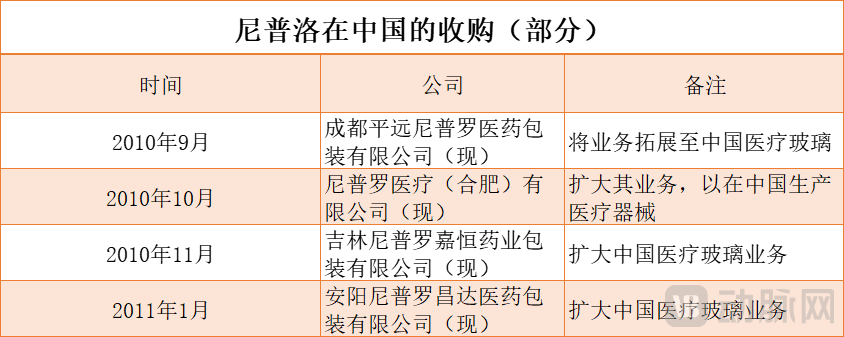
Financial results show that Nipro’s sales in the Asian market amounted to JPY 61.3 billion in fiscal year 2021, accounting for 13.5% of Nipro’s total sales. Asia is Nipro’s third-largest market, with the United States being its second-largest.
According to Nipro,By 2022, the global dialysis market is projected to reach JPY 1 trillion.In short, this is a growing market, with an expected annual growth rate of 9.3% through 2022. As living standards improve, the global dialysis market is projected to continue expanding. Nipro believes that,The market will continue to grow steadily, reaching ¥1.6 trillion by 2030.
Nipro further believes that factors driving market growth include the rising incidence of cardiovascular diseases and the continued aging of the population, given Asia’s large population and its increasing proportion of elderly individuals.Asia is highly likely to become the region contributing the most to economic growth, making it crucial to capture demand in the Asian market.
Among them, the number of dialysis patients in China is projected to increase from 632,000 in 2019 to 1.45 million in 2025. This corresponds to a compound annual growth rate (CAGR) of approximately 15% from 2020 to 2025.
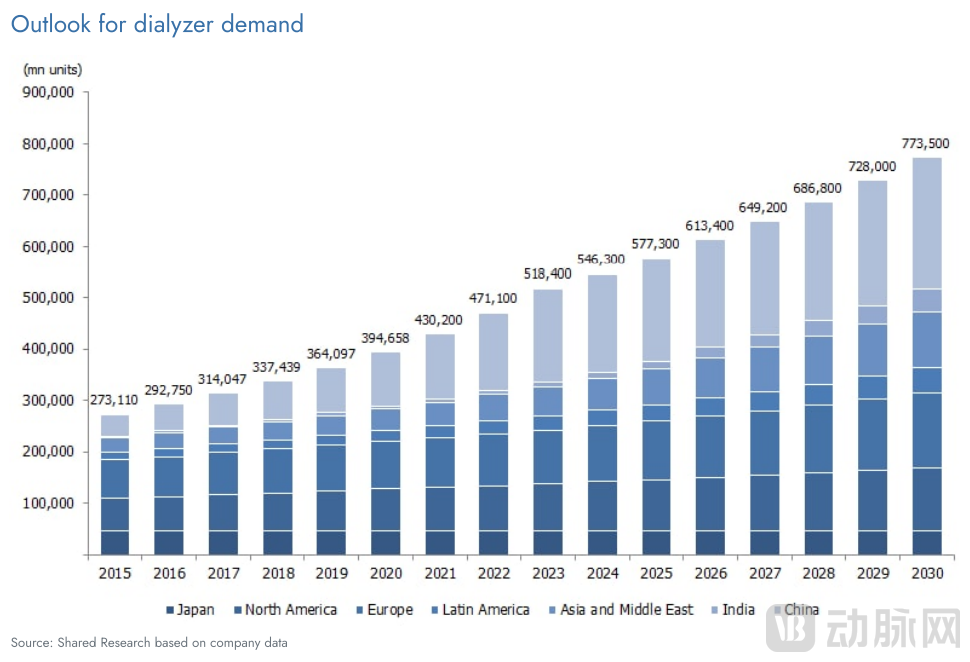
Global Dialysis Market Size and Forecast, 2015–2030 (Source: Nipro Financial Report)
Nipro’s financial report indicates that the company plans to establish more centers, primarily in developing countries. The company is focusing on growing its sales in China and plans to set up sales offices and increase its workforce in the country.