

Cultivating Seeds of Innovation: Beijing Launches 'Exploration Program' to Empower Healthcare Innovation
The Path to Translating Medical Research Achievements in China Is Long and Arduous.
According to the latest data released by the World Intellectual Property Organization (WIPO) of the United Nations, China filed a total of 68,720 international patent applications under the Patent Cooperation Treaty (PCT) in 2020, topping the global rankings for the second consecutive year, representing a 16.1% increase from 2019.
However, we must face the fact that China’s technology transfer rate stands at only around 15%, significantly lower than the approximately 40% rate observed in developed countries in Europe and America."Particularly in the critical field of medicine, this data is even less optimistic, far below the average."
The reasons for this situation are multifaceted, such asLack of high-quality projects, unclear intellectual property rights division, insufficient capital investment, and scarcity of professional talentWait. However, from an overall perspective, the biggest pain point in the current translation of medical research achievements in our country mainly lies inThere is a lack of a comprehensive and mature translation system, especially in finding and exploring innovative projects.
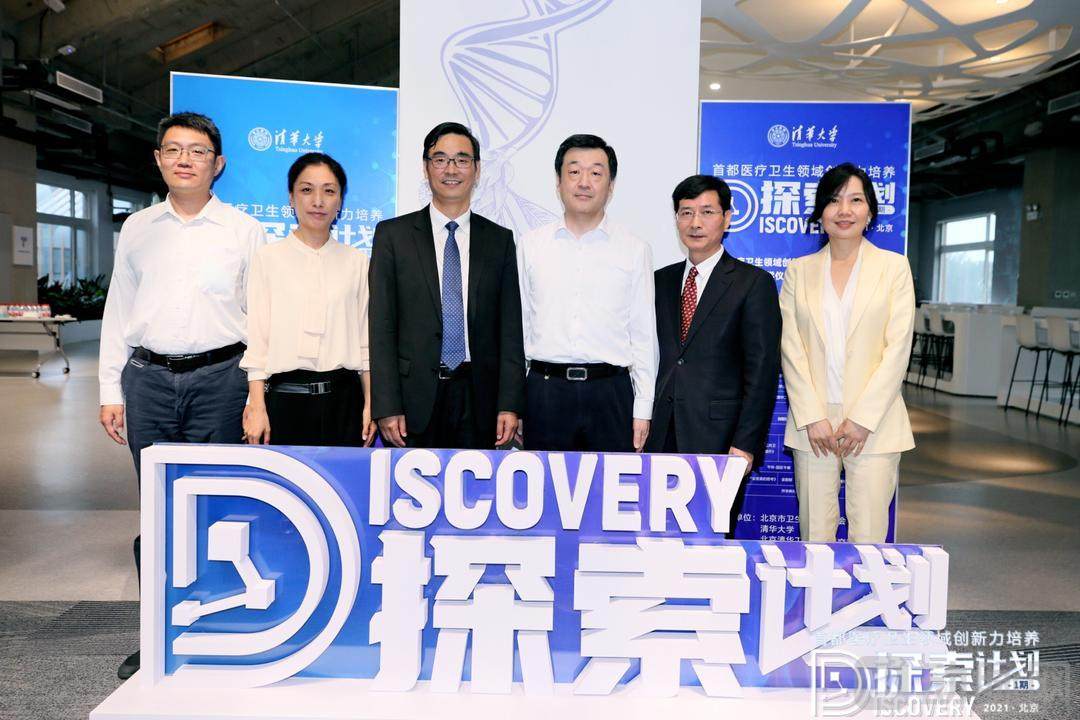
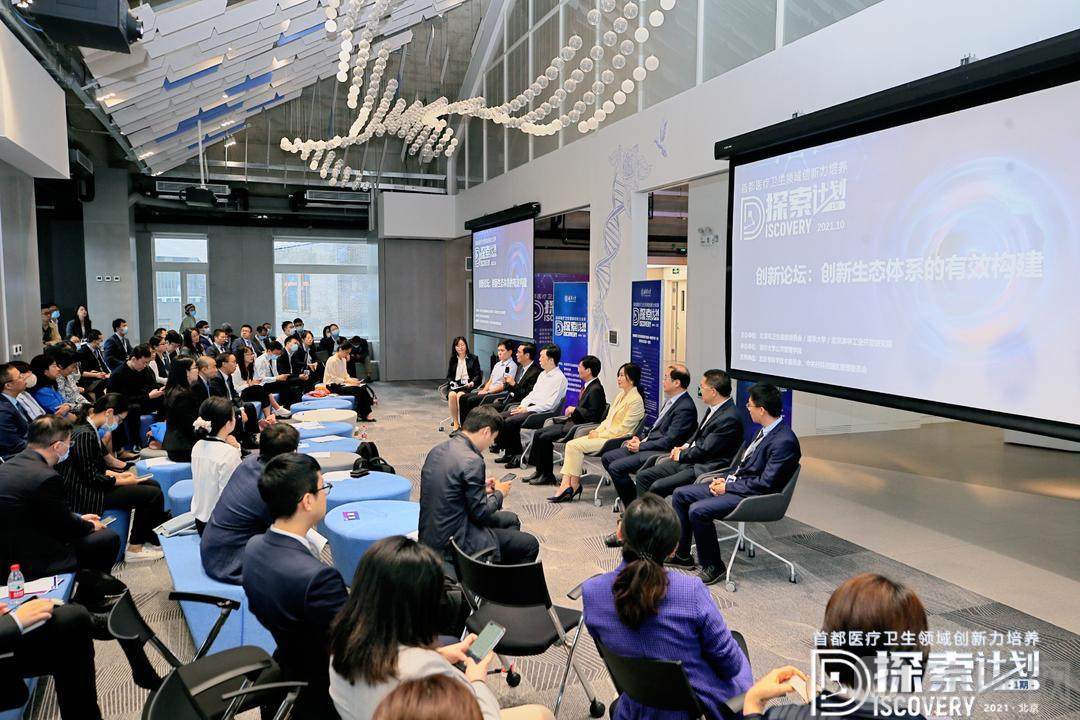
To resolve this contradiction and further unleash the innovative potential of translating medical research achievements in China,On September 26, the “Innovation Capacity Building in Capital’s Healthcare Sector—Exploration Program,” jointly launched by the Beijing Municipal Health Commission, Tsinghua University, and the Beijing Tsinghua Industrial Research Institute, officially commenced.
It is reported that the original intention behind implementing this initiative was to use Beijing as a pioneer to accelerate the cultivation of high-level, interdisciplinary innovative talents in the healthcare sector, thereby building an industrial backbone team driven by clinical needs and accelerating the deep integration of “medical institutions, research institutes, and enterprises” in innovation translation and entrepreneurial ventures.
Specifically, what driving role does this exploratory initiative play in the current vigorous translation of medical research achievements?
The Translation of Medical Research Achievements is Being Swept Forward by the Waves of the Times
Never before has the translation of medical research achievements into practical applications been accorded such paramount importance.
First, at the policy level.Since the 18th National Congress of the Communist Party of China proposed the innovation-driven development strategy and placed innovation at the core of national development, China has established the tone for promoting the translation of medical research achievements. A series of key policies have been successively introduced along three dimensions—national strategy, laws and regulations, and industry guidance—thereby completing the “trilogy” of policy support for the translation of scientific and technological achievements.
Secondly, on the hospital side.According to the "Notice of the General Office of the National Health Commission on the National Monitoring and Analysis of the Performance Appraisal of Tertiary Public Hospitals Nationwide in 2018," released in July 2020, 80.34% of tertiary public hospitals received research funding support in 2018, with the value of scientific and technological achievements transformed per 100 health technical personnel reaching RMB 13.0593 million, representing a 165.96% increase compared to 2016.
Once again, on the institutional side.Taking 2014 as the turning point and building on the foundation of the inaugural year of internet healthcare, medical research translation institutions in China have emerged rapidly like mushrooms after rain. They are mainly categorized into the following four types: first, national-level R&D institutions established by the state, such asNational Clinical Research Center;Second, academic R&D institutions endorsed by universities, such as the Global Health Industry Innovation Center of Tsinghua Industrial Research Institute.; Third, collaborative R&D institutions with hospitals as the main entities, such as those established relying on the West China Medical Center of Sichuan UniversityHuaxi Research Base; fourth, socially oriented R&D institutions that pool multiple resources, such as those established with funding from the Hangzhou West Lake Education FoundationWestlake University.
The market enthusiasm for the translation of medical research achievements is not accidental, but an inevitable result of the development of the times.Currently, there are still many unmet needs in the medical field. Clinical diseases such as cancer and COVID-19 that have not yet been resolved are becoming the biggest "stumbling blocks" on the road to extending human life expectancy. We urgently need more advanced and effective treatment methods.
Finally, on the industry side.Compared with developed countries in Europe and the United States, China’s healthcare sector began its exploration of pharmaceuticals and medical devices relatively late. Consequently, reliance on imports for certain key technologies persists at this stage, which not only exacerbates the financial burden on enterprises but also subjects domestic patients to the adverse situation of high-cost medical care.
Therefore, although the path to translating medical research achievements into practical applications is fraught with difficulties and obstacles, it has become an imperative trend.
Gathering of Industry Leaders: Discussing New Trends in the Translation of Medical Research Achievements
The commercialization of scientific research achievements may seem like a solitary endeavor, but in reality, it heavily relies on teamwork and is by no means a battle fought alone. Stakeholders from various sectors—including government officials, clinicians, technology transfer offices, enterprises, and investment institutions—must be deeply involved and work together to ensure the successful realization of this goal.
To clarify the development logic, leading figures in the innovation industry chain gathered at the opening ceremony to provide in-depth interpretations and discussions on how to build an innovative ecosystem for the translation of medical research achievements. Below are the key highlights from the guest speakers’ presentations, compiled by VCBeat.
Li Ang, Deputy Director of the Beijing Municipal Health Commission: The true orientation lies in the implementation of policies.
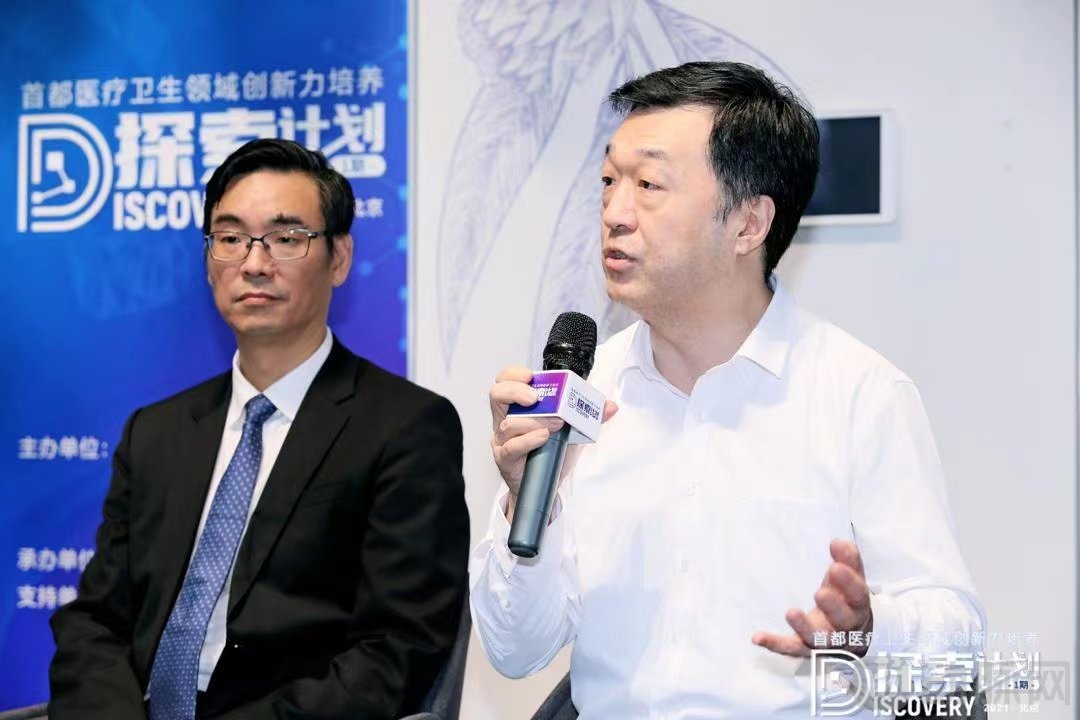
In the industrial chain for translating scientific and technological achievements into practical applications, policies must always adopt a service-oriented approach. On one hand, corresponding policies should be formulated in response to actual needs; on the other, their implementation must be accelerated. Only by establishing such a closed-loop service system can tangible benefits be realized and the guiding role of policies be fully leveraged. Furthermore, policies should continuously stimulate innovation vitality, primarily by creating individual profiles for relevant researchers and conducting real-time tracking throughout their careers until they leave the scientific research community.
Jin Qinxian, Deputy Secretary-General of Tsinghua University and Dean of the Beijing Tsinghua Industrial R&D Institute: The most critical link in the industrial chain is clinical physicians.
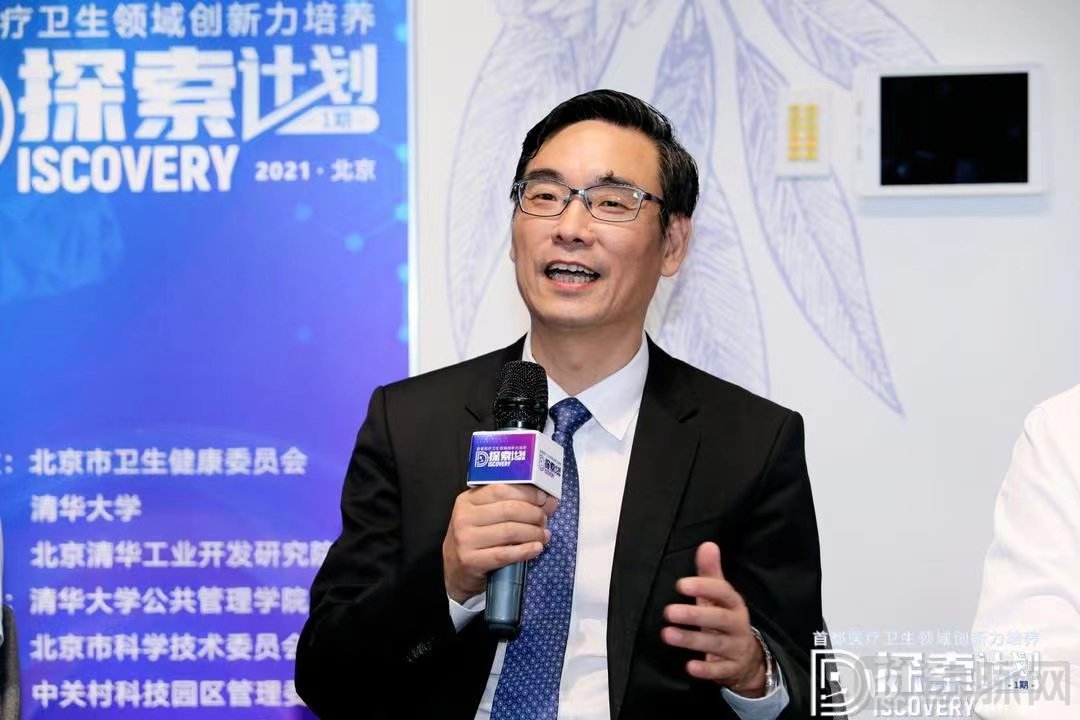
The ultimate goal of translating scientific research achievements is to serve clinical practice. Therefore, frontline clinicians, who have long been engaged in direct patient care, are actually the primary source of innovation. Compared with other stakeholders, clinicians have a deeper understanding of clinical needs and possess greater professional expertise. However, at present, it is not easy for clinicians to devote themselves fully to scientific research. On one hand, their work remains predominantly focused on clinical duties; on the other hand, the lack of corresponding incentive mechanisms makes it difficult to mobilize their initiative.
Peng Zongchao, Secretary of the Party Committee of the School of Public Policy and Management at Tsinghua University: Normalized pandemic control requires greater management innovation.
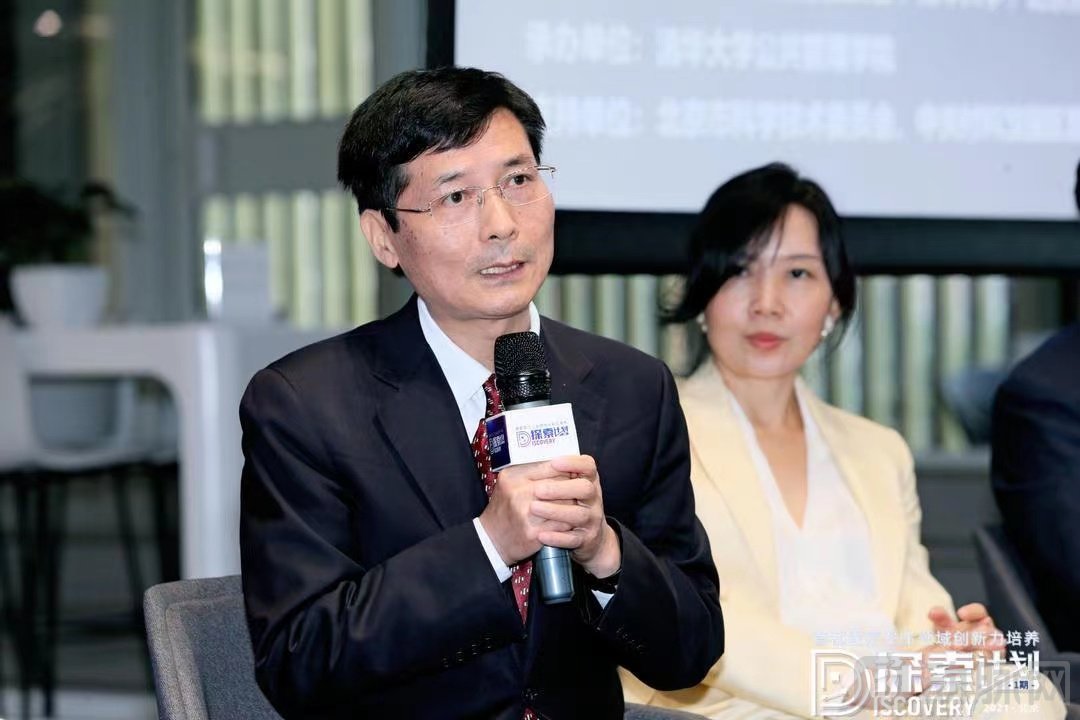
As we enter the phase of normalized epidemic prevention and control, technological innovation is more critical than ever. Taking big data tracking technology as an example, enhancing its precision would undoubtedly bring significant convenience to both epidemic control efforts and individuals’ daily lives. Beyond this, we also require greater management innovation, along with higher-level innovations in policy, strategy, and leadership.
Zhang Jun, President of Boston Scientific’s Greater China Region: Sustainable Development in the Medical Device Industry Requires Both Cross-Boundary Innovation and Dedicated Teams for Specific Initiatives.

China boasts a superior innovation ecosystem and diverse opportunities for innovation; however, the medical device sector still faces challenges in achieving coordinated development. As an interdisciplinary field, medical devices require a systematic innovation process that spans from clinical discovery to technology transfer and scaled commercial application, necessitating cross-disciplinary collaboration between medicine and engineering. Furthermore, within such collaborative frameworks, all stakeholders should assign dedicated personnel to specific projects to leverage complementary strengths, thereby promoting the sustainable development of the entire industry. Drawing on its extensive global experience in R&D innovation and technology transfer, Boston Scientific aims to actively participate in cross-disciplinary innovation initiatives. By leveraging our unique advantages to empower high-quality local innovations, we strive to ensure that more patients benefit from these advancements, ultimately improving their quality of life.
Wu Yong, Partner at Beijing Shuimu Guoding Investment Management Co., Ltd.: A robust capital chain and a strong team are equally important.
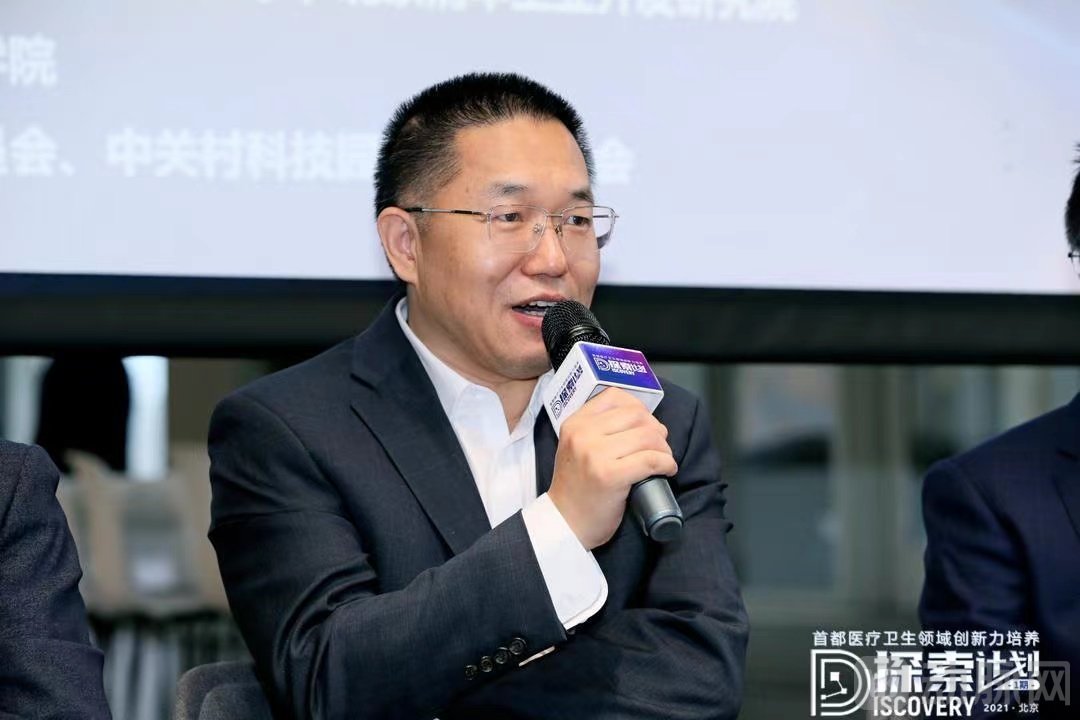
From an investor’s perspective, we remain firmly convinced of the team’s critical role in translating scientific research achievements into practical applications. This is particularly true for clinicians, who possess a deeper understanding of clinical needs and serve as the source of innovation. Moreover, their strong professional expertise makes them key practitioners in driving innovation forward. On the other hand, the translation of medical research outcomes involves long cycles and substantial investments, resulting in a pronounced demand for capital; thus, the infusion of financial resources is equally vital. Naturally, investment institutions are keen to participate, given the abundance of promising opportunities available in the field of research commercialization.
Wang Yingqi, CEO of TopEye (Beijing) Medical Technology Co., Ltd.: The translation of scientific research achievements from universities serves as the foundation for innovative enterprises.
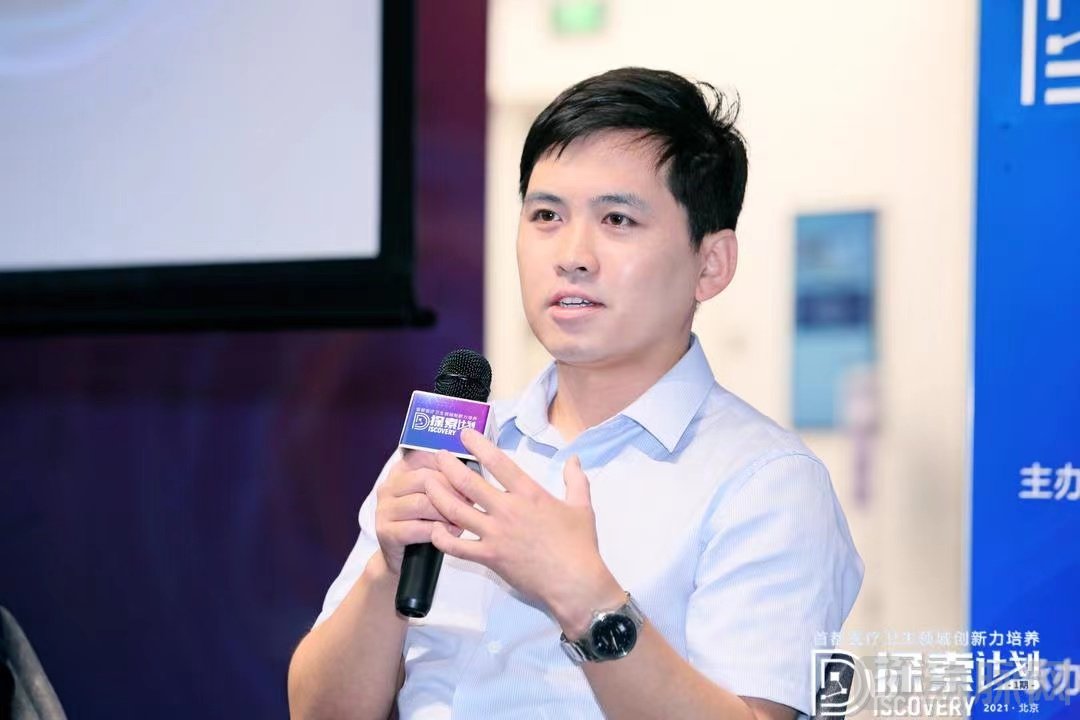
If a high-quality product is likened to a skyscraper, then the university system for translating knowledge into practical applications should serve as its foundation. If this foundation is sufficiently deep and of high quality, the building can reach great heights. At this level, innovative enterprises incubated by universities inherently possess such advantages. However, a solid foundation alone is insufficient; it also requires excellent design blueprints and capable practitioners to bring the vision to life.
Yu Yang, Chief Physician of the Department of Cardiac Surgery at Beijing Anzhen Hospital, Capital Medical University: Physicians require access to specialized incubation platforms.
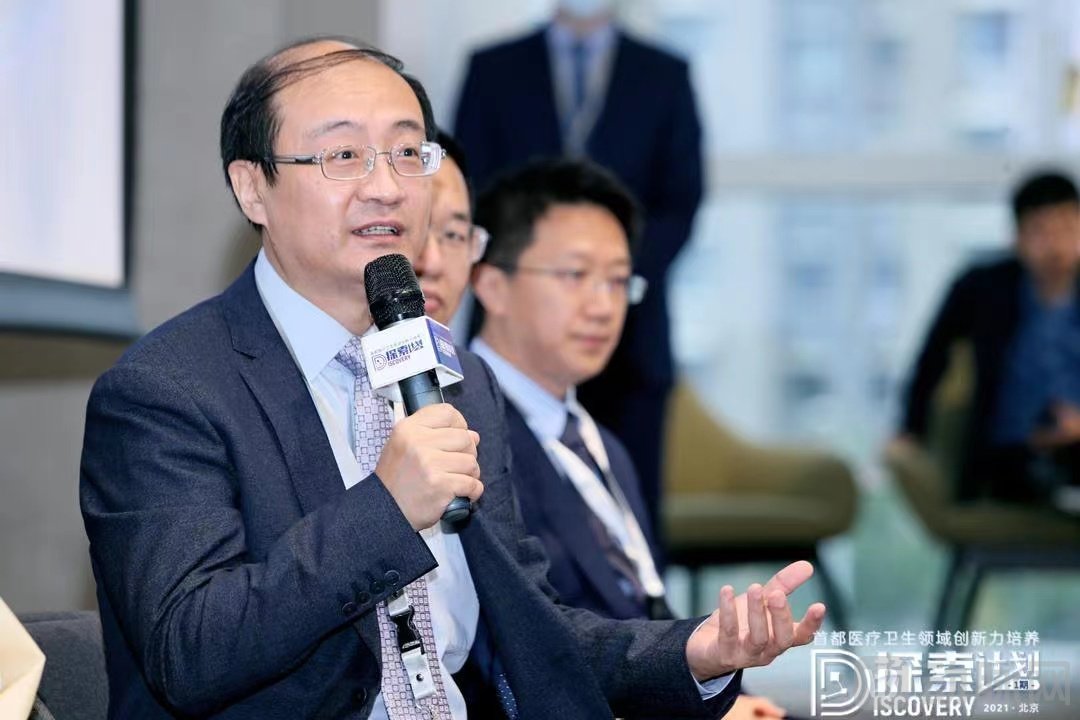
From an initial scientific concept to laboratory results, and then to the transformation of technology into mature commercial products with industrial implementation, the translation of scientific research achievements generally goes through five stages: “proposing the original concept,” “producing preliminary results,” “possessing mature technology,” “developing a prototype product,” and “achieving a market-ready product.” The work performed at each stage differs, and so do the requirements. For physicians, completing the first two stages fulfills their phased responsibilities, as the subsequent translation process is largely unfamiliar to them and must be carried out by professional incubation platforms.
Professor Lan Xun of Tsinghua University School of Medicine: Researchers should promptly adjust their mindset and avoid “splitting hairs.”
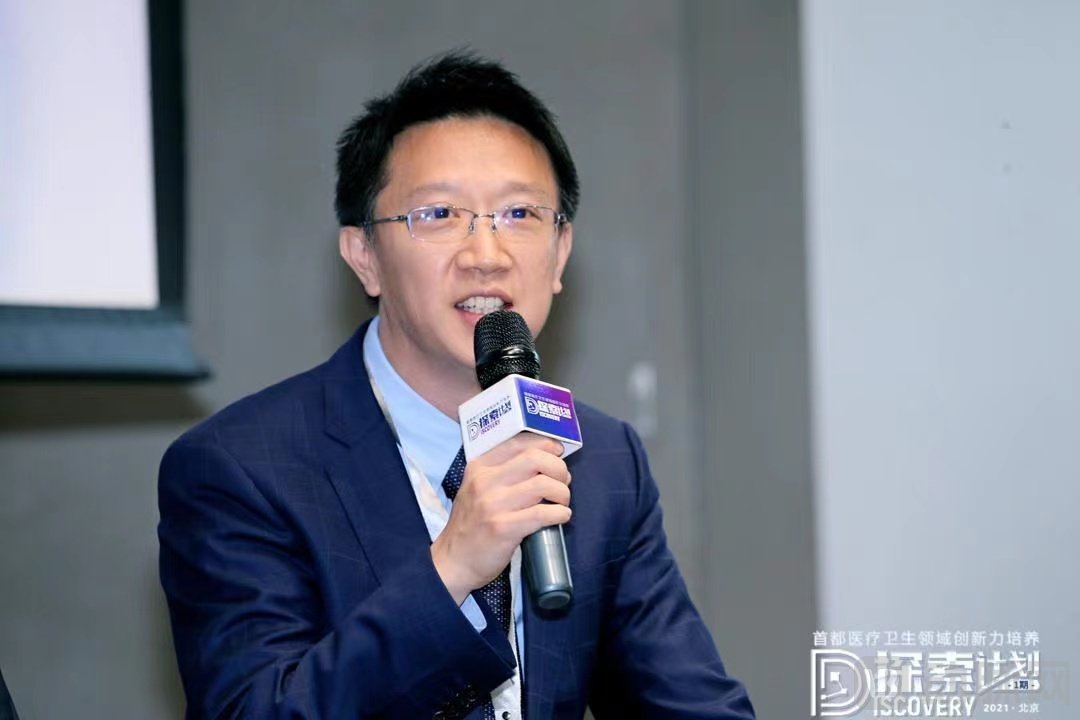
As a researcher engaged in translational work, it is essential to adapt one’s mindset to some extent and avoid becoming overly fixated on narrow perspectives. Given that the success rate of scientific research is inherently low, achieving tangible results is no easy feat. One should not dismiss a translational project due to a single failure; instead, it is crucial to maintain perseverance and demonstrate resilience in the face of setbacks. Furthermore, reasonable time allocation is equally important for physicians, as it can significantly accelerate the translation of scientific achievements into practical applications.
Overall, all stakeholders within the medical innovation ecosystem play vital roles and maintain a synergistic relationship. Only through closer collaboration and full leverage of their respective strengths can we continuously advance the translation of scientific research achievements, improve their success rates, and foster an increasingly prosperous ecosystem.
Looking to the Future: How Can the Translation of Scientific Research Achievements Become Deeper and Stronger?
According to the "2019 Annual Report on the Transformation of Scientific and Technological Achievements in China (Higher Education Institutions and Research Institutes)," in 2018, the contract value of scientific and technological achievements transformed by 3,200 universities and research institutes in China through assignment, licensing, and equity investment reached RMB 17.73 billion, a year-on-year increase of 52.2%. Among them, 32 institutions had total transformation contract amounts exceeding RMB 100 million, representing a year-on-year increase of 14.3%.Notably, 12 of these 32 projects with valuations exceeding RMB 100 million are in the healthcare sector, underscoring the substantial future value of translating medical research achievements into commercial applications.
From this perspective, we still have much work to do.
This exploratory initiative represents a commendable endeavor. It is understood that the program engaged 80 participants, carefully selected from nearly 700 applicants. These individuals are not only leaders in their respective professional fields but also innovative elites characterized by creative thinking, a solid foundation for innovation, extensive experience, and outstanding projects.
Throughout the course design,Phase I: Breaking Down Barriers, primarily by having university professors discuss advanced technologies and clinical experts elaborate on existing problems and needs, enabling participants to gain a deeper understanding of medical innovation and facilitating mutual exchange and interaction.
The second phase involves realizing innovative ideas and designs, resulting in patents.During this phase, the Tsinghua Industrial Research Institute will provide participants with in-depth services and financial support through practical implementation.
Jin Qinxian, Deputy Secretary-General of Tsinghua University and Dean of the Beijing Tsinghua Industrial R&D InstituteHe stated, “In addition to focusing on breakthrough technologies, the core mission of the Tsinghua Industrial Research Institute is to provide robust services for the translation of scientific and technological achievements. As a medical innovation incubation platform specially established by the Tsinghua University Research Administration Office, the Global Health Industry Innovation Center of the Tsinghua Industrial Research Institute will offer comprehensive support to early- and mid-stage innovative projects, facilitating their rapid implementation. In this exploration initiative, the Innovation Center will further leverage its strengths in this area by delivering substantive services at the demand level, enabling more innovative seeds to blossom and bear fruit.”
The translation of scientific research achievements in the medical field will continue, and the exploration program aimed at fostering innovation vitality will also be carried out continuously.