

AstraZeneca's iCampus Empowers the Booming Western China Healthcare Industry Amid Golden Era of Growth
The healthcare industry has hit the “accelerator.”
According to a report by PwC, China's health and wellness market has reached 13 trillion yuan, experiencing rapid growth over the past eight years with a compound annual growth rate (CAGR) of 13%, and has now become the second-largest market globally.
To seize emerging opportunities, local governments are accelerating the development of healthcare industry clusters and vigorously expanding life science parks, thereby fostering faster and more robust growth for innovative enterprises.Notably, the western China health and wellness ecosystem, represented by Chengdu, has risen rapidly in recent years and is now entering a golden period of development.
In this process, the International Life Science Innovation Park, jointly established by AstraZeneca, a global leading pharmaceutical company, and local partners, has attracted sustained attention from various stakeholders in the industry, thanks to its unique public-private partnership model for joint empowerment and the healthcare innovation ecosystem it has built.
On one side lies the rapidly emerging Western China health and wellness ecosystem; on the other, an innovation park model that combines a global perspective with localized expertise.On September 28, AstraZeneca announced the official opening of its China West Headquarters in Chengdu, Sichuan Province. On the same day, the Chengdu International Life Science Innovation Park (hereinafter referred to as “Chengdu iCampus”), a life science innovation incubation platform jointly established by the Chengdu Municipal Government, Chengdu High-Tech Zone, and AstraZeneca, held its opening ceremony.
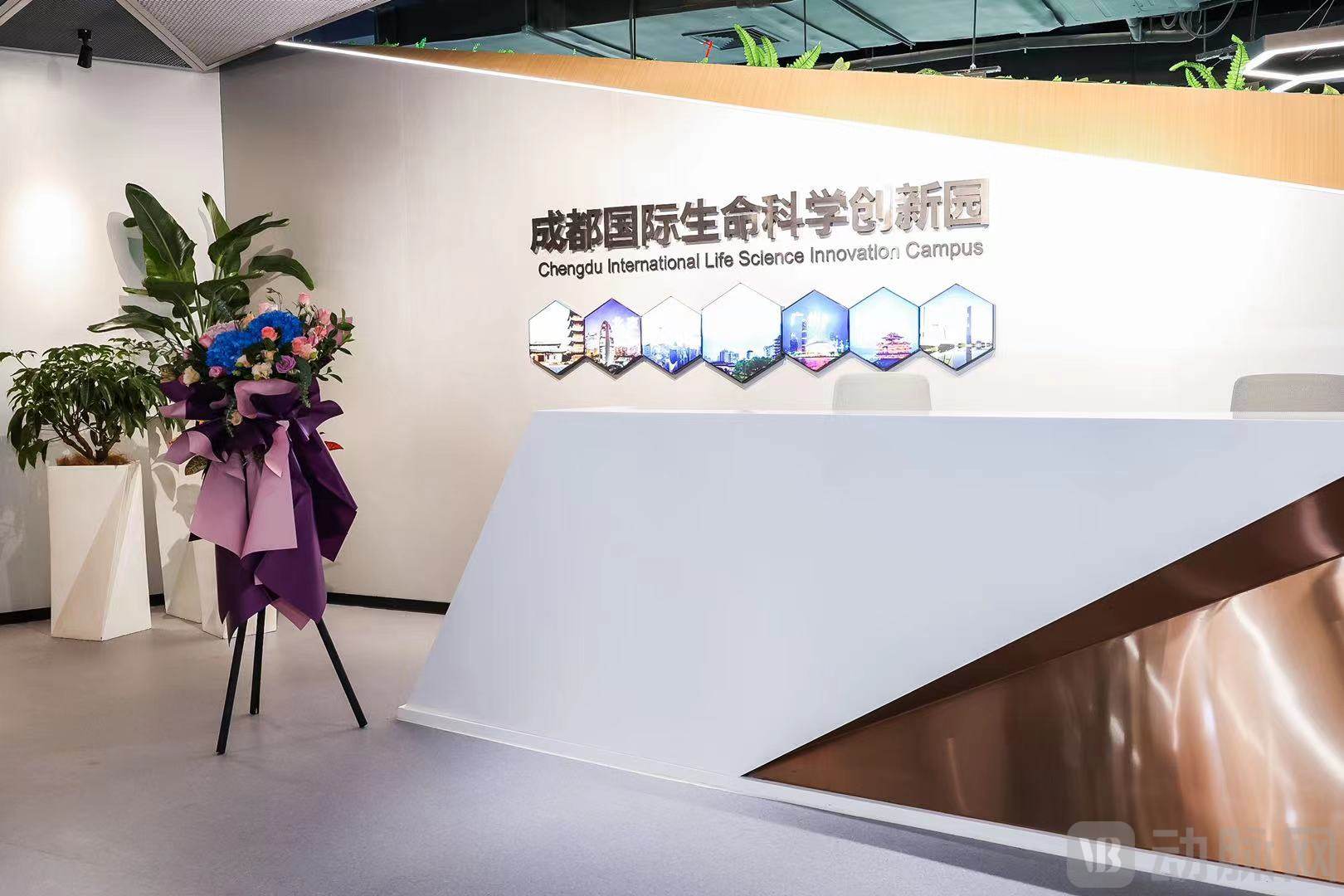
(Chengdu International Life Science Innovation Park)
This strategic move not only marks a phased milestone in AstraZeneca’s deepening of its comprehensive strategy in China but also further empowers Chengdu to advance toward building an internationalized medical industry ecosystem in western China.
Specifically, Chengdu iCampus will accelerate the planning and construction from Phase I to Phase II, enabling enterprises across the entire life sciences sector to coexist and develop continuously within the innovation park, accelerating the implementation of various business models and bringing commercial operational innovations to western China. Furthermore, AstraZeneca will support the establishment of a pharmaceutical industry fund, an innovation center focused on the traditional Chinese medicine industry, and a health industry alliance, while continuing to support the development of high-profile summits for Chengdu’s health sector, thereby promoting the construction of a robust big health industry ecosystem in western China.
On its opening day, Chengdu iCampus welcomed the first batch of nine companies to move in and begin operations., including high-quality enterprises such as Huiyi Tianxia, Yi Lin Yun, Gemini, Zhi Zhong Yi Xin, Aiming Biology, Zheng'an Health, Hua Nuo Zhi Sheng, Ji Shi Fei Jiu, and Xunji Technology.
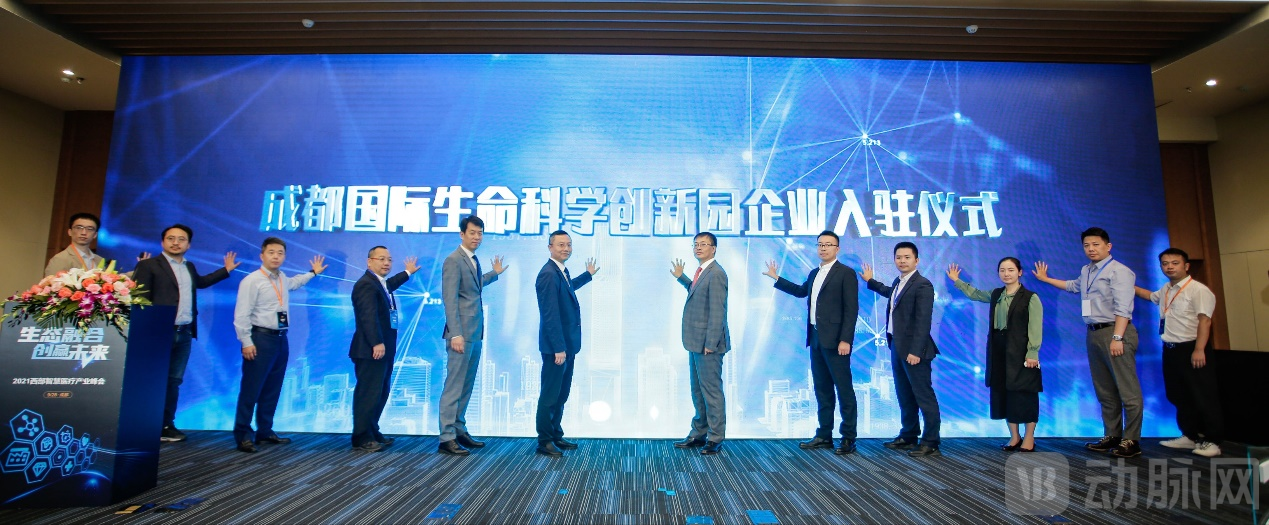
(Chengdu International Life Science Innovation Park Corporate Onboarding Ceremony)
What makes Chengdu iCampus so uniquely appealing that it has rapidly attracted multiple enterprises to settle in? What distinctive resources and support were offered for its launch in Chengdu? How exactly does it empower enterprises? And how will the “iCampus model” evolve in the future? VCBeat has compiled insights to address these questions.
The western China health and wellness ecosystem, represented by cities such as Chengdu, is rapidly gaining momentum.
The underlying reason lies in Chengdu’s increasing investment in recent years in building an ecosystem for the medical and health industry, including attracting major projects and talent, as well as encouraging companies to go public. These initiatives have injected strong momentum into the development of Chengdu’s biopharmaceutical industry.
Furthermore, as a national-level base for R&D and innovation in the biopharmaceutical industry, the National (Chengdu) Biopharmaceutical Industry Innovation Incubation Base, and the largest biopharmaceutical distribution and trade center in central and western China, Chengdu’s pivotal role as a healthcare hub in western China is becoming increasingly prominent. To date, the Chengdu High-Tech Industrial Development Zone has attracted more than 3,000 pharmaceutical companies, along with the establishment of multiple renowned medical institutions and major projects, including the production and R&D base for Luye Pharma’s Xuezhikang.
To better support medical entrepreneurs, Chengdu has been actively hosting industrial summits in various formats. For instance, from the 27th to the 28th of this month, the “2021 Western Smart Healthcare Industry Summit” (hereinafter referred to as the “Summit”), jointly guided by the Chengdu Municipal Bureau of Economy and Information Technology, the Chengdu Municipal Investment Promotion Bureau, the Chengdu Municipal Health Commission, and the Chengdu Municipal Healthcare Security Administration, and hosted by the China Pharmaceutical Enterprise Management Association, was successfully held. The Summit featured in-depth discussions on local innovation in biopharmaceuticals, traditional Chinese medicine (TCM) innovation, and internet hospitals, attracting numerous industry professionals and enterprises.
Furthermore, during the summit, a high-level closed-door seminar themed “Exploring New Pathways for the Development of Digitally-Enabled Industries with Western Characteristics” was held, alongside the “Ronghui Qunying – Night of Future Healthcare Unicorns” event, which featured project roadshows and one-on-one capital matchmaking sessions for innovative enterprises in Chengdu. In other words, by continuously building value-linking platforms, deepening government-enterprise exchanges, and supporting corporate and industrial development across multiple dimensions, Chengdu is fostering a western health ecosystem characterized by co-prosperity and symbiosis.
Having built multiple ecosystem hubs worldwide, AstraZeneca has planned five regional headquarters across China,This strategic partnership with Chengdu, marked by the establishment of its China Western Headquarters and the Chengdu iCampus, represents another move to integrate local industrial characteristics and achieve regional industrial synergy.
It is worth specifically mentioning that Chengdu iCampus focuses on fields such as new drug research and development, high-end medical devices, and smart healthcare.
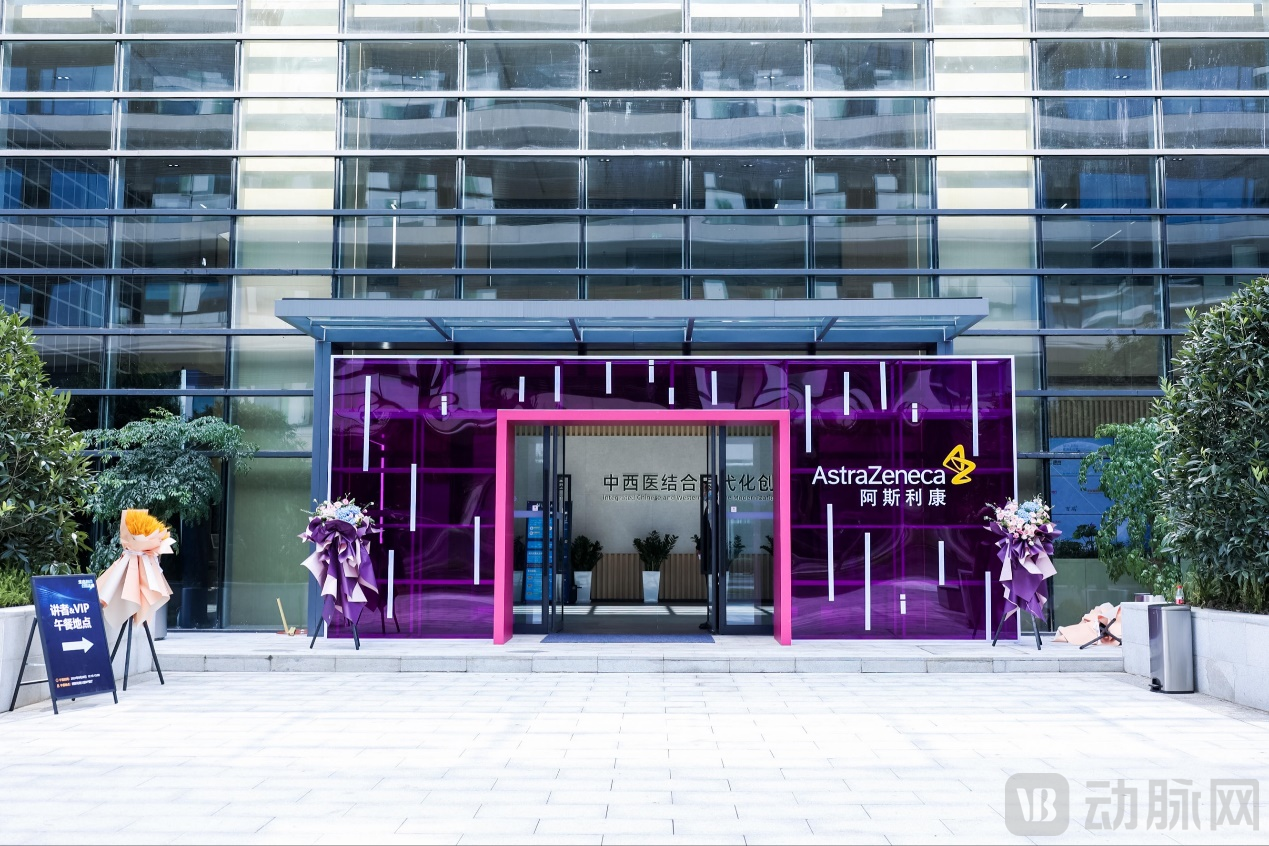
(AstraZeneca China Western Headquarters)
At the summit, the AstraZeneca CICC Healthcare Industry Fund also announced its intention to collaborate with an investment platform under the Chengdu High-Tech Zone. The two parties will fully leverage AstraZeneca’s extensive resources in the global healthcare sector and CICC’s profound expertise in investment management and capital operations. Through tripartite collaboration among the government, industry, and investors, they aim to enhance the effectiveness of investment promotion for Chengdu’s healthcare industry and jointly accelerate the innovative development of the city’s healthcare sector.
Additionally, Chengdu iCampus was designated by the Chengdu Medical and Health Industry Alliance as the “Activity Base of the Chengdu Medical and Health Industry Ecosystem Alliance.” Serving as the core venue for the alliance’s pharmaceutical innovation activities, it hosted a plaque-awarding ceremony during the summit.
Standing on fertile “industrial soil,” Chengdu iCampus, as an innovative ecosystem built through multi-party collaboration, integrates resources from government, industry, academia, research, healthcare, and investment sectors. It provides tenant enterprises with a one-stop empowerment platform offering project implementation, innovation incubation, business acceleration, industrial investment, and international cooperation.
Specifically, Chengdu iCampus can provide the following empowerment to enterprises:
· Incentive Policies: Subsidies and incentive rewards covering R&D investment, equipment investment, tax incentives, talent attraction, intellectual property, product industrialization, corporate listing, and other aspects;
· Spatial Carrier: The initial phase of the spatial carrier covers 1,500 m², with nine enterprises currently completed registration/site selection; the second phase is under planning.
· Commercial Acceleration: Leveraging AstraZeneca’s omnichannel commercialization platform to provide market insights in China and overseas, product concept validation, commercial innovation partnerships, sales licensing, and agency promotion;
· Capital Support: Access to investment evaluation from the $1 billion healthcare industry fund jointly established by AstraZeneca and CICC Capital, as well as from park fund partners;
· Mentorship Program: One-on-one coaching for resident enterprises, coupled with experience-sharing sessions led by industry experts and innovation leaders, to support the growth of settled companies and accelerate their path to commercial success;
· Professional Services: Partnering with professional CROs to provide enterprises with end-to-end solutions, including clinical trial protocol design, clinical trial execution, regulatory submission and approval, administrative support, sci-tech financial services, corporate promotion, and specialized third-party services;
· Global Expansion: Leveraging AstraZeneca’s global network to support the international expansion of innovative enterprises, facilitating both the entry of overseas companies into China and the global outreach of Chinese companies.
Certainly,In terms of specific implementation, Chengdu iCampus places great emphasis on synergistic development rather than simply stacking various elements.Taking Yi Lin Yun as an example, leveraging the supportive policies of Chengdu High-Tech Zone, the industrial advantages of the rapidly developing pharmaceutical sector, and the comprehensive support from Chengdu iCampus, Yi Lin Yun will establish its headquarters in Chengdu High-Tech Zone. With Yi Lin Yun’s entry into Chengdu iCampus, its collaboration with AstraZeneca in medical data services—aimed at accelerating new drug development, reducing clinical research costs, and mitigating clinical research risks—will be further deepened. Meanwhile, Chengdu iCampus will provide Yi Lin Yun with expanded physical space, empowering it to integrate resources with upstream and downstream partners and jointly build an innovative ecosystem for life sciences.
Take Zheng’an Health as another example. It is a digital therapeutics company grounded in evidence-based medicine and powered by industry-leading AI technologies. The company aims to serve global healthcare and life sciences enterprises by building its own internet hospital and collaborating with other internet hospitals, integrating these efforts with its digital health business. As a leading multinational pharmaceutical company with a robust global commercial network and an omnichannel commercialization platform, AstraZeneca can provide multi-dimensional support to Zheng’an Health.
It is evident that both Chengdu and AstraZeneca place significant emphasis on building a comprehensive ecosystem for the broader health industry, focusing on more diversified resource aggregation and support tailored to specific needs.Thus, with the establishment and ongoing operations of Chengdu iCampus, an innovative medical ecosystem is flourishing.
The core driver of the healthcare industry’s development is innovation, which often requires support and collaboration from multiple stakeholders.
At this juncture, leveraging its extensive global innovation network, AstraZeneca can both introduce foreign startups to China and enable park-based enterprises to expand globally with the support of AstraZeneca’s worldwide network.
To date, AstraZeneca has established more than 17 international innovation incubators worldwide, with locations spanning the United States, Brazil, Argentina, Sweden, the United Kingdom, France, Israel, Russia, India, Singapore, Japan, Europe, and Canada.
From this perspective,Medical innovation startups are not merely selecting a business park; they are choosing to join an innovation ecosystem.
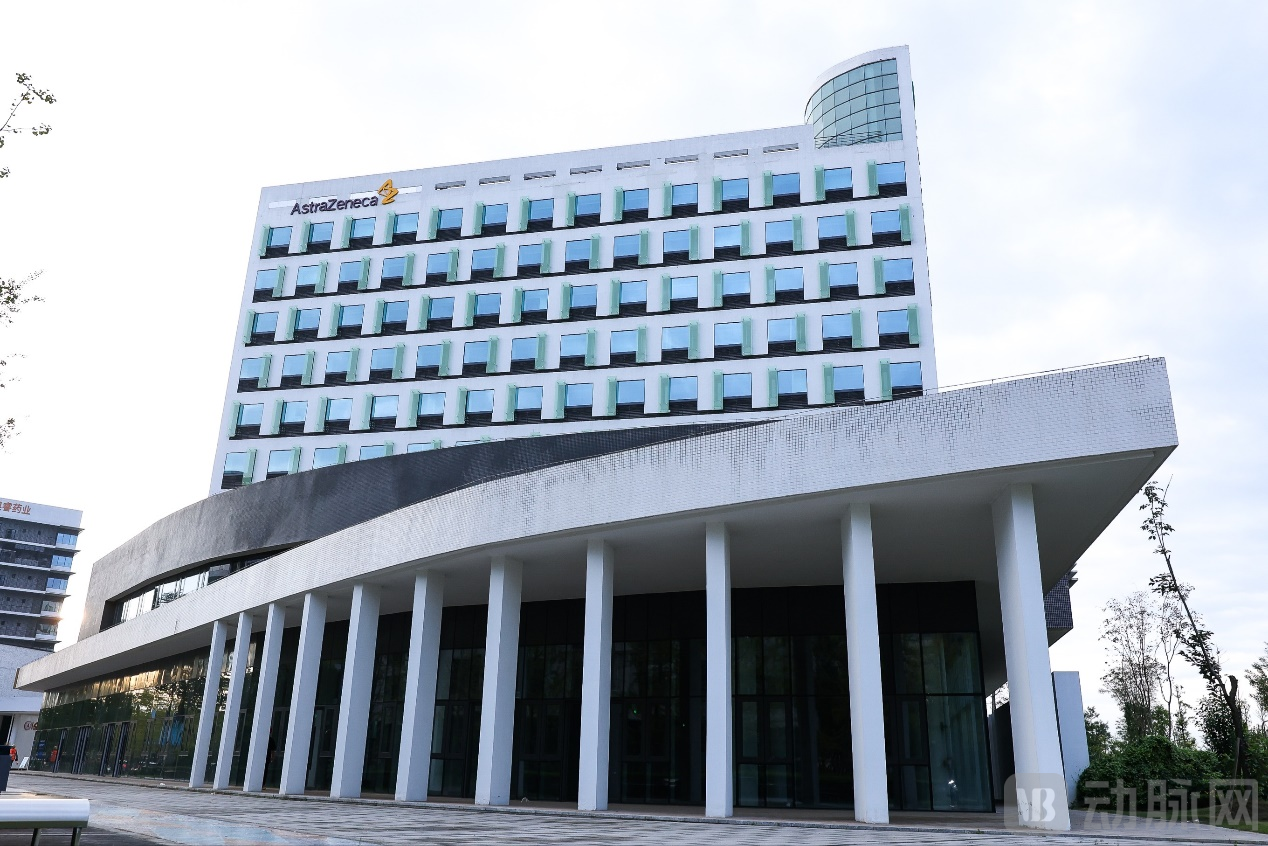 (AstraZeneca China Western Headquarters)
Leveraging the advantageous resources of its regional headquarters, AstraZeneca’s expansion from Wuxi to Beijing and Hangzhou, and then to Chengdu, represents a significant step in continuously refining its ecosystem. This initiative will help innovative enterprises access richer industrial resources, accelerate the deep integration of the healthcare industry, and foster new healthcare business models with local characteristics.
It is worth noting that AstraZeneca is establishing a new strategic layout in China, featuring mutual reinforcement and coordinated development between its China headquarters in Shanghai and its five regional headquarters. In addition to promoting the integration of the entire medical industry chain tailored to local conditions and unlocking the potential for local economic growth, this strategy also fosters international exchange and cooperation in the local medical technology sector. Particularly for innovative enterprises, it enables true “resonance” with global companies in terms of R&D and commercialization.
This strategy undoubtedly aligns with the macro-level trends in China.In this year’s Government Work Report and the “14th Five-Year Plan” Outline, the state has placed greater emphasis on innovation-driven development, development quality, corporate innovation, public well-being, and regional coordination, while also issuing new requirements and guidelines for innovation parks in areas such as digitalization and innovation.
Therefore, in its future development, AstraZeneca’s Innovation Park will closely align with the characteristics of the regional economy, forge a powerful synergy with China’s medical innovation forces, and, supported by local governments and leveraged by global advantageous resources, continue to bring greater possibilities to the healthcare and wellness industry.