

Hangzhou Xinjing Technology Secures Tens of Millions in Series A Funding to Advance Digital Therapeutics for Mental and Cognitive Health

Med-Fine Capital
Venture Capital Firm
VCBeat (WeChat ID: vcbeat) learned at the earliest opportunity that,Hangzhou Xinjing Science and Technology Co., Ltd. (hereinafter referred to as "Xinjing Tech") recently announced the completion of its Series A financing round, raising tens of millions of RMB. The round was led by Med-Fine Capital, with participation from Hangzhou Xintai and Shanghai Danping. Beike Xueshe served as the exclusive financial advisor.
Alongside securing financing, Xinjing Technology has garnered support from Tigermed, the leading CRO in China, and Sunyard, a renowned IT enterprise. This backing is accelerating the clinical registration of its digital therapeutics products and the establishment of its internet hospital. Furthermore, the company is introducing high-quality resource partners and has established initial connections with over 2,000 medical institutions, further solidifying its market advantage.
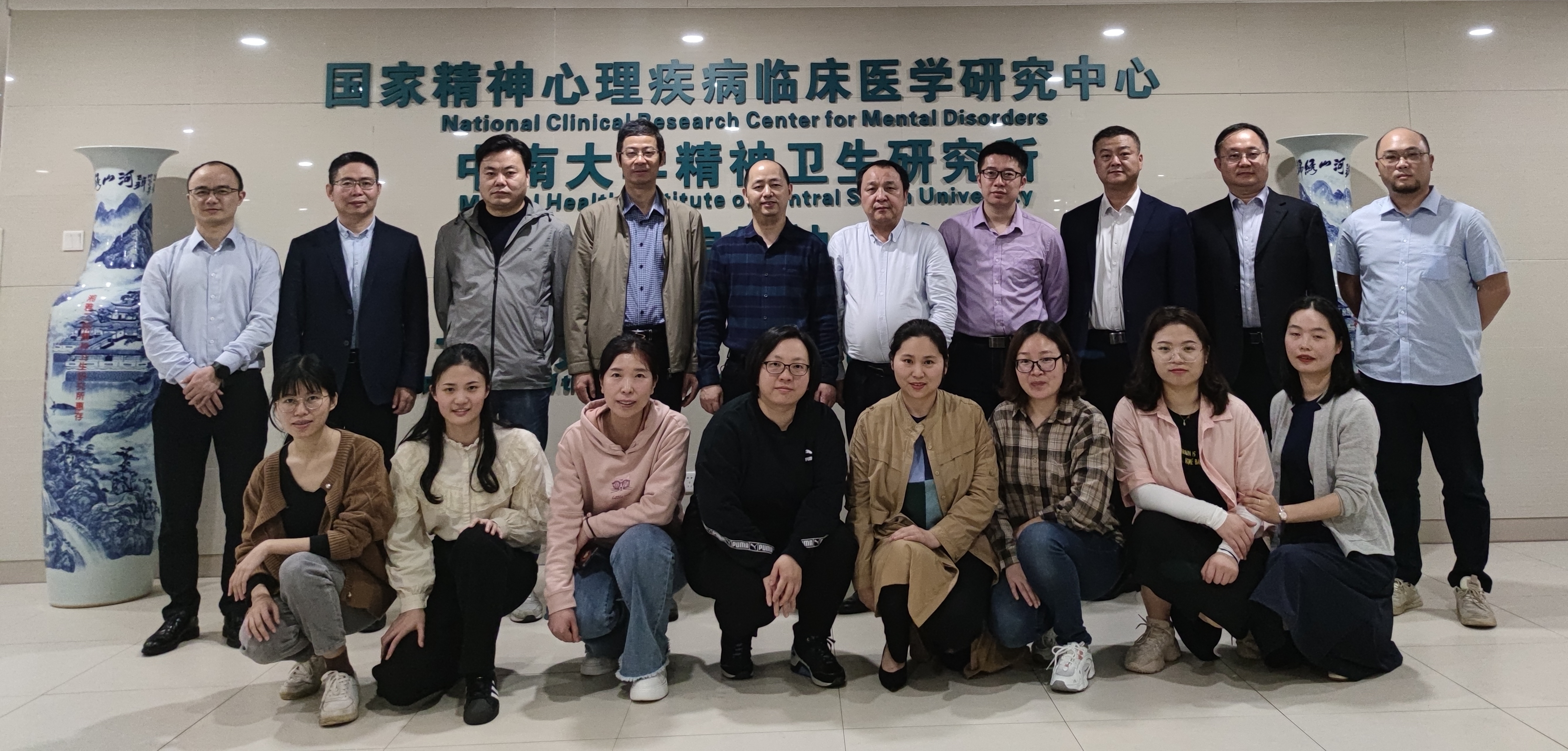
Xinjing Technology Participates in the Multicenter Collaborative Study of the National Key R&D Program on “VR Intervention Technology for Sleep Disorders in the Elderly”
Hangzhou Xinjing Science and Technology Co., Ltd. has established collaborations with multiple research institutions and experts, including the Mental Health Institute of Xiangya Second Hospital of Central South University (National Clinical Research Center for Mental Disorders), Shanghai Mental Health Center (National Clinical Research Center for Mental Disorders), Zhejiang Provincial Mental Health Center, and the Mental Health Center of Zhejiang University School of Medicine.
Xinjing Technology relies on 22 virtual reality clinical application R&D centers,A high-tech enterprise dedicated to applying technologies such as VR/AR and AI to fields including psychological rehabilitation, cognitive rehabilitation, attention training for children, and substance dependence withdrawal, while providing VR-based digital therapeutics (DTx) solutions.

Cao Qun, Founder and CEO of Xinjing Technology
The world’s first digital therapeutic product is reSET, developed by Pear Therapeutics, a pioneer in the U.S. digital therapeutics sector, primarily indicated for the treatment of substance use disorders. To date, Pear Therapeutics has three approved products and 14 candidates in its pipeline.
With the global development of digital therapeutics, nearly 30 digital therapeutic products have received approval from regulatory agencies such as the U.S. Food and Drug Administration (FDA). However, overall, the global digital therapeutics industry remains in a growth phase. Due to factors including policy, technology, and clinical application, development in China lags behind that in foreign countries.
In recent years, the concept of “digital therapeutics” has become increasingly well-defined in China. Industry veterans believe that digital therapeutics refer to software-driven interventions that provide evidence-based care for patients, encompassing three areas: disease prevention, treatment, and health management.
Among these, “evidence-based” and “interventions” are particularly important, meaning that their effectiveness is supported by robust medical rationale, and clear clinical pathways are established to regulate or guide patient behavior.
However, Cao Qun believes that digital therapeutics do not overturn traditional treatment modalities such as pharmaceuticals and medical devices; rather, they serve to further refine disease management strategies. He predicts that a clinical intervention model will emerge in which “physicians prescribe treatments or issue medical orders, and patients utilize corresponding smart wearable devices and intelligent cloud platforms as therapeutic tools.”
According to the introduction, digital therapeutics represent an integration of multiple technologies—including IT, mobile internet, cloud platforms, cybersecurity, artificial intelligence, and XR—each of which is indispensable. Nevertheless, the core remains medicine; all technological approaches must be centered on medical principles and clinical research. “Developing a genuine digital therapeutics product requires medical leadership, technical implementation, and substantial investment,” he said.
With the support of this round of financing, Hangzhou Xinjing Science and Technology Co., Ltd. will accelerate the improvement of its existing products, conduct evidence-based clinical validation, develop new products, build cloud platforms and internet hospitals, and promote market expansion.
As one of its flagship products, Xinjing Technology’s mental health digital therapeutic (DTx) training system is indicated for the treatment of patients with insomnia and anxiety. It enables real-time monitoring of vital parameters such as EGG, facilitates multidimensional recording of clinical patient data, and provides a suite of sleep assessment scales to support patient self-testing and regular physician evaluations. The National Medical Products Administration (NMPA) has also established a new Class II software product category, coded 21-06, specifically for this emerging type of product used in the adjunctive treatment of sleep disorders.
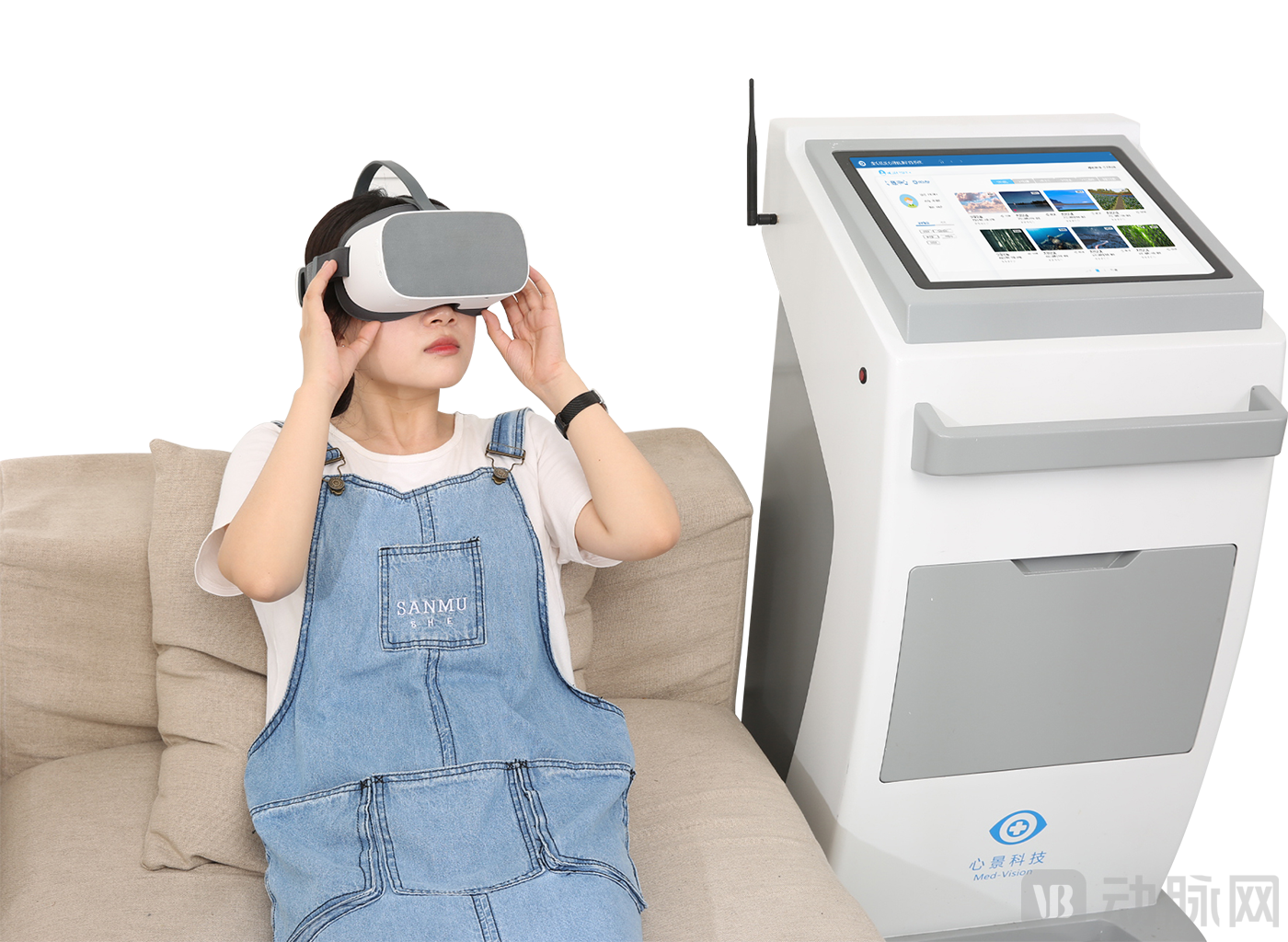
Xinjing Technology's Mental Health DTx Training System
Xinjing Science and Technology has established scientific research collaborations with the Zhejiang Mental Health Center, the Shanghai Mental Health Center (National Clinical Base), and the Zhejiang Rehabilitation Medical Association. It has also entered into clinical application research partnerships with more than ten leading national and regional hospitals in China, including the Institute of Psychology at Central South University (the chair unit for psychiatry and psychology in China), Huashan Hospital Affiliated to Fudan University, Zhongshan Hospital Affiliated to Fudan University, Renji Hospital Affiliated to Shanghai Jiao Tong University School of Medicine, the PLA General Hospital (301 Hospital), the PLA Mental Health Center (102 Hospital), and the Zhejiang University Mental Health Center.
According to statistics, by the end of August, there were 8 national-level research projects, more than a dozen provincial and ministerial-level projects, and several institutional-level projects conducted in collaboration with major hospitals and Xinjing Technology. For instance, Xinjing Technology has secured national-level project approvals and established subsequent implementation partnerships with three national clinical centers: The Second Xiangya Hospital of Central South University, Shanghai Mental Health Center, and Hebei Sixth People’s Hospital, focusing on areas such as addiction, sleep disorders, and geriatric cognition.
Meanwhile, Xinjing Science and Technology’s remote assessment system is also under development, with the capability to connect both B-end and C-end users in later stages. It is reported that over 100 hospitals have already purchased and implemented Xinjing’s products, accumulating data on a scale of tens of thousands. This provides a robust foundation for future product optimization and the advancement of artificial intelligence.
Furthermore, Cao Qun introduced that Xinjing Technology has established a business model. “First, grounded in traditional medicine, it delivers high efficiency and an enhanced experience to hospitals on the B2B side, enabling patients to receive high-quality diagnosis and treatment plans. Second, it leverages a cloud platform to accumulate data on therapeutic methods, patient treatments, and rehabilitation training. Third, through the cloud platform and wearable devices, it provides remote services such as diagnosis, assessment, and training for patients.”
Regarding future plans, Cao Qun stated that Xinjing Technology strives to become a benchmark enterprise in China's digital healthcare sector. The company is committed to continuously researching, developing, and optimizing its products, and leveraging cloud platforms and the establishment of internet hospitals to extend the reach of its solutions from hospitals down to communities and households.
Mr. Zhou Yujian, Managing Partner of Med-Fine Capital, the lead investor in this round, stated, global digital therapeutics have maintained triple-digit growth in recent years, and China has also begun to exert force in this field. Digital therapeutics are expected to achieve rapid development in the area of mental and psychological disorders. We believe that the potential of digital therapeutics in the Chinese market will be gradually unlocked in the coming years.
In the early window of opportunity for the digital therapeutics industry, a startup’s sustained R&D capabilities, sales execution, and business model are critical. Hangzhou Xinjing Science and Technology Co., Ltd. possesses these advantages. We also hope that our collaboration with Xinjing Technology will accelerate the industrialization of digital therapeutics and provide patients with more effective interventions.
Sheng Ying, an investor in this round and a senior investment expert, stated, digital health, particularly digital therapeutics, has recently garnered widespread attention. At its core, digital therapeutics involves designing and developing products based on the medical principles of specific diseases, in strict accordance with the requirements of evidence-based medicine, to achieve statistically significant therapeutic effects.
Digital therapeutics hold vast development prospects. Meanwhile, as digital therapeutics must integrate two entirely distinct industries—clinical medicine and information technology (IT)—product development is highly challenging. We believe that Hangzhou Xinjing Science and Technology Co., Ltd. is one of the few outstanding startups in the digital therapeutics sector.
Leveraging a team of medical experts and IT specialists, Xinjing Technology focuses on niche areas such as neurology, psychiatry, and psychology—where the efficacy of chemical drugs is limited—and has developed a pipeline of products currently under research. Through this investment, we aim to support Xinjing Technology in delivering effective and sustainable digital therapeutic solutions to the vast population of patients with chronic diseases in these fields at an earlier stage.
Deng Du, Investment Partner at Yanmucao Capital, stated as a previous-round investorIn 2018, before the rise of digital therapeutics, we invested in Hangzhou Xinjing Science and Technology Co., Ltd. after recognizing its potential for growth. As digital therapeutics evolved from an initial concept to full-scale industrialization, the Xinjing team, like every entrepreneur, faced considerable skepticism and misunderstanding. Nevertheless, in the face of these challenges, the Xinjing team remained committed to continuously exploring the connotation and essence of digital therapeutics, thereby pioneering their application in the field of mental health.
We believe that the digital therapeutics sector offers vast opportunities in the Chinese market. We are confident that the Xinjing team will carve out a distinctive path in this field, addressing more practical and urgent needs for patients.
As the financial advisor for this financing round, Shang Shengjie, Chief Learning Officer of Beike Xueshe, statedSince our initial engagement with Xinjing Medical in 2017, every step has been taken with solid footing. As a serial entrepreneur with a medical background, Cao Qun possesses acute market sensitivity and a profound understanding of the essence of medical products, instilling confidence that his company will effectively address patient needs in the future. VCBeat Academy is delighted to accompany Hangzhou Xinjing Science and Technology Co., Ltd. on its growth journey.
About Xinjing Technology
Hangzhou Xinjing Science and Technology Co., Ltd. was established in August 2016, focusing on digital therapeutics in the field of psychiatric, psychological, and neurological health.
Leveraging modern medicine to lead virtual reality (VR) technology, the company is a national-level high-tech enterprise and among the first in China to apply VR technology to psychological rehabilitation and brain rehabilitation, providing comprehensive healthcare solutions. Its products harness the immersive, interactive, and imaginative features of VR technology, offering a new pathway for the application of emerging technologies in medical rehabilitation. To date, its solutions have been procured and put into clinical use by more than 200 Grade A tertiary hospitals and specialized hospitals.
About Med-Fine Capital
Med-Fine Capital is a specialized investment fund focused on the pharmaceutical, healthcare, and life sciences sectors. The fund’s team possesses deep industry expertise, extensive sector resources, and professional investment experience in the pharmaceutical and healthcare fields.
To date, the fund has completed investments in over 50 emerging companies, including Tian Guangshi, Hanyu Medical, Zanrong Pharma, InnoMicro, Xinqing Medical, LinkMed, Ansong Technology, Libang Pharmaceutical, Pengli Biologics, Collibri, Yehui Pharma, Anrui Biologics, Zhongyi Anke, and Zhongke Gene.
Guided by the philosophy of “focusing on pharmaceuticals, healthcare, and life sciences, leveraging capital value, and rewarding trust,” Med-Fine Capital is committed to becoming a renowned, open-platform professional pharmaceutical investment fund with outstanding international competitiveness.
About Beike Academy
Beike Academy, with Professor Zhu Xun serving as Honorary President, has a board of directors composed of twelve passionate industry leaders—including academicians, entrepreneurs, clinical experts, and scholars such as Li Xiaokun, Zhou Caicun, He Ruyi, Yu Guoliang, Cao Xiaochun, Cai Jiangnan, Wang Jian, Pu Zhongjie, and Wang Donghui. Dedicated to identifying and nurturing the next generation of healthcare business leaders, the academy has become the “Whampoa Military Academy” for entrepreneurs in the medical and health sector. To date, it has served over 200 entrepreneurs, with cumulative alumni financing exceeding RMB 40 billion.