

Stanford Digital Health Innovation Forum Unveils New Insights and Opportunities in Digital Healthcare
September 25, 2021The “Stanford Digital Health Innovation Forum,” an in-depth, closed-door offline event co-hosted by the Stanford Beijing Alumni Association and the Stanford Future Healthcare Club, was held at the Tsinghua Happiness Technology Laboratory.. Entrepreneurs, scientists, investors, and industry experts from top-tier universities both in China and abroad, including Stanford, Harvard, Tsinghua University, Peking University, and Shanghai Jiao Tong University, who are focused on the digital health sector, participated in this event.
Industry Leaders Gather to Discuss Emerging Trends in the Future of Digital Health
Zuo Yuru, Partner at Zhong Lun Law Firm: "Regulatory Rules for Digital Health Product Management, Data Security, and Information Protection"
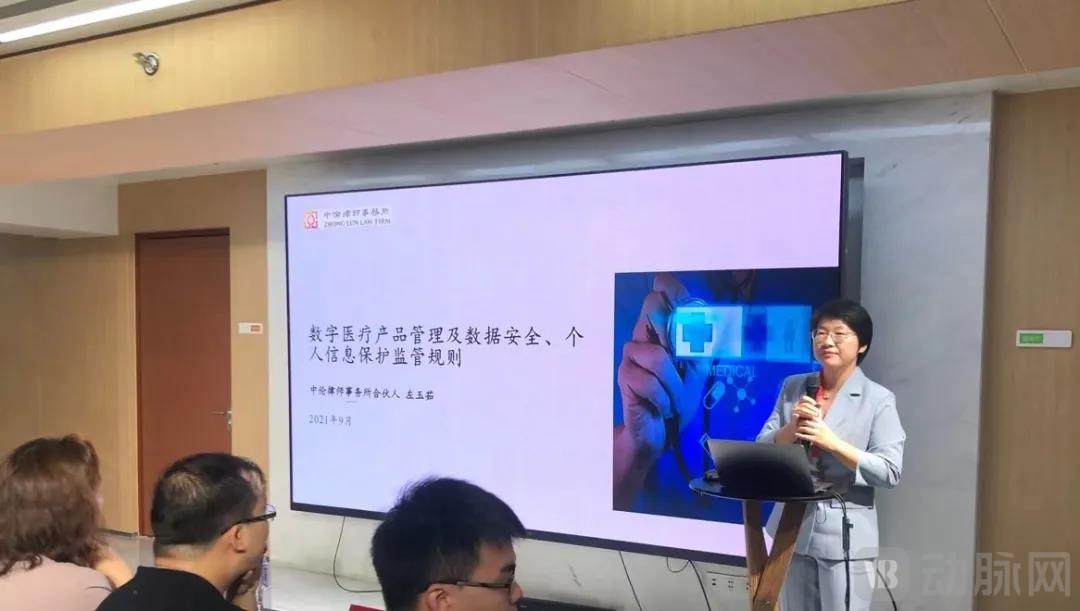
During our R&D process, substantial amounts of data are required to train our algorithms. How can we obtain such data? Data acquisition cannot be conducted arbitrarily. A common misconception is that one can simply engage a data operations company, sign a contract, and have them provide the data. Many companies adopt this approach, but what problems may arise subsequently? First, the provenance of the data cannot be clearly demonstrated, rendering such data collection illegal. Second, if your product is classified as a medical device, the National Medical Products Administration (NMPA) will require you to disclose the sources of all data used for algorithm training during the medical device registration process. If the data do not originate from accredited medical institutions, they will not be accepted, resulting in significant losses for the enterprise. There are two distinct approaches to obtaining data from medical institutions; the first is where the medical institution provides only the data.
Another approach is scientific research collaboration, in which hospitals participate appropriately by providing relevant data through such collaborative efforts. What issues may arise under this model? First, there is the issue of personal information protection. Under the Personal Information Protection Law, if information can be linked to an identifiable individual, the rights to such information belong to that individual. Information that cannot be linked to an identifiable individual is not addressed here for the time being; however, once information is identifiable to a specific person, it belongs to that individual as the provider. Obtaining such data requires securing individual consent, and it is essential to ensure that medical institutions are capable of obtaining such consent. Previously, under the Personal Information Security Specification, there was an exception: medical institutions could use personal information for scientific research without obtaining individual consent. However, the Personal Information Protection Law is a higher-level statute, and this exception no longer applies. Second, there is regulatory oversight concerning big healthcare data and human genetic resources. Even when data cannot be identified as personal information, one should not assume it can be used arbitrarily. As previously mentioned, compliance with regulatory rules governing big healthcare data, human genetic resources, and related areas is still required.
Finally, here are some compliance recommendations for this scenario: First, standardize the cooperation agreements signed with hospitals. Second, obtain authorization letters from patients. Third, implement anonymization processes. Fourth, establish a business self-inspection system, which constitutes a major compliance framework.
Li Ximu, Dean of JD Health Traditional Chinese Medicine Hospital: "Business Layout of JD Health Traditional Chinese Medicine Hospital and Trends in Digital Innovation in TCM"
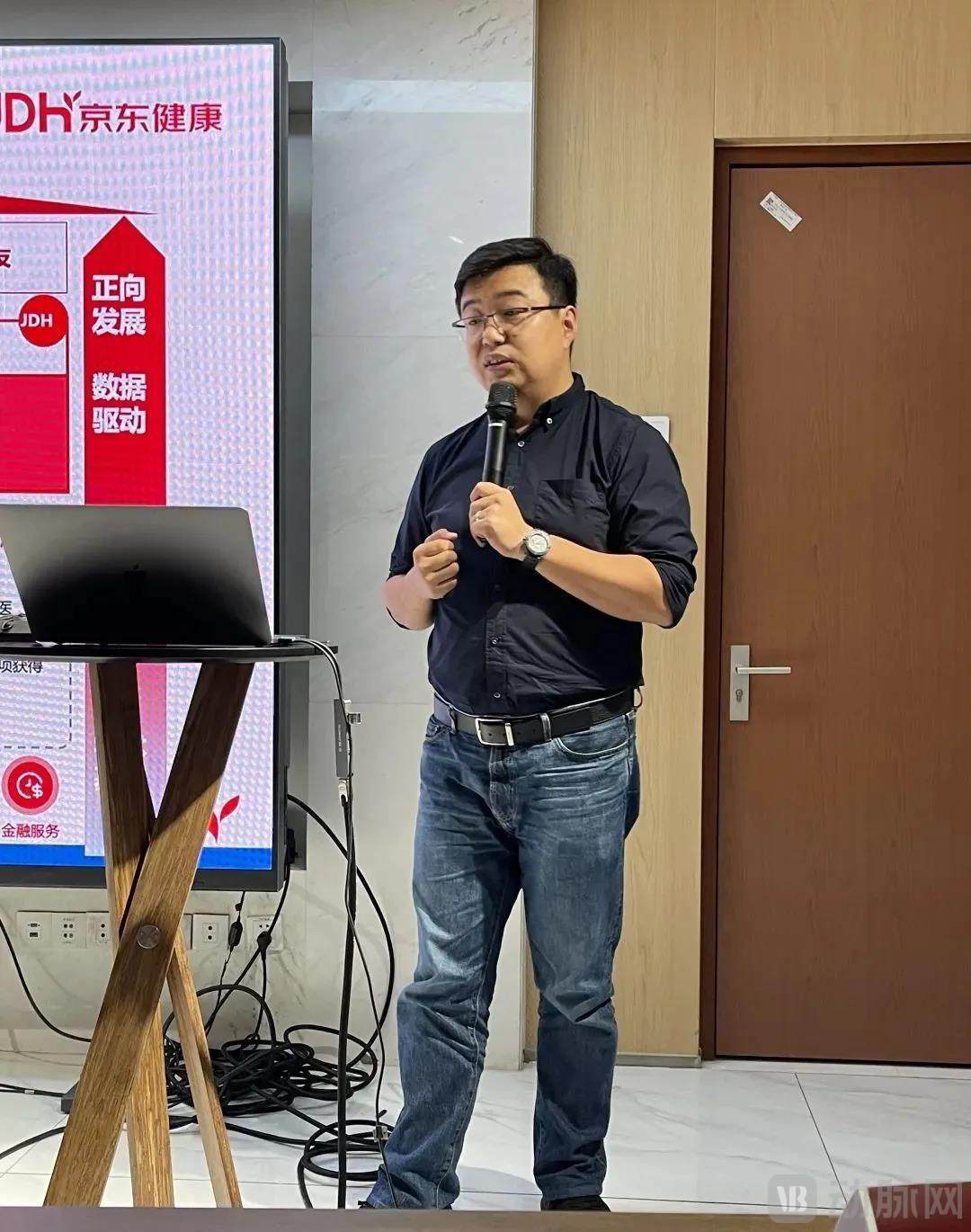
Regarding AI in Traditional Chinese Medicine (TCM), I understand that the overall landscape can be divided into three areas: first, AI-assisted clinical diagnosis and treatment for physicians; second, patient evaluation systems; and third, R&D of new drugs and TCM treatment protocols.
The number of physicians that a single online operations specialist can manage is inherently limited; thus, the physician headcount depends on the size of the operations team. Third-party companies providing such operational services are referred to as brokerage firms. For our partners, we represent the commercialization of academic expertise in Traditional Chinese Medicine (TCM). For TCM pharmaceutical companies, we leverage technology to reconstruct the TCM ecosystem. Here, “technology” refers to the integration of TCM academia and techniques with AI, the Internet of Things (IoT), and other advanced technologies, thereby redefining the TCM ecosystem and restructuring the mechanisms across the entire industrial chain. For the industry at large, we drive the standardization of TCM herbal decoction pieces and TCM treatment protocols. For end users, we offer a lifestyle. While Western medicine leans heavily toward serious medical care, TCM encompasses both serious medical care and consumer-oriented healthcare. In the market, revenue from consumer healthcare exceeds that from serious medical care. As we penetrate the entire ecosystem, TCM is positioned as a lifestyle.
We aim to collaborate with hospitals to establish offline channels, extending our online academic resources and technical capabilities to the physical setting. By strengthening expert-led academic initiatives, we seek to enhance the credibility of Traditional Chinese Medicine (TCM). We will drive this effort through a series of expert consensus statements, standardized guidelines, and specifications. Our approach centers on the supply chain, leverages in-clinic resources as a key touchpoint, and is academically driven, delivering comprehensive health management services across six major scenarios throughout the user’s entire lifecycle.
Tang Yinan, Investment Director at Yuanyi Capital: “Trends in Digital Healthcare Innovation and Entrepreneurial Opportunities”
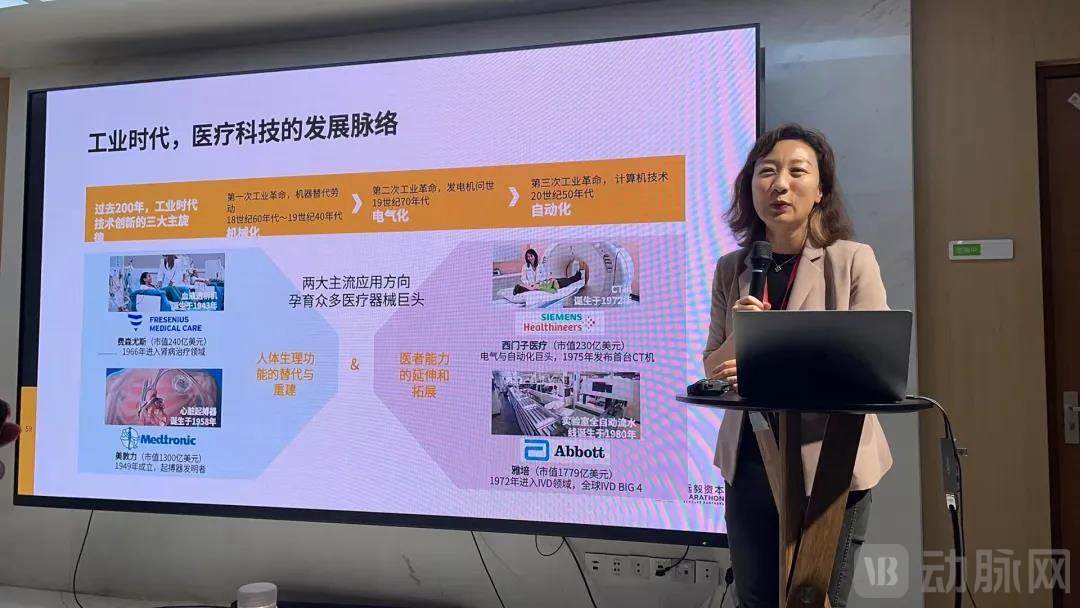
We can observe that the key features of digitalization—personalization, intelligence, and resource optimization—are particularly effective in addressing the three major unmet needs in current healthcare. We believe there are numerous promising avenues for entrepreneurs and investors to explore in this domain, which will deliver significant value to the industry.
We believe that digital technology will drive a new wave of medical innovation and entrepreneurship, reshaping the entire healthcare process. Currently, familiar medical services are fragmented and disjointed. As patients or family members of patients, we have all experienced the arduous journey of seeking care, which often results in a poor user experience. The current diagnosis and treatment model relies heavily on individual physicians’ experience, leading to significant issues in efficiency and quality. Furthermore, inadequate health insurance management has placed an unsustainable burden on both the state and the public. With the increasing integration and convergence of digital technologies, there is an opportunity to introduce novel solutions to the industry. The future direction will shift toward patient-centered, integrated diagnostic and therapeutic solutions, supported by personalized and intelligent tools throughout the care continuum. Meanwhile, data-driven health insurance management will enable multi-tiered payment protection, thereby facilitating the adoption of more advanced technologies in this field and delivering greater benefits to the general population.
At the micro level, the following three categories are poised to become major industry trends in the future: first, disease-specific course management and digital therapeutics; second, the development of new digital infrastructure; and third, AI in healthcare. Due to limitations in existing infrastructure, most current AI applications remain confined to medical imaging, as data generation in this field is relatively standardized.
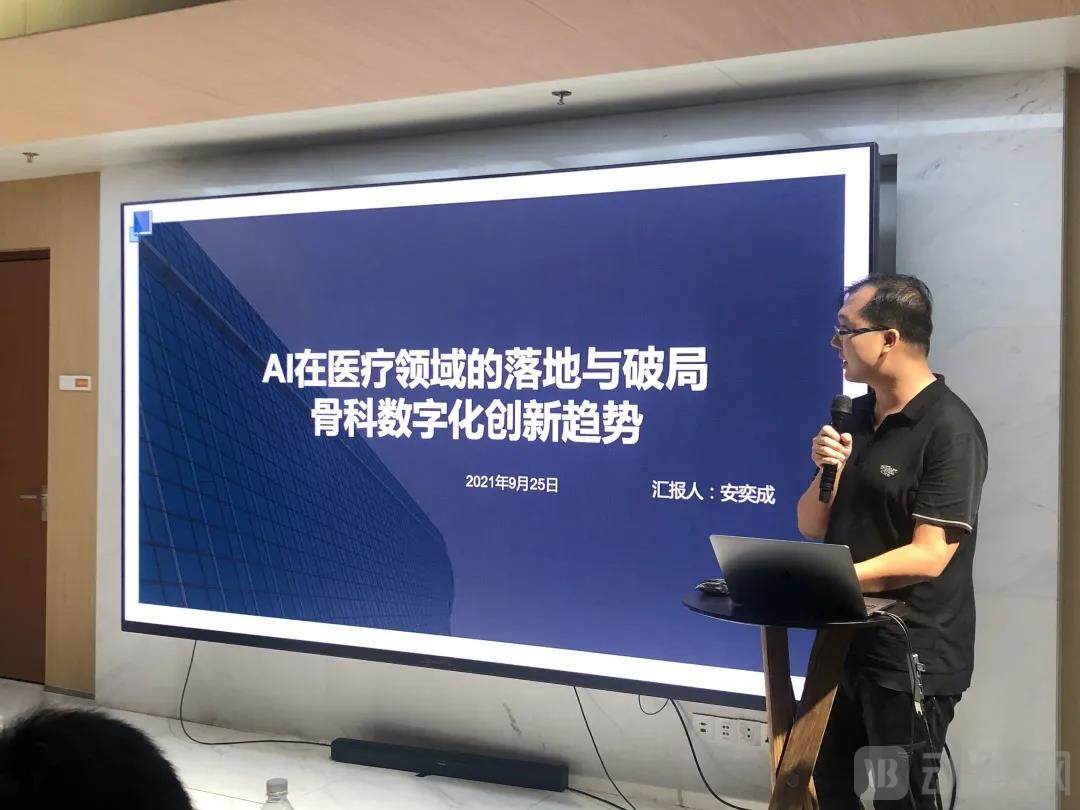
An Yicheng, Co-founder of Changmugu Medical: "AI Implementation and Breakthroughs in Healthcare, and Trends in Digital Innovation in Orthopedics"
First, any high-value consumables and medical devices associated with common diseases are likely to be included in centralized volume-based procurement (VBP). Once a product is included in VBP, it is the manufacturers that bear the brunt of price reductions. Therefore, how startup companies can profit from VBP is an interesting question.
Second, the recently popular digital marketing is correlated with volume-based procurement (VBP). For instance, revenue streams for agents or related parties associated with VBP have disappeared, yet products still need to be sold. Digital marketing leverages the internet, or Multi-Channel Networks (MCNs), to build product reputation by directly targeting consumers (C-end) through digital channels.
Third, in the realm of precision medicine, it is only with the introduction of new technologies and materials in AI and surgical robots in recent years that its practical implementation has become feasible. Around this model, although medical departments differ, their underlying principles are essentially interconnected.
Finally, regarding surgical robots, we have also discussed internally whether it is worthwhile to pursue this field. The costs associated with surgical robots are extremely high, encompassing both R&D expenses and equipment procurement costs. The combined cost for a three-unit surgical robot system ranges from 1.5 to 2 million yuan, representing a significant hardware investment. We initially hesitated, questioning whether such a high upfront cost and lengthy experimental cycle justified the endeavor. Ultimately, regardless of external opinions, we concluded that it is indeed worthwhile. Consider this: thirty years ago in China, many hospitals lacked CT and X-ray equipment; at that time, these technologies were considered luxuries for healthcare institutions. Looking forward twenty years from that perspective, surgical robots will become standard equipment in hospitals. While there will be considerable uncertainties along the way, I am confident that this outcome is inevitable.
Xu Xiaofeng, Chief Strategy Officer at Yifang Health Data: “Data Insights and Privacy-Preserving Secure Computing Practices in the Process of Digital Industrialization of Healthcare”
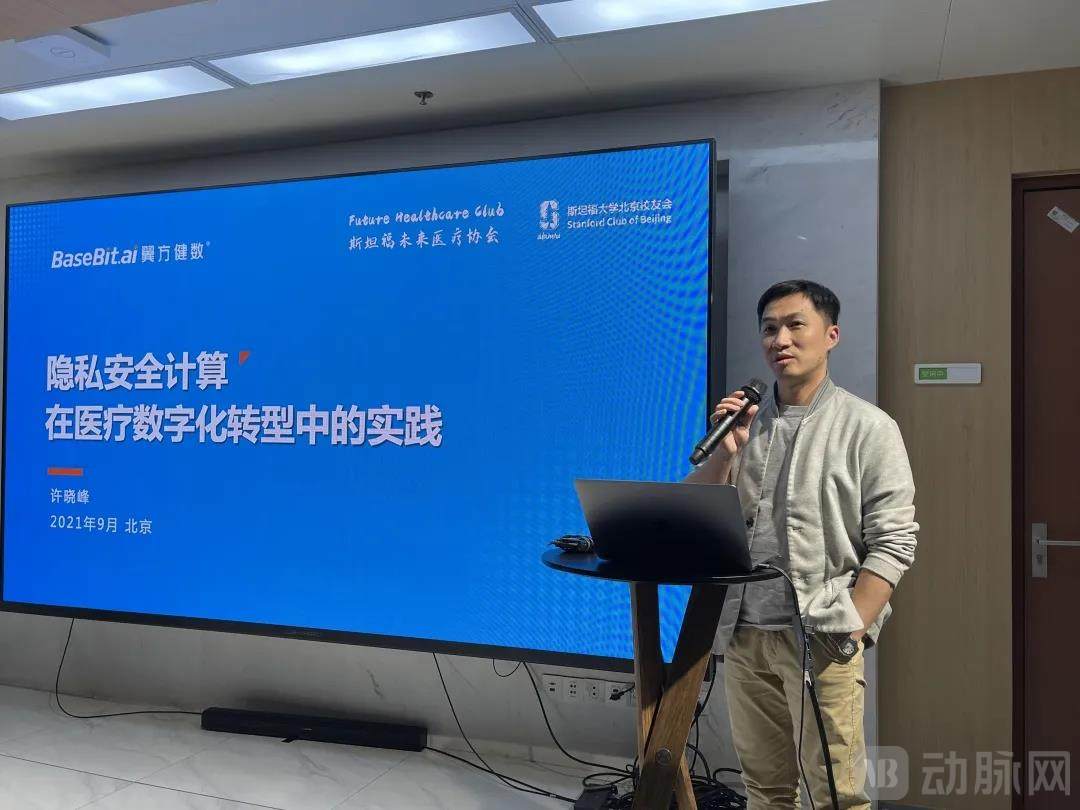
Each era has its most dynamic factor of production, which determines the competitiveness of nations at the center of resource allocation. In the agricultural age, it was land; in the industrial age, capital; and in the intelligence age, data. The ability to effectively leverage data and rapidly unlock its value will determine whether a nation can achieve dominance in the intelligence age.
The importance of data as a factor of production is self-evident. However, significant challenges remain in unlocking the value of data and accelerating its circulation.
In this context, privacy-preserving secure computation offers the optimal technical solution for achieving secure, compliant data interoperability and connectivity.
Privacy-preserving computation conducts data processing within a secure boundary, enabling data access and usage in a manner that is “available but invisible.” The entire process occurs within a trusted environment, where no data replication or sharing takes place, no change in data ownership occurs, and data never leaves the managed perimeter, thereby maximizing data security. This constitutes the core concept of privacy-preserving computation: throughout the computational process, raw data is not shared; instead, only the value derived from the data is shared.
The ultimate manifestation of data value lies in the capitalization of data assets. This process, however, hinges on platforms’ comprehensive capabilities in rights confirmation, pricing, trading, and value distribution. Therefore, unlocking data value at scale requires systematic thinking that encompasses not only computational technologies but also product design and methodologies.
Roundtable Forum: Focusing on New Trends in the Digital Healthcare Industry Through Q&A

Guest MHello, I am a faculty member in the Department of Psychology at Tsinghua University. I have just returned from the United States. In the U.S., the mainstream approach to psychological counseling is evidence-based therapy. However, China’s psychological counseling market operates on a commercial model that prioritizes customer satisfaction. My training in the U.S. was in clinical psychology under a medical school framework, with a focus on evidence-based therapies. I aim to leverage digital methods to widely promote techniques that have already been maturely developed in the U.S. However, I am uncertain whether, during the localization process and integration with the Chinese market, I should pursue a clinical trial pathway or proceed directly with commercialization. This is my current dilemma, and I would appreciate hearing your thoughts and perspectives.
Liu Changping: Let me offer a brief response to this student. It is not accurate to say that China’s healthcare system is not based on evidence-based medicine. Admittedly, commercialization trends are quite pronounced and have exerted considerable influence in this regard. Nevertheless, our current psychological counseling services rest on a very solid foundation. Personally, I have been engaged in the construction and operational management of medical institutions, including my experiences with Beijing United Family Hospital, Vista Medical Center, and later Shanghai DeltaHealth Hospital in Shanghai. In each of these institutions, we have provided mental health counseling services. Our physicians, both international and domestic, serve a relatively high-end clientele, primarily white-collar professionals with higher education levels, who are not easily swayed by purely commercial offerings. I am unsure how long you have been back or how much observation you have conducted. You may wish to carry out further research in this area. Indeed, the trend toward commercialization in China’s domestic healthcare sector is rather heavy, which is undesirable. However, I believe the foundation of evidence-based medicine is still widely recognized. Therefore, do not give up; continue your research along this line.
Guest YLet me add a brief comment. Having returned to China only six months ago after spending eight years in the United States, I have been reflecting on this issue while building my startup. We are currently focused on pain management, a field that shares certain similarities with both Traditional Chinese Medicine (TCM) and psychology: users believe they have some understanding, yet in reality, they do not. This misconception leads to a cognitive gap between what they want and what they truly need. Therefore, one of our key tasks is to deliver what they genuinely need, wrapped in the guise of what they desire. This presents a strategic choice: should we provide only what they need, or only what they want? I believe that by providing users with what they need, we can transform them into recipients of true value. This value will ultimately be perceived by users when they recognize that their needs have been met and their problems resolved. This is how enterprises create long-term value for users and, in turn, secure long-term value for themselves. In contrast, with Western medicine, patients typically lack understanding and must rely entirely on physicians, who hold complete authority; their recommendations, grounded 100% in evidence-based medicine, are rarely questioned. With TCM, however, people assume they understand it, but in fact, they do not.
Li Yang:The example of pain management just mentioned by Rui Qing is excellent. When examining the digitalization of Traditional Chinese Medicine (TCM), I often consider it alongside the digitalization of pain management. This is because research in both fields has revealed an interesting commonality: the pathophysiological mechanisms underlying pain remain unclear to this day, so whichever model offers a more plausible explanation is adopted. Turning to TCM, as Mr. Xi Mu previously noted, the digitalization of TCM gained significant momentum in 2019, driven by policies issued that year to promote the modernization of TCM. These policies directly encouraged many TCM-related enterprises to initiate their digital strategies. An intriguing aspect highlighted by Mr. Xi Mu is that Hengqin hosts China’s most concentrated industrial park for the TCM industry. Meanwhile, Macau has introduced favorable policies supporting the research and development of modern TCM, and Hainan has launched real-world studies, which provide substantial support for the development of modern TCM products. These initiatives involve extensive foundational work. It is important to note that we cannot simply equate this with Western evidence-based medicine, as the concept of “syndrome” (Zheng) in TCM differs fundamentally from “evidence” in Western medicine. This serves as a brief supplementary explanation.
Guest Speaker G:Hello everyone. I am a current PhD candidate specializing in medical AI research. I would like to ask Mr. Xu from Wingdata a couple of questions.You are working on federated learning. I recently read two articles regarding an early prediction model integrated into electronic health record (EHR) systems that is already in use in the United States. This model received FDA clearance and has been adopted by more than two-thirds of hospitals in the U.S. While the initially reported model performance boasted an accuracy of over 80%, real-world validation involving more than 10,000 cases over nine years revealed an accuracy of only slightly above 60%. You mentioned earlier that AI models are also being used in many hospitals in China. Have you encountered similar discrepancies?My second question concerns data availability across different hospital tiers. Tertiary Grade A hospitals have superior medical resources and access to abundant data, whereas secondary hospitals have significantly less information available. When developing models, having access to more data from tertiary hospitals may allow for the creation of better-performing models. However, if we prioritize model generalizability, this approach may not be favorable for ordinary hospitals, as they often struggle to meet the high data quality requirements. If we develop a model tailored to a specific region, does it require separate validation? And if we switch to a different model, must we repeat the entire process to conduct a comparative study? Given that such workflows and cycles are lengthy, how do you view the subsequent promotion and adoption of AI models in clinical practice?
Xu Xiaofeng:The first question leans toward engineering and technology. The three pillars of artificial intelligence are computing power, algorithms, and data. To develop a high-quality model today, these three elements must be well-balanced. In theory, with cloud computing and other technologies available, you can acquire substantial computing power simply by investing financially. Many researchers are currently building models, laying a certain foundation. However, the most significant challenge now lies in data. High-quality, screened data is undoubtedly beneficial for your model. We are currently addressing issues related to data circulation, aiming to develop computational methods that facilitate broader acceptance of such data across the AI industry and other sectors.Regarding the second question: Does a medical model need to be retrained when deployed in a new scenario? The answer is yes. I previously worked on a project where, despite using what we considered an impressive dataset sampled from multiple hospitals to train a model, we still needed to perform additional training, optimization, and validation when deploying it at a specific hospital. This step is essential whether in medical imaging or natural language processing (NLP); it is an unavoidable path.These two questions are somewhat interconnected. If you have an efficient approach, you essentially require a robust automated process. We have already implemented some practices along these lines within our own computing platforms.
Attendee L:First of all, thank you to all the experts for your insights. I am from Unisound. I have a question for Mr. Tang. Our team is currently engaged in R&D related to DRGs and disease-specific quality control. I am aware that many companies are active in this space, including startups and listed companies such as Alibaba Health and iFlytek. When you invested in Yisheng Intelligence, what was your rationale? What was your investment logic? Do you anticipate the emergence of dominant players in this field in the future? Which companies do you consider to be performing well at present?
Tang Yinan:From my perspective, this is merely an entry barrier. Currently, most enterprises have not even developed such a product. Among the few that have, their accuracy rates fall far short of the required 95%. This reinforces my view that we should invest in companies with genuine technological capabilities capable of meeting the high demands and stringent standards of hospitals. One aspect of this product that we particularly appreciate is its self-improving nature: the more it is used in hospitals and the more feedback it receives, the more accurate it becomes. Hospitals only allow access to their data after the product has successfully won public tenders. Once integrated into hospital systems, physicians label the data daily. Since this product is used by every clinician, they receive immediate feedback on medical records; if errors are identified, corrections may or may not be made. The positive and negative labels provided by physicians generate a continuous stream of input, progressively enhancing the product’s accuracy. Therefore, we believe that while foundational technology must meet basic entry requirements, gaining access to more hospitals enables subsequent iterations, leading to the emergence of the "head effect" or market leadership advantage.I would like to add further context regarding our portfolio company. It began working on this initiative in 2017. The founder has a fascinating background: he is part of the post-90s generation (the first from this cohort I have invested in), formally trained in AI, and comes from a family with a long-standing medical heritage—a truly cross-disciplinary profile. When he returned to China to start his business in 2017, he initially aimed to develop a Clinical Decision Support System (CDSS). However, collaboration with hospitals revealed that poor data quality made any meaningful development impossible. To build an effective CDSS, one must first ensure rigorous control over medical record quality. Initially, this niche held no apparent commercial value. Nevertheless, due to their early start in 2017, they engaged numerous physicians to meticulously annotate a corpus of over one million records, a process that took several years.Quality control of medical records differs fundamentally from scientific research. Research often involves extracting keywords from medical records, requiring lower granularity and accuracy. In contrast, medical record quality control demands a 100% comprehensive understanding of each record at a deep level of granularity. This task is by no means simple. Their early entry provides a significant advantage. While I do not believe they are the only ones capable of doing this, the principle remains: in many digital healthcare sectors, first-mover advantage is critical. If you diligently develop the initial product, gain hospital recognition and access, and continue iterating, you will establish sustained advantages in product quality and other dimensions.
Guest H:I’ve noticed that the investment sector, including venture capital (VC), private equity (PE), and others, is increasingly shifting its focus toward earlier-stage investments. Even PE firms are sometimes investing in early-stage companies. Could Yinan please explain whether there has been a shift in the staging of investments? What are the reasons behind this trend toward earlier-stage investing? What criteria do you use for evaluation? What types of projects are more likely to receive your support?
Tang Yinan:Thank you, Professor Liu, for your question. I will attempt to provide an answer. First, I believe that investment preferences vary from person to person. Early-stage investing is inherently ambiguous; even the founding teams themselves are often uncertain about their ultimate direction and end state. As investors, our evaluation of projects is often a projection of our own backgrounds. Much like the parable of the blind men and the elephant, each investor perceives different reasons to invest or not to invest. Therefore, it is difficult to define a specific type of project that is guaranteed to secure funding. Similar to job hunting, matching a high-quality project with a compatible investor is challenging. This is why initiatives like Li Yang’s club, which bring together entrepreneurs and investors focused on this sector, can significantly improve matching efficiency.Regarding the trend of more funds moving into earlier stages, we have indeed felt pressure in early-stage investing. I attribute this to several factors. First, exit timelines in the healthcare sector have accelerated. For instance, listing requirements on the Hong Kong Stock Exchange have evolved. Previously, companies needed to obtain regulatory approvals, generate hundreds of millions in sales, and demonstrate profitability and revenue before going public. Now, companies can list shortly after obtaining regulatory approval. Consequently, the arbitrage opportunity between primary and secondary markets, which many private equity (PE) firms previously profited from, has diminished as exits have become smoother. To achieve meaningful multiples, investors must move further upstream into earlier stages.As investors who have always focused on early-stage opportunities, we recognize that early-stage and late-stage investing are fundamentally different. I have spoken with some funds that are relatively conservative; they find early-stage investing uncomfortable because it requires betting on a single strength (“long board”) while accepting that all other aspects may still be weaknesses (“short boards”). Otherwise, it would not be an early-stage venture. Therefore, shifting from late-stage to early-stage investing presents unique challenges. For us, specializing in early-stage investing necessitates distinct strategies. As Li Yang mentioned, we place significant emphasis on post-investment support. We believe that half of our value comes from helping a strong team explore the right direction, and the other half from helping them address their weaknesses.Early-stage investing is quite unique; it resembles farming—it is truly labor-intensive, requires a long-term commitment, and relies heavily on passion. In many ways, success depends on serendipity. I often tell my colleagues that when we invest in entrepreneurs, we look beyond the project itself. We seek alignment in values and life philosophies, as we will be working together for ten years or more, ultimately becoming partners in life as well as business.
About the Stanford Future Health Association
Stanford Future Healthcare Club, co-founded by Stanford University master’s students, doctoral candidates, and postdoctoral researchers specializing in digital health, drives innovation in the healthcare industry through deep collaboration and exchange between scholars, entrepreneurs, and technical experts from top-tier institutions such as Stanford, Yale, Harvard, and MIT, and Chinese healthcare entrepreneurs, investment professionals, policy experts, and media specialists.
How to Join: Obtain a recommendation from at least one existing member, and send a third-person bio that clearly demonstrates your long-term commitment to the digital health sector to the founder’s WeChat ID: leonstanford18.