

China's First PCI Procedure Completed with We-Med's ETcath Robotic System Marks Milestone in Vascular Intervention
Recently, Beijing Anzhen Hospital, Capital Medical University, performed a special PCI procedure, marking the first percutaneous coronary intervention surgery in China completed by a domestically developed and independently researched vascular interventional robot.
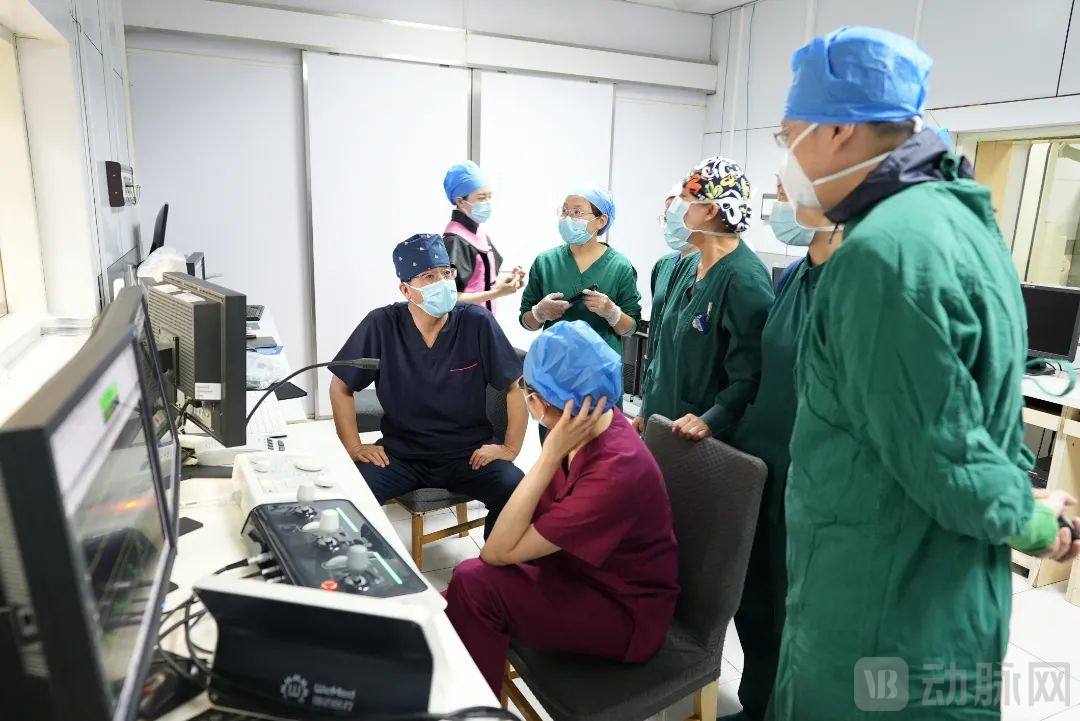
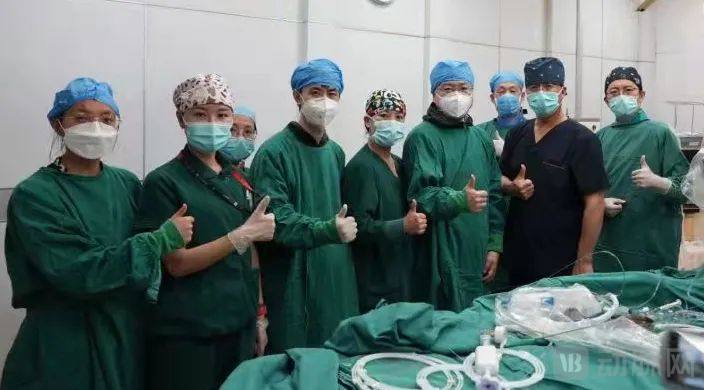
Professor Zhou Yujie’s Team at Anzhen Hospital and the Weimai Medical Robot R&D Team
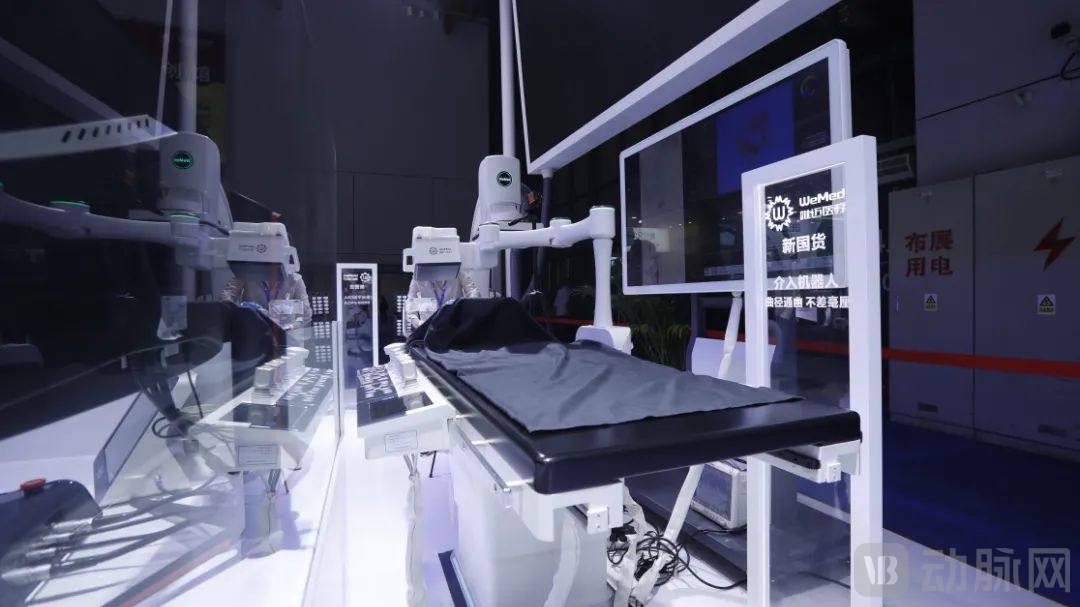
ETcath, a vascular interventional robot, is a minimally invasive vascular interventional surgical robot system with fully independent intellectual property rights. Developed by the Weimai Medical Robotics team, it recently completed its first percutaneous coronary intervention (PCI) procedure at Anzhen Hospital. Technically, this interventional surgical robot has achieved key breakthroughs in critical technologies for vascular interventional robotics, including high-precision bionic advancement of catheters and guidewires, haptic feedback for guidewires, control of multiple catheter types, and rapid detachment of 3-second sterile cassettes.
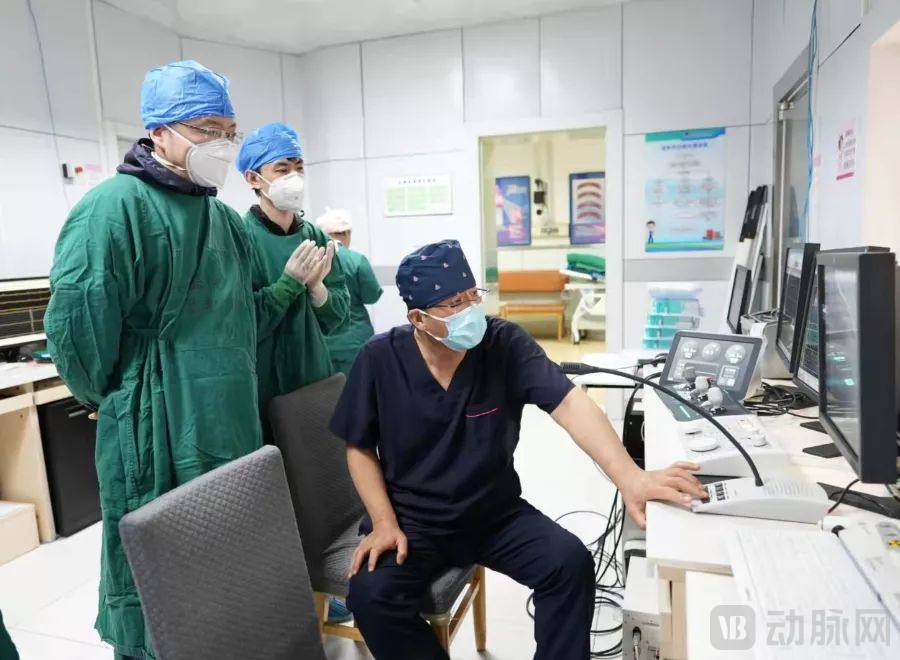
During the procedure, the physician manipulated the controls from the console in the monitoring room, while the ETcath vascular interventional robot precisely performed the percutaneous coronary intervention (PCI) on the patient in the operating room. The delivery of catheters and guidewires was smooth throughout the surgery, providing the operator with excellent haptic feedback, and all of the patient’s monitored parameters remained stable and within normal ranges.
A 50-year-old male presented with a two-year history of symptoms, and CT imaging revealed severe stenosis of the left anterior descending (LAD) artery. Due to the complex anatomy of the LAD, conventional manually operated guidewires tended to inadvertently enter side branches. The ETcath vascular interventional robot significantly enhanced procedural safety and efficiency by enabling precise control of guidewire advancement and retraction, as well as more accurate manipulation of guidewire rotation angles.
After the guidewire was properly positioned, controlled advancement of the IVUS catheter revealed significant vascular stenosis meeting the criteria for stent implantation; otherwise, there would be a risk of progression in the future. A stent was implanted following balloon angioplasty, and subsequent IVUS assessment confirmed good stent apposition. The entire procedure was performed using the ETcath vascular interventional robot.
ETcath Vascular Intervention Robot Successfully Enters Clinical Phase, Completing Its First PCI Procedure. This signifies that fully domestic, independently developed minimally invasive vascular intervention surgical robots will soon be deployed in clinical practice, helping to alleviate the shortage of high-quality interventional medical resources in China’s minimally invasive diagnosis and treatment sector.
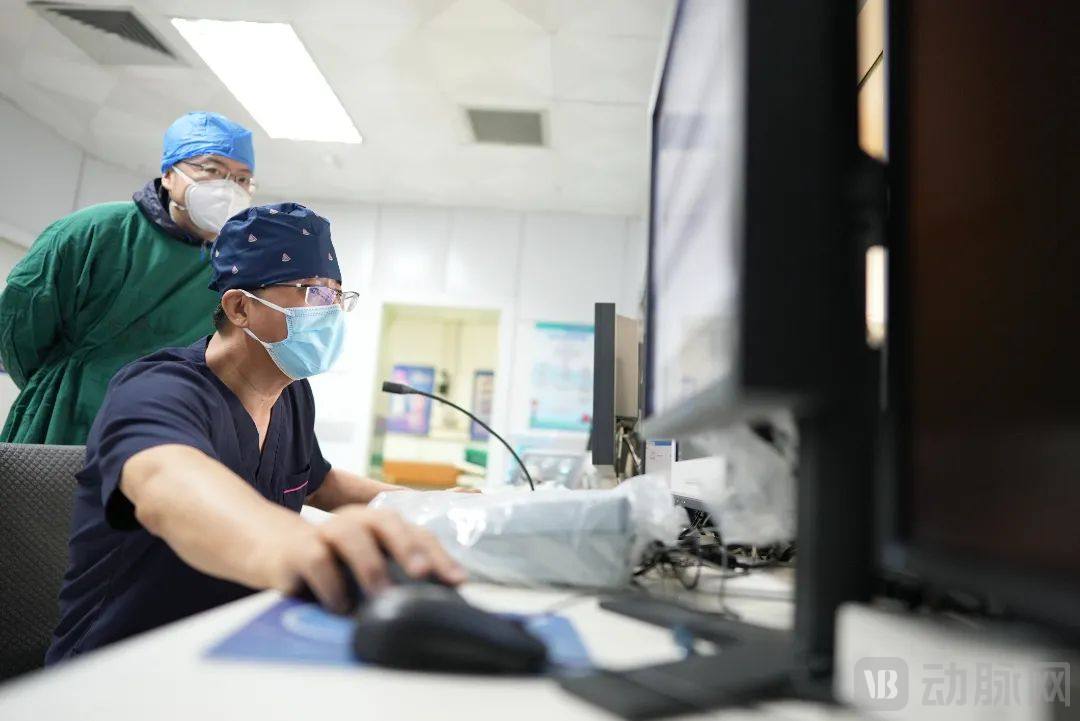
Professor Zhou Yujie Operates the Interventional Robotics System
Professor Zhou Yujie from Anzhen Hospital candidly stated, “Unlike traditional procedures that require operators to wear heavy lead aprons, I remained outside the procedure room throughout today’s surgery without wearing any lead protection. This approach maximally avoids radiation exposure from intraoperative X-rays. The entire procedure—including guidewire manipulation, balloon delivery, stent deployment, and IVUS catheter advancement—was performed by the ETcath vascular intervention robot.” As Professor Zhou noted, the ETcath vascular intervention robot currently enables remote console operation, shielding physicians from radiation hazards while significantly enhancing their professional well-being. With the rapid advancement of 5G technology, cross-regional remote surgeries will become feasible in the future.
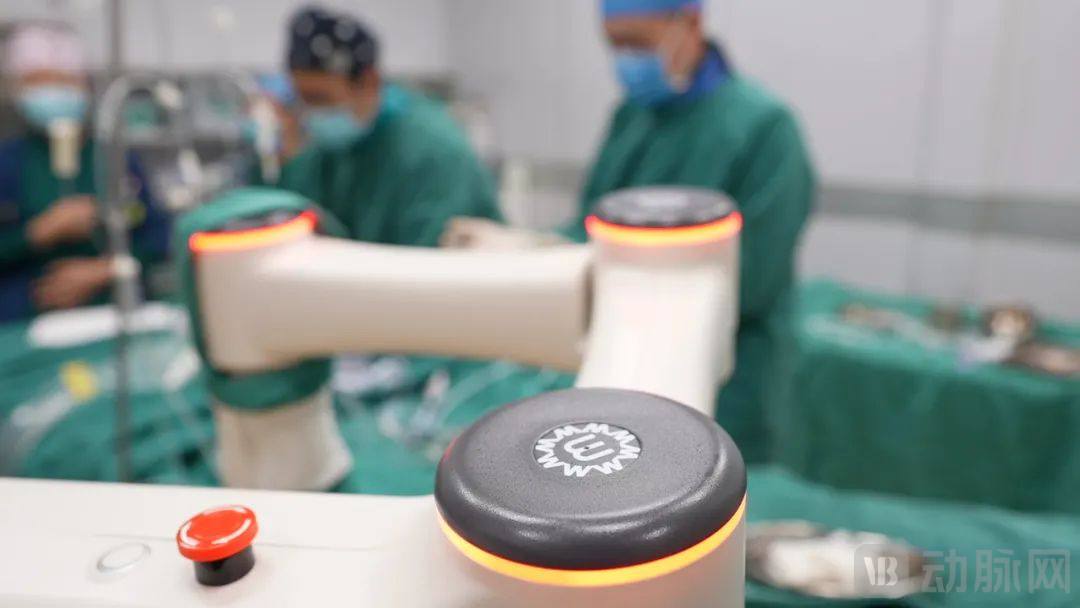
Vimai Medical - Interventional Robot
Key Advantages of Weimai Medical's Interventional Robotics System:
● Bionic propulsion design, fully simulating the precise pushing and twisting actions of the human hand, with high propulsion accuracy;
● Tactile sensing of the guidewire effectively ensures procedural safety;
● Capable of controlling multiple types of catheters;
● Proprietary sterile sterilization cassette with magnetic quick-release design, enabling 3-second assembly and disassembly;
● Deep integration with DSA imaging.
The adoption of interventional techniques at the primary care level is accelerating. Leveraging the massive bandwidth and “zero” latency characteristics of 5G technology, remote surgical operations by physicians are now feasible, significantly lowering the threshold for performing interventional procedures in primary hospitals and thereby expediting the widespread adoption of interventional techniques at the grassroots level.
As one of the most rapidly advancing branches of modern medicine, vascular intervention is poised to enter a new era. With the development of 5G technology and rapid advancements in artificial intelligence, vascular interventional robots may enable cross-regional surgeries in the future.
Surgical robots represent a promising direction for the industry’s development. Weimai Medical’s ETcath vascular interventional robot has secured over 100 patents domestically and internationally, establishing a technological stronghold in the field of vascular interventional robotics and solidifying its leading position within the robotics industry.