

AstraZeneca Launches Shanghai iCampus to Amplify Shanghai's Leadership in Global Pharmaceutical R&D
In recent years, driven by factors such as China’s rapid economic growth, continuous changes in the living environment, shifting health perceptions among the public, and an accelerating aging population, the biomedical industry has witnessed robust growth domestically. From the national government to local authorities, there is currently active strategic planning and support in place to foster the development of the biomedical sector.
Amid this trend, Shanghai has seized the opportunity by designating the biopharmaceutical industry as one of its three leading strategic sectors, continuously advancing its strategic layout and intensifying development efforts.For example, in terms of policy, Shanghai released the “Several Opinions on Promoting the High-Quality Development of the City’s Biopharmaceutical Industry” this year. The document outlines a comprehensive policy framework covering the entire industry chain—including R&D, clinical trials, manufacturing, and application—and clearly defines the development direction for Shanghai’s biopharmaceutical industry over the next three years. According to data from the Shanghai Municipal Commission of Economy and Informatization, the scale of Shanghai’s biopharmaceutical industry exceeded RMB 350 billion in the first half of this year, representing a year-on-year growth of 22.8%.
It is worth mentioning that, after years of accumulation,Shanghai Boasts Abundant Biopharmaceutical Resources, of the top 20 pharmaceutical companies worldwide, 18 have established their China regional headquarters or R&D headquarters in Shanghai; there are 57 national- and ministerial-level key laboratories, and its clinical research capabilities rank among the leading positions nationwide. Shanghai has become a global hub for leading pharmaceutical enterprises and a hotbed for medical innovation.
On the other hand,As one of the key foundational technologies for the future development of healthcare, artificial intelligence has also garnered significant attention in Shanghai and is flourishing.As of now, Shanghai is home to 1,149 key artificial intelligence (AI) enterprises, ranking fourth globally. The city has hosted the World Artificial Intelligence Conference multiple times, extensively drawing on wisdom from both domestic and international sources. The development of AI can provide greater technical support for breakthroughs in healthcare, which aligns with the requirements outlined in China’s 14th Five-Year Plan for developing smart healthcare and cultivating new advantages in the digital economy.
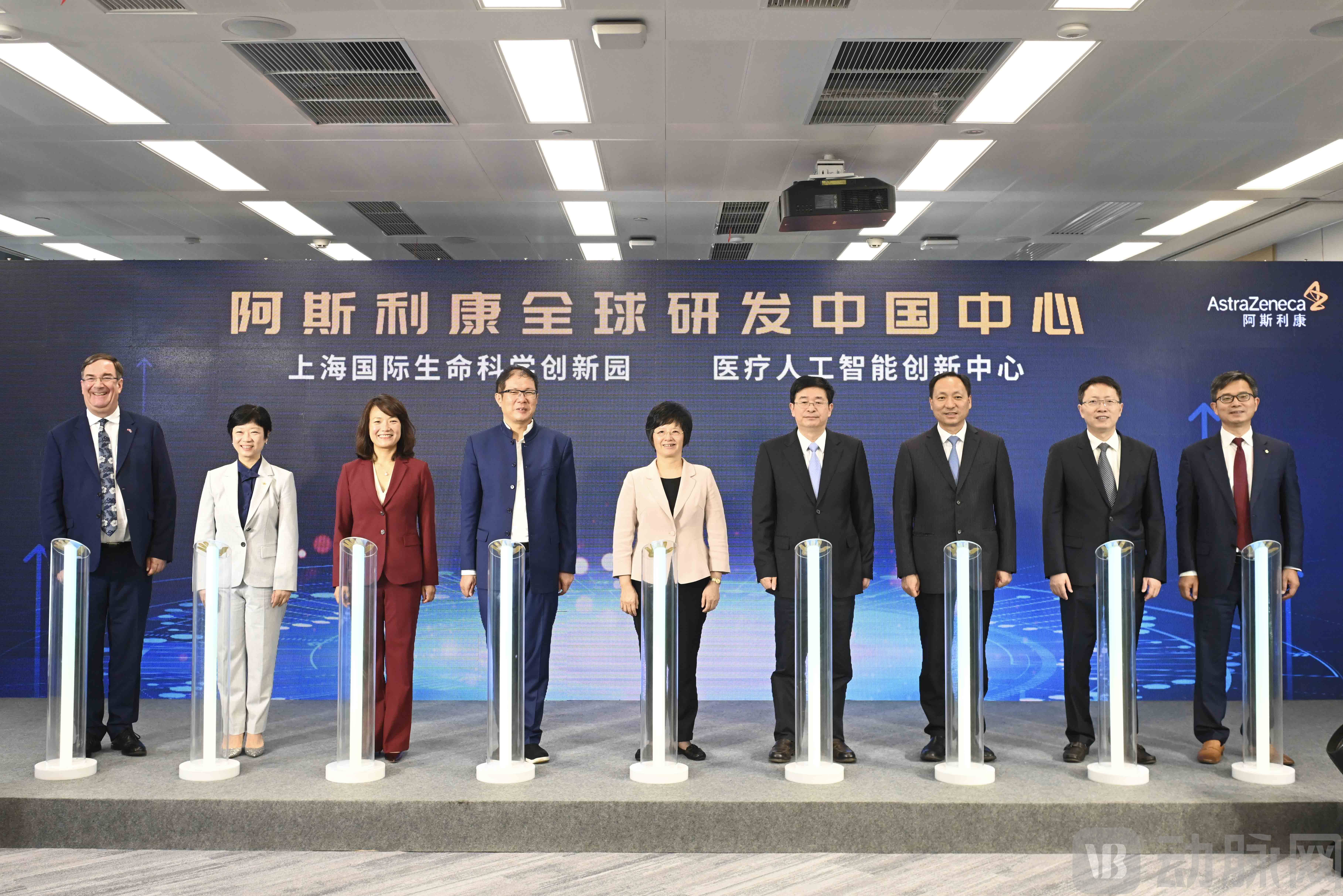
(AstraZeneca Global R&D China Center, Shanghai International Life Science Innovation Park, and Medical AI Innovation Center Officially Launched))
Seizing vast opportunities, AstraZeneca has also established its global innovation incubation network in Shanghai.On October 11, at the “International Summit on Innovation in Pharmaceutical R&D” hosted by AstraZeneca, the company announced the official launch of the Shanghai International Life Science Innovation Park (hereinafter referred to as “Shanghai iCampus”).With the simultaneous launch of AstraZeneca’s Global R&D China Center, AstraZeneca will further accelerate its independent research and development efforts while extensively collaborating with external R&D partners to achieve “dual-track” innovation through both internal and external capabilities.
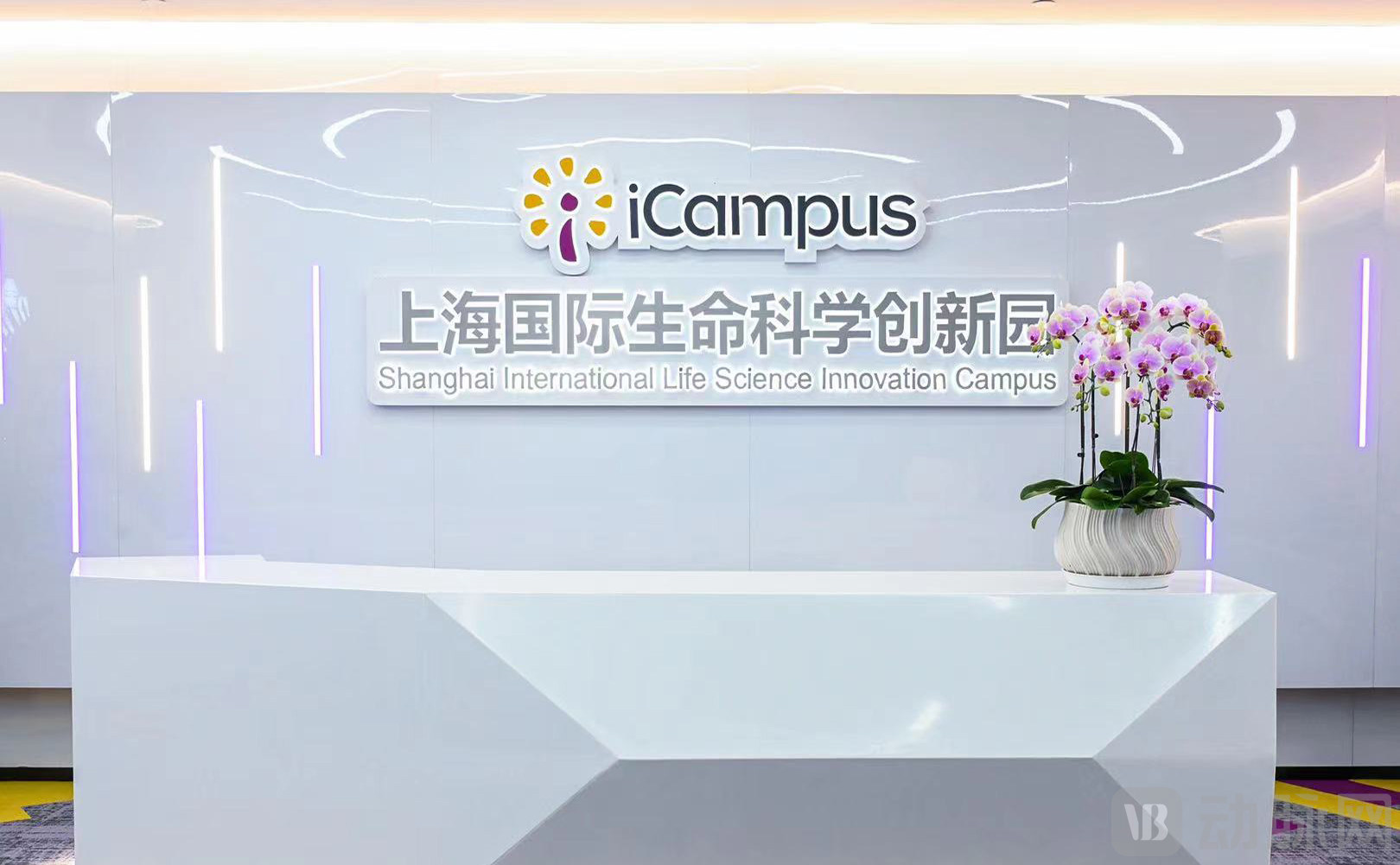
(Shanghai International Life Science Innovation Park)
From the perspective of future development, AstraZeneca’s establishment of iCampus in Shanghai will leverage its incubator’s resource-aggregation capabilities, thereby helping Shanghai become a world-class hub for the biopharmaceutical industry. This is because, thanks to its unique model of joint enablement through government-enterprise collaboration, iCampus and the healthcare innovation ecosystem it has built have garnered significant attention and recognition from various stakeholders in the industry, with operations already launched in Wuxi, Hangzhou, Beijing, Chengdu, and other cities.
Shanghai iCampus has confirmed the onboarding of two companies, Xingkangyuan and Haoyu, both of which are innovative enterprises with core competencies. For instance, Haoyu is a platform company that leverages digital technology and artificial intelligence to build an integrated system for digital medical data interaction between hospitals and research institutions in the cloud.
Why has Shanghai iCampus been able to rapidly attract a cohort of high-quality innovative enterprises? What are its unique advantages? What distinctive resources and support does it offer for companies establishing operations in Shanghai? And how does it empower these enterprises? In the following section, VCBeat will address these questions through a comprehensive review and analysis.
As a hub for innovation and entrepreneurship, the fundamental attribute of the industrial park is to provide enterprises with spaces tailored to their current development needs. This encompasses both physical space and the ecological space for startups. The iCampus model represents China’s first industrial park co-established by a globally leading multinational pharmaceutical company and the government, featuring distinct internationalization and innovation characteristics. The newly launched Shanghai iCampus is a life science innovation incubation platform jointly built by the People’s Government of Jing’an District, Shanghai, and AstraZeneca.
Shanghai iCampus will focus on AI and digital solutions in pharmaceutical R&D, disease prevention, diagnosis, treatment, and rehabilitation., which is driven not only by market demand in innovative healthcare-related fields but also by Shanghai’s unique advantages, including its abundant medical resources, strong scientific research capabilities, and vibrant innovation ecosystem.
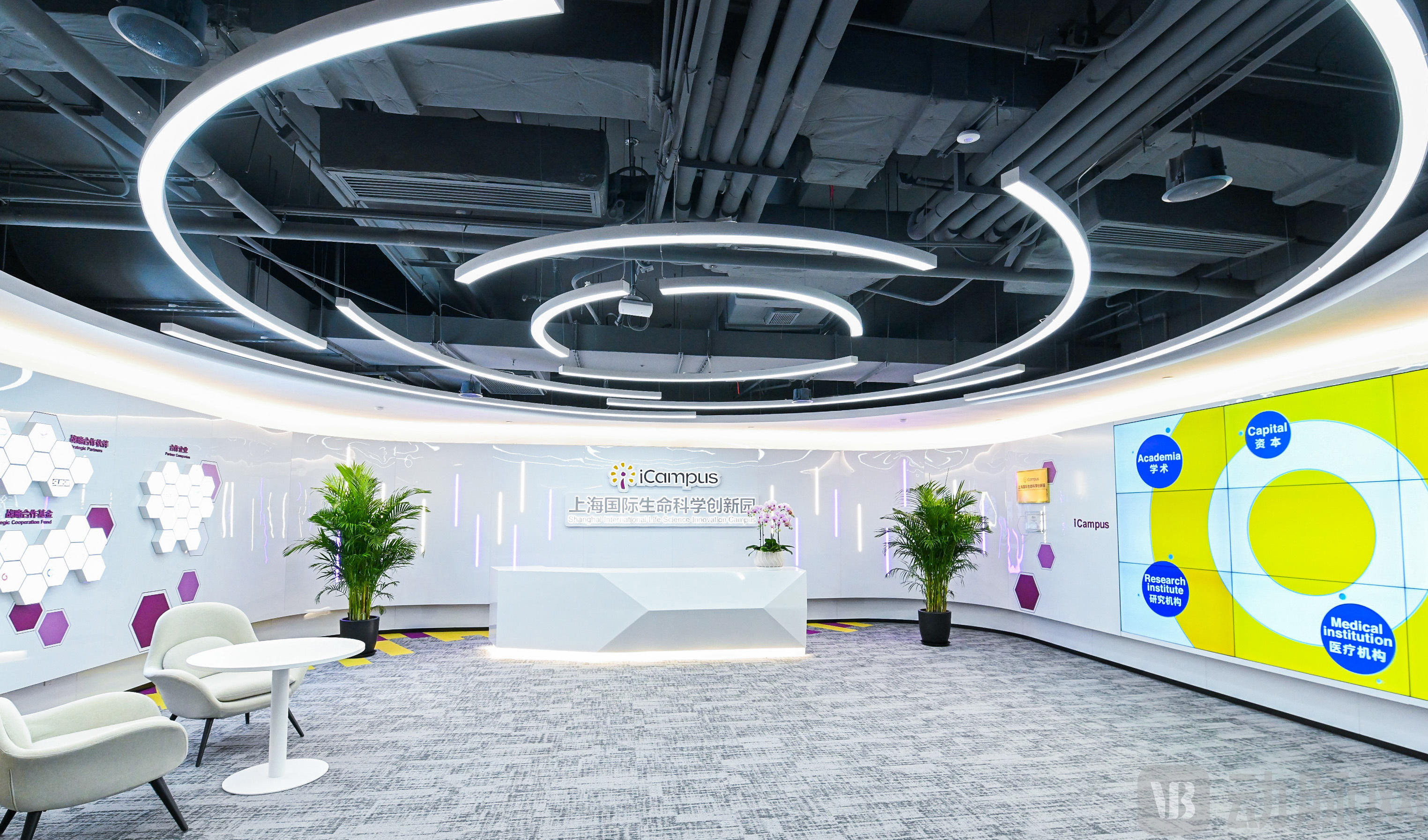
(Shanghai International Life Science Innovation Park)
In addition, with the support of multiple stakeholders from government, industry, academia, research institutions, healthcare, and investment sectors,Shanghai iCampus will collaborate with AstraZeneca’s Global R&D China Center and the Medical AI Innovation Center to strengthen platform-based empowerment for R&D, support the development of the medical artificial intelligence industry, enhance innovation synergy in the Yangtze River Delta region, and boost the international influence of the regional medical AI innovation cluster.
Take the first batch of companies slated to move in as an example. As China’s first biotech firm to integrate artificial intelligence with biophysics and high-throughput experimentation for the R&D of innovative drugs based on biomacromolecules and multispecific molecules, Xingkangyuan focuses its drug development pipeline on oncology and autoimmune diseases. Its current product portfolio spans three cutting-edge areas: biomacromolecule therapeutics (such as nanobodies and fusion proteins), multispecific molecules (such as PROTACs), and cell therapy. After relocating to Shanghai iCampus, Xingkangyuan is poised to collaborate with AstraZeneca’s business units and leverage the innovation park’s resource-integration advantages to accelerate business growth.
In addition to focusing on AI and digitalization needs in areas such as pharmaceutical R&D, Shanghai iCampus offers innovative enterprises support with highlights in the following dimensions:
1. Incentive Policies: Subsidies and incentive rewards covering various aspects, including R&D investment, equipment investment, tax incentives, talent acquisition, intellectual property, product industrialization, and corporate IPOs;
2. Spatial Carrier: The initial spatial carrier covers 1,000 square meters and is located in Yingkai Cultural and Creative Plaza in Jing’an District. It sits directly above the interchange of Metro Lines 8 and 12 at Qufu Road Station, connecting south to People’s Square, west to Shanghai Railway Station, and east to the Bund with views across to Lujiazui. The area boasts well-developed commercial amenities and faces Joy City along the street.
3. Commercial Acceleration: Leveraging AstraZeneca’s omnichannel commercialization platform to provide market insights in domestic and overseas markets, product concept validation, commercial innovation collaborations, sales licensing, and agency promotion;
4. Capital Support: Introduction to the AstraZeneca CICC Healthcare Industry Fund and the International Life Sciences Park Special Fund (in preparation), as well as coordination with park fund partners;
5. Mentorship Program: One-on-one coaching for resident enterprises, coupled with knowledge sharing from industry experts and innovation leaders, to support the growth of settled companies and help them achieve rapid commercial success;
6. Professional Services: In collaboration with professional CRO firms, we provide digital therapeutics innovators with end-to-end support spanning clinical protocol design, clinical trial execution, regulatory submission and approval, administrative services, tech-financial services, corporate publicity, and specialized third-party services.
7. Global Expansion: Leveraging the support of AstraZeneca’s global network, we facilitate the international expansion of innovative enterprises by assisting overseas companies in entering the Chinese market while also helping Chinese companies expand into overseas markets.
In recent years, hard-core technological innovation, represented by biomedicine, has become the main theme of development.
Whether it is the fact that technological innovation has become a top priority in China’s 14th Five-Year Plan, or the record-high global healthcare financing last year, which saw a 41% year-on-year increase, all signs at every level point to one conclusion:From macro-level policies to industrial investments, all efforts are directed toward fostering indigenous innovation in core technologies.This, in turn, is driving China’s rapid emergence as a global powerhouse in scientific research and innovation. As a hub for high-tech biopharmaceuticals in China, Shanghai undoubtedly boasts fertile ground for innovation.
For innovative enterprises, choosing a location for settlement is not merely about selecting a physical space, but rather about integrating into an innovation ecosystem.For the hard-core technology industry of biomedicine, to achieve sustained and steady development, it often requires the support and promotion of resources from various parties in the industry, including upstream and downstream enterprises, local governments, investment institutions, and industrial parks.
With its extensive innovative resources and global network, coupled with 28 years of presence in China, AstraZeneca has gained a deep understanding of and rich practical experience in the Chinese innovation market. As an important member of the global R&D network, the AstraZeneca Global R&D China Center is deeply involved in the company’s global new drug development efforts, spanning from pipeline planning and R&D strategy formulation to full-lifecycle product development and commercialization, covering a broad range of therapeutic areas including oncology, respiratory, immunology, cardiovascular, renal, metabolism, and rare diseases. As a continuously innovating, globally leading multinational pharmaceutical company, AstraZeneca not only remains at the forefront of digital health innovation but also serves as a key leader and driver in commercial innovation and transformation within the healthcare industry.
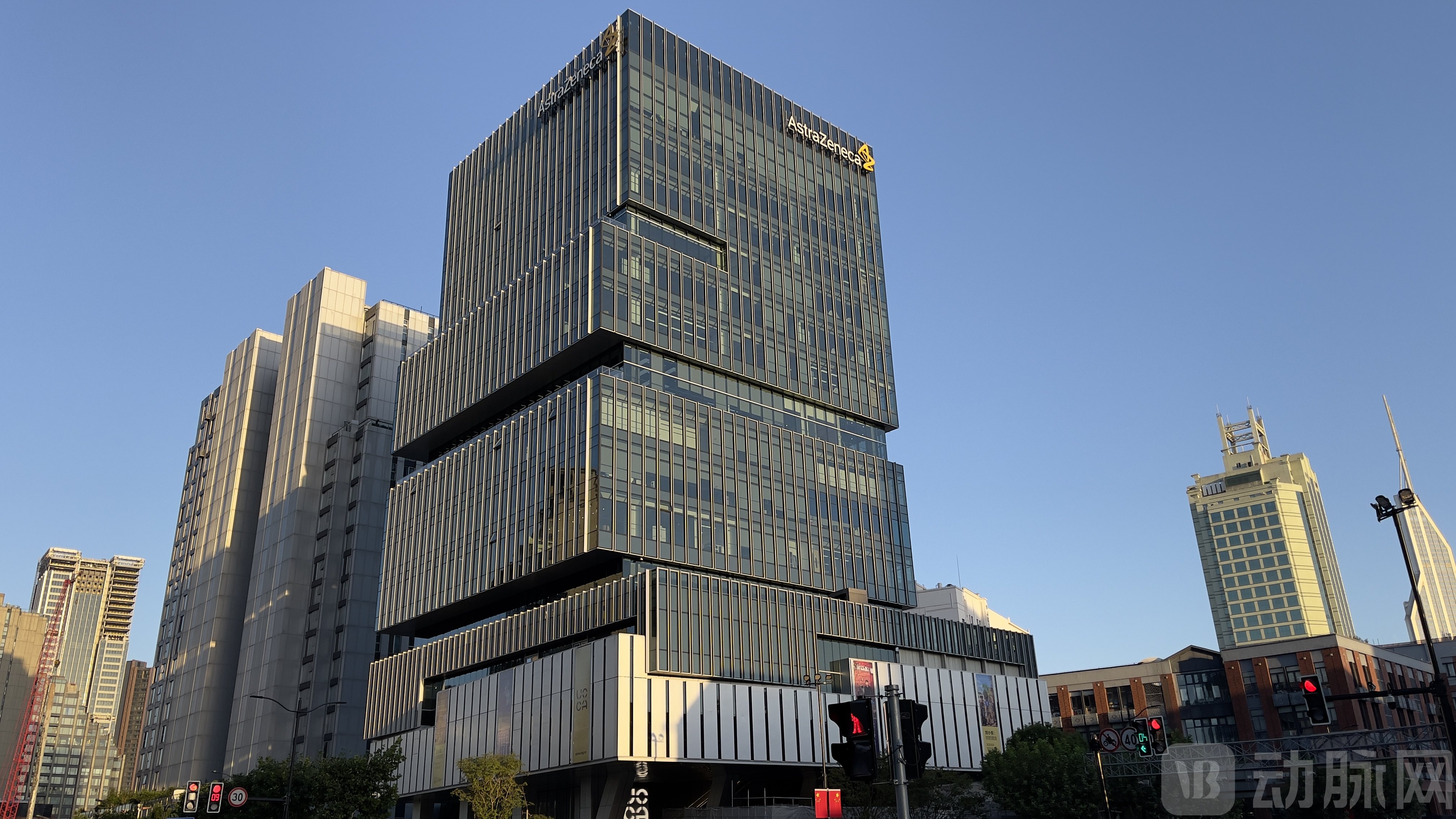
(AstraZeneca Global R&D China Center)
Following the simultaneous launch of Shanghai iCampus, AstraZeneca’s Global R&D China Center, and the Medical AI Innovation Center in Jing’an District,By leveraging its incubator role, it can horizontally expand R&D collaborations, helping to realize the vision of “In China, for China, serving the world.”
It is worth noting that,AstraZeneca is also actively participating in and building an internationally influential dialogue platform for the medical and biopharmaceutical industry—the 2021 Shanghai International Biopharma WeekAs a key platform for China’s international medical and biological industry hub, AstraZeneca, one of the leading healthcare enterprises among the first batch of strategic alliance partners, participated in and hosted the “International Summit on Innovative Drug R&D.” Through a series of events including “Development of Precision Medicine,” “AI-Assisted New Drug R&D Forum and China Innovation Challenge (Shanghai) – AstraZeneca Special Session,” “Innovation in Remote Intelligent Clinical Trials,” and “Development of Research-Oriented Hospitals,” the company focused on cross-industry collaboration in pharmaceutical R&D innovation, facilitating the local translation and industrialization of more international cutting-edge technologies and innovative achievements.
Taking the AI-Assisted New Drug R&D Forum and the China Innovation Challenge (Shanghai) AstraZeneca Special Session as an example, this thematic competition was hosted by the AstraZeneca Global R&D China Center and co-organized by Shanghai iCampus, the National Technology Transfer Eastern Center, and the Shanghai International Technology Trading Market. Focusing on eight key digital innovation needs in pharmaceutical R&D, the event solicited solutions globally and precisely matched 24 of them. Following evaluation by a panel of technical experts, six high-quality companies have been selected to participate in live roadshows. These participating companies not only engaged in face-to-face exchanges with the AstraZeneca Global R&D China Center but also leveraged this platform to facilitate in-depth discussions with multiple investment firms. This initiative has stimulated synergy between industry and capital, while creating opportunities for future R&D collaborations between innovative enterprises and AstraZeneca.
In summary, leveraging Shanghai’s leading position in the development of China’s biopharmaceutical industry, the establishment of Shanghai iCampus has strengthened the platform-based empowerment of R&D, thereby advancing the construction of Shanghai’s biopharmaceutical ecosystem.Next, with the continued operation of Shanghai iCampus, an innovative medical ecosystem is flourishing.
In addition to its globally leading R&D capabilities, the ecosystem also boasts robust global market expansion capabilities.To date, AstraZeneca has established more than 17 international innovation incubation centers worldwide, located in the United States, Brazil, Argentina, Sweden, the United Kingdom, France, Israel, Russia, India, Singapore, Japan, Europe, and Canada. Furthermore, through iCampus’s collaborations with over ten leading global innovation institutions, innovative startups have the opportunity to leverage AstraZeneca’s commercialization network resources to deepen their presence in China and pursue global expansion.
Looking ahead, leveraging Shanghai’s regional advantages, AstraZeneca will actively foster more partnerships in R&D, build a more open and collaborative ecosystem for pharmaceutical innovation, serve as a key driver in Shanghai’s efforts to establish itself as a world-class hub for the biopharmaceutical industry, and jointly shape the future landscape of healthcare innovation.