IDSO Empowers Dental Clinics to Build Growth Engines Amid Industry Acceleration
By: Lu Jie
Editor: Hu Xuan
Growth has now become the shared goal of the vast majority of enterprises.
In recent years, content on “growth” has spread widely across various social networks, covering a broad range of topics including user growth, economic growth, and value growth.
However, industries differ, and the definition of growth varies across sectors. As a hotspot in recent years, how should the connotation of growth within the dental care sector be defined and understood? It is crucial to emphasize that, due to the unique nature of the medical services industry, rapid high-speed growth has never been a possibility. The term “growth” here refers to steady growth that exceeds the industry’s average growth rate.
In response to the aforementioned issues, this article will proceed to analyze the situation from dimensions such as the domestic oral care market and the development of dental clinics.
Looking at developed countries in Europe and the United States, as well as other regions, certain key milestones have invariably occurred as their dental industries entered their “golden decade.”
From 1955 to 1965, the rapid economic boom in the post-World War II United States spurred a greater emphasis on quality of life, propelling the dental industry into a period of significant growth;
From 1978 to 1988, Japan was in the midst of an economic boom. As national consumption levels rose, the oral healthcare services sector experienced rapid growth and expanded its market presence.
From 1988 to 1998, dental care was incorporated into the national health insurance system in Taiwan, leading to market expansion and ushering in a golden age of development for the oral healthcare sector.
At that time (1978), China’s reform and opening-up policy had just begun. By 1988, although the initiative had achieved phased successes, with political stability and economic recovery, a clear and systematic blueprint had yet to emerge, and per capita income remained insufficient to support consumer spending beyond basic living necessities.
As a result, many industry insiders have raised questions:When will the "Golden Decade" of China's oral care market emerge?
By 2018, marking the 40th anniversary of China’s reform and opening-up policy, both the country’s GDP and per capita income had seen substantial growth. With heightened public awareness of oral health care, demand for dental services increased, leading to the emergence of a growing number of dental clinics.
According to the "Analysis Report on Sub-sectors and Overall Trends of China's Dental Hospital Industry in 2021" released by iiMedia Research, the latest survey data from July 2021 shows that 90.43% of the population in China currently undergoes regular oral health examinations. The vast size of the potential consumer base is sending a clear message to every dental professional: China's dental market is entering its "golden decade" right now and will usher in an era of "wild growth."
At this current juncture, inspired by the experiences of developed countries in Europe and America, and driven by new technologies in the era of digital intelligence,China's dental market enjoys an absolute late-mover advantage in its core growth.
It is important to recognize that the core competitiveness of the healthcare industry lies in the manual dexterity and experiential value of physicians. Driven by the advancement of 5G technology, AI has begun to permeate various consumer sectors, with healthcare emerging as a key area for AI deployment. From diverse diagnostic instruments in general hospitals to surgical robots, and further to chairside digital devices and equipment in dentistry—such as digital imaging scanners, intraoral scanners, and surgical guides for dental implants—these technologies are being widely adopted. By leveraging standardized operational procedures and precise technical execution, they free up physicians’ hands and enhance work efficiency.
In summary, the golden decade for China’s dental healthcare services has arrived.
For managers of dental outpatient clinics, the rapid development of the industry presents both opportunities and challenges.
For instance, the management of dental clinics in China has moved beyond the era of extensive,粗放式 operations and is transitioning toward refined, precision-based management. An increasing number of operators adhering to traditional, rigid models are being eliminated by the times. Consequently, service upgrades and managerial transformation have become critical challenges that all dental clinic administrators must address.
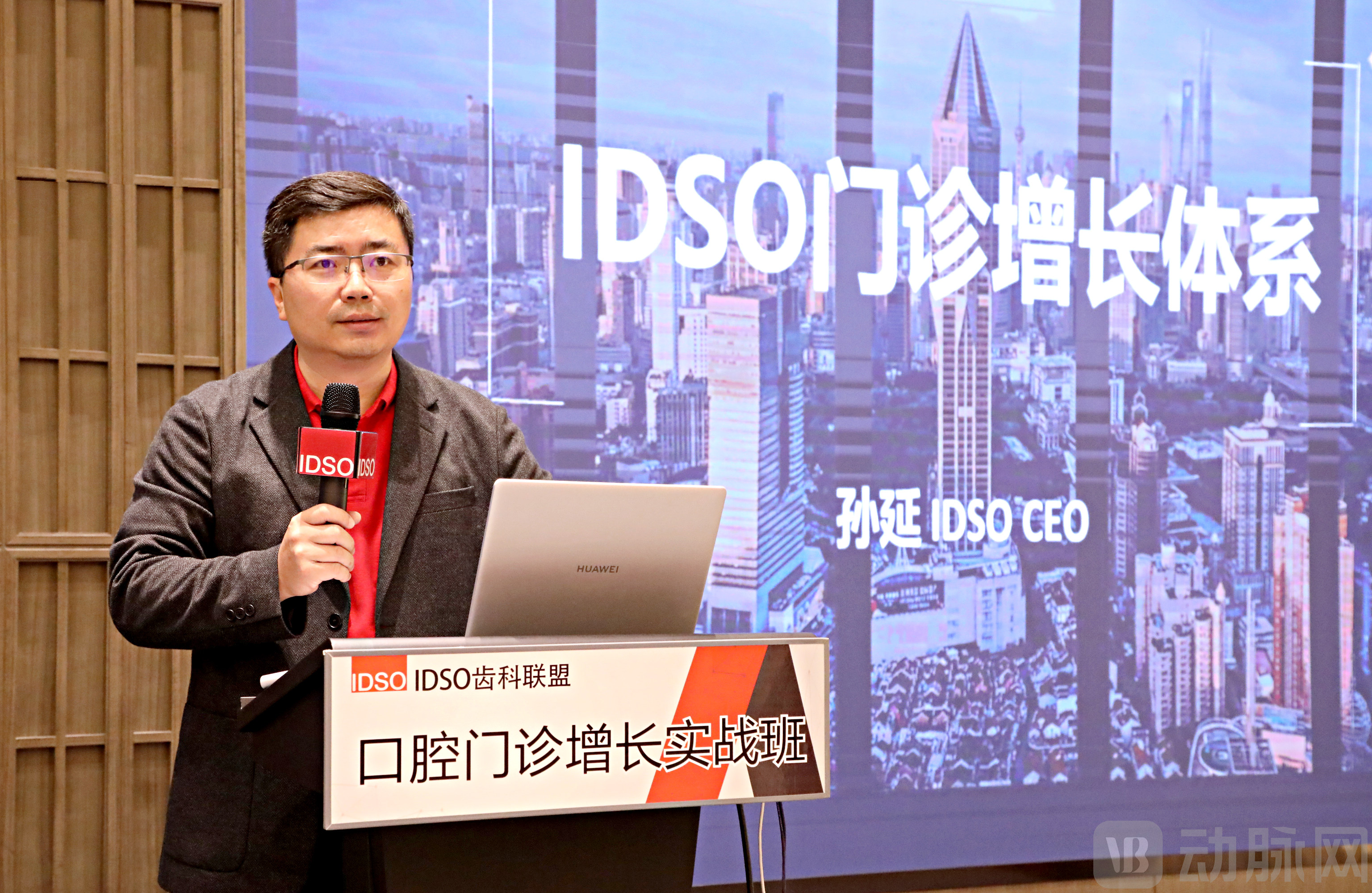
In this process, the IDSO outpatient growth system is gaining attention and welcome from the industry, with itsThe underlying logic is a comprehensive operational framework built around people: on the patient side, management shifts from focusing on patients to managing affected teeth and customer behavior, while on the clinic side, the focus is on improving dentists’ work efficiency.
Meanwhile, data has become the core factor of production in the new era, and how to extract value from data has emerged as the focal point of industry competition. Therefore, leveraging digital technologies to restructure the organizational framework and patient reception processes within the dental industry is also a key direction for IDSO’s efforts.
What, then, is the driving force behind outpatient service growth?
In detail, the growth of dental outpatient clinics is by no means driven by an increase in the unit price of medical services. Within the IDSO outpatient growth framework, core growth is primarily fueled by three key engines: MK (Marketing – Customer Function), MD (Merchandising – Medical Function), and MG (Management Controlling – Management Function).
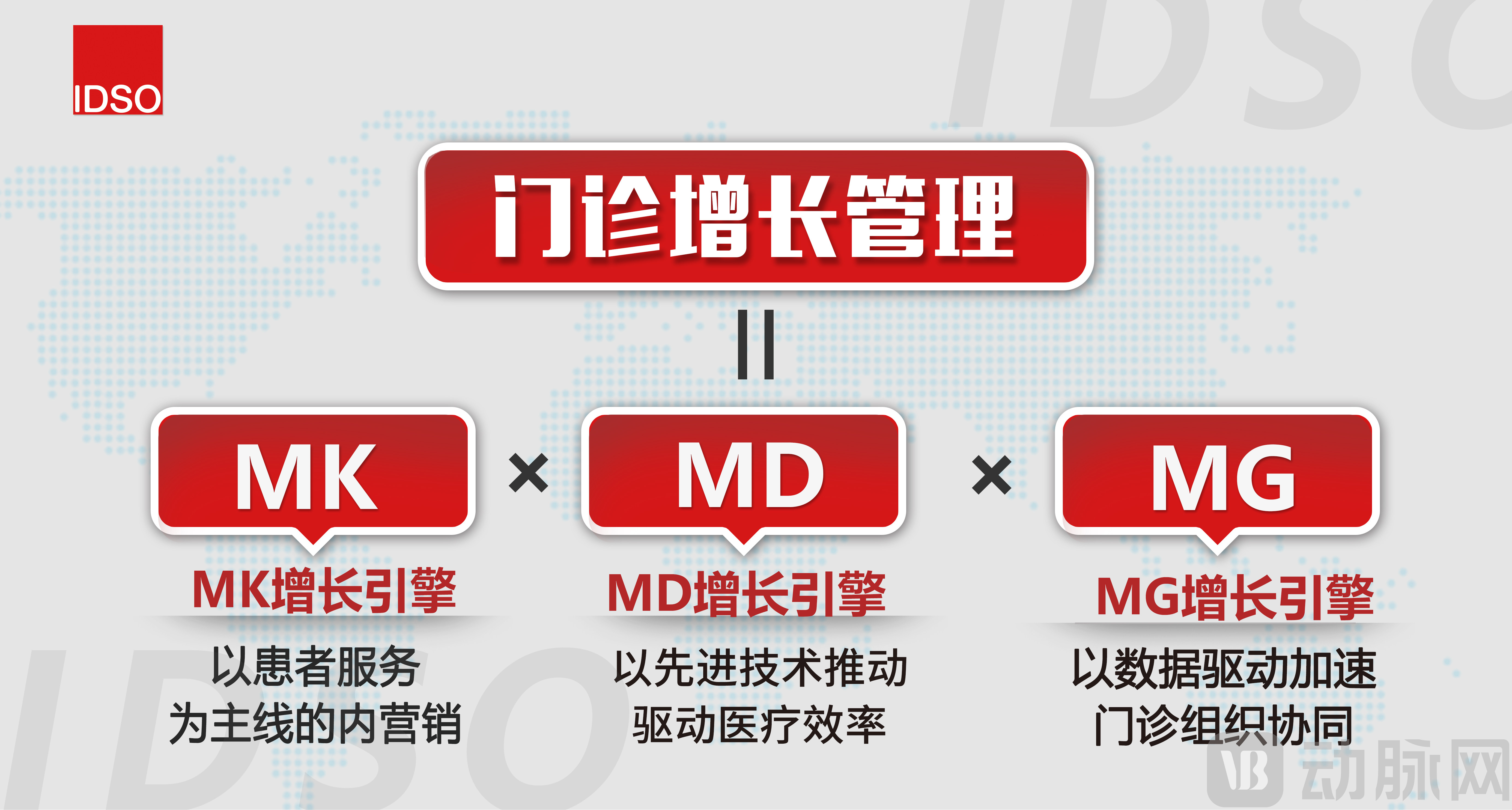
1. An Internal Marketing MK Growth Engine Centered on Patient Services
· Building Word-of-Mouth for MK (Customer Functionality): To achieve steady growth, it is essential to first meet customer needs by helping them resolve their desired dental issues. Trust should be gradually established through service excellence, thereby building brand reputation, expanding brand influence, and ensuring long-term development.
2. Leveraging Advanced Technologies to Drive the MD Growth Engine for Healthcare Efficiency
·MD (Medical Function) New Medical Technologies: From a medical perspective, growth stems from improved work efficiency. By leveraging new technologies and tools to assist physicians in their practice, clinical workflow efficiency is enhanced, leading to increased outpatient capacity.
3. Data-Driven Acceleration of Outpatient Organizational Collaboration: The MG Growth Engine
·MG (Management Function) Organizational Synergy: MG = MK x MD. An outpatient clinic is composed of personnel from multiple roles who work together through differentiated division of labor to achieve common goals. The focus is on the core source of growth for outpatient services, namely medical capabilities. From the perspective of improving physicians' work efficiency, a standardized service process is established by leveraging a rational network of division of labor and collaboration. This involves breaking down actual scenarios into detailed components, reasonably assigning personnel responsibilities, and enhancing collaborative efficiency. A Project Manager (PM) role is introduced to assume more non-clinical tasks, thereby freeing up physicians' time, improving work efficiency, and driving outpatient clinic growth.
Patient SideTreatment Plan Presentation — Treatment Plan Follow-up — Treatment Plan Conversion — Treatment Plan Cancellation
Outpatient Terminal: Physician Labor Efficiency
[Note: Difference between Counselors and PMs
① Consultant: A service-oriented role aimed at acquiring clients, stimulating conversions, and ultimately driving growth in outpatient clinic or individual performance.
② PM (Patient Manager): A service role oriented toward patient needs, with the goal of achieving patient satisfaction and generating referrals. The PM participates in all stages of outpatient diagnosis and treatment, manages and follows up on all orders, builds and accumulates trust with patients, and ultimately fosters long-term relationships between patients and the clinic.
There are many interpretations of "growth." The IDSO Outpatient Growth System removes limits on growth, decouples growth from labels, and drives dynamic growth.Welcome to the "3rd IDSO Dental Industry Management Summit"; registration is now open.
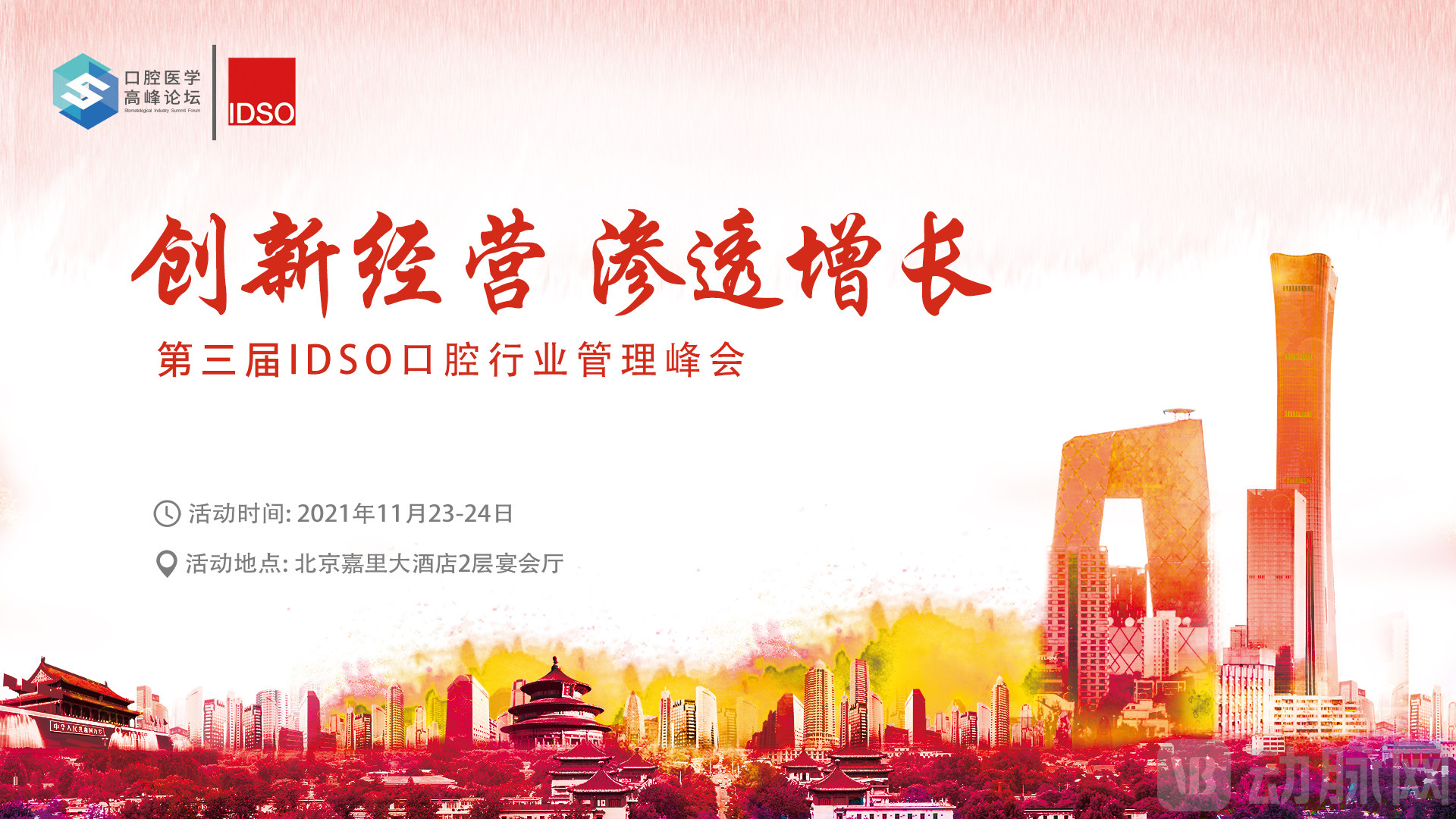
Summit Introduction:IDSO Dental Industry Management Summit is founded on the philosophy of delivering high-quality management insights to dental entrepreneurs and executives. It aims to drive the modernization of dental practice management, establish a platform for professional exchange, and promote comprehensive improvements in operational standards and growth. The summit enables participants to learn from and adopt the efficient operational strategies and management expertise of leading dental chain organizations in China. Over the past two editions, the summit has attracted nearly 5,000 dental industry professionals, earning widespread recognition and acclaim from industry leaders, experts, and outstanding dental practice managers.
The summit concurrently hosted forums on dental clinic management, academics, and aesthetics. Renowned industry leaders and executives from leading domestic dental chains were invited to share their expertise on hot topics of interest to the dental community, including clinic operations and management, equity allocation, key drivers of clinic growth, and digital transformation in dentistry. They also addressed cross-disciplinary integrated treatment topics, such as the intersection of orthodontics and aesthetics, and implantology and aesthetics.
Meeting Time:November 23–24, 2021
Venue:China · Ballroom, 2nd Floor, Kerry Hotel Beijing (No. 1 Guanghua Road)
For details, please contact the instructor for consultation.