

Columbia China Accelerates into the Fast Lane of the Greater Health Era with Integrated Medical-Care and Smart Growth Strategy
By integrating medical care, rehabilitation, health maintenance, and wellness practices, the model of combining medical and elderly care facilitates the deep integration and coordinated development of medical and senior care resources, thereby maximizing the utilization of social resources. This integrated approach has become a crucial component of the elderly care industry.
To address the substantial demand for health-focused elderly care, regulators have introduced a series of coordinated policy measures in recent years. The report of the 19th National Congress of the Communist Party of China emphasized the need to proactively respond to population aging, promote the integration of medical and elderly care services, and accelerate the development of both undertakings and industries related to aging. The “Healthy China 2030” Planning Outline, issued by the Central Committee of the Communist Party of China and the State Council, specifies that the scale of the health industry is projected to reach RMB 16 trillion by 2030, with the market poised for explosive growth over the next three to five years.
With the construction of a “Healthy China” elevated to a national strategy at the Fifth Plenary Session of the 18th Central Committee of the Communist Party of China, and with the continuous release of policy dividends, the “big health” industry is leading a new wave of economic development. Capital from various sectors is actively flowing in, revealing enormous market potential. As a pioneer in high-end medical care and wellness in China, Columbia China has comprehensively entered the “big health” sector, aiming to deliver high-quality services to the Chinese people.
The major shareholders of Columbia China are Columbia Pacific Management, a U.S. healthcare service provider; Singapore’s Raffles Medical Group, a wholly-owned subsidiary of Temasek Holdings; and Swire Pacific Limited., with substantial resource support.
Specifically, Columbia Pacific Management was founded by Mr. Daniel Batty, known as the “Father of American Senior Care,” and is headquartered in Seattle, United States. The Group has over 40 years of investment and operational experience in the senior care and healthcare sectors across the United States, Europe, and Asia.
Raffles Medical Group brings extensive experience in healthcare investments, while Temasek has a long track record of successful investments in China, providing the management team with high-level operational support, expertise, and strategic guidance.
In April 2020, Swire officially entered the healthcare industry by partnering with Columbia Pacific Management to jointly invest in Columbia China. The broad prospects and rapid growth of the medical and elderly care sector, along with its development philosophy, align closely with Swire’s existing businesses such as property development, enabling synergistic growth. As a multinational conglomerate with a diversified portfolio, Swire has long been committed to investing in leading companies across various industries, and the healthcare segment will become a crucial component of Swire’s commercial landscape.
Since entering the Chinese market in 2012, Colombia China has invested in and established numerous general and specialized hospitals, clinics, and rehabilitation and elderly care institutions in China, to meet the growing demand of the Chinese public for medical services that meet international standards.
In 2012, Columbia China opened the country’s first for-profit, wholly foreign-owned elderly care institution in Shanghai—“Kaijian Elderly Care.” Currently, Kaijian Elderly Care has expanded its presence to Beijing and the Yangtze River Delta region, emerging as a leading provider of high-end elderly care services in these areas.
From 2019 to 2021, Columbia China entered a “fast lane” of development: Wuxi Kaiyi Hospital, Jiaxing Kaiyi Hospital, Jiaxing Kaiyi Yijian Outpatient Clinic, and Shanghai Kaiyi Yihui Outpatient Clinic, as well as elderly care facilities in Suzhou and Ningbo, opened successively. As a result, Columbia China has emerged as a benchmark and leading enterprise in China’s high-end medical and health-care sector.
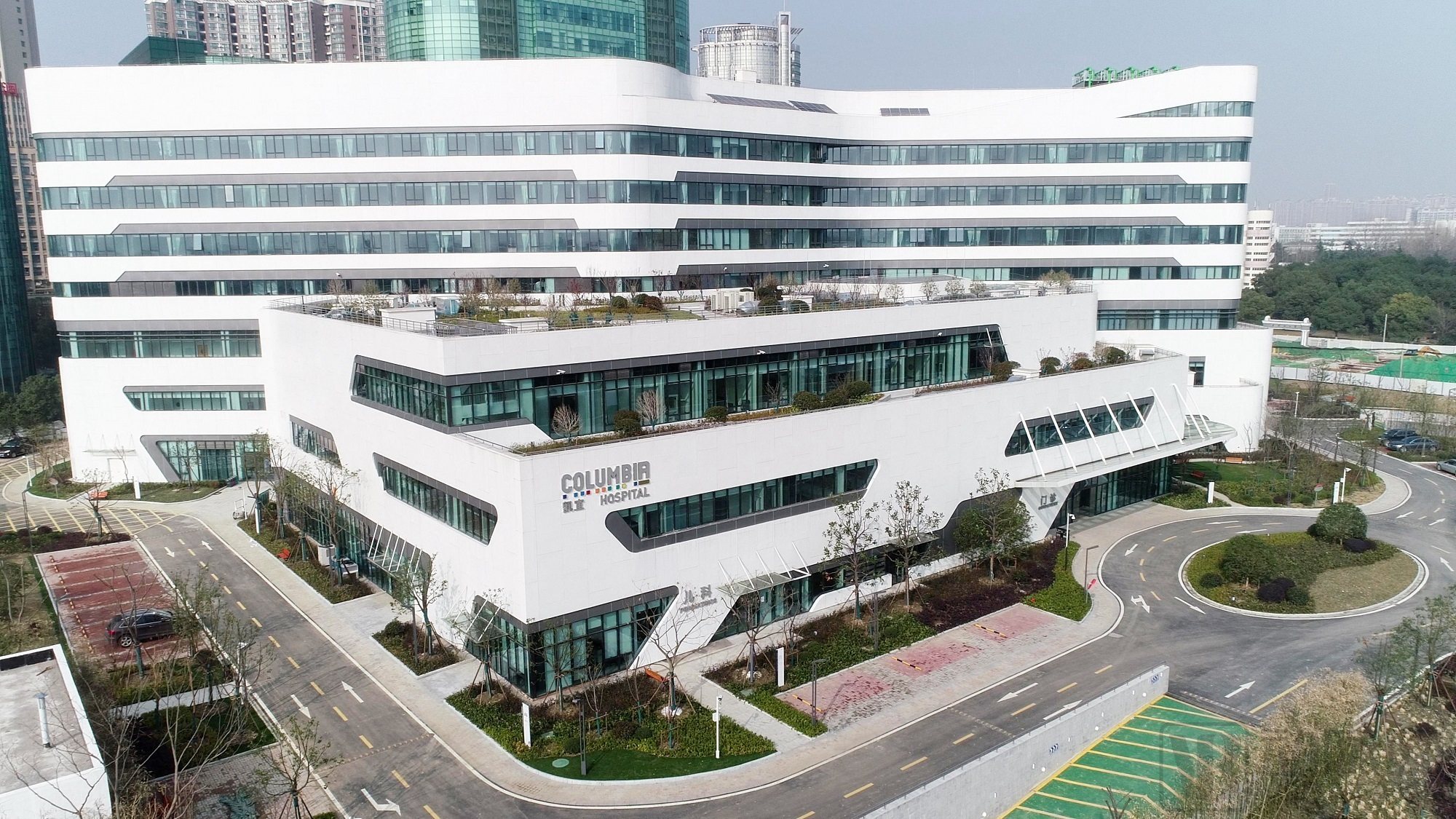
Exterior View of Wuxi Kaiyi Hospital
Currently,Columbia China, headquartered in Shanghai, focuses on serving the Yangtze River Delta region. Under its two major brands, “Kaiyi Medical” and “Kaijian Elderly Care,” it operates a total of 3 hospitals, 5 clinics, and 7 elderly care facilities across Shanghai, Wuxi, Jiaxing, Ningbo, and Suzhou, with over 1,500 beds in total. It has established an integrated development strategy and complementary platform encompassing hospitals, elderly care, and clinics.
As a private healthcare institution with foreign investment background, how can it carve out a development path that aligns with a high-end positioning while maintaining its own unique characteristics? Columbia China has provided its own answer.
Columbia China is committed to creating a modern and welcoming environment for patients, providing high-quality, personalized healthcare services with a highly qualified medical team and advanced medical technology, differentiating itself from public hospitals.
In terms of the team's professionalism,Columbia China’s affiliated medical institutions bring together renowned physicians and top-tier hospital teams, offering personalized medical services and VIP customized options. Our clinical staff deliver internationally aligned care, providing patients with a patient-centered, comfortable environment and attentive, safe nursing.
In terms of equipment services,Columbia China’s affiliated medical institutions are equipped with a comprehensive suite of advanced, integrated large-scale medical devices, including the SIGNA Pioneer 3.0T—the world’s first digital wide-bore MRI system; the GE LOGIQ P9 whole-body ultrasound diagnostic system; high-resolution spiral CT scanners; Fresenius hemodialysis machines imported from Germany; the GE Crystal Nova digital mammography system; the GE Voluson E10 4D color Doppler ultrasound system; the Mindray high-definition ceiling-mounted DR and the GE Optima XR646 HD digital X-ray system; as well as the mobile DR unit “Little Dragonfly,” the GE Optima XR240amx.
To better benefit the public in accessing medical care, Columbia China’s specialty and general hospitals effectively integrate public health insurance with commercial insurance, having established direct-billing partnerships with over 33 commercial insurers to provide affordable, multi-tiered medical services.
Located in the Jiaxing Economic and Technological Development Zone, Jiaxing Kaiyi Hospital, the largest medical institution under Columbia China, was designed and built in accordance with the standards for national Grade III general hospitals and with reference to international Joint Commission International (JCI) accreditation standards. With a total floor area of nearly 112,000 square meters, a total investment of USD 220 million, and an approved capacity of 500 beds, it is a comprehensive hospital featuring more than ten departments—including surgery, internal medicine, and medical technology—and eight specialized medical centers.
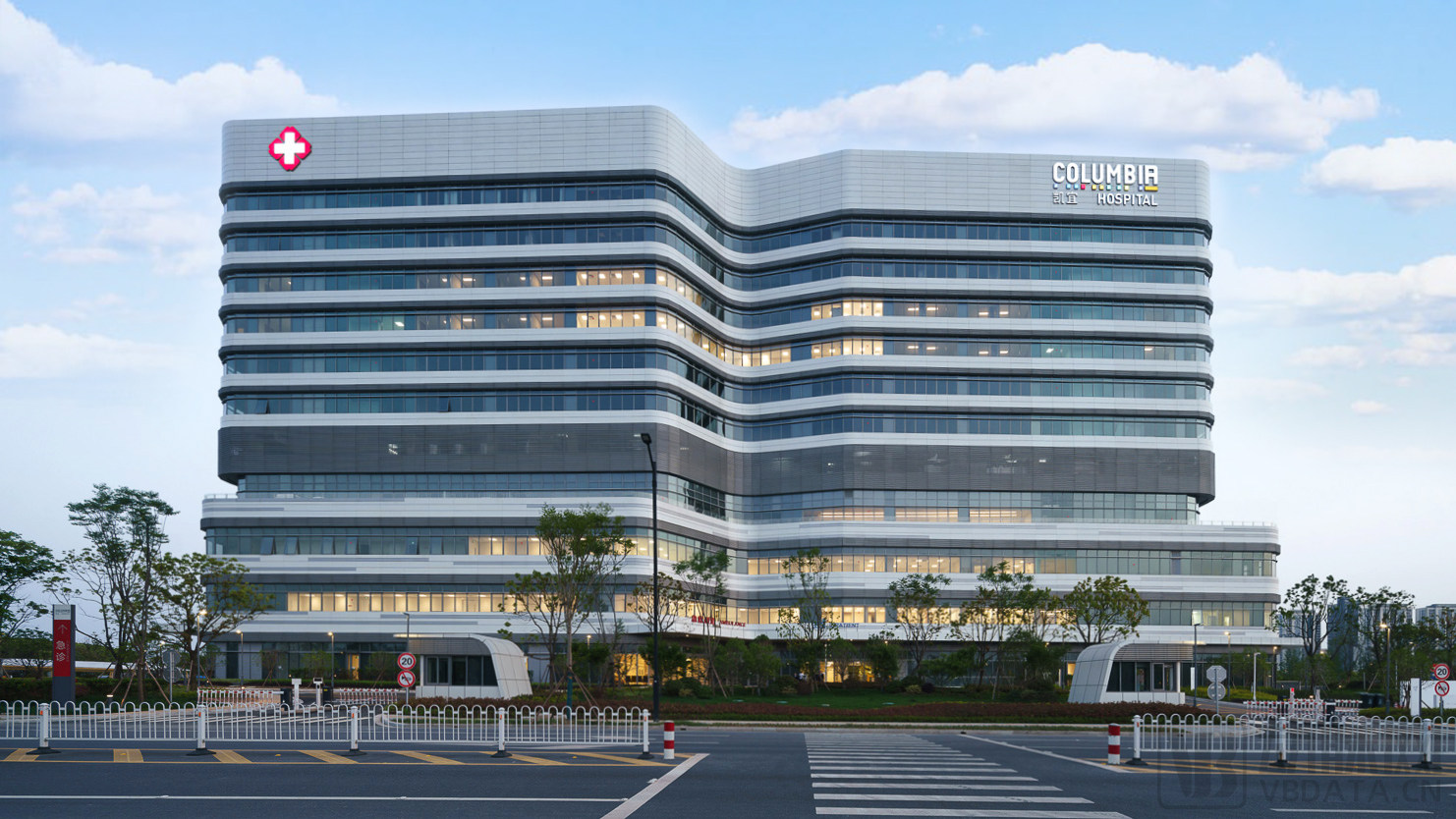
Exterior View of Jiaxing Kaiyi Hospital
Over the past two years of development,Columbia China’s hospitals, clinics, and elderly care facilities have established a comprehensive service chain integrating screening, diagnosis, treatment, and post-acute care. By developing key specialty departments and providing multidisciplinary services, they deliver holistic medical care to patients.
Lu Yi, Vice President of Finance and Information Technology at Columbia China Group, shared that due to differences in business processes and operational models compared to public hospitals, high-end private medical groups require more differentiated management thinking.
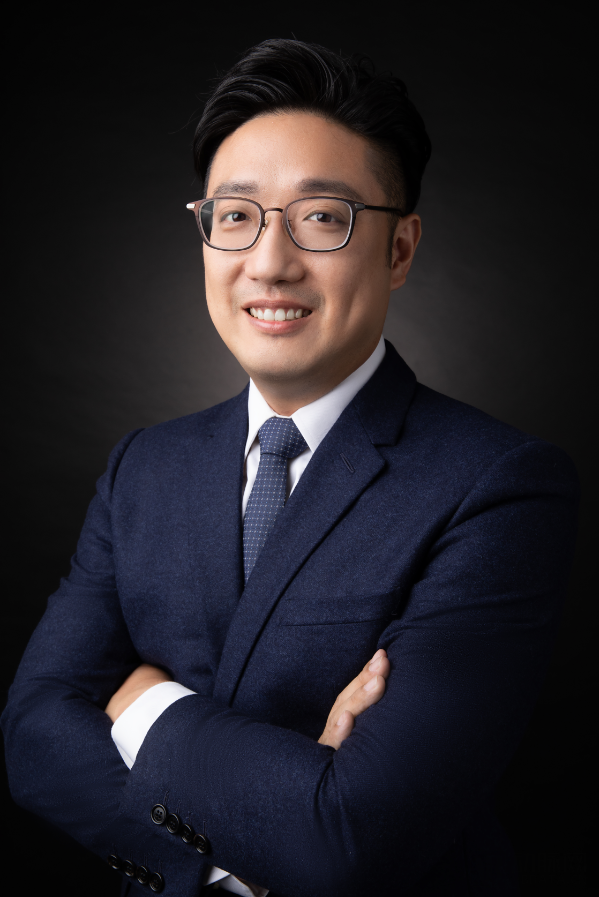
Lu Yi, Vice President of Finance and Information Technology at Columbia China Group
At the level of individual medical institutions, patient-centered, high-quality, and personalized medical services form the foundation for the group’s further development. From the group’s perspective, it is essential to consider operational scale and development strategies across multiple business formats and cities, ensuring data standardization and centralized control from the outset. To achieve a balanced and refined overall coordination, information technology construction is an indispensable and critical investment in the group’s development.
Columbia China has chosen to engage in deep cooperation with Kangbojia, a company that has been deeply involved in medical informatization for over a decade.HIS smart healthcare and HRP smart management solutions have been deployed in hospitals, clinics, and elderly care institutions in Shanghai, Jiaxing, Wuxi, and other cities, implementing forward-thinking operational concepts to establish a benchmark for smart healthcare within the medical group.
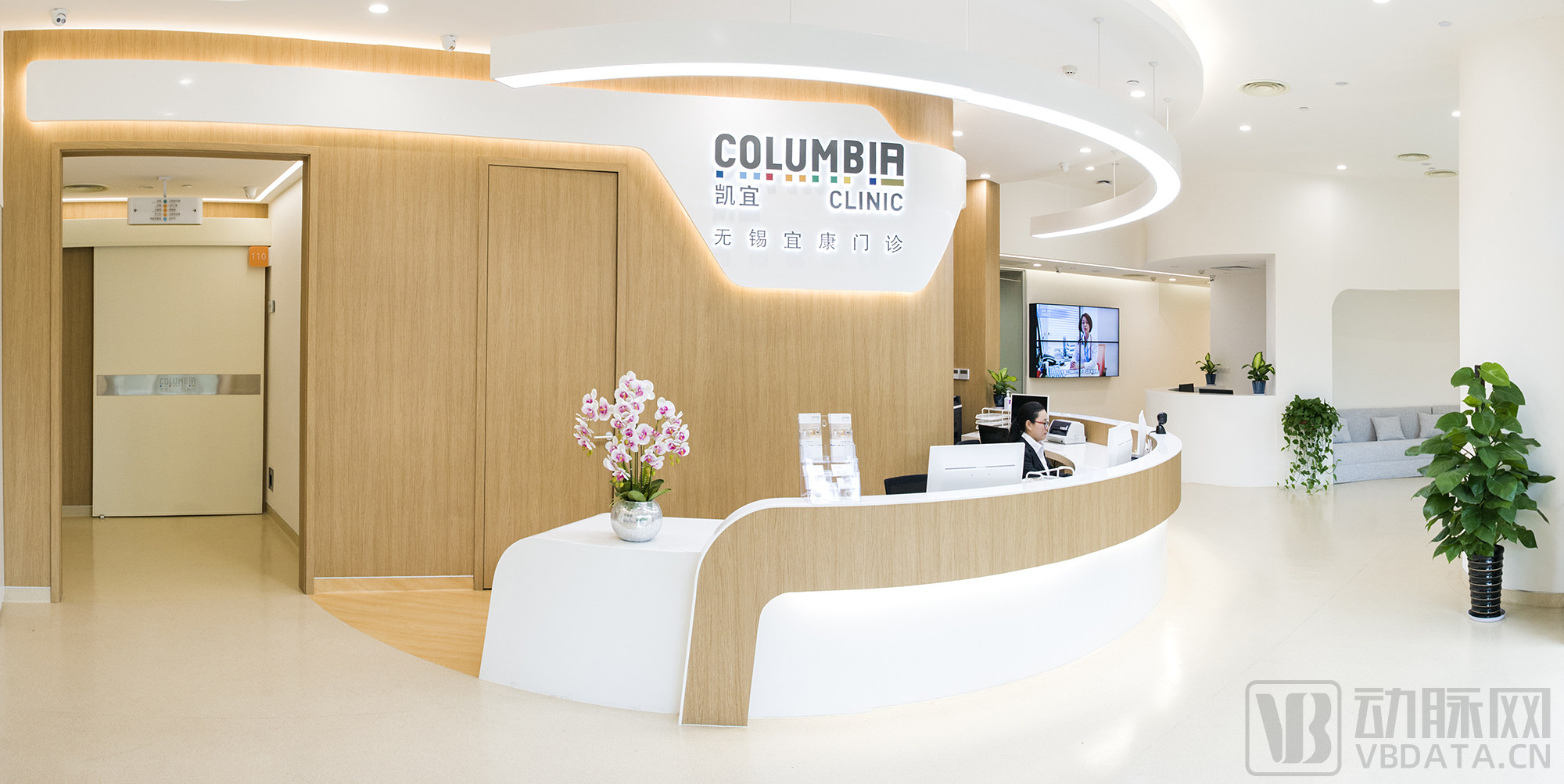
Wuxi Kaiyi Yikang Outpatient Department
To provide patients with high-quality, personalized medical services, Columbia China has established a refined medical quality management system compliant with JCI accreditation standards through the Kangbojia HIS. By leveraging the “dual engines” of processes and rules, it rigorously controls medical quality, including achieving closed-loop management for medical business workflows such as medication and blood transfusion.
Meanwhile, the patient experience-centered HIS system aligns with Columbia China’s proactive service model. By incorporating features such as time-slot appointment scheduling, real-time notifications, pre-dispensing of medications, pre-consultation triage, mobile nursing, and internet-based payment, it enhances the patient journey and ensures that high-end healthcare is delivered in every detail.
Tailored to the Group’s international and diversified development profile, Kangbojia HIS has implemented bilingual configuration for Colombia China, enabling seamless practice for its international medical team. The system supports various settlement combinations—including membership plans, discounts, packages, commercial insurance, and social medical insurance—to meet the personalized needs of a diverse patient population, thereby unlocking flexible operations and in-depth service possibilities.
To accommodate Columbia China’s multi-business, multi-city layout spanning hospitals, elderly care facilities, and clinics, Kangbojia HIS+HRP provides more comprehensive support for the unified management of group-wide data and resources.
Leveraging the distributed deployment capabilities of Kangbojia HIS, Columbia China has established data centers in Shanghai, Jiaxing, and Wuxi.The Group has established top-down regulations for its hospitals and clinics, ensuring high-standard operational execution and achieving standardized data management at the source. Regional information sharing further facilitates seamless patient data flow, enabling effortless referrals from clinics to hospitals and maximizing the synergistic utilization of multi-format medical resources.
Kangbojia HRP Empowers Columbia China to Centralize Resource Management Across 3 Hospitals, 5 Clinics, and 7 Elderly Care FacilitiesKangbojia’s Hospital Resource Planning (HRP) system has enabled Columbia China to centralize resource management across its portfolio of three hospitals, five clinics, and seven elderly care facilities. By integrating financial flows, business processes, information streams, and logistics into a unified platform, the system ensures full traceability of operational and financial data, supporting the group’s secure and efficient operations. The system’s rapid deployability and centralized institutional management have also removed barriers to business expansion. With Kangbojia’s support, all hospitals, clinics, and elderly care facilities under Columbia China have successfully and efficiently implemented the HRP system.
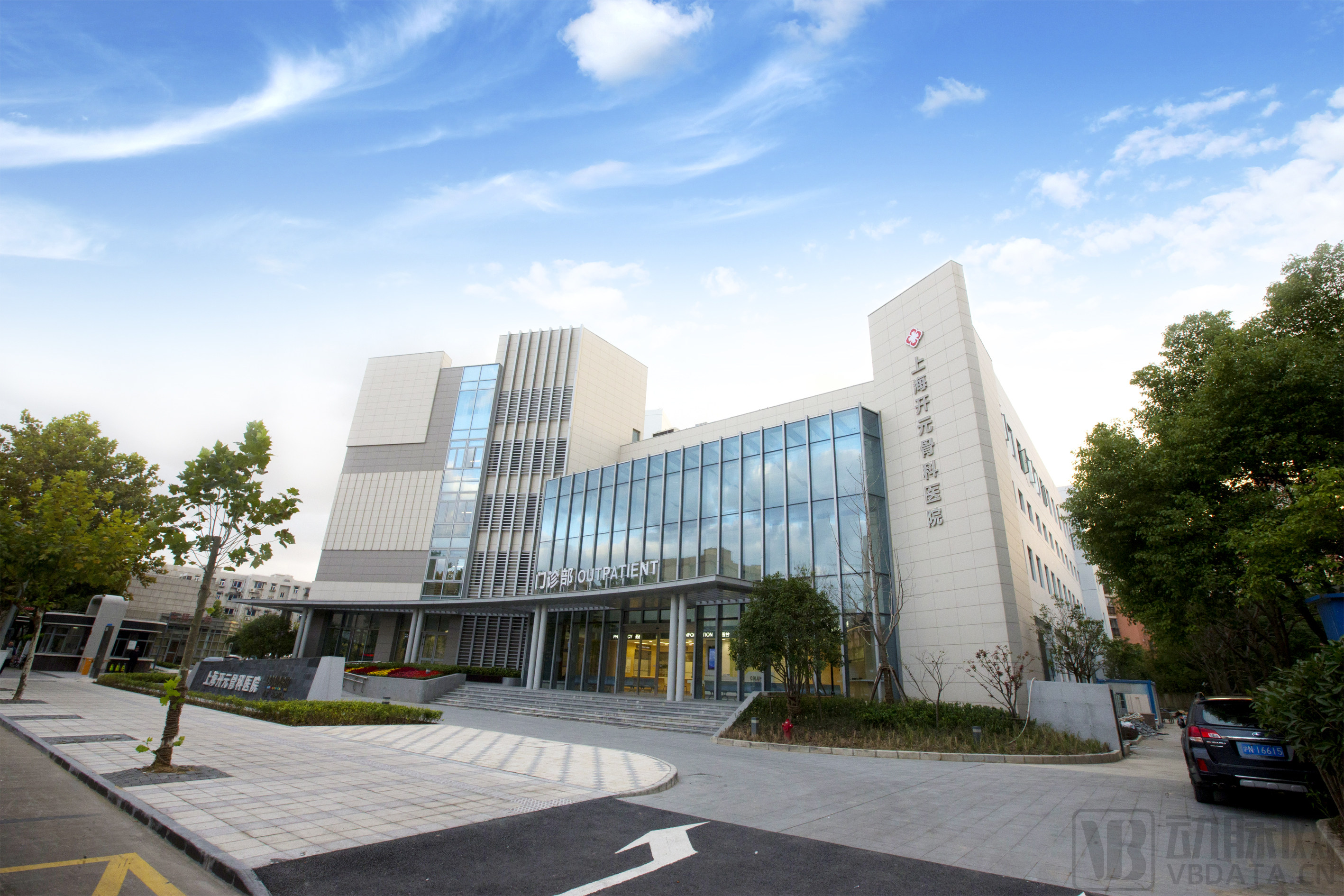
Exterior View of Shanghai Kaiyuan Orthopedic Hospital
The trend toward smart healthcare institutions indicates that informatization is not only the cornerstone of ensuring medical quality but also a key component for lean management and sustainable development within healthcare groups. Leveraging its insights into the medical services industry, Columbia China has made significant investments in smart development. By partnering with Kangbojia Information Technology (Beijing) Co., Ltd. and harnessing the momentum of informatization, Columbia China has further strengthened its capabilities to accelerate growth on the “fast track.”
China is on the verge of moderate population aging. According to data from the National Bureau of Statistics, China’s elderly population increased from 210 million in 2014 to 264 million in 2020, representing a compound annual growth rate (CAGR) of 3.72%. Research by the Shanghai Health Development Research Center indicates that 70% of an individual’s lifetime healthcare expenditures occur after age 65. The growing elderly population will inevitably accelerate the development of the medical care and health-wellness industries.
Driven by the release of healthcare consumption demand and policy guidance for the medical system, China’s big health market has reached a scale of RMB 13 trillion. It has experienced rapid growth over the past eight years, with a compound annual growth rate (CAGR) of up to 13%, and has now become the second-largest market globally. According to statistical forecasts from the “Report on Strategic Planning of China’s Big Health Industry and Corporate Strategy Consulting” published by Qianzhan Industry Research Institute, the scale of China’s big health industry is projected to reach RMB 14.09 trillion in 2023.
According to data from the Information Statistics Center of the National Health Commission, as of the end of June 2020, there were 35,000 hospitals nationwide, including 12,000 public hospitals and 23,000 private hospitals. Compared with the end of June 2019, the number of public hospitals decreased by 38, while the number of private hospitals increased by 1,406. This trend has persisted for many years, with public hospitals continuously “disappearing” and the number of private hospitals rising steadily.
With the rise in per capita income among Chinese residents and the accelerating aging of society, national demand for healthcare services continues to grow, further exacerbating the shortage of high-quality medical resources in China. The healthcare services industry encompasses numerous sectors, including medical aesthetics, specialized hospitals, elderly care, health management, rehabilitation management, and wellness. In particular, demand for premium healthcare and elderly care services is expected to increase significantly.
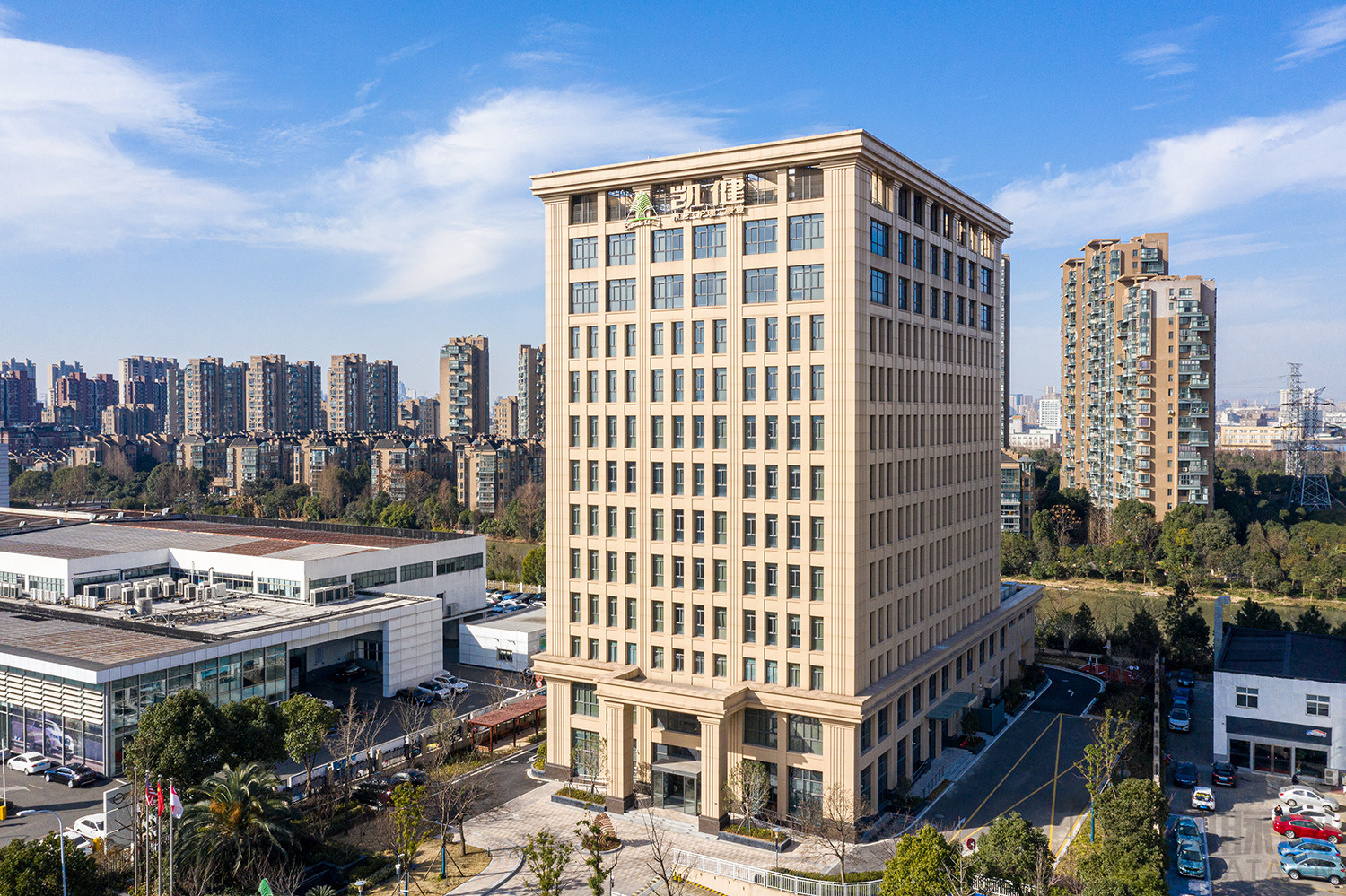
Ningbo Kaixia Xiayingyuan
On the other hand, the outbreak of the COVID-19 pandemic has, to some extent, spurred the vigorous development of the broader health industry. Significant advancements have been made at the national government level, in public awareness of personal health, and within capital markets. As society as a whole has gained a profound understanding of the intrinsic value of the broader health sector, its investment value has become widely recognized.

Chen Meilan, President and CEO of Columbia China Group
Chen Meilan, President and Chief Executive Officer of Columbia China Group, stated that in the post-pandemic era, as China’s economy recovers and continues to develop, Chinese citizens will have greater demand for healthcare services. Columbia China remains optimistic about the prospects of China’s healthcare and elderly care markets, and will continue to base its operations in the Yangtze River Delta region while further seeking investment opportunities.