

Are Medical Foods Companies Still Focusing on Offline Channels? Trends Identified from an Analysis of 78 Products Across 32 Enterprises
Authors: Zhong Qinghong, Zhang Yiying
“Sometimes, it is not the disease itself that kills patients, but the malnutrition caused by the disease and its treatment.”
The Global Burden of Disease Study 2017, published in The Lancet in 2019, revealed that “poor diet” accounted for approximately 20% of global deaths, ranking it as the leading risk factor for mortality. Extensive clinical practice has demonstrated that nutritional therapy can enhance clinical outcomes and maximize treatment efficacy.
In the United States, 65% of malnourished patients use foods for special medical purposes (FSMPs) for nutritional supplementation. In China, however, among the 140 million hospitalized patients, less than 1% receive clinical nutrition diagnosis and treatment, far from realizing its health economic value.
“FSMPs can be described as indispensable. They are a critical necessity for both healthy individuals across different life stages and patients with various diseases,” said Chang Cuiqing, Director of the Sports Nutrition Research Office at the Institute of Sports Medicine, Beijing Third Hospital, and Vice President of the Chinese Nutrition Society.
What factors are limiting the current mainstream adoption of foods for special medical purposes (FSMP)? Given that most FSMPs reach patients through in-hospital channels, is there an opportunity for online platforms in out-of-hospital settings? What emerging trends remain to be explored in the FSMP sector?
VCBeat, in collaboration with JD Health, released the "2021 Insights into Marketing Data of Foods for Special Medical Purposes," aiming to explore the current status, challenges, and potential future developments in the FSMP sector.
I. Current Status of Foods for Special Medical Purposes
1.1 Definition of FSMP
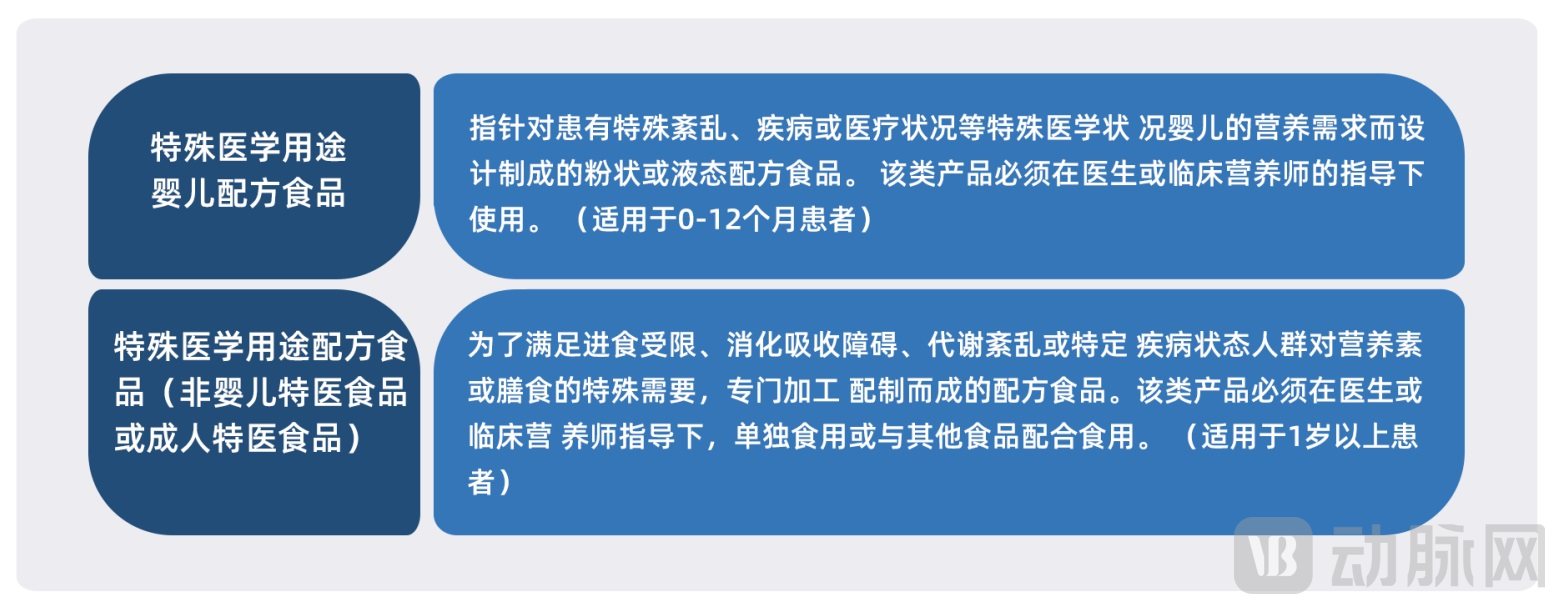
“Foods for Special Medical Purposes” is the full name of formula foods for special medical purposes.
The 2010 General Standard for Infant Formula Foods for Special Medical Purposes defined the concept and classification of infant formula foods for special medical purposes; the 2013 General Standard for Formula Foods for Special Medical Purposes defined the concept and classification of non-infant formula foods for special medical purposes. As the latter covers a broader age range, it is often referred to externally as adult formula foods for special medical purposes or non-infant formula foods for special medical purposes, to distinguish it from the overarching concept of “formula foods for special medical purposes.”
1.2 Current Status of Domestic and International Market Development
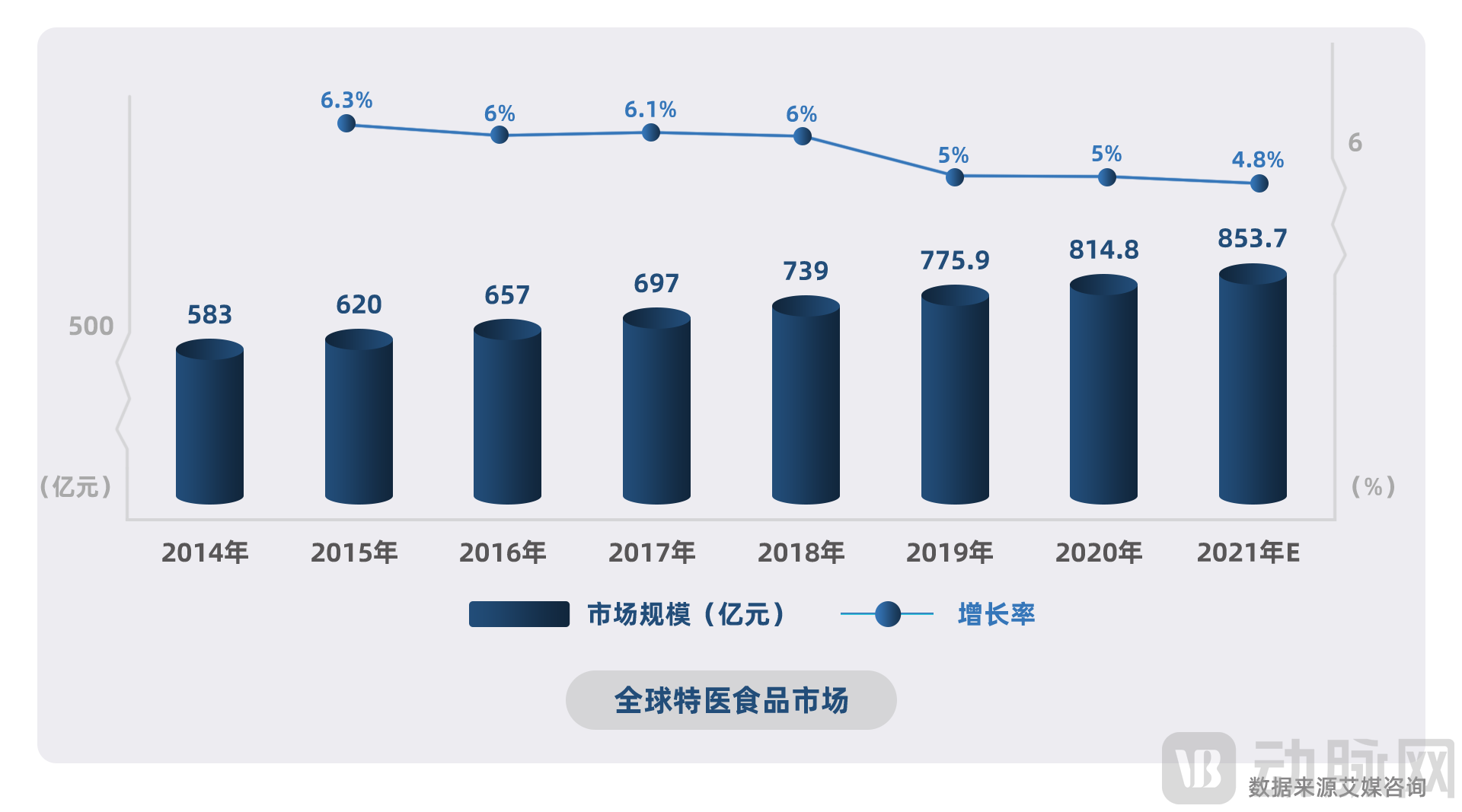
From 2014 to 2020, the global market size of foods for special medical purposes (FSMP) increased from RMB 58.3 billion to RMB 81.48 billion. Since 2015, the growth rate has stabilized at approximately 6%.
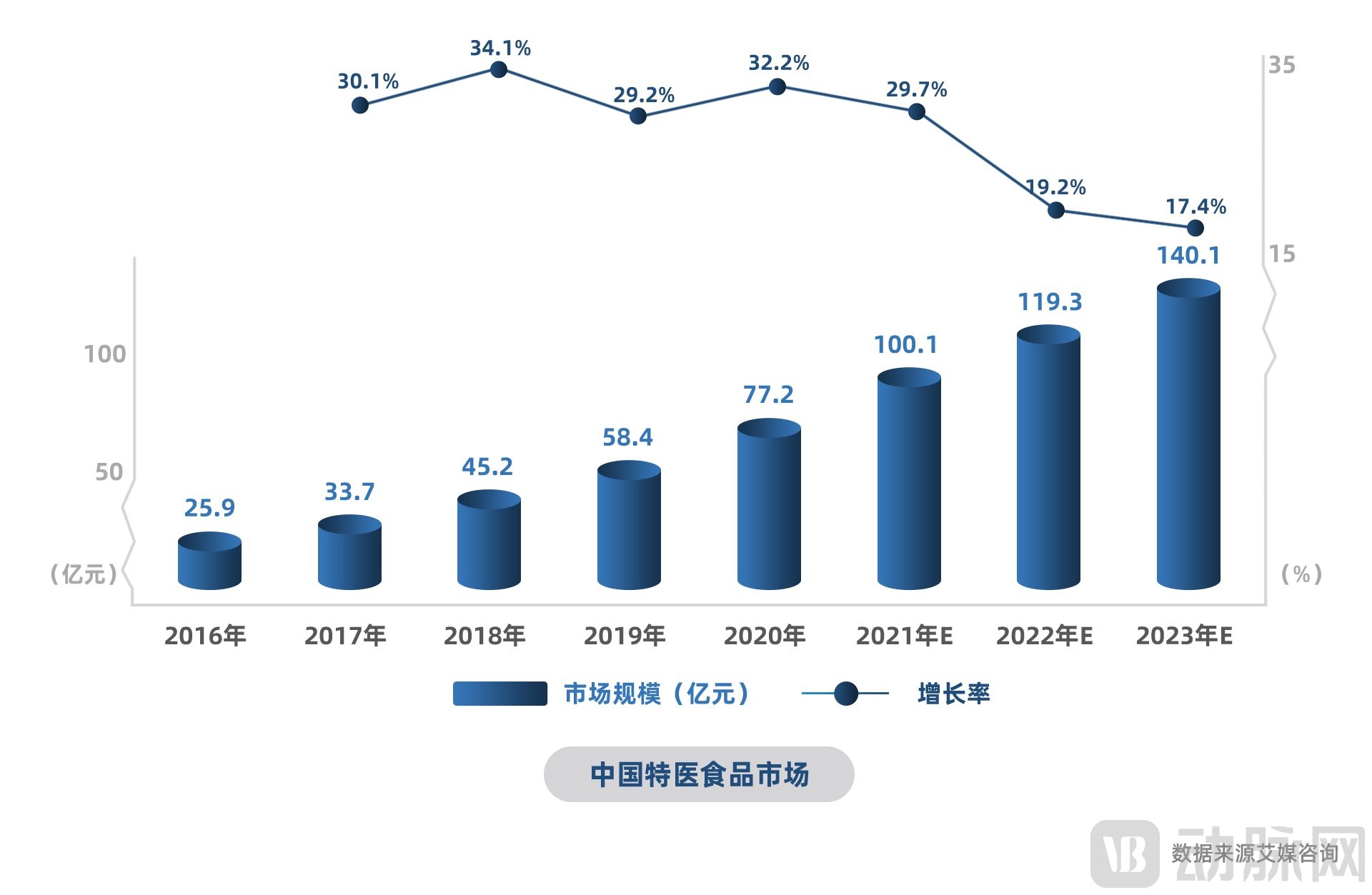
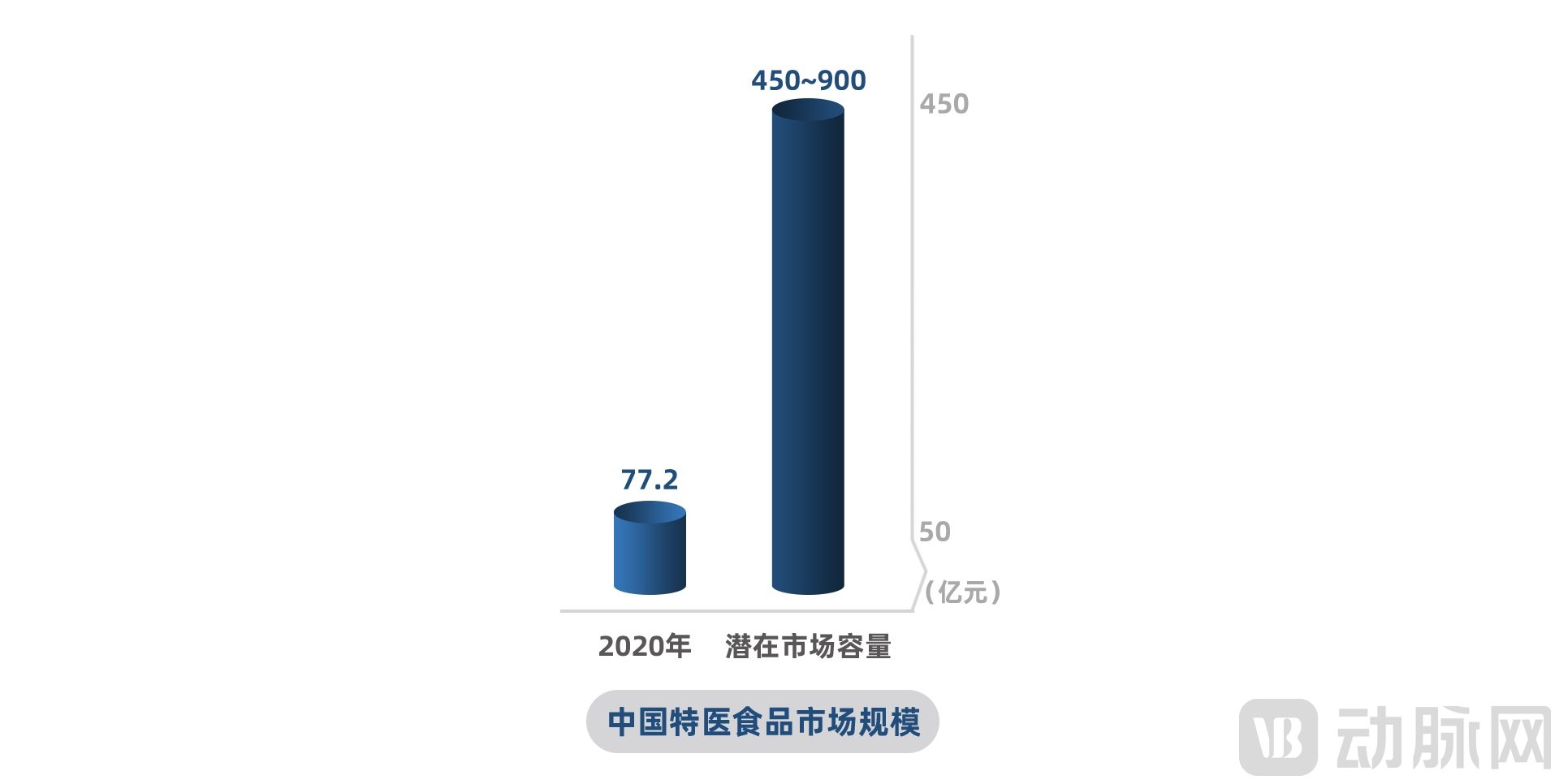
China's FSMP industry started relatively late but has experienced rapid growth in recent years. The market size of China's FSMP industry increased from RMB 2.59 billion in 2016 to RMB 7.72 billion in 2020, representing a threefold expansion, and is projected to reach RMB 10.01 billion in 2021.
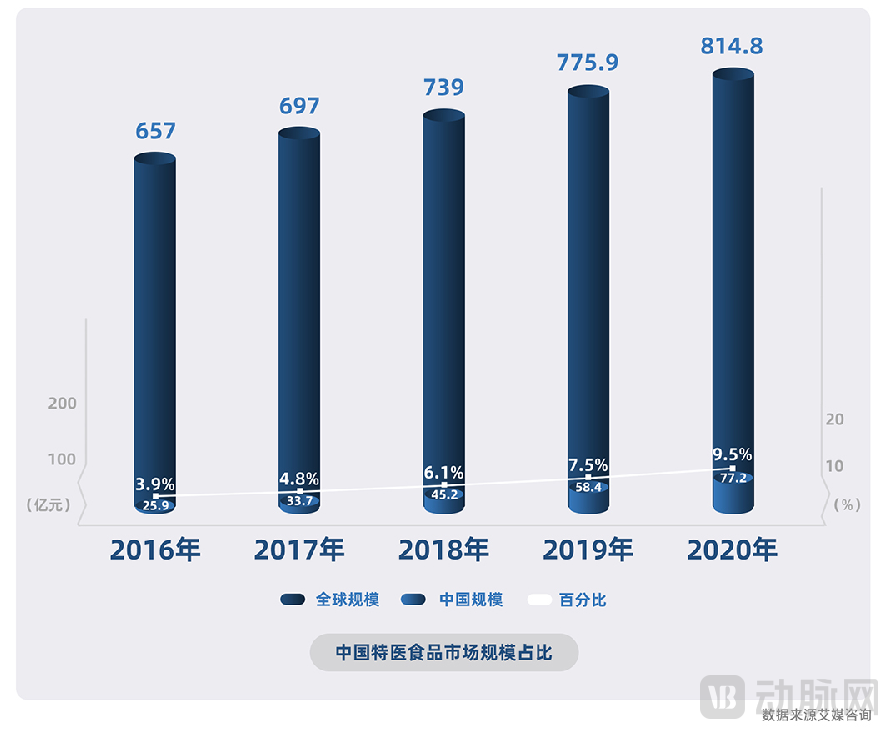
Data shows that the proportion of China's FSMP market size to the global FSMP market size has been increasing year by year. Currently, the growth rate of China's FSMP market is significantly higher than the global average.
Currently, the number of patients requiring long-term supplementation with specific formula foods for special medical purposes (FSMP) following clinical diagnosis and treatment has exceeded 450 million patient visits, including 150 million inpatient visits and 300 million outpatient visits. Assuming a penetration rate of only 10% and an annual per-patient expenditure on FSMP of RMB 1,000–2,000, the domestic market size for FSMP is estimated to reach RMB 45–90 billion. There remains substantial room for future growth.
Although the market size of foods for special medical purposes (FSMP) in China and its share of the global market are continuously increasing, this market is often dominated by major industry players. According to statistics from Abbott’s China R&D Center (prior to 2017), the top four companies in the FSMP industry accounted for approximately 80% of the domestic Chinese market share. Among them, Abbott held 32%, Danone 21%, Nestlé 16%, and Fresenius 14%, with other companies accounting for the remaining 17%.
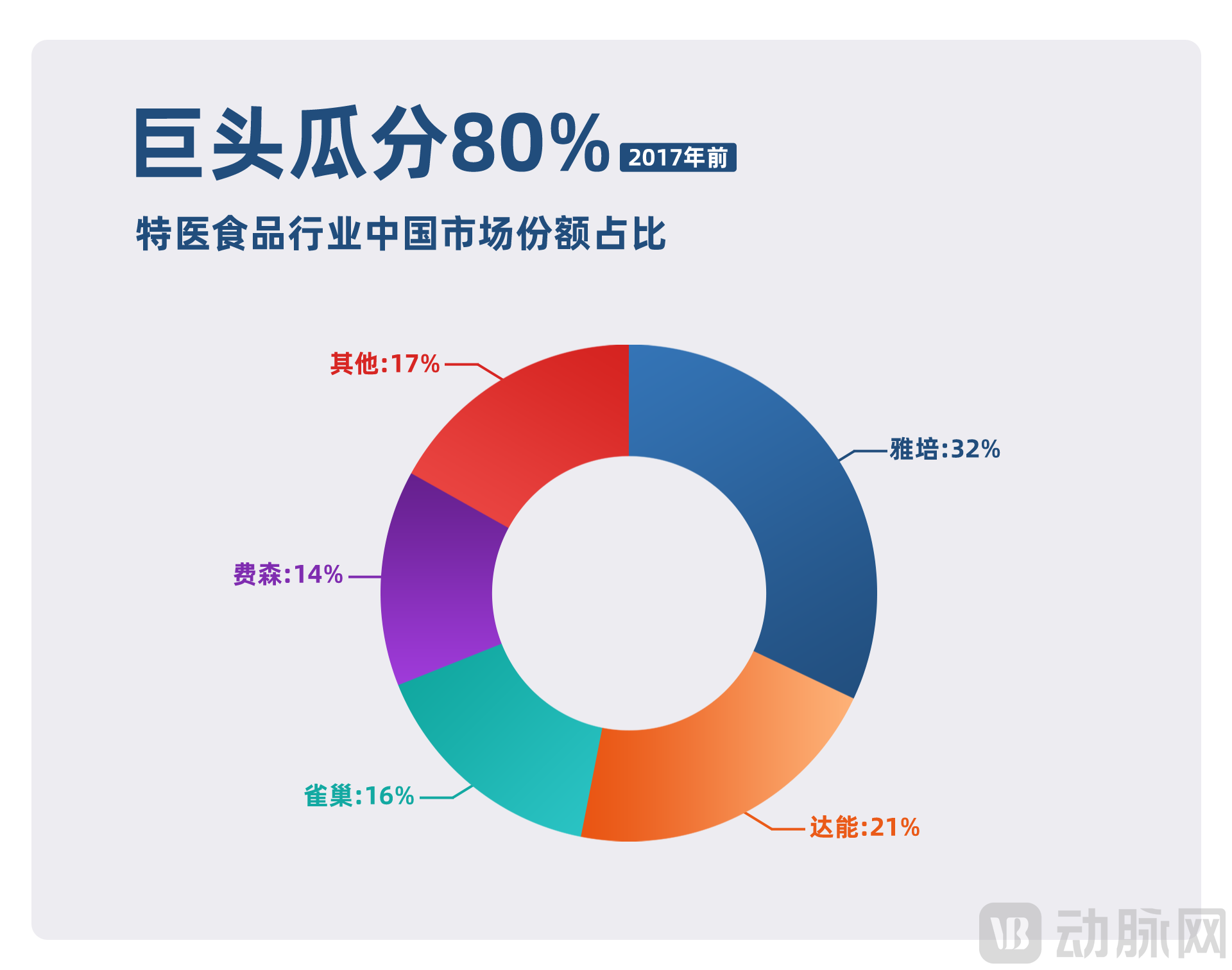
Figure Note: Fresenius currently has no approved foods for special medical purposes (FSMP) in China. The data statistics from Abbott’s China R&D Center pertain to the market prior to the implementation of FSMP registration regulations, and enteral nutrition preparations (approved under National Medical Products Administration drug license numbers) were included within the FSMP category.
Abbott, Nestlé, and Danone are the top three competitors in the global market for foods for special medical purposes (FSMP), with their combined sales in 2019 accounting for nearly 70% of the entire market. Among them, Abbott holds a distinct advantage due to its global presence in the infant formula and FSMP markets, maintaining a market share of approximately 30% in the overall FSMP market from 2015 to 2019.
From the perspective of domestic enterprises in the special medical purpose food sector, as of the end of September 2021, there were a total of 11,319 companies related to “special medical purpose foods” on the market; among them, 4,863 companies were established within the past three years, accounting for 42%.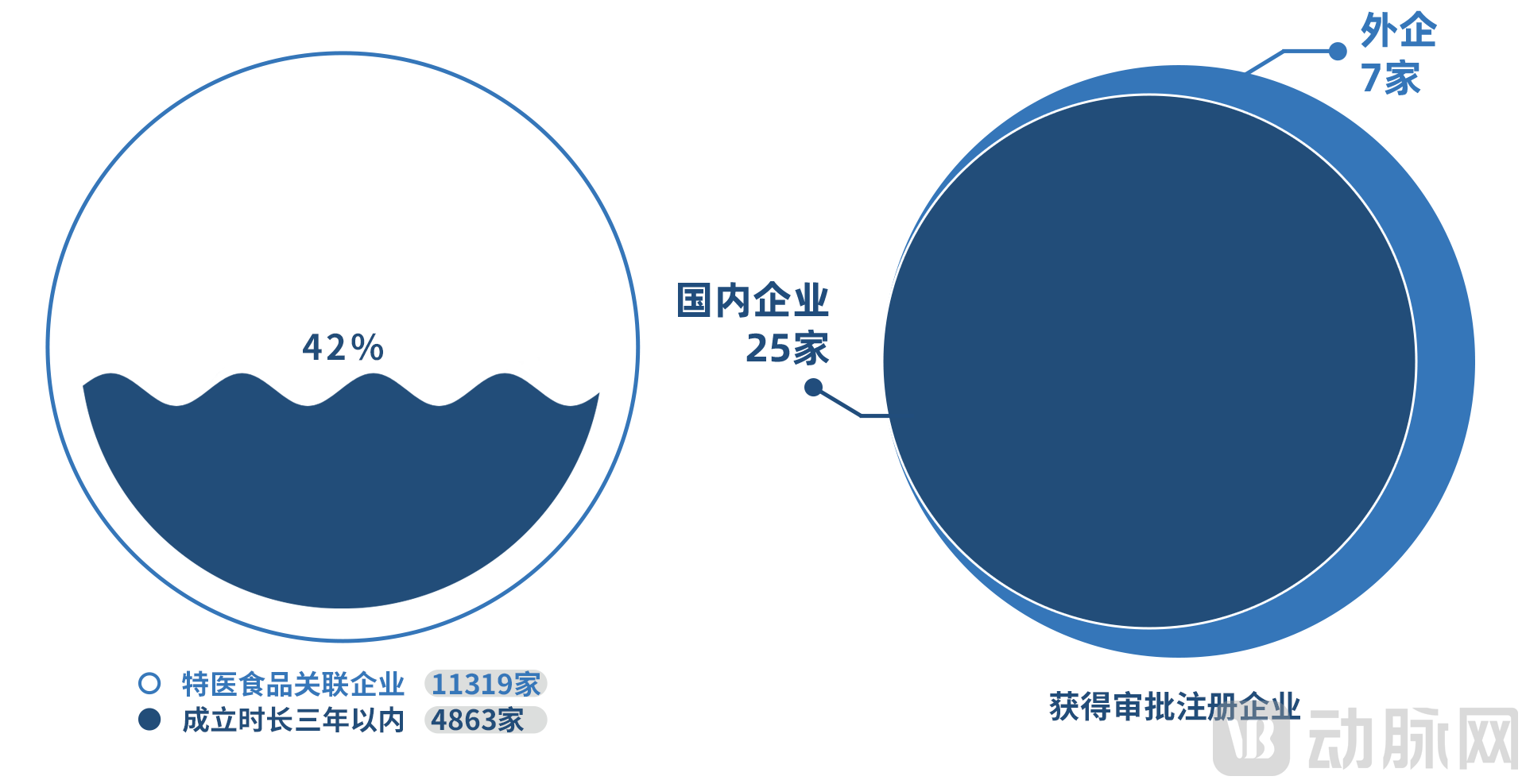
Currently, only 32 companies have obtained approval and registration for FSMP (Foods for Special Medical Purpose) products, including 7 foreign enterprises and 25 domestic ones. In the FSMP sector, Chinese companies are currently making concerted efforts to catch up.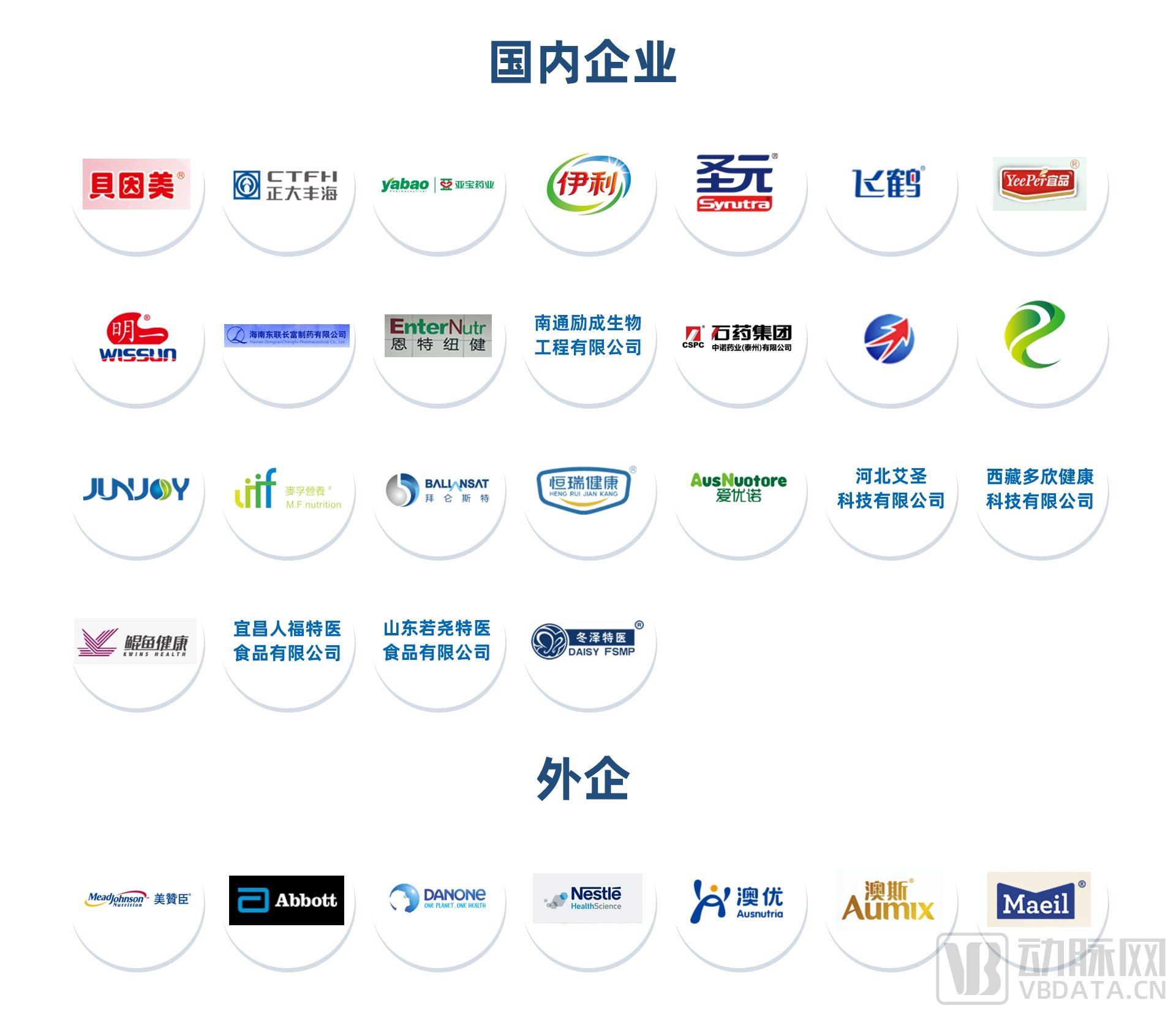
1.3 Domestic Policy Development Status
Since the revision and adoption of the Food Safety Law of the People’s Republic of China in 2015, foods for special medical purposes (FSMPs) in China have shifted from the previous drug registration management model to being recognized as “foods,” with a requirement that FSMPs be registered with the food and drug regulatory department under the State Council. China’s special foods—including health supplements, infant formula milk powder products, and foods for special medical purposes—have entered a phase of comprehensive, science-based regulation, establishing a new landscape of stringent oversight with Chinese characteristics.
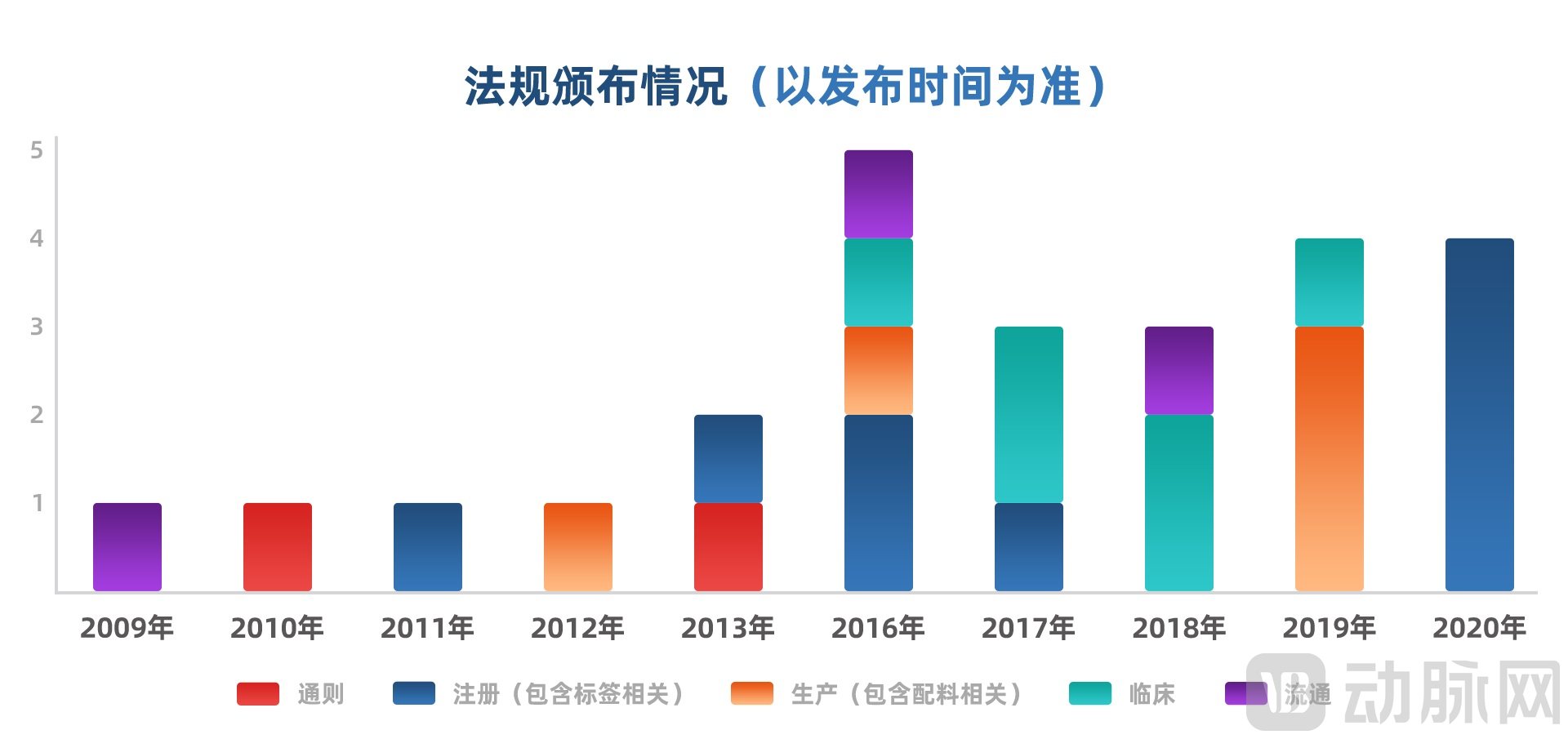
From superior to subordinate legislation, and across registration, manufacturing, distribution, and promotion, the regulatory framework for foods for special medical purposes (FSMP) is becoming increasingly comprehensive. An analysis of the drafting and issuance of FSMP policies reveals that the state has adopted a highly cautious approach. Notably, four regulations drafted in 2016 or 2017 were not officially released until 2020. Furthermore, the prevalence of draft guidelines and trial regulations in production and clinical practice indicates that China’s regulatory oversight of FSMP remains in a phase of continuous exploration.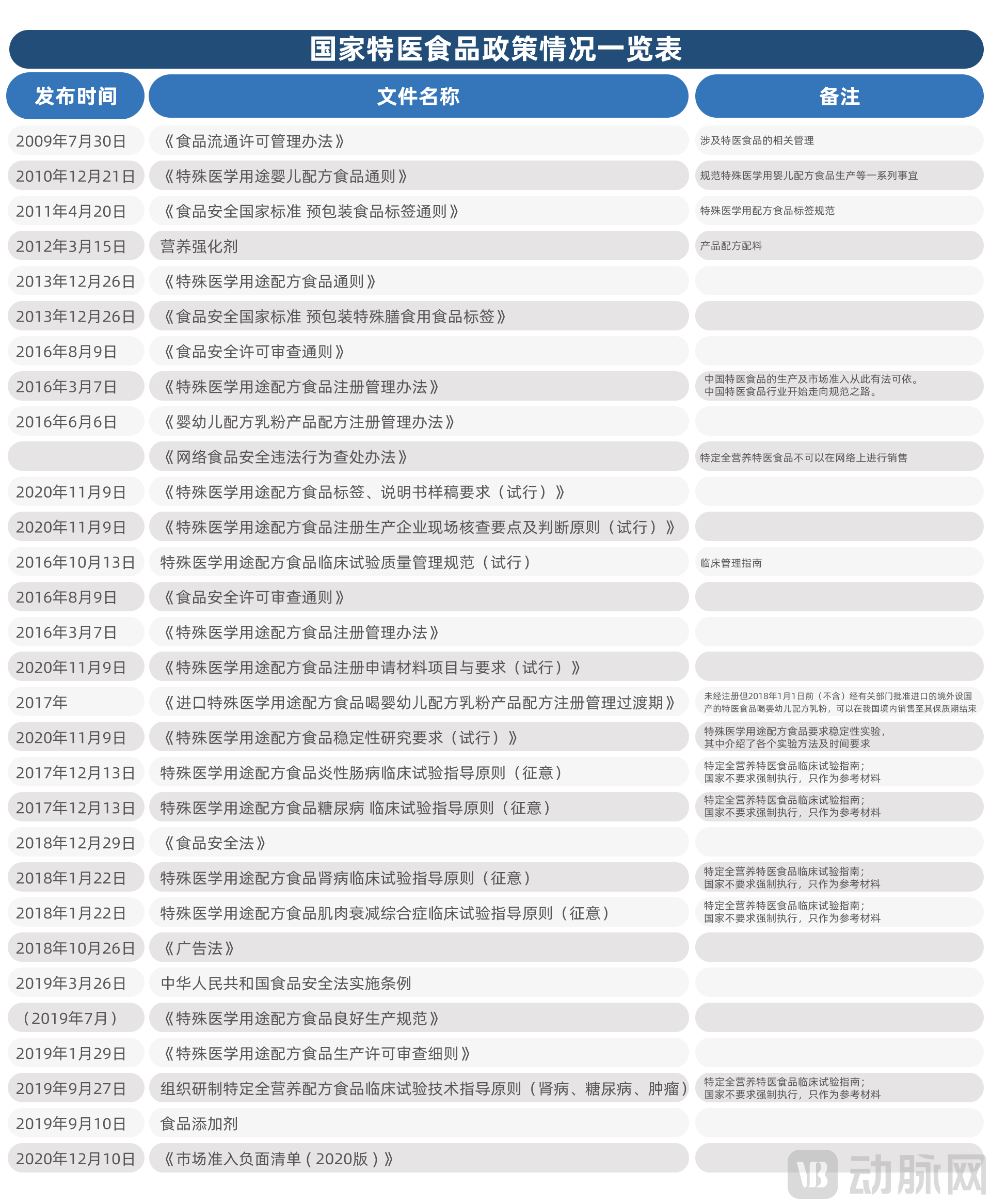
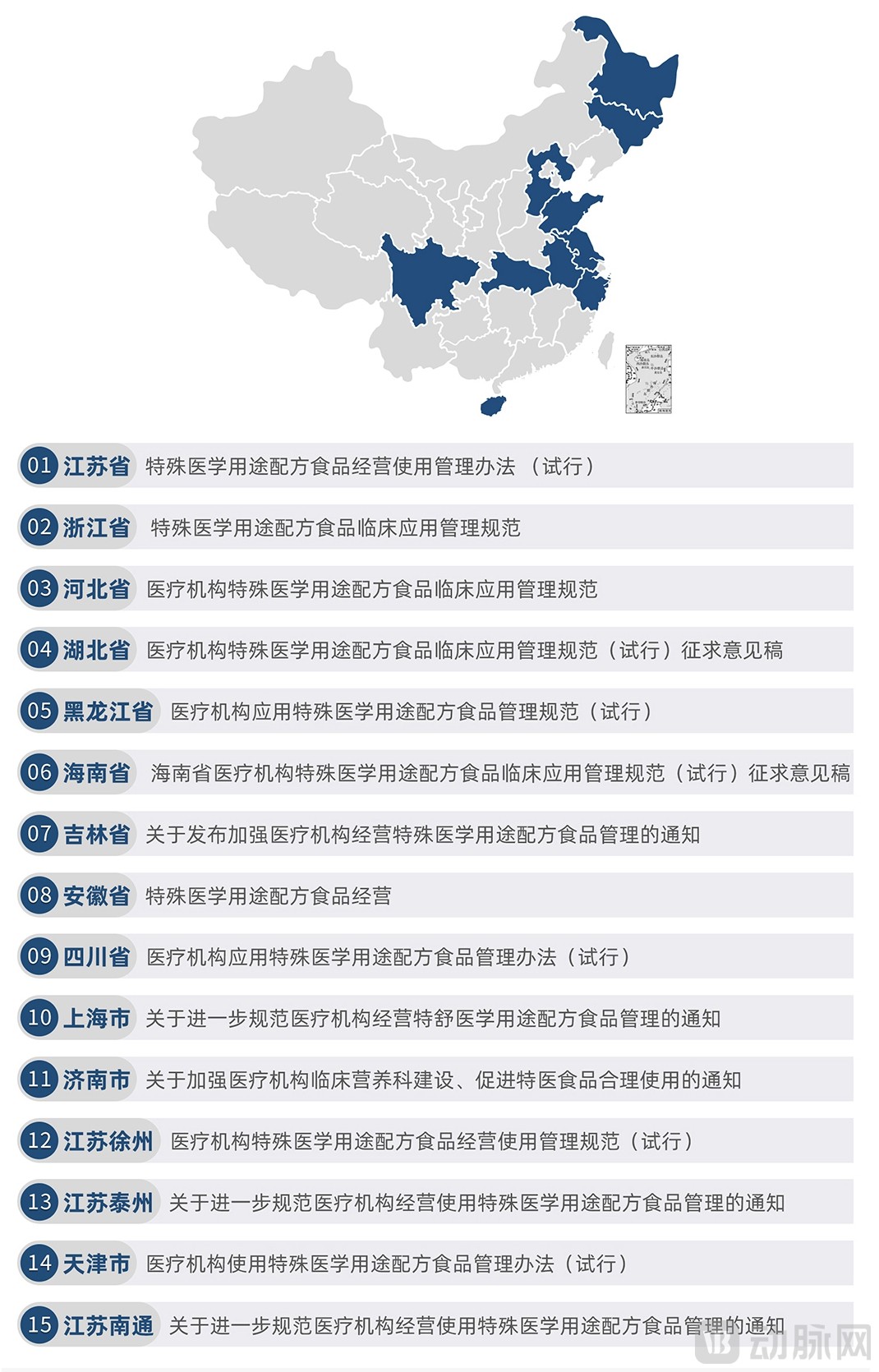
Currently, only Jiangsu, Hebei, Hubei, Heilongjiang, Hainan, Jilin, Anhui, Shanghai, Tianjin, Sichuan, Zhejiang, and Jinan (Shandong) have formally issued local regulations and laws related to Foods for Special Medical Purpose (FSMP), with most of these policies enacted between 2020 and 2021. Local governments are gradually exploring the establishment of a comprehensive and standardized regulatory framework for FSMP. Among them, Jiangsu Province has issued the largest number of FSMP regulations, while Jinan City’s FSMP regulations constitute China’s first local administrative measure for FSMP.
With the establishment of production standards and national product standards, as well as the clarification of legal status—particularly following the introduction of the Administrative Measures for the Registration of Formula Foods for Special Medical Purposes—the blue ocean market for domestically produced FSMPs in China is gradually opening up.
1.4 Development Status of Subcategories in Foods for Special Medical Purposes
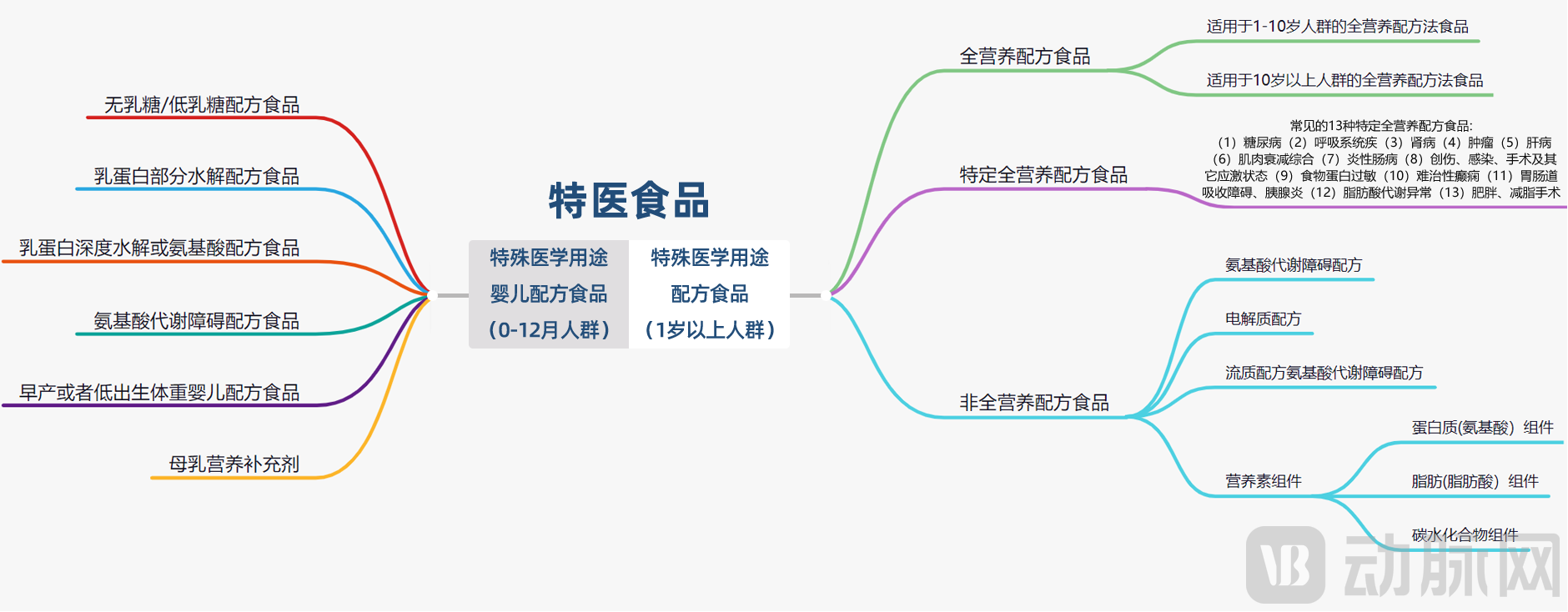
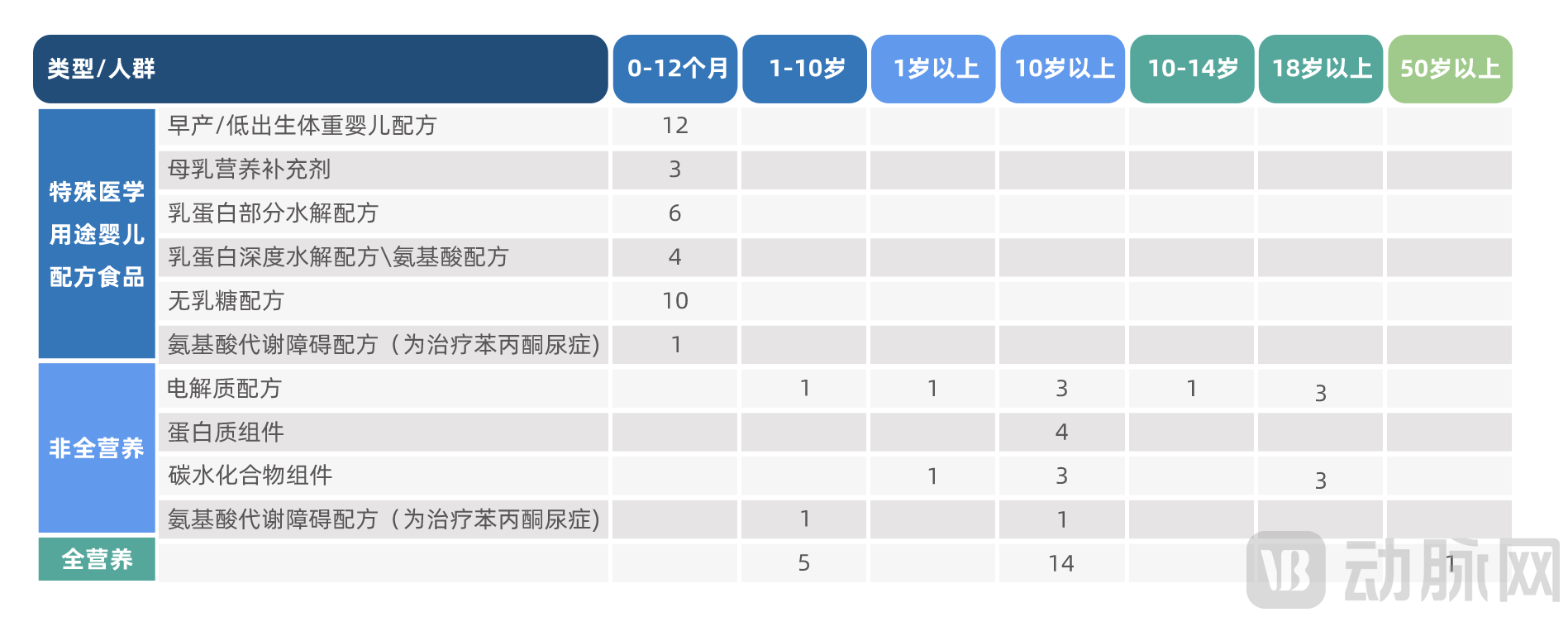
For populations with different clinical needs, foods for special medical purposes (FSMP) are categorized into infant formula for special medical purposes (for individuals aged 0–12 months) and formula foods for special medical purposes (for individuals aged 1 year and older). The latter is further divided into nutritionally complete formulas, disease-specific nutritionally complete formulas, and nutritionally incomplete formulas. Nutritionally complete formulas refer to products that can serve as the sole source of nutrition, whereas nutritionally incomplete formulas cannot be used as the sole source of nutrition. Disease-specific nutritionally complete formulas generally refer to products designed for specific diseases.
In terms of the number and types of currently approved products, there are 36 approved infant formula foods for special medical purposes, 22 non-complete nutritional FSMPs, and 20 complete nutritional FSMPs. Currently, no product-specific complete nutritional FSMPs have been approved.

The approved products are primarily targeted at infants, mainly addressing lactose intolerance, cow’s milk protein and food protein allergies, and prematurity/low birth weight. These three categories account for a total of 28 products, representing the majority of all approved products.
Secondly, complete nutritional formulas for special medical purposes are primarily targeted at individuals aged 10 and above who require nutritional supplementation due to restricted oral intake, digestive and absorptive disorders, or metabolic disturbances.
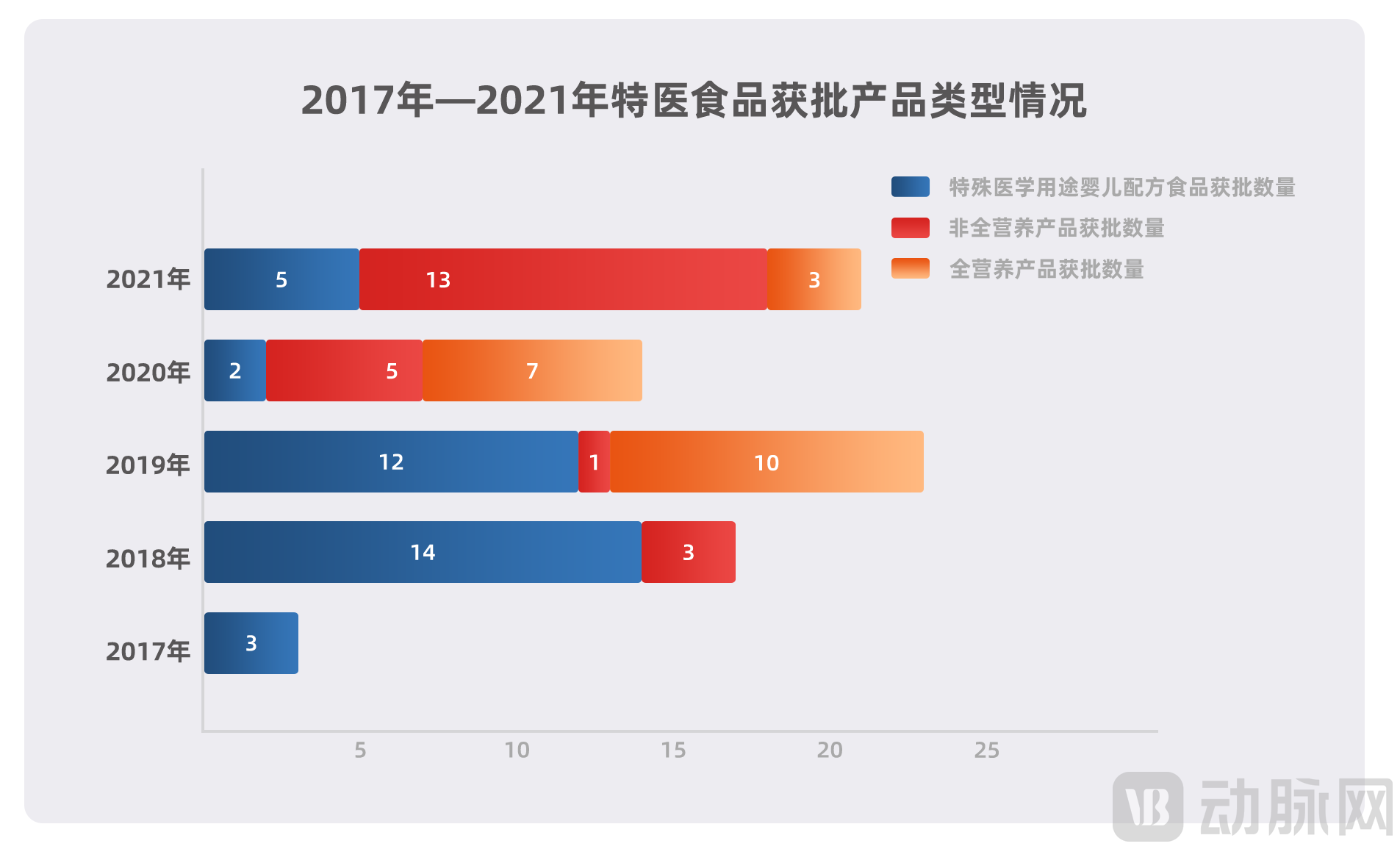
Based on registration data, infant formula was the primary focus for companies and the main product category approved by national authorities prior to 2019. Starting in 2019, the approval process for foods for special medical purposes (FSMP) accelerated significantly, leading to a rapid increase in the number of approved complete and non-complete nutritional FSMP products. Consequently, the number of approved infant FSMP products has gradually fallen below that of complete and non-complete nutritional FSMP products. Overall, FSMP products with broader coverage (targeting individuals aged one year and older) possess greater development potential in the future.
1.5 User Status
As a source of nutrition for patients, the importance of foods for special medical purposes (FSMPs) remains underappreciated in China. Currently, among the 140 million hospitalized patients in China, less than 1% receive clinical nutrition diagnosis and treatment, far from realizing their health economic value. In the United States, 65% of malnourished patients use FSMPs. In China, at least 30 million patients each year fail to achieve expected clinical outcomes due to lack of nutritional therapy, while healthcare costs rise significantly.
JD Big Data shows that from 2018 to 2021, both the number of users and per capita spending on Foods for Special Medical Purpose (FSMP) on JD Health grew at rates exceeding the industry average. The increase in per capita spending was driven by two factors: a rise in the average number of purchases per user and an increase in the average transaction value. Notably, during the 2020 pandemic, consumer demand for nutritional supplements aimed at boosting immunity further intensified.
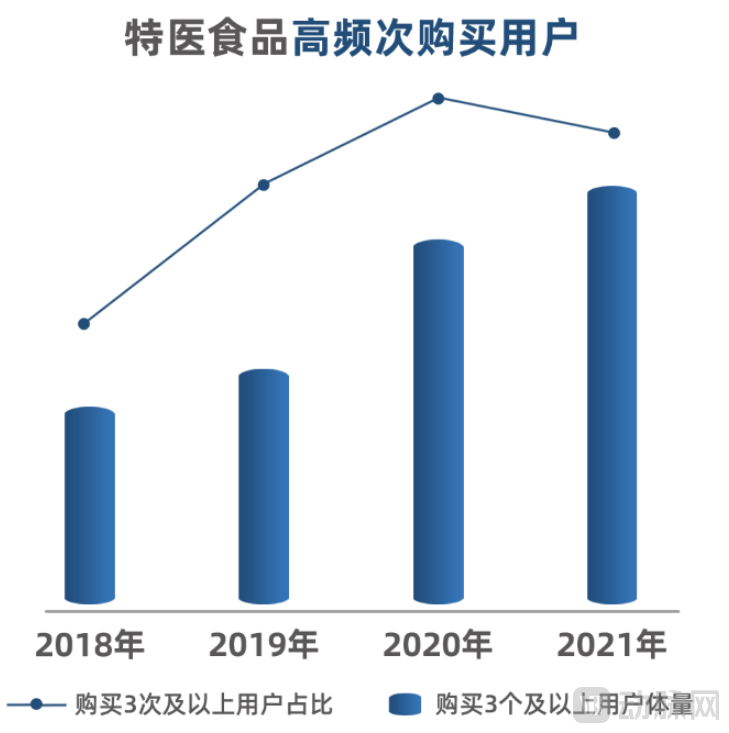
JD Health's 2021 data covers only through September, not the full year.
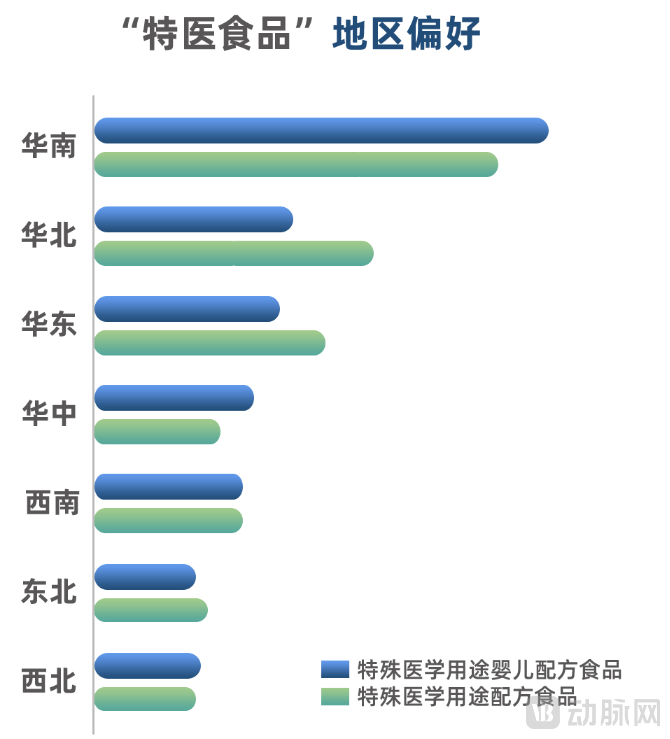
Consumption of foods for special medical purposes (FSMP) exhibits regional disparities. South China remains the primary consumption hub, maintaining robust growth, while consumer markets in Northeast and East China are expanding rapidly, with both regions recording a 30% increase in user numbers.
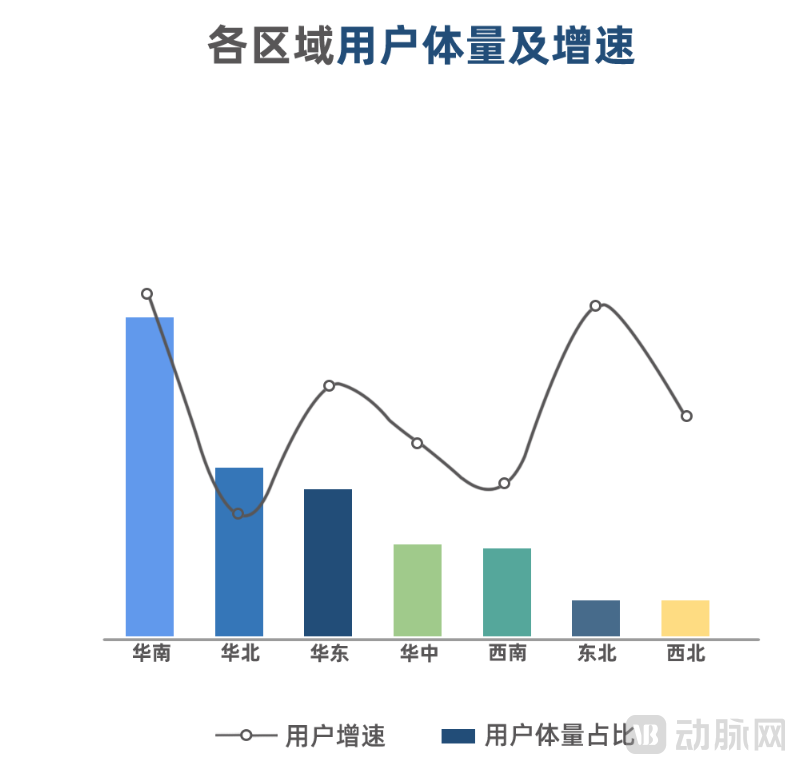
In terms of FSMP purchases, North China shows a stronger preference for adult FSMPs, while Central China favors infant FSMPs.
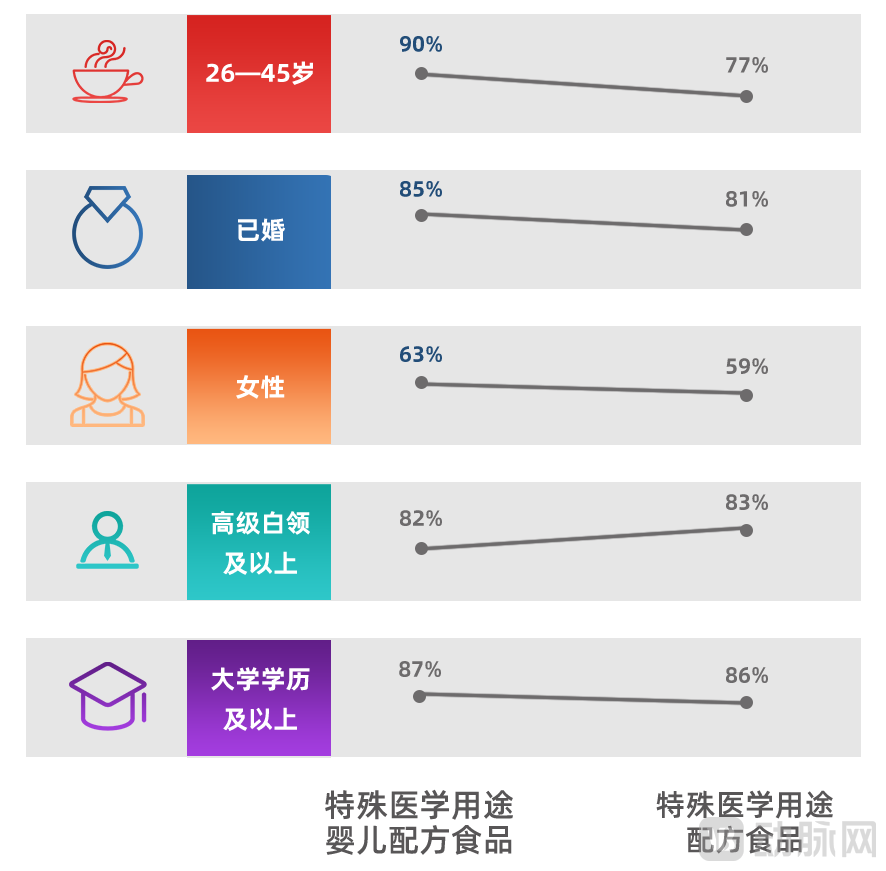
Whether purchasing infant formula for special medical purposes or formula for special medical purposes, the majority of users are married women aged 26–45 with higher educational attainment and living standards.
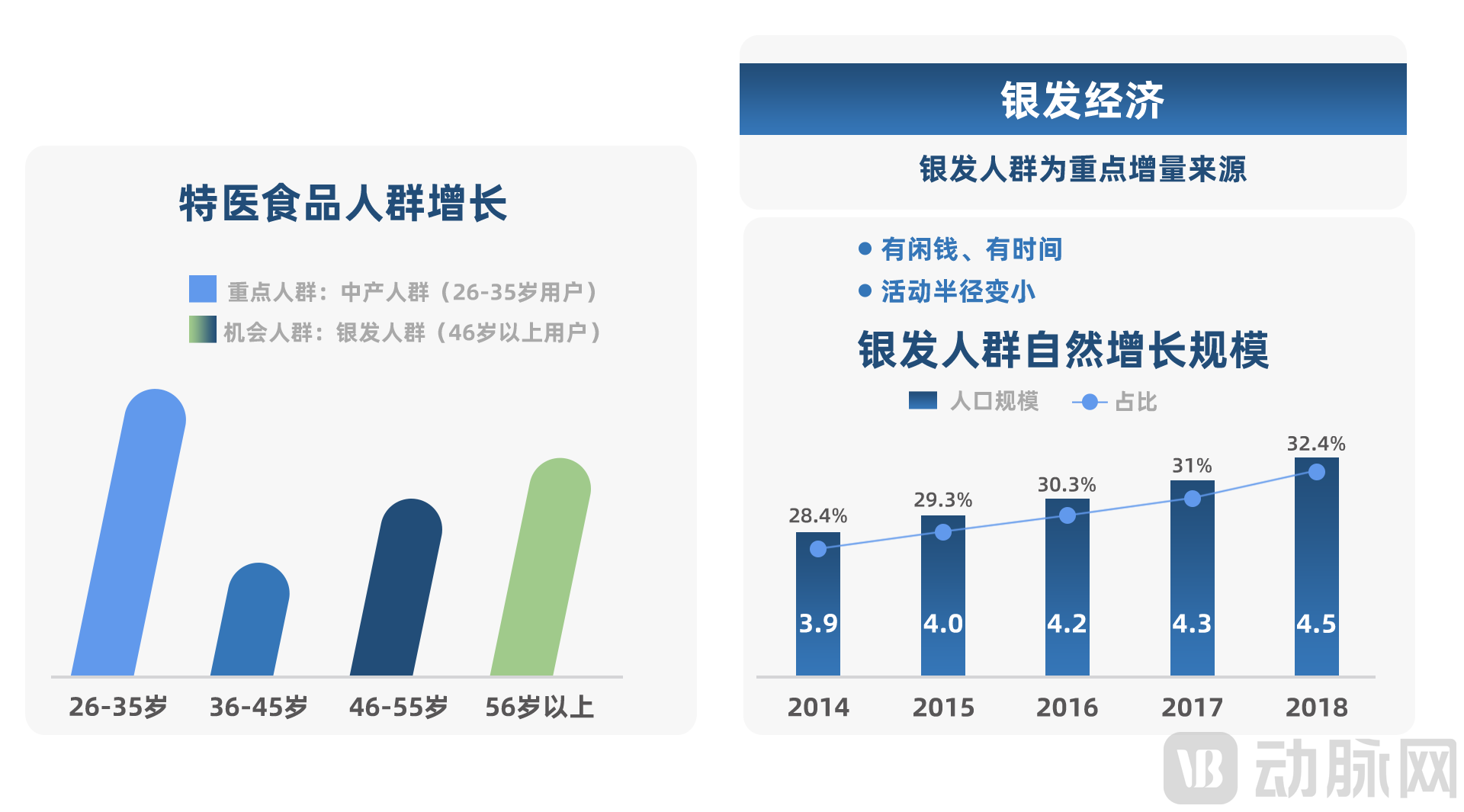
While the middle-class demographic aged 26–35 accounts for a high proportion of and drives strong growth in the consumption of foods for special medical purposes (FSMP), the elderly population is also gradually becoming a significant source of user growth.
Overall, users frequently engage in pre-purchase consultations for foods for special medical purposes (FSMP) via JD Health Internet Hospital. The primary needs of users seeking FSMP include medical consultations, medication advice for chronic diseases, and purchasing recommendations for FSMP. While receiving professional support from physicians, users also obtain emotional support and encouragement.
1.6 Development Status of E-commerce Platforms for Foods for Special Medical Purposes
As a relatively mainstream and traditional distribution channel for foods for special medical purposes (FSMP), in-hospital channels are highly valued by FSMP manufacturers. However, beyond offline channels, expansion through online e-commerce platforms has become increasingly important. VCBeat conducted statistics on the online e-commerce platform presence of 78 products from 32 companies that have already received approval.
According to statistical results, dairy companies currently dominate the layout of online channels. Among 32 enterprises, including Danone Nutricia, Meiji Dairies, Mead Johnson, Nestlé, and Abbott, nearly all approved Foods for Special Medical Purpose (FSMP) have been listed on platforms such as JD.com, Tmall, Vipshop, and Suning. (Abbott has eight approved products but has only listed five; all other enterprises have listed their entire range of approved products.) E-commerce platforms still need to further diversify the product offerings from FSMP manufacturers in the future.
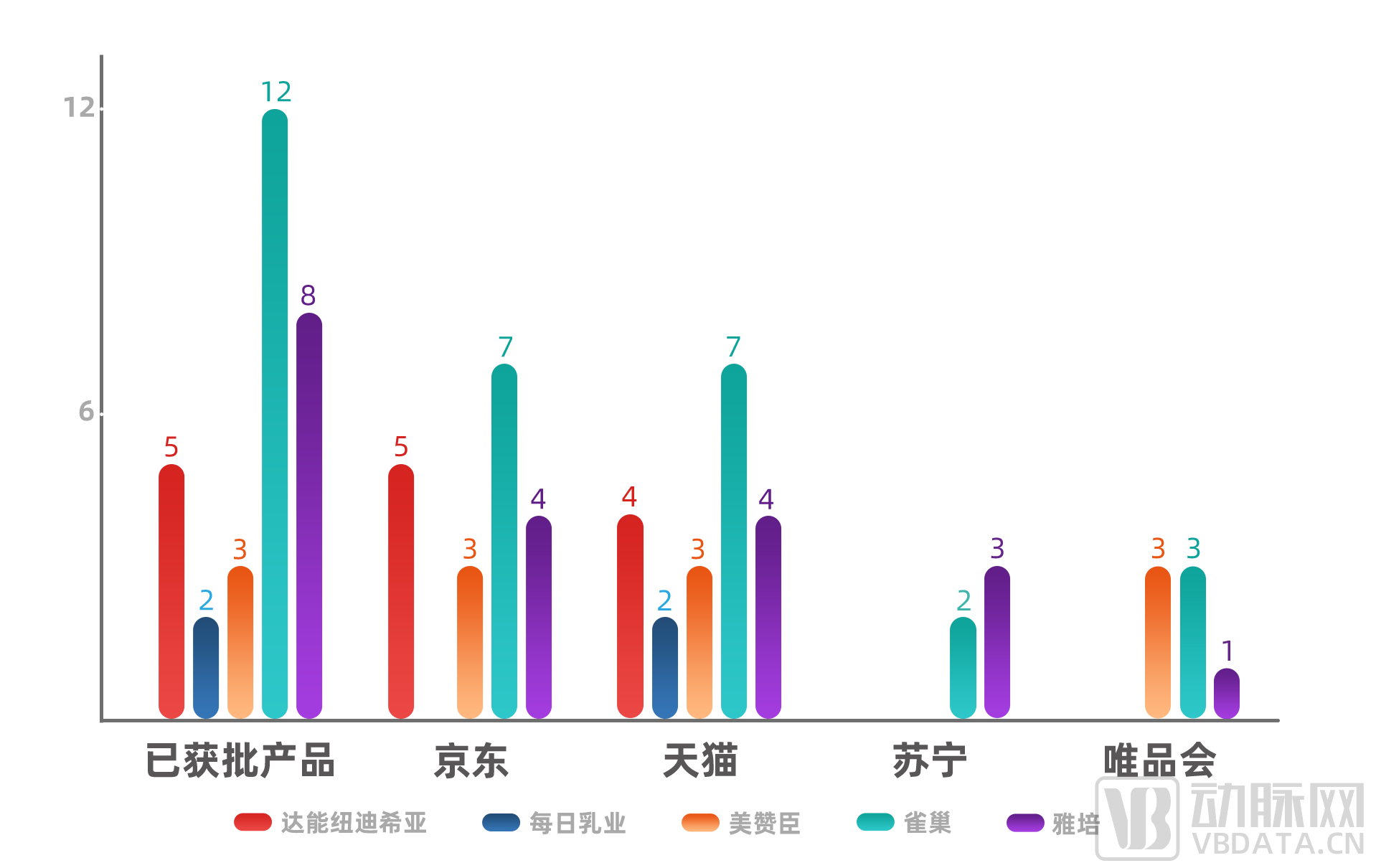
According to statistics from VCBeat, the unit price of foods for special medical purposes (FSMP) on online e-commerce platforms generally ranges from RMB 40 to RMB 600. Based on publicly available data from various e-commerce platforms, we have also compiled sales figures for selected companies: (processed from public data; not formal survey data; actual figures may vary)
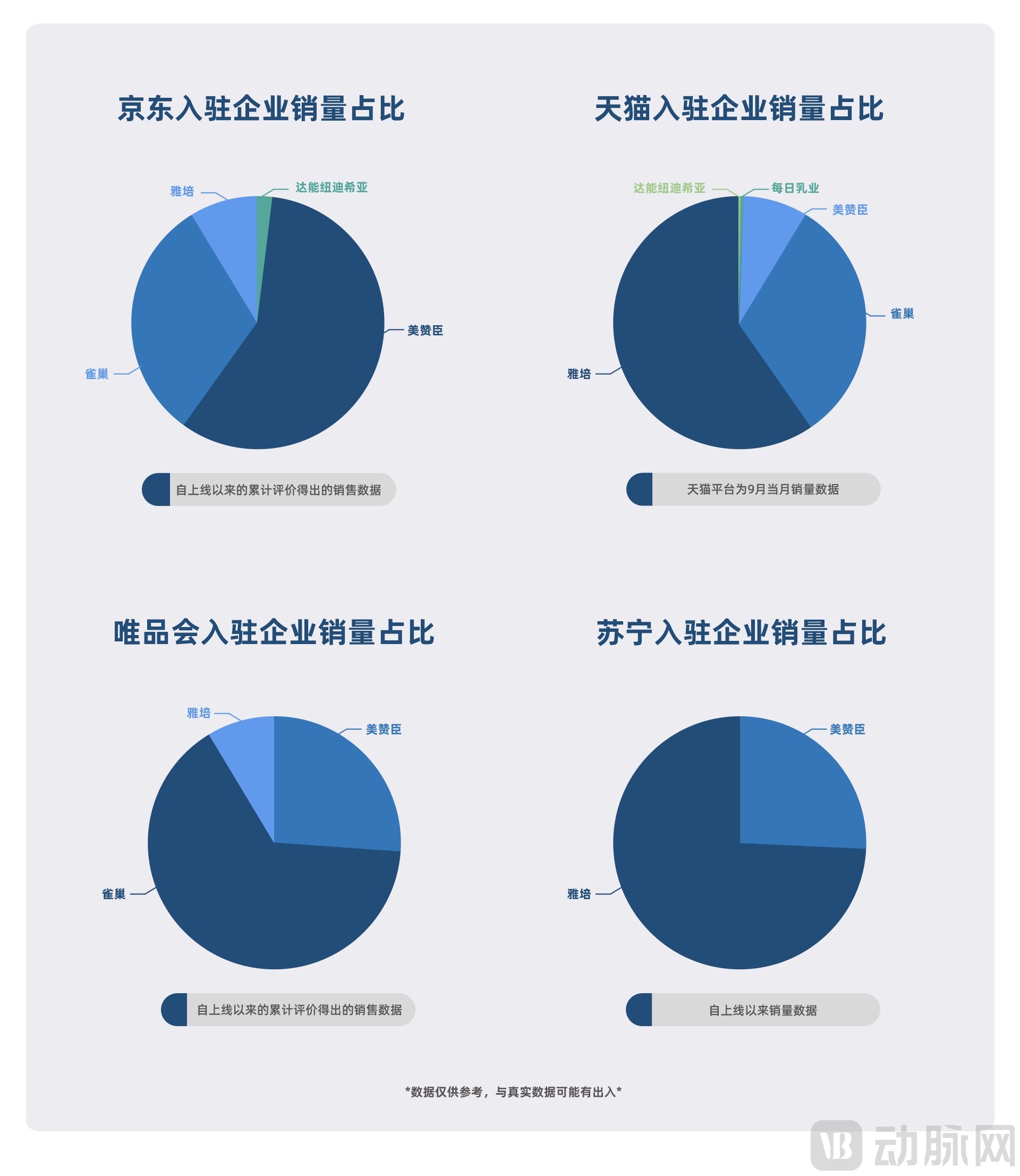
From an overall perspective, companies such as Nestlé and Abbott have opted to maximize user reach by leveraging as many platforms as possible. Relatively speaking, JD.com and Tmall have attracted a greater number of manufacturers offering foods for special medical purposes (FSMP).
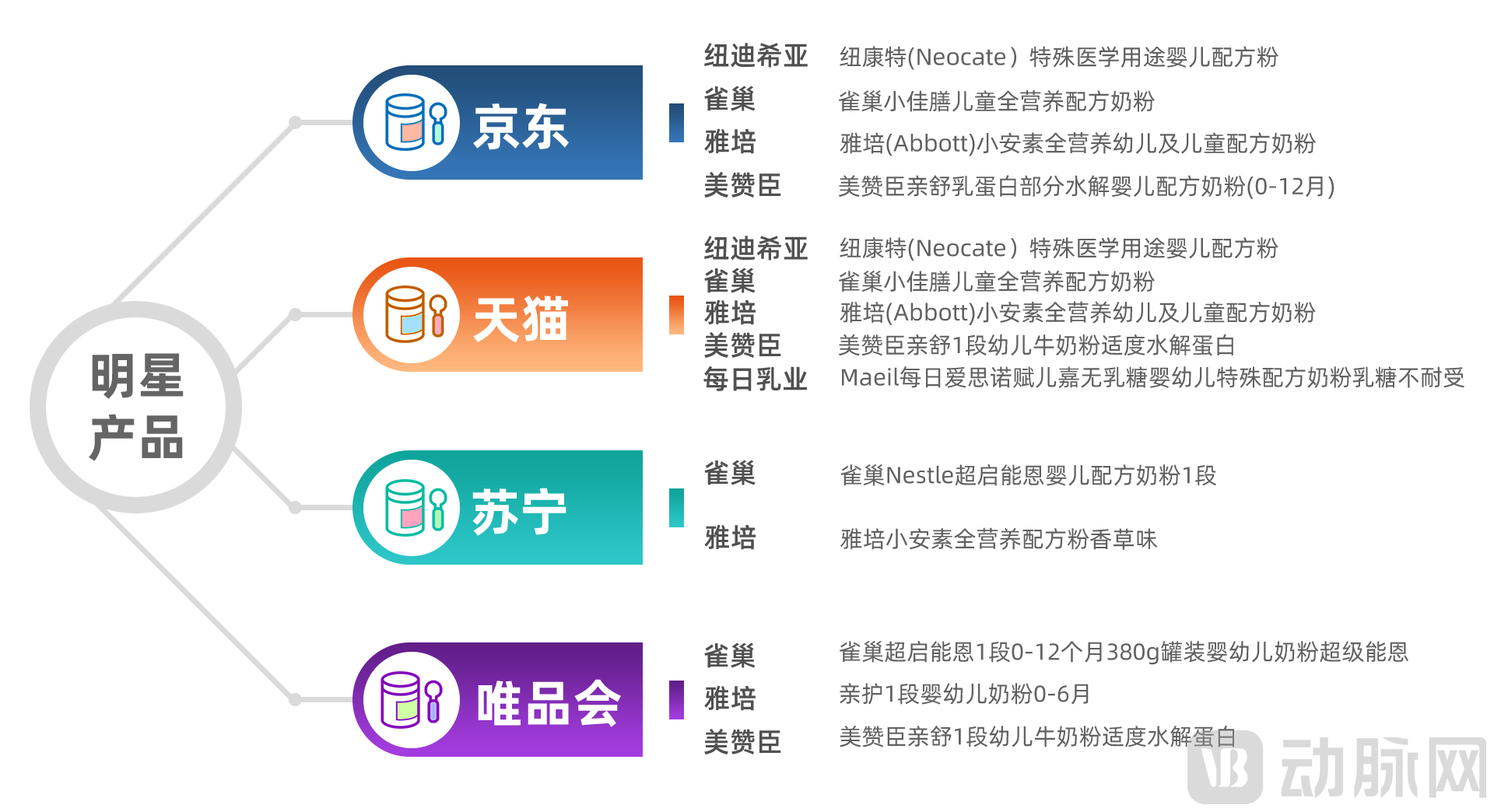
From partial sales data on e-commerce platforms, we can also identify some manufacturers’ star products:
II. Current Status and Challenges in the Expansion of Subcategories of Foods for Special Medical Purposes
2.1 Challenges Facing the Expansion of FSMP Enterprises
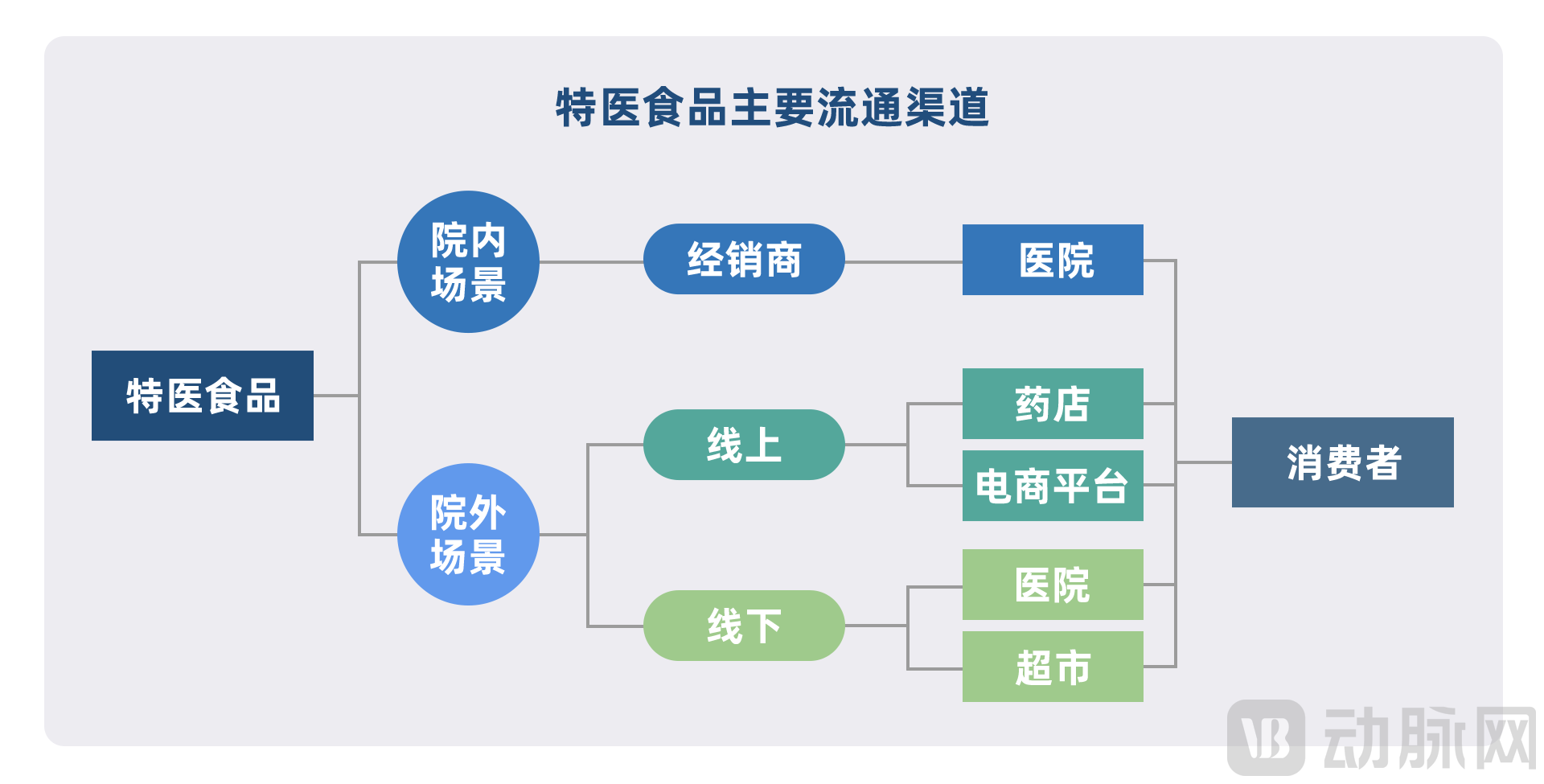
Currently, the primary distribution channels for foods for special medical purposes (FSMP) are in-hospital and out-of-hospital channels. For the in-hospital channel, manufacturers typically reach hospitals through distributors. The out-of-hospital channel can be further divided into online and offline sales channels. Offline sales primarily reach consumers through pharmacies or supermarkets, while online sales are conducted via e-commerce platforms or online pharmacies.
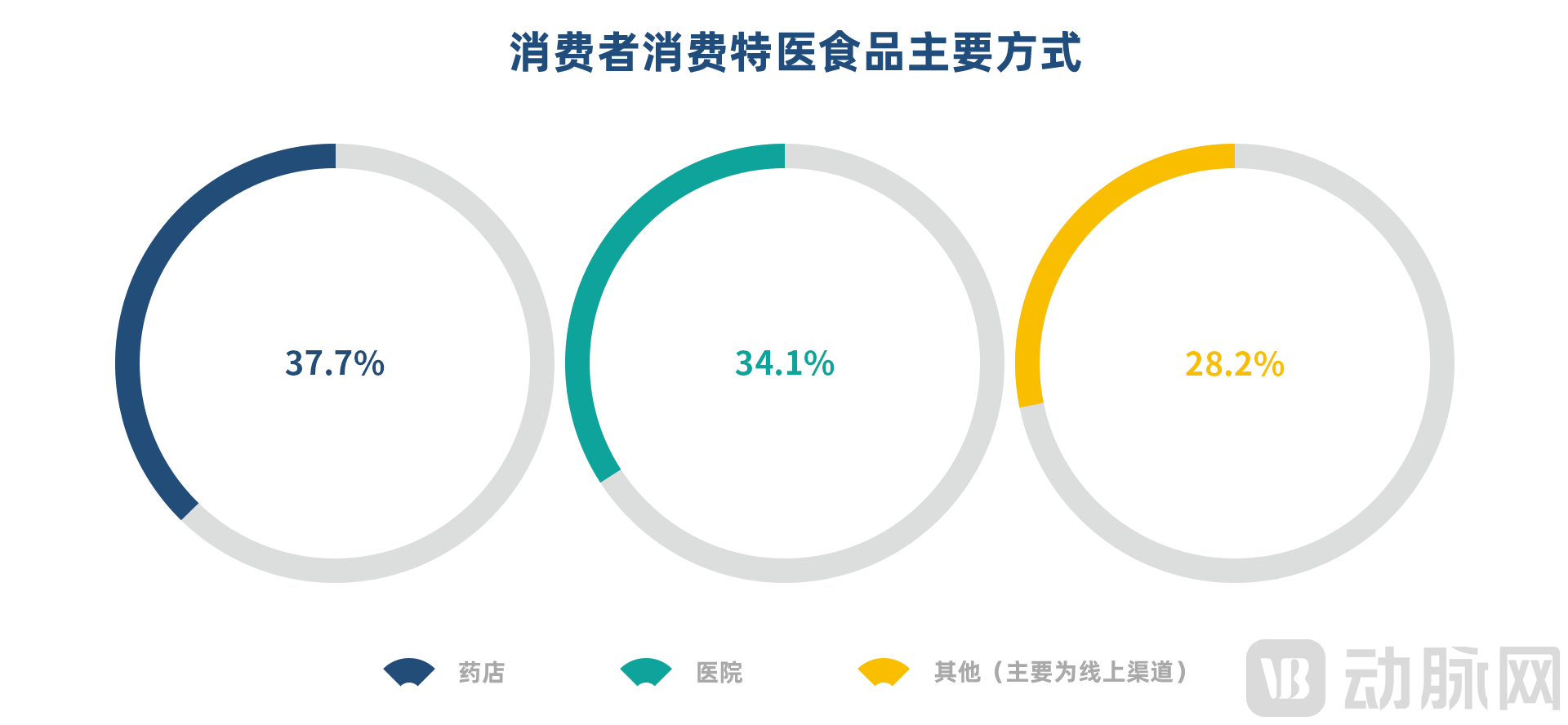
According to survey data, the primary channels for consumers purchasing foods for special medical purposes (FSMP) remain traditional outlets such as pharmacies and hospitals, which together account for 71.8% of the market share. Meanwhile, consumer acceptance of online channels, including online pharmacies and e-commerce retail platforms, has approached that of offline hospitals.
However, FSMPs still face multiple barriers in reaching end users, such as restrictions on facility establishment and usage, market disorder, and cognitive barriers.
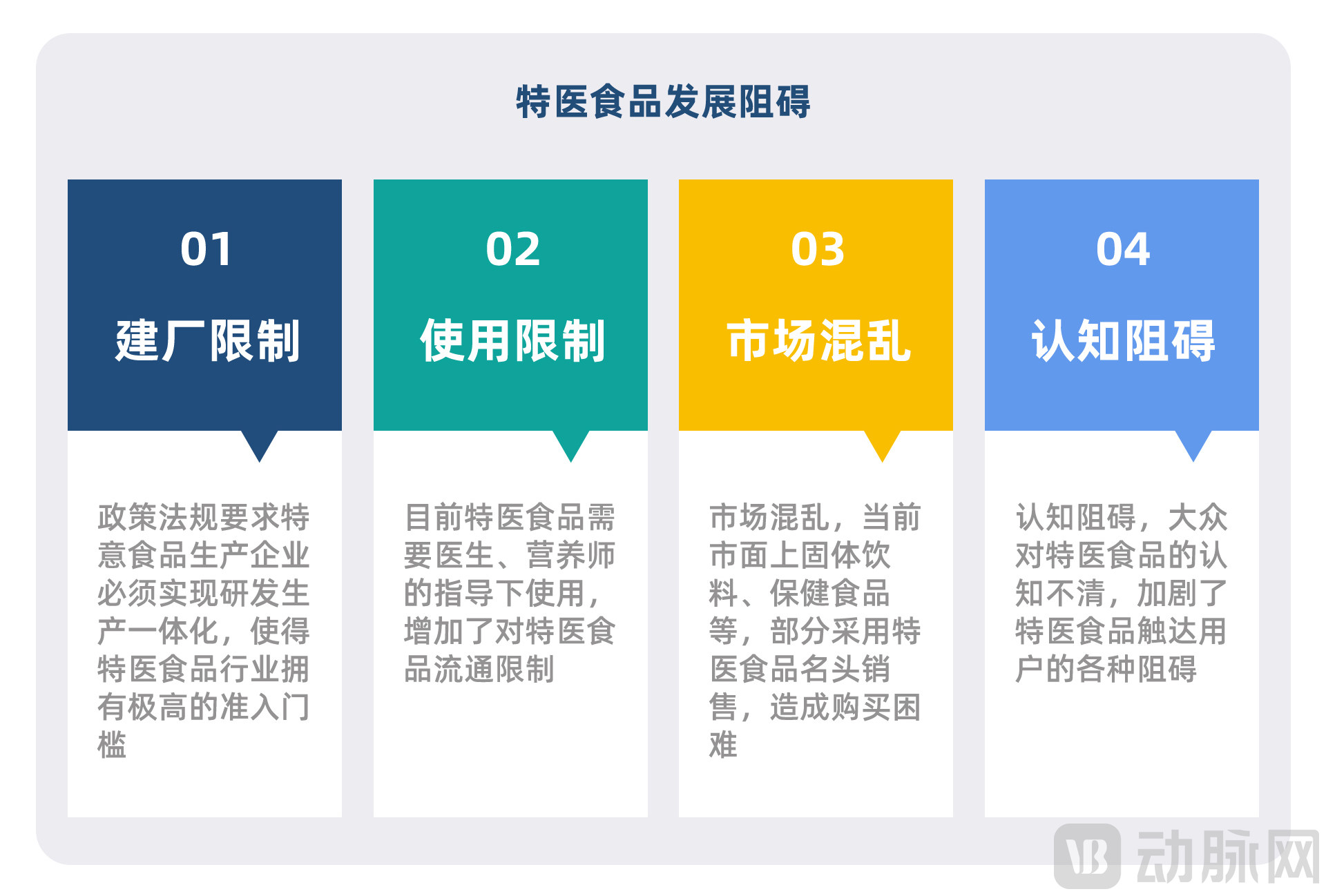
To better address current challenges, it is necessary to further diversify the sales channels for foods for special medical purposes (FSMPs), deepen consumer understanding, and promote public education on FSMPs.
2.2 Traditional Brands Are Actively Expanding into E-commerce Channels
The limited number of approved Foods for Special Medical Purpose (FSMP) and the distribution of enterprises have made it difficult to find vertical e-commerce platforms dedicated to FSMP. While expanding offline channels, some companies have chosen to leverage third-party e-commerce platforms to establish their online presence. VCBeat has conducted a partial review of the e-commerce channel strategies of companies with approved FSMP products, including Nestlé, Abbott, and Danone Nutricia.
Nestlé Health Science understands and meets consumer demand for foods for special medical purposes (FSMP) through channels such as cross-border e-commerce and community nutrition clinics. It has established flagship stores and specialty stores on major e-commerce platforms, including JD.com, Tmall, Suning, and Vipshop, thereby expanding the out-of-hospital coverage of Nestlé products by boosting online sales.
Abbott entered into a strategic partnership with Beidian in 2018, marking its first step into social e-commerce. Currently, Abbott has established a presence on social e-commerce platforms such as Xiaohongshu (Little Red Book) and launched foods for special medical purposes (FSMPs), including Pediasure (for children aged 1–10 years) and Abbott Zhizhen (for infants aged 0–12 months). Ensure Complete, a complete nutritional formula FSMP suitable for individuals aged 10 and above who require nutritional supplementation, is also available on multiple e-commerce platforms. In 2019, Abbott further deepened its e-commerce strategy by establishing a dedicated online store for specialized nutritional products and enabling cross-border e-commerce purchases.
In 2016, Danone Nutricia entered into a strategic partnership with Tmall Global to jointly explore cross-border e-commerce models. In November 2019, it announced the launch of its official cross-border flagship store for specialized nutritional products and introduced the WeChat mini-program “Nutricia Select,” gradually establishing an online-to-offline (O2O) ecosystem that integrates offline in-store experiences with online purchasing.
Mead Johnson established an early presence on e-commerce platforms such as Tmall and JD.com, pioneering its online retail initiatives. In 2016, Mead Johnson entered into its first deep strategic partnership with JD.com to explore new marketing models for infant formula. Since then, the two companies have forged multiple strategic collaborations. That same year, Mead Johnson launched an official store on WeChat. In June 2018, Mead Johnson and JD.com jointly unveiled a new market strategy, leveraging JD.com’s reach to expand into emerging tier-three and tier-four city markets.
Seoul Milk, by partnering with domestic e-commerce platforms, expanded its sales channels and achieved rapid revenue growth. Previous data indicated that its sales in China increased from $6.3 million in 2011 to $470 million in 2015. To better provide products for infants and young children in China, it launched the Asia Infant Formula Research Center in China in November 2016. In the same year, it announced a strategic cooperation agreement with JD.com to sell infant formula products to Chinese cross-border online shoppers.
Notably, this October, JD Health joined hands with Nestlé Health Science, Nestlé, Nutricia, Abbott Medical Nutrition, Abbott, Mead Johnson, Youbo Special Medical Foods, Dongze Special Medical Foods, Languo, and Maifu Nutrition to establish the “JD Health FSMP Alliance,” continuously advancing its exploration of foods for special medical purposes (FSMP).
In terms of establishing a presence on online e-commerce platforms, dairy companies have been relatively more active. According to statistics from VCBeat, companies such as Danone Nutricia, Meiji Dairies, Mead Johnson, Nestlé, Abbott, Beingmate, and Synutra have listed their specialized medical food products on platforms including JD.com, Tmall, Vipshop, and Suning.
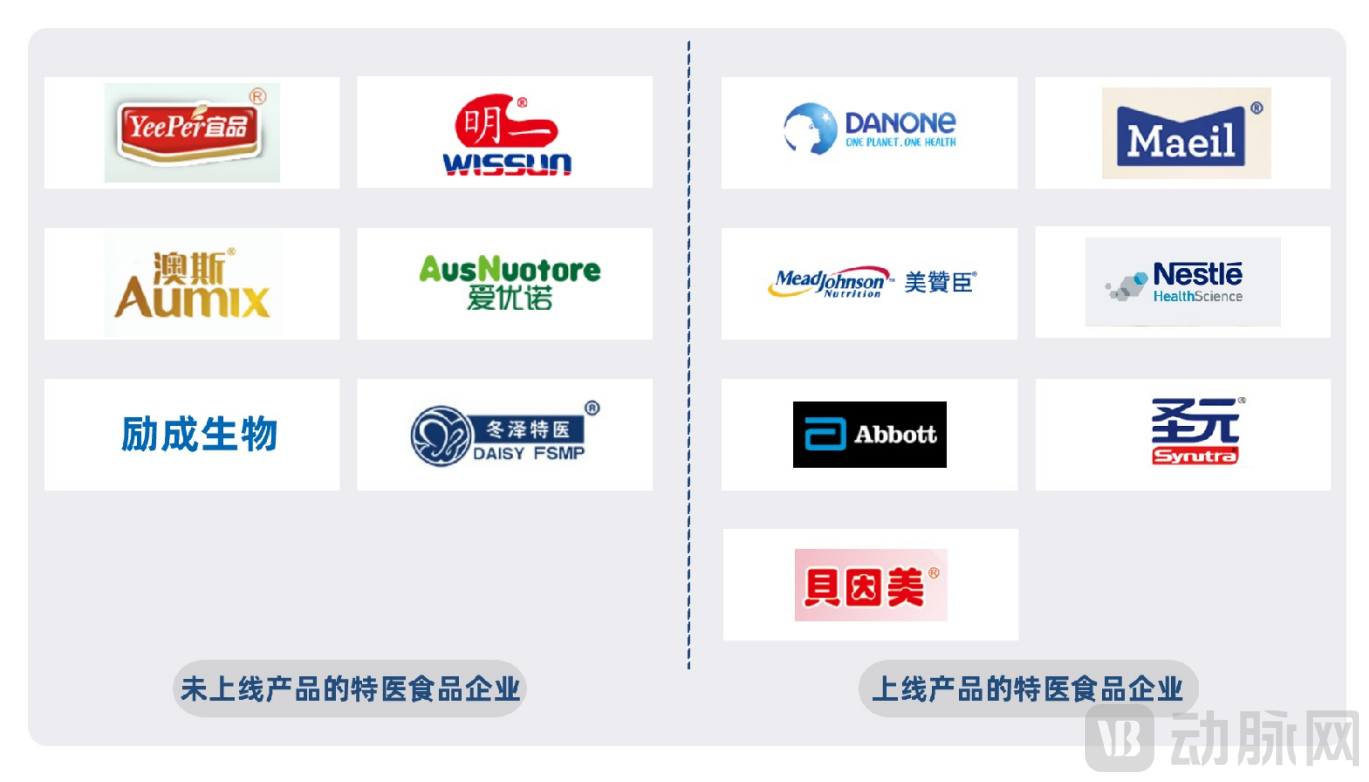
It should be noted that some companies with approved Foods for Special Medical Purposes (FSMPs) have not yet launched these products but are actively establishing their presence in e-commerce channels, leaving open the possibility of future FSMP launches. Notably, Licheng Biology and Dongze FSMP both have backgrounds in the pharmaceutical industry.
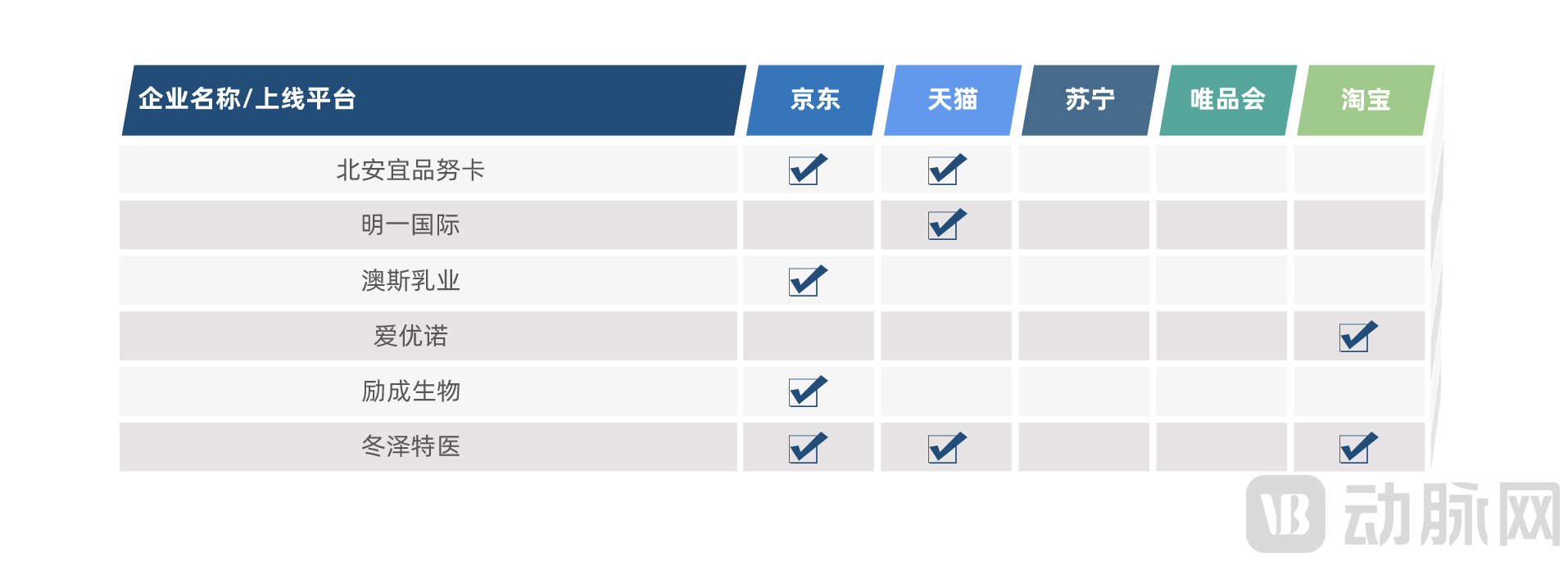
Companies that have partially established an e-commerce presence but have not yet launched foods for special medical purposes (FSMP)
2.3 Lack of Professional Guidance in the Use of FSMP Categories
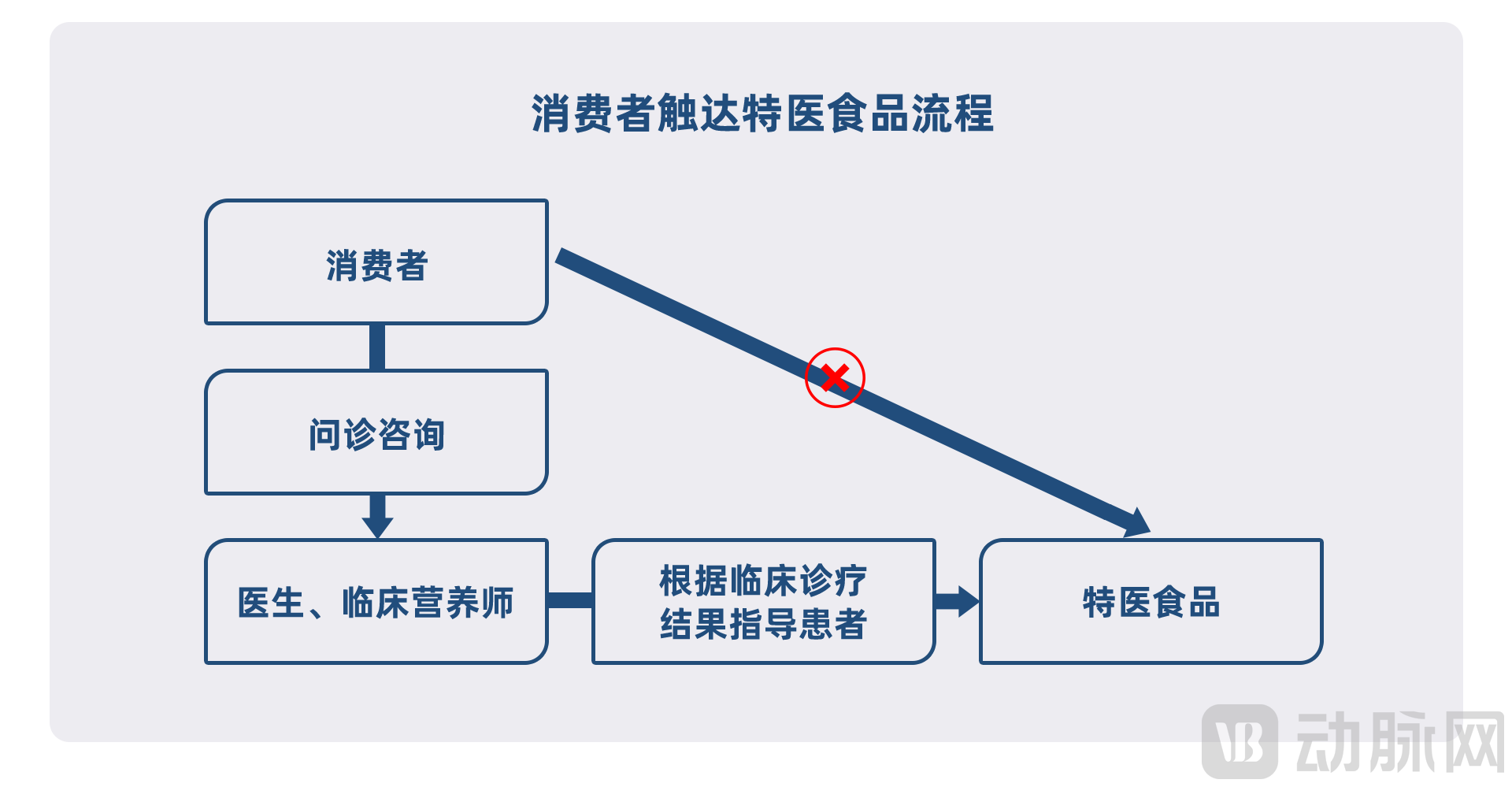
According to regulations, foods for special medical purposes (FSMP) must be used under the guidance of nutritionists and physicians. The overall clinical diagnosis and treatment workflow for FSMP is generally as follows:
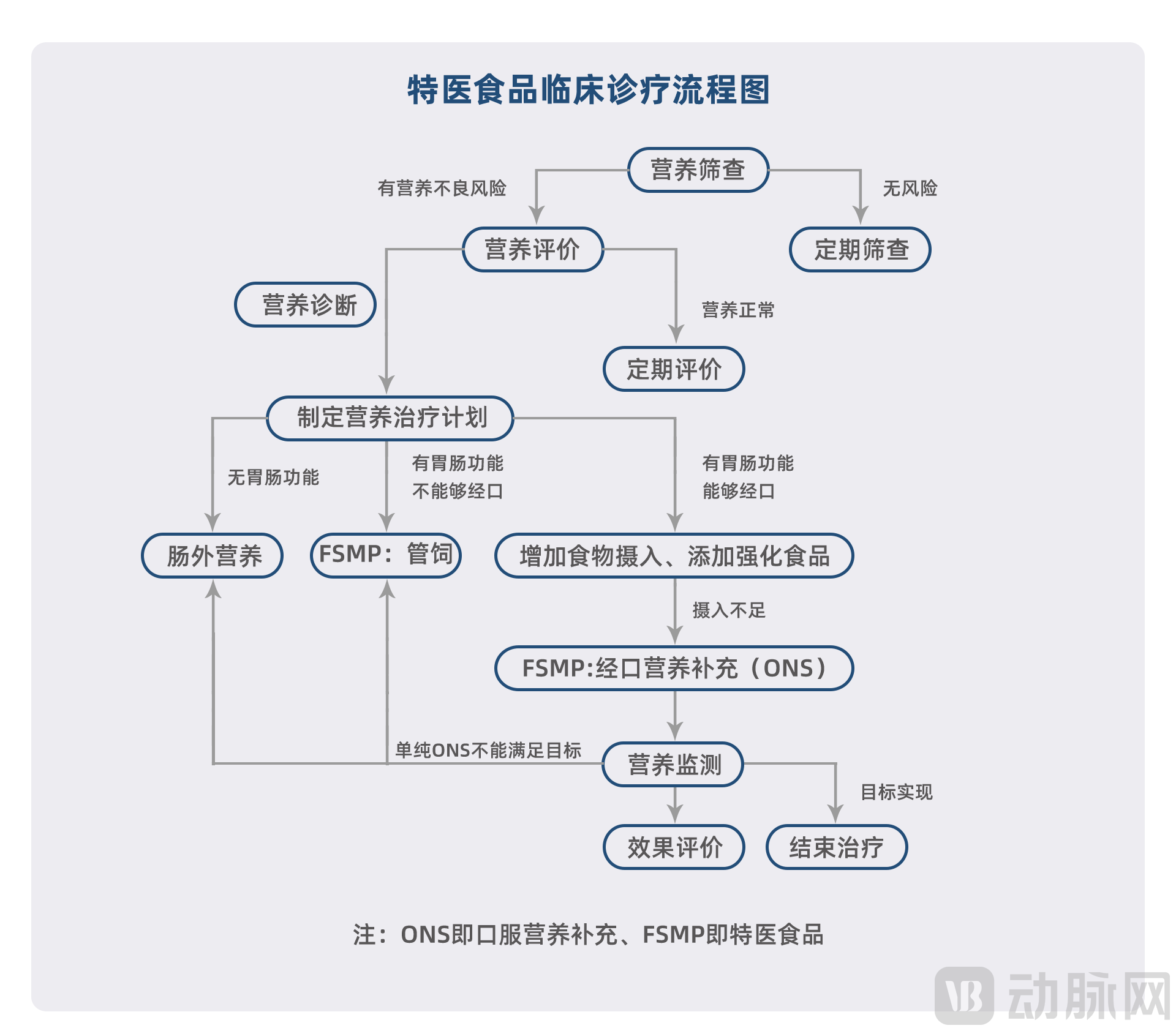 Source: Jinan Clinical Nutrition Diagnosis and Treatment Application Guidelines
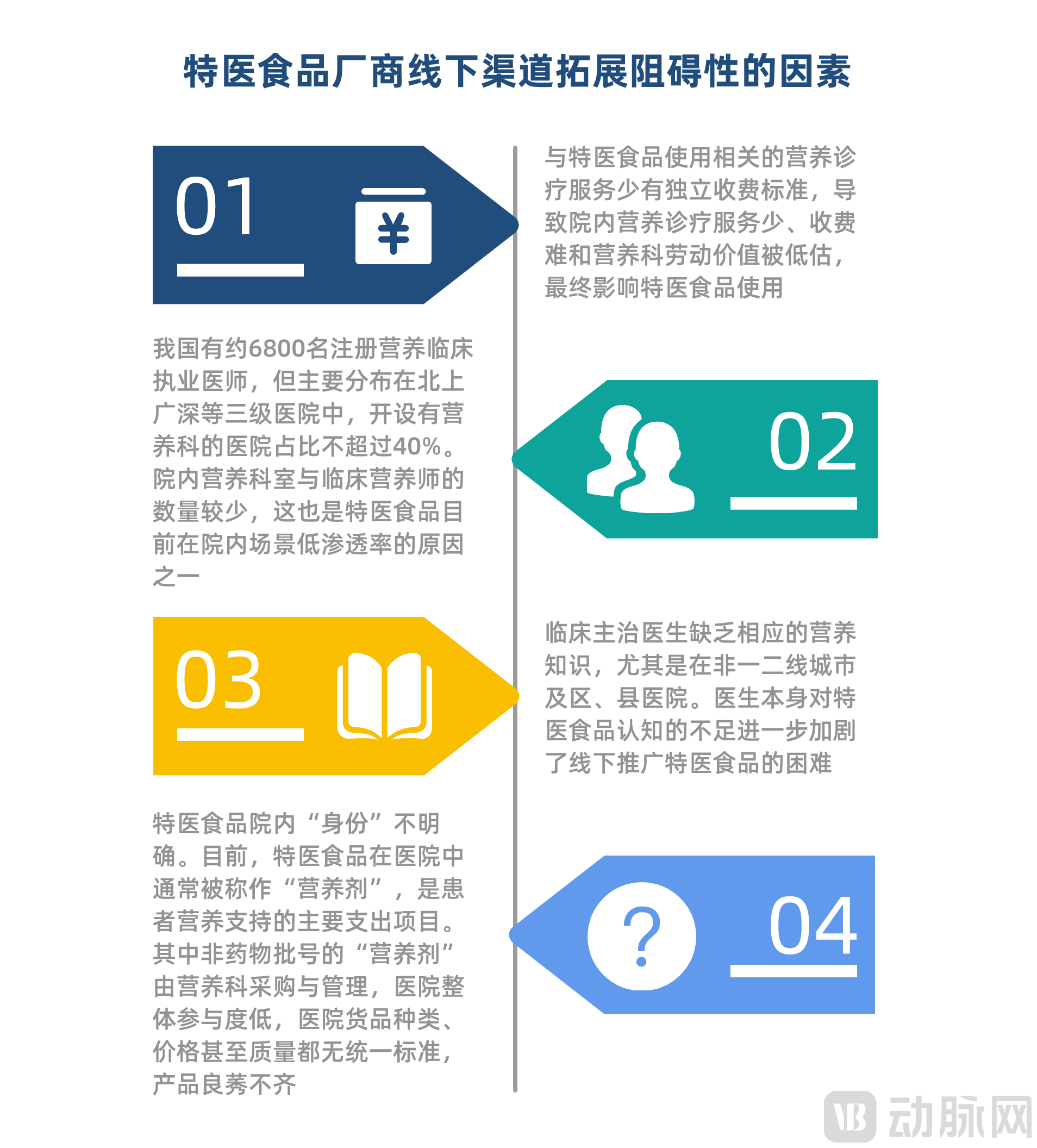
It is also this regulation that has made offline hospitals the preferred consumer touchpoint for some FSMP (Foods for Special Medical Purposes) companies. However, the current state of in-hospital nutritional support often becomes an obstructive factor for FSMP manufacturers in expanding their offline channels. The reasons are as follows:
Although some brands of foods for special medical purposes (FSMP) have been listed on e-commerce platforms, the support provided by most of these platforms remains very limited. They have not yet established a closed loop between online medical services and FSMPs, leaving consumers without professional guidance on the use of these products.
We have also observed that some internet platforms have already taken this step. In response to the shortage of specialist physicians and dietitians familiar with foods for special medical purposes (FSMP), companies such as JD Health have established online hospitals. These platforms not only provide digital tools to support dietitians and specialists but also further enhance the quality and efficiency of healthcare service providers, thereby offering consumers more convenient 24/7 online medical services and better meeting user needs.
2.4 Deepening User Awareness of the Subcategory Layout for Foods for Special Medical Purposes (FSMP)
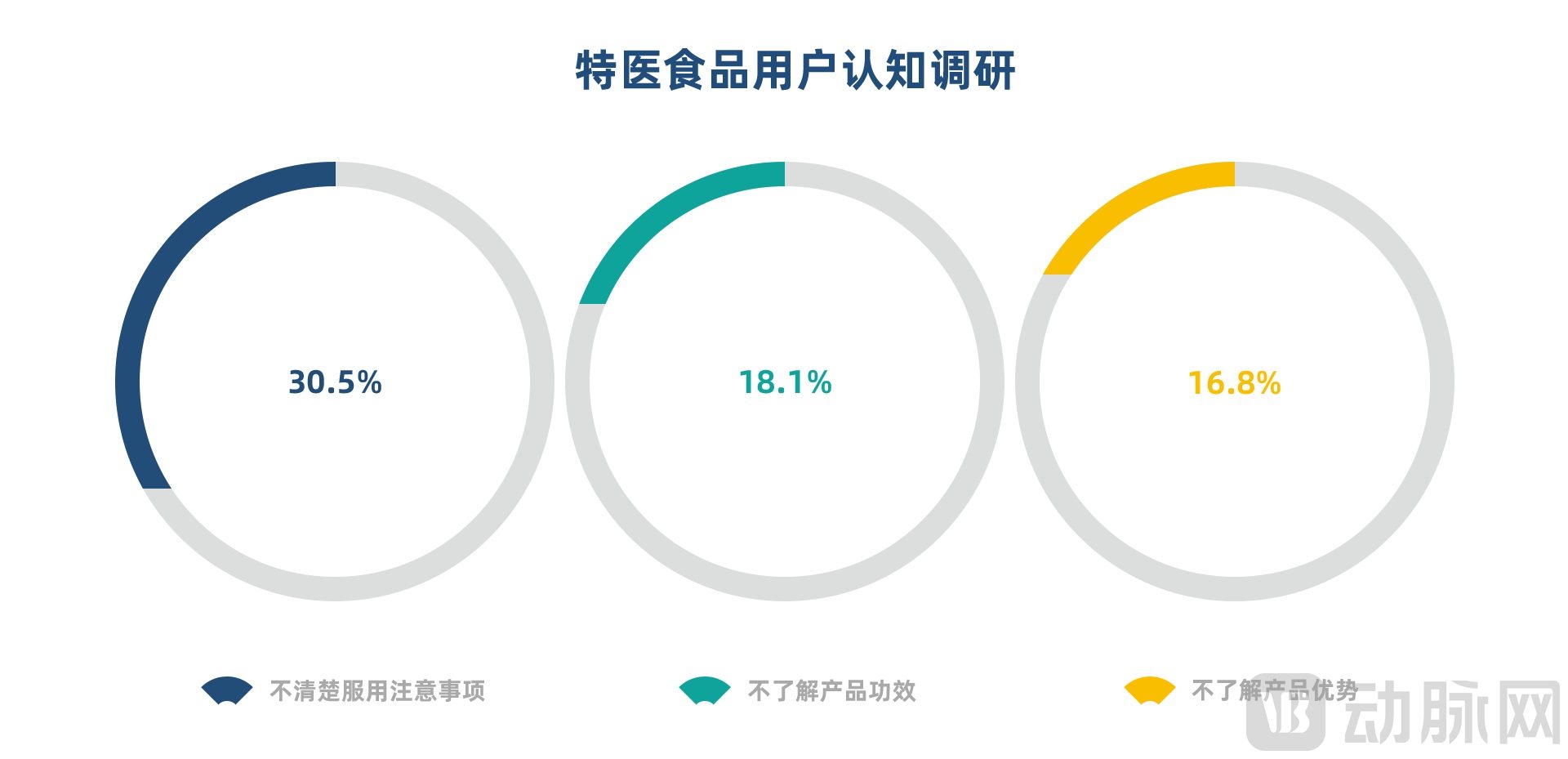
There is a wide variety of specialized medical food subcategories, which further requires users to have a clear understanding of these products. However, since the specialized medical food industry started late in China, user awareness remains very low. According to a survey by JD Health, 30.5% of specialized medical food users are unclear about usage precautions, 18.1% do not understand product efficacy, and 16.8% are unaware of the advantages of specialized medical foods.
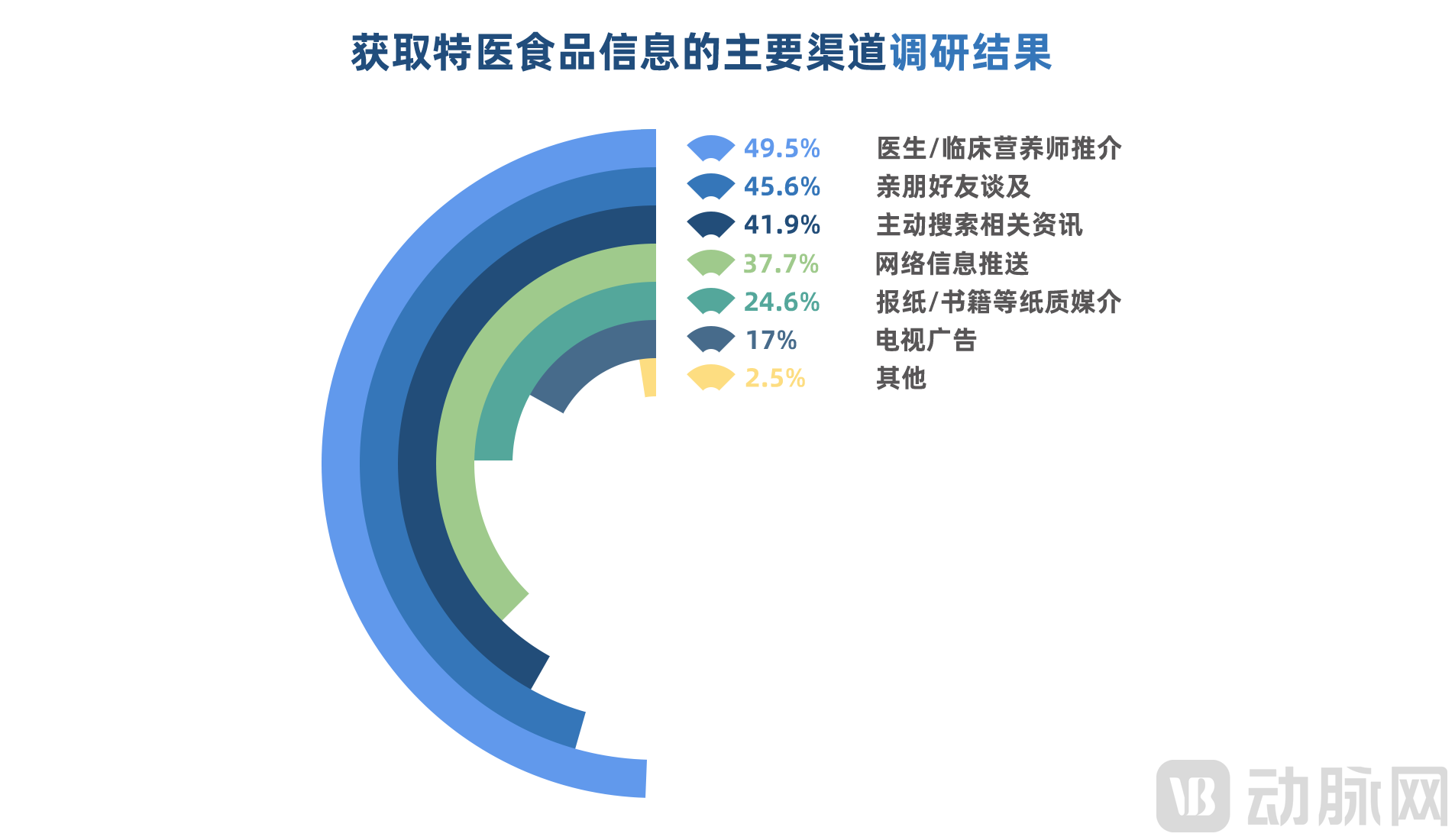
In terms of awareness channels for Foods for Special Medical Purpose (FSMP), nearly 50% of users currently learn about FSMP through recommendations from physicians and clinical dietitians. However, it is also noteworthy that consumer interest in FSMP is growing steadily. Word-of-mouth discussions among friends and family, along with proactive searches for FSMP-related information, have become significant avenues for awareness, second only to recommendations from doctors and dietitians.
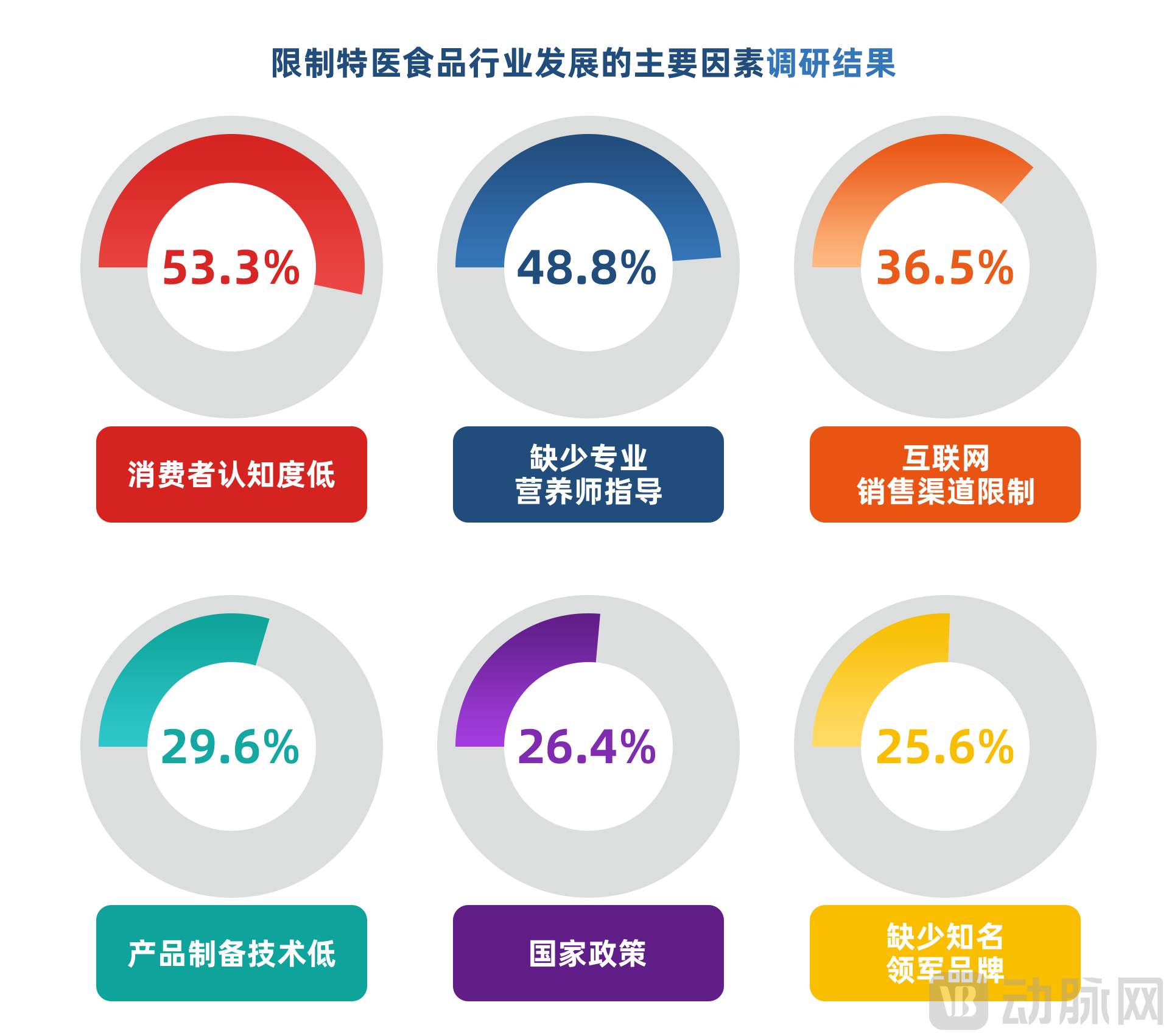
The primary factor influencing the development of the FSMP (Foods for Special Medical Purposes) industry is user awareness, followed by the lack of guidance from professional dietitians. This underscores the importance of science popularization in enhancing user understanding.
JD Health Internet Hospital’s Specialty Nutrition Department helps consumers make informed product choices through professional dietary consultations and guidance, thereby further driving the development of niche categories within foods for special medical purposes (FSMP). The resulting enhancement in consumer awareness of these FSMP subcategories has yielded significant outcomes.
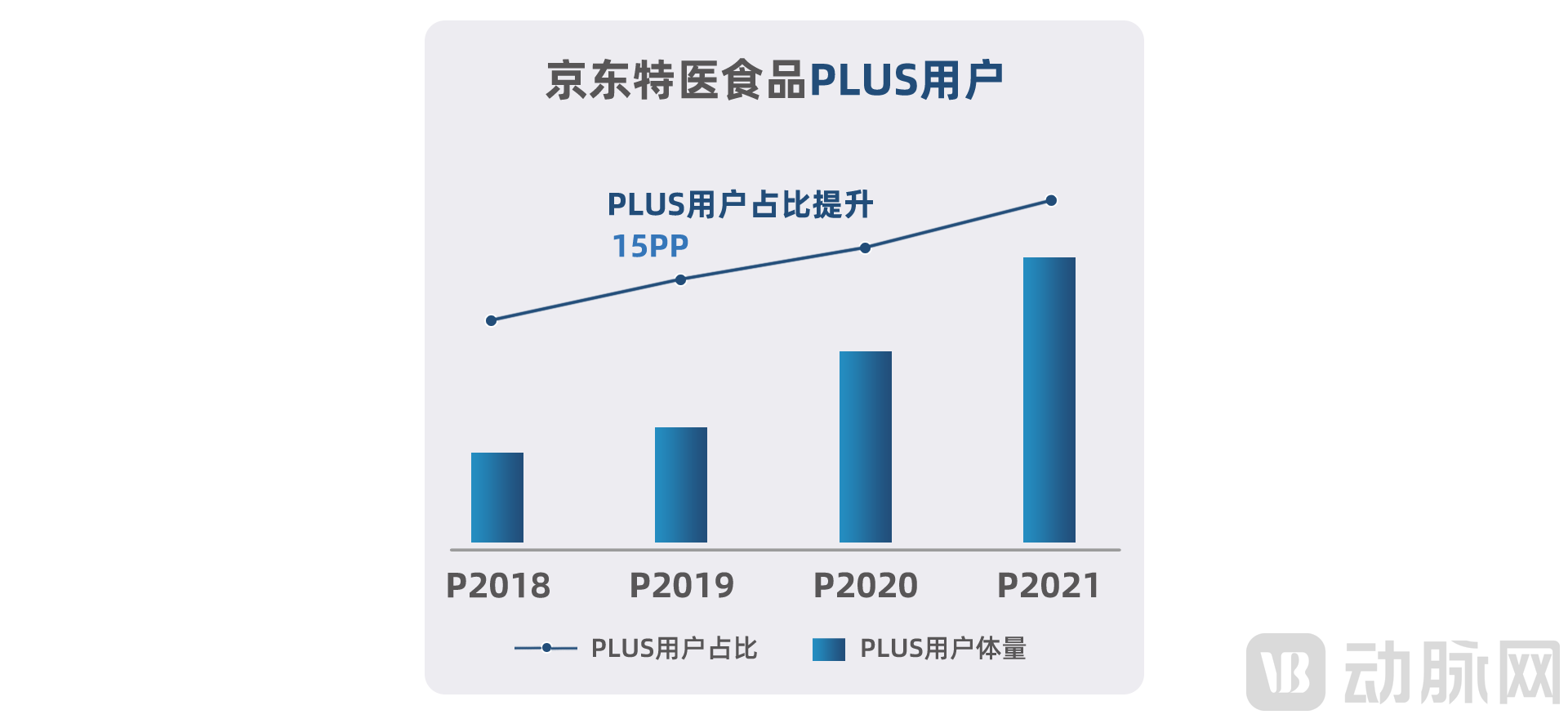
Currently, among JD.com PLUS members who have a relatively high level of acceptance of science popularization regarding foods for special medical purposes (FSMP), the proportion purchasing FSMP is often higher than that for other health supplements. For companies in the FSMP sector, this also underscores the necessity of deepening consumers’ understanding of FSMP.
III. Outlook on the Future Development Trends of Foods for Special Medical Purposes
By analyzing the 78 FSMP products from 32 approved companies across various categories, as well as their online platform presence and sales performance, we can identify the following trends:
3.1 Compound Annual Growth Rate Exceeds the Overall Average, with Promising Prospects for Online Channels
Data indicates that the global average growth rate for the Foods for Special Medical Purpose (FSMP) industry is currently around 6%, while China’s growth rate stands at approximately 30%, signaling a positive outlook for the domestic market. The market size of China’s FSMP industry is projected to grow from RMB 4.52 billion in 2018 to an expected RMB 10.01 billion in 2021.
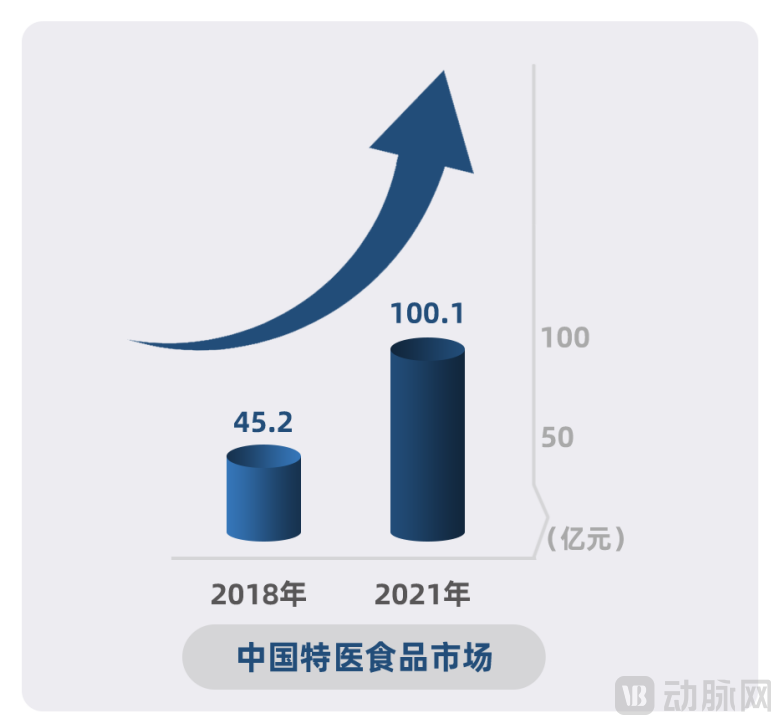
Based on data estimates, the compound annual growth rate (CAGR) of China’s market for foods for special medical purposes (FSMP) was approximately 30.35% from 2018 to 2021. According to JD.com’s big data, the CAGR of FSMP sales on JD.com during the same period exceeded the current industry average. Notably, the CAGR of non-infant FSMP sales on JD Health reached as high as 78%.
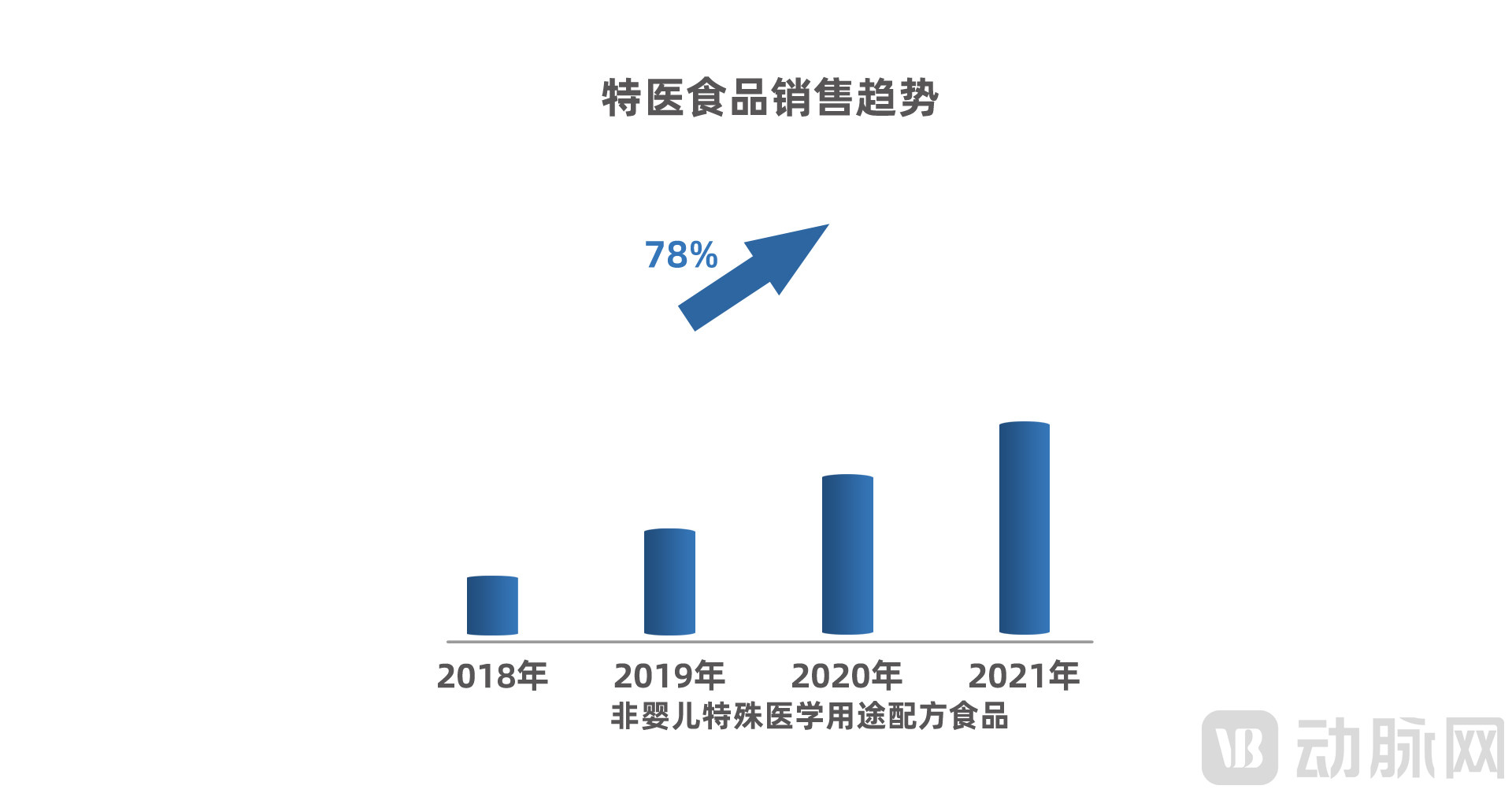
From one perspective, the compound annual growth rate (CAGR) of online sales channels for foods for special medical purposes (FSMP), represented by JD Health, exceeds that of the domestic FSMP industry as a whole, which to some extent indicates favorable prospects for online sales channels. E-commerce platforms are poised to become a new growth pole driving overall FSMP sales.
3.2 Brands are increasingly prioritizing internet channels and deepening their digital marketing efforts
Constrained by consumers’ current level of awareness, many companies with approved foods for special medical purposes (FSMP) have prioritized offline channels as their primary focus. However, optimism about online channels has prompted companies such as Danone Nutricia, Meiri Dairy, Mead Johnson, Nestlé, and Abbott to establish an online presence and launch their approved FSMP products on e-commerce platforms.
According to statistics from VCBeat, among the 32 companies that have obtained approval for foods for special medical purposes (FSMP), 13 have established a presence on the aforementioned e-commerce platforms, accounting for 40.6%. Moreover, some companies have expressed their intention to list their products on e-commerce platforms in the future. Although some of these companies have not yet launched their FSMP products on these platforms, their early strategic positioning has laid the groundwork for the subsequent introduction of these products.
Offline, the sales of foods for special medical purposes (FSMP) primarily reach hospital settings through distributors. However, the number of patients using FSMP based on nutritional diagnosis remains quite limited. To increase customer acquisition, FSMP companies need to organize academic conferences intermittently offline to enhance attending physicians’ awareness and conduct educational campaigns targeted at patients. This entails significant investments of time and money.
Online, digital marketing enables enterprises to reduce marketing costs, reach a broader consumer base anytime and anywhere, and enhance the influence of their Foods for Special Medical Purpose (FSMP) brands. For consumers, corporate digital marketing efforts provide access to more comprehensive educational content about FSMPs, helping them improve their understanding and select products that meet their individual needs. The promising prospects and advantages of online channels are driving brands to establish an online presence and deepen their digital marketing strategies.
3.3 The online layout of FSMP will be led by the closed-loop medical service
Regulations stipulate that the use of foods for special medical purposes (FSMP) must be conducted under the guidance of a physician or dietitian, which also implies that the provision of medical services is an integral part of the FSMP usage process.
Offline, consumers typically access foods for special medical purposes (FSMP) through doctors and nutritionists in hospitals and pharmacies. Online, however, faced with a wide array of FSMP options, users often lack the necessary knowledge to select products that meet their specific needs due to limited awareness. Without the involvement of professional medical services, patients are likely to make decisions that are detrimental to their own health.
The provision of medical services will play a pivotal role in the strategic layout of the Foods for Special Medical Purpose (FSMP) category. However, not all e-commerce platforms have yet recognized this importance or established a closed-loop service model integrating FSMP with medical care. JD Health has currently integrated its medical service capabilities, including the JD Health Internet Hospital and JD Family Doctor, to provide consumers with health education, pre-purchase guidance from professional nutritionists, and 24/7 online consultation services with authoritative experts and physicians.
Furthermore, by establishing an online medical service system integrating general practitioners and specialists, targeted and personalized medical food services can be provided to patients. Through the long-term and sustainable health management model offered by general practitioners, JD Health facilitates user education on medical foods. The bidirectional options of “from products to services” or “from services to products” enable users to access medical foods that meet their needs through various pathways after receiving medical care.
Both legal requirements and users’ substantive needs are driving the online deployment of foods for special medical purposes (FSMPs), with the establishment of a closed-loop medical service system as the leading priority.
3.4 Increasing Diversity of Enterprise Types, with Pharmaceutical Companies Entering as a New Trend
Reforms in pharmaceutical policies, such as the “4+7” volume-based procurement program, have prompted pharmaceutical companies to further control offline marketing costs and continuously explore new growth opportunities. Many pharmaceutical companies have positioned foods for special medical purposes (FSMP) as a new frontier for their cross-industry transformation. As hospitals serve as the end-use channel for FSMP, pharmaceutical companies can leverage their extensive experience in hospital sales. Moreover, the high thresholds and stringent standards for FSMP registration, R&D and manufacturing, comprehensive testing, and GMP-compliant facilities and equipment are more readily met by pharmaceutical companies, thereby driving their widespread entry into the FSMP sector.
However, pharmaceutical companies’ foods for special medical purpose (FSMP) products have not yet shown explosive growth. Among the currently approved FSMPs, 29 products have been approved for pharmaceutical companies, which is less than half of the total 78 approved products.
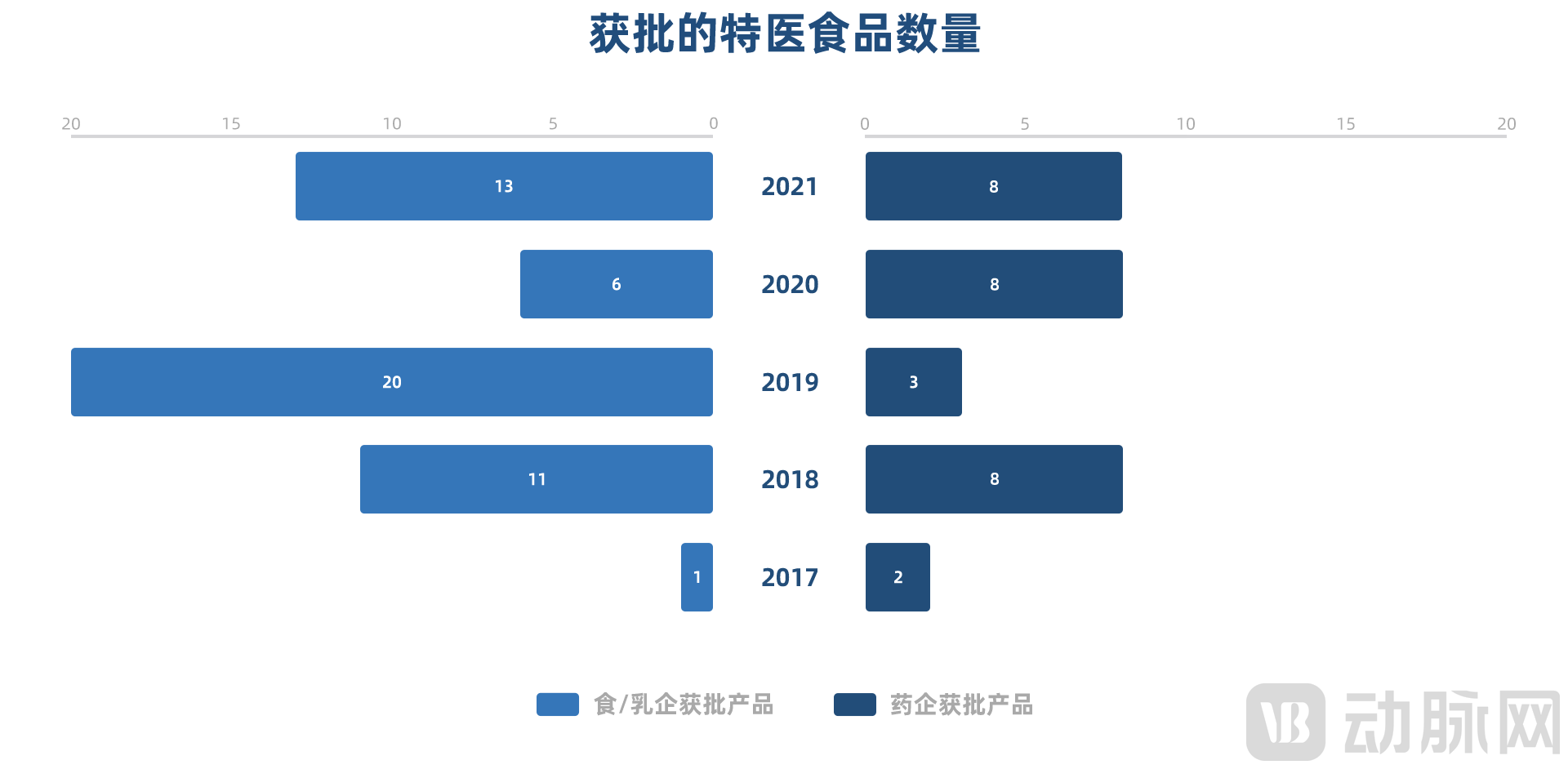
From another perspective, among the 32 companies approved for FSMP (Food for Special Medical Purposes), a total of 14 are pharmaceutical enterprises, accounting for 43.7% of the approved FSMP companies. The subsequent expansion of pharmaceutical companies in the FSMP sector is undoubtedly worthy of attention.
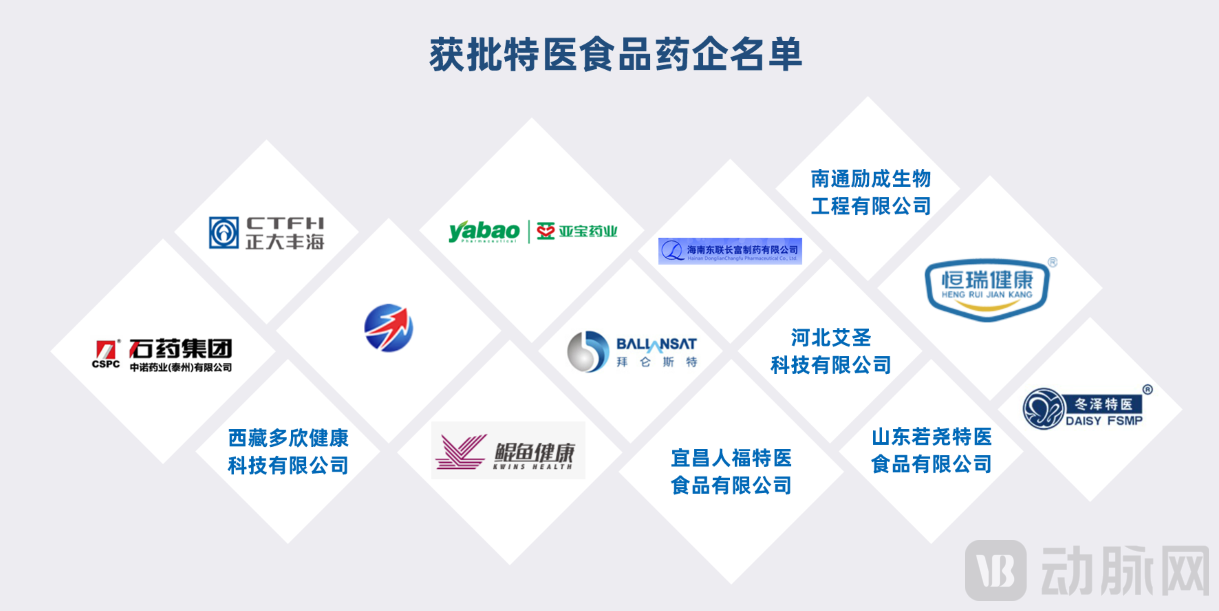
In addition to pharmaceutical companies that have already obtained approval for foods for special medical purposes (FSMP), we have also identified other pharmaceutical companies venturing into the FSMP sector, including the following:
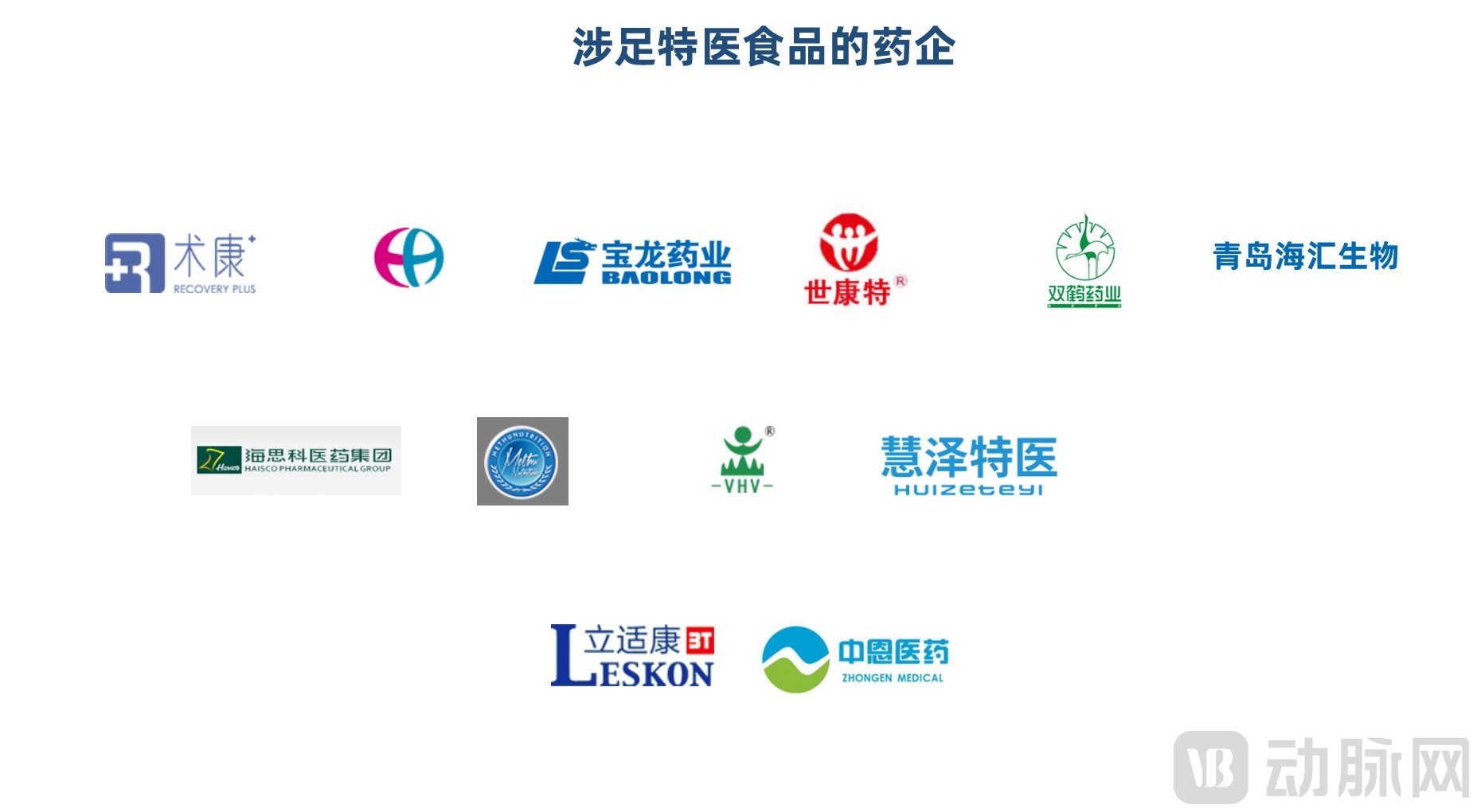
Pharmaceutical companies entering the FSMP sector may become the norm.
Will the dominance of pharmaceutical companies in offline channels such as hospitals and pharmacies prompt other manufacturers of formula-based and food-type foods for special medical purposes (FSMP) to accelerate their shift online? This remains a point worth watching.