

Pharmaceutical Digital Marketing Enters Deep-Water Phase: Omnichannel Strategy Emerges as Key to Competitive Breakthrough
Internet healthcare has become an indispensable scenario for the digital marketing of pharmaceuticals.
“The internet, with its ‘connector’ attributes, has enabled equitable access to pharmaceuticals and medical services. By leveraging pharmaceutical e-commerce platforms and internet hospitals to directly engage the public in patient management and education, we can provide information services, pharmaceutical care, and healthcare services at lower costs and with greater scalability. This approach also enables more precise and effective academic marketing for physicians,” said Jin Enlin, Vice President of JD.com and CEO of JD Health, at the Second China Pharmaceutical Digital Marketing Forum.
With the support of internet healthcare companies, digital pharmaceutical marketing has reached a tipping point for transformative change. As healthcare system reforms deepen, identifying effective methodologies for digital pharmaceutical marketing, seizing policy opportunities and meeting user demands, and leveraging digitalization to drive breakthroughs in innovative pharmaceutical marketing have become key focal points within the industry.
On October 14, 2021, the 2nd China Pharmaceutical Digital Marketing Forum, hosted by JD Health, was held in Shanghai. At the event, experts from globally renowned pharmaceutical companies and across the pharmaceutical industry chain shared their insights on hot topics such as methodologies for digital marketing in the pharmaceutical sector and strategies to break through competitive impasses.
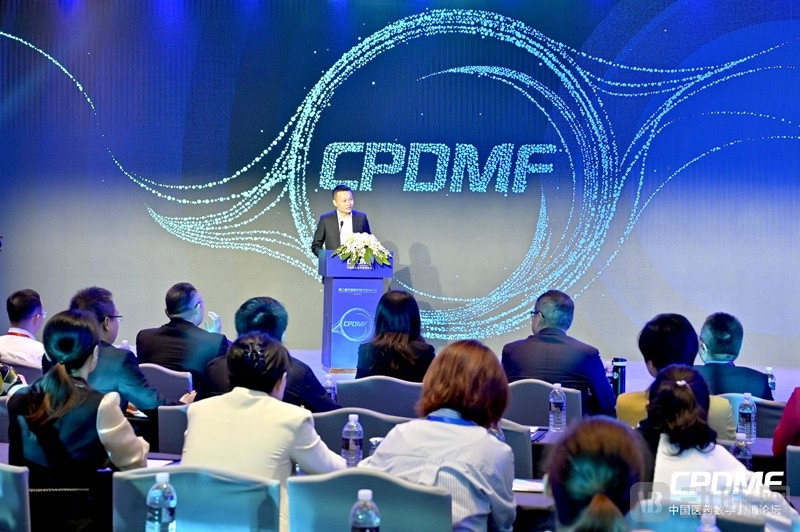
Jin Enlin, Vice President of JD.com and CEO of JD Health, delivered a speech at the conference.
Amid the pandemic, internal information exchange within pharmaceutical companies was restricted, offline academic activities were suspended, and routine face-to-face visits were impeded, giving rise to a surging wave of digital marketing in the pharmaceutical industry.
Post-pandemic, there has been a significant increase in the usage of online platforms by both physicians and patients. Data shows that in the first half of 2021, JD Health averaged over 160,000 online consultations per day, sustaining continuous high-quality growth from the 2020 full-year average of more than 100,000 daily online consultations. A report released by Tencent & BCG indicates that during the pandemic, over one million physicians registered on various digital platforms, with nearly 80% of doctors using online platforms to access medical information during this period, averaging eight uses per week.
It is evident that the impact of the pandemic on pharmaceutical marketing was not transient; rather, it has fundamentally and enduringly reshaped consumers’ health-related spending and medical consultation habits, thereby creating fertile ground for the digital transformation of pharmaceutical marketing.
Furthermore, in recent years, the implementation of policies such as volume-based procurement, the “Two-Invoice System,” and national medical insurance negotiations has led to sluggish growth in traditional pharmaceutical marketing models. This has driven pharmaceutical companies to transition away from conventional sales approaches and seek more efficient, precise, compliant, and cost-effective marketing strategies, thereby rapidly heating up the digital pharmaceutical marketing sector.
Frequent policy changes have placed immense pressure on the pharmaceutical industry. However, regardless of how external factors such as policies evolve, patient demand for innovative treatment solutions remains constant and is growing rapidly, indicating that the pharmaceutical sector still holds vast potential. Therefore, adopting a patient-centric approach and implementing omnichannel pharmaceutical marketing are essential prerequisites for pharmaceutical companies to stand out in an increasingly competitive market.
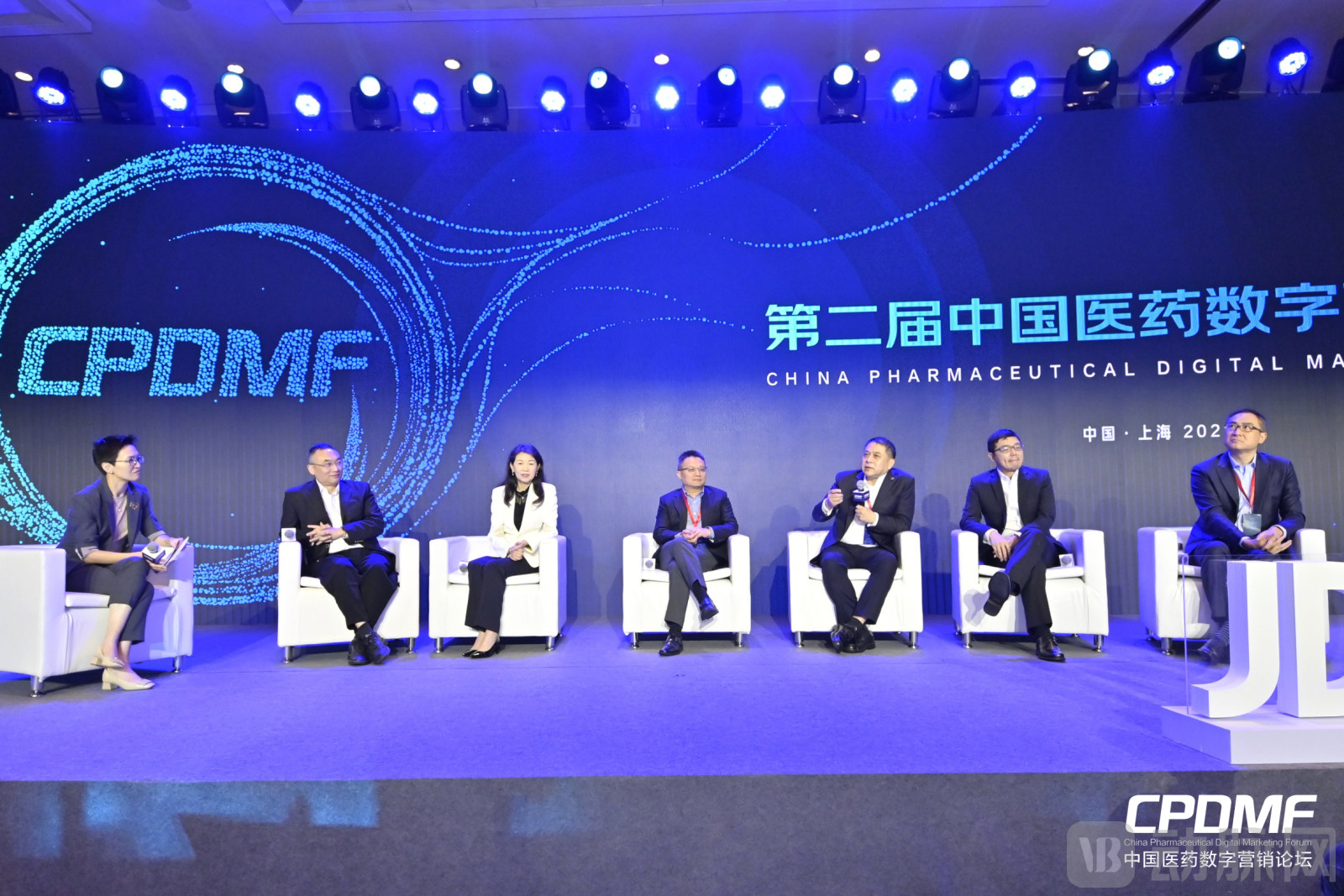
Dong Minsheng, General Manager of China Region at Menarini (China) Investment Co., Ltd.; Feng Yanhui, Global Senior Vice President and President of Eisai China at Eisai (China) Pharmaceutical Co., Ltd.; Jin Fangqian, General Manager of China Region and Global Vice President at Gilead Sciences; Lou Jing, Chairman of 3SBio Inc.; Shi Wang, Global Senior Vice President and President of China Region at Organon (Shanghai) Pharmaceutical Technology Co., Ltd.; and Wu Xin, General Manager of China Region at UCB Pharma, jointly explored corporate strategies in response to frequent policy changes.
Wu Xin, General Manager of UCB China, stated, “China is the best market for implementing omnichannel marketing.” As a leading internet healthcare company in China, JD Health has taken a forefront position in omnichannel pharmaceutical marketing, leveraging its extensive layout in internet hospitals and JD Pharmacy.
Currently, JD Health’s “self-operated cold chain” covers more than 200 cities, with 18 pharmaceutical warehouses established. This infrastructure enables same-day delivery for 20% of users’ orders and next-day delivery for 80%, providing a foundational basis for the rapid growth of JD Health’s digital pharmaceutical marketing business.
At the inaugural China Pharmaceutical Digital Marketing Forum last year, JD Health posited that the principles and methodology of digital pharmaceutical marketing center on “addressing customer acquisition and repurchase challenges on the foundation of accessibility.” Guided by this framework, JD Health implemented a series of initiatives, including precision data-driven marketing, disease education, online academic promotion, e-prescribing, innovative upgrades, pharmaceutical care services, proactive management by pharmacists and physicians, and family doctor services.
“If JD Health’s strategic deployment in the field of digital pharmaceutical marketing last year was akin to ‘a single spark that can start a prairie fire,’ then this year marks the process of ‘accumulating water into a river and gathering rice into a basket,’” said Wang Yiting, Head of the Pharmaceutical Business Division at JD Health.
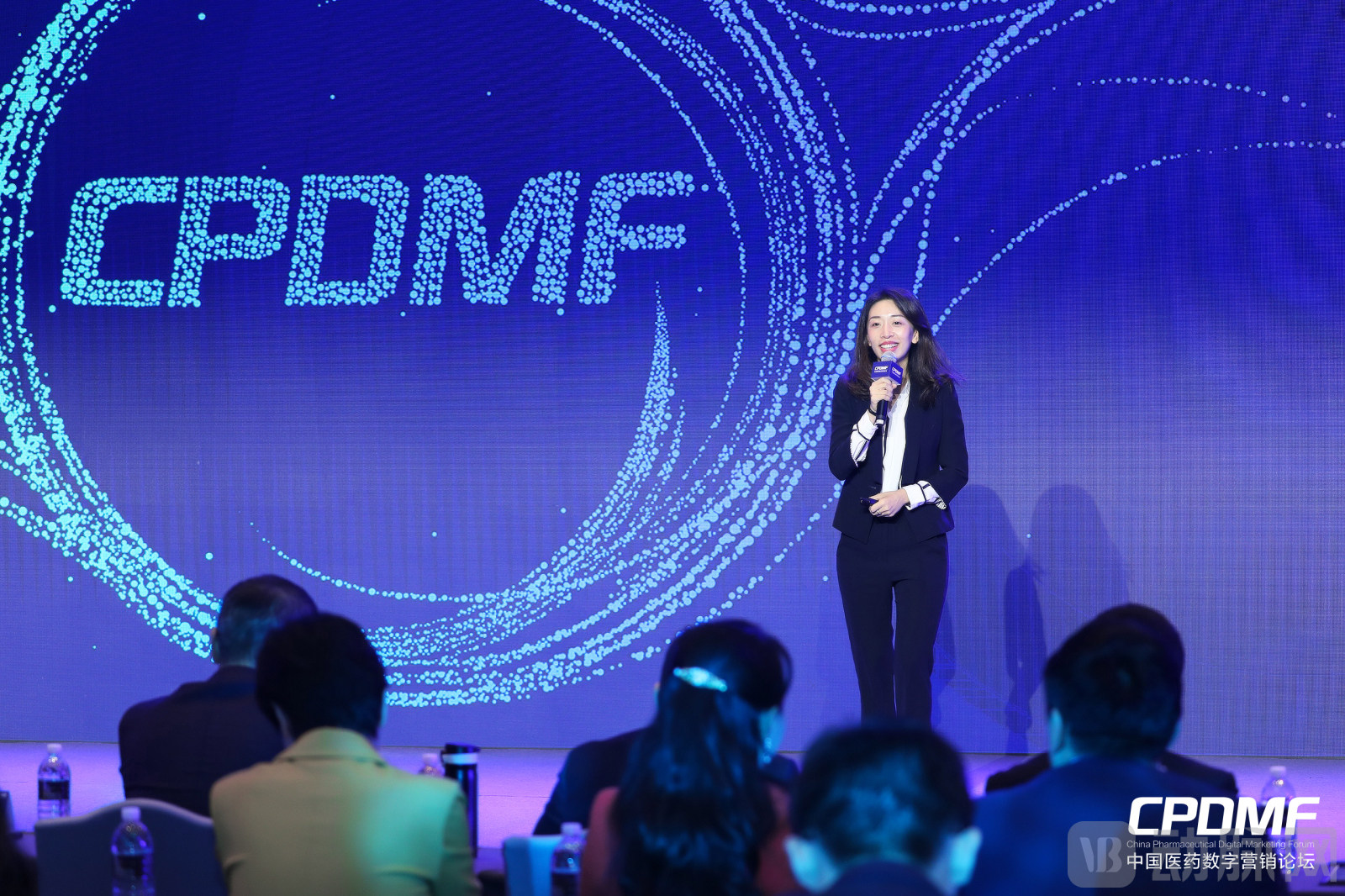
Wang Yiting, Head of the Pharmaceutical Division at JD Health
At the Second China Pharmaceutical Digital Marketing Forum, Wang Yiting unveiled JD Health’s “dimension-upgrading marketing” strategy in the field of pharmaceutical digital marketing, which builds a comprehensive solution for JD Health’s pharmaceutical digital marketing across four pillars: omnichannel marketing, academic engagement with physicians, single-disease patient management, and innovative payment solutions.
Integrating Online and Offline Channels to Achieve Omnichannel Marketing
Omni-channel pharmaceutical marketing encompasses online platforms, hospitals, retail channels, and the tertiary market, covering multiple stakeholders including physicians, patients, payers, manufacturers, and retailers. Currently, JD Health’s offline DTP (Direct-to-Patient) pharmacies have established comprehensive omni-channel pharmaceutical marketing capabilities.
JD Health’s offline retail pharmacies are positioned as leaders and innovators in the pan-DTP (Direct-to-Patient) business model, characterized by “Internet Plus” innovative chronic disease management services. The company advocates for online-offline integration, digitalized services, high fulfillment rates, and diverse insurance payment capabilities. It provides customers with professional, integrated, and multifunctional pharmaceutical care services, along with one-stop health management solutions that seamlessly combine online and offline channels.
According to Wang Zhongyue, Head of Offline Retail at JD Health’s Pharmaceutical Business Unit, JD Pharmacy’s DTP (Direct-to-Patient) pharmacies have achieved integrated online-offline order fulfillment, round-the-clock customer response, and comprehensive coverage of all medication needs. Additionally, they have established a professional service system, supported by digital infrastructure, and offer diverse payment models that combine basic medical insurance with commercial health insurance.
Gao Rong, Vice President of Business and Retail at Eli Lilly China, stated: “The key challenge in omnichannel marketing lies in resource integration. By leveraging the respective strengths of JD Pharmacy, JD Health Internet Hospital, Yaojingcai, and JD Pharmacy’s offline DTP (Direct-to-Patient) pharmacies, and by integrating online and offline services to provide comprehensive care for patients, JD Health can naturally establish a competitive moat in pharmaceutical omnichannel marketing.”
Physicians Hold Prescription Authority; Academic Marketing to Online Physicians Warrants Attention
Undeniably, in many cases, patients do not have the authority to make medication decisions, as prescribing power rests with physicians. Therefore, while emphasizing a patient-centric approach, pharmaceutical companies must not neglect academic marketing targeted at doctors.
JD Health Internet Hospital is the primary vehicle for JD Health’s academic marketing. As of June 30, 2021, JD Health Internet Hospital had 130,000 licensed physicians, with an average of 160,000 daily consultations—far exceeding that of offline physical hospitals—and had launched 24 specialized disease and specialty centers.
Wang Yiting stated, “Internet hospitals should ideally become ‘super-target hospitals’; however, in reality, the education of online physicians has not received adequate attention. It is believed that with the promulgation of the Administrative Measures for Online Sales of Prescription Drugs and the New Guidelines for Internet-Based Diagnosis and Treatment, the education of online physicians will become increasingly important.”
Yu Jia, Head of the Solutions Department at JD Health’s Internet Medical Division, stated, “The three major directions for JD Health Internet Hospital’s digital marketing are: online-offline integration, physician-patient unity, and data-driven full-scenario coverage.”
Currently, JD Health has launched a series of online academic marketing initiatives. Leveraging the JD Health Internet Hospital and its physician management model centered on online services, JD Pharmacy collaborates with pharmaceutical companies to achieve precise, compliant digital marketing through various online operations. On one hand, it facilitates effective engagement with physicians via multi-channel online information services, thereby enhancing drug brand influence. On the other hand, it enables online-offline synergy with pharmaceutical enterprises, helping them serve target department physicians more effectively, reduce drug costs, and improve sales efficiency.
Establish Standards for Online Patient Management to Enable Efficient Patient Care
Digital Patient Management Is a Key Strategy for Improving Quality of Life and Five-Year Survival RatesStudies have shown that patients with advanced cancer who receive refined management can tolerate chemotherapy for longer periods, experience fewer emergency department visits, and survive an average of five months longer than those receiving standard post-discharge care.
However, for a long time, effective post-discharge patient management has been challenging due to overreliance on manual labor and the lack of appropriate tools and platforms. JD Health is exploring ways to manage patients efficiently and cost-effectively.
In the field of diabetes management, JD Health has collaborated with partners such as pharmaceutical companies and medical device manufacturers to establish a standardized pathway for online diagnosis and treatment of diabetes patients, thereby forming an online service standard that covers the entire patient journey.
JD Health has established a strong foundation in the field of diabetes, with nearly 20 million tagged diabetic users, 15,000 endocrinologists, and annual sales of over 5 million blood glucose meters. Leveraging its vast user base and superior interactive experience, JD Health has integrated these resources to form a chronic disease data pool. By connecting consultation data with measurement data through smart hardware such as blood glucose meters and wristbands, physician management platforms, and patient-facing official accounts/mini-programs, JD Health delivers online chronic disease management based on patients' health data.
In addition to diabetes, JD Health will also establish standardized protocols for online diagnosis and treatment of other specialty diseases.
In addition, JD Health launched the JD Pharmacy Single-Disease Care Center in May 2021. By providing patients with long-term, professional, and meticulous education and pharmaceutical care services, along with a CRM system, it has improved patient medication adherence and driven growth in brand customers. The JD Health Single-Disease Care Center has already shown initial results, with an average new user conversion rate for brands reaching 12%, a 20% increase in user ARPU, and a 20% extension in DOT (Days of Therapy).
Commercial Health Insurance Is Becoming a Major Payer, Actively Exploring Innovative Payment Methods
In 2019, premium income from commercial insurance exceeded RMB 700 billion. Industry insiders have pointed out that health insurance expenditures will surpass RMB 2.5 trillion by 2025. Commercial insurance is increasingly becoming a major payer alongside public medical insurance.
JD Health is accelerating its expansion into the innovative payment sector by launching initiatives such as patient benefit programs, financial installment support plans, and fund-based care programs. In the future, it will leverage diversified innovative payment solutions to propel the online healthcare and pharmaceutical industries to new heights.
Cai Jiangnan, Founder and Executive Chairman of the Shanghai Chuangqi Health Development Institute, outlined ten major trends for the health industry in the post-pandemic era, including the integration of online and offline services, out-of-hospital and in-hospital care, diagnosis and treatment, private and public healthcare, as well as consumer-oriented and serious medical services.
Overall, in the post-pandemic era, heightened public health awareness and the rapid advancement of technologies such as digitalization, the internet, big data, and artificial intelligence are driving innovation in the healthcare industry. The accessibility, affordability, and cost-effectiveness of pharmaceuticals will continue to improve. Under these circumstances, the sectors of internet-based healthcare and digital marketing are poised for significant growth.
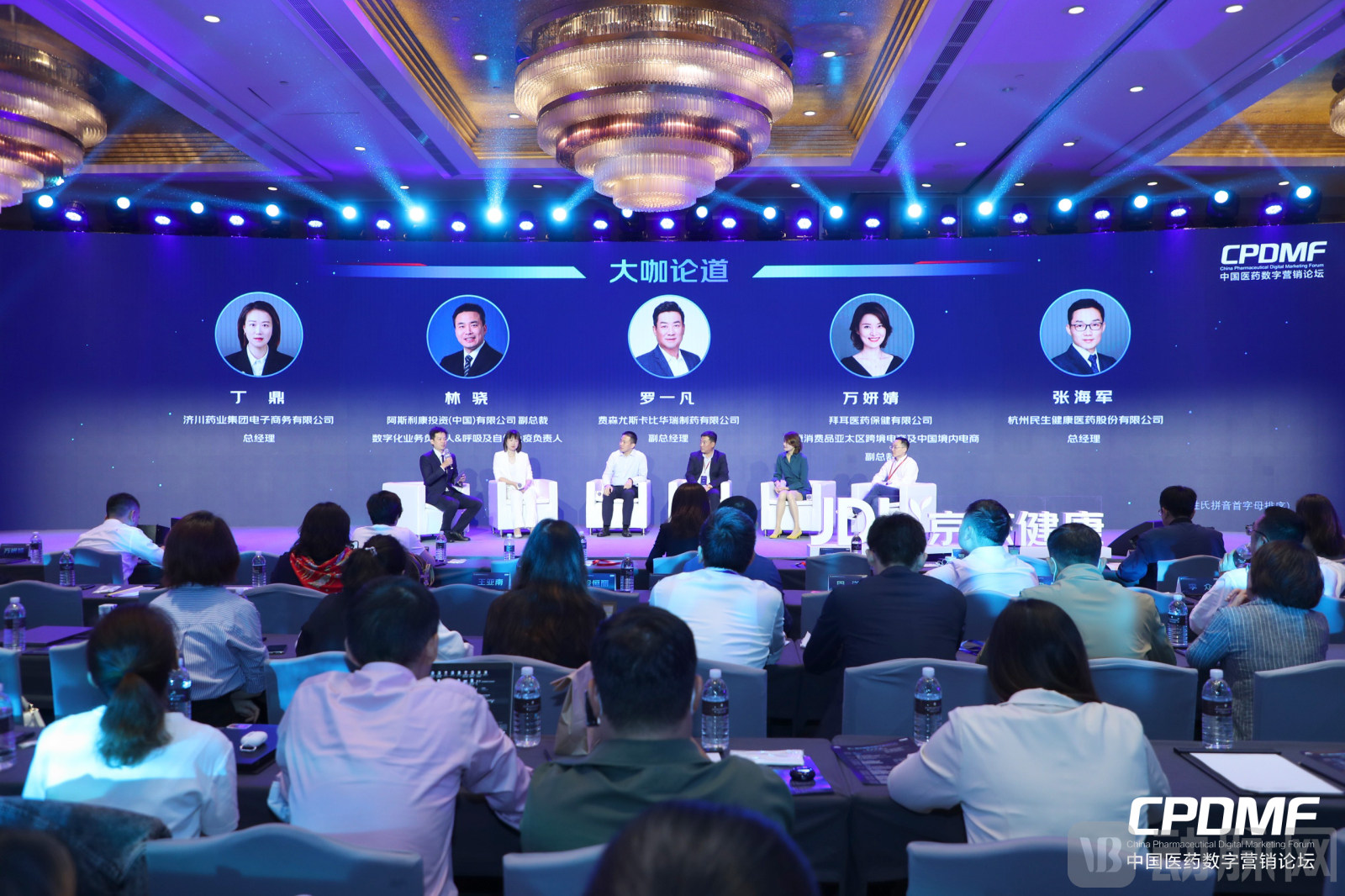
Ding Ding, General Manager of Jichuan Pharmaceutical Group E-Commerce Co., Ltd.; Lin Xiao, Vice President of AstraZeneca Investment (China) Co., Ltd. and Head of Digital Business & Respiratory and Autoimmune Business; Luo Yifan, Deputy General Manager of Fresenius Kabi Huari Pharmaceutical Co., Ltd.; Wan Yanjing, Vice President of Cross-Border E-Commerce in Asia-Pacific and Domestic E-Commerce in China for Consumer Health at Bayer Healthcare Co., Ltd.; and Zhang Haijun, General Manager of Hangzhou Minsheng Health Pharmaceutical Co., Ltd., jointly explored how to break through competitive bottlenecks in the pharmaceutical industry.
Wang Yiting believes that digital marketing is a long-term strategy, and pharmaceutical digital marketing has now entered the “deep-water zone.” “In this deep-water zone, we need clear thinking, strong execution, and greater patience with digital marketing. We must adopt more diverse and reasonable metrics to evaluate the effectiveness of digital marketing and introduce solutions that are lower in cost and higher in efficiency. Only with the right mindset and proper methodology can digital marketing truly emerge from the deep-water zone and move toward positive growth.”
Wang Yiting also pointed out, “The factors we currently focus on in pharmaceutical digital marketing remain limited. Academic promotion should not be confined to physicians reached through traditional offline channels; patient management should not target only online patients; and payment strategies should not rely solely on traditional medical insurance reimbursement. Pharmaceutical digital marketing must evolve into an omnichannel, holistic solution. In the future, the key to breaking through industry competition will lie in effectively integrating online and offline approaches to better serve patients across all channels.”