

Exploring New Opportunities in Future Healthcare: The 2021 West Lake Forum on Future Medical Technology Trends Successfully Concludes in Nanshan, Shenzhen
In recent years, breakthroughs in foundational technologies and the occurrence of public health emergencies have propelled the healthcare industry into the spotlight, with various sectors exploring the future direction of healthcare from multiple perspectives, including clinical practice and technology.
On the other hand, the state has placed significant emphasis on the development of the biopharmaceutical industry. A series of landmark policy documents, such as the "Opinions on Deepening the Reform of the Review and Approval System to Encourage Innovation in Drugs and Medical Devices" and the "Notice on Organizing and Implementing Special Projects for the Construction of Contract Research and Manufacturing Service Platforms for Biopharmaceuticals," have been successively implemented, providing robust policy support for the overall growth of the biopharmaceutical sector.
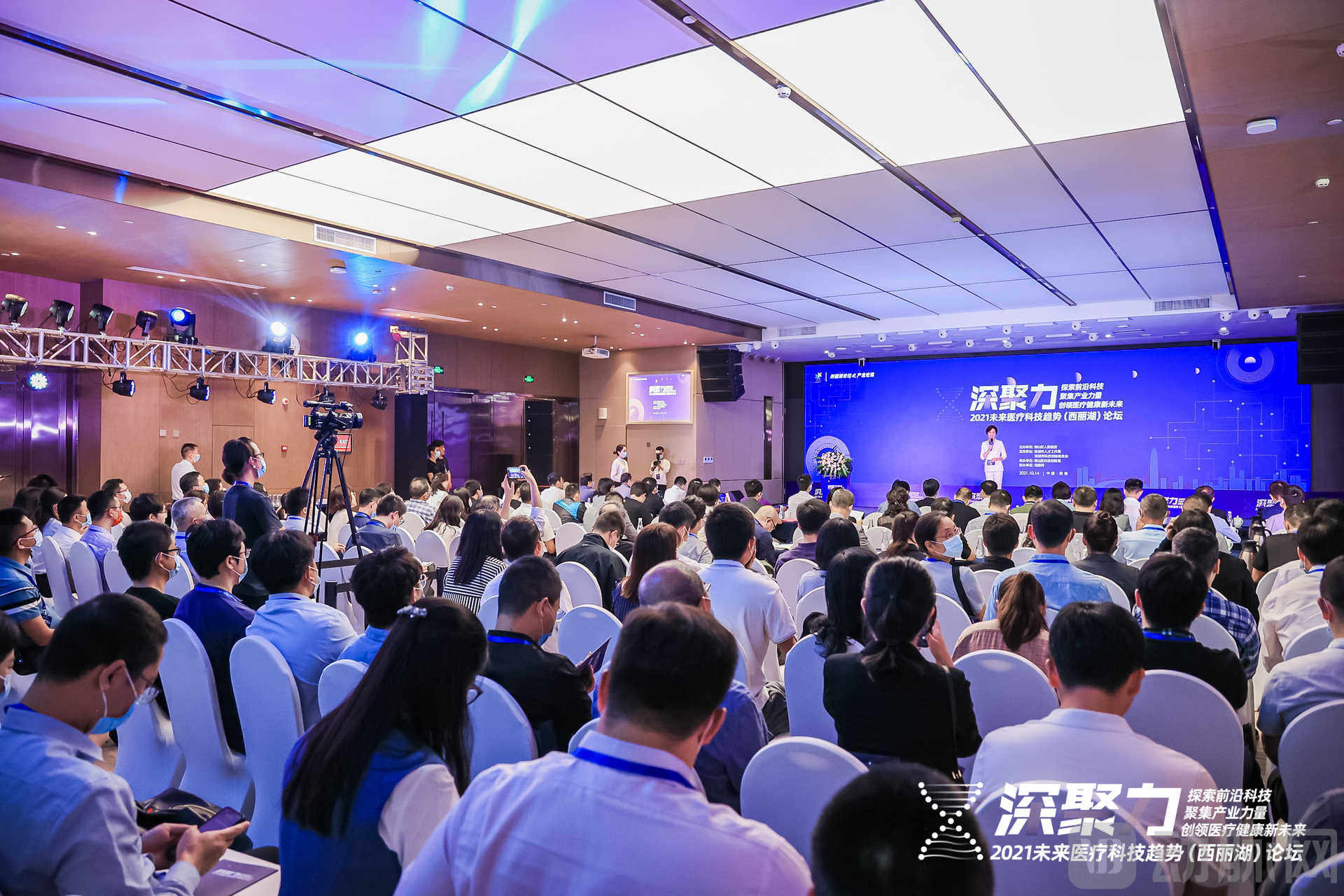
Against this backdrop,On October 14, the “2021 Future Medical Technology Trends (Xili Lake) Forum,” hosted by the People’s Government of Nanshan District, supported by the Shenzhen Talent Work Bureau and the Shenzhen Science and Technology Innovation Commission, organized by the Nanshan District Science and Technology Innovation Bureau, and co-organized by VCBeat, was successfully held in Nanshan.The conference has invited industry elites, including academicians and experts, innovative technology entrepreneurs, and renowned investors, to attend. It will focus in depth on two major sectors—AI-driven drug discovery and development, and cell and gene therapy—to discuss future trends in medical technology.
Huang Xiangyue, Deputy Secretary of the Nanshan District Committee and District Mayor, stated that the biopharmaceutical industry is hailed as an “evergreen sunrise industry” and the “crown jewel” of high-tech industries. As a major economic hub, a powerhouse in science and technology, and an innovation highland in Shenzhen, Nanshan has witnessed rapid development in its biopharmaceutical sector in recent years, achieving many gratifying accomplishments. “We eagerly anticipate that more biopharmaceutical enterprises and institutions will take root and establish their presence in Nanshan. We will further enhance services and support in terms of policies, funding, space, and platforms, fully leverage Nanshan’s advantages in the information technology industry, promote the integration of ‘IT+BT’ (Information Technology + Biotechnology), and help companies achieve robust growth.”
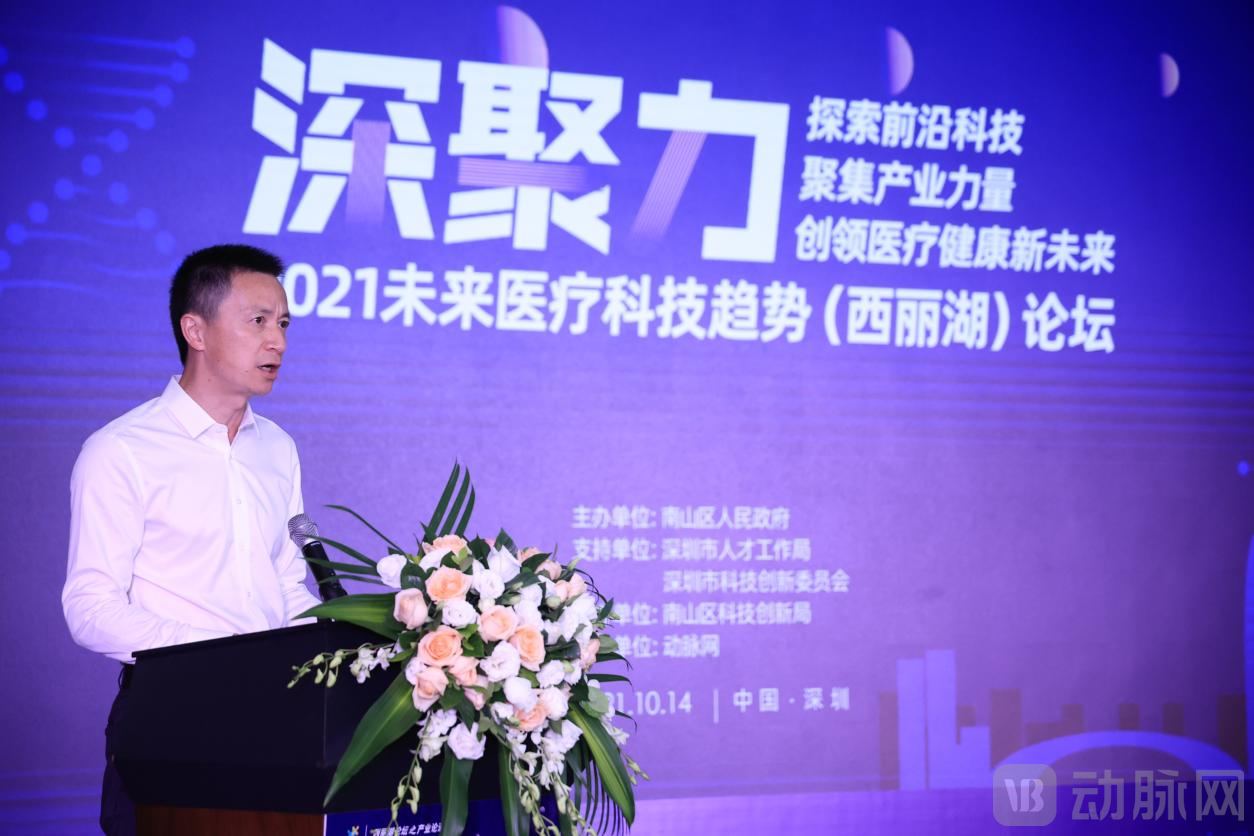
Huang Xiangyue, Deputy Secretary of the Nanshan District Committee and District Mayor
Li Zhuowen, Deputy Secretary-General of the Shenzhen Municipal People’s Government, stated that Shenzhen is actively seizing major historical opportunities presented by the “dual-zone drive” of the Guangdong-Hong Kong-Macao Greater Bay Area and the Shenzhen Pilot Demonstration Zone; the “dual-zone overlap” of the Shenzhen Special Economic Zone and the Shenzhen Pilot Demonstration Zone; and the “dual-reform demonstration” of the comprehensive reform pilot and the comprehensive deepening of reform and opening-up in Qianhai. In doing so, Shenzhen has established a full-process innovation ecosystem encompassing “basic research + technological breakthroughs + achievement industrialization + sci-tech finance + talent support.”“Nanshan District serves as the ‘innovation-leading zone’ for Shenzhen’s biomedical industry. It boasts the Xili Lake International Science and Education City, a major innovation platform that brings together numerous high-level universities, research institutions, and leading enterprises, offering unique advantages for the innovative development of future healthcare.” We welcome everyone to come to Shenzhen and Nanshan to pursue innovation and entrepreneurship. We will go all out to provide high-quality services and foster a favorable environment for innovation and entrepreneurship.
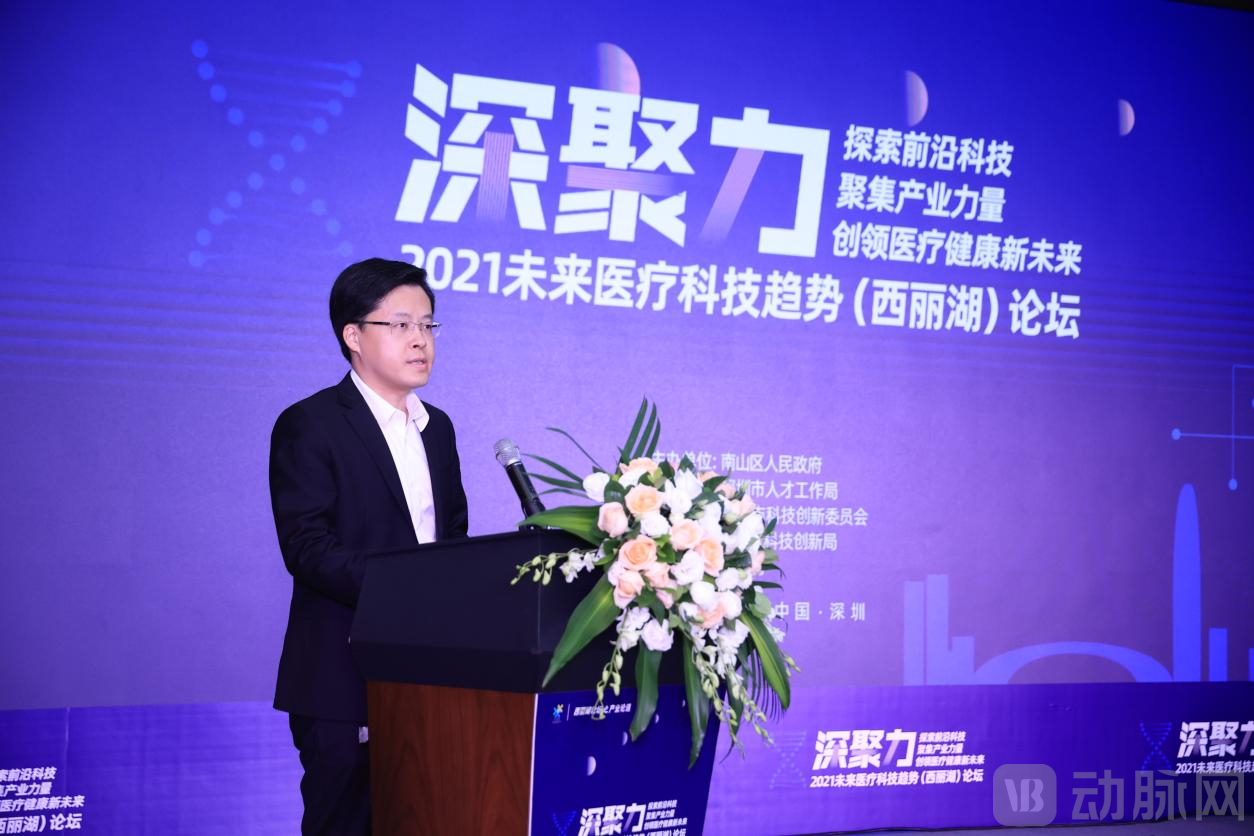
Deputy Secretary-General of the Shenzhen Municipal People's Government, Li Zhuowen
The forum attracted numerous industry leaders, who engaged in in-depth interpretation and discussion on the future development trends of medical technology. Academician Gu Dongfeng of the Chinese Academy of Sciences, and Professor Wang Yutian, an academician of the Royal Society of Canada, Dean of the School of Life and Health at Shenzhen University of Advanced Technology (in preparation), Chinese Academy of Sciences, and Chief Scientist at the Institute of Brain Cognition and Brain Disorders, Shenzhen Institutes of Advanced Technology, Chinese Academy of Sciences, delivered keynote speeches from the perspective of academic frontiers. Multiple guests, including Qiao Nan, Chief Scientist of Huawei Cloud Healthcare at Huawei Technologies Co., Ltd.; Li Hong, Vice President of Global R&D Center at GenScript Biotech; Yang Jianguo, Chief Strategy Officer at China Resources Biopharmaceuticals; Ma Jian, Co-founder and CEO of XtalPi; Luo Xudong, President of the Headquarters of Nanshan Medical Group and Party Secretary of Shenzhen Qianhai Shekou Free Trade Zone Hospital; Xie Xin, Executive Director and Senior Vice President of China National Biotec Group; Liu Yang, Founder, Chairman, and CEO of CytoMed Therapeutics; Huang Xiaolong, Director of the Greater Bay Area Branch of the Center for Drug Evaluation and Inspection, National Medical Products Administration; and Tan Yan, Founder and CEO of UnknownBiome, provided profound analyses from multiple dimensions, including “Global Advances in Biopharmaceutical Innovation,” “The Past, Present, and Future of AI-Driven Drug Discovery,” “Comprehensive Solutions for Core Reagents in Gene Editing,” and “Applications of Artificial Intelligence in Microbiome Drug Development.”
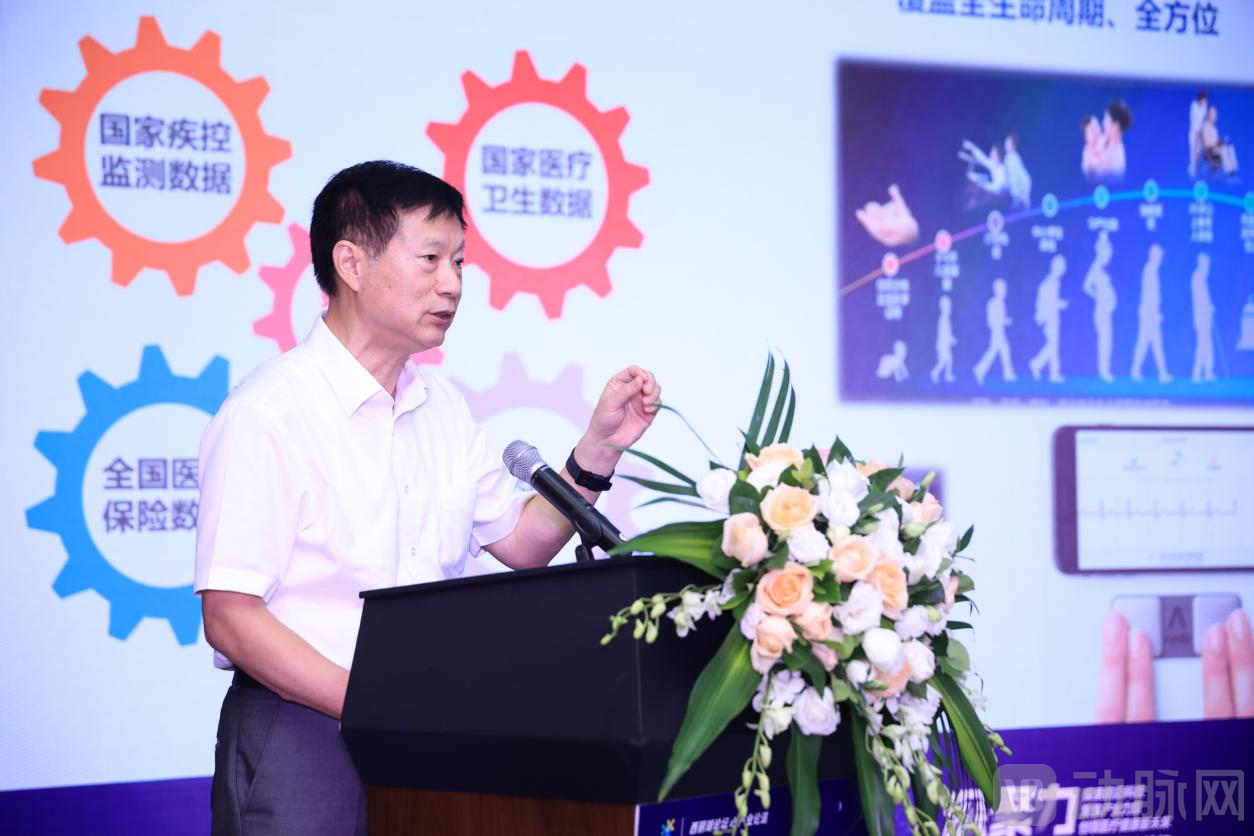
Academician of the Chinese Academy of Sciences, Gu Dongfeng
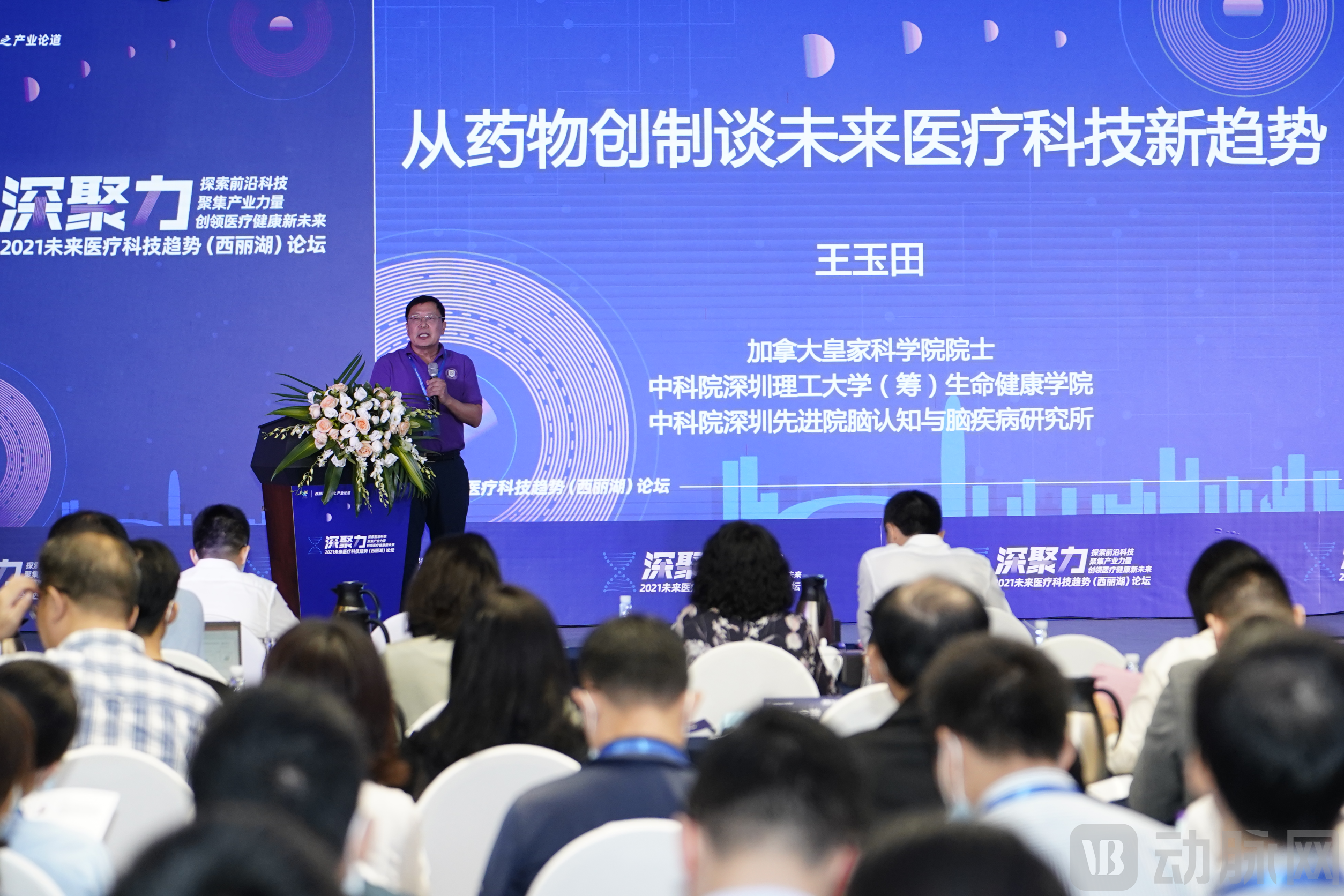 Fellow of the Royal Society of Canada, Dean of the School of Life and Health Sciences at Shenzhen University of Advanced Technology, Chinese Academy of Sciences (Preparatory), and Researcher in Brain Cognition and Brain Diseases at the Shenzhen Institutes of Advanced Technology, Chinese Academy of SciencesChief Scientist of the Research Institute, Wang Yutian
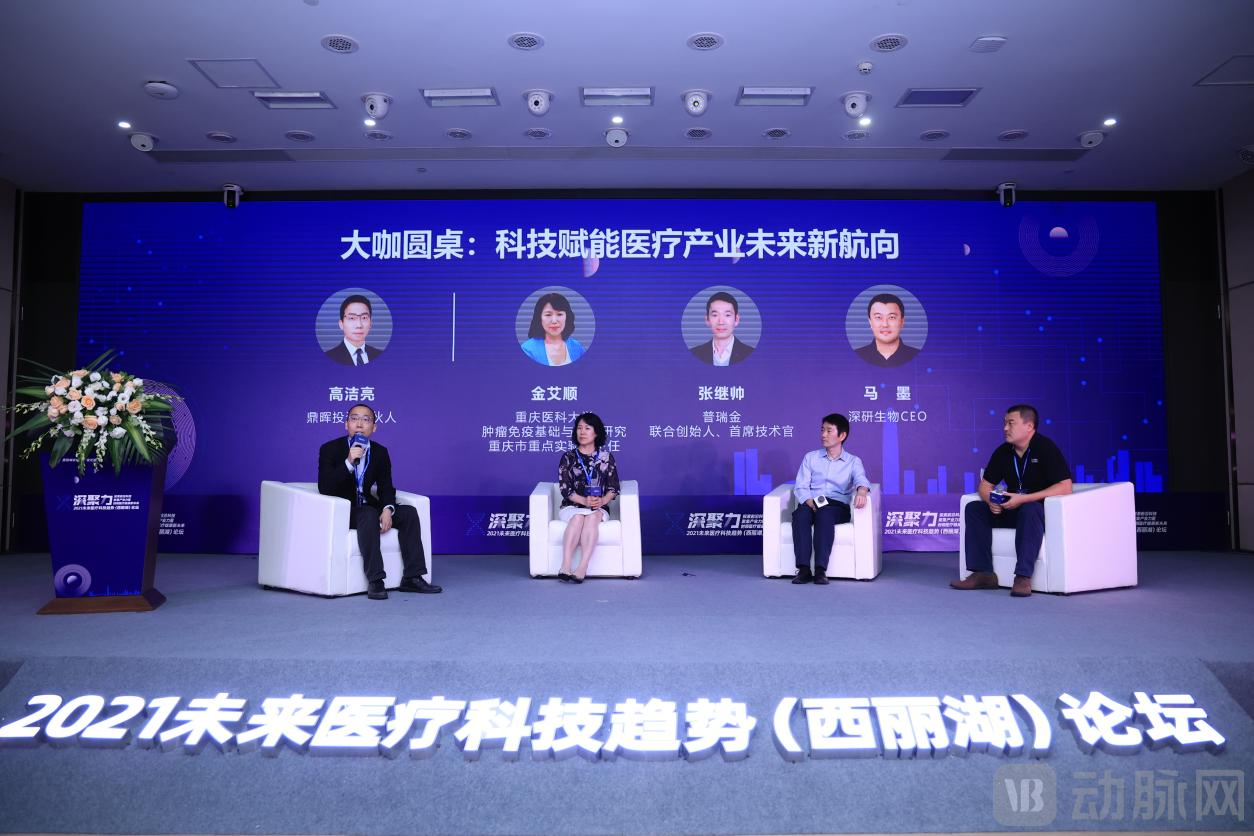
It is worth noting that the cell and gene therapy sector, a frontier field, has witnessed rapid development in recent years, with active investment and financing. The industry is also accelerating from early-stage R&D toward industrialization and commercial implementation. Addressing the current challenges and future directions of the industry, Gao Jieliang, Partner at CDH Investments; Jin Aishun, Director of the Chongqing Key Laboratory of Basic and Translational Research on Tumor Immunology at Chongqing Medical University; Zhang Jishuai, Co-founder and Chief Technology Officer of Progeny; and Ma Mo, CEO of Shenyuan Biologics, engaged in a cutting-edge dialogue.
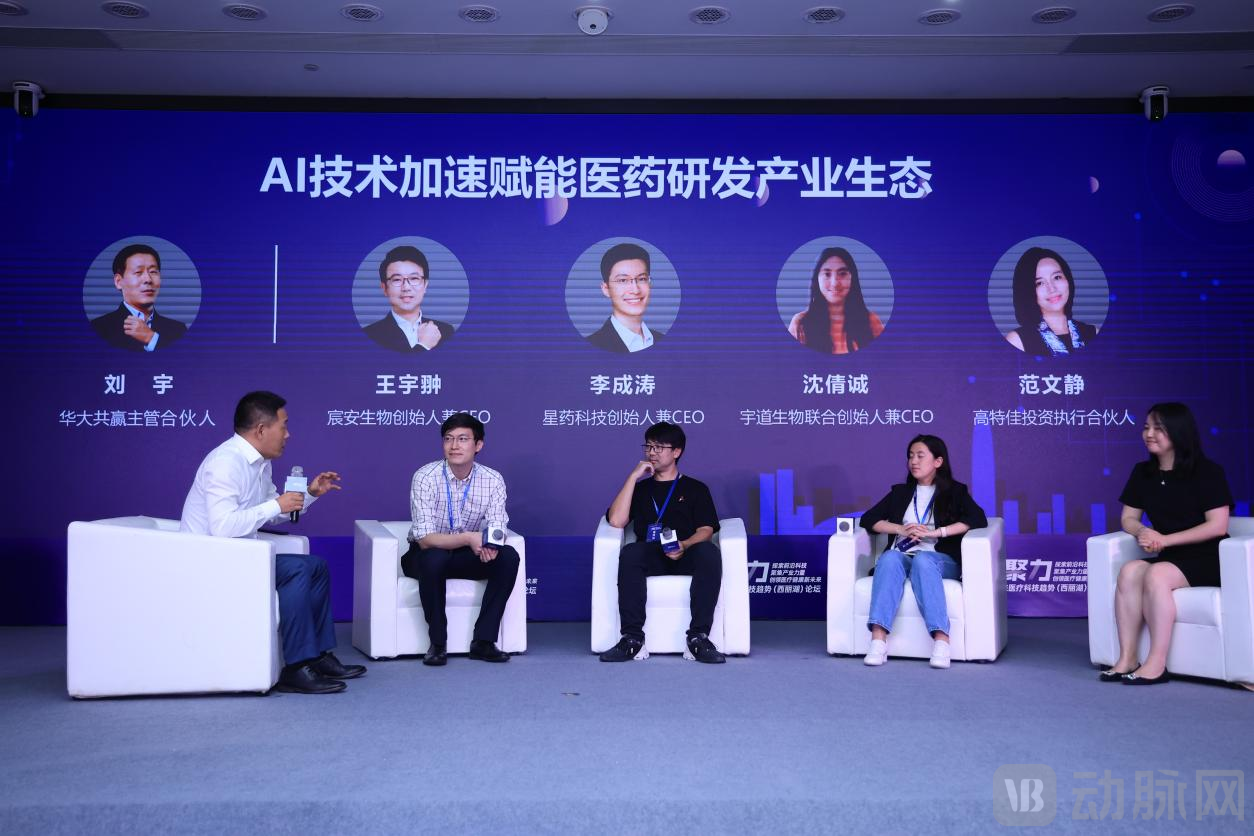
The roundtable discussion on “How AI Technology Accelerates and Empowers the Pharmaceutical R&D Industry Ecosystem” was lively. Guests including Liu Yu, Managing Partner at BGI Win-Win; Wang Yuchong, Founder and CEO of ChenAn Bio; Li Chengtao, Founder and CEO of Starpharm Tech; Shen Qiancheng, Co-founder and CEO of Yudao Bio; and Fan Wenjing, Executive Partner at GTJA Investment, engaged in a vibrant exchange of ideas. They explored the application of AI technology across various stages of drug development, such as identifying therapeutic and toxicity effect profiles, predicting drug structure, biological activity, and mechanism of action, and selecting clinical trial populations.
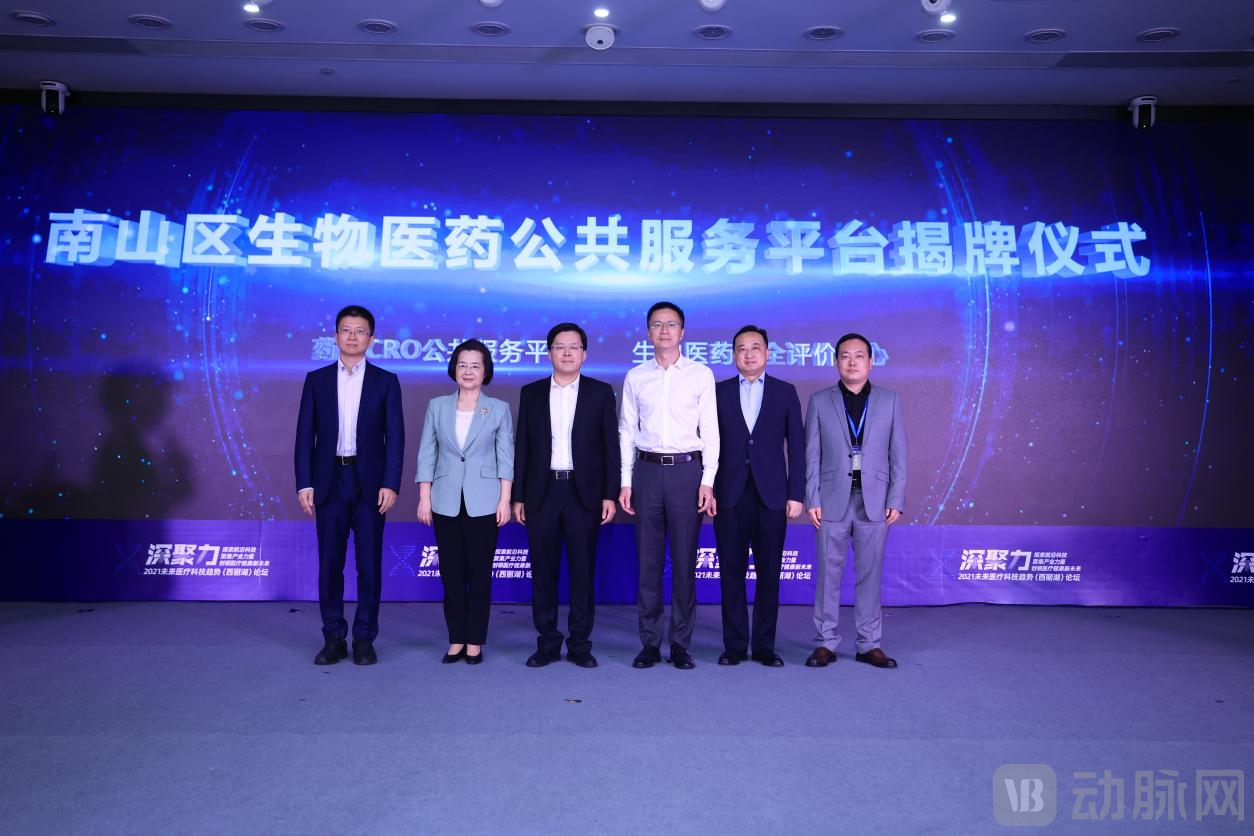
To address weaknesses in the industrial chain, Nanshan District has vigorously developed public service platforms for the biopharmaceutical sector, with a strategic focus on establishing high-end contract research organizations (CROs) and biosafety evaluation platforms. Among these, the Pharmaceutical CRO Public Service Platform and the Biopharmaceutical Safety Evaluation Center were the first batch of such platforms supported under Nanshan District’s new policy initiatives. Witnessed by attending leaders and guests, these two platforms were officially unveiled and launched.
In addition, the 2021 Biopharma Value Sector Ranking • Top 10 in AI-Driven Drug R&D was also released at this event. Centered on industry research, this Medical Technology Forum has consistently focused on the application of cutting-edge technological innovations and anchored its efforts in building the biopharmaceutical industrial ecosystem. The featured companies were selected through a multi-dimensional assessment of their contributions to the biopharma value sector via AI-driven drug discovery and development.
Since Shenzhen was designated by the National Development and Reform Commission as one of the first national bio-industry bases in 2005, its bio-industry has experienced rapid development at an average annual growth rate of 20%, consistently fostering the continuous growth of domestic healthcare innovation enterprises. Seizing the significant historical opportunities presented by the “Dual Zone” strategy and the comprehensive reform pilot program, Shenzhen successively released the “1+3” series of policy documents in 2020, aiming to establish the biopharmaceutical industry as a new engine for economic growth.
As Shenzhen’s “Leading Zone for Biomedical Industry Innovation,” Nanshan District brings together 80% of the city’s higher education institutions and R&D organizations specializing in biomedicine. It is home to multiple Nobel laureate laboratories in the biomedical field, including the Edvard Moser Laboratory for Neural Plasticity, and hosts approximately 167 innovation platforms such as key laboratories, engineering centers, and public technical service platforms, among which 11 are national-level. With a relatively complete closed-loop industrial chain, the district has cultivated a cohort of industry-leading enterprises, including Mindray Medical, Joincare Pharmaceutical, Chipscreen Biosciences, and Lifetech Scientific, forming a development pattern characterized by the clustering of leading and innovative companies.
Nanshan District has fully leveraged its pioneering spirit of “bold exploration” and “innovation” to create China’s first multi-channel, integrated “Sui Shen Xing” (Mobile Go) mobile government service system. This system enables services to be handled through a single account, at a single window, via a single online platform, in one visit, and with transparent processes, thereby establishing a “15-minute public service circle.” Building on this new foundation, the district will rely on three national-level strategic science and technology platforms—Peng Cheng Laboratory, Xili Lake International Science and Education City, and Shenzhen High-Tech Park—to become a globally influential source of knowledge creation and a hub for radiating technological innovation. Plans are underway to prepare and construct approximately 1 million square meters of specialized industrial space for the biopharmaceutical sector in key areas such as Zhiyuan, Zhicheng, the Central and Northern Zones of the High-Tech Park, and Honghualing. This initiative aims to fully meet the combined needs of office, R&D, and production. Furthermore, by leveraging the unique policy advantages for the cell and gene therapy industries under the Regulations of the Shenzhen Special Economic Zone on the Qianhai Shekou Free Trade Pilot Area, Nanshan District seeks to seize new opportunities in emerging fields such as AI-driven drug discovery and cell and gene therapies, thereby expanding the future landscape of medical technology.
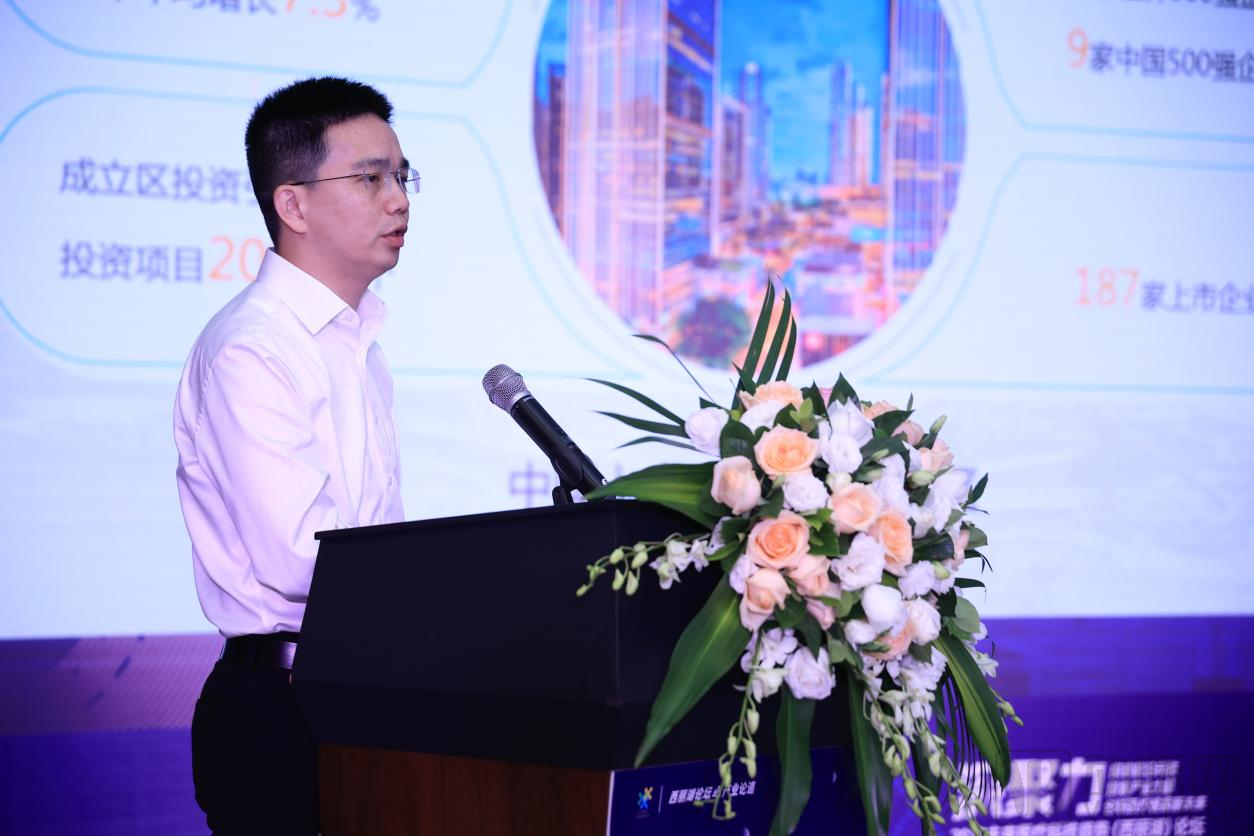 Cao Huan, Director of the Nanshan District Science and Technology Innovation Bureau
Following the conclusion of the conference, attendees lingered for an extended period, engaging in further discussions and exchanges with the guest speakers.
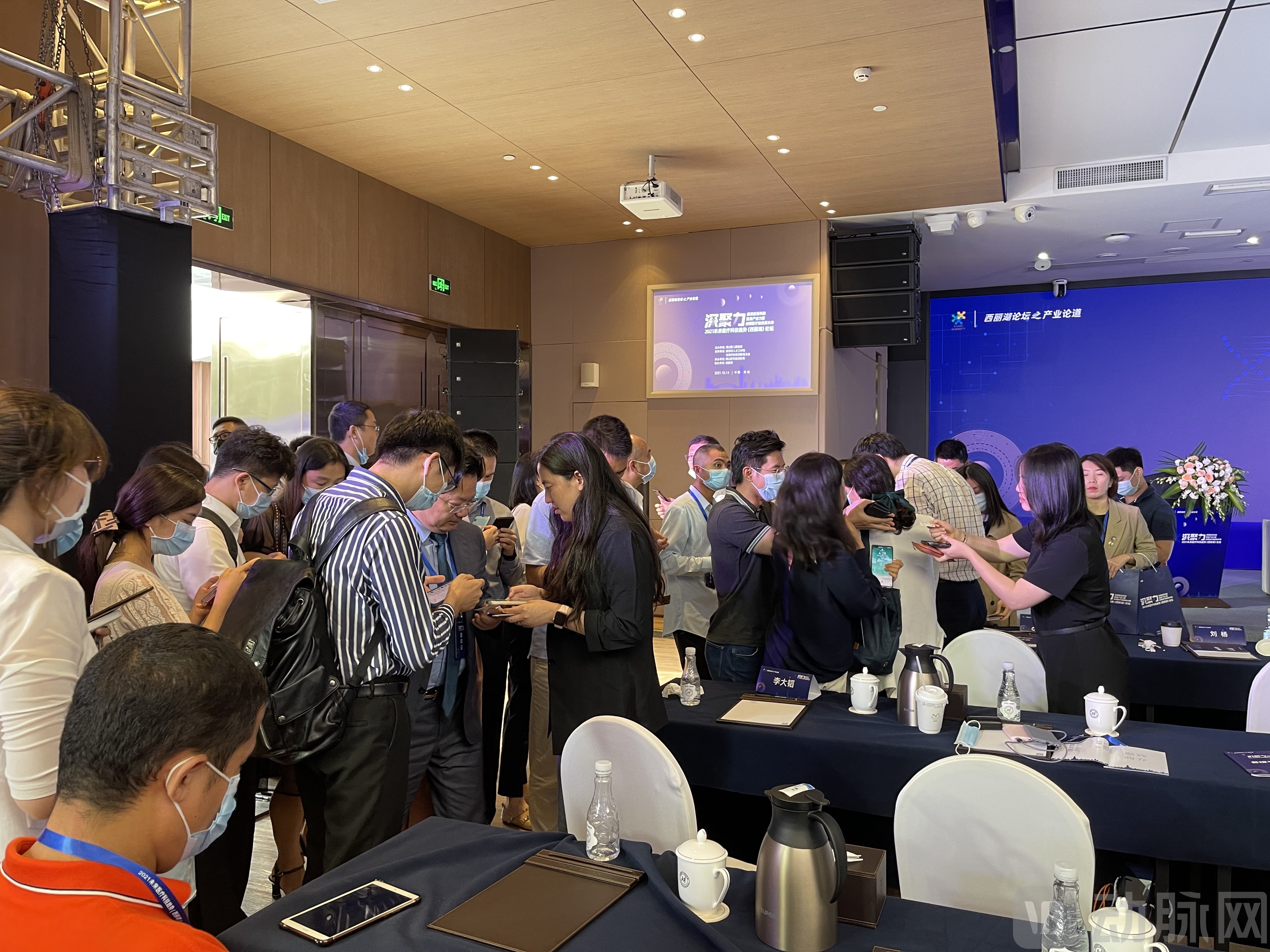
Figure 1. On-site diagram
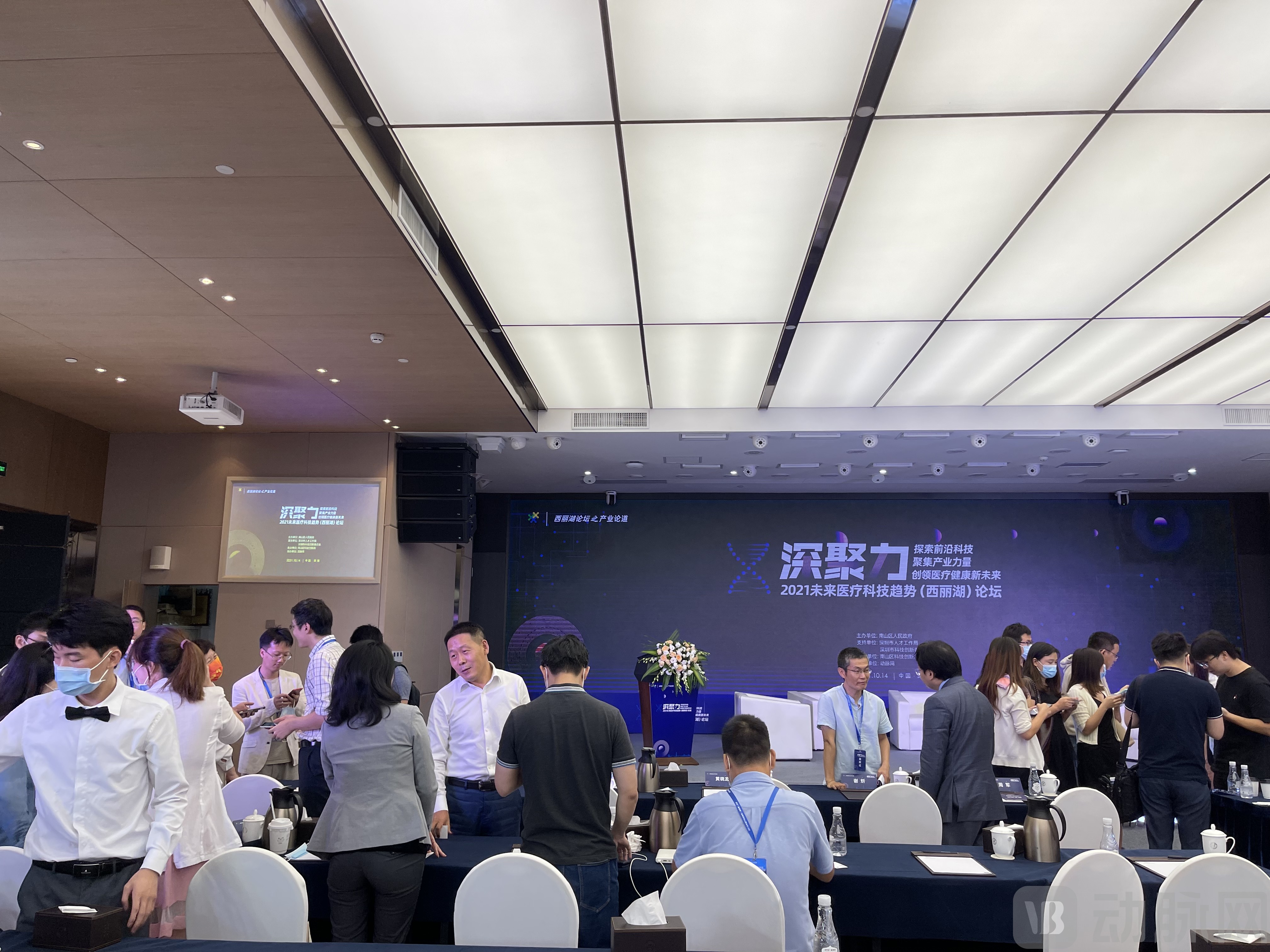
Figure 2. On-site diagram