

Funing Medical Submits IPO Prospectus Highlighting Campus Mental Health Solutions Serving Over 100,000 Students
October 10, 2021, is World Mental Health Day, and this year’s theme is “Healthy Minds for Youth.”
Teenagers, a synonym for youthful vitality and vigor, have nevertheless appeared repeatedly in news headlines in recent years alongside mental and psychological disorders.
Innate characteristics, family dynamics, academic pressure, peer interactions, and internet addiction weave a complex web that traps many adolescents in depression and anxiety. The Report on National Mental Health Development in China (2019–2020) shows that the detection rate of depression among Chinese adolescents was 24.6% in 2020, with severe depression accounting for 7.4%.
According to a report by the World Health Organization, half of all mental disorders begin by age 14, but most cases go undetected and untreated. Among mental disorders, 80% of depression cases onset during adolescence.
Adolescents trapped in mental and psychological disorders need the combined efforts of themselves, their families, schools, and all sectors of society to recover.
As important venues for adolescents, schools are also actively deploying relevant mental health products or services driven by policy and market forces.
At the policy level, the “Healthy China Action—Action Plan for Mental Health of Children and Adolescents (2019–2022)” proposes that by the end of 2022, schools at all levels and types should establish psychological service platforms or leverage school physicians and other personnel to provide mental health services for students, while preschool education institutions and special education institutions should be staffed with full-time or part-time mental health education teachers.
In 2020, the National Health Commission issued the “Work Plan for Exploring Specialized Services in Depression Prevention and Treatment,” emphasizing the importance of students’ mental health. The plan designated college and university students as a key population and required all senior high schools and institutions of higher education to incorporate depression screening into student health examinations, establish mental health records for students, and conduct psychological assessments.
On the demand side, individuals seeking psychological counseling are trending younger. According to data from the National Health Commission of China, there are 340 million children and adolescents under the age of 17 in the country, with approximately 30 million suffering significantly from mental disorders.
Market demand fosters industrial opportunities. Consequently, healthcare innovation companies focused on school-based mental health services have emerged. Funing Medical, established in Shenzhen in 2019, is one such example.
Funing Medical aims to build a fully video-based revolutionary healthcare experience platform, leveraging Internet-plus tiered diagnosis and treatment technologies to provide comprehensive solutions for campus cloud health consultation rooms. By establishing a presence on campuses, it addresses the insufficient staffing and resources in school infirmaries and psychological counseling centers, helping to resolve mild physical and mental health issues among students.
Guo Kefeng, the founder of Funing Medical, is a successful serial entrepreneur. The opportunity to establish Funing Medical also stemmed from his third entrepreneurial venture.

Guo Kefeng’s third entrepreneurial venture, which focused on book publishing and distribution, led him to recognize a significant gap between students’ needs for physical and mental health support and the services provided by schools during his long-term interactions with educational institutions.
Guo Kefeng stated that, within the current broader context, knowledge-based education remains the primary focus of schools and occupies the vast majority of students’ time. In contrast, issues pertaining to students’ physical and mental health—essential for their healthy development—struggle to receive adequate attention. This is not due to a lack of emphasis by school authorities; rather, constrained by limited time, high medical costs, and restricted access to healthcare channels, schools find themselves willing but unable to address these needs effectively.
After recognizing this challenge in the education sector, Guo Kefeng decided to embark on a new venture by founding Funing Medical. Leveraging an “Internet + Tiered Diagnosis and Treatment” model, the company utilizes software-based services—including on-demand video consultations with physicians, psychological crisis screening, and intervention—to help schools identify and document issues while addressing mild physical and mental health concerns. Additionally, it employs safe and reliable wearable devices to provide dynamic health monitoring and care for students and staff on campus, ultimately realizing the social value for both the enterprise and educational institutions.
Funing Medical’s Campus Cloud Health software can be accessed via the school infirmary service portal or a mobile app, connecting users to tertiary hospital specialists for follow-up consultations within nine seconds. Currently, Funing Medical operates three major business divisions: the Campus Cloud Health Division, the Enterprise Cloud Health Division, and the Home Cloud Health Services Division.
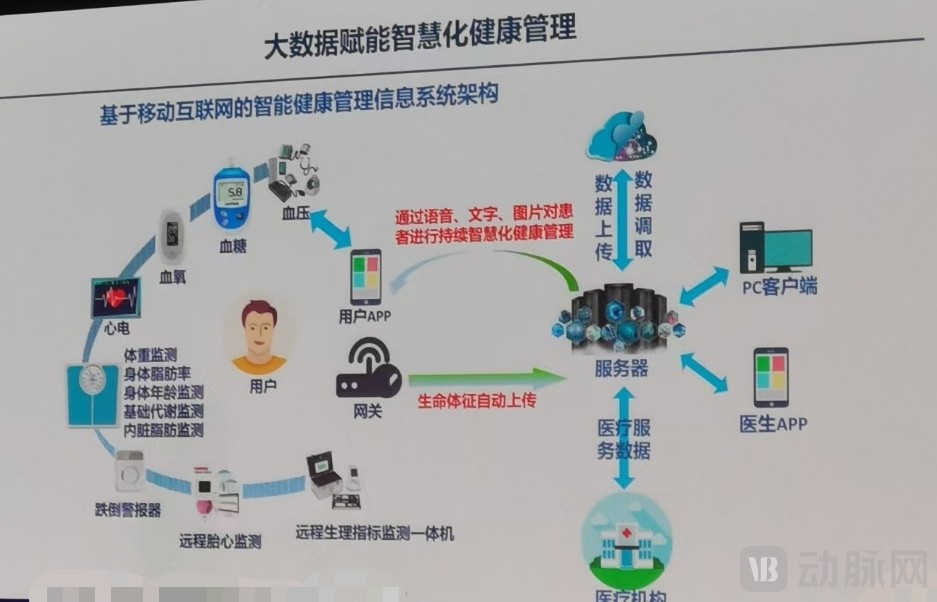
Among these, the Campus Cloud Health Consultation Service is its core business, helping schools address the following six major issues:
First, sharing liability risks: audio and video recording throughout the entire diagnosis and treatment process to address evidence collection for potential disputes;
Second, Cloud School Doctor: addressing the shortage of school doctors or their inability to be on call 24/7, and helping schools establish permanent electronic health records for students;
Third, high-efficiency emergency response: To prevent delays in emergency care, professional medical guidance is accessible within 9 seconds, providing humanitarian emergency rescue instruction for schools during the interim period before the arrival of emergency medical services (120).
Fourth, specialized private healthcare services: addressing the reluctance of students and faculty to seek treatment for sensitive health issues by providing one-on-one confidential consultations with physicians, thereby bridging the trust gap and demonstrating the school’s humanistic care.
Fifth, accessible medical care: Addressing the difficulty faced by teachers and students in remote area schools in accessing medical services, with medication delivered to their doorstep within 30 minutes, saving teachers’ time.
Sixth, Psychological Crisis Screening and Stress Relief Counseling Services: Professionally and accurately screen students and faculty members with potential severe psychological issues to provide early warnings for the school. Additionally, a comprehensive system has been established to encourage students experiencing psychological stress to proactively seek help from professional clinicians at the counseling center, thereby reducing the likelihood of high-risk incidents on campus.
Through representative school case studies conducted over the past two years, the feasibility of Funing Medical’s projects has been validated. As of early 2021, the system had been successfully deployed in numerous public primary and secondary schools as well as private institutions. Leveraging the company’s young and dynamic after-sales service team, the project has served over 100,000 students.
Currently, Funing Medical provides services and products related to physical and mental health in schools, including video doctor hardware and software solutions, construction of new-style infirmaries or psychological stress-relief rooms, wearable devices with monitoring capabilities, and teacher training services focused on physical and mental well-being. In terms of business model, the project’s products can be procured through tender processes by provincial and municipal party committees, education bureaus, and schools.
Guo Kefeng stated that Funing Medical aims to improve the integrated development of school clinics and psychological counseling rooms in China by incorporating fragmented high-quality social resources for physical and mental health into the Funing digital service platform, thereby serving schools. In the future, Funing Medical will continue to deepen its presence in this niche sector, enhancing its products and services while vigorously promoting technological innovation, product research and development, and resource integration. Currently, Funing Medical is undertaking a financing plan.