

Third Global Clinical Case Analysis Conference Highlights Domestic Innovative Drug Projects
On October 16, the inaugural China (Suzhou) Taihu Medical Innovation Conference drew to a close, leaving attendees eager for more. As the core event of the conference, the two-day “3rd Global Clinical Case Analysis Conference” welcomed over 30 leading figures and experts in clinical R&D. Unlike the first edition held at Qingcheng Mountain and the second at Shihu Lake in Suzhou, this year’s sessions focused primarily on analyzing new drug projects from China.
Prominent clinical professors, including Shen Lin, Ma Jun, Qin Shukui, and Song Yuqin, had reserved their presentation slots for the conference well in advance. Zhang Wenhong, Director of the National Center for Infectious Diseases, delivered a report on new drug development at the conference for the first time.
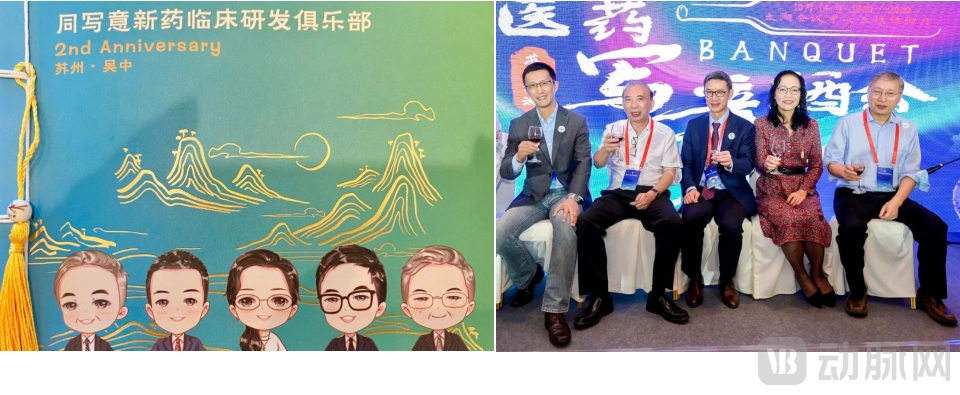
At the meeting, Cheng Zengjiang, founder of Tongxieyi, Hua Ye, Chairman of the Tongxieyi Clinical Club, and Shen Huaqiong, Vice Chairman, presented Professor Qin Shukui with a certificate appointing him as an advisor to the club. Four renowned principal investigators (PIs), Zhang Wenhong, Ma Jun, Wu Yilong, and Lu Shun, will also support the Tongxieyi Clinical Club in an advisory capacity. Previously, Professors Shen Lin, Zhou Caicun, and Niu Junqi had been invited to serve as advisors to the Tongxieyi Clinical Club.
Chaired by Hei Yongjiang, this conference was planned and prepared in collaboration with several executive directors—Shen Huaqiong, Hua Ye, Wang Zaiqi, and Peng Bin—starting a year ago. The organizers meticulously selected “top-tier frontline” experts. However, due to the exceptionally rich content of the presentations, discussion time was reduced, which remains a regrettable shortcoming of the conference.
“The 4th Global Clinical Case Analysis Conference” is scheduled to be held in Suzhou on October 14–15, 2022. Dr. Peng Bin will serve as the Chair, leading industry experts in continuing discussions on the lessons learned from the successes and failures of new drug clinical trials.
▽ 1
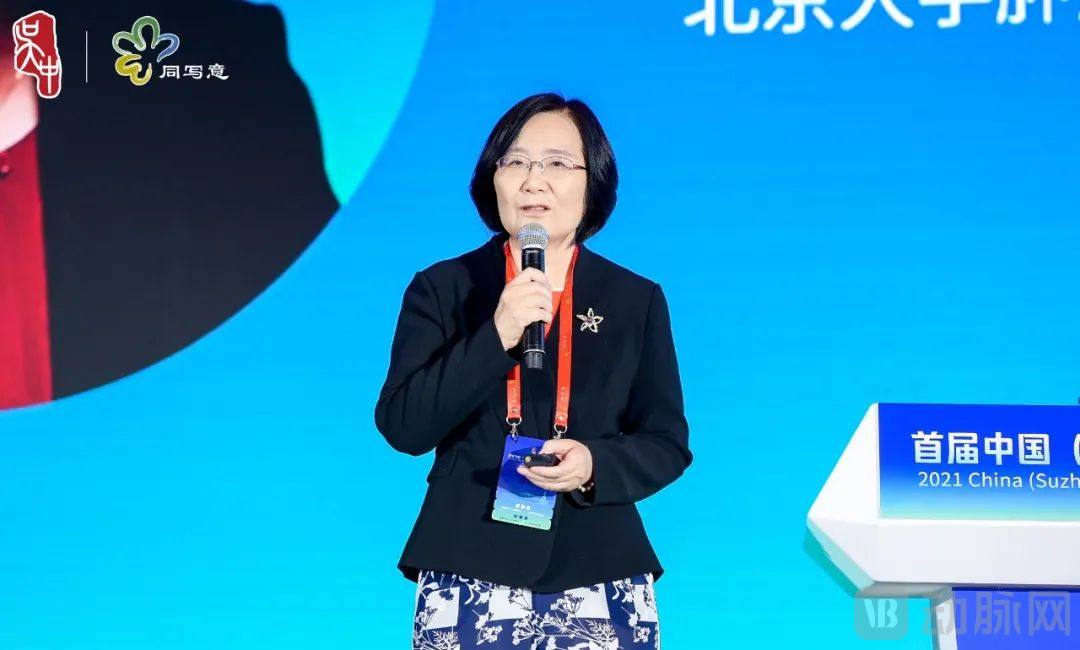
Shen Lin: Vice President of Peking University Cancer Hospital, Advisor to the Tongxieyi Clinical Club
The Path of Development with Chinese Characteristics for the Clinical Research and Development of New Anti-Tumor Drugs
Developing first-in-class therapies requires both boldness and meticulous attention to detail, supported by a robust clinical team and a dedicated translational medicine research team. If bottlenecks are encountered during the R&D process, we must be willing to cut our losses when necessary. As China’s biopharmaceutical industry enters its most promising era, we must prioritize innovation, establishing a strong domestic foundation while maintaining a global perspective.
▽ 2
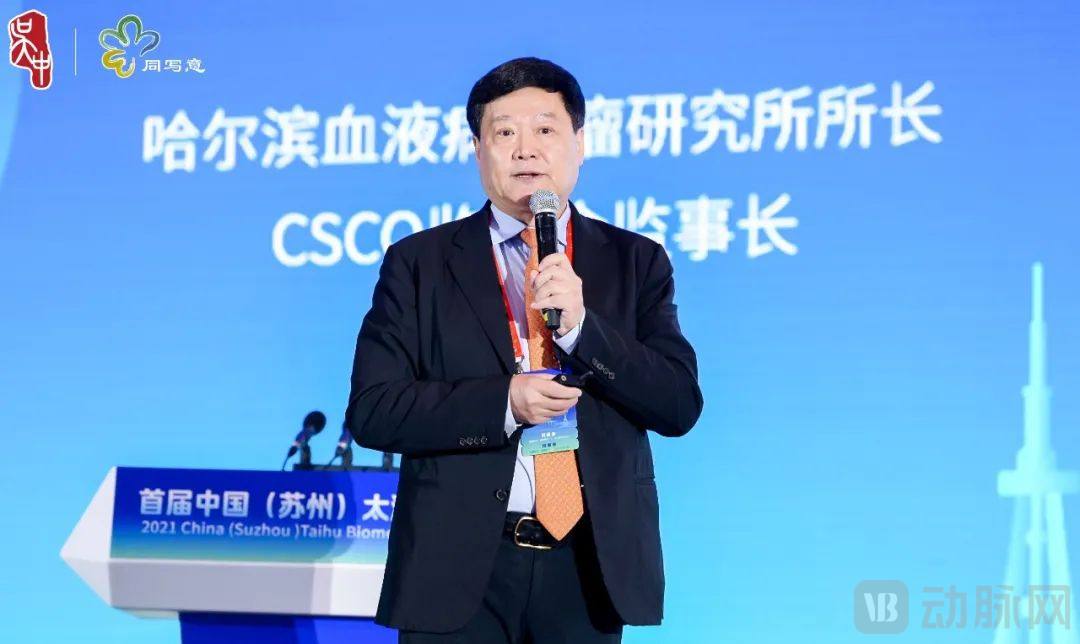
Ma Jun: Director of the Harbin Institute of Hematology and Oncology, Chairman of the Supervisory Board of CSCO, Advisor to the Tongxieyi Clinical Club
Targeted and Cell Therapies for Hematologic Malignancies: A Review and Outlook
Therapeutic target selection should avoid homogenization; for instance, targets such as PD-1/PD-L1 should no longer be pursued. The hope for curing hematologic malignancies does not rest solely on cell therapy, as the 4-year disease-free survival rate is only around 40%, with approximately 60% of patients experiencing relapse; therefore, caution is essential. Cancer vaccines represent a new option in oncology treatment, and cancer gene therapy is poised to be revolutionary.
▽ 3
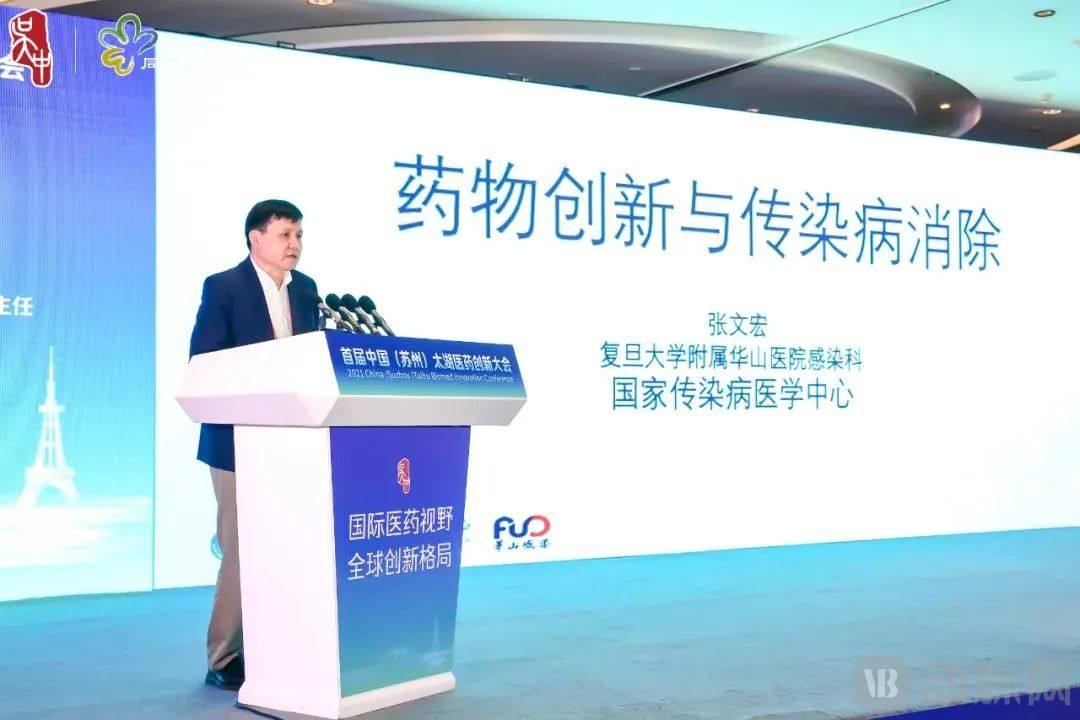
Zhang Wenhong: Director of the National Center for Infectious Diseases, Director of the Department of Infectious Diseases at Huashan Hospital Affiliated to Fudan University, and Advisor to the Tongxieyi Clinical Club
Zhang Wenhong: No infectious disease has ever been ended by drugs alone, but without them, humanity’s fight against disease would be exceedingly difficult.
▽ 4
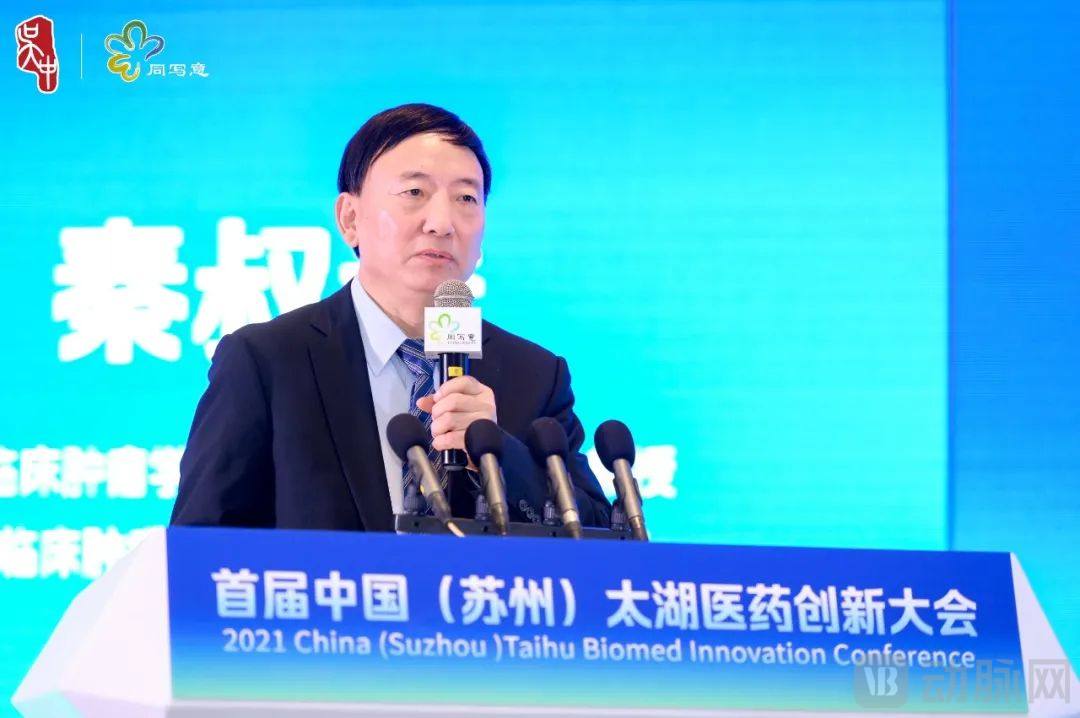
Qin Shukui: Professor at the Eastern Clinical Oncology Research Center (ECCO), Vice Chairman of the Chinese Society of Clinical Oncology (CSCO), and Advisor to the Tongxieyi Clinical Club
Design Principles and Key Points of Phase III Randomized Controlled Trials for Hepatocellular Carcinoma
Reasons for the Failure of Clinical Trials for New Liver Cancer DrugsThere are three primary reasons for the failure of clinical trials for new liver cancer drugs: First, limited antitumor activity and/or significant toxicity of the drug (due to its mechanism of action, the antitumor efficacy is relatively low; furthermore, the drug exhibits notable toxicity, which is particularly critical in patients with pre-existing liver disease, as hepatic impairment lowers the threshold for severe adverse reactions). Second, deficiencies in the design of pivotal clinical trials. Third, issues related to clinical trial implementation and quality control.
▽ 5
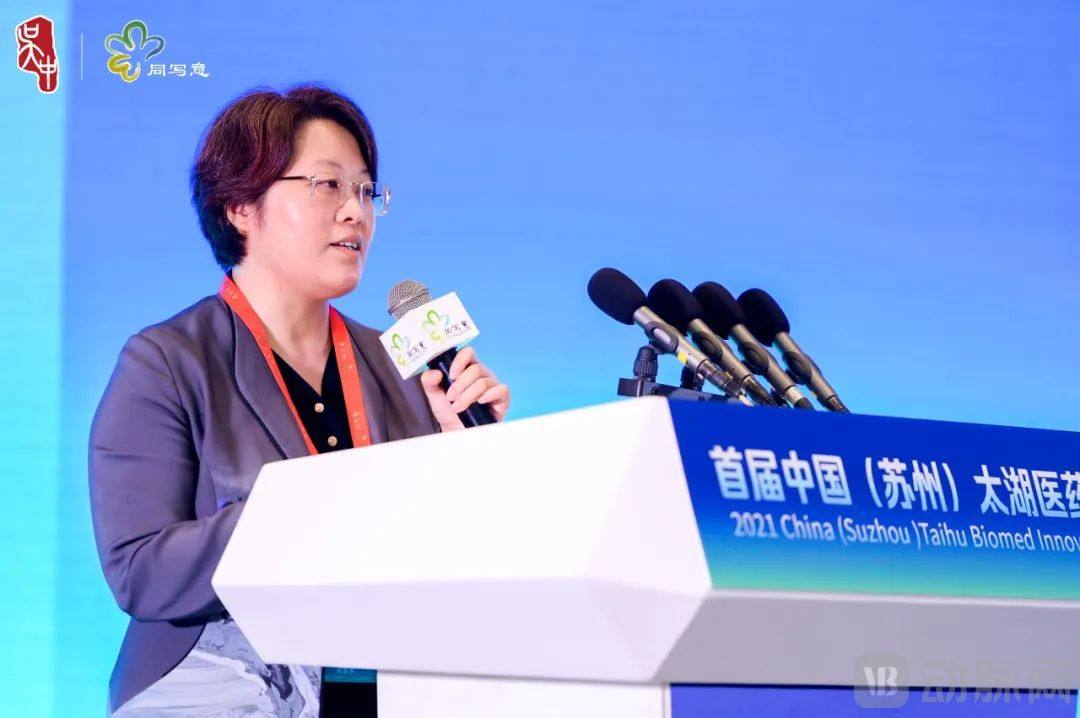
Song Yuqin: Deputy Director of the Department of Lymphoma, Peking University Cancer Hospital; Assistant to the President
Enhancing the Rationality of Clinical Trial Design for Novel Lymphoma Therapies: The Peking University Cancer Hospital Experience
How to Reduce Errors in Clinical Design and Operations to Accelerate Research? In preclinical studies, beyond toxicology, thorough clinical groundwork must be conducted. In Phase I clinical trials, bear in mind that haste makes waste; a balanced pace is essential. In Phase II clinical trials, prioritize both speed and quality, as the team determines success or failure.
Chair: Peng Bin, Executive Director of the Tongxieyi Clinical Club
▽ 6
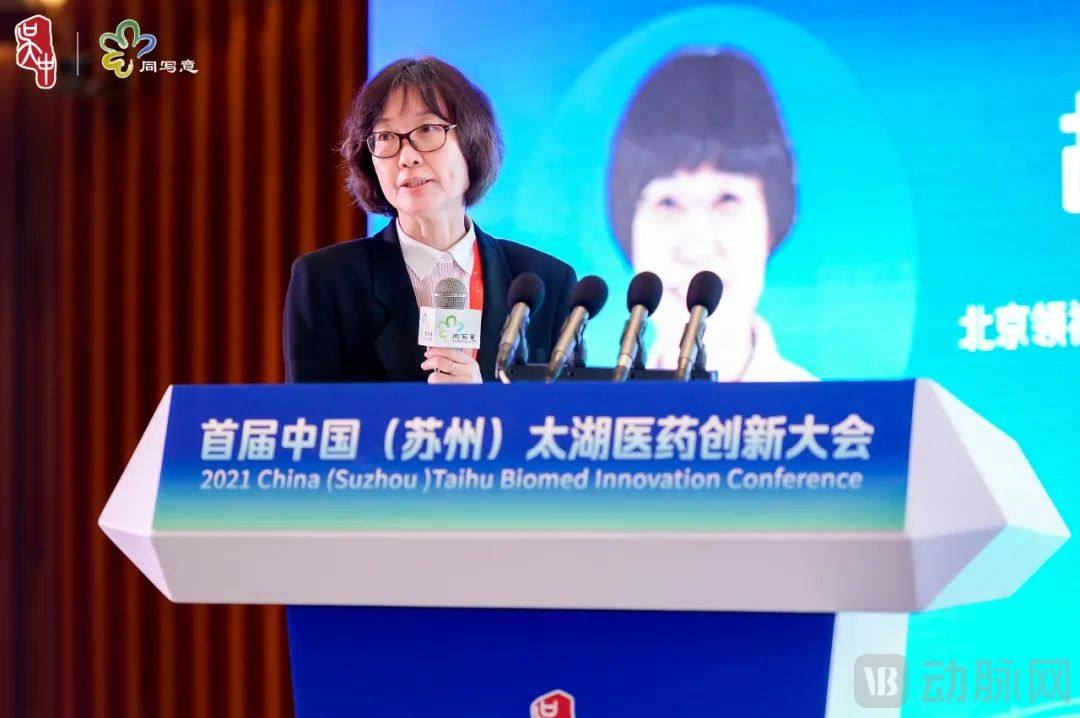 Hu Bei: Founder of Beijing Lingchu Pharmaceutical Technology Co., Ltd.
Quantitative Pharmacology Considerations and Case Studies in Innovative Drug Development
The development of innovative drugs requires the formulation of tailored development strategies based on the specific characteristics of each drug, with model-informed drug development (MIDD) strategies playing a pivotal role. Regulatory authorities have recently issued a series of guidelines incorporating quantitative pharmacology, such as the Technical Guidelines for Drug Interaction Studies and the Technical Guidelines for Model-Informed Drug Development, which warrant careful study and adherence.
▽ 7
 Shi Jun: Chief Development Officer at Dimai Bio
Considerations for Dose Optimization in Early Clinical Development: Case Studies of Modeling and Simulation
As a novel therapeutic modality, bispecific antibodies simultaneously bind to two distinct sites, which may result in more complex or atypical pharmacokinetic/pharmacodynamic (PK/PD) profiles that require accurate interpretation. Conducting mechanism-based PK/PD studies and investing early in the translational PK/PD development phase can enhance R&D efficiency and support decision-making.
▽ 8
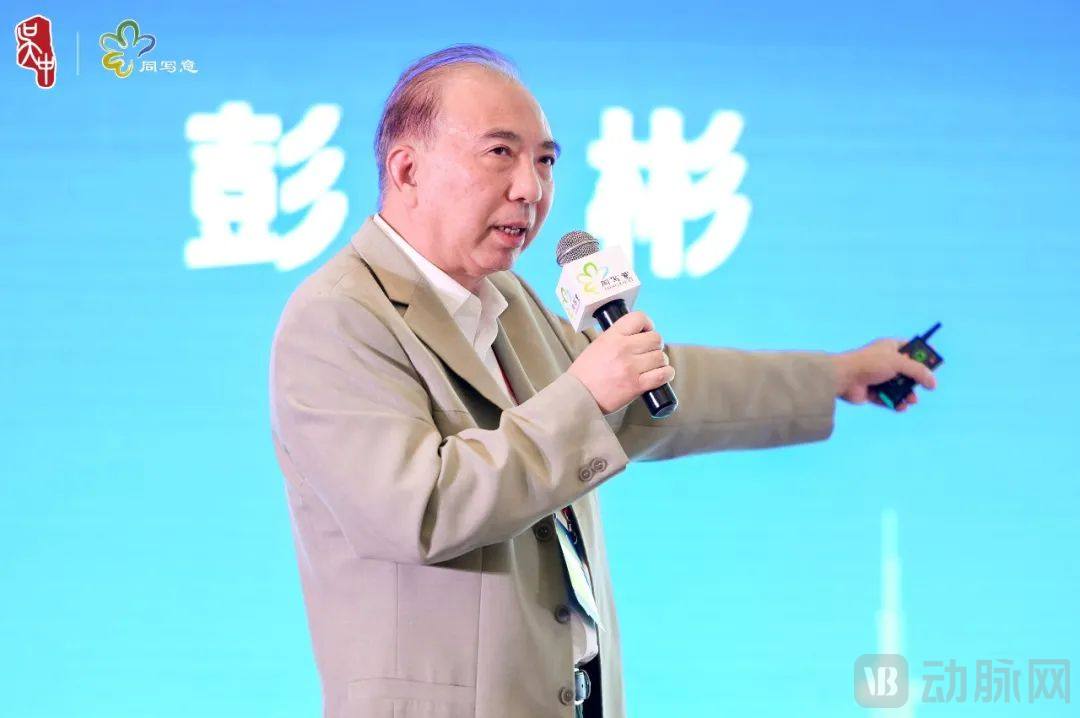
Peng Bin: CMO of EMBiologics
Clinical Development Prospects of LAG-3 Monoclonal Antibodies and Bispecific Antibodies
LAG-3 is a novel target for tumor immune checkpoint therapy following PD-1/PD-L1. Recent clinical trials have demonstrated favorable clinical outcomes with the combination of PD-1 and LAG-3 inhibitors, suggesting that LAG-3/PD-1 bispecific antibodies may hold broader application prospects!
▽ 9
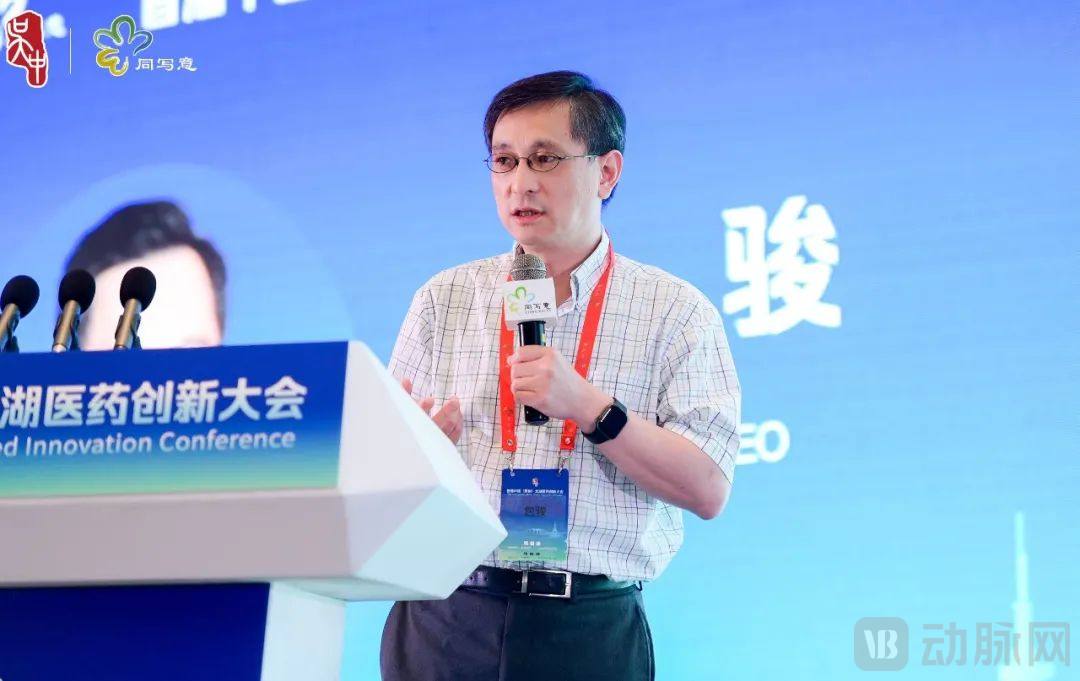 Bao Jun: CEO of Imeik Pharma, Chairman of the Tongxieyi BD Club
Synthetic Lethality Targets and Clinical Development Strategies: A Review
The mechanism of synthetic lethality provides a new platform for the development of targeted cancer therapies. As the first successful target demonstrating synthetic lethality, PARP inhibitors have seen multiple agents approved for market entry. Nevertheless, Senaparib continues to undergo global research and development to address unmet clinical needs, leveraging its favorable safety window for combination therapies and pursuing strategies focused on unique clinical indications. The development of drugs targeting other synthetic lethality partners, such as Wee1 and ATR, has also advanced into clinical trials. Biomarker identification and the selection of appropriate patient populations will be key determinants of success for these novel targets.
▽ 10
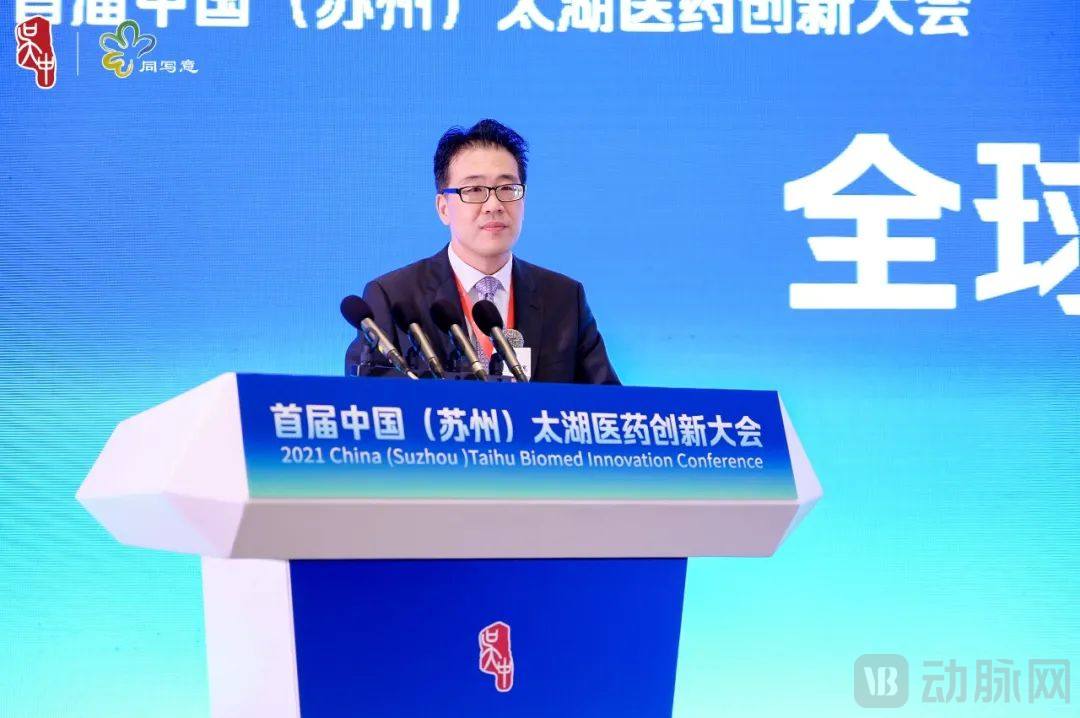
Qin Xuke: CMO, Kewang Pharmaceutical
Determining RP2D for OX40: A Bell-shaped Response Relationship
Key considerations in the development of OX40 agonists include preventing potential T-cell overstimulation (as higher doses and/or continuous administration may lead to T-cell exhaustion); accounting for the bell-shaped dose-response curve observed with OX40 agonists, wherein higher doses exhibit reduced efficacy; and allowing for the re-expression of OX40 receptors on the T-cell surface (achieved through intermittent, rather than continuous, drug exposure).
▽ 11
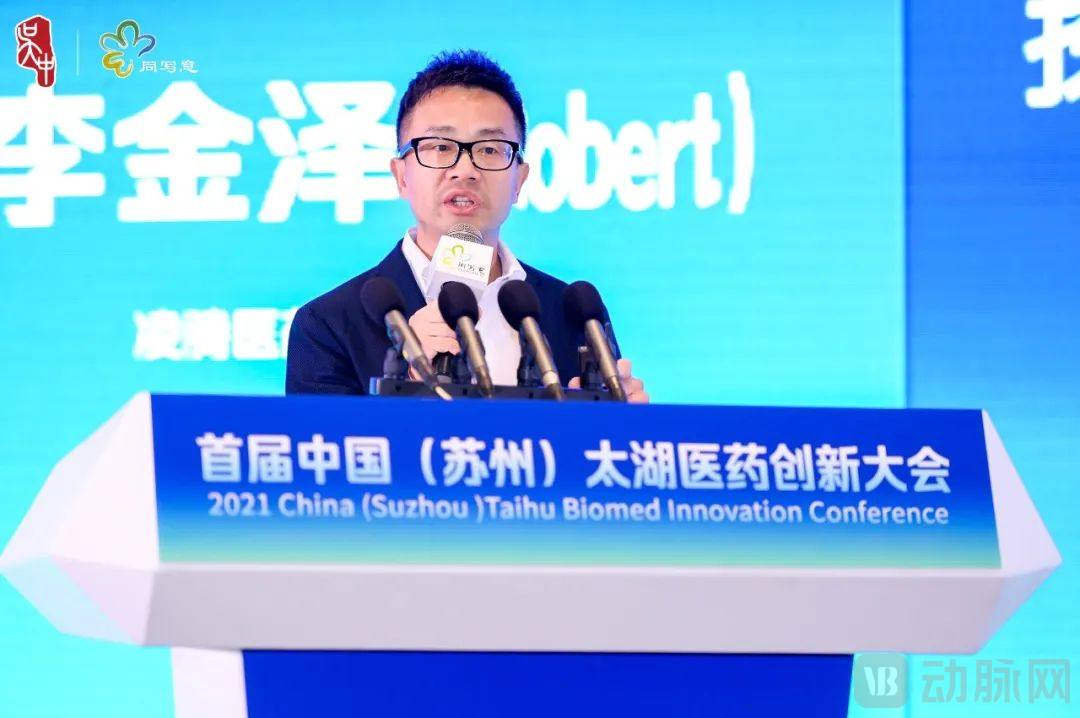
Li Jinze: CEO of Lingteng Pharmaceuticals
Exploring the Clinical Value of the Catumaxomab Bispecific Antibody: New Positioning, New Horizons
Based on the product’s mechanism of action (rapid cytotoxicity and vaccine-like efficacy), we strategically select indications for catumaxomab that address unmet therapeutic needs in target patient populations within specific countries or regions, such as gastric cancer with peritoneal metastasis and non-muscle-invasive bladder cancer. Furthermore, leveraging extensive prior clinical experience and data, we design tailored development plans for each new indication—for example, employing local administration routes to maximize efficacy while minimizing safety risks.
Chairman: Hua Ye, Chairman of the Tongxieyi Clinical Club
▽ 12
 Hua
Hua
Ye: Founder, Chairman and CEO of Yehui Pharmaceutical
Identifying Unmet Clinical Needs to Accelerate the Development of First-in-Class Graft-versus-Host Disease Therapies
cGVHD is the most common complication following hematopoietic stem cell transplantation. Although it affects a relatively small patient population, it carries significant clinical importance: while its incidence is low, the incidence rate is growing at an annual pace of 20–30%; patients can achieve long-term survival in a tumor-free state, resulting in a prevalence rate far exceeding the incidence rate; currently, beyond first-line standard corticosteroid therapy, there is a clear unmet clinical need for subsequent lines of treatment.
▽ 13
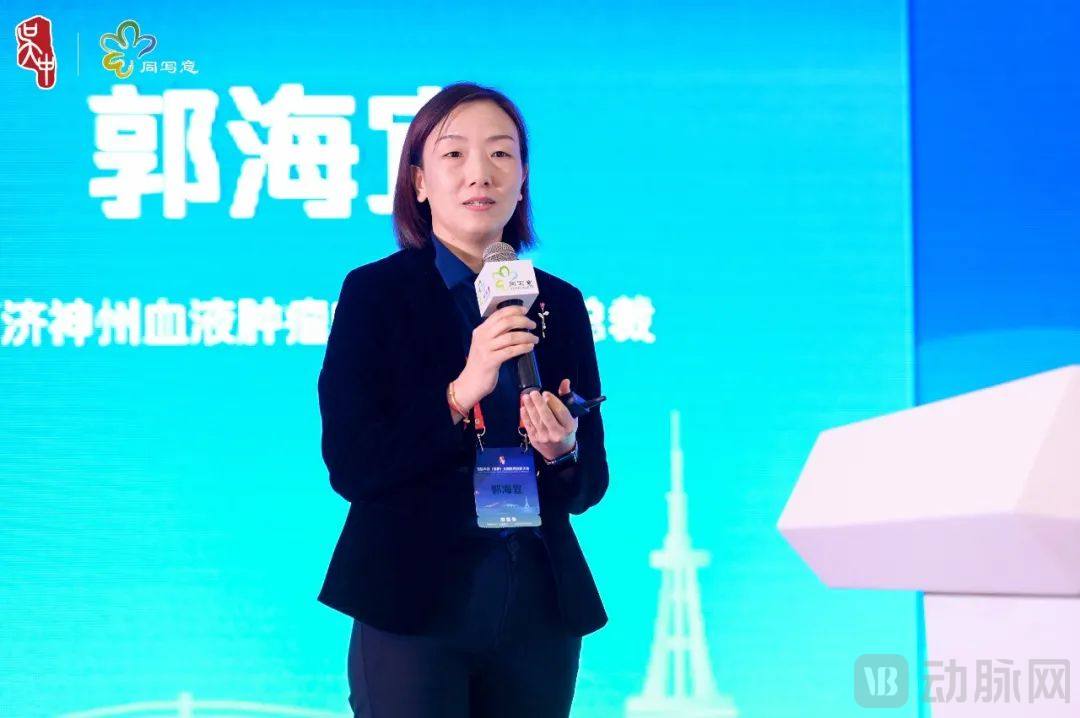
Guo Haiyi: Vice President, Clinical Development in Hematologic Oncology, BeiGene
Zanubrutinib’s Global Expansion Strategy: Single-Arm Studies Guided by Clinical Value Support Global Registration
Through mechanistic studies and structural optimization, efficacy is enhanced and safety improved. Based on superior clinical pharmacological properties, the drug offers more convenient clinical use for patients, such as flexible dosing regimens, fewer drug-drug interactions (DDIs), compatibility with various concomitant medications, and treatment opportunities for special patient populations.
▽ 14

Qi Chuan: Senior Vice President, Global Clinical Development, Transcenta Holding
Reflections on Single-Arm Registration Trials under the New Regulatory Framework
Patient-centric, clinical value–oriented single-arm study clinical development implies that the mechanism of action (MOA) is strongly supported by scientific rationale and preclinical data; it is applicable to well-defined patient populations; and robust efficacy outcomes demonstrate clear superiority over existing therapies.
Chair: Wang Zaiqi, Executive Director of the Tongxieyi Clinical Club
▽ 15
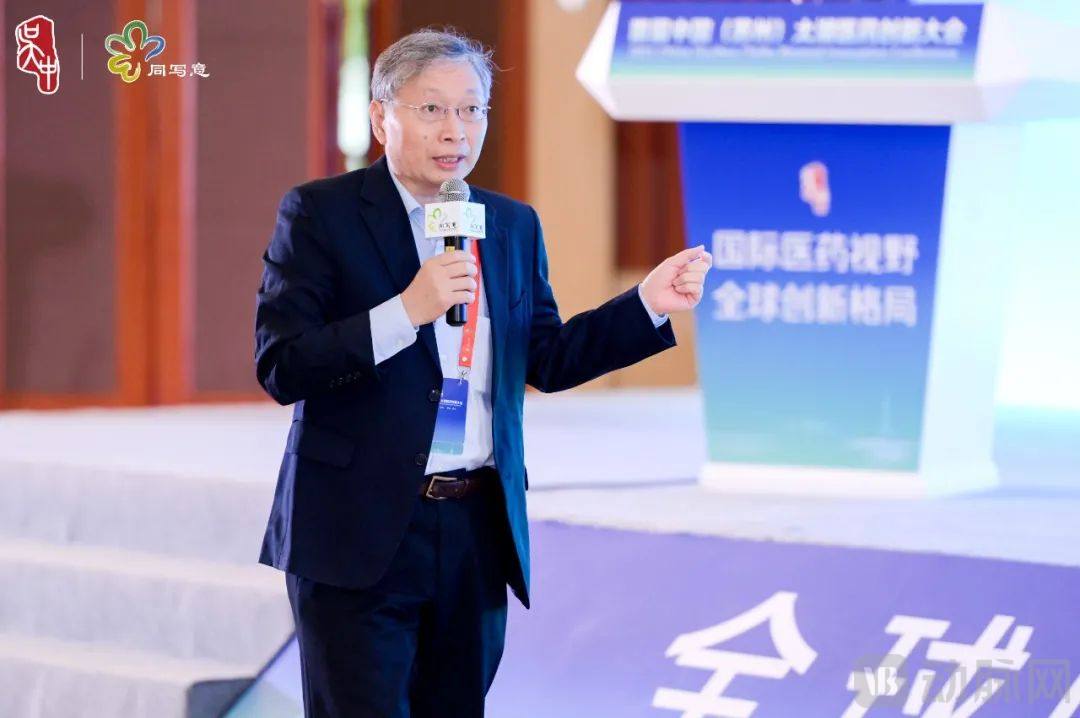
Wang Zaiqi: Founder, Chairman and CEO of Innovent Biologics
On Phase III Clinical Trials
How to Improve the Success Rate of Phase III Clinical Trials? The key lies in clinical trial design, biomarker and patient selection, choice of appropriate combination therapies, quality of clinical operations, and data quality and analysis. These, in turn, depend on an excellent CMO team encompassing clinical, operational, and statistical expertise, as well as top-tier, highly responsible Principal Investigators (PIs).
▽ 16
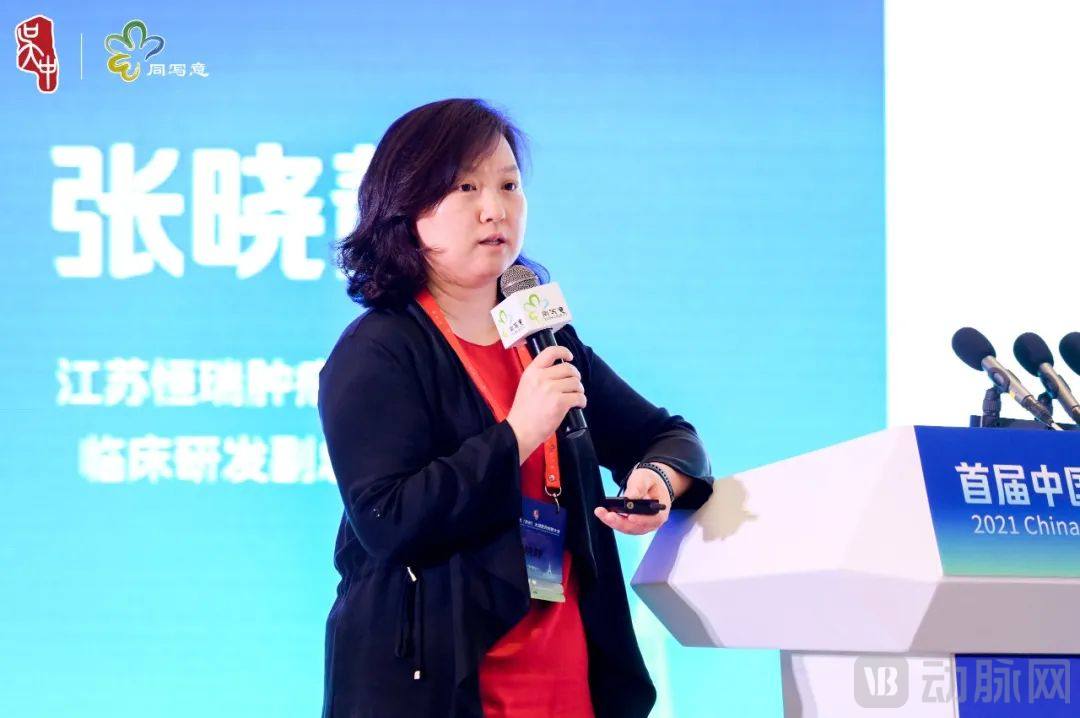 Zhang Xiaojing: Deputy General Manager, Clinical R&D of Innovative Oncology Drugs, Jiangsu Hengrui Pharmaceuticals
Fluorine Takes the Lead: A Brief Overview of the Development Journey of Fluzoparib
The introduction of a trifluoromethyl group has endowed fluzoparib with superior pharmacological activity. Following conditional approval for the indication of ovarian cancer, granted on the basis of its excellent efficacy and safety data from a single-arm study, fluzoparib received full approval within six months after the release of data from its first Phase III trial, which confirmed its efficacy and safety profile. Currently, Phase III clinical trials of fluzoparib are underway in multiple tumor types. It is hoped that in the near future, fluzoparib will provide new therapeutic opportunities for more cancer patients.
▽ 17

Chen Gang: Chief Scientific Officer, Noxgroup (Beijing) Pharmaceutical Technology Co., Ltd.
▽ 18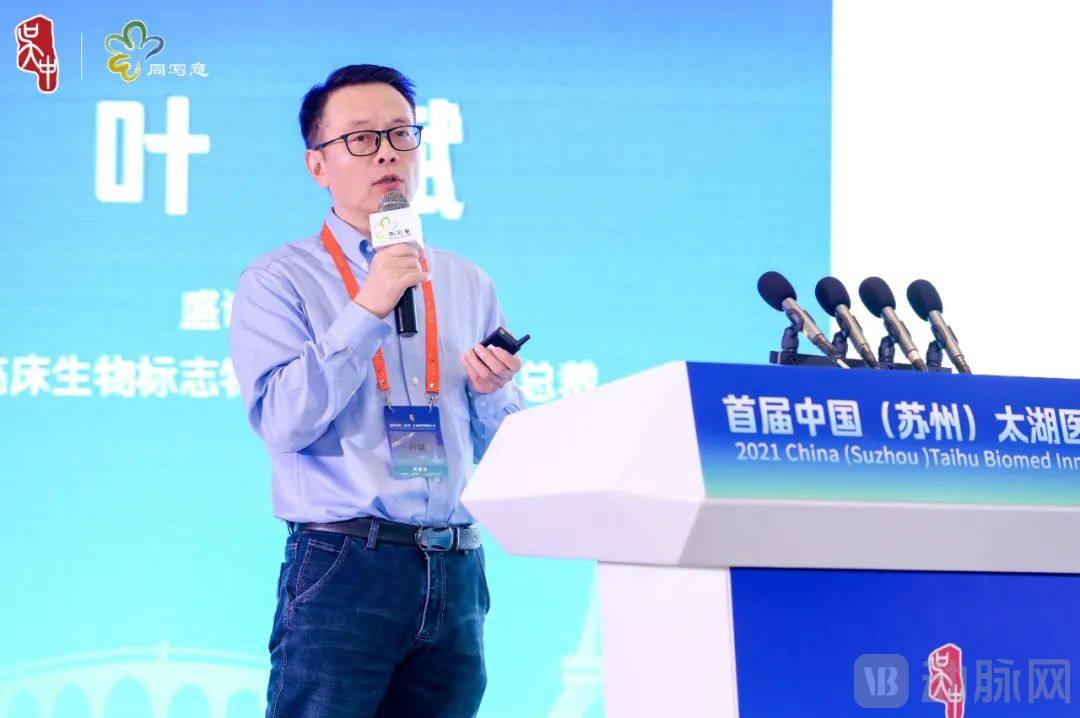
Ye Bin: Vice President of Clinical Biomarkers and Drug Development at Shengnoki Pharma
Adaptive Enrichment Design Strategies and Biomarker Considerations in the Clinical Trials of Icotinib
Biomarkers must be evaluated across multiple dimensions, including clinical value drivers, actual patient needs, and the practicality and accessibility of the assays. Early mining of clinical biomarker data and support from external relevant data are critical considerations. Strategies for adaptive enrichment trial designs should be forward-looking and rigorous. The actual progress of trials requires effective communication with regulatory authorities, as well as a supportive environment that encourages and permits innovation.
▽ 19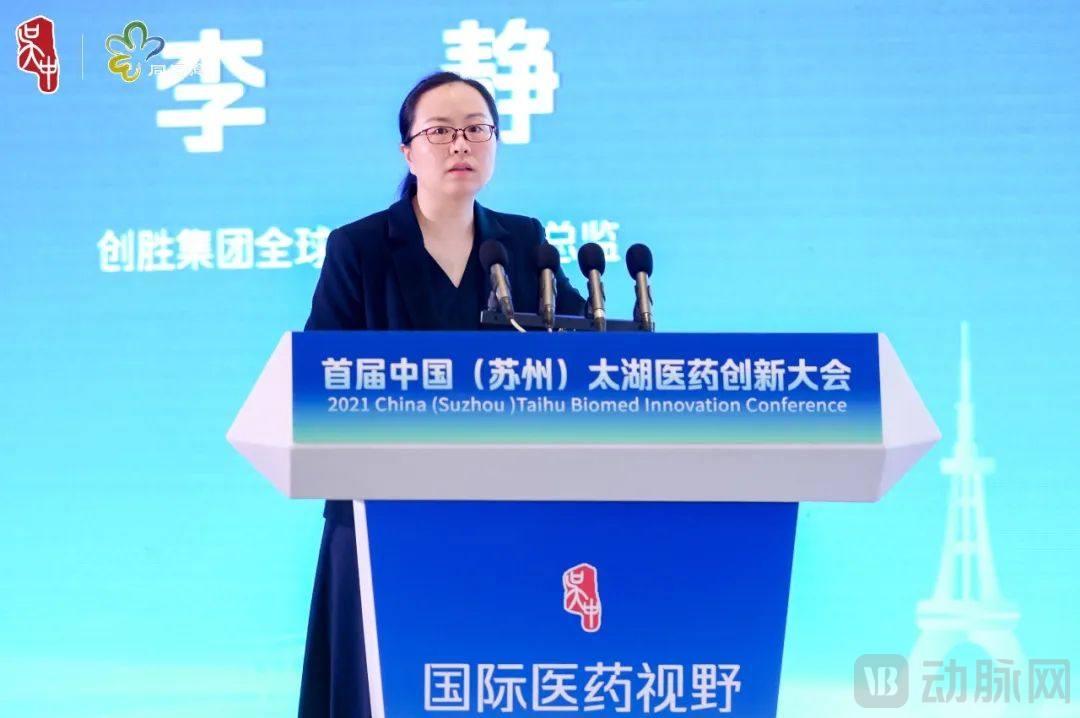
Li Jing: Medical Director, Global R&D Department, Transcenta Holding
Case Analysis of Phase III Clinical Trials for Rare Tumors
Opportunities for new drug development in rare tumors lie in the substantial unmet clinical needs, policy support, and the prevalence of single-arm trials using surrogate endpoints in registration studies. Challenges include insufficient understanding of the clinical characteristics and disease course, a lack of animal or cell models for basic research, and a limited pool of potential participants for clinical trials. Therefore, collaboration between academia and industry, engagement with patient organizations, and international cooperation are essential.
Chair: Hei Yongjiang, Executive Director of the Tongxieyi Clinical Club
▽ 20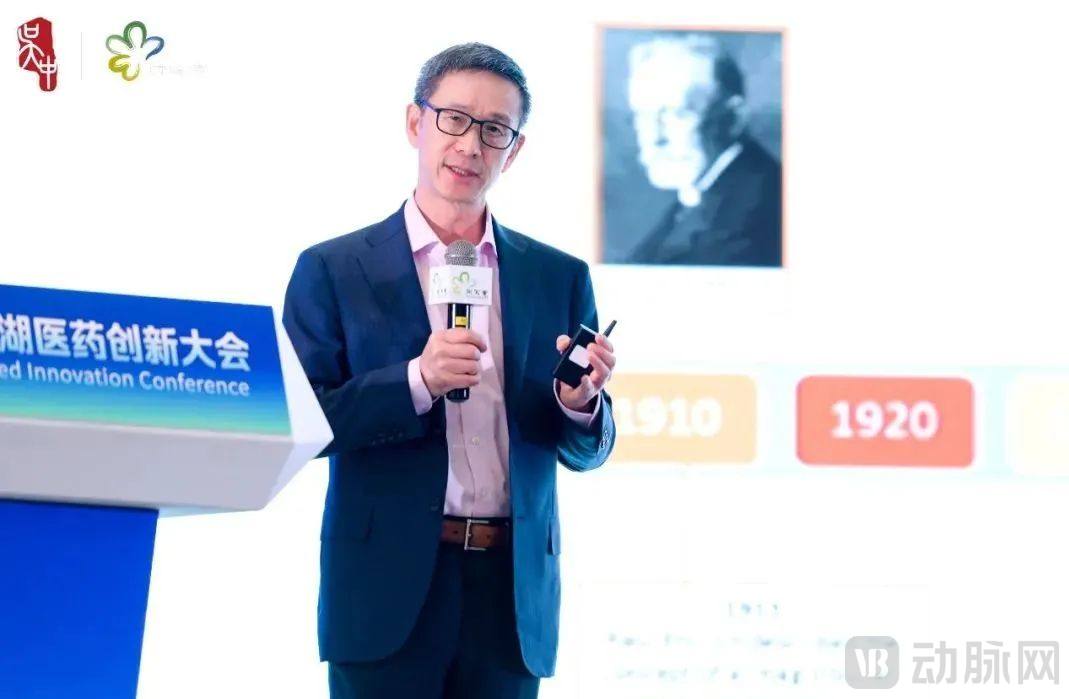
Hei Yongjiang: Co-CEO of Zhikang Hongyi
Clinical Development of ADC Drugs
ADCs are complex molecules that present significant development challenges. With advances in science and technology, improved ADC drugs are emerging. Optimized clinical trial designs and clinical development plans may help maximize the clinical benefits and value of ADCs. ADCs will play a pivotal role as an integral component in cancer management.
▽ 21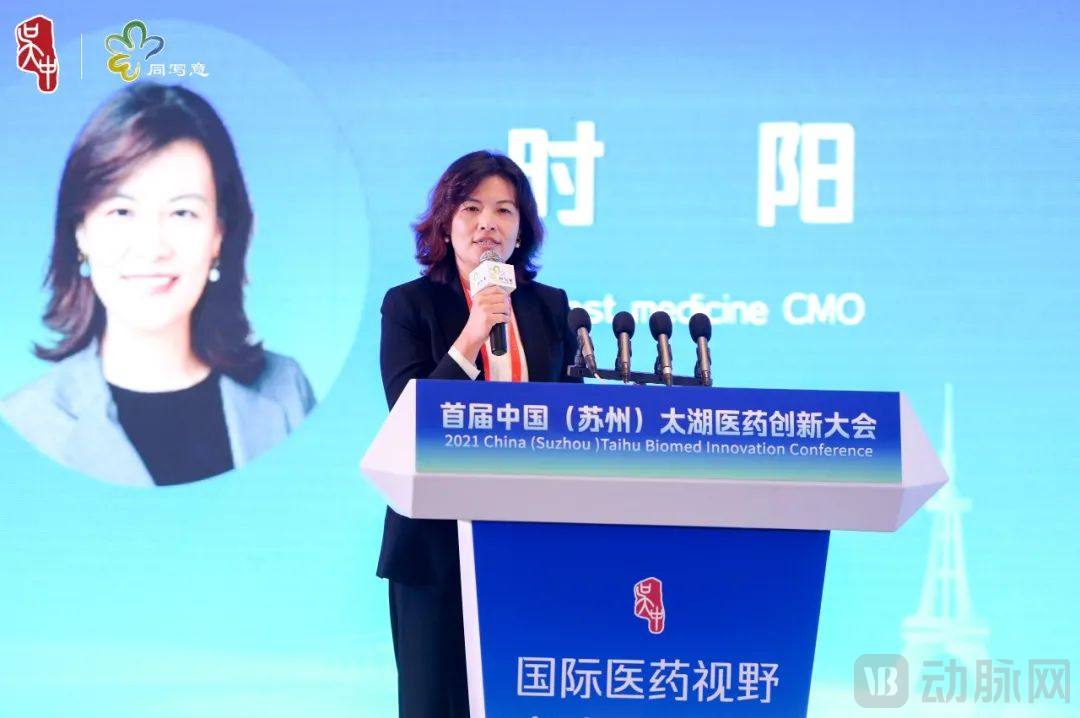
Shi Yang: CMO, Oncology/Immunology, Everest Medicines
FIH to phase 3 success - the clinical trial designs underlying the clinical development of sacituzumab govitecan for TNBC
Drug development should be grounded in the mechanism of action (MOA) and extensive preclinical data. Exploratory Phase I basket trials, with precise positioning, facilitate the continuous generation of data to validate efficacy and safety. The selection of the first indication is critical. Furthermore, after the initial indication is chosen, research can be expanded to other indications for in-depth investigation.
▽ 22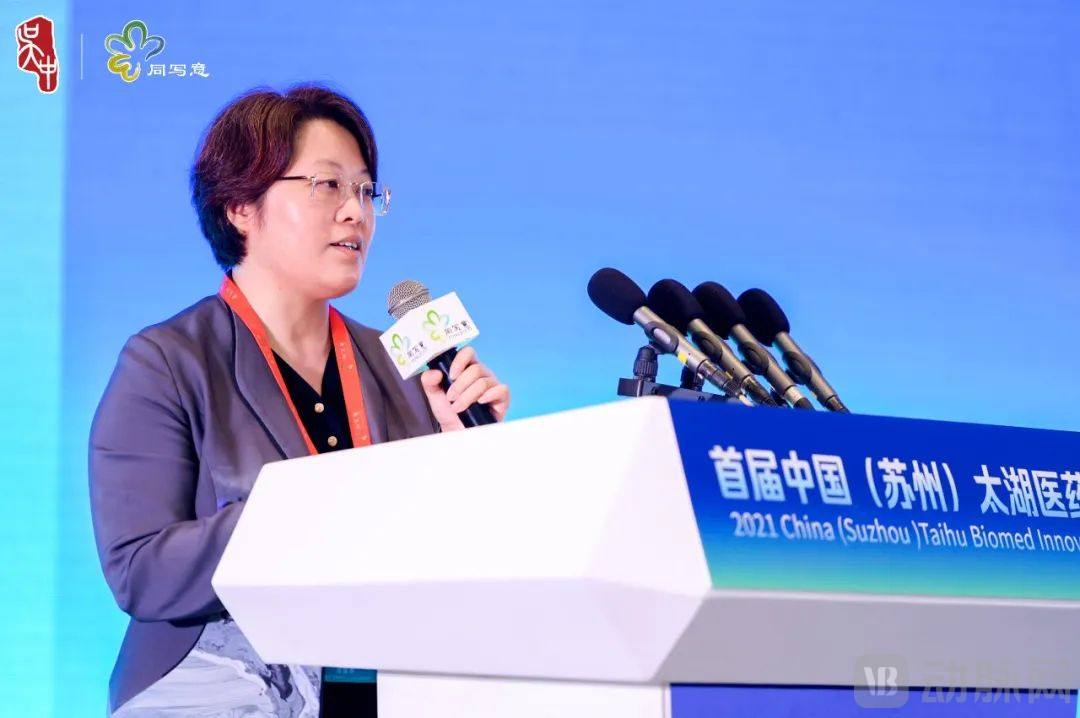
Song Yuqin: Deputy Director of the Department of Lymphoma, Peking University Cancer Hospital; Assistant to the President
Adcetris clinical development in China
The results indicate that Chinese patients with relapsed/refractory CD30-positive Hodgkin lymphoma (HL) and systemic anaplastic large cell lymphoma (sALCL) derive clinical benefit from brentuximab vedotin treatment, with a manageable safety profile, thereby providing a new therapeutic option for patients in China.
▽ 23
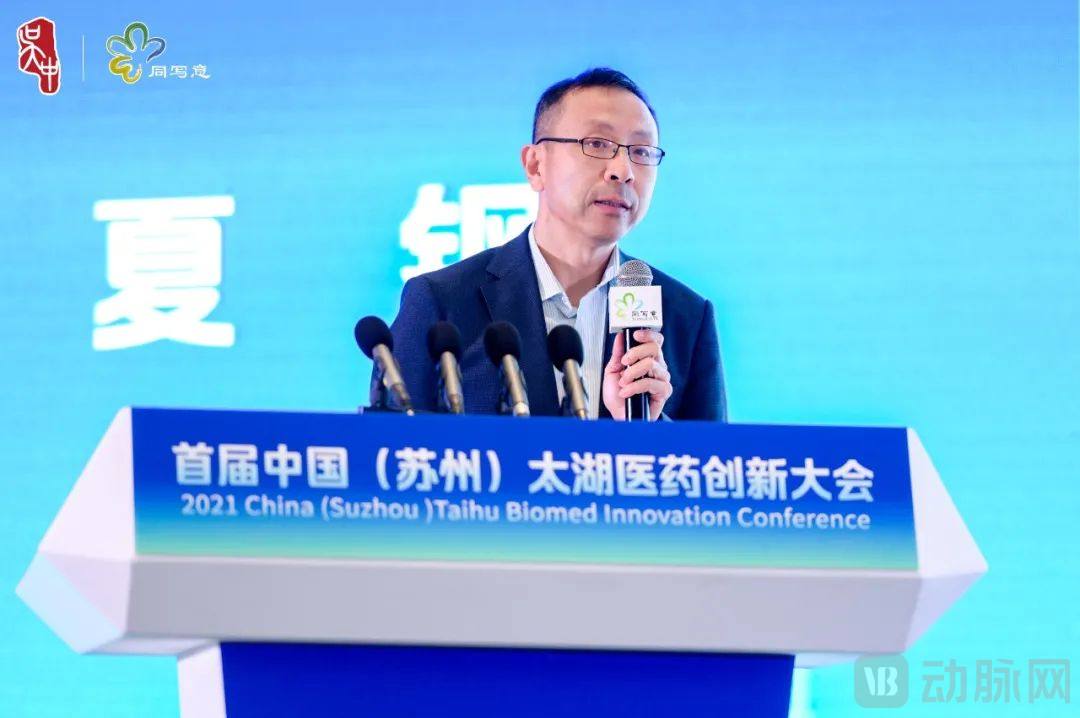
Xia Gang: CSO, New Code Biologics
Research and Development Progress of the Site-Specific Antibody-Drug Conjugate ARX788
Safety is a key focus in the development of antibody-drug conjugates (ADCs). Given the various conjugation methods available for ADCs, their compatibility should be carefully considered. ARX788 employs non-natural amino acid conjugation technology to enhance ADC stability and thereby reduce toxic side effects.
Chair: Shen Huaqiong, Vice Chairman of the Tongxieyi Clinical Club
▽ 24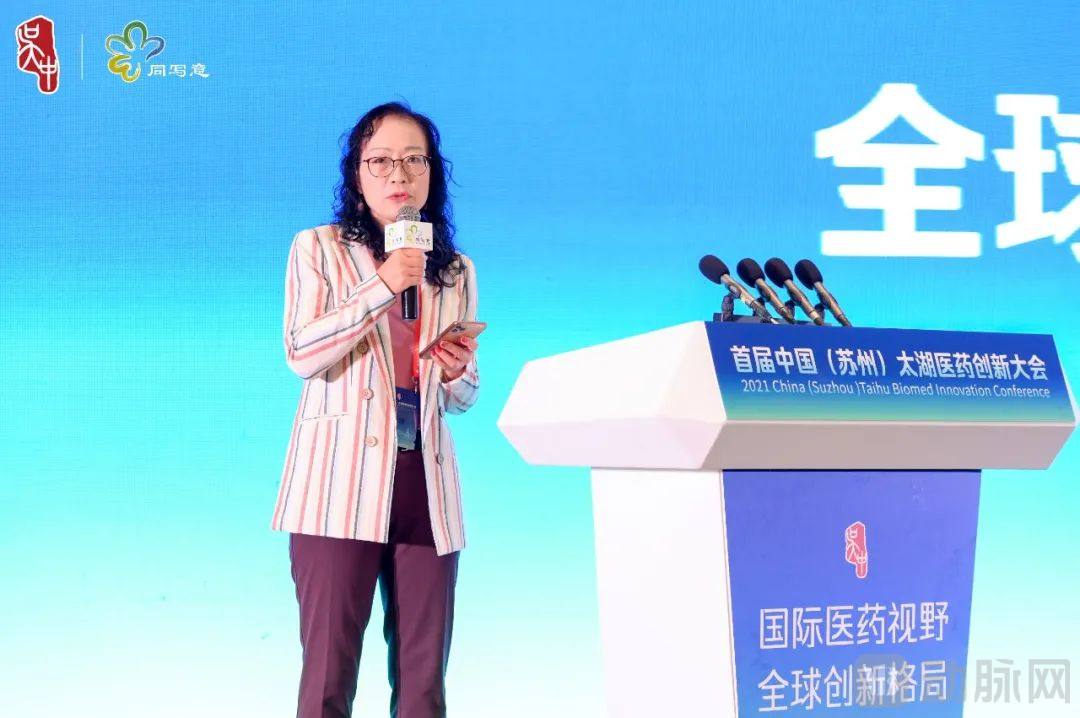
Shen Huaqiong: CEO of I-Mab Biopharma
On the Clinical Development of Drugs for Emerging Therapies
Advanced technologies are driving innovation in the pharmaceutical industry. Numerous novel targets and therapeutic approaches offer new hope for addressing unmet clinical needs. Innovation is comprehensive, requiring multidisciplinary knowledge and technologies, as well as cross-departmental updates and collaboration. Given the inherent risks of innovation, strategic planning and effective implementation are essential.
▽ 25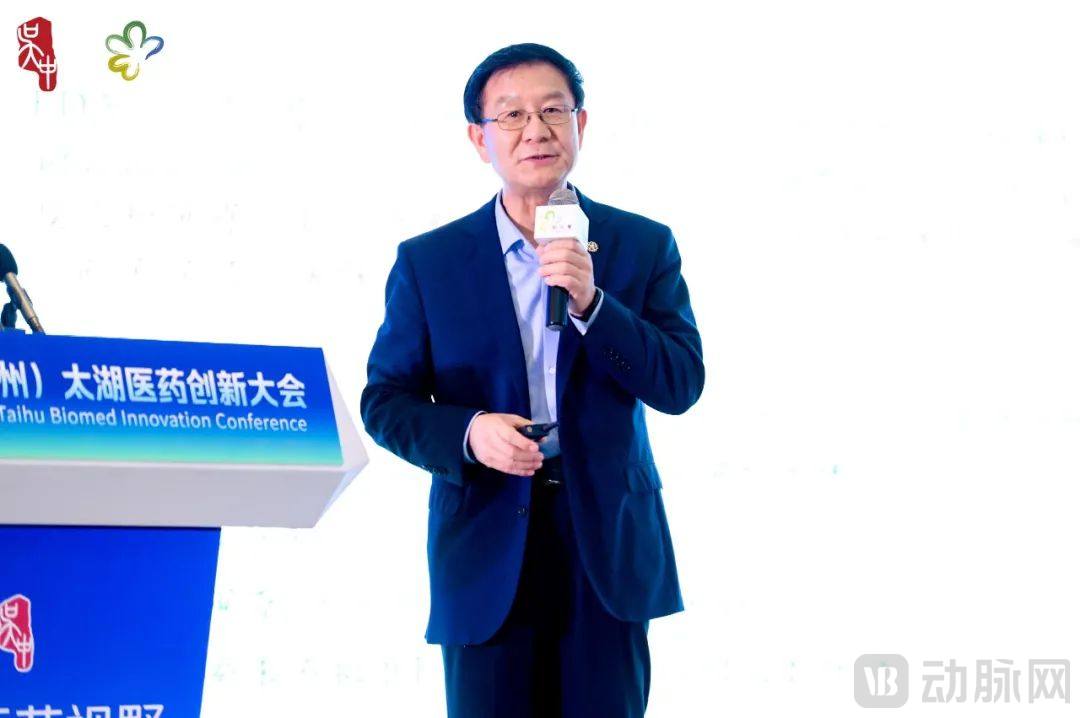
He Ruyi: CMO of RemeGen, Chief Scientist at SDIC Innovation, former Chief Scientist at the Center for Drug Evaluation (CDE), and Chairman of the Tongxieyi New Drug Talent Club
Changes in FDA’s New Drug Approval Logic: Insights from the Aducanumab Case
Clinical trials hold not only statistical significance but also clinical relevance. If I were still at the FDA and had been responsible for reviewing Aducanumab, I might have taken the same approach and supported its accelerated approval, because our review process should be guided by clinical value. This principle applies equally to drug development and regulatory review.
▽ 26
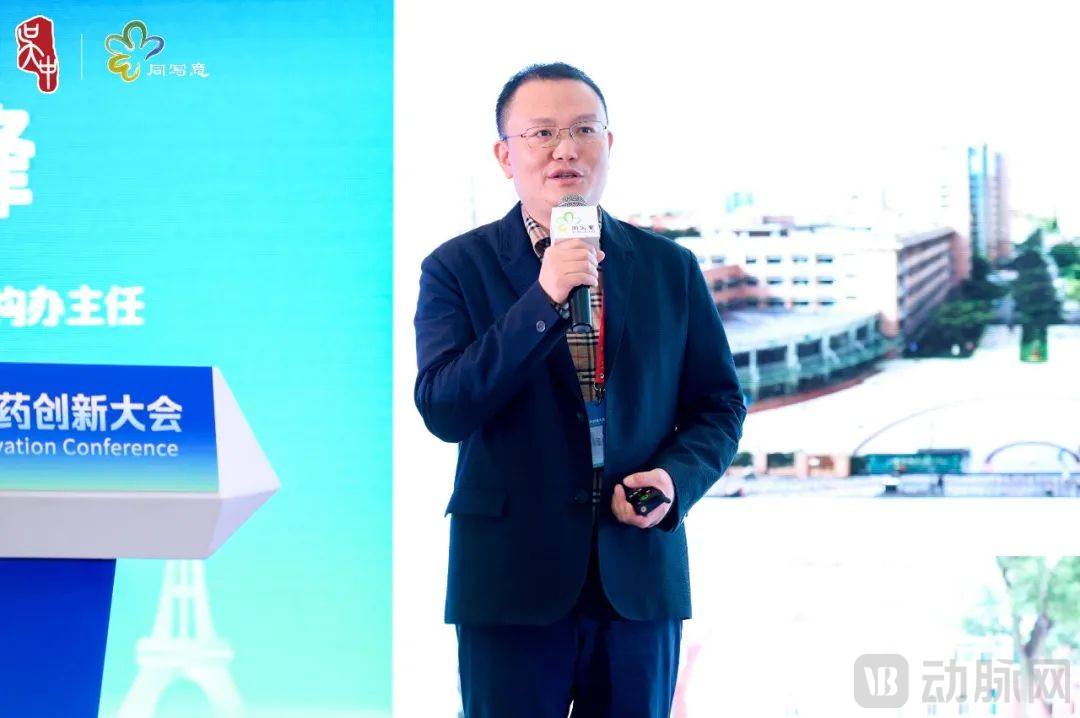 Shen Yifeng: Director of the Institutional Office, Shanghai Mental Health Center
Innovation Source: The R&D Story of a Mental Health Institution
For a hospital like ours, conducting clinical work alone poses no issue; however, limiting our role to purely clinical activities would mean forfeiting our greatest value. We aim to provide more specialized support and academic services, as our experience from over 200 clinical projects serves as an easily accessible resource for us.
▽ 27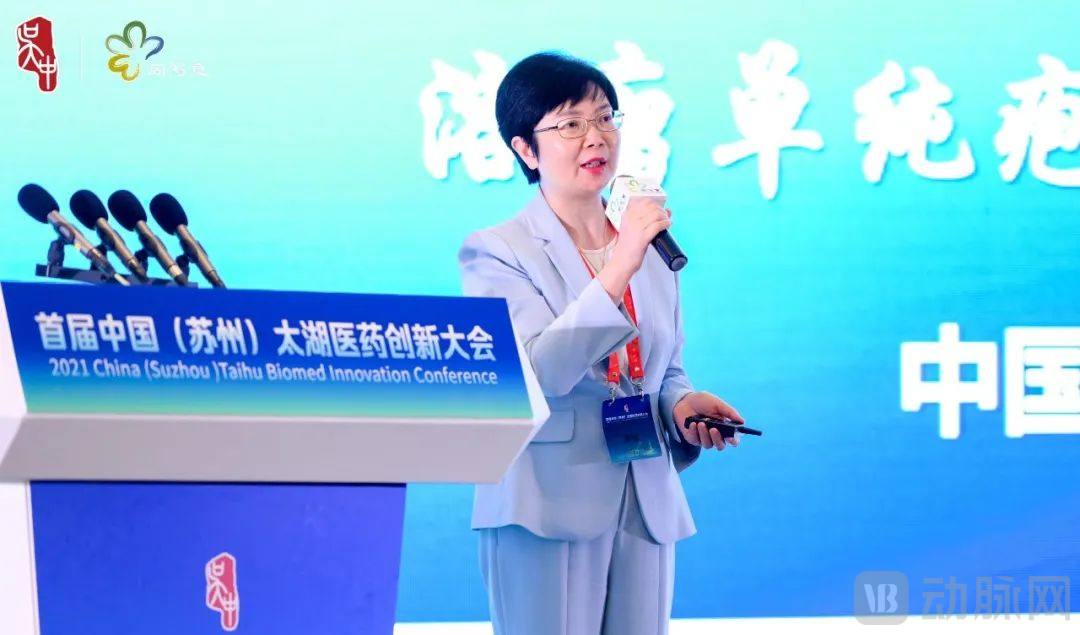
Huang Jing: Director of the Department of Internal Medicine and Director of the GCP Office, Shenzhen Hospital of the National Cancer Center/Cancer Hospital, Chinese Academy of Medical Sciences
Progress and Challenges in Clinical Trials of Oncolytic Herpes Simplex Virus
Currently, the number of oncolytic viruses available on the market is very limited, with T-VEC, based on herpes simplex virus type 1 (HSV-1), being a representative example. The efficacy of T-VEC in melanoma has been supported by Phase III clinical trials, and preliminary results have emerged from explorations of its combination with immune checkpoint inhibitors. OH2, an HSV-2-based oncolytic virus, has undergone Phase I/II clinical trials, demonstrating favorable safety profiles and encouraging efficacy data. In the future, continued development of more potent oncolytic viruses, optimization of combination therapy strategies, and exploration of predictive biomarkers for efficacy are needed to enable oncolytic viruses to benefit a broader patient population.
▽ 28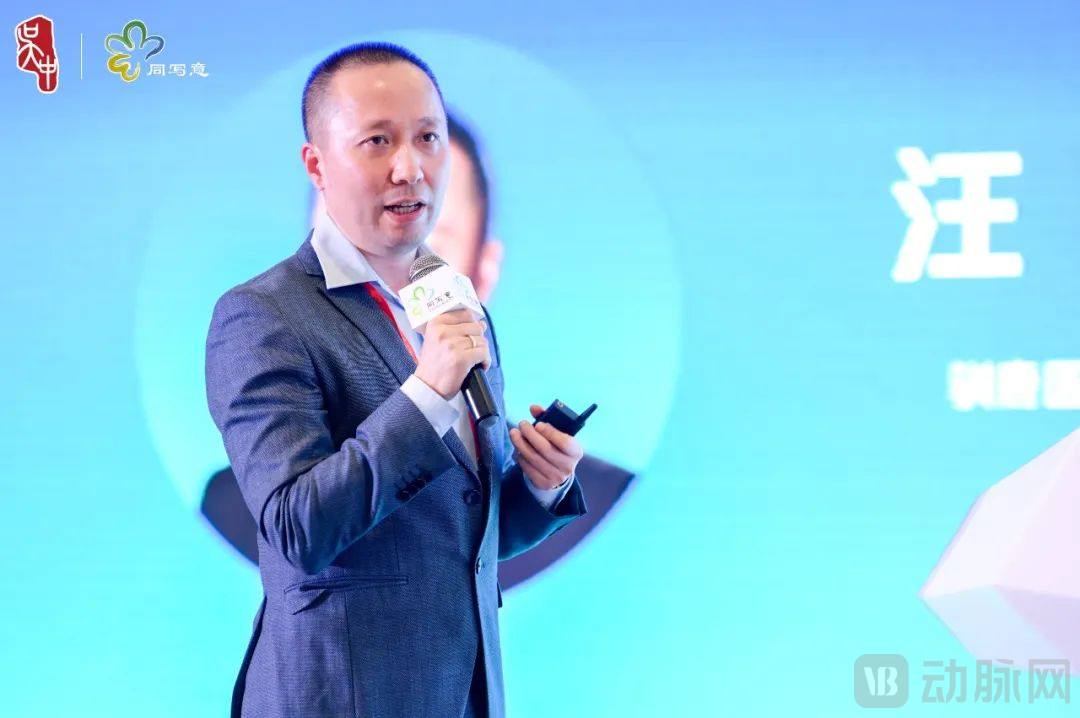
Wang Wen: CEO of Xunlu Medical
Risks and Strategies in the Clinical Development of CAR-T Cell Therapies
Clinical trials of CAR-T therapy for autoimmune diseases must be conducted in patient populations rather than in healthy volunteers. CAR-T clinical trials require special consideration of manufacturing and process constraints. Dose-escalation studies do not necessarily need to identify the maximum tolerated dose (MTD). While the 3+3 design is simple and easy to implement, its performance may be suboptimal. In contrast, adaptive designs such as mTPI-2 and BOIN offer better performance; notably, the BOIN design combines simplicity with robust performance.
Regarding dose selection, flat dosing may be more scientifically sound than body surface area (BSA)-based dosing. For the management of CAR-T therapy-related toxicities, a one-size-fits-all approach is inappropriate; instead, management should be tailored based on differences in CAR-T construct, dosage, indication, and tumor burden. The design of clinical trials for next-generation CAR-T technologies, such as in vivo engineering, presents new challenges and research questions.
Chair: Shen Huaqiong, Vice Chairman of the Tongxieyi Clinical Club
▽ 29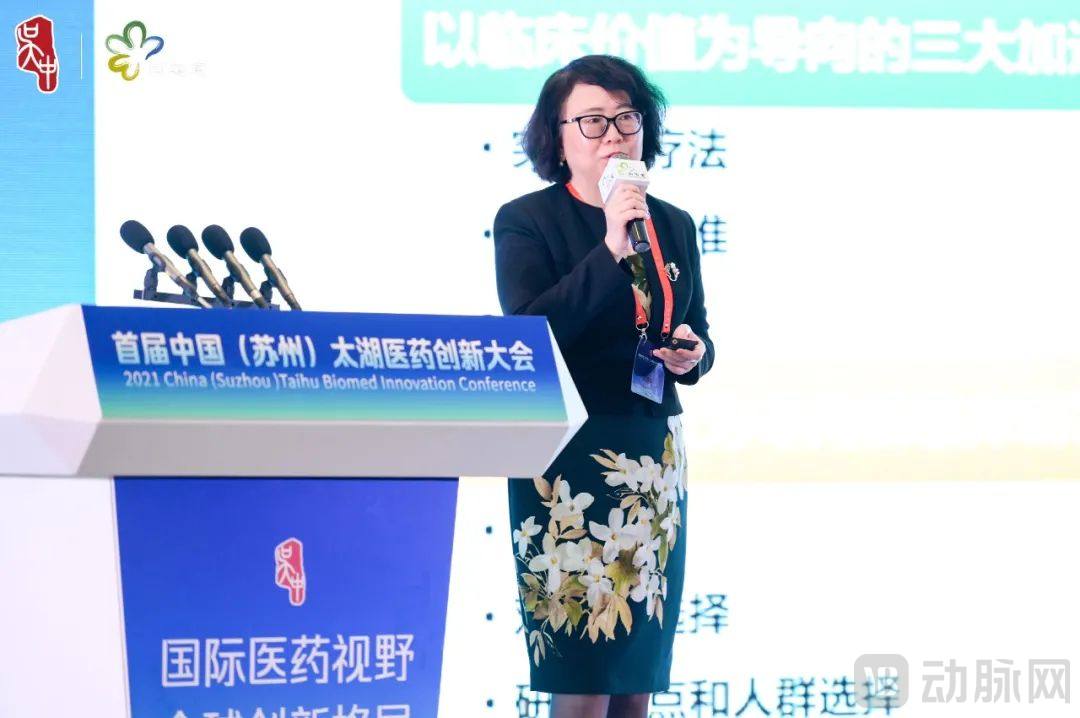
Deng Ting: Vice President, Sanofi China
Guiding Principles for the Development of Novel Anti-Tumor Drugs Oriented Toward Clinical Value
Single-arm trials and control group selection from the perspective of patient interests, as well as endpoint and population selection aimed at demonstrating clinical value, are all development directions guided by clinical value.
▽ 30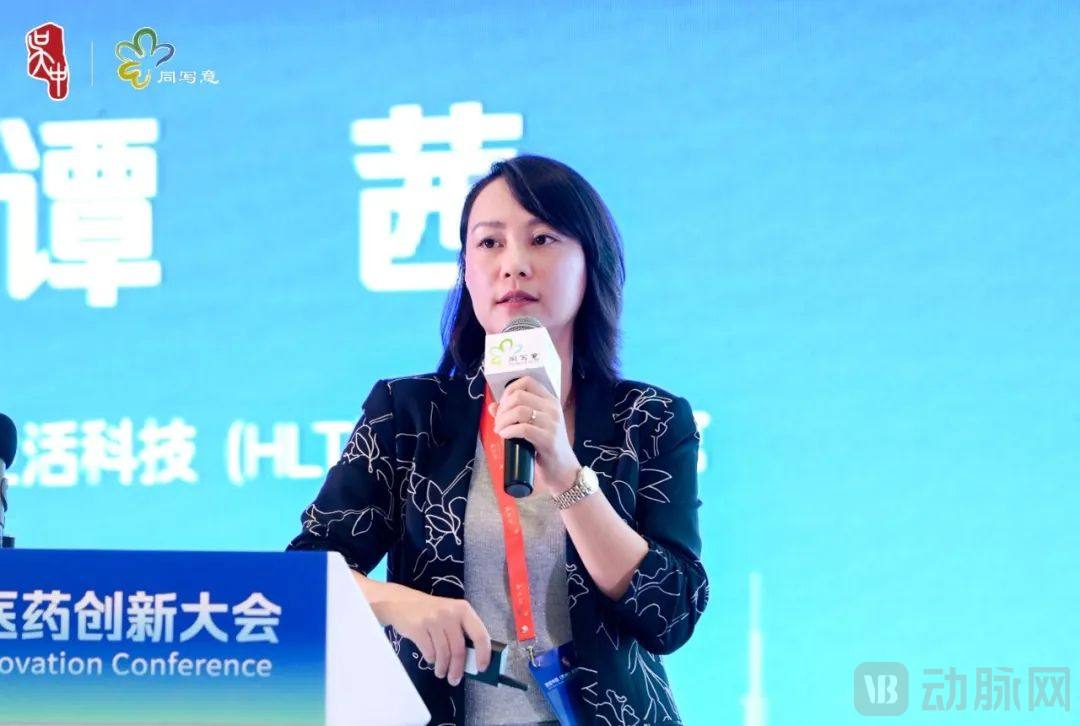
Tan Qian: Chief Medical Officer, HLT
Clinical Trials and Translational Medicine Cases of New Drugs for Ovarian Cancer
Our goals are: to improve treatment options for patients; to understand the biological basis of therapy and drug resistance; to learn from every patient; to train the next generation; and to make this work enjoyable and sustainable.
▽ 31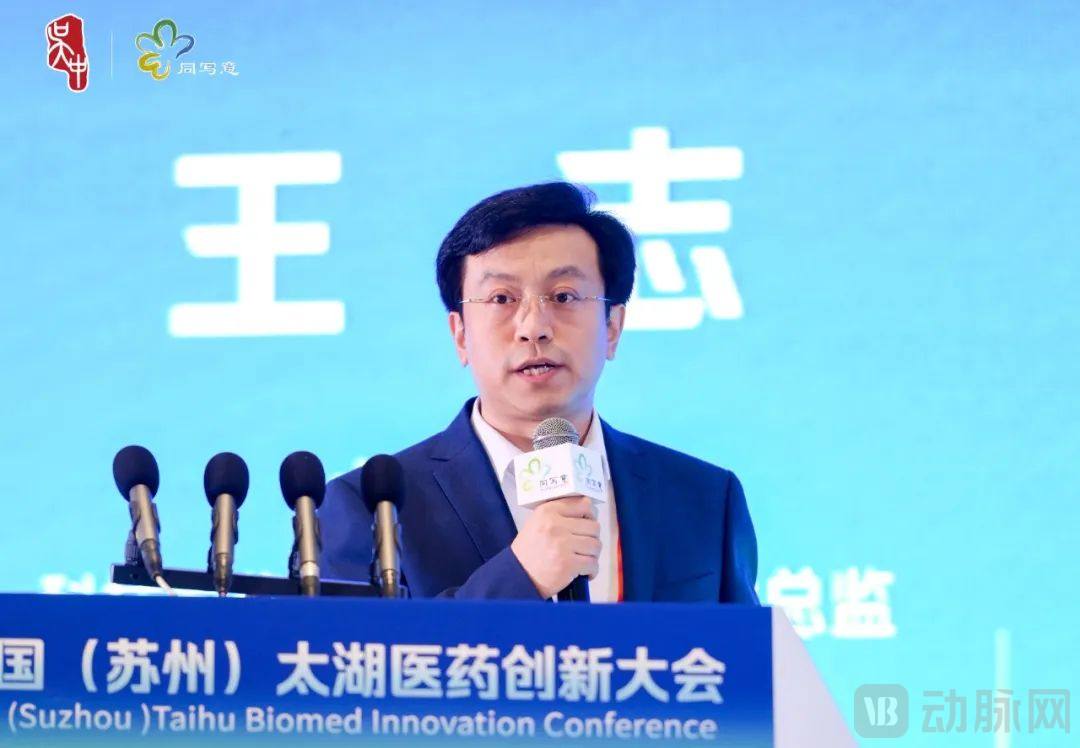
Wang Zhi: Medical Director, Imaging Science Division, TaiMei Medical Technology
Deceptively Simple: The Value of Imaging Assessment in Key Cases for a Cholangiocarcinoma Project
The key focus and challenges in the independent assessment of cholangiocarcinoma lie in ensuring consistency across scanning equipment, protocols, image interpretation, and evaluation methods. These factors are essential for quality assurance; therefore, it is necessary to have personnel with sufficient imaging background or medical reviewers to oversee the process.
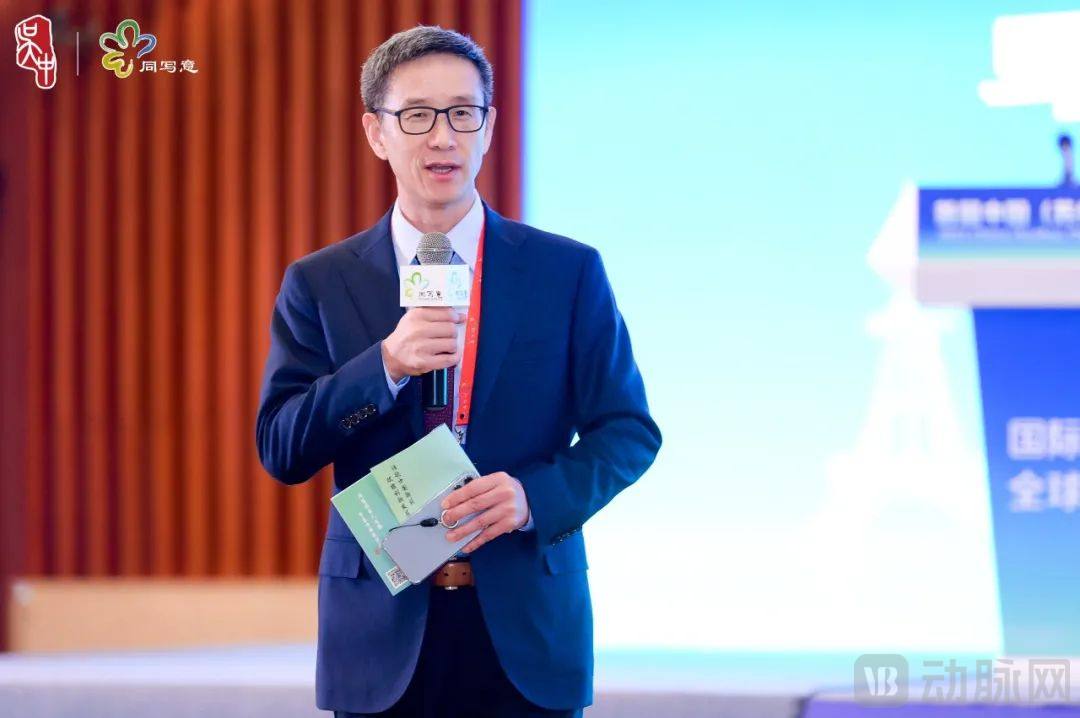
Dr. Hei Yongjiang Delivers Conference Summary
Since 2016, I have attended Tongxieyi’s Clinical Conference every year, witnessing its continuous growth in both quality and scale. It is a great honor to serve as the Chair of this year’s conference. This year, we focus on sharing clinical cases from China, aiming to present the industry’s transformations over the past five years. I extend my sincere gratitude to all the speakers and to the Tongxieyi team for their support in hosting this clinical conference. I look forward to reuniting next year to make the Clinical Conference even better and more remarkable.
— Hei Yongjiang, Chair of the 3rd Global Conference on Clinical Case Analysis