

When Digital Therapeutics Meets Brain Science: Igniting Innovation at the Intersection of Two Breakthrough IPs
Catalyzed by the COVID-19 pandemic and strongly driven by digital health policies, digital therapeutics are opening up new frontiers for the entire healthcare sector.
Now, this new IP has begun to “target” the field of brain science.During the 14th Five-Year Plan period, China explicitly stated its intention to target frontier fields such as brain science, implement a batch of forward-looking and strategic national major science and technology projects, and organize and carry out incubation and acceleration plans for future industries in key areas of frontier technological and industrial transformation, such as brain-inspired intelligence, while making every effort to plan and lay out a group of emerging industries.
On the other hand, the long-awaited“China Brain”The plan has finally entered the actual implementation stage this year. The Ministry of Science and Technology officially released“Science and Technology Innovation 2030—Major Project on ‘Brain Science and Brain-Inspired Research’: 2021 Annual Project Application Guidelines”(hereinafter referred to as the “Guidelines”), and project applications opened on October 9.
It is reported that the Guidelines will focus onAnalysis of Brain Cognitive Principles, Pathogenesis and Intervention Technologies for Major Brain Disorders Associated with Cognitive Impairment, Brain-Inspired Computing and Brain-Machine Intelligence Technologies and Applications, Brain and Intellectual Development in Children and Adolescents, Technology Platform ConstructionA total of 59 research directions across five areas will be funded by estimated state appropriations.RMB 3.148 billion. In addition, according to the Ministry of Science and Technology, the state will allocate in the futureRMB 54 billion, and fully advance the development of the China Brain Project.
As can be seen, after decades of accumulation, brain science is entering a period of explosive application, and a brand-new trillion-dollar industry based on brain science is rapidly taking shape. Standing at this critical juncture, how will digital therapeutics leverage their advantages to facilitate the continuous advancement of brain science? Furthermore, how can these two innovative IPs spark synergy to maximize the release of industrial potential?
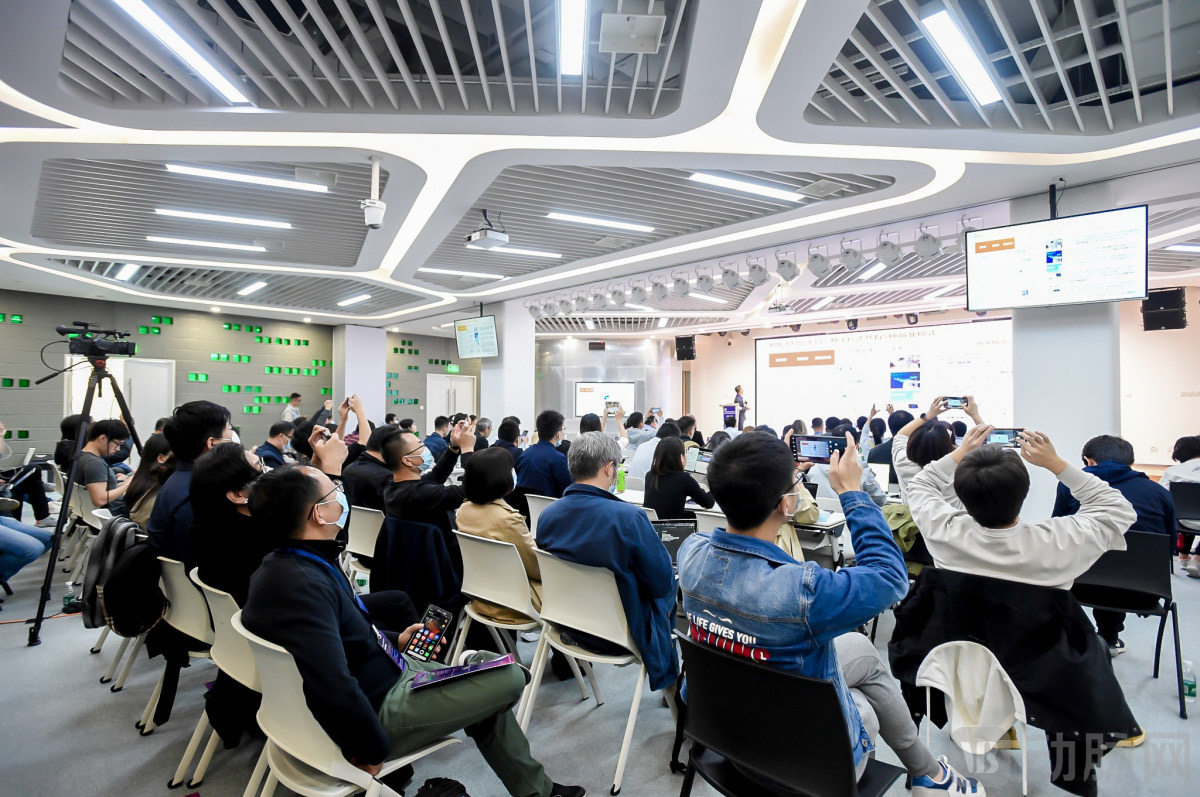
To uncover the answers to these questions,“Digital Therapeutics Industry China Tour” Episode 10 Lands in Beijing on October 15, with a Deep Focus on the Field of Brain Science, collaborate with key ecosystem stakeholders—including leading digital therapeutics innovators, clinical research scholars, and investment firms—to explore the opportunities and challenges of digital therapeutics in brain science, thereby fostering synergistic cooperation among value chain participants in the digital therapeutics industry.
Wang Jianxiang, Deputy Secretary-General of the China Association for the Promotion of Rehabilitation Technology Translation and Development, and former Deputy Director and Party Group Member of the Sichuan Provincial Department of Economy and Information Technology, delivered a speech.

Gathering the Frontier of the Digital Therapeutics Industry: A Multi-Perspective Exploration of New Trends in the Integration of “Digital Intelligence” and Brain Science
The development and advancement of an industry is not a battle fought in isolation. This is especially true for brain science, which represents the “final frontier” of human scientific inquiry and the most elusive pearl in the crown of scientific research. Therefore, it demands deep engagement from stakeholders across various sectors—including enterprises, investment institutions, and academic experts—to jointly explore the optimal path for the synergistic development of brain science and digital therapeutics.
At this Beijing Summit, industry leaders gathered to share their insights and passion, with“Clinical-Investment-Payment-Commercial”...and other multidimensional perspectives to present his innovative thinking on digital therapeutics in the field of brain science. Below are the key highlights from the guest’s speech, curated by VCBeat.
Yang Shaobo, Senior Researcher at VCBeat Institute: "White Paper on Digital Therapeutics 2.0"
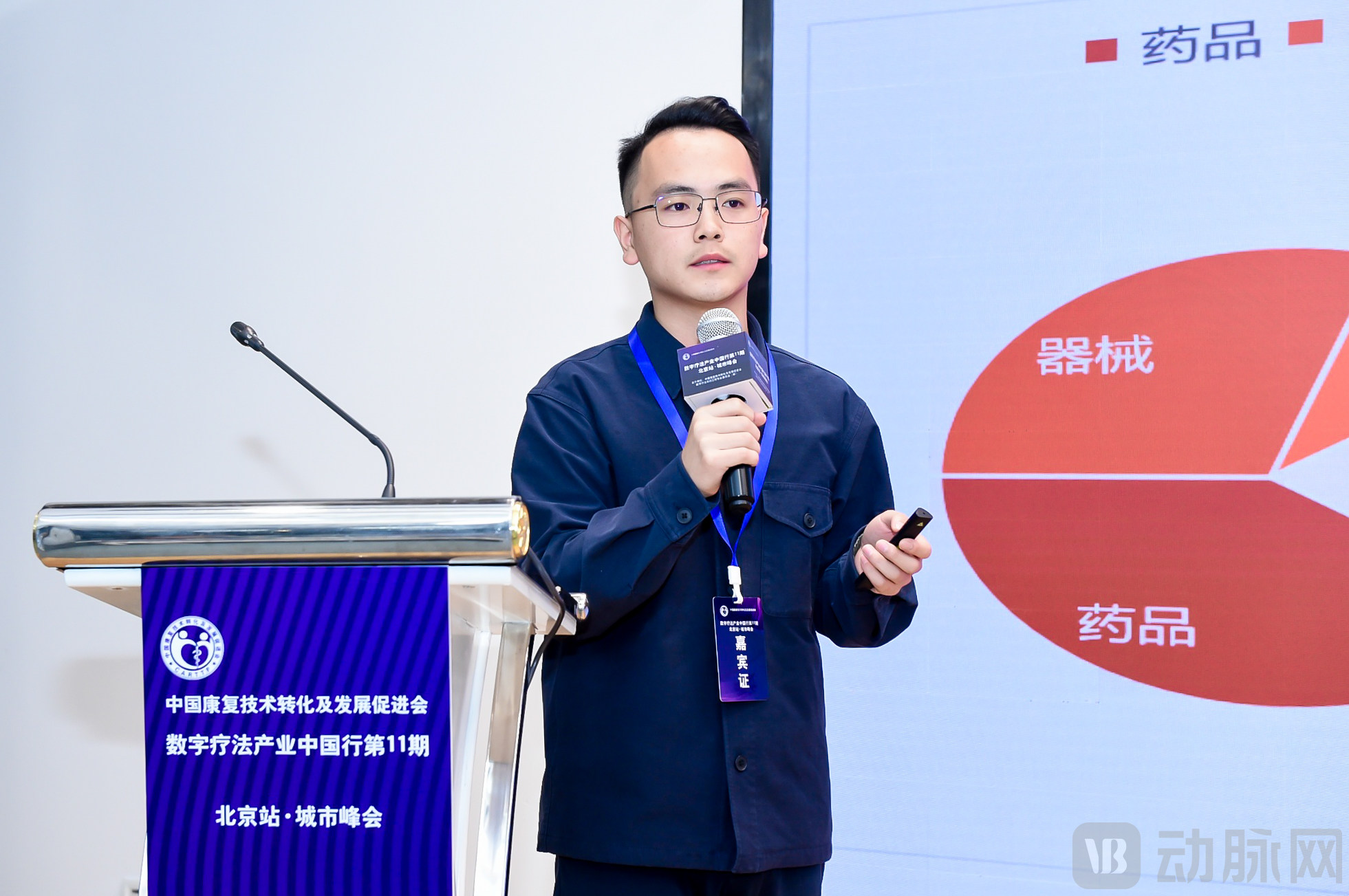
We have distilled the "White Paper on Digital Therapeutics 2.0" into ten key insights:
1. The essence of digital therapeutics is the digitization of services;
2. Digital therapeutics have specific targets; these targets refer to one or several key substances within the human body's pathways that are involved in the disease intervention process of the product.
3. As of September, there were a total of 73 digital therapeutics companies in China, with disease coverage spanning eight major categories: respiratory, endocrine, neurological, psychiatric, circulatory, ophthalmic, oncology, and other metabolic chronic diseases.
4. Digital therapeutics are not significantly limited by disease type, but do have certain limitations regarding the diagnostic and treatment processes and intervention methods; they can only substitute for a small portion of services;
5. If patient data has been accumulated from clinical trials of digital therapeutics, retrospective studies can be conducted; otherwise, prospective studies can be performed;
6. The registration and certification process for digital therapeutics is relatively lengthy, but clinical trials and the preparation of registration documents can be conducted concurrently;
7. As of September, more than 17 products have received registration approval in China;
8. There are five business models for digital therapeutics, categorized by payer: B2C (consumers), B2H (hospitals), B2B (enterprises), B2G (government), and B2I (insurance).
9. The primary challenges currently facing digital therapeutics include ambiguous classification and definition, significant heterogeneity in clinical trials, immature business models, and low recognition and acceptance among physicians and patients;
10. Recommendations for Addressing Current Challenges: Clarify the classification and definition of digital therapeutics products; accelerate the approval and certification process; establish clinical trial bases for digital therapeutics; promote the issuance of standards for digital therapeutics; implement policies to support industrial innovation and diversified development; and strengthen intellectual property protection.
Yang Kebing, Associate Chief Physician in the Department of Psychiatry at Beijing Huilongguan Hospital and Member of the Addiction Professional Committee of the Chinese Medical Doctor Association’s Branch of Psychiatrists: “Clinical Treatment in the Field of Addiction and the Application of Digital Therapeutics”
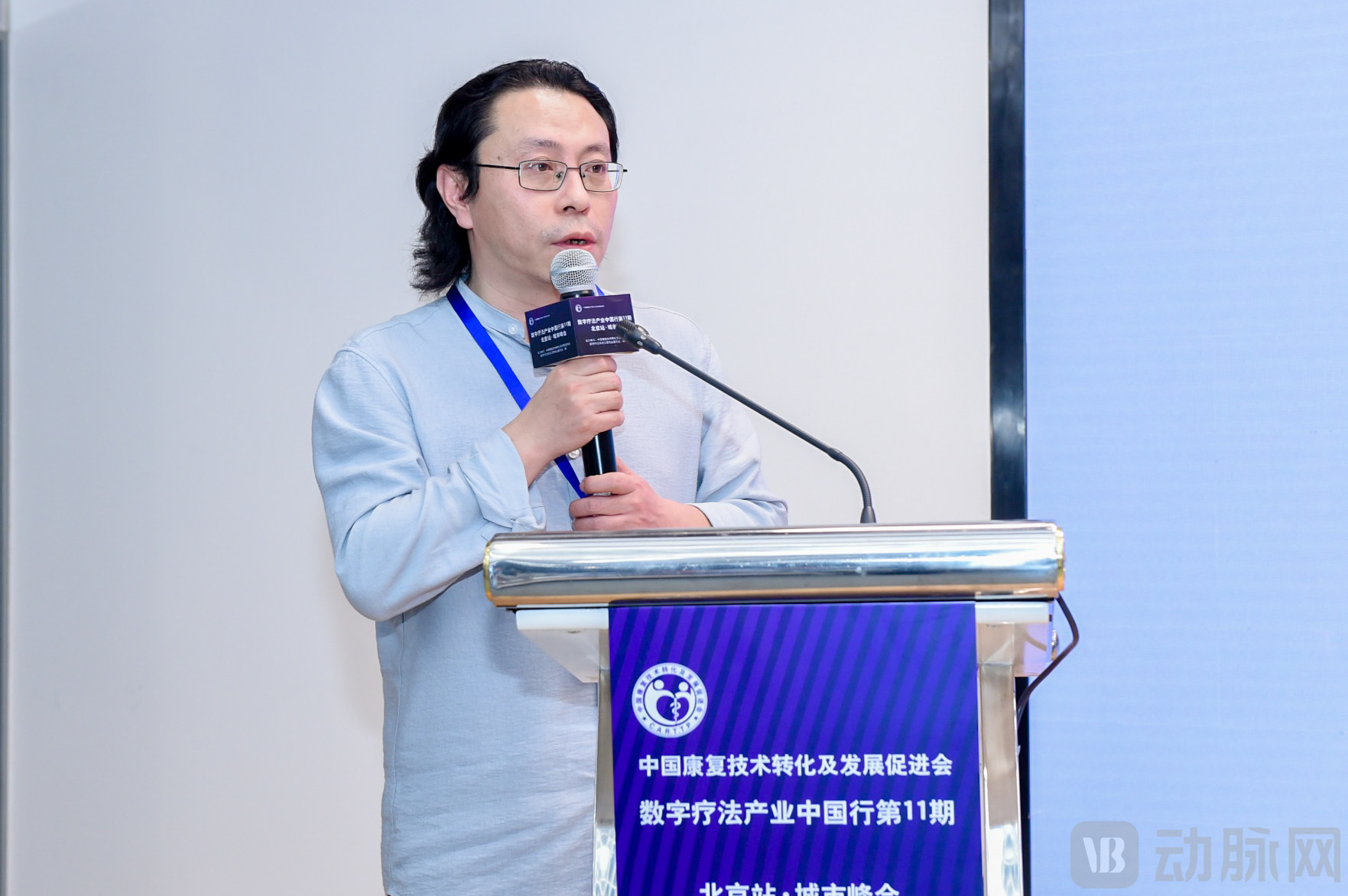
First, in terms of definition, all addiction-related disorders currently encountered in clinical practice can be categorized as brain diseases, with the patient’s drive to seek treatment being the most critical component of the entire therapeutic and rehabilitation process. Second, regarding application prospects, patients with addiction-related disorders have a greater need for assessment and monitoring through digital therapeutics. Finally, in terms of research outcomes, studies on digital therapeutics for addiction-related disorders are entering a phase of rapid clinical implementation.
Liu Wenzhe, Founder and CEO of UnionBrain®: “From Digitalization to Intelligence: A Comprehensive Solution for the Entire Diagnosis and Treatment Process of Stroke”
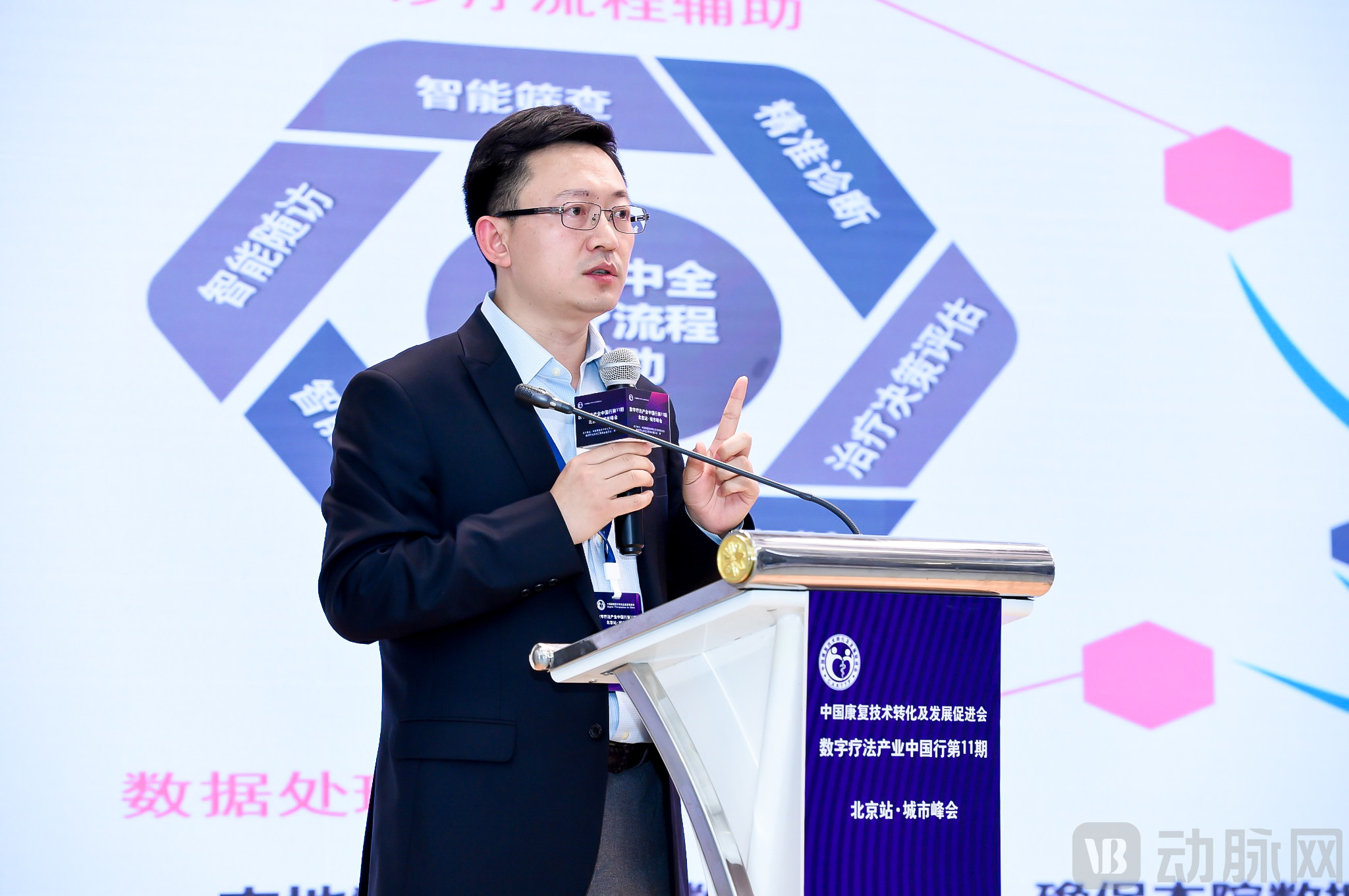
QiangLian ZhiChuang® is China’s first high-tech company to address the critical pain points in cerebrovascular disease treatment. Starting from clinical treatment, it has extended upstream to screening and diagnosis and downstream to patient follow-up, creating a comprehensive intelligent management platform for the entire stroke diagnosis and treatment process. In essence, QiangLian ZhiChuang has crafted individual “pearls” within the treatment workflow. Looking ahead, the company aims to leverage digital therapeutics to develop additional technological pathways, stringing these “pearls” together into a shining necklace. This initiative seeks to lead the development of intelligent stroke diagnosis and treatment across China and globally, thereby enhancing the entire ecosystem related to stroke and cerebrovascular diseases.
Li Dai, Founder and CEO of Wangli Technology: "Research and Application of Digital Therapeutics in Mental Disorders"
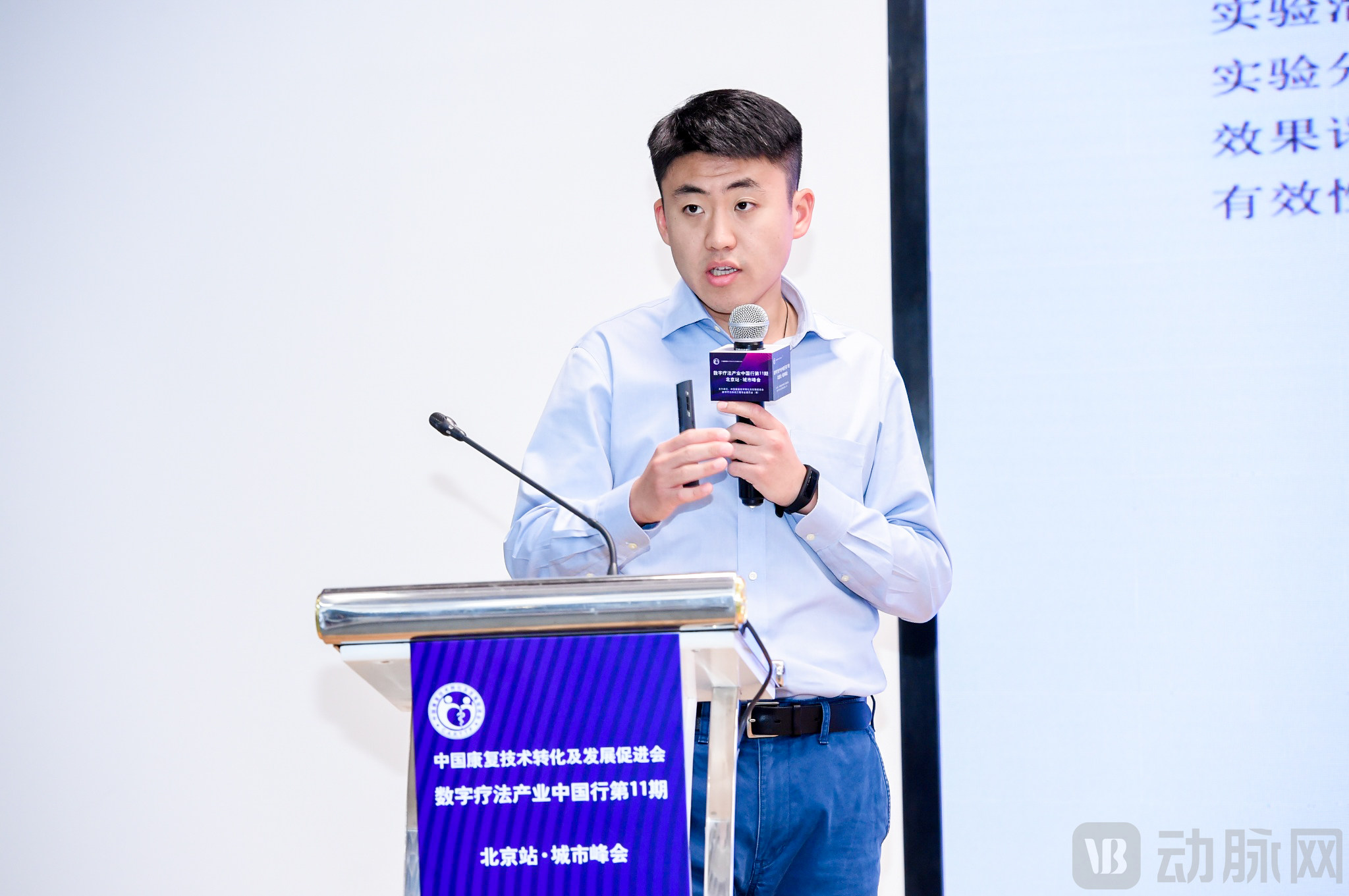
Currently, all FDA-approved digital therapeutics are focused on psychiatry. This is primarily because psychiatry represents a significant value gap, with a large patient population and a steadily rising incidence rate, making it an undeniably potential market. Building on this foundation, digital therapeutics, as an effective modality for assessment and treatment, can achieve better outcomes in the management of psychiatric disorders compared to traditional approaches.
Qiu Yan, Partner at Bositeng Technology: "The Path to Integrating Digital Therapeutics and Insurance Innovation"
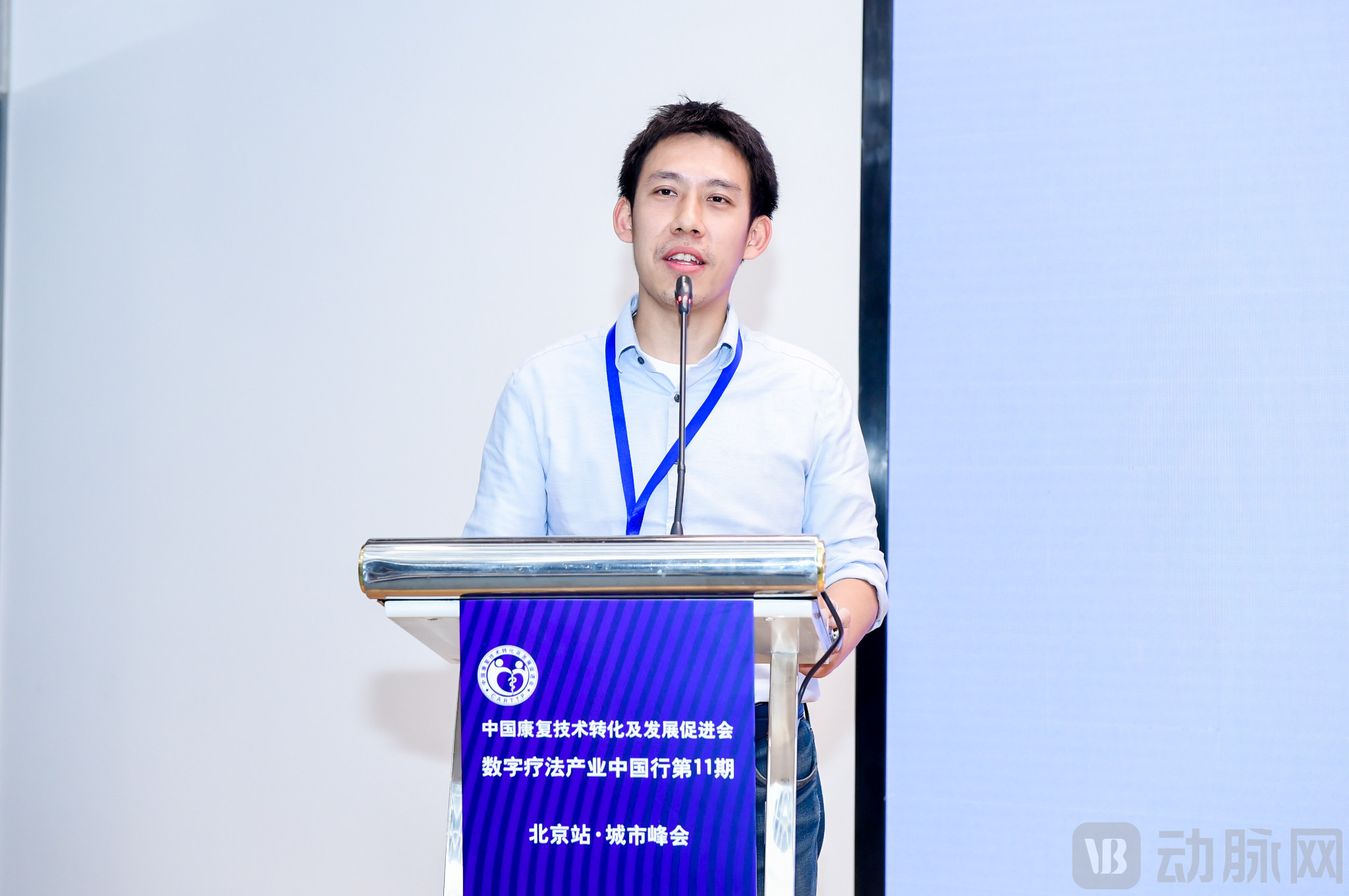
Digital therapeutics and insurance innovation share the same underlying logic: preventive technology. Based on this core principle, Bostentech has proposed a “Preventive Health Insurance” strategy starting with early screening, creating a seamless connection between the user chain and the insurance chain. The company has achieved five levels of business cooperation progression, covering user activation, customer acquisition, benefits management, single-disease insurance, and inclusive insurance. Current partners include platforms such as Alipay, JD Health, Dajia Life Insurance, CPIC Blue Fund, and Munich Re.
The company’s digital therapeutics products are integrated into the full insurance value chain across three dimensions: tools for underwriting, data for actuarial science, and services for claims processing. This month, in partnership with ZhongAn Online P&C Insurance and Qianhai Reinsurance, it launched the first disease-specific insurance product: “Brain Care” Cognitive Disorder Protection Insurance.
Qiu Yan proposed that digital therapeutics will ultimately feature three characteristics: intervention as detection, reality as clinical practice, and addiction as adherence; these bear a striking resemblance to the three elements of insurance innovation (high-frequency underwriting, massive data, and dynamic pricing).
Digital therapeutics tailored to specific disease categories will become an endless battleground for product innovation among insurance companies. We anticipate that the next blockbuster insurance product will emerge from its integration with digital therapeutics.
Zhang Liang, Deputy General Manager of Yuanxin Huibao Technology: "The Collision Between Digital Therapeutics and Insurance"
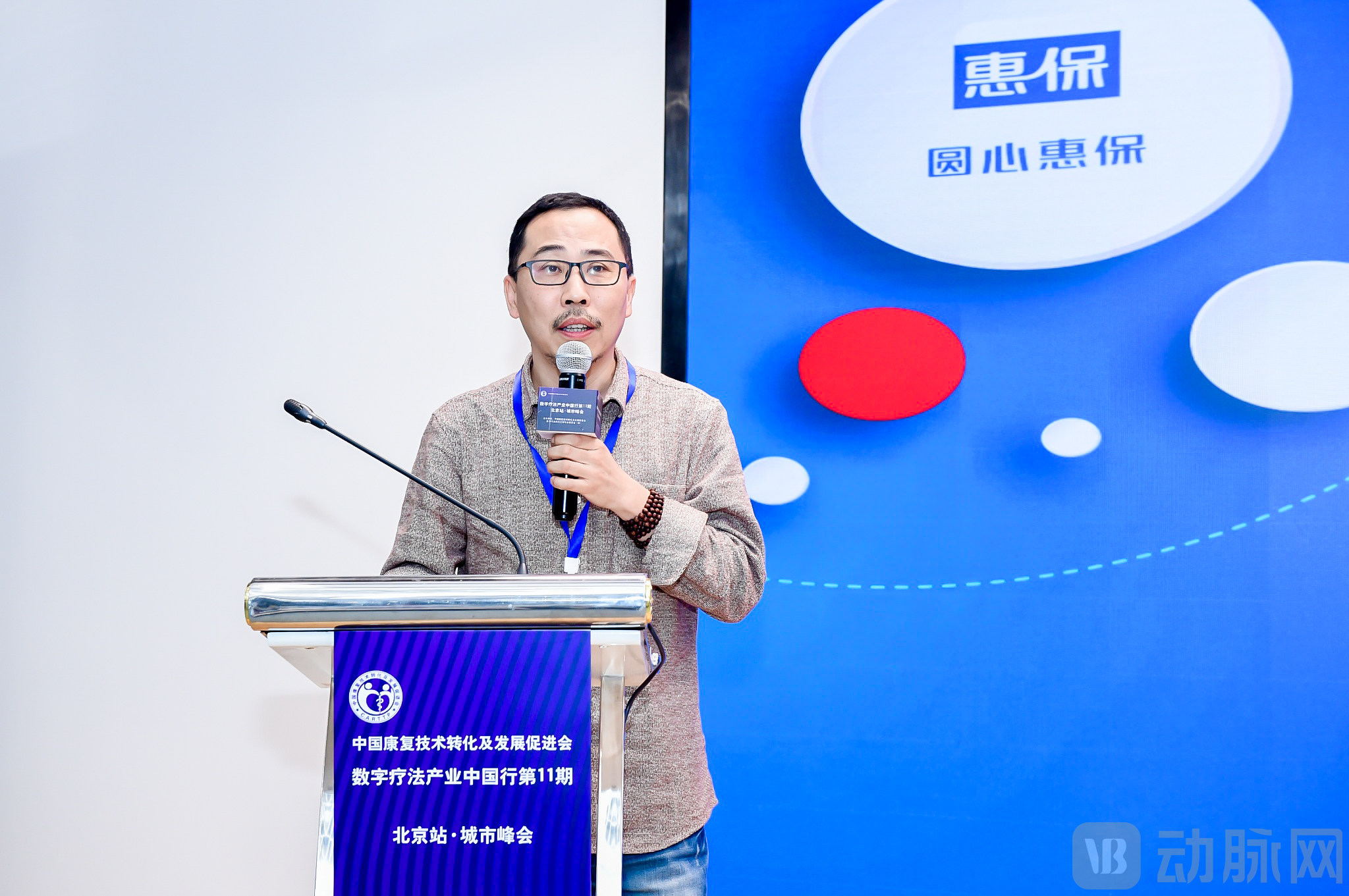
Zhang Liang stated: Insurance is not merely about collecting premiums and paying claims; it also has a critical function in medical management, health management, and related services. The financial scale of these management services far exceeds the commercial insurance premiums collected by insurers. The emergence of digital therapeutics can significantly reduce patients’ treatment costs, thereby lowering costs for both insurance companies and public health insurance funds.
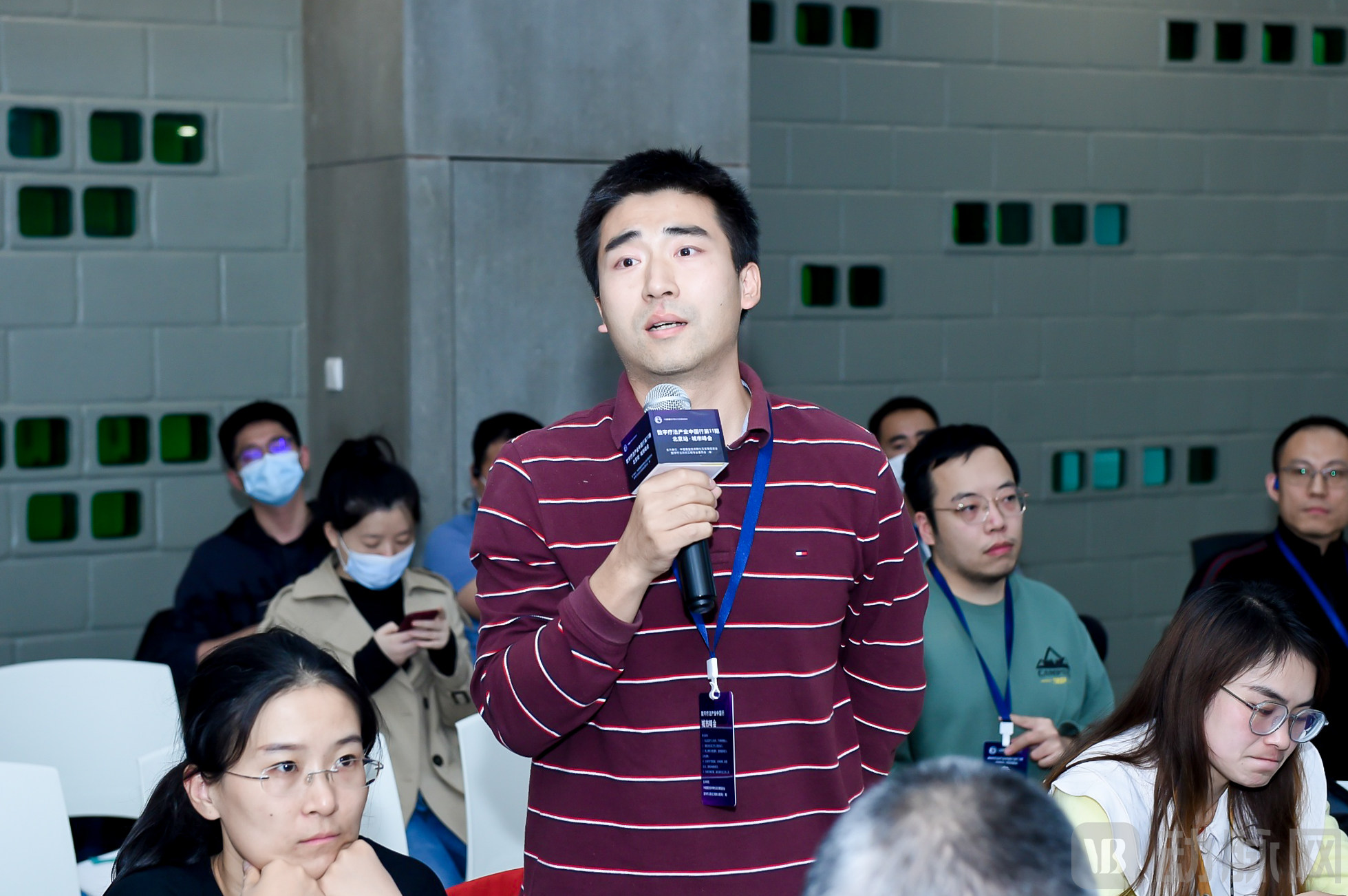
To further explore the optimal pathway for integrating digital therapeutics with brain science, an interactive Q&A session was held at the summit, where participants engaged in vigorous discussions centered on core dimensions of brain science, including “clinical application, investment, payment, and commercialization.”
In addition to the cutting-edge “dialogue,” this summit has specially established a “practical session.” AttendeesBeijing Zhijingling Technology (66Brain)Conduct on-site visits to deepen industry insights by studying the growth trajectories of benchmark enterprises, and explore opportunities for better integration between digital therapeutics and brain science.
Farewell Is for a Better Beginning: The Future of Digital Therapeutics Still Requires Continuous Exploration
The Beijing Summit marks the final stop of this year’s “Digital Therapeutics Industry China Tour,” and its conclusion signifies that industry exploration based on digital therapeutics has temporarily come to a close.
As the premier industry summit for digital therapeutics in China,“Digital Therapeutics Industry Tour in China”Initiated by the Preparatory Committee for Digital Therapeutics Systems Engineering under the China Association for Promotion of Rehabilitation Technology Transformation and Development (hereinafter referred to as the “Preparatory Committee”), this initiative aims to connect core stakeholders in regions across China with robust digital healthcare infrastructure, jointly explore future development trends of digital therapeutics in China, and create innovative practical case studies.
It is reported that the Preparatory Committee for the Specialized Committee is a secondary branch of the China Association for the Promotion of Rehabilitation Technology Translation and Development. It is voluntarily composed of clinical and research experts and scholars engaged in the field of digital therapeutics in China, industry elites, as well as professionals with expertise in technology management and technical testing, clinical institutions, research institutes, and related enterprises. It serves as an important force in the theoretical research and practical development of systems engineering for digital therapeutics.
As China’s first industry organization for digital therapeutics, the Preparatory Committee has already attracted more than 60 enterprises and institutions, all of which are stakeholders in the digital therapeutics value chain. It has successfully held8The Digital Therapeutics City Summit has cumulatively provided1000+The participating representatives provided a platform for exchange, significantly fostering cooperation and development across the upstream and downstream segments of the industry chain, and further accelerating the widespread adoption of digital therapeutics in China.
This marks a brand-new beginning. Standing at the forefront of this path brimming with imagination and endless challenges, the Preparatory Committee for the Specialized Committee has positioned itself at a critical juncture. In the future, it will sincerely invite more “like-minded partners” to join us in exploring the vast potential of digital therapeutics—an innovative field—and to collectively propel China’s digital therapeutics industry toward higher quality, greater sophistication, and advanced development.