

Guanghe Health Hub Launches Medical Mall 2.0 Model with Shared Medical Resources and Precision Traffic Distribution | Fosun Innostar Venture Camp Portfolio Company Files IPO Prospectus
“Today, as China’s health and wellness industry flourishes, a large number of industrial parks catering to R&D and manufacturing enterprises in this sector have emerged,” said Yan Shan, Chairman of Shouzhi Health.However, operational premises are equally critical to the development of healthcare service providers. Therefore, it is necessary to establish industrial parks tailored for healthcare service institutions, known as "Medical Malls."
Has the trend of Medical Malls taken off in China?
According to earlier reports by VCBeat, China saw the emergence of healthcare commercial complexes primarily focused on pharmaceuticals as early as 2005. Subsequently, amid the real estate industry’s transformation wave of “real estate + healthcare,” developers continued to direct their attention toward the development and construction of Medical Mall projects.
According to incomplete statistics from VCBeat, between 2005 and 2017, a total of eight medical commercial complexes emerged in China, with total investment exceeding RMB 4.1 billion.After 2017, although the pace of construction slowed down, a number of medical commercial complexes still emerged in China, such as the Perennial International Medical & Health Center in Chengdu, Phase I of the Parkview Green Biliantian project in Shanghai, and the Greenland Derentang 468 Health and Wellness Center.
Moreover, another Medical Mall project, Guanghe Health Hub, has recently been launched in the West Fourth Ring Road area of Haidian District, Beijing. As Beijing’s first shared medical and health complex, its parent company, Beijing Shouzhi Health Management Co., Ltd. (hereinafter referred to as “Shouzhi Health”), has stated that this project represents Version 2.0 of the Medical Mall model.
“Unlike the simple ‘landlord-style’ management seen in some healthcare complexes, Guanghe Health Hub provides asset management services. By operating valuable physical spaces, we deliver services to the entities conducting business within them, enabling them to create value while we share in that value,” Yan Shan, Chairman of Shouzhi Health, explained to VCBeat. The underlying logic is to provide professional, high-quality spaces coupled with professional, high-quality services.
But specifically, what major upgrades has Guanghe Health Hub made compared to the traditional model? What is the logic behind these iterative improvements? And how is the project progressing currently? With these questions in mind, VCBeat interviewed Yan Shan, Chairman of Shouzhi Health and a participant in the second cohort of Fosun Star Future Startup Camp, in an effort to find answers.
The Medical Mall, which originated in the United States, is a “one-stop healthcare” model that integrates commercial shopping and medical services. In this model, healthcare institutions are user-centric and typically specialize in high-consumption sectors such as clinical diagnosis and treatment, pediatrics, orthopedics, traditional Chinese medicine (TCM), dentistry, and medical aesthetics and plastic surgery. Primarily targeting high-end consumers, it aims to make seeking medical care as convenient and enjoyable as shopping.
This model has reached maturity overseas.
According to incomplete statistics from VCBeat,As of 2017, among the 30 Medical Malls worldwide, 22 were located in the United States, with the remainder distributed across countries such as Singapore, Japan, and the Philippines. Their positioning has gradually evolved into four models: “healthcare + commercial complex,” “healthcare + medical research,” “clinic buildings,” and “pharmaceutical malls,” although the primary business model remains leasing.
In contrast, in China, multiple government departments have successively issued numerous policies and regulations in recent years to support the development of private healthcare.
For example, in 2010, the National Development and Reform Commission (NDRC) and other authorities issued the “Notice on Further Encouraging and Guiding Social Capital to Establish Medical Institutions,” stating that access requirements for social capital to establish medical institutions would be relaxed, and that eligible private hospitals would be included in the designated network for basic medical insurance, enjoying the same tax and pricing policies as public hospitals.
In October 2013, the State Council issued the “Several Opinions on Promoting the Development of the Health Service Industry,” pointing out that vigorous efforts should be made to develop medical services, accelerate the formation of a diversified pattern of healthcare provision, implement various preferential policies encouraging private investment in healthcare, and optimize the allocation of medical service resources;
andIn 2017, the Zhejiang Provincial Health and Family Planning Commission officially issued documents related to the Medical Mall, approving Hangzhou Quancheng Health Medical Outpatient Department to serve as a pilot for providing shared services—including laboratory testing, medical imaging, case management, pharmacy, and operating rooms—to other medical institutions stationed in the Quancheng International Medical Mall building.
It is reported that the full-cycle healthcare service, jointly developed by New Jiebai Group, Dian Diagnostics, and Baida Group, has attracted multiple medical institutions to establish their presence, including the International Department of Sir Run Run Shaw Hospital, Zhang Qiang Doctor Group, Aiding Fertility & Eugenics, Weier Nuo Pediatrics, and Taixue Ophthalmology.
A year later, the Pengrui Li International Medical and Health Center in Chengdu opened its doors, introducing tenants such as Gleneagles Hospital, Eden Postnatal Care Center, and Xiaoqingcao Ophthalmology.
By 2021, the Medical Mall 2.0 version of Guanghe Health Hub, launched by Shouzhi Health, was established in Beijing’s Haidian District, located 300 meters west of the Sijiqing Bridge on the West Fourth Ring Road, with a total gross floor area of 15,260 square meters.B1 houses the Health and Leisure Lifestyle Center; Floors 1–4 accommodate medical institutions and supporting commercial facilities; and Floor 5 is home to the Guanghe Youzi Innovation Incubation Center and the International Medical Exchange Center.
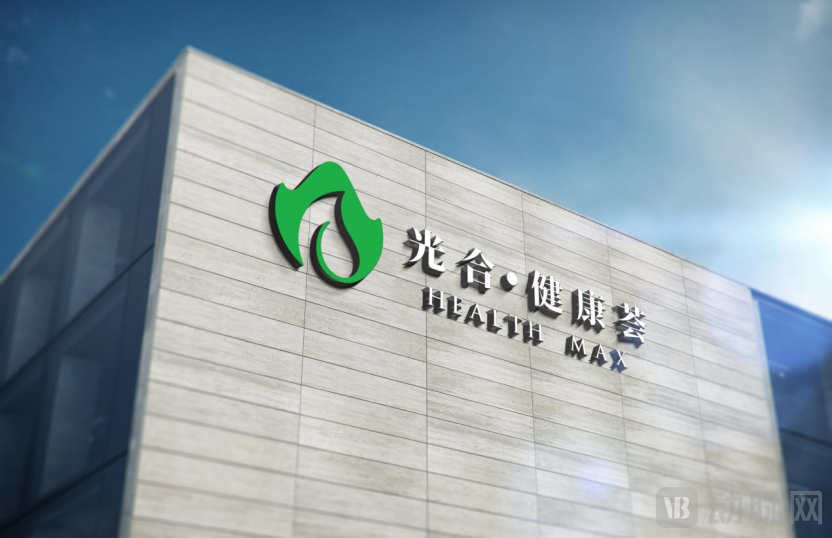
Currently, the merchant occupancy rate for the Guanghe Health Hub project has reached 70%. The introduced medical institutions include the Guanghe Jianian International Health Checkup Center, Kong Yitang Traditional Chinese Medicine Clinic (a national-level intangible cultural heritage entity), the Julu Rehabilitation Medical Center (China’s first third-party independently operated cardiopulmonary rehabilitation center), a specialized clinic for Parkinson’s disease and neuromodulation, and a high-end medical aesthetics center.
VCBeat has learned that Yan Shan and the project team possess years of experience in real estate development and operations, along with a unique asset management philosophy.
Taking Yanshan as an example, he has led his team in creating several renowned projects, including the Beijing Zhongguancun Integrated Circuit Design Park, an IC design industrial park with international influence, and Yong Yuan, China’s first cultural and creative industrial park themed around intangible cultural heritage. Through these endeavors, he has developed valuable insights into real estate investment and operational management.
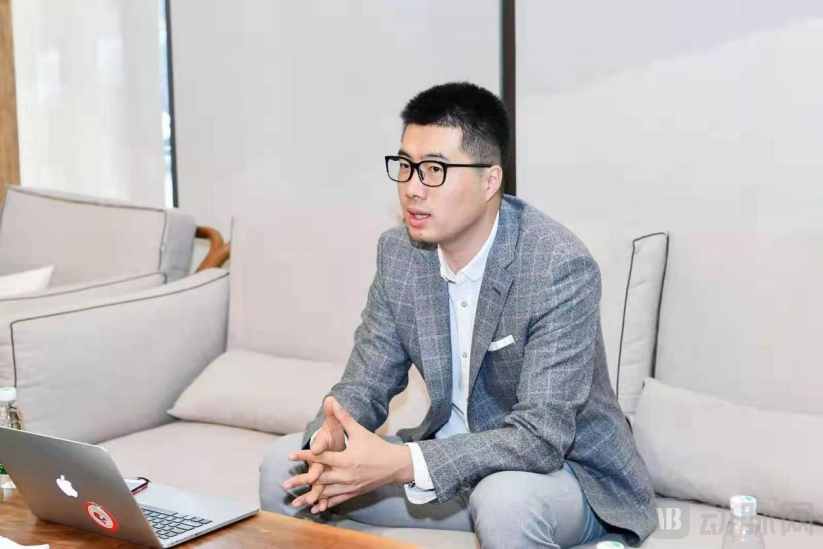
Yan Shan, Chairman of Shouzhi Health
“For any asset management project, the ultimate level of operational return depends primarily on two factors: first, the quality of space and services; second, the value generated by the introduced lifestyle and production activities. Therefore, the selection of industrial content is decisive. In China, the big health industry is undoubtedly one of the sectors with the greatest development potential, and asset management projects serving this industry are bound to enjoy broad market prospects,” said Yanshan.
After conducting systematic research and analysis of asset management operations in the broader healthcare industry, the Yanshan team found that“Health industry parks geared toward production and R&D are nearing saturation, while the Medical Mall market targeting healthcare service providers is still in its nascent stage with immense potential.”
Therefore, in the same year that Quancheng Yiliao was established, Yanshan also conceived the idea of building a medical-commercial complex. He began leading his team to conduct in-depth research on market demand, operational characteristics, policy directions, and development trends related to the Medical Mall model. He engaged in multiple discussions with pioneering Medical Mall operators in China and even traveled abroad on several occasions for study visits and exchanges.
Notably, the team also conducted interviews and surveys with more than 200 healthcare service providers to examine their practical needs and operational pain points, and actively participated in exchange and learning activities at the Fosun Star Future Entrepreneurship Camp.
When discussing the reasons for participation, Yanshan stated: “In addition to seeking collaboration opportunities, first, I hope to communicate with more healthcare peers from private-sector backgrounds through the entrepreneurship camp; second, as a comprehensive industrial group integrating biopharmaceuticals, medical devices and diagnostics, healthcare services, health insurance, and medical care and wellness, Fosun can help us gain deeper insights into new developments and models in the healthcare industry outside the traditional hospital setting.”
“There is no standard answer to entrepreneurship; I don’t know whether Yanshan has found the answer he was looking for today,” said Wu Lili, CEO of Fosun Star Future Research Institute, with a smile.
Beijing Guanghe Health Hub is the answer in Yanshan’s heart.
“Compared with the few pioneers of Medical Mall in China who have already established a relatively mature operational system, we, as latecomers, must always stand on the shoulders of our predecessors and take a step forward to create the Medical Mall 2.0 model,” said Yanshan.
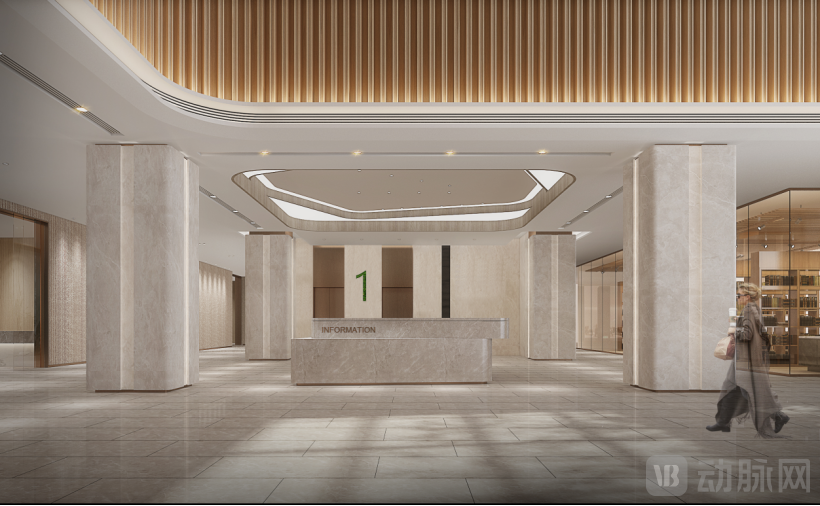
Unlike previous Medical Mall projects, Guanghe Health Hub has moved beyond a simple leasing model. By creating a leisurely and comfortable environment, it has built a medical service platform that shares medical technologies, equipment, IT infrastructure, and customer bases, thereby achieving deep resource and traffic sharing and participating in the project and industry as a value sharer.
“The key to iterative upgrades lies in the level of operational involvement. Guanghe Health Hub aims to leverage these upgrades and operational empowerment to genuinely enhance the business value and influence of institutions stationed in the Medical Mall, rather than merely achieving spatial aggregation,” Yan Shan told VCBeat.
Let’s begin with the spatial design of Guanghe Health Hub.
Due to the unique nature of their operations, healthcare institutions have specific requirements for spatial circulation, structural load-bearing capacity, ventilation and fire protection, as well as water supply and drainage systems in their facilities.
In this regard,From the outset of the project, Guanghe Health Hub engaged a professional medical architectural design team to organically integrate the medical space standards of general hospitals with the environmental quality of high-end shopping malls. Furthermore, it invited relevant government departments and industry experts to conduct specialized reviews, thereby ensuring that the facility’s conditions meet both medical and quality requirements.
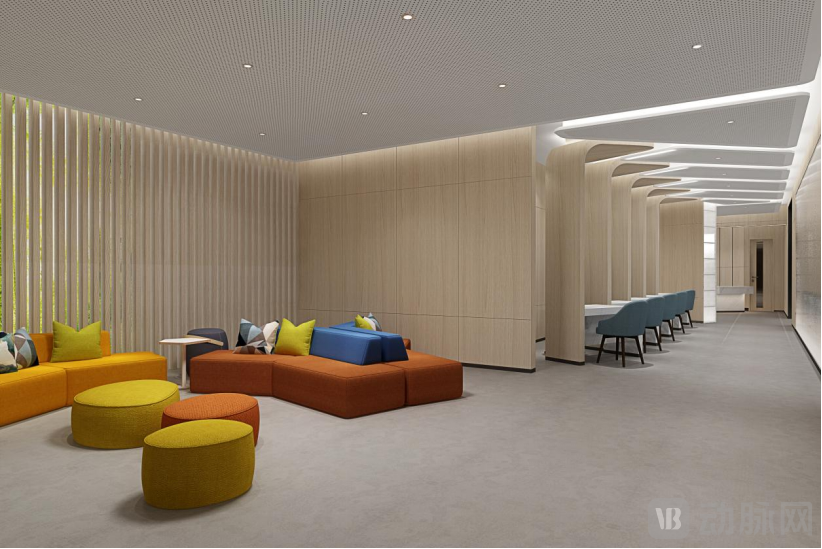
“On the surface, Guanghe Health Hub resembles a traditional shopping mall, but we have incorporated numerous ingenious designs in many unseen areas,” Yan Shan introduced to VCBeat. For instance, dedicated collection pipelines and treatment systems for medical wastewater were designed, and exclusive transport corridors for medical waste were established. “It is precisely through these ‘invisible’ efforts that the Guanghe Health Hub project achieves both aesthetic appeal and practical functionality.”
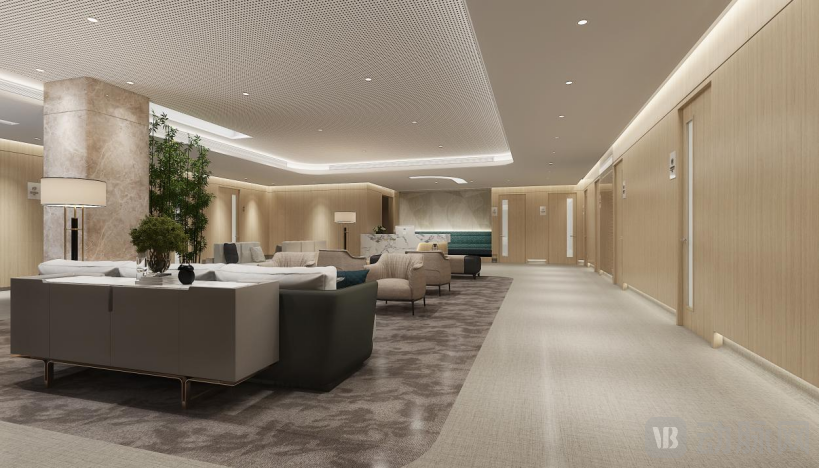
However, from Yanshan’s perspective, creating a high-quality space is merely the first step. “To launch an outstanding project, it must also be enhanced by premium services.”
Therefore, based on preliminary research, the Guanghe Health Hub operations team has compiled nearly 100 service offerings, which can be categorized into two major systems: “Cost Reduction” and “Revenue Generation.”
So-called cost-cutting refers to reducing operating costs.
First,Resident institutions can share the imaging systems (such as a full suite of GE-branded ultrasound, CT, DR, and MRI equipment), laboratory testing systems (including Roche fully automated biochemical and immunoassay analyzers), and facilities such as the multi-function hall, conference rooms, and reception lounges at Guanghe Jianian International Health Checkup Center.While reducing initial investment, further consolidate non-operational spaces to improve operational efficiency;
Second,Guanghe Health Hub has also built a one-stop, full-service empowerment and support system,We offer pre-opening services, including interior design, renovation and construction, and assistance with licensing and permits, as well as operational support services such as marketing and promotion, healthcare logistics (e.g., medical wastewater treatment, medical waste transportation, and procurement and delivery of medical consumables), and legal support. These comprehensive solutions significantly reduce the management and time costs for institutions preparing to launch.
"Open-source revenue generation" refers to boosting revenue levels, most directly reflected in increasing customer traffic.
“First, Guanghe Jianian International Health Checkup Center can attract nearly 100,000 high-end clients annually. Second, Guanghe Health Hub plans to invest substantial marketing funds each year in online and offline promotions to attract target customer segments. Finally, through an in-depth internal operational system, it will facilitate cross-referral of clients among partnered institutions, thereby significantly boosting client traffic for resident organizations in the short term,” explained Yanshan.
“In the future, Guanghe Health Hub will use its Beijing Haidian project as a starting point and model, targeting multi-site expansion across first- and second-tier cities in China. It plans to establish five locations within three years and 15 within five years,” Yan Shan told VCBeat. Shouzhi Health will strive to build a development platform for small and medium-sized medical institutions, provide comprehensive, high-quality medical and health services to residents in the cities where it operates, and contribute to the rapid and integrated development of the broader health industry.
Fosun · Star Future Entrepreneurship Camp
Fosun·Star Future Entrepreneurship Camp is an incubation and investment platform under Fosun’s Star Future Capital, established in reliance on Fosun and Fosun Pharma, with a focus on the broader health sector. Adopting a “community + incubation + investment” model, it explores frontier innovation areas, concentrates on entrepreneurial talent, and secures early-stage investments in future unicorns.
In 2021, Fosun Star Future Entrepreneurship Camp launched its third cohort, targeting entrepreneurs in the healthcare sector and aspiring innovators. It invited top-tier global mentors, introduced six core incubation modules, and offered entrepreneurship courses grounded in China’s medical industry background and practical experience.