

Cultivating Innovation Seeds: HiMed-Biodesign MedTech Bootcamp – Baxter Dialysis & Critical Care Session Successfully Concluded
Innovation is unending, especially in the medical field concerning human life and health.
Take uremia as an example.More than a decade ago, uremia was considered an incurable disease in most parts of China. With the widespread adoption of dialysis and transplantation technologies, this “dark era” has become a thing of the past. Patients can now rely on extracorporeal systems to maintain normal physiological functions and ensure their quality of life. Baxter Healthcare was the first company to introduce hemodialysis, peritoneal dialysis, and continuous renal replacement therapy (CRRT) to China. Through these treatments, patients can extend their lives by ten, twenty, or even more years. This September, a research team from the University of California, San Francisco (UCSF) unveiled an implantable artificial kidney that can coexist with the patient without requiring battery replacements or long-term dialysis. This achievement earned the team the Stage 1 Artificial Kidney Prize from Kidney X, along with a $650,000 award, offering hope to patients who have undergone dialysis for many years.
However, innovation is no easy feat. In China, the development of medical technology innovation faces numerous challenges. A mature, localized incubation system can provide significant support for the emergence of original medical products.
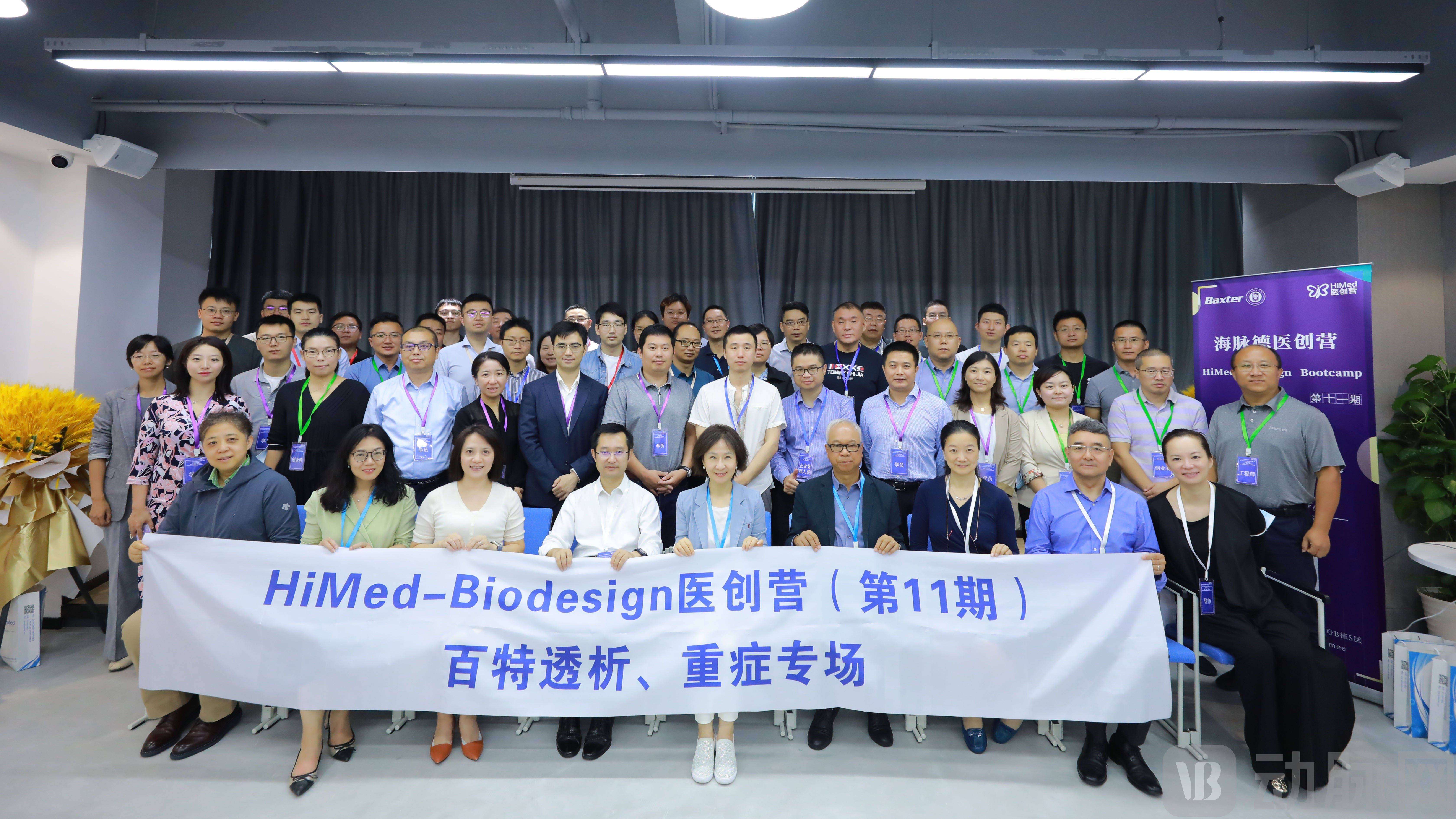
To further unleash the vitality of medical innovation in China, from October 15 to 16, byHiMedPartnering with Global Healthcare GiantsBaxter Healthcare, University of Shanghai for Science and Technology, Yanxitang Medical IncubatorCo-hosted byIssue 11 of HiMed-Biodesign Medical Innovation Camp – Baxter Healthcare Special EditionSuccessfully Held at the HiMed InnoHub Innovation Center!
It is reported that this session of the Medical Innovation Camp is led by the official Chinese translator of BiodesignProfessor Song Chengli, Industry LeadersMr. Liu YaokunServing as the program director, I help medical innovation and entrepreneurship pioneers break through mental barriers and gain additional momentum. The two-day course, centered on the Stanford Biodesign methodology, brings together physicians, engineers, entrepreneurs, and researchers to spark new ideas and foster innovative insights.
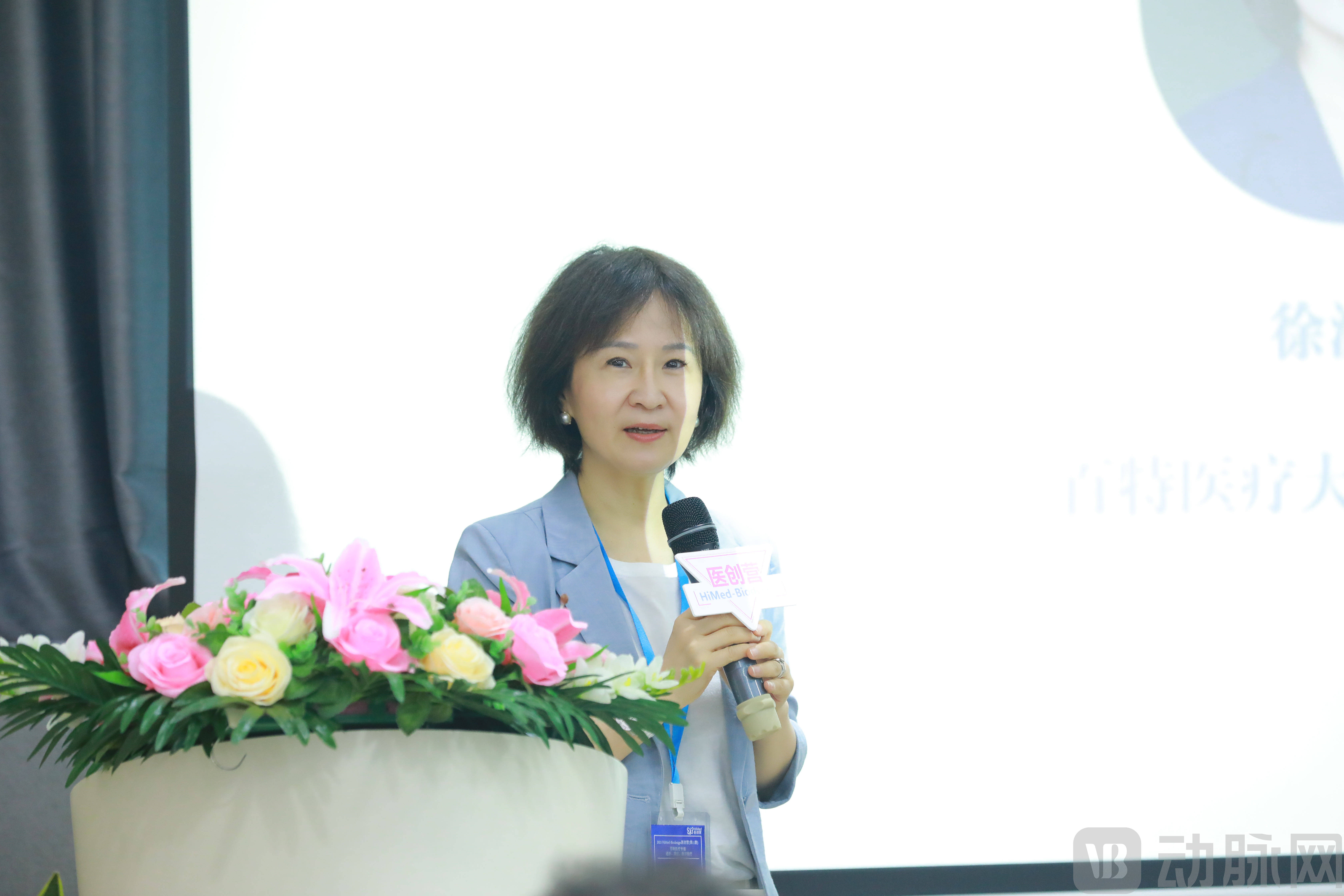
President, Baxter Greater ChinaXu RunhongThe Lady delivered a speech, expressing high regard and strong support for the localization of medical innovation in China and for this session of the Medical Innovation Camp.
A High-Quality Clash of Ideas
To clarify the logic of industrial development and maximize the activation of innovation potential, this Medical Innovation Camp course has specially invited industry leaders in fields such as dialysis and critical care to discuss the three core elements of medical innovation“Discovery, Invention, and Unleashing Potential”Conduct an in-depth analysis.
Below are the key highlights from the speakers’ presentations, curated by VCBeat:
Lu Renhua, Department of Nephrology, Renji Hospital Affiliated to Shanghai Jiao Tong University School of Medicine: “Future Development Trends in Hemodialysis”
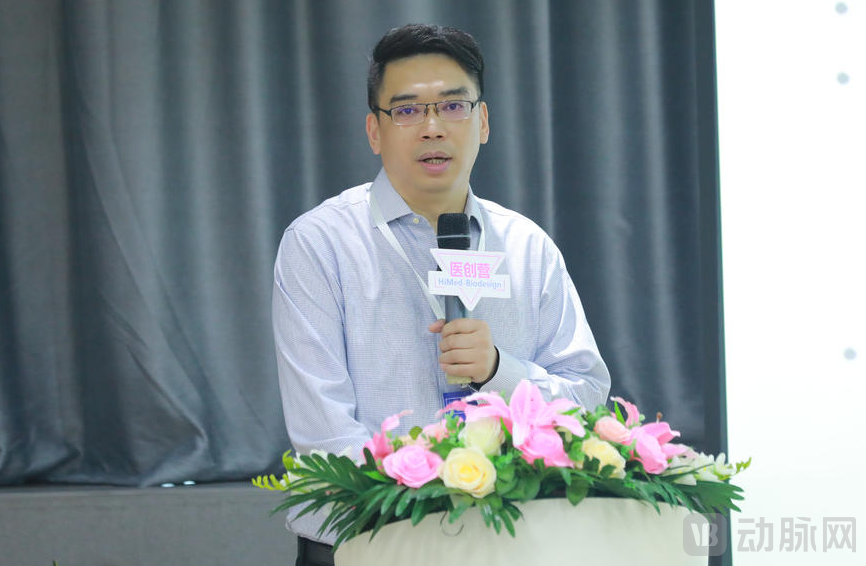
The ideal renal replacement therapy should mimic the natural kidney’s ability to clear metabolic waste from the body and continuously regulate fluid volume and distribution around the clock. Shifting from traditional thrice-weekly dialysis to daily dialysis can significantly improve survival rates and quality of life. However, clinical implementation poses several challenges, such as increased staff workload and healthcare costs, the risk of vascular access dysfunction due to daily needle insertions, and the cumbersome nature of current machines, which require large volumes of dialysis water and must be positioned near wall outlets. Therefore, there is an urgent need for technological breakthroughs to develop a continuous dialysis method that ensures adequate dialysis dosage for patients with end-stage kidney disease (ESKD), freeing them from the constraints of existing dialysis machines.
Zhu Mingli, Department of Critical Care Medicine, Renji Hospital Affiliated to Shanghai Jiao Tong University School of Medicine: "Critical Care CRRT and Medical Innovation"
To achieve medical innovation in a specific niche, one must adhere to the “FRESH” framework, which comprises five core elements: “Field” (familiarity with the domain), “Reserve” (knowledge base), “Experience” (professional expertise), “Status” (insight into the current landscape), and “History” (understanding of historical context). Taking Continuous Renal Replacement Therapy (CRRT) as an example, it first represents a familiar field. Second, it requires a relevant knowledge reserve, such as in medicine and science. Third, it demands extensive experience, specifically the execution capability across the entire workflow including initiation, operation, monitoring, alarm management, troubleshooting, complication handling, weaning, and assessment. Fourth, it necessitates insight into the current status, involving a deep understanding of existing challenges and future market hotspots. Finally, it requires an understanding of the history of CRRT to explore the optimal development path for the industry from multiple dimensions.
Chen Hao, Partner at Guoqian Capital: “A Comprehensive View of Financing and Investment in Early-Stage Healthcare Projects”
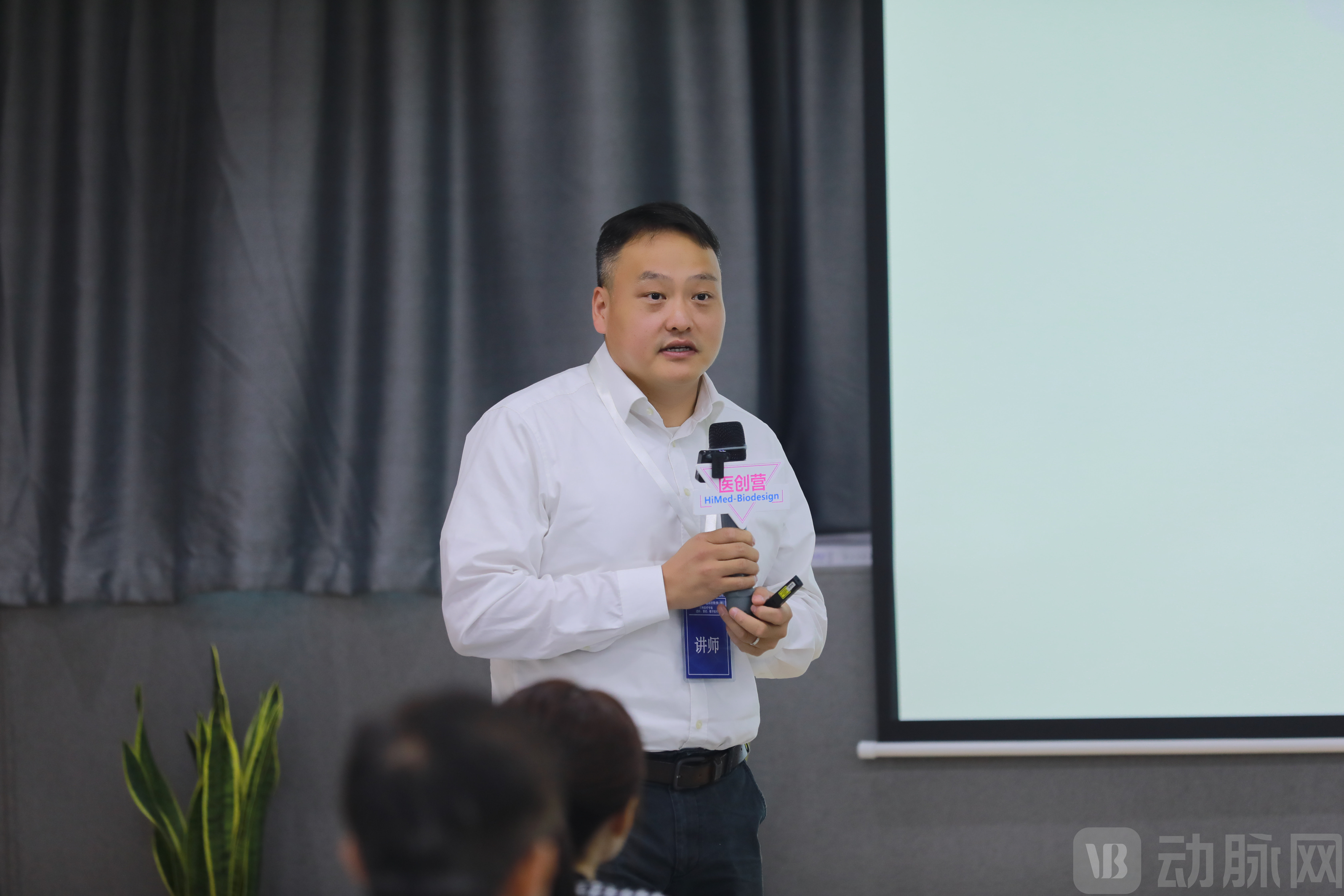
First, in China’s equity investment market, there are over 4,000 active institutions, primarily concentrated at the private equity (PE) stage, while funds focusing on seed and early-stage startups are scarce, making it difficult to find discerning investors. Second, regarding venture capitalists’ (VCs) value assessment logic: first, there must be a genuine clinical need that truly addresses practical clinical problems; second, the technology must have barriers to entry, enabling it to maintain a competitive edge for a certain period; third, the market must be large enough, with a single product capable of supporting the company’s path to sustainable growth. Finally, on how startups should proceed: first, they must shift their mindset—from research-oriented to industrialization-focused, from acting as the client to serving as the provider, and from loose operations to compliant practices; second, they should plan their entrepreneurial pathway based on a thorough understanding of the market landscape, including hospitals, distributors, regulatory bodies, supply chains, and competitors; third, they need to secure appropriate resources, such as talent, capital, and a supportive industrial ecosystem; and fourth, they should prepare a credible business plan (BP) and identify suitable angel investors.
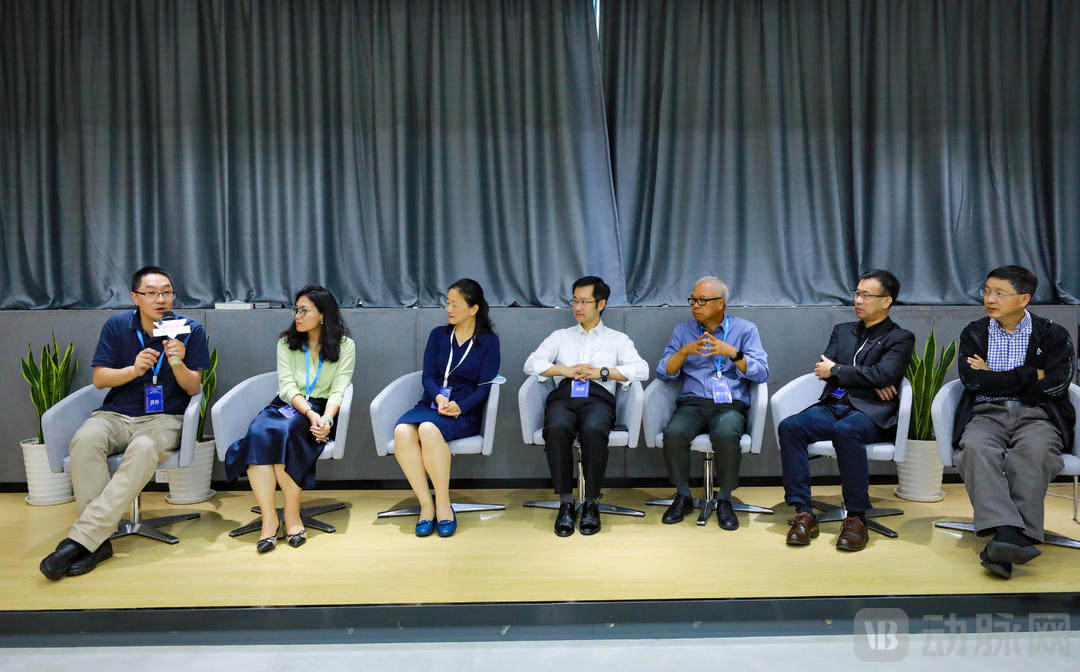
On the other hand, to further explore more possibilities for medical innovation and propose feasible solutions to current challenges, the Medical Innovation Camp also heldRoundtable Discussion, leading experts from their respective fields provided in-depth interpretations and discussions on how to build an ecosystem for medical innovation.
A Novel Form of Incubation
It is reported that approximately 40 early-stage medical innovators and entrepreneurs participated in this session of the HiMed-Biodesign Medical Innovation Camp. They are focused on dialysis, intensive care, and digital health fields related to nephrology, critical care, and chronic disease management, with the core participants primarily concentrating onPhysicians seeking to translate ideas into technology, researchers aiming to transform technology into products, and entrepreneurs striving to refine their skills and enhance their entrepreneurial capabilities.
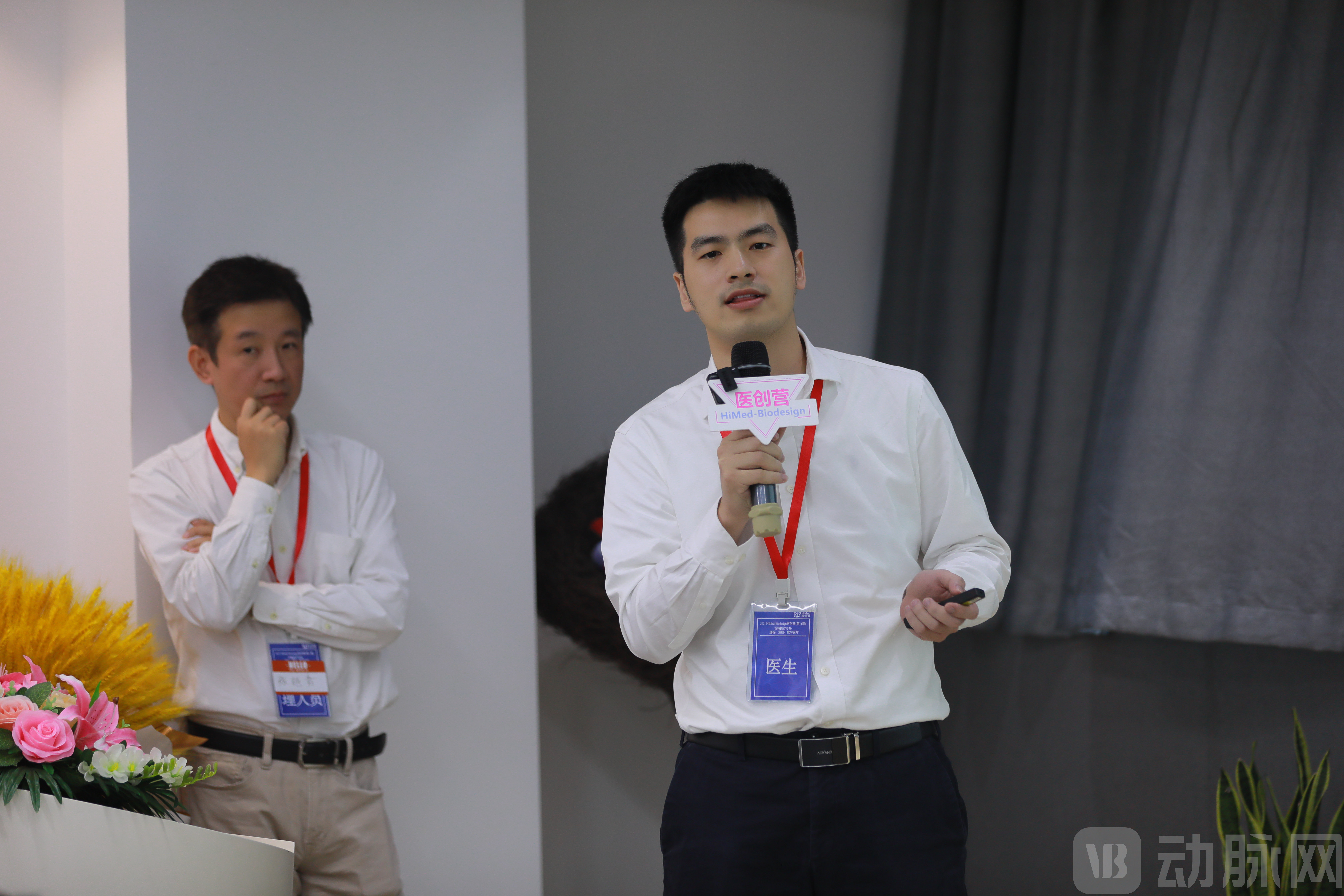
To identify the most promising seeds of innovation and stimulate participants’ creative vitality, this session of the HiMed-Biodesign Medical Innovation Camp features a two-day curriculum with multi-dimensional, diverse incubation courses, including systematic learning sessions led by industry luminaries.
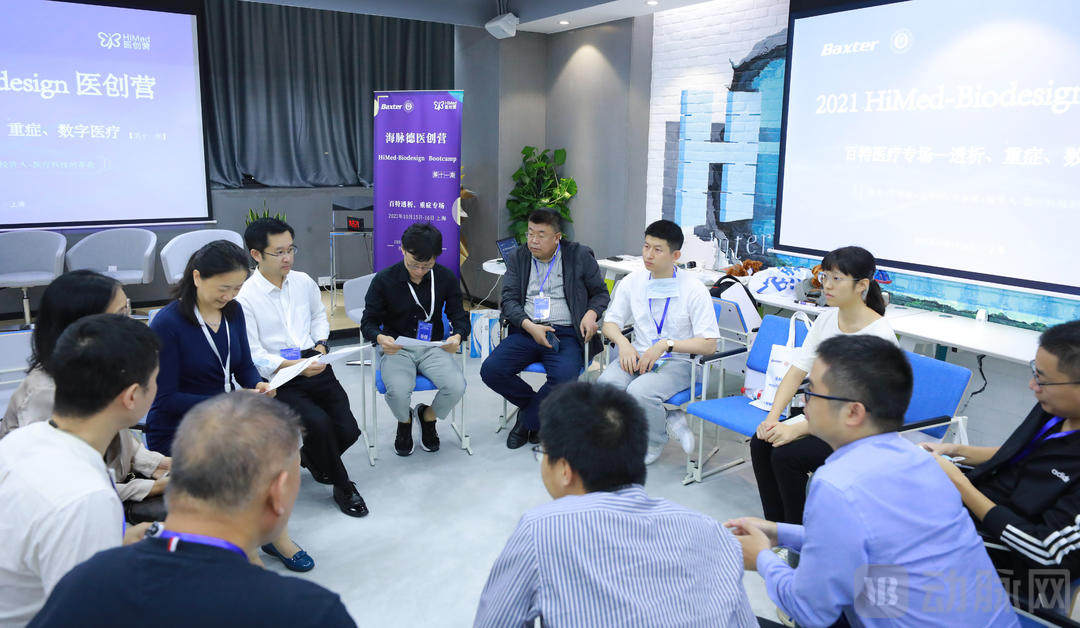
In addition, there are “practical simulations.” Participants are divided into small groups to engage in interaction, analysis, and brainstorming within their teams, fostering collaborative efforts to generate more innovative ideas. Furthermore, an expert team comprising Baxter’s Medical Affairs, R&D, and Strategy departments, along with HiMed, accompanies participants throughout the course, providing careful guidance to better incubate innovative ideas.
It is worth mentioning that the mentor team boasts an exceptionally strong lineup.Liu Yaokun, CEO of Telo Bio; Song Chengli, Professor at the School of Medical Devices and Food, University of Shanghai for Science and Technology; Zhao Weiguo, CEO of Jingzhuo Bio; Zhang Jie, Partner at HiMed Medical Angel Fund; Zhai Jingbo, Founder of HiMed and Founder and General Manager of Yanxitang Incubator; Wang Zhaolong, Director of the HiMed Innovation Center...and other industry luminaries were all in attendance, providing guidance and insights to the participants.
At the final project pitch session, participants delivered compelling presentations based on the two-day curriculum, followed by on-site critiques from expert judges and vigorous discussions on various aspects of the innovative projects, including technology and market potential.
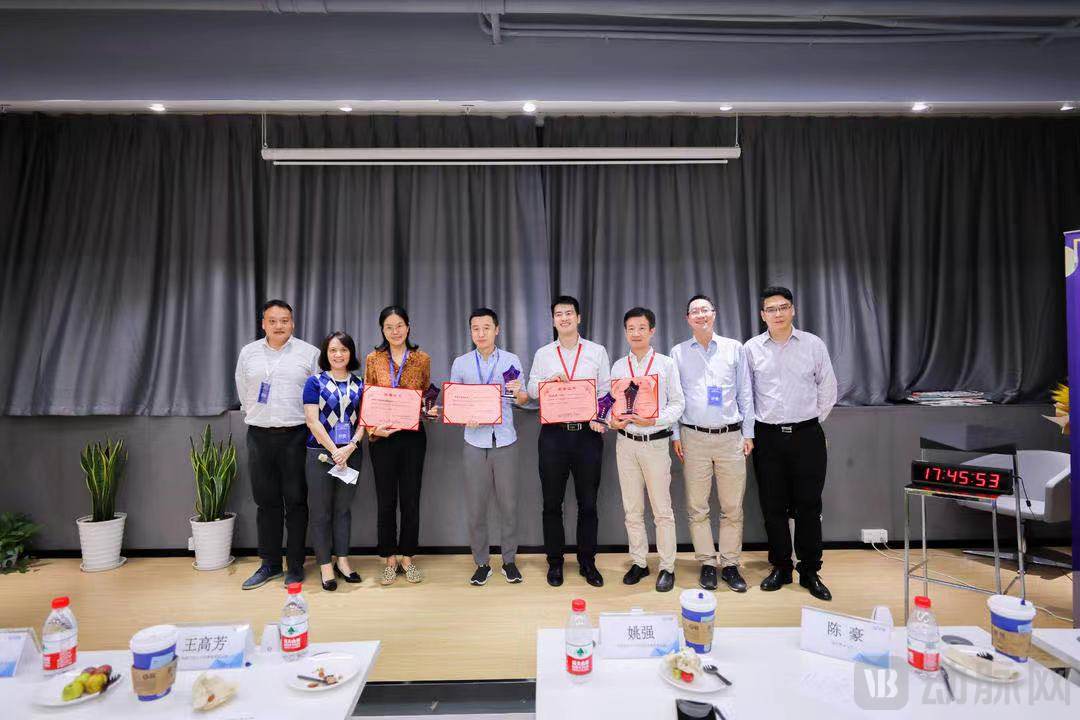
Finally, after evaluation by the mentor team, more than ten innovative projects emerged from this session of the HiMed-Biodesign Medical Innovation Camp. These seeds of innovation will advance to the next stage of development. Over the coming three months, HiMed will partner with Baxter Healthcare to launch an Accelerator Program, dedicated to nurturing and refining medical innovation projects, thereby facilitating the growth and breakthroughs of healthcare entrepreneurs.
About the School of Medical Devices and Food, University of Shanghai for Science and Technology
School of Medical Instruments and Food Engineering, University of Shanghai for Science and TechnologyEstablished in 2003, the School of Medical Instruments and Food Engineering at the University of Shanghai for Science and Technology is a premier institution in China for cultivating talent in the medical device sector. It currently offers doctoral programs and postdoctoral research stations in the first-level discipline of Biomedical Engineering, and has been recognized as one of the first national-level first-class undergraduate majors and a high-level first-class discipline in Shanghai. The school hosts several national and municipal research platforms, including the Ministry of Education’s Engineering Research Center for Modern Minimally Invasive Medical Devices and Technologies, a National Continuing Education Base for Professional and Technical Personnel, and the Shanghai Innovation Center for High-End Medical Equipment. It wields extensive influence within China’s medical device industry.
About VBInsight
HiMed, jointly initiated by Yanxitang—a national-level technology business incubator—and over 30 partners from the medical industry, investment sector, universities, and research institutions, integrates investment, incubation, and acceleration services. It is committed to building the leading brand in the early-stage medical innovation sector. Its portfolio includes brands such as the HiMed Medical Innovators Community, HiMed MedTech Space, HiMed International Medical Innovation Center, and HiMed Angel Fund, providing one-stop incubation and acceleration services for high-quality medical projects from both domestic and international markets, guiding them from concept to launch.Yanxitang Incubator is a well-established incubator in the biomedical field, located in Zhangjiang Science City, Shanghai. It operates four innovation bases with a total incubation area of 20,000 square meters. In 2016, it was awarded the title of “National-Level Technology Business Incubator” (Document No. [2016] 418 issued by the Ministry of Science and Technology).
About Baxter
Baxter entered China in the 1980s, becoming one of the first large multinational healthcare companies to enter the Chinese medical market. Upholding its corporate mission of “saving and sustaining lives,” Baxter focuses on key initiatives such as helping to raise medical standards, expanding access to healthcare, and giving back to society. It makes meaningful contributions to the lives and quality of life of patients in China, supporting the sustainable development of China’s healthcare industry. Currently, Baxter operates 11 offices and branches, five manufacturing facilities, one R&D center, and one technical service center in China.