

Forum on Multidisciplinary Integration and Full-Chain Development of the Wellness and Rehabilitation Industry
Actively responding to population aging is a major national strategy. According to data from the Seventh National Population Census, China's total population currently stands at 1.412 billion, with 260 million people aged 60 and above, accounting for 18.70% of the total—a 5.44 percentage point increase compared to 2010. Based on international standards, a proportion of 7%–14% of the population aged 65 and above indicates mild aging, 14%–20% indicates moderate aging, and 21%–40% indicates severe aging. This means that China is on the verge of entering the stage of moderate aging. Jiangsu Province is one of the earliest provinces in China to enter an aging society and has one of the highest levels of population aging nationwide.
As population aging accelerates, the number of people with relevant demands for the health and wellness industry is rising sharply, and this demand will become the most important driving force for the future growth of the health and wellness industry. To address the huge demand for health and elderly care, regulators have introduced a series of policy measures in recent years. As of February this year, the party committees of 31 provinces, autonomous regions, and municipalities across China have successively reviewed and approved local “14th Five-Year Plan” proposals, with elderly care receiving significant attention in these regional plans. The momentum for China’s health and wellness industry is gradually taking shape.
Building a health and elderly care industry that meets the needs of the population is of great significance for alleviating the challenges posed by an aging society to the socio-economic landscape, fostering high-quality development, and enhancing well-being.
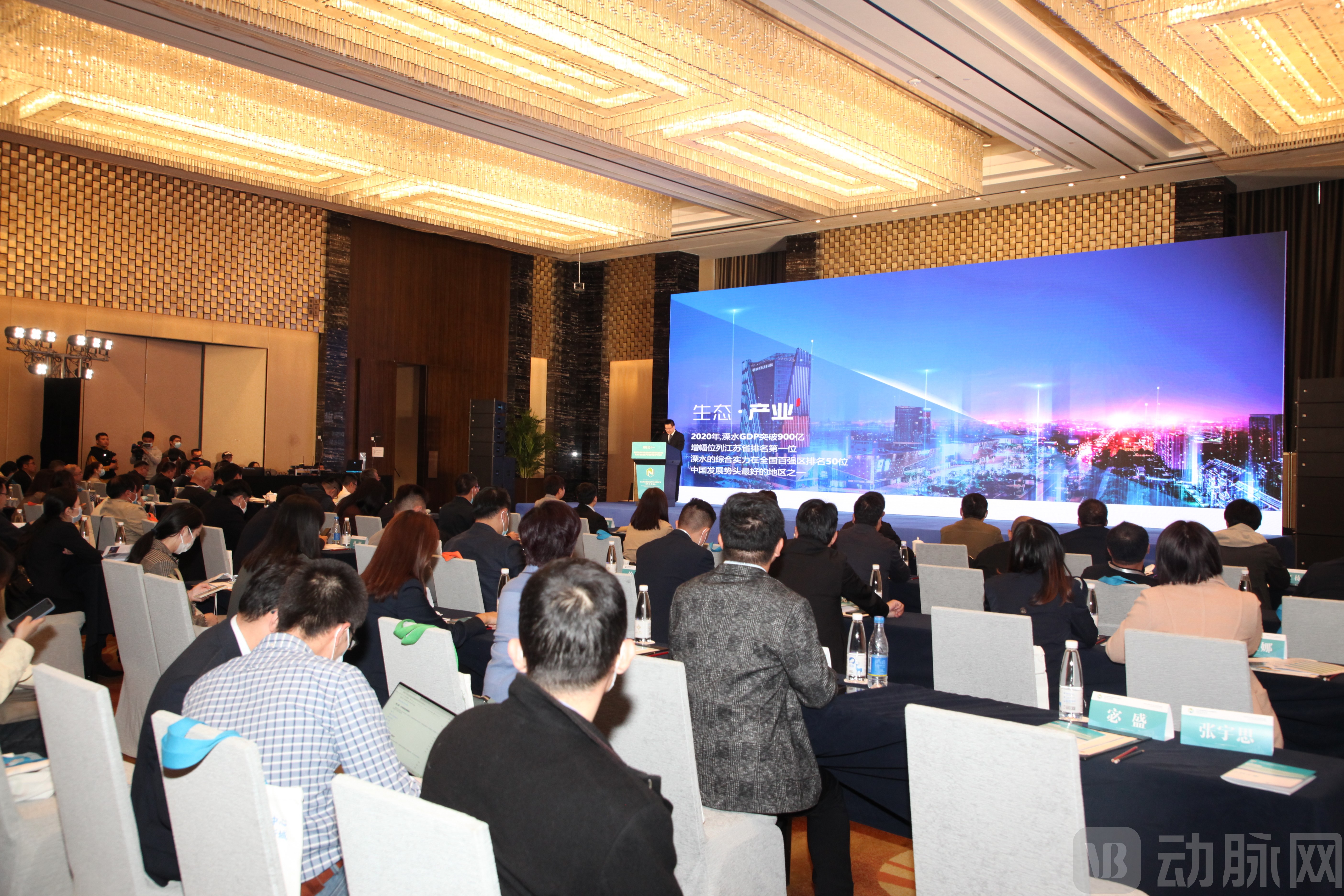
Forum Venue
10On the afternoon of September 21, the Lishui Special Session of the 2021 Nanjing Golden Autumn Investment Fair—featuring the High-Level Summit on the Collaborative Development Model of Multidisciplinary Integration in the Health and Elderly Care Industry, as well as the Industrial Forum on the Construction of the Rehabilitation Whole-Industry Chain Base in Lishui District—was successfully held.Experts from industry, academia, and research sectors both in China and abroad gathered to focus on the full-chain development of the health and wellness industry, engaging in cross-disciplinary discussions on collaborative models for multi-disciplinary integration.
Hu Yidong, Party Secretary and Deputy Director of the Jiangsu Industrial Technology Research Institute,Fei Lili, Deputy District Mayor of the People's Government of Lishui DistrictAttend and deliver remarks.
Academician of the Chinese Academy of Engineering, Yu Mengsun、Liu Jian'an, International Fellow of the U.S. National Academy of Medicine、Yu Jie, Deputy Secretary-General of the China Innovation and Entrepreneurship Development Research Center, State Information Center、Pan Tianshu, Director of the Harvard-Fudan Medical School Anthropology Research Centeras well as numerous institutions, corporate guests, and merchants from the health and wellness industry participated, providing in-depth interpretation and analysis of hot topics such as policy support, industrial development, and industry trends in the health and wellness sector. Meanwhile, focusing on the construction of Lishui District’s rehabilitation industry full-chain base, we invitedA multidisciplinary, cross-field R&D and innovation team spanning medicine, rehabilitation, information technology, intelligent manufacturing, and food scienceCollaboratively Developing Social System Solutions for the Entire Rehabilitation Industry Chain.
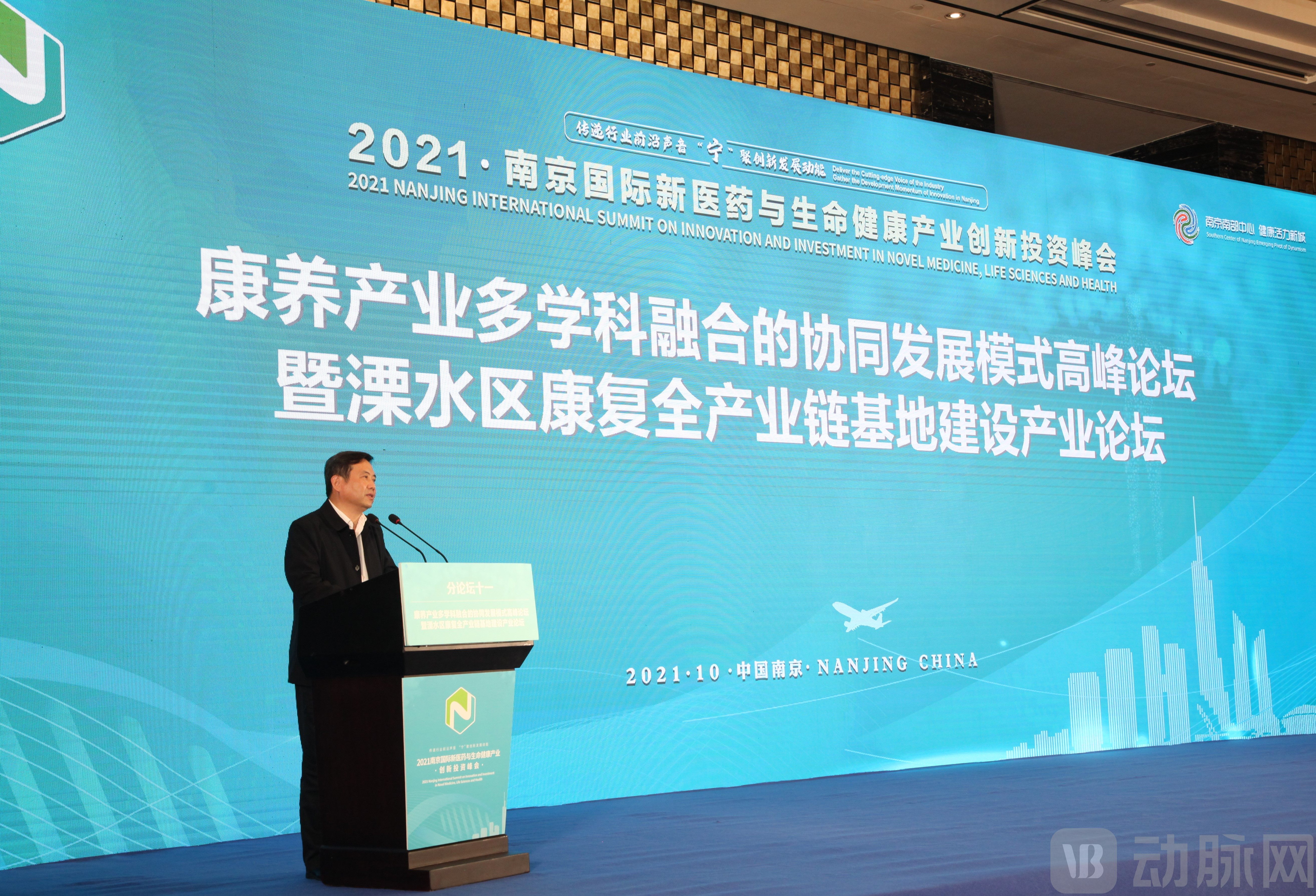
Address by Hu Yidong, Party Secretary and Vice President of Jiangsu Industrial Technology Research Institute
Hu YidongIn his address, he stated that the Jiangsu Industrial Technology Research Institute (JITRI) has established 60 specialized research institutes, including 32 newly built institutes and 168 joint innovation centers with enterprises. JITRI has also deployed initiatives across eight sectors overseas, signed strategic cooperation agreements with dozens of foreign universities and research institutions, and implemented more than 100 international cooperation projects. The Center for Technological Innovation in Aging Society is a research and industrial innovation platform jointly created by JITRI and Lishui District, leveraging resources from Harvard University to focus on developing systemic solutions for an aging society. It is hoped that the Center will remain true to its original mission, leverage technology to boost the development of the age-friendly industry, address social challenges, enhance social well-being, and play a pioneering role in the construction and development of Lishui’s full industrial chain for health and elderly care.
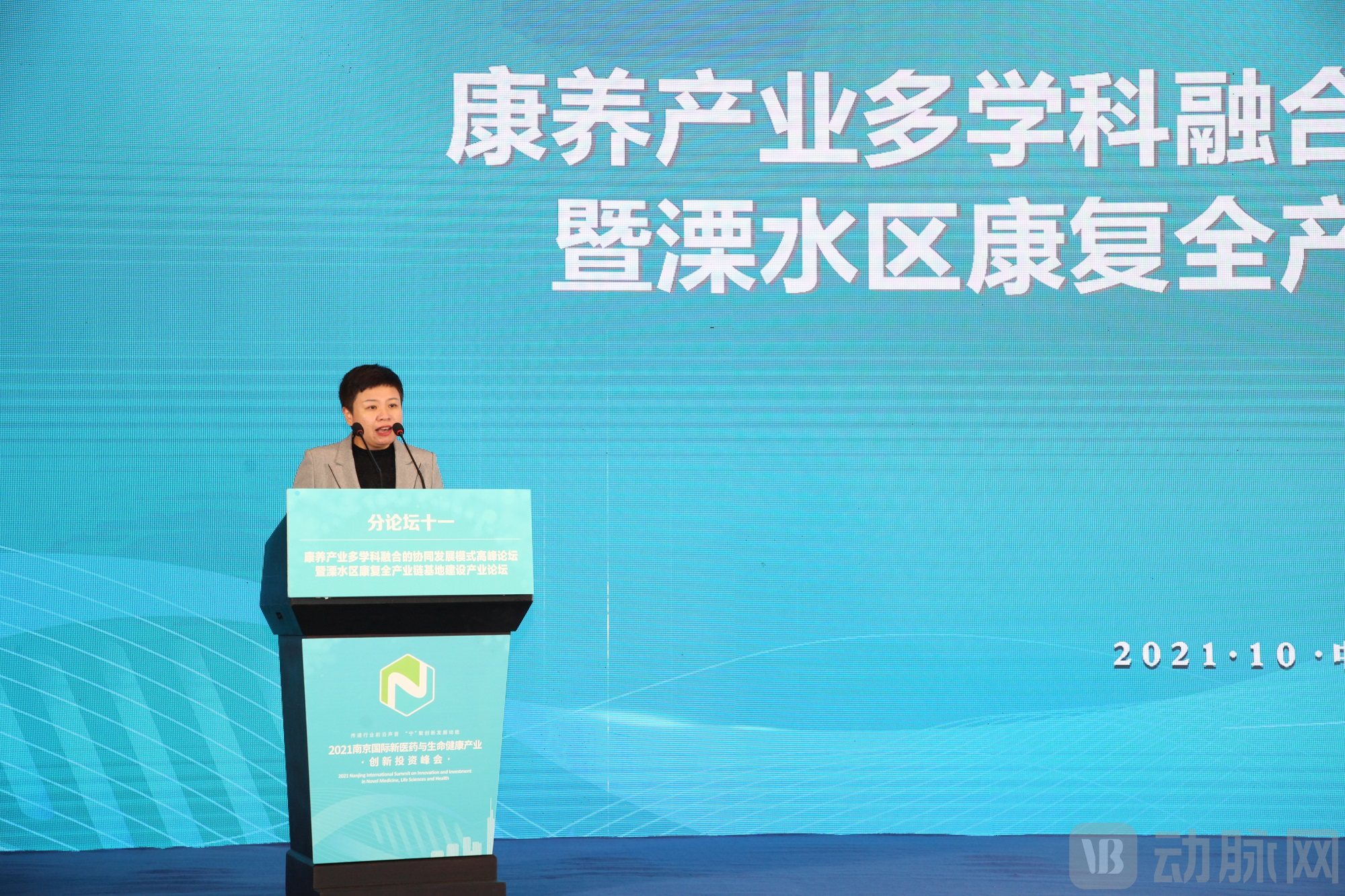
Address by Fei Lili, Deputy District Mayor of the People's Government of Lishui District, Nanjing City, Jiangsu Province
Fei LiliIn his address, he provided a comprehensive overview of Lishui’s district-wide wellness industry and the development of its big health ecosystem, extending an invitation to all attendees. “In recent years, Lishui has witnessed continuous transformations in its natural landscape, economic strength, and residents’ living standards. Aligning with its positioning as the ‘Southern Center of Nanjing’ and a ‘New City of Health and Vitality,’ Lishui will seize development opportunities by prioritizing the smart health industry and establishing a district-wide ‘Internet + Health’ big data platform. We are committed to building Lishui into a nationally influential base for big health standard certification, a hub for the full rehabilitation industry chain, and a center for innovative development of traditional Chinese medicine. Please have your ‘health code’ ready, pack your bags, and come visit—Lishui’s ‘Sky Mirror,’ ‘Wuxiang Mountain Forest,’ and ‘Tiansheng Stone Bridge’ await your arrival!”
The hosting of this forum in Lishui is closely linked to the rapid development of the health and wellness industry in Lishui District, Nanjing.
As the only “Healthy Jiangsu Practice Demonstration Zone” in Jiangsu Province, Lishui District has always prioritized its “Big Health” strategy. With a series of benchmark health and wellness projects gradually taking shape in recent years, the health and wellness industry has become a landmark sector for Lishui District.
In recent years, construction has commenced on the Jiangsu Provincial Rehabilitation Hospital, the largest of its kind globally, and the Nanjing Elderly Care Center, a top-tier facility nationwide, signaling the accelerated rise of the health services industry. A number of landmark health projects, including the Greenland-TCM Health and Wellness Demonstration Zone, the Tianan Health Industrial Park, and the Baoneng International Health Technology City, are being rapidly advanced. The National Extreme Sports Hall, boasting the largest single-building floor area, has officially opened to the public. Multi-level and diverse health and wellness initiatives are being comprehensively deployed across Lishui District, with “health” becoming Lishui’s most prominent calling card.
For the first time, this academic forum focuses on the full-industry-chain development of the health and wellness sector. It brings together top-tier experts from home and abroad in policy, industry, academia, research, and services to exchange ideas and share insights on hot topics such as technological innovation, policy support, and industrial development within the health and wellness industry. Participants will convene for cross-disciplinary discussions on collaborative innovation models driven by multidisciplinary integration, and jointly explore systemic social solutions for the development of the entire rehabilitation industry chain.
Academician Yu Mengsun shared his latest research and insights, offering an in-depth exploration of the “Principles and Pathways to Health for 1.4 Billion People.” Professor Li Jian’an, an International Fellow of the American Academy of Medicine, delivered a keynote address on “The Current Status and Development Prospects of the Rehabilitation Industry,” providing a comprehensive review of the industry’s present landscape and outlining a promising future. David Perry, Executive Director of the Assistive Technology Program at Harvard University’s John A. Paulson School of Engineering and Applied Sciences, introduced Harvard’s research project on “Multidisciplinary Collaborative Innovation in Rehabilitation Assistive Devices.” Mr. Yu Jie, Deputy Secretary-General of the China Innovation and Entrepreneurship Development Research Center under the State Information Center, presented insights on “Theoretical and Practical Explorations into the Development of the Entire Rehabilitation Industry Chain,” describing the full industrial map of rehabilitation development from a holistic perspective. Professor Yu Haoyong from the National University of Singapore shared his team’s latest research: “A Systematic Solution for Robot-Assisted Rehabilitation Post-Stroke,” and demonstrated via video multiple innovative stroke rehabilitation robots and industrial assistive exoskeleton robots.
Following the academic forum, industry leaders shared their insights. Mr. Fan Tianrun, Director and General Manager of Qianjing Rehabilitation Group, was the first to present, sharing Qianjing Group’s practical explorations in technology-enabled elderly care and innovative services, while outlining the future prospects, opportunities, and challenges of the rehabilitation industry. Professor Zhang Yingchun, Tenured Professor in the Department of Biomedical Engineering at the University of Houston, USA, introduced his team’s research achievements: precision diagnosis and treatment technologies for neuromuscular disorders. By leveraging precision medicine to accurately alleviate patients’ suffering, Professor Zhang’s technologies are expected to benefit more individuals and bring a better quality of life to a wider patient population. Mr. Wang Chun, General Manager of Harbin Institute of Technology Cijian Intelligent Health Technology Co., Ltd., and Mr. Zhao Zhengshuai from Qingdao Haili Residential Technology Co., Ltd., respectively shared insights on how age-friendly assistive devices support healthy aging and Haier’s comprehensive smart elderly care solutions. Finally, Professor An Ning, a “Huangshan” Distinguished Professor at Hefei University of Technology and a Visiting Scholar at Harvard University, shared his thoughts on talent development and knowledge dissemination. He delivered a speech titled “Multidisciplinary Collaborative Education and Interdisciplinary Research for Smart Elderly Care,” aiming to integrate Harvard’s scientific and educational resources to cultivate interdisciplinary composite talents, thereby providing talent support for the elderly care industry.
Following the industry forum, a matchmaking session for health and wellness industry projects was held, during which various industrial sectors of Lishui District engaged in project discussions with over 20 prospective enterprises, including Qianjing Rehabilitation and Qiuling Medical.
Finally, the forum concluded successfully at dusk. However, this forum is merely the beginning; it will undoubtedly serve as the starting point for collaboration among all parties to jointly build the Lishui health and wellness industry ecosystem.
Imparting skills with benevolence leads to the fullest expression of humanity and righteousness; infusing technology with compassion drives it toward perfection. May technological innovation propel the high-quality development of the health and wellness industry, thereby bringing well-being to people’s lives.
Jiangsu Industrial Technology Research Institute
Jiangsu Industrial Technology Research Institute (hereinafter referred to as “JITRI”) was established in December 2013 as a public institution directly under the Jiangsu Provincial Committee of the Communist Party of China and the Jiangsu Provincial People’s Government. Serving as a “testing ground” for reform of the science and technology system, JITRI is positioned as a hub for allocating innovation resources, driving industrial technological innovation, and translating talent value into economic impact. Focusing on key links in the translation of scientific achievements into technologies, JITRI conducts R&D on key generic technologies and promotes the commercialization of scientific and technological achievements, guided by the needs of industrial innovation. It supports technological innovation among small and medium-sized enterprises (SMEs), fosters innovative enterprises and industrial clusters, and has become a core engine promoting high-quality economic development in Jiangsu Province and building a highland for future industries. By the end of 2020, JITRI had established 56 specialized research institutes in five major fields: advanced materials, energy and environmental protection, information technology, equipment manufacturing, and biomedicine, employing approximately 10,000 R&D personnel. It had formed strategic partnerships with 56 renowned overseas and 52 domestic universities and R&D institutions, and established eight overseas cooperation platforms, with four offshore incubators as the focal points. JITRI selected leading enterprises in niche sectors as core partners and established 131 JITRI Joint Innovation Centers for Enterprises, whose primary tasks include strategic research, formulation of technology roadmaps, and collection and refinement of technological needs.
Harvard University Global Research Center on Technology for an Aging Society
An interdisciplinary and interdepartmental collaborative research center established with the approval of Harvard University. The center’s mission is to enhance elderly care capacity by developing and optimizing sociotechnical solutions, and by testing and disseminating these solutions within local cultural, service, and policy contexts. Research conducted at the center is open to Harvard undergraduates, graduate students, scholars, and faculty members. Currently, participants in the center’s research programs include scholars, professors, and students from six Harvard schools and institutes: Harvard Medical School, the Harvard John A. Paulson School of Engineering and Applied Sciences, the Harvard Graduate School of Design, the Harvard T.H. Chan School of Public Health, the Faculty of Arts and Sciences, and the South Asia Institute. The center is governed by an executive committee co-chaired by Professors Arthur Kleinman, Fawwaz Habbal, and Hongtu Chen. While encouraging active participation from faculty and staff across Harvard’s various schools, the committee emphasizes that all research projects should embody a sociotechnical approach—closely integrating technological research and development with social services and policy systems. This fosters comprehensive interdisciplinary collaboration in scientific research, communication, and talent development. It is hoped that the knowledge generated from these research projects will strengthen expertise and capabilities in elderly care to address the challenges of population aging worldwide, including in China, other Asian societies, and the United States.