

2021 China Digital Healthcare Ecosystem Conference Concludes Successfully in Beijing
The digital wave is sweeping across the landscape, driving an increasingly deep integration of computer and information technologies with the healthcare industry. Technologies such as 5G, artificial intelligence, big data, and the Internet of Things are flourishing across various healthcare subsectors. Digital technologies are reshaping the future of the medical and health industry, which is embracing the digital world with unprecedented enthusiasm. As we embark on this new journey of healthcare digitalization, what are the prospects for the development of digital health? What new trends and models are emerging from the integration of digitalization into each subsector? Driven by these innovative models, what kind of ecosystem will digital health ultimately form?
The 2021 China Digital Health Ecosystem Conference was held on October 21, 2021, in the second-floor ballroom of the New World Hotel in Beijing. Hosted by VCBeat VB100, the conference invited industry experts and innovative enterprises to attend, including Zhou Gongwei, Deputy Director of the Statistical Information Center of the National Health Commission; Zhang Yuhui, Deputy Director of the Development Research Center of the National Health Commission; Xue Dong, Deputy Secretary of the Party Committee of Peking University Cancer Hospital; Jiang Tianjiao, Dean of VCBeat Research Institute and Partner at VCBeat; and Qi Fei, Executive Director at Legend Capital. Participants shared insights and engaged in discussions on future trends and market opportunities in the healthcare ecosystem from perspectives such as policy, capital, market, technology, and ecological collaboration.
Gathering of Industry Leaders: Discussing the New Ecosystem of Digital Healthcare in China
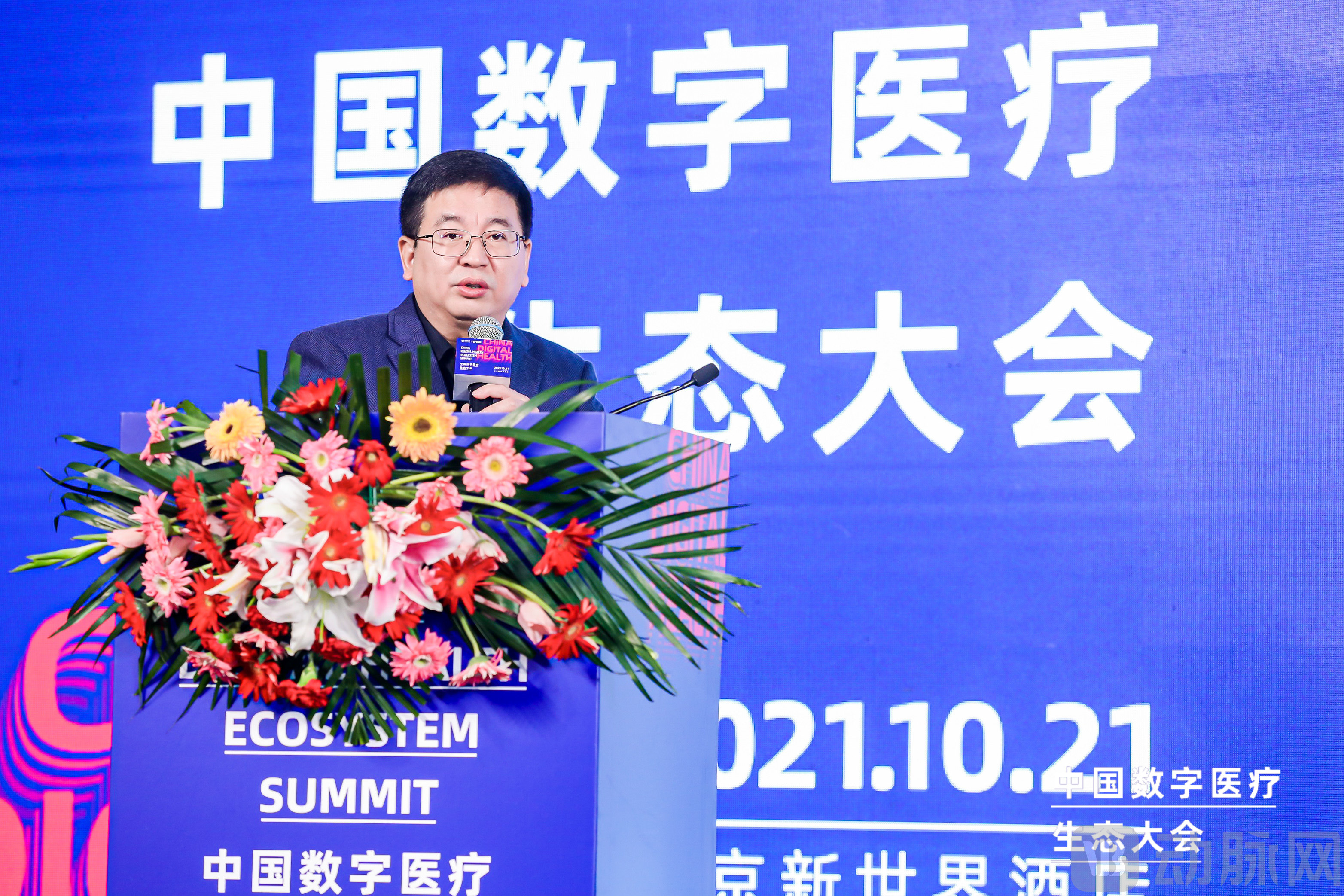
Zhou Gongwei | Deputy Director, Statistical Information Center of the National Health Commission
Zhou Gongwei, Deputy Director of the Statistical Information Center of the National Health Commission, delivered a presentation titled “Application and Development of Health and Medical Big Data,” covering three aspects: the policy background, current development and existing challenges, and future prospects.He believes that, based on the current development of big data applications in health and healthcare, four key measures should be taken: first, continuously strengthen the interoperability and sharing of information platforms; second, advance the improvement of quality in health and healthcare big data governance; third, enhance safeguards for the sharing of health and healthcare big data; and fourth, deepen innovative applications of health and healthcare big data.Regarding the current application and development of big data in healthcare, Deputy Director Zhou Gongwei pointed out several issues that need to be gradually addressed: data quality needs improvement, the level of data sharing and openness is relatively low, data governance requires enhancement, the level of data application is not high, data security needs strengthening, and supporting safeguards are still inadequate. Finally, Deputy Director Zhou Gongwei outlined future prospects, including “improving big data sharing, enhancing big data governance capabilities, enriching big data application scenarios, and perfecting big data support and safeguards.”

Xue Dong | Deputy Secretary of the Party Committee, Peking University Cancer Hospital
As the hospital representative at this conference, Mr. Xue Dong, Deputy Secretary of the Party Committee of Peking University Cancer Hospital, shared insights and reflections on the practice of internet-based diagnosis and treatment models from the perspective of a specialized oncology hospital. By interpreting smart healthcare solutions tailored for medical professionals, patients, and hospital administrators, he emphasized that the most critical tasks in hospital settings and medical services are ensuring treatment quality and patient safety. Mr. Xue analyzed the information system architecture of Peking University Cancer Hospital, a leading-tier specialized oncology institution in China, highlighting how the construction of an internet hospital has continuously improved medical services, extended service capabilities, and innovated service models. Based on these practices, he formulated an institutional-level strategic vision for building internet hospitals and smart hospitals, while also addressing challenges such as the tension between technological advancement and medical humanism, risks associated with information infrastructure and force majeure, and issues concerning medical information security. Finally, Mr. Xue reiterated that the essence of medical service lies in guaranteeing healthcare quality and meeting patient needs, and that information technology should be regarded as an auxiliary tool for the development of medical services, to be applied rationally and efficiently.
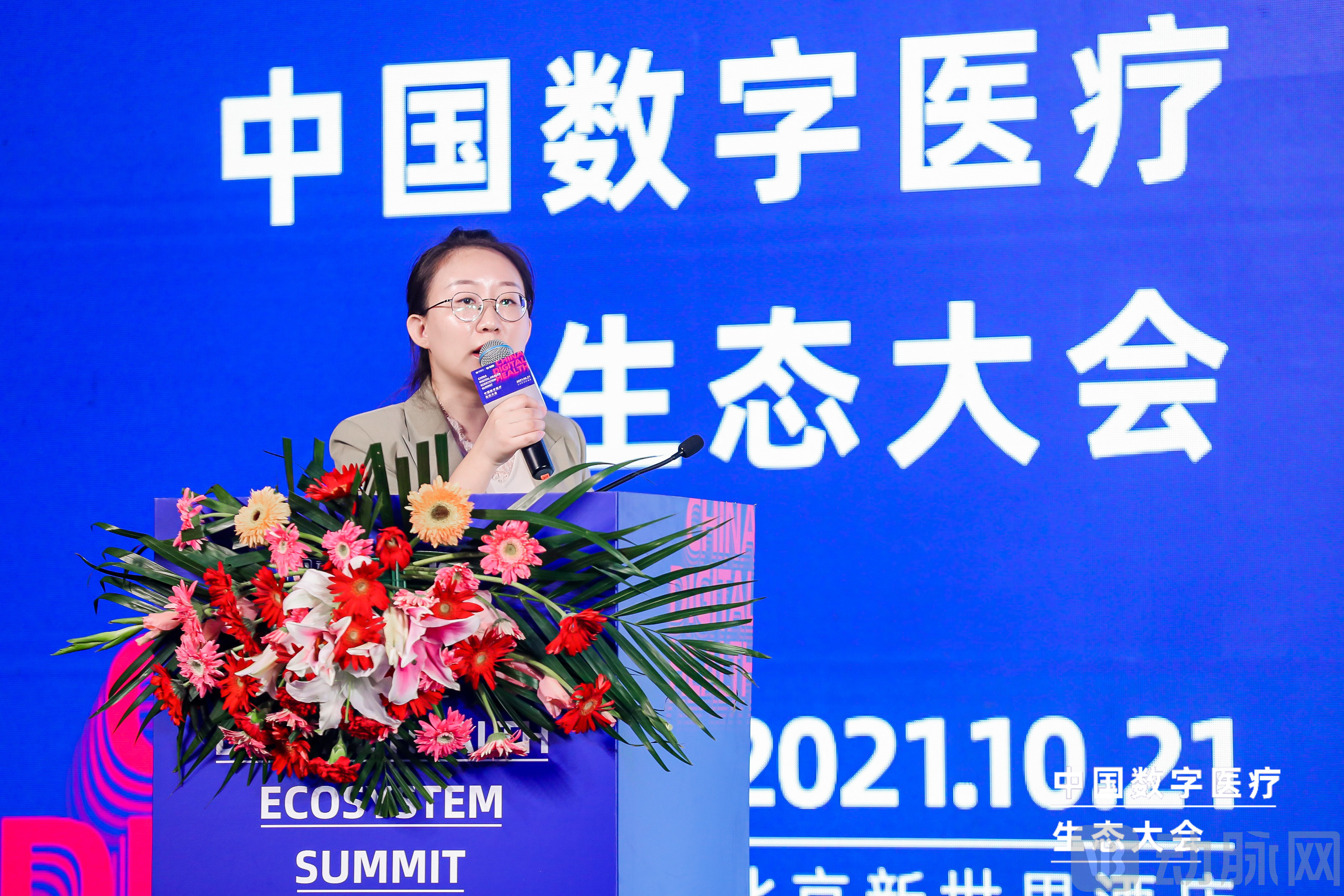
Zhang Xiaoxu | Senior Researcher, VCBeat Eggshell Institute
Ms. Zhang Xiaoxu, Senior Researcher at VCBeat Institute, delivered a presentation based on the “2021 Internet Hospital Report,” analyzing the survey and its data from four perspectives: the overall status of internet hospitals this year, market conditions, operational research, and development trends. In terms of the market, total primary-market financing in the internet healthcare sector (counting companies that have built their own internet hospital platforms) reached RMB 23.4 billion over the past year. Increasing investment in healthcare services has become a consensus among enterprises and is an inevitable measure for internet healthcare to meet user demands. In the operations segment, the presentation provided a detailed discussion on the deeper integration of online and offline internet healthcare services, the increasing mobility of physicians, the cultivation of users’ habits for online consultations, the accelerated role of commercial insurance in supplementing basic medical insurance, and the differentiated positioning of enterprise-affiliated internet hospitals. Finally, Ms. Zhang offered predictions on the trends for internet hospitals: first, internet hospitals will be deeply integrated into the healthcare system; second, the development logic will gradually shift from process-oriented to outcome-oriented; and third, various benchmark models are poised to emerge, driving more profound industry transformation.
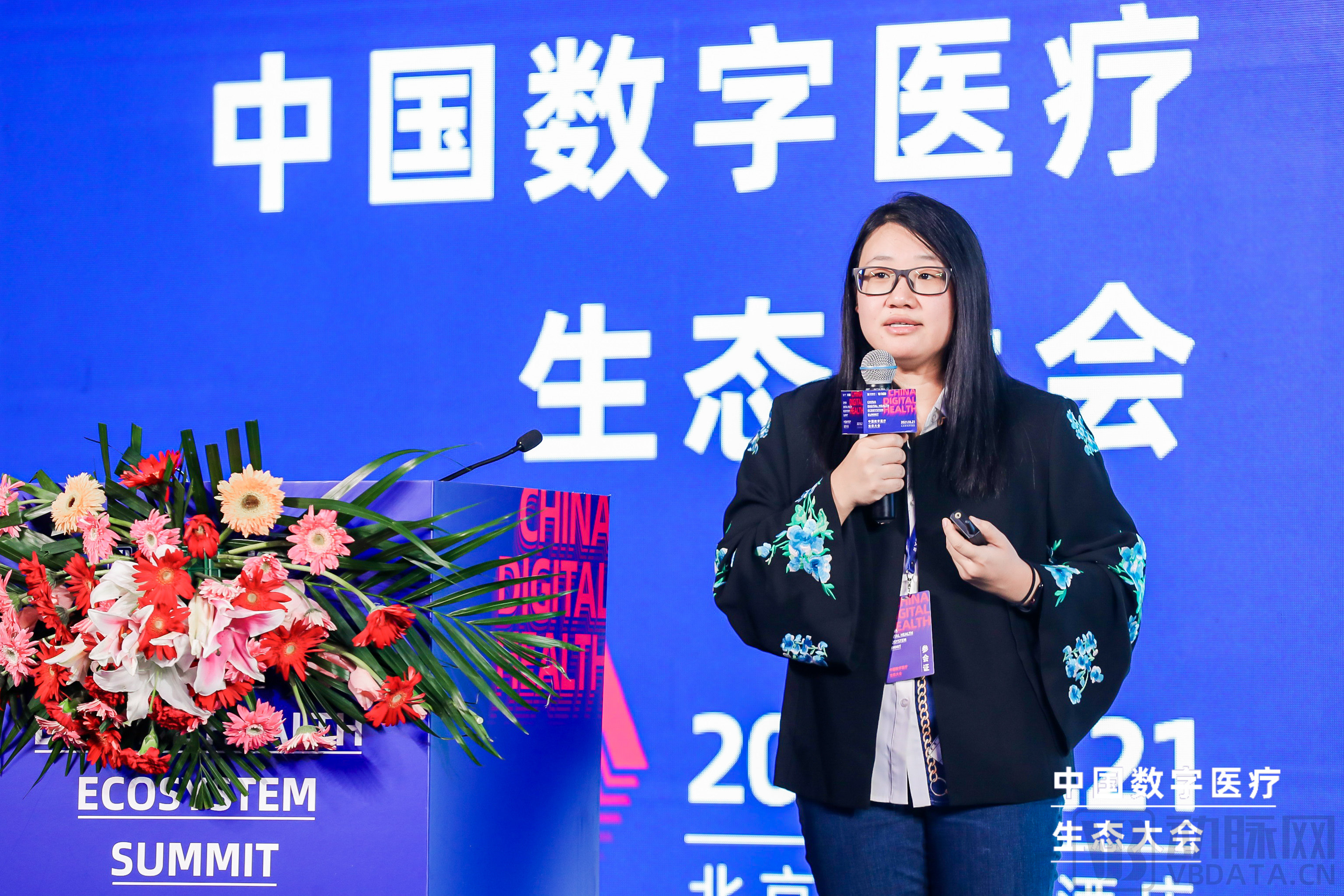
Zhai Xuelian | Vice President, Zhuojian Technology
Ms. Zhai Xuelian, Vice President of Zhuojian Technology, first affirmed the importance of digital healthcare. She believes that digital healthcare is an inevitable choice for implementing health service strategies. To build a new ecosystem of smart healthcare services, we need to support hospitals in their graded assessments of smart services, construct patient-centered closed-loop services, and create efficient professional development platforms for medical staff. This process requires a professional, integrated, intelligent platform for comprehensive end-to-end management to assist in building smart hospitals and managing the entire patient journey.Zhuojian Technology is continuously exploring service innovations encompassing smart research (clinical research business platforms and drug clinical trial business platforms) and smart medical education. Ms. Zhai Xuelian illustrated Zhuojian Technology’s practical achievements in smart hospital development by citing examples such as the construction of internet hospital services at the First Affiliated Hospital, Zhejiang University School of Medicine, and Heilongjiang Provincial Hospital. Looking ahead, Zhuojian Technology will continue to drive the digital transformation and upgrading of healthcare, building new digital infrastructure through big data services and comprehensive health management to support the Healthy China initiative.
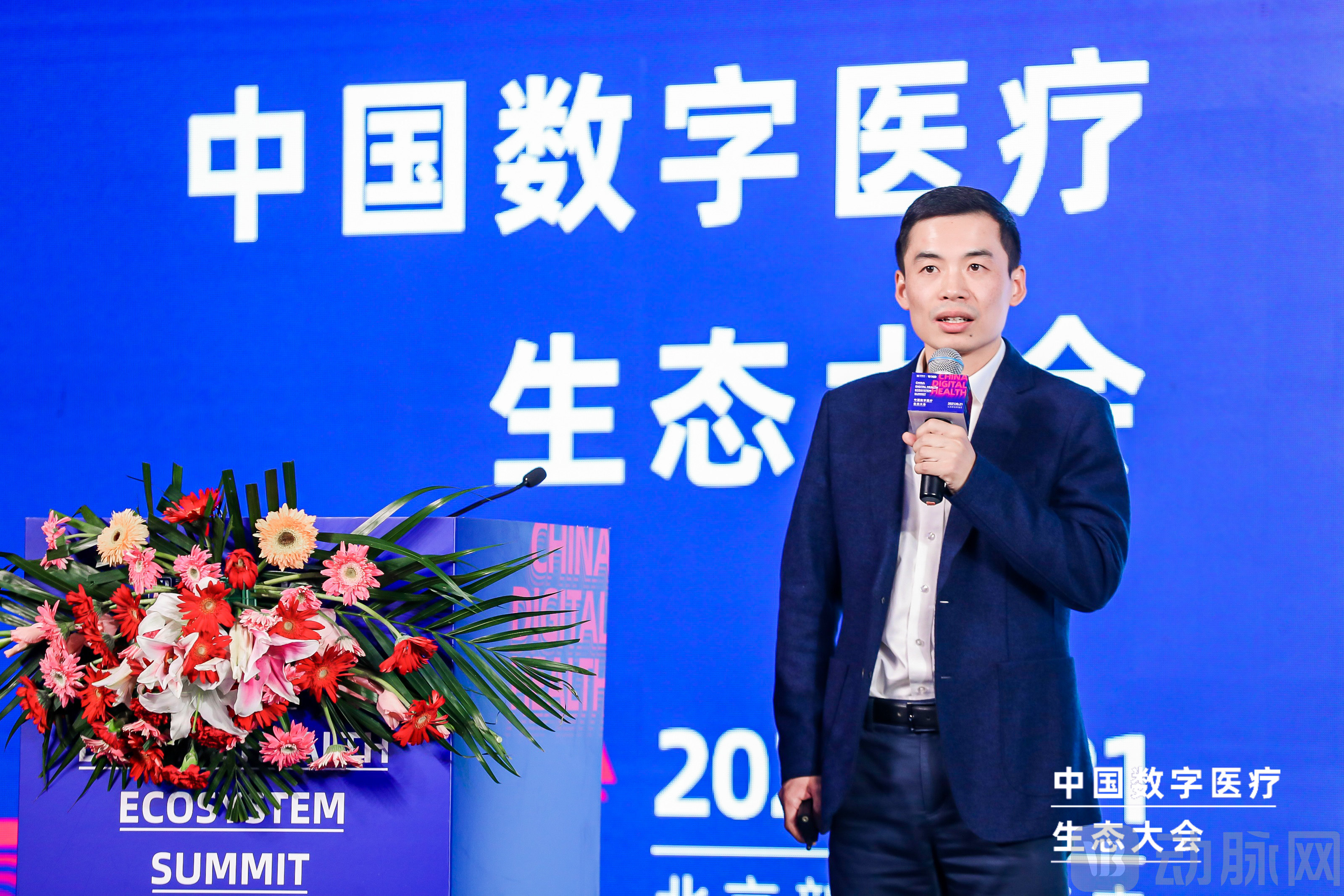
Zhang Qi | CEO of Huimei Technology
The integrated prediction and intervention management of risks for inpatients by physicians relies on Clinical Decision Support Systems (CDSS).Mr. Zhang Qi, CEO of Huimei Technology, delivered a keynote speech on how Clinical Decision Support Systems (CDSS) can serve physicians. By analyzing the current status and challenges of hospital-based clinical diagnosis, Mr. Zhang proposed that the core issue addressed by Huimei is leveraging clinical data to drive scientific decision-making. Enhancing medical standards, reducing clinical variation, and ensuring patient safety during the process of assisting clinical decisions are the primary objectives for hospitals when implementing CDSS. So, how can CDSS be utilized to reduce the risk of disease occurrence among hospitalized patients? Huimei Technology first examines the characteristics of in-hospital disease risks and clinical diagnosis and treatment patterns, then implements quality management of the diagnostic and therapeutic processes based on clear diagnoses, ultimately and effectively improving the quality of clinical care. At the conclusion of his speech, Mr. Zhang also noted that business innovations—including measures such as helping hospital administrators improve efficiency and enabling frontline physicians to enhance the quality of diagnosis and treatment—can drive business growth through digital empowerment.
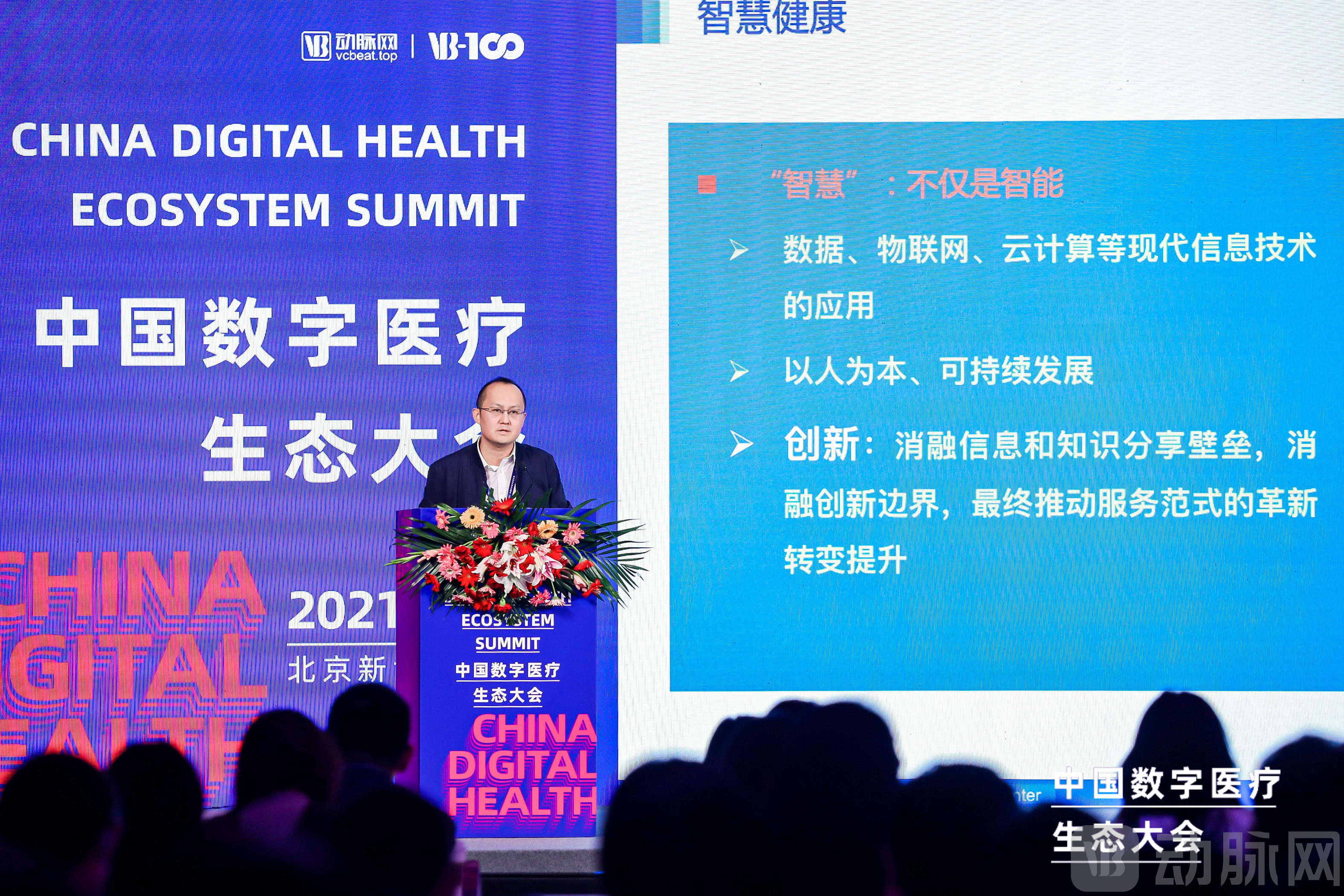
Zhang Yuhui | Deputy Director of the Development Research Center, National Health Commission
Zhang Yuhui, Deputy Director of the Development Research Center of the National Health Commission, delivered a speech titled “Reflections on the Development of Smart Health Systems in the New Era,” raising the timely question of how to better safeguard public health in this new phase. Deputy Director Zhang emphasized the importance of the Healthy China Strategy and the principle of joint contribution and shared benefits to achieve a higher level of population health. He stated that future smart health systems will be better equipped to meet the comprehensive, whole-population, and full-lifecycle health needs, encompassing prevention, diagnosis, treatment, rehabilitation, and health promotion.

Zhao Xuming | General Manager, Chronic Disease Medical Department, JD Health
Zhao Xuming, General Manager of the Chronic Disease Medical Department at JD Health, shared insights from three perspectives. First, regarding the trend of digitalization in chronic disease health management: information technology can better facilitate disease management in remote care and case progression management. From the perspectives of the government, hospitals, and patients, there is a greater understanding of the internet and new technologies in the post-pandemic era. Second, concerning JD Health’s exploration of chronic disease health management: addressing current difficulties and challenges requires integration of in-hospital and out-of-hospital care, online and offline services, and software and hardware. With a patient-centric approach, JD Health leverages patient data to provide various solutions tailored to specific chronic disease populations, establishes standardized diagnosis and treatment protocols, and delivers humanized patient services. Third, regarding the current status of JD Health’s business: its scope covers pharmaceutical supply chains, internet healthcare, health management, and smart healthcare. In the field of chronic disease management, JD Health is exploring innovative internet healthcare service models and focusing on the integrated development of prevention, treatment, and rehabilitation.
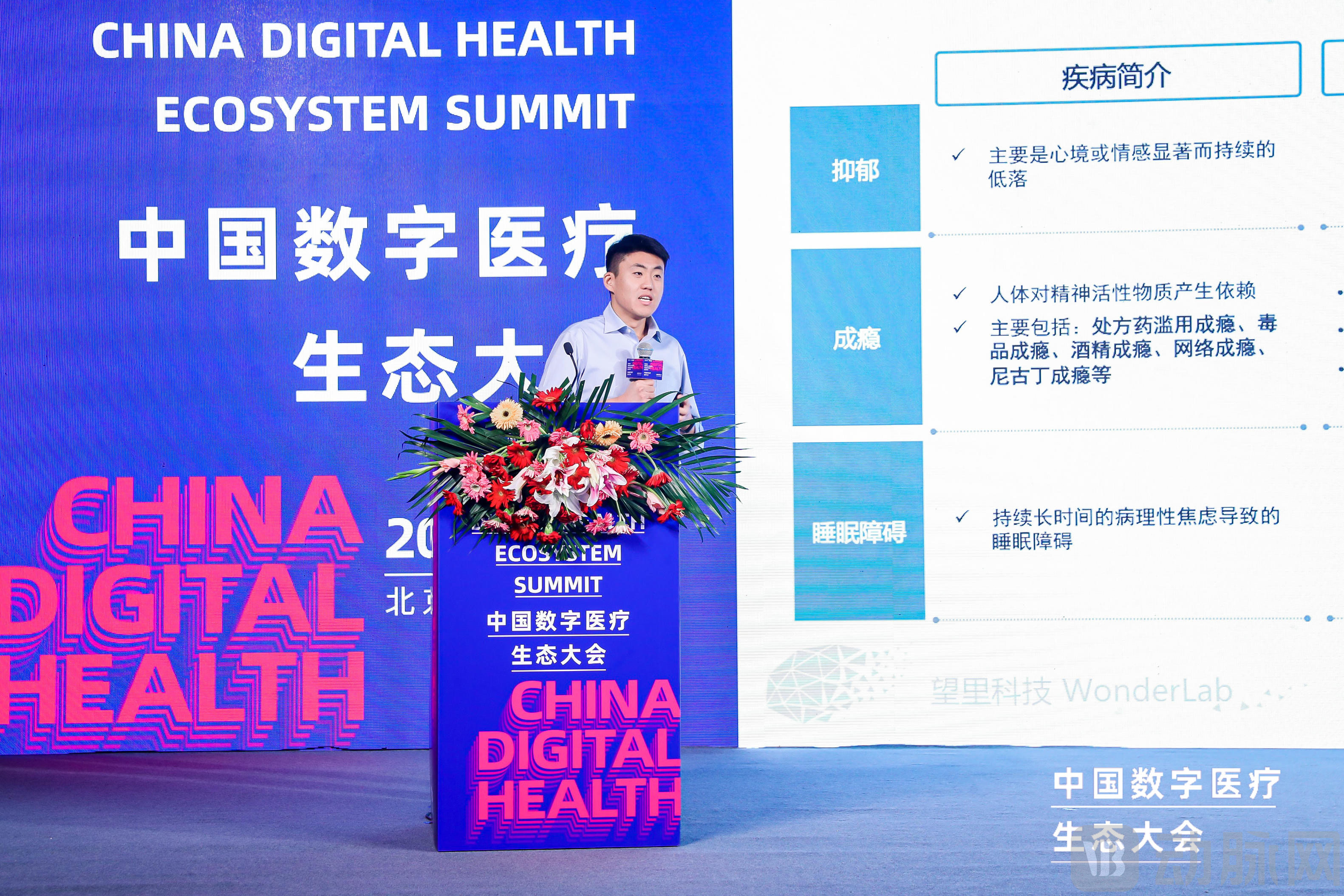
Li Dai | Founder of Wangli Technology
Li Dai from Wangli Technology stated that digital therapeutics are underpinned by rigorously screened patient data collection and algorithmic analysis, leveraging proprietary algorithms to modify patients’ cognition. Neuropsychiatric disorders represent the primary domain for digital therapeutic applications, where clinical efficacy demonstrated through rigorous clinical trials has validated both the clinical and commercial value of these interventions. The accumulation of data generated by medically screened patients within novel interactive frameworks constitutes the technological core of digital therapeutics. Wangli Technology has established a diversified product pipeline in the field of mental health, covering conditions such as depression, addiction, and post-traumatic stress disorder (PTSD). Its overarching vision is to explore and understand human inner mental activities through technological means, thereby helping individuals better cope with mental illnesses and enhance their psychological well-being.

Xu Bingyu | Founder & CEO of Huamei Haolian
Ms. Xu Bingyu, Founder and CEO of Huamei Haolian, delivered a presentation titled “Building an Upgraded UnitedHealth Model with Chinese Characteristics.” She proposed that the core of health insurance products lies in the ability to integrate high-quality medical resources, thereby serving as the most professional bridge between healthcare institutions and commercial insurance companies. The current state of China’s health insurance market is not suitable for directly replicating the U.S. UnitedHealth model. Based on profound insights into health management, only by continuously enhancing health management service platforms through informatization, digitalization, and intelligence can we create an upgraded UnitedHealth model with distinct Chinese characteristics.Huamei Haolian has deeply cultivated China’s health management services market, focusing on end-to-end health management across pre-diagnosis, during-diagnosis, and post-diagnosis scenarios. The company boasts a team with international vision, strong innovative consciousness, and efficient execution capabilities, enabling it to design full-lifecycle health insurance product solutions for clients and integrate scarce medical resources to optimize healthcare network configuration. Practical validation has demonstrated that Huamei Haolian’s business model—described as an “upgraded UnitedHealth Group model with Chinese characteristics”—can be rapidly replicated and expanded in the short term. Furthermore, its diversified cooperation models have propelled Huamei Haolian into a phase of rapid growth and revenue generation.
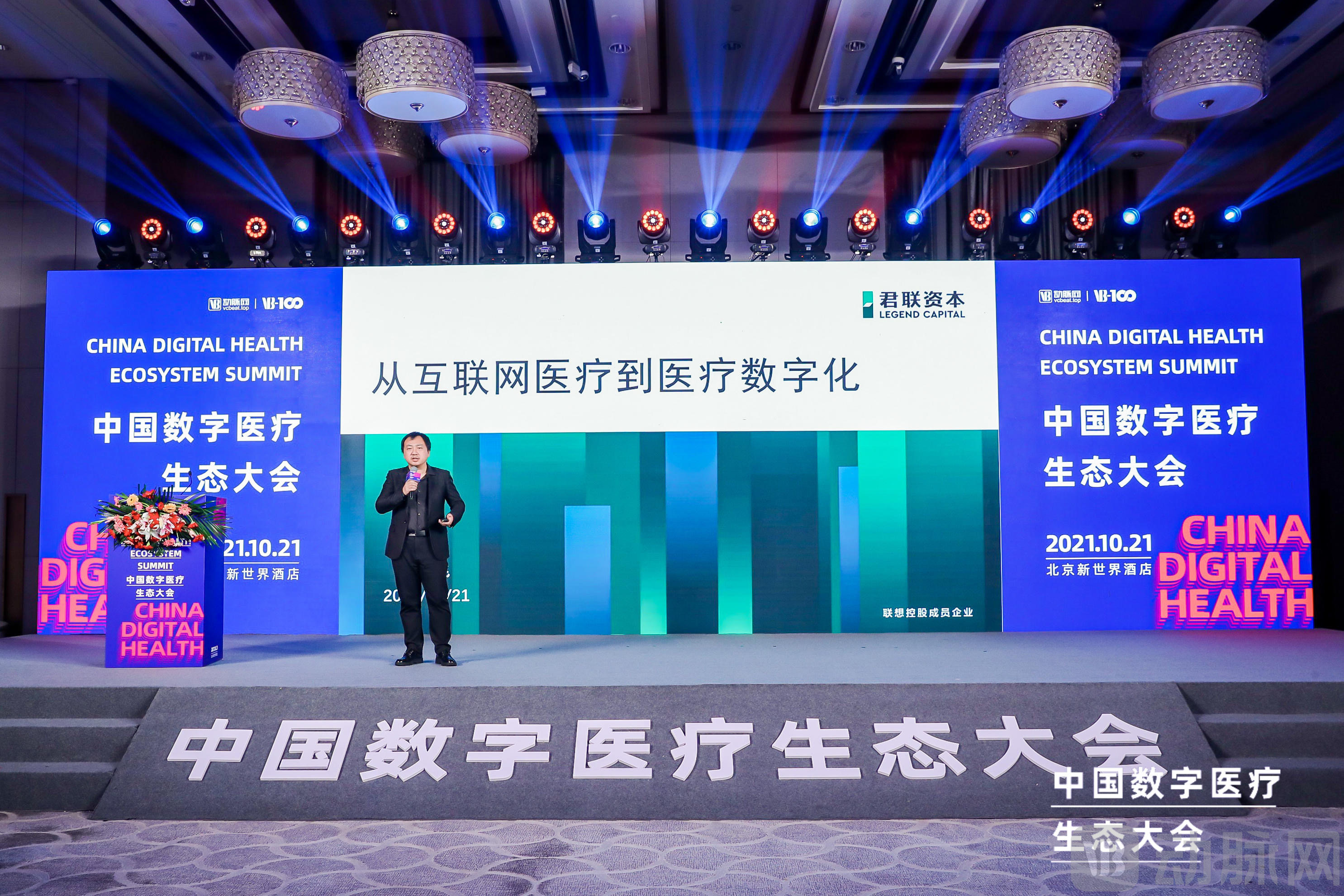
Qi Fei | Executive Director, Legend Capital
Qi Fei, Executive Director at Legend Capital, outlined three major trends in digital healthcare: First, the core pillars of the healthcare system—medical services, pharmaceuticals, and insurance—are increasingly converging, with “medical services + pharmaceuticals” and “medical services + pharmaceuticals + insurance” emerging as the dominant models. Second, operational efficiency across hospitals is being enhanced; internet hospitals are improving efficiency and enabling more streamlined hospital operations. Third, online payment integration is advancing, specifically through the linkage between internet-based medical services and medical insurance. By incorporating internet medical services into the scope of medical insurance reimbursement, the challenge of paying for and reimbursing online medical care is being addressed. The widespread adoption of online medical insurance payments has become an inevitable trend, with online pricing becoming increasingly transparent and medical consultations more practical and accessible.The core value that healthcare digitalization brings to us is improved efficiency, greater refinement, and enhanced precision. The future development of the healthcare industry requires pioneers like you to advance it progressively through collaborative efforts.
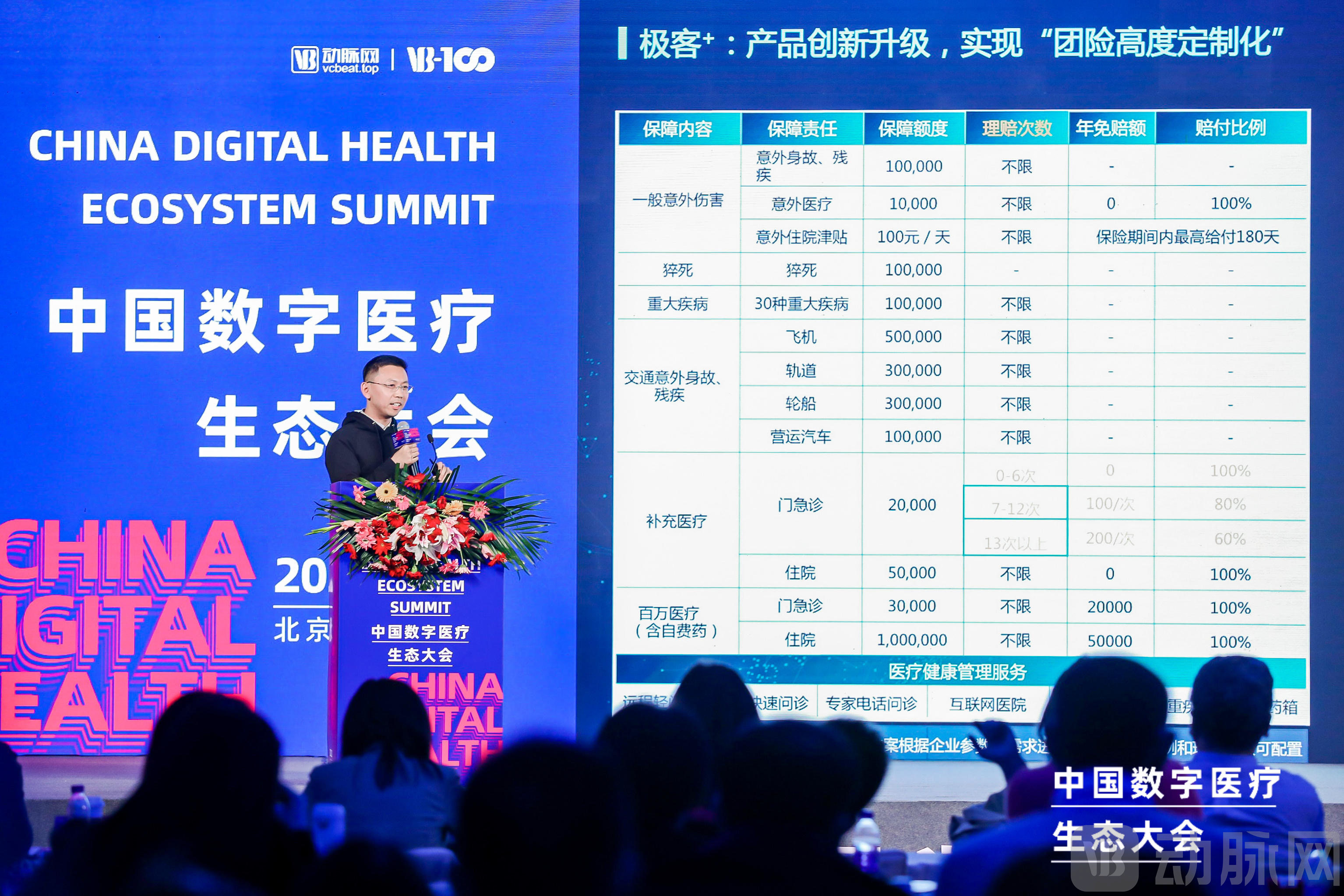
Li Shuo | Co-founder & COO, Insurance Geek
Li Shuo, Co-founder and COO of Baoxian Jike, stated that the company focuses on the corporate group insurance market. Since its inception, it has been committed to leveraging technological innovation to continuously provide intelligent health insurance and supporting medical and healthcare services to enterprises and their employees’ families. Building upon the digitalization of group insurance, Baoxian Jike has established its own claims processing and product risk control systems, enabling autonomous product design and actuarial pricing at the front end, while implementing intelligent underwriting and claims settlement at the back end. This approach significantly enhances customer experience and meets the demand for convenience. Leveraging seven years of accumulated data and analysis of de-identified customer health information, the company presents enterprise health dashboards on the business side, offering corporations deep data insights. Furthermore, Baoxian Jike has expressed its ambition to explore the health management sector and looks forward to collaborating with partners in this journey.
Roundtable Discussion on Digital HealthNew Technologies, New ModelsNew Business Formats
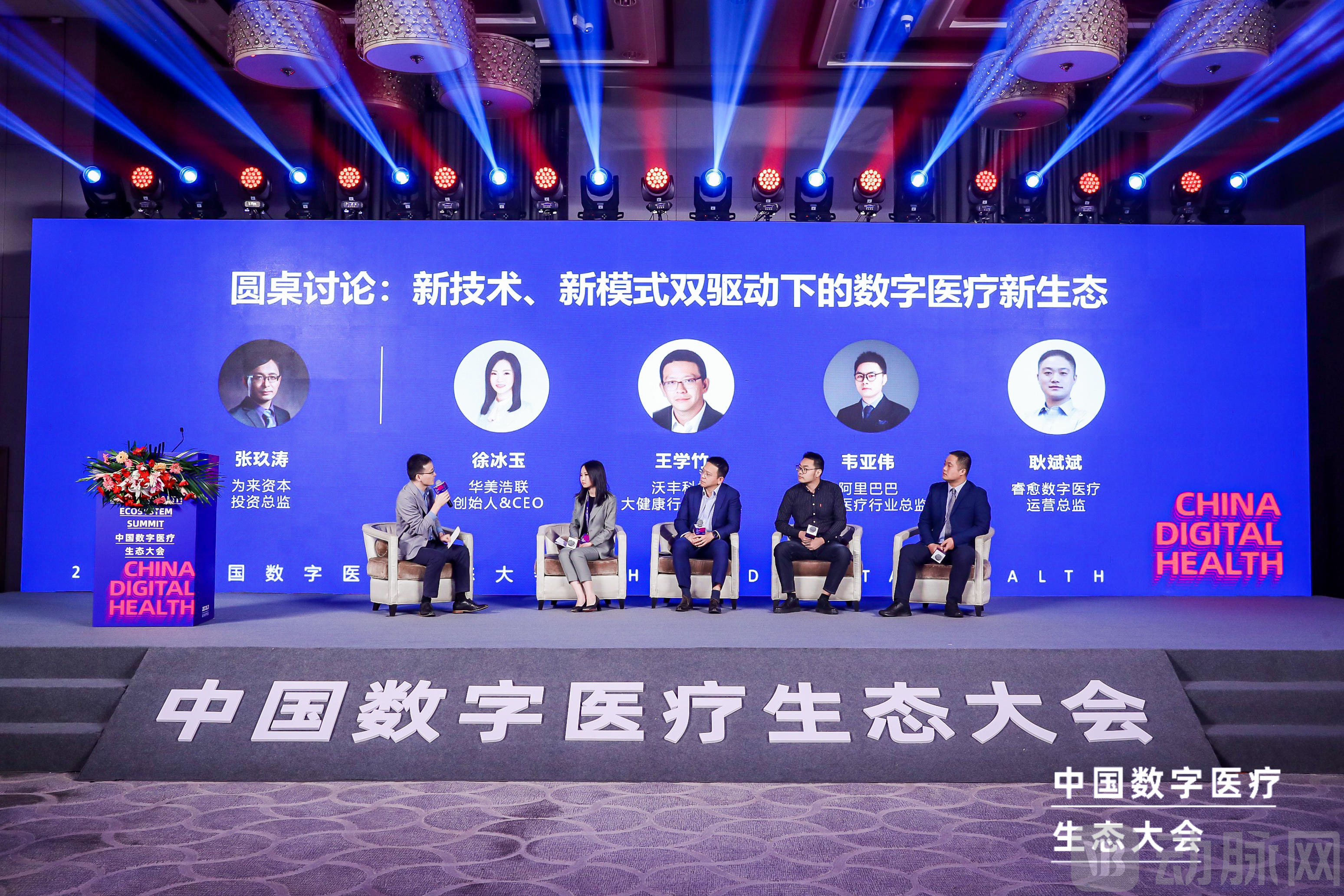
At the closing session of the conference, a roundtable discussion themed “A New Digital Health Ecosystem Driven by New Technologies and New Models” was moderated by Zhang Jiutao, Investment Director at Weilai Capital. The panelists included Xu Bingyu, Founder and CEO of Huamei Haolian; Wang Xuezhu, Head of the Healthcare Industry at Udesk Technology; Wei Yawei, Medical Industry Director at Alibaba DingTalk; and Geng Binbin, Operations Director at Ruiyu Digital Health. Drawing on their respective companies’ core businesses and current development status, the guests explored the pain points, opportunities, and challenges currently facing the industry from both technological and business model perspectives.
The essence of healthcare services lies in being patient-centric. From the patient’s perspective, whole-process health management is an inevitable trend in the future development of healthcare. Geng Binbin, Operations Director at Ruiyu Digital Health, stated that Ruiyu Digital Health has established the industry’s first database architecture by leveraging digital technologies such as artificial intelligence, big data, and IT. Building on this architecture, the company helps users create continuous, dynamic, and persistent personal health records. Whole-process health management establishes sustained and efficient communication between patients and physicians, optimizes the allocation of medical resources, and thereby promotes the development of primary care. Mr. Geng believes that as medical standards continue to improve, the disease courses of many conditions will become increasingly prolonged, and prognoses will continue to improve; however, whole-disease-course management will become progressively more challenging.
At the hospital level, hospital digitalization is key to the digital transformation of the healthcare industry. Currently, DingTalk serves more than 5,000 public hospitals across China, covering internal administrative operations, clinical care, nursing, and other segments within these institutions. Wei Yawei, Director of the Healthcare Industry at Alibaba’s DingTalk, emphasizes that whether discussing new technologies or cutting-edge innovations, they must ultimately be translated into practical applications, and the effectiveness of such applications depends on leveraging the strongest capabilities of the underlying technology. Backed by Alibaba’s robust digital infrastructure, DingTalk demonstrated its strength during critical periods of the pandemic by rapidly deploying applications to compile epidemiological data for millions of individuals, support video conferencing for hundreds of thousands of grassroots health workers, and implement digital grid-based prevention and control measures online. In routine operations, DingTalk supports in-hospital digitalization by engaging deeply with clinical departments—including physician teams—to address unmet needs. Mr. Wei noted that the essence of digitalization lies in unleashing everyone’s innovative potential. Physicians are among the most innovative professionals; enabling their thinking to gain industry-wide recognition and translate into concrete practices will truly drive innovation and development in smart hospitals.
From the perspective of payers in the healthcare ecosystem, how can digital health or health management services be deeply integrated into health insurance? Xu Bingyu, Founder and CEO of Huamei Haolian, believes that insurance companies currently face three major pain points: first, a lack of product differentiation; second, low user engagement and perception; and third, insurers occupy a weak downstream position in the value chain, leaving them unable to implement risk control during the claims waiting period. By integrating high-quality medical resources from both domestic and international markets to empower commercial insurance, Huamei Haolian has launched over 40 health management service products. This approach provides a one-stop solution covering customer acquisition, value-added services, risk control, and health insurance product innovation. It transforms low-frequency insurance interactions into high-frequency preventive behaviors, enhancing brand perception among users while shifting risk management upstream to proactively mitigate risks, thereby addressing the three major pain points faced by insurers. Mr. Xu also noted that resolving pain points in key links of the ecosystem is crucial for achieving rapid short-term expansion. Therefore, Huamei Haolian has also made strategic investments and efforts on the physician and hospital sides. Currently, Huamei Haolian has officially signed cooperation agreements with 200 Tier-3 Grade-A hospitals and 50 commercial insurance companies, providing corresponding health management services to over ten million health insurance customers.
As a provider of AI-powered intelligent customer service systems, Wang Xuezhu, Head of the Digital Health Sector at Udesk (Wofeng Technology), noted that the opportunities and challenges in the digital health industry stem from the medical products and solutions themselves, which serve as bridges to the general public. From a product perspective, how can we continue to support more platforms and enhance product efficiency? From the standpoint of the social ecosystem, how can we better adapt to China’s social environment to build bridges between doctors and patients, as well as between enterprises and institutions? From a technical perspective, how can we listen more attentively to customer needs and continuously strengthen AI capabilities to resolve scenario-specific issues? Mr. Wang believes that sustained consolidation and innovation should focus on three aspects: first, enhancing channel advantages; second, strengthening AI capabilities; and third, continuously experimenting across different scenarios.
Zhang Jiutao, Investment Director at Weilai Capital, summarized that the healthcare industry still faces numerous challenges and pain points, ranging from initial outreach to patients and individuals in sub-optimal health status and the acquisition of targeted users, to health management for chronic disease populations, and finally to innovative payment solutions at the backend. Nevertheless, we believe that time is the best remedy, and that innovators, by staying true to their original aspirations, will ultimately see the light at the end of the tunnel.
Seeking Wave Riders,We See the Future Roaring Toward Us
VCBeat VB100 has long focused on the transformative impact of digitalization on the healthcare industry. By organizing various calls for outstanding case studies, it conducts in-depth analyses of the current state of digital innovation in China’s healthcare sector and explores future models of innovation. On June 20, the “Seeking Wave Riders” campaign to solicit outstanding collaborative cases in digital healthcare was launched. On August 13, 25 exemplary cases across three domains—smart hospitals, health management, and innovative ecosystems—emerged as winners following a rigorous professional evaluation. Representatives from some of the award-winning enterprises attended the awards ceremony at the 2021 China Digital Healthcare Ecosystem Conference, where Mr. Jiang Tianjiao, Partner at VCBeat and Dean of VCBeat Institute, presented the awards on behalf of the organizers.
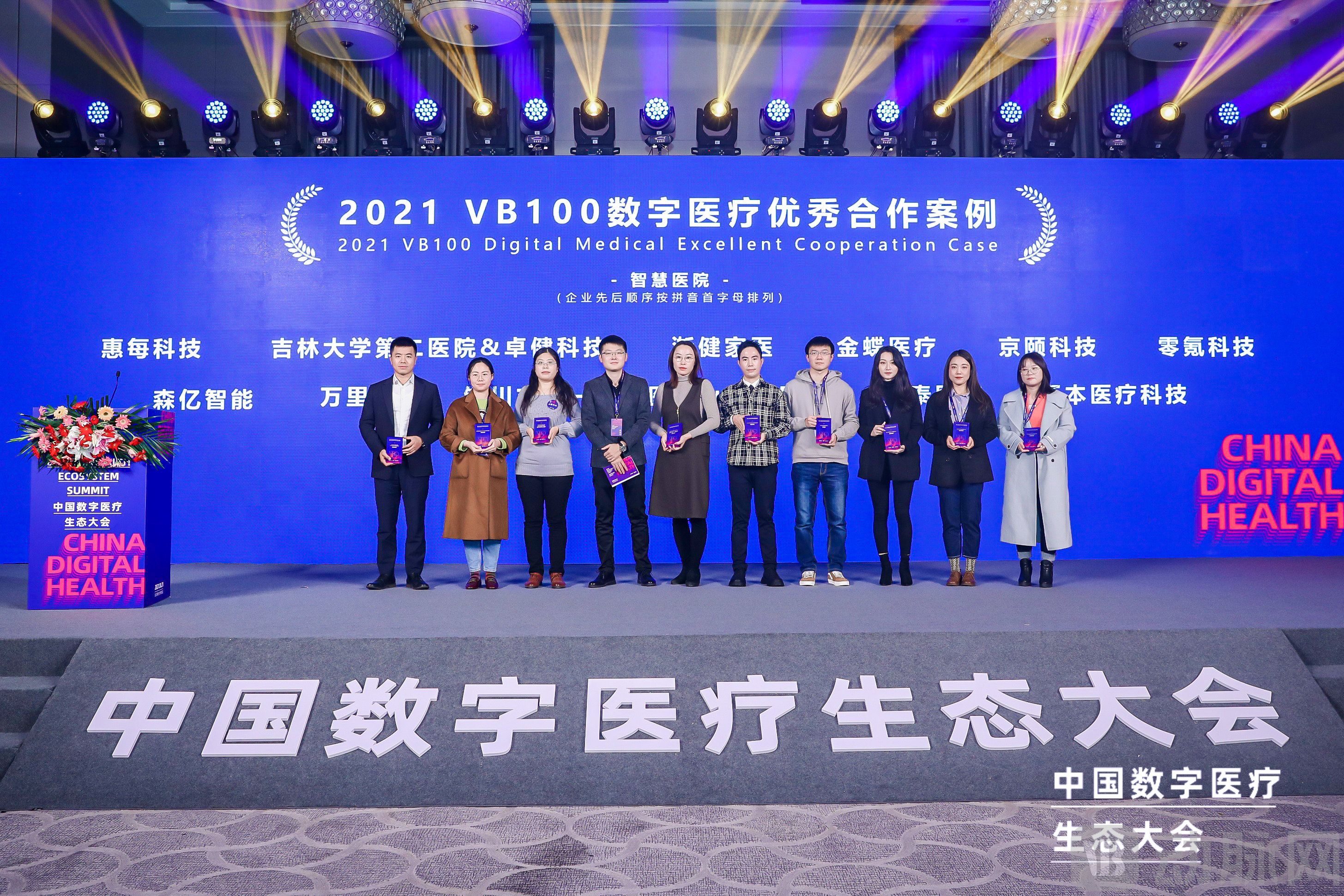
Award-Winning Companies in the Smart Healthcare Sector:Huimei Technology, The Second Hospital of Jilin University & Zhuojian Technology, Jianjian Family Doctor, Kingdee Medical, Jingyi Technology, LinkDoc Technology, Senyi Intelligence,Wanli Cloud, Yinchuan First People's Hospital & VY Orthopedics,Yuntai Network, Genetron Health (companies listed in alphabetical order by Pinyin initials)

Award-Winning Enterprises in the Health Management Sector:Orange Family, Miao Health, Ruiyu Digital Health, Shenshang Technology, Wangli Technology, Weimai, Zhengxin Technology,Zhishi Vision, Zhiying Medical (listed in alphabetical order by Pinyin)
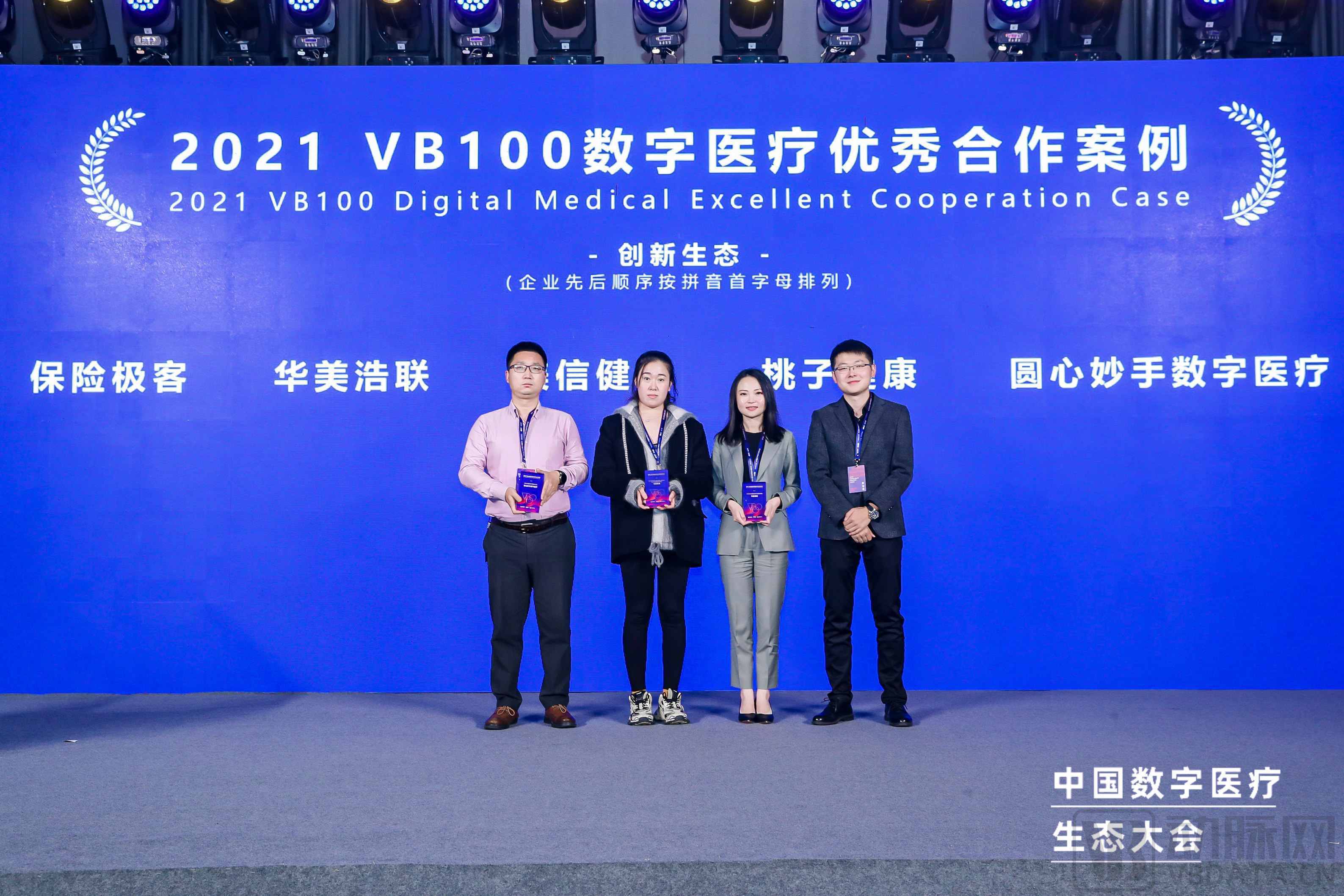
Award-Winning Companies in the Innovation Ecosystem Sector:InsurGeek,Huamei Haolian,MediTrust Health, Taozi Health,Yuanxin Miaoshou Digital Health (Companies listed in alphabetical order by Pinyin)