

Chinese Internet Tycoons Bet Big on Life Sciences: A New Era of Innovation and Investment
“For the next two decades, if I can contribute to the advancement of life sciences and medicine and make a modest contribution to public health, my life will hold greater meaning.”
Recently,Wang Xiaochuan Issues Internal Letter, Officially Announces Resignation as Sogou CEO, and States He Will Embark on a New Journey in the Fields of Life Sciences and Medicine to Create Greater Possibilities and Value.The letter specifically mentions that life sciences have been on his mind for over two decades, and leaving Sogou has provided an opportunity to embark on a new chapter. “A fulfilling farewell will propel the journey of a new life.”
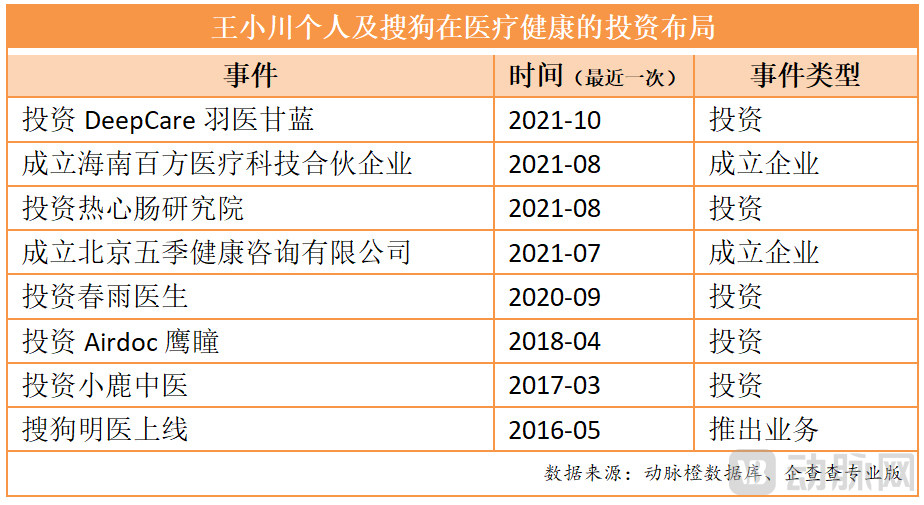
It is worth mentioning that,Wang Xiaochuan’s focus on life sciences has remained steadfast.For instance, on October 19, Wang Xiaochuan invested in DeepCare, a medical technology company specializing in AI applications for dentistry. This marked his second publicly disclosed investment this year, following his August investment in the Institute of Gut Health, a developer of gut-related medical technologies.
Not only that, as early as 2016, Sogou, under the leadership of Wang Xiaochuan, began exploring internet healthcare services by launching Sogou Mingyi. As a medical science popularization platform, Sogou Mingyi aims to provide services such as “intelligent consultation” and “doctor search” through AI technology, and subsequently introduced features like “AI Nutritionist” (2020) and “Expert Recommendation” (2021).It is not difficult to see that Wang Xiaochuan has already made inroads into the medical field through Sogou and his investment activities. His direct involvement following his resignation marks a move into deeper, more complex waters.
Interestingly, it was not only Wang Xiaochuan,Tech Titans Seem to Have a Preference for the Life Sciences Sector.For instance, this year alone, Pinduoduo founder Colin Huang and ByteDance founder Zhang Yiming both expressed a shared aspiration to enter the life sciences sector upon stepping down from their executive roles. Additionally, Baidu founder Robin Li has also demonstrated interest in life sciences, formally establishing the life sciences platform company “BioMap” last September. Meanwhile, Chen Tianqiao, founder of Shanda Interactive Entertainment, and his wife Luo Qianqian established the Chen Tianqiao and Chrissy Luo Institute in 2016, a research institution dedicated to fundamental biological research on the brain.
It is evident that after achieving notable success in their respective fields, tech giants are actively venturing into the life sciences sector. What strategic considerations lie behind this trend? How far have these initiatives progressed? Will they ultimately succeed in navigating the vast and promising frontier of life sciences? In response to these questions, VCBeat will provide a comprehensive review and analysis.
Betting on Life Sciences: Internet Titans Are Wagering Big on a New Era.
“We tend to focus more on changes in business models and updates to brand channels, rarely noticing that technological变革 is already brewing.” In an internal letter released this May, Zhang Yiming stated, “The dawn of impact from fields such as life sciences on human life is beginning to emerge.”
It should be noted that,Every technological revolution brings enormous industrial opportunities.For example, during the decade from 2010 to 2020, the widespread adoption of mobile devices and the iterative advancement of communication technologies spurred significant growth in the mobile internet sector. This boom gave rise to industry giants such as ByteDance, Didi Chuxing, Pinduoduo, Kuaishou, and Meituan in fields including content distribution, smart mobility, social e-commerce, short-form video, and new retail. Having experienced this wave of growth dividends, these internet pioneers are well aware of how enticing the non-linear growth driven by seizing the zeitgeist can be. Therefore, upon keenly sensing that the healthcare and wellness industry was on the verge of an explosion, these tech leaders naturally did not miss this industrial opportunity.
“If we do well in the healthcare sector, it could create another JD.com,” Liu Qiangdong stated when he began to lay out his strategy for the medical and health track. Years earlier, when Jack Ma proposed his “Double H Strategy (Health and Happiness),” he also predicted that the sector most likely to give rise to the next enterprise on the scale of BAT (Baidu, Alibaba, and Tencent) would be healthcare.
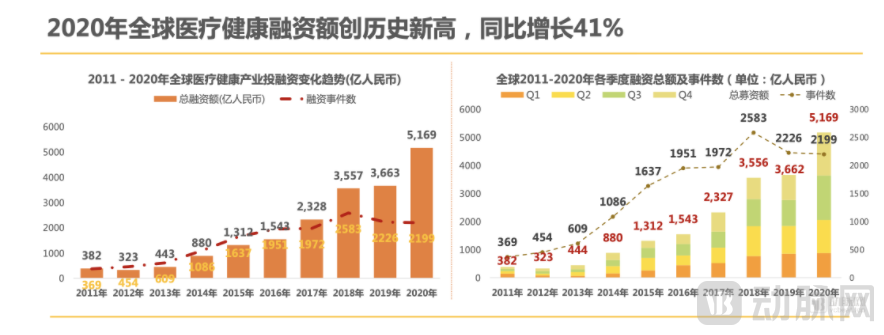
In alignment with the industry leaders,Capital has also been pouring into the life sciences sector in recent years.Data from the VCBeat database shows that in 2020, there were a total of 2,199 financing events in the global healthcare industry, with the total financing amount reaching a record high of $74.9 billion (approximately RMB 516.93 billion), a year-on-year increase of about 41%. Among these, biopharmaceuticals, characterized by high R&D complexity, led all subsectors with $36.9 billion in financing.
Beyond the venture capital sector, at the national level, biopharmaceuticals and general health have also become top priorities in the 14th Five-Year Plan: In the recently released “14th Five-Year Plan for the Development of the Biopharmaceutical Industry,”The State has once again emphasized the strategic emerging industry status of the biopharmaceutical sector, clearly calling for accelerated development of industries such as biopharmaceuticals to strengthen and expand the bioeconomy.
It is not difficult to see that, from multiple perspectives, the life sciences sector is in a significant historical window of opportunity for major industrialization-driven growth.
Of course, technological shifts, national prioritization, and industrial opportunities are all external factors, while the choices made by internet tycoons naturally have internal drivers as well.
The first reason is that some industry leaders themselves have a deep passion for life sciences. Take Zhang Yiming as an example: when he was admitted to Nankai University in 2001, he applied for a major in biology, but later entered the field of computer science due to academic adjustment.
The second reason, or perhaps the primary driver for more industry leaders to enter the life sciences sector, is to identify the second or third growth curve for their companies’ future development.As Huang Zheng stated when he stepped down as Chairman of Pinduoduo earlier this year, he would subsequently devote himself to research in the fields of food science and life sciences, exploring new avenues for high-quality, in-depth development for Pinduoduo a decade from now.
In fact, many internet giants have already ventured into the healthcare sector and achieved notable success. For instance, Ali Health and JD Health are publicly listed companies with market capitalizations each exceeding RMB 100 billion, while Baidu Health, Xiaohe Health (under ByteDance), and Kuaishou Health have also been actively operating in this field for some time.
"Facing the vast market and opportunities in healthcare, major internet giants have already embarked on their journey.", where do they currently stand? What respective paths have they chosen?
Although internet giants have collectively embarked on the journey into life sciences, their chosen paths differ; broadly speaking, they can be categorized into three types.
The first category is the research funding advocates, wherein tech industry leaders establish scientific awards through donations to reward scientific research, thereby inspiring more individuals to engage in life sciences research.
Prominent examples include Lenovo Group CEO Yang Yuanqing and Baidu founder Li Yanhong. In 2015, together with Xu Xiaoping, founder of ZhenFund, Professor Rao Yi of Peking University, and several other scientists and entrepreneurs, they co-founded the Future Forum. At this forum, they announced the establishment of a privately funded science award, which was officially launched in 2016 as the “Future Science Prize.” The prize features three categories, including “Life Science,” with each category carrying a cash award of US$1 million.
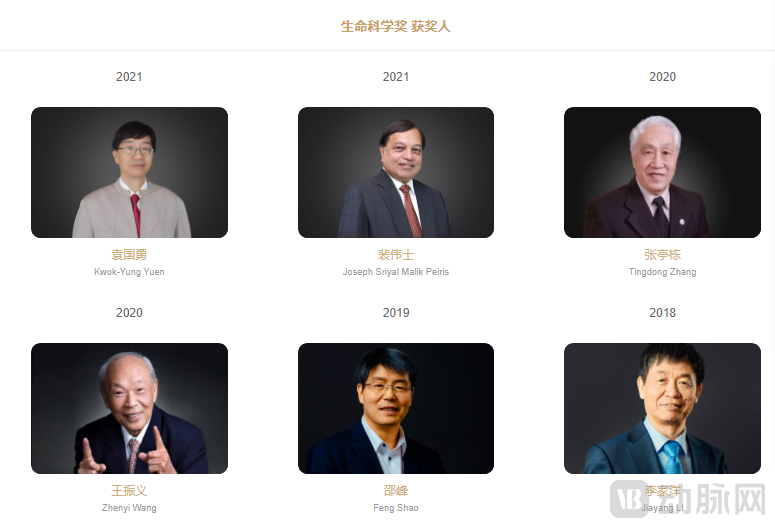
(Some winners of the Future Science Prize in Life Sciences. Image source: Official website of the Prize Organizing Committee)
“Sweden has the Nobel Prize, Hong Kong has the Shaw Prize, and the Future Science Prize, as a rising star, will exert an even more profound influence,” commented Academician Yang Chen-ning. He noted that the Future Science Prize is the first award established in China by a non-governmental public welfare organization and initiated by entrepreneurs, filling the gap for authoritative, non-governmental science and technology awards in China.
Pinduoduo founder Colin Huang is also actively advancing toward the frontier of life sciences. Last year, he announced that he and his founding team would jointly donate 2.37% of Pinduoduo’s shares to establish the “Fanxing Charitable Foundation.” The first phase of funding will involve a $100 million donation to the Zhejiang University Education Foundation over the next three to five years, dedicated to promoting scientific research in fields such as biomedicine.
The second category is the investment-oriented group, in which internet industry leaders invest in healthcare and wellness-related projects through corporate funds, personal capital, or family offices.
For instance, Wang Xiaochuan, who has announced his resignation, along with Sogou, has invested in several well-known health-tech companies such as Airdoc, Chunyu Doctors, and Xiaolu TCM, in addition to the aforementioned investment activities.
On another front, Shanda founder Chen Tianqiao and his wife, Ms. Luo Qianqian, invested RMB 50 million this July to facilitate the collaboration between the Tianqiao and Chrissy Chen Institute (TCCI) and the Shanghai Mental Health Center in establishing an Artificial Intelligence Mental Health Laboratory.
Jack Ma has been strategically positioning himself in the healthcare sector through his Yunfeng Capital, with investments spanning seven years. According to data from Yunfeng Capital, as of April this year, it had invested in more than 190 companies. The healthcare segment has become one of Yunfeng Capital’s three major investment sectors, accounting for one-third of its total portfolio. Notable portfolio companies include GemPharmatech, Taimei Medical Technology, Brii Biosciences (Tengsheng Boyao), CortiCare Biopharma, and WuXi Diagnostics.
The third category is the “hands-on” approach, in which internet tycoons or their companies personally spearhead expansion into healthcare and wellness-related businesses.
For instance, last year, ByteDance, founded by Zhang Yiming, entered the pharmaceutical and general health sectors by establishing a dedicated health business unit named “Aurora,” which operates under the unified brand “Xiaohe Health” and is led by former Baidu Vice President Wu Haifeng. ByteDance has currently formed a layout in the healthcare sector characterized by “dual online and offline channels, with simultaneous advancement of services and R&D.”
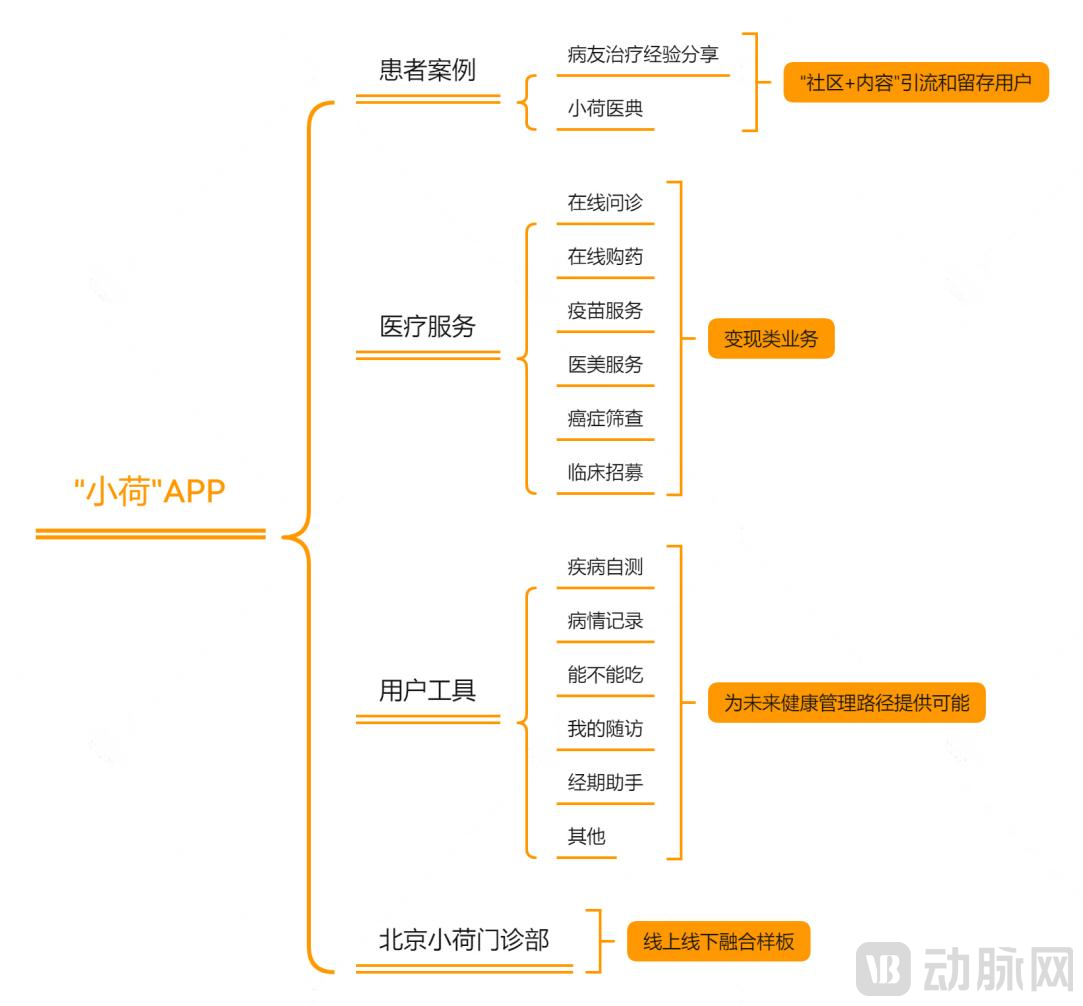 (Business Structure of ByteDance’s “Xiaohe” App, Chart by VCBeat)
In addition to building Baidu Health, Robin Li personally initiated and founded the life sciences platform company “Biotope” last September. The project aims to develop innovative drugs by combining AI technology with cutting-edge biotechnology to build unique capabilities in target discovery and drug design.
In summary, tech giants have long maintained a sustained and in-depth focus on life sciences. However, based on current progress, three major challenges remain.
Challenge One: The internet healthcare sector, where industry leaders are heavily concentrated, still has an immature business model.Looking at the strategic layouts of internet tycoons and their companies, most are still concentrated in the internet healthcare sector. The reason is that, as internet giants, they possess substantial user traffic and digital talent, giving them a natural advantage in expanding into this field.
However, it is undeniable that, apart from pharmaceutical sales, the business models for other services in the internet healthcare industry remain immature. Services such as online appointment registration, triage, medical navigation, and mobile access to laboratory test results face intense competition due to homogenization. Meanwhile, market education for telemedicine, online diagnosis, and online doctor-patient interactions still requires time. Therefore, tech giants must make concerted efforts to enhance the efficiency and quality of medical services, deliver greater incremental value to the healthcare sector, and help unlock more possibilities for sustainable business models within the industry.
Challenge 2: Possessing sufficient judgment and understanding of frontier areas in healthcare.Entering and investing in the life sciences sector requires a clear understanding of technology and industry dynamics, with a strong emphasis on translating early-stage scientific achievements into practical applications to seize emerging trends. Furthermore, given the relatively long cycles of the healthcare industry and the substantial resource allocation required across the value chain, participants must possess significant depth of experience and accumulated expertise. Therefore, developing robust industry insight represents a critical hurdle that internet industry leaders must overcome.
Challenge 3: The healthcare industry operates on fundamentally different logic than the internet industry.Tech giants are accustomed to internet-industry strategies such as “rapid iteration” and “scale effects.” However, healthcare is a “slow-moving” industry. It is therefore important to recognize that, despite possessing abundant tech talent, ample capital, massive user traffic, and even strong distribution channels, internet giants may make rapid headway when initially entering niche healthcare segments, yet they have proven to lack sufficient momentum when navigating the industry’s more complex and deeply entrenched challenges.
For instance, Haven, the health insurance company jointly established by three giants—Amazon, JPMorgan Chase, and Berkshire Hathaway—served as the customer channel and payer within Amazon’s broader healthcare ecosystem. Although it gained significant prominence at its inception, Haven ultimately ceased operations by the end of February this year due to poor management stemming from a superficial understanding of the industry and unclear business objectives. IBM also underwent a major retreat this year, divesting its star medical AI project, Watson Health, which had been in operation for a decade.
However, it is important to recognize that as tech giants delve into the life sciences sector, they are also integrating the “DNA” of digital technology into the healthcare and wellness industry, thereby unlocking greater possibilities for the entire sector.
For example, the field of new drug development faces significant challenges, including high risk, high complexity, and lengthy timelines. According to data from the British journal Nature, the cost of developing a new drug is approximately $2.6 billion, the process takes about 10 years, and the success rate is less than one in ten.
Companies represented by AI are striving to address this issue. For instance, BioMap, initiated by Robin Li, leverages advanced computing and biotechnology to efficiently extract knowledge from multi-omics biological data, high-throughput validation experiments, and drug development experience. By mapping disease targets and drug design, it transforms drug discovery from a “needle in a haystack” challenge into a systematic, map-guided process, thereby enhancing the R&D efficiency for itself and its partners, with the ultimate goal of developing global first-in-class original drugs.
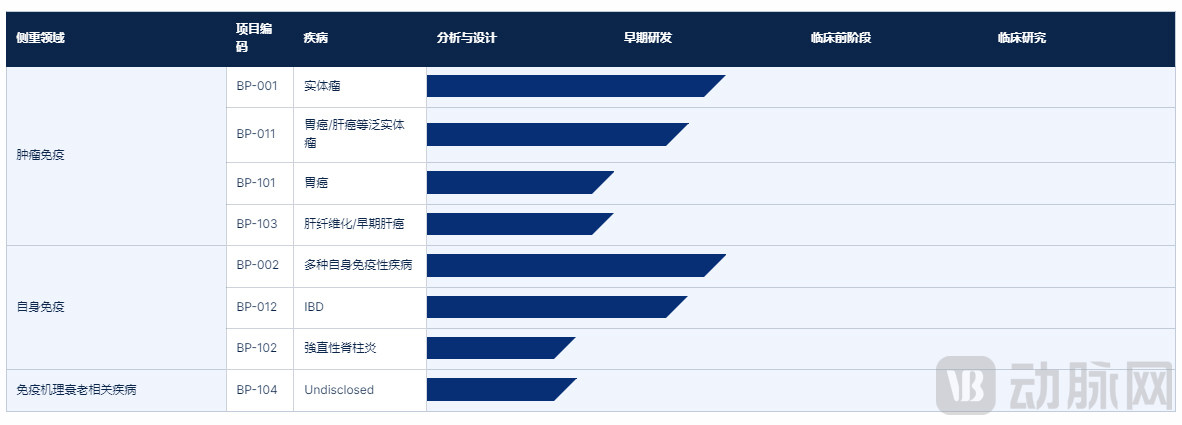 (BioMap’s Drug Pipeline Under Development. Image source: Company official website)
Although this path remains to be tested by time, the entry of industry leaders has undoubtedly provided impetus for the transformation and upgrading of the healthcare sector.
Standing at a critical juncture of industrial transformation driven by a new wave of technological revolution, entities ranging from the nation down to enterprises and individuals have the opportunity to leverage this trend, position themselves at the forefront of innovation, and usher in another chance for non-linear growth.
However, it is important to note that this industrial transformation differs from the period of rapid internet expansion, as it is more oriented toward primary technological innovation. It should be recognized that,Innovation is not “low-hanging fruit” that can be easily picked; therefore, it requires substantial talent, funding, and resources.
From a national perspective, innovation has been placed at the core of China’s modernization drive. Relevant data show that China’s basic research expenditure has long accounted for approximately 5% of total R&D investment. In 2019, it surged by 22.5%, exceeding 6% for the first time. It was projected to reach 8% in 2020, with a target of 15% by 2025. By then, China’s total R&D spending is also expected to surpass that of the United States. It is not difficult to see thatChina is placing increasing emphasis on basic research.
From the perspective of industrial development, policies,Capital is increasingly focusing on and prioritizing the life sciences sector, driving heightened enthusiasm in niche areas such as innovative drugs and novel medical devices.For instance, cutting-edge niche sectors such as brain science, neurointerventional procedures, artificial heart-lung machines, and antibody-drug conjugates have frequently secured financing in recent years, attracting top-tier investment institutions including Hillhouse Capital, Sequoia Capital, SoftBank, Matrix Partners China, and China Renaissance.
Therefore, it is foreseeable that the venture capital boom in the healthcare and wellness sector will continue over the next decade, attracting more internet tycoons to invest or even personally enter the market, which will inevitably propel the entire industry toward greater development.
In this wave of the life sciences industry, primary innovation will undoubtedly be the most eye-catching label.