

China Eye Valley Files Prospectus to Advance Its 'Medicine-Industry-Research' Ecosystem and Full-Chain Eye Health Development
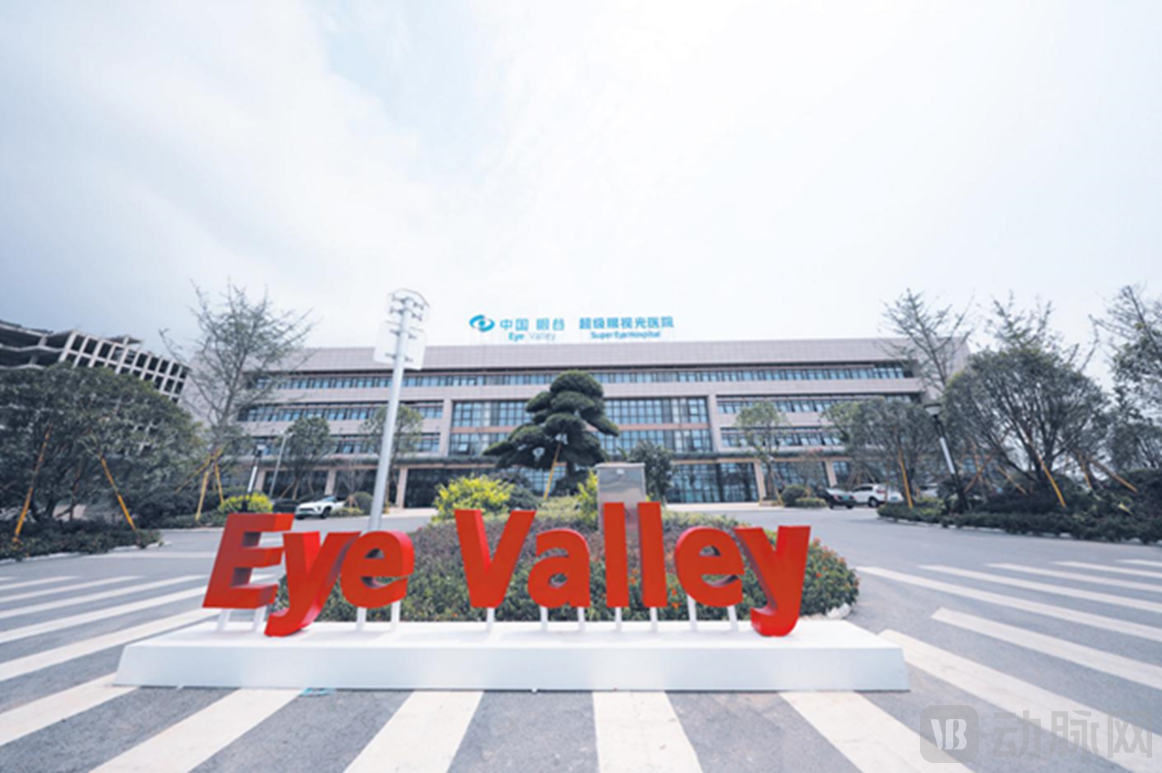
Last June, “China Eye Valley,” the world’s first integrated hub for eye health innovation and industry, as well as a cluster for technology and talent, jointly established by the Eye Hospital of Wenzhou Medical University—a leader in the field of ophthalmology—and the Longwan District People’s Government, officially opened.
The mission of the park is to leverage its position within the Wenzhou National High-Tech Industrial Development Zone and the National Independent Innovation Demonstration Zone, relying on the ophthalmology and optometry disciplines of Wenzhou Medical University and three national-level technological innovation platforms. By gathering advanced global concepts and resources, it aims to promote the development of the entire eye health value chain and comprehensively establish a world-class hub for scientific research and development, industrial incubation, academic exchange, high-end medical care, and the aggregation of innovative talent.
Since the opening of the Central Incubation Park, China Eye Valley has entered a phase of rapid development. Within just 16 months, it has established partnerships with 36 investment and financial institutions, registered 109 technology-based enterprises, and co-established 17 joint research institutes with multinational corporations and listed companies. Five companies secured a total of RMB 480 million in financing this year, demonstrating an exceptionally fast pace of overall development.
Why has China Eye Valley developed so rapidly? What is the underlying logic behind its layout in the eye health industry? How do the government and the industrial park work in synergy? With these questions in mind, VCBeatYesAn interview was conducted with the relevant person in charge of China Eye Valley, aiming to exploreThe Underlying Reasons and Development Logic Behind Eye Valley’s Strategic Layout in the Eye Health Industry,To unlock the key to accelerating the rapid growth and expansion of the medical and healthcare industry cluster.
Targeting a Trillion-Yuan Industrial Cluster to Tackle the “Chokehold” Challenges in the Eye Health Industry
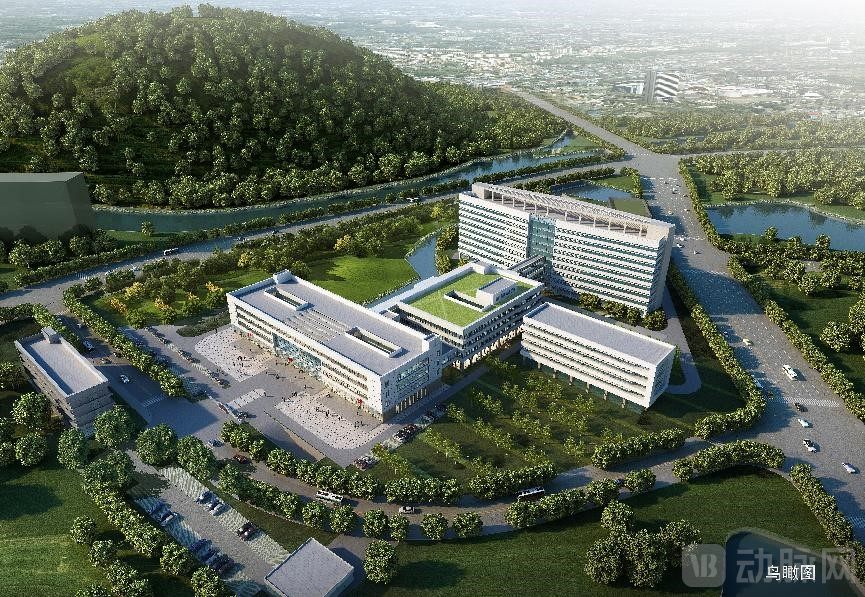
Back in January 2018, Longwan District in Wenzhou was looking to build a high-tech industry cluster valued at tens of billions of yuan and urgently needed an entry point. At that time, Wenzhou Medical University boasted strengths in scientific research, talent, and cost efficiency, but lacked industrialized outputs. During a meeting, the two parties quickly reached a consensus and signed an agreement to jointly establish an International Innovation Complex. In September 2018, construction began on China Eye Valley. On June 30, 2020, the Central Incubation Park, located along the Oujiang River, officially opened.
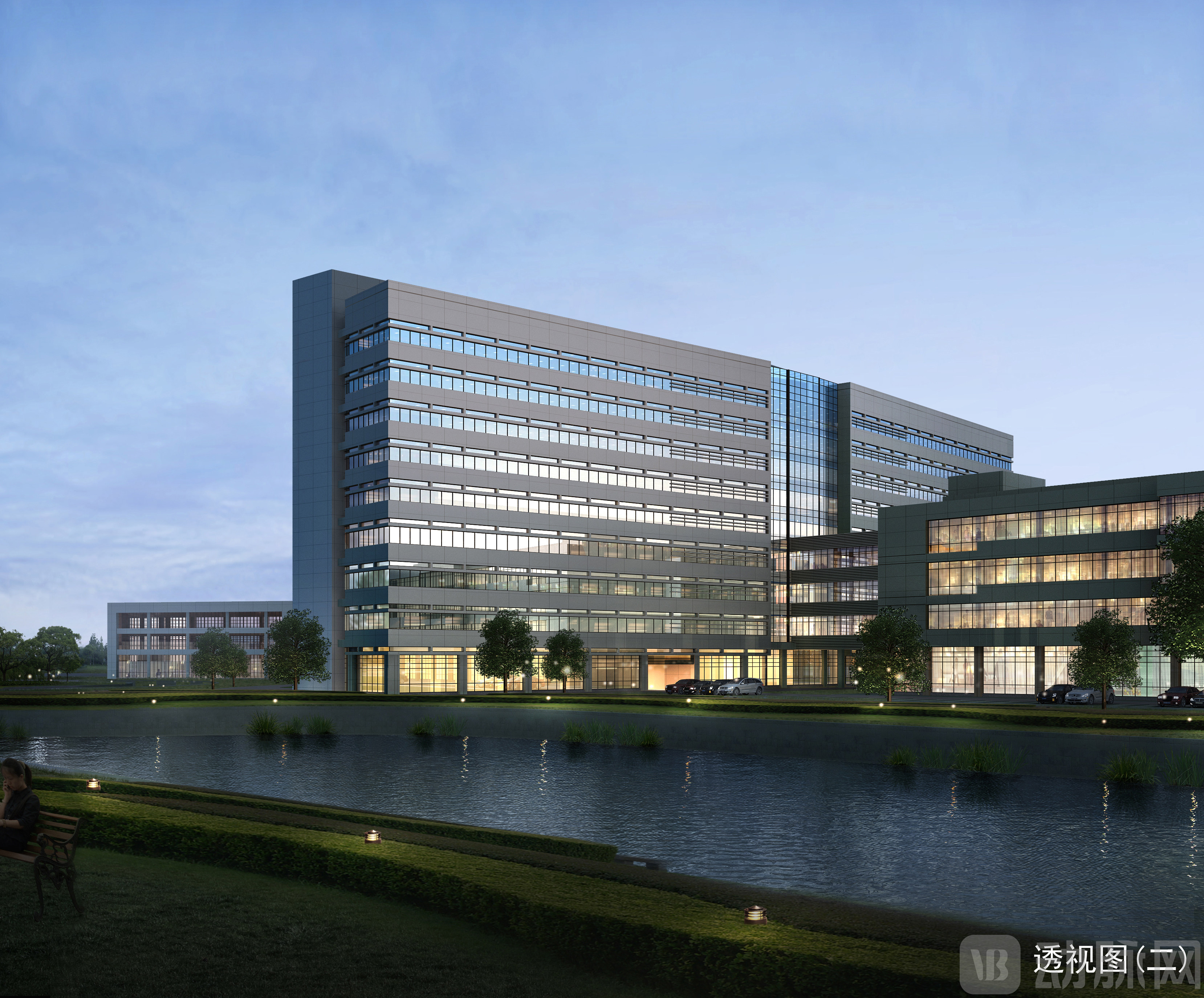
The Central Incubation Park has a total floor area of 80,000 square meters. The park offers diverse functionalities, including a hospital clinical platform, a research translation platform, co-working incubation spaces, and a comprehensive talent training and education system, providing end-to-end support for startups and innovative enterprises in the field of optometry and ophthalmology. The central incubation building stands nine stories tall with an area of 24,000 square meters, equipped with standard facilities required by incubated enterprises, such as a one-stop public service hall, roadshow hall, cafeteria, standardized incubation spaces, conference rooms of various sizes, negotiation rooms, public communication areas, open co-working units, and fitness zones. Innovative enterprises can move in with ease and enjoy comprehensive supporting services.
A representative from China Eye Valley stated, “China Eye Valley focuses on the eye health sector within the biopharmaceutical industry, which represents a prime niche market. Visual health spans the entire lifecycle, driving robust consumer demand—from strabismus and amblyopia in children and adolescents, to visual fatigue and dry eye syndrome in young and middle-aged adults, and presbyopia, cataracts, and glaucoma in the middle-aged and elderly population. We refer to this as ‘a small incision yielding a large industry’ because while most ophthalmic surgeries today are minimally invasive (small-incision) procedures, this narrow focus has the potential to develop into a substantial industry.”
According to data from the Ministry of Health, the incidence of cataracts among elderly individuals aged 71–80 in China reaches 29%, while it rises to as high as 48% among those aged 81 and above. Furthermore, the White Paper on Eye Health in China indicates that the overall prevalence of myopia among children and adolescents in China is 53.6%, with the rate among college students exceeding 90%.
Behind the massive data lies the vast market potential of the eye health industry. It is reported that in 2020, the global health industry was valued at $200 billion, while China’s stood at RMB 200 billion. The eye health consumption of China’s 1.4 billion people is only comparable to that of France, which has a population of 67 million. Based on proportional calculations, China’s per capita eye health expenditure is merely 1/25th of France’s, indicating that the sector is currently in a period of high growth.
According to Frost & Sullivan, the market size of China’s ophthalmic medical services increased from RMB 73 billion in 2015 to RMB 127.5 billion in 2019, representing a compound annual growth rate (CAGR) of 15%, and is projected to further grow to RMB 223.1 billion by 2024. Core industries derived from eye health—including optometric equipment, visual optics, ophthalmic materials, ophthalmic pharmaceuticals, smart ophthalmic healthcare, vision extension, and future technologies—are poised to form a trillion-yuan industrial cluster in the near future.
The person in charge stated: “Due to the high level of technical expertise required, Fortune 500 companies have captured over 80% of the global market for the eye health industry, resulting in significant ‘chokepoint’ vulnerabilities. The import dependency rates for functional lenses, optometric instruments, and ophthalmic materials are 100%, 94%, and 90%, respectively. There is substantial demand for domestic substitution, and the industry prospects are highly promising.”
Backed by a Leader in Ophthalmology: Wenzhou Medical University’s Longstanding Commitment to Eye Health

Behind China Eye Valley’s focus on eye health lies the long-standing commitment of Wenzhou City and Wenzhou Medical University to this field, whose unique advantages have provided strong internal momentum for building a comprehensive eye health industry chain at China Eye Valley.
Wenzhou, historically known as the Ou region, was first named Wenzhou during the Tang Dynasty. With a city-building history spanning over 2,000 years, it is designated as a National Famous Historical and Cultural City. Renowned both domestically and internationally for its remarkable mountains and picturesque waters, Wenzhou enjoys the reputation that “the landscape of Southeast China is the finest under heaven, and Wenzhou’s landscape is the finest in Southeast China.” Located in the middle section of China’s Golden Coastline and in southeastern Zhejiang Province, Wenzhou borders the East China Sea to the east, northern Fujian Province to the south, the Lishui region to the west, and Taizhou City to the north. It serves as the economic, cultural, and transportation hub of southern Zhejiang.
Among Wenzhou’s many city brands, the “Wenzhou Spirit” is widely recognized. The ethos of “daring to be the first and excelling in entrepreneurship and innovation” aligns perfectly with the development and exploratory efforts of China Eye Valley.
In August 2018, Wenzhou took the lead nationwide in launching the “Bright Eyes and Healthy Teeth” initiative, focusing on addressing prominent challenges such as the high prevalence and increasing trend of myopia at younger ages among children and adolescents. In 2019, Wenzhou pioneered a citywide, comprehensive myopia screening program for primary and secondary school students, covering nearly 1.1 million students across all schools in the municipality. Meanwhile, networked myopia detection equipment was deployed in schools to measure not only visual acuity but also refractive error, ensuring authentic and reliable results.
Furthermore, lifelong visual health records have been established for children and adolescents, adhering to the principles of “one file per individual, portable across regions, and immutable,” to accurately and dynamically monitor indicators such as myopia prevalence and correction rates among primary and secondary school students in the city, along with their trends. Based on this data, the platform can automatically issue alerts and provide precise solutions for children through a professional team specializing in optometry and ophthalmology. During the COVID-19 pandemic last year, the Ministry of Education selected Wenzhou as a national pilot city for myopia prevention and control among children and adolescents.Enterprises and researchers at Eye Valley have assisted Wenzhou in completing vision screenings for 1.1 million children for six consecutive times, integrated big data on myopia prevention and control, and developed a series of innovative myopia prevention and control products, such as AI-based diagnosis and multifocal optical lenses.At the same time, it facilitated Wenzhou’s selection as the sole “National Pilot Demonstration Zone for Visual Health Management among Children and Adolescents” and promoted its model to multiple provinces and municipalities across China, making outstanding contributions to advancing eye health services in China.
As the cornerstone of China Optics Valley, the Eye Hospital of Wenzhou Medical University began systematically conducting research in optometry and ophthalmology as early as the 1970s. In 1980, the State Council granted Wenzhou Medical College (later renamed Wenzhou Medical University) the authority to confer master’s degrees in three disciplines: ophthalmology, internal medicine (respiratory system), and pediatrics, making it among the first batch of institutions to receive such approval. The faculty has expanded rapidly, with teaching standards improving year by year, and remarkable achievements have been made in scientific research and discipline development.
In 1959, Professor Miao Tianrong, the founder of optometry in China, invented the “Logarithmic Visual Acuity Chart,” and was commended by the State Council at the National Science Conference in 1978. In 1988, his graduate students, Professor Wang Guangji and Professor Qu Jia, after comparing ophthalmic and optometric education both domestically and internationally,Pioneered an integrated model of ophthalmology and optometry. Since its establishment, through the efforts of several generations, it has forged a development path that aligns with advanced international optometry education while retaining distinct Chinese characteristics, earning acclaim both domestically and internationally as“The Wenzhou Model in China”, it is still hailed as “one of the best optometry education models in the world.”
As China’s first ophthalmology and optometry hospital, the Eye Hospital of Wenzhou Medical University has become the largest, most comprehensively equipped, and most capable eye health medical center and R&D hub in the country. The hospital offers general ophthalmology services along with 24 subspecialties, handling over 900,000 outpatient visits annually. Its Scientific and Technological Evaluation Metric (STEM) has consistently ranked it No. 1 among specialized ophthalmic hospitals in China’s Comprehensive Hospital Rankings.
Backed by robust scientific research capabilities, China Eye Valley appears particularly “attractive.” To date, listed companies stationed in China Eye ValleyShingyi Ophthalmic, Menicon, Aierbo Nuode, Berry Genomicscomprehensively deploying cutting-edge interventions for myopia control, including pharmaceuticals, advanced optical devices, and innovative genetic testing products,More than 30 technology companies, including Qingda Optometry, Mingde Lighting, Youyan Technology, and YunshiguangFocusing on key technologies for myopia prevention and control, including digitalized population-based myopia screening, big data-driven decision-making, remote refraction and fitting, healthy lighting, and visual function rehabilitation, we will comprehensively implement industry solutions and continuously advance the development of the entire optometry and ophthalmology industry chain.
China Eye Valley continues to focus onSmart ophthalmic hardware and software, high-precision optical imaging, AI-assisted ophthalmic diagnosis, ophthalmic biological therapy, functional corrective lenses, myopia prevention and control technologies, and other critical frontier technologies prone to supply chain bottlenecksIntroduce a batch of high-level industrial projects to establish high-end leadership, and leverage their role in attracting and nurturing talent as well as serving as “smart enclaves.”Introduced over 50 entrepreneurial projects led by teams of academicians, National Distinguished Young Scholars, and high-level overseas talents., providing strong support for the park’s overall technological positioning and product excellence.
Convergence of Multiple Advantages Propels Rapid Growth of the Eye Valley Ophthalmic Health Industry
Examining the advancement pathways of leading industrial clusters both in China and abroad, it is evident that industrial development must be closely integrated with local resources. For Optics Valley, this means leveraging its concentration of multiple advantages—including scientific research capabilities, talent, policy support, and capital—which are of significant importance to industrial growth.
First, a unique management structure.Pioneering a New Model for the Development of Specialized Industries, Led by the Government and Driven by Top-Tier Research Hospitals. The Longwan District Government and the Eye Hospital of Wenzhou Medical University have innovatively established a two-tier management platform model. The first tier consists of a joint council formed by the Longwan District Government and the Eye Hospital, with co-chairs. The second tier comprises the International Innovation Center for Optometry and Ophthalmology and Yangu Technology Development Co., Ltd., inIndustrial R&D, technical services, functional services, as well as industrial incubation, startup support, and financial servicesaspects to provide comprehensive support for enterprises. Meanwhile, the two parties have also established“One Joint Conference and Four Special Task Forces”(Joint Conference and Special Task Forces for Talent Attraction, Development and Construction, Industrial Investment Promotion, and Approval Services) innovate collaborative operational mechanisms to promptly address policy-related and bottleneck issues encountered during the development process.
Second, comprehensive policy support.The innovative government-hospital collaborative management framework has also provided comprehensive policy support to China Eye Valley. Wenzhou City has enhanced the influence and appeal of “China Eye Valley” through policy measures such as innovating enterprise support and development mechanisms, advancing the construction of scientific and technological innovation platforms, and reforming talent finance mechanisms. For instance, Wenzhou introduced the “12 New Policies for Biopharmaceuticals,” under which enterprises settling in the valley are eligible for a reward policy of “three years of full exemption and two years of 50% reduction” based on their comprehensive contribution, effective from the date they commence production and tax payments. Leading talents at sci-tech innovation platforms have been granted greater autonomy in managing personnel, finances, materials, and technical routes. Additionally, Wenzhou has launched pilot “talent enclave” initiatives, evaluating settlement benefits for talents based on the practical implementation of their R&D achievements, thereby attracting global intellectual resources to serve China Eye Valley.
In terms of strengthening original innovation capabilities, the policy measures point out thatRewards will be granted in three stages for innovative drugs and improved new drugs independently developed by enterprises: upon obtaining approval to conduct clinical trials, upon completion of Phase I and Phase II clinical trials, and upon completion of Phase III clinical trials.. For each individual product, one-time rewards of RMB 6 million, RMB 12 million, and RMB 8 million are granted for innovative drugs; one-time rewards of RMB 3 million, RMB 12 million, and RMB 8 million are granted for improved new drugs.
Longwan District has also tailored the “Six Measures for Eye Valley” special preferential policies and detailed implementation rules, providing direct support in six areas, including the research and development and registration certification of ophthalmic pharmaceuticals and medical devices.
3. Robust scientific research capabilities.Wenzhou Medical University Eye Hospital has spearheaded theoretical innovation in the development of the eye health industry both nationwide and globally, ranking first in China for scientific and technological output for three consecutive years. China Eye Valley integrates the resources of the Eye Hospital, introducing three national-level scientific and technological platforms: the State Key Laboratory of Ophthalmology, Optometry and Visual Science, the National Engineering Research Center for Ophthalmology and Optometry Technology, and the National Clinical Research Center for Ocular Diseases. Earlier this year, it was also approved to establish the NMPA Key Laboratory for Clinical Research and Evaluation of Ophthalmic Drugs and Medical Devices, as well as the Zhejiang Provincial Medical Products Administration’s Flexible Workstation for Medical Device Innovation and Approval.Preliminarily established an integrated innovation service complex for eye health, combining government-business services, investment and finance, intellectual property, clinical research, product registration, and market promotion., striving to build a globally leading innovation and industrial cluster for eye health with the potential to reach a scale of RMB 100 billion.
In response, the representative stated, “Companies incur substantial costs in conducting clinical trials. According to international data, new drug development typically requires 10 years and an investment of hundreds of millions of yuan, while medical devices need at least 3–5 years to complete all regulatory procedures and achieve market launch. Therefore, clinical trial platforms are crucial for R&D enterprises. China Eye Valley can help companies reduce clinical trial costs, streamline clinical trial processes, and shorten inspection and registration timelines, enabling them to seize first-mover advantages in the market—a significant benefit.”
Fourth, the advantage of talent agglomeration.Since its inception, China Eye Valley has introduced more than 50 entrepreneurial projects led by academician teams, National Distinguished Young Scholars, and high-level overseas talents, significantly enhancing the park’s overall technological standing and product sophistication. In addition, the School of Ophthalmology and Optometry of Wenzhou Medical University isChina's Largest Talent Training Base for Optometry and Vision Science Professionals, it has developed a comprehensive higher education system in optometry and vision science, covering undergraduate and junior college programs, a “5+5” integrated master’s-doctoral program, master’s and doctoral programs, and continuing medical education. It has trained nearly 5,000 specialized professionals in optometry and vision care. The Eye Hospital annually trains more than 140 ophthalmologists, accounting for one-eighth of the national total, with this proportion continuing to rise.
5. Fund-based Investment Promotion Model.To further strengthen financial services and boost the development of enterprises within the industrial park, China Eye Valley has established an investment institution database in collaboration with 36 investment fund companies, launched a RMB 1.2 billion fund dedicated to the specialized development of the health industry, and partnered with major banks to create a RMB 10 billion fund pool, thereby leveraging high-quality projects to attract premium investment. Furthermore, a significant innovation in China Eye Valley’s investment promotion strategy involves encouraging these fund companies to bring their high-value client projects or enterprises to settle in the valley.
Build a Highland for “Medical Research and Innovation” to Drive the Eye Valley Toward Further High-Level, High-Quality Development
Currently, China Eye Valley is actively establishing partnerships with overseas entities to introduce advanced clinical translation models, thereby supporting the healthy development of China’s optometry and ophthalmology industry. The collaborations are primarily categorized into three types, the first of which isBasic Research, Eye Valley has collaborated with The Jackson Laboratory in the United States, the Paris Vision Center, and the Singapore Institute of Bioengineering and Nanotechnology to jointly establish a Laboratory for Precision Medicine in Ophthalmology; secondly,Clinical Trials, Eye Valley has partnered with the Bascom Palmer Eye Institute in the United States, which has consistently ranked first nationwide in ophthalmology, as well as Moorfields Eye Hospital, the largest eye hospital in Europe. Third,Technology Transfer, Eye Valley collaborates with PLUG&PLAY, the world’s largest incubator chain; Nova Sight from Israel; and A*STAR from Singapore.
More importantly, the Eye Valley and the Affiliated Eye Hospital of Wenzhou Medical University established in HainanCenter for Innovation in Real-World Data ResearchSynergistic efforts will sequentially accelerate the regulatory approval process from both clinical trial and commercial production perspectives, thereby establishing a channel for foreign products and technologies to enter the Chinese market.
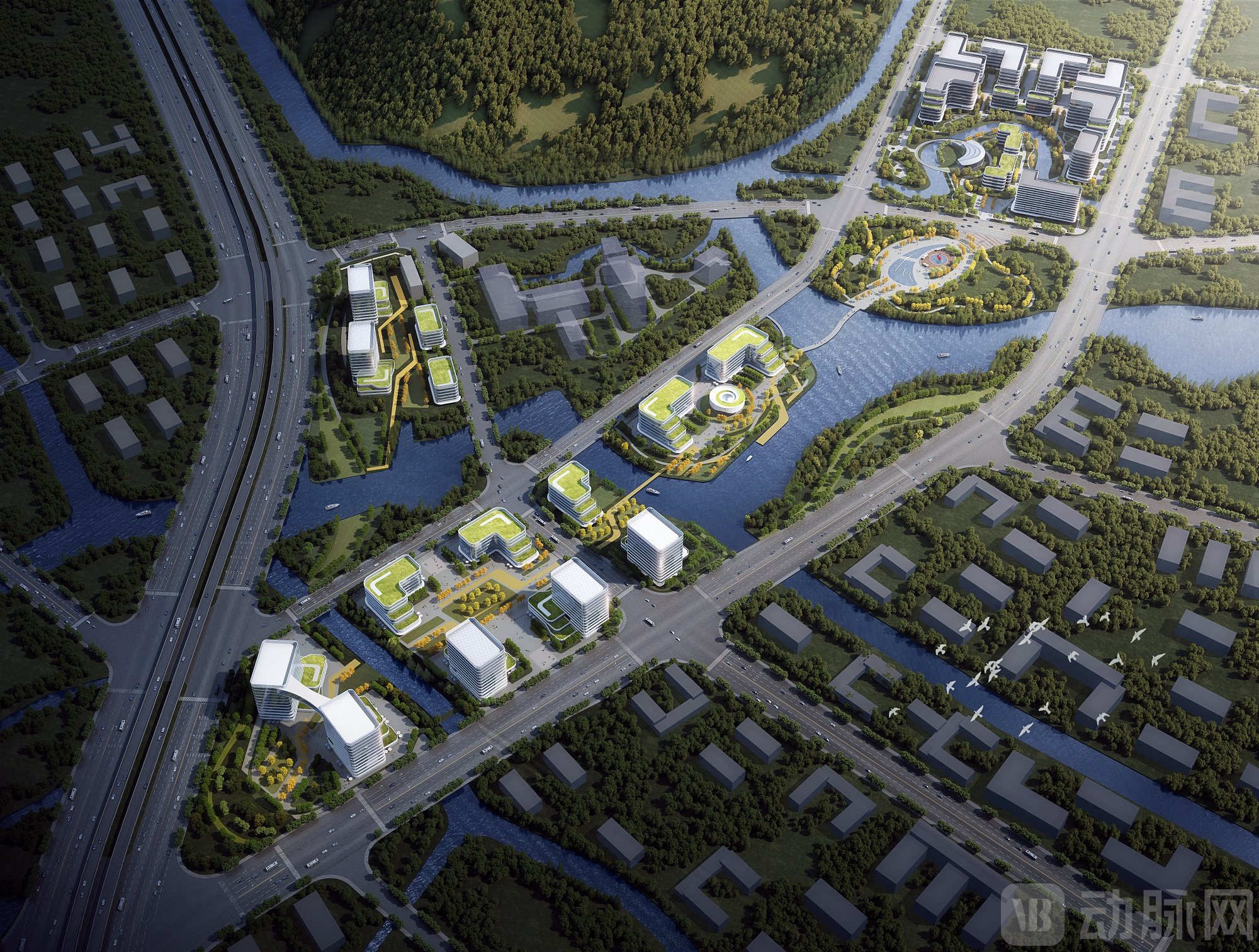
For over a year, China Eye Valley has expanded rapidly, establishing its own momentum in the eye health sector. Overall, China Eye Valley remains in the early stages of development; nevertheless, it is fully confident about its future strategic direction.
In the future, China Eye Valley will strengthen the construction of scientific and technological innovation platforms and technology transfer platforms, aiming to build a world-class R&D system for eye health technologies, a world-class base for innovative talents in eye health, a world-class high-end medical center for eye health, a world-class incubator for new eye health technologies, a world-class industrial cluster for the entire eye health sector, and a world-class academic exchange platform for eye health. It will introduce joint research institutes established by prestigious universities and major research institutions in the field of eye health, establish a graduate school platform for optometry and ophthalmology, and co-establish joint enterprise laboratories, thereby filling the gap in China’s R&D system for optometry and ophthalmology. These efforts will lay a solid foundation for supporting the development of major enterprises, attracting high-end talents, and addressing critical bottlenecks in the field of optometry and ophthalmology.
“The China Eye Valley has developed at a rapid pace. In its first year, we achieved the milestone of building capabilities from scratch. We have opened our doors wide and warmly welcome talents and enterprises engaged in cutting-edge technologies and products in the field of optometry and ophthalmology. Currently, among the 109 companies in the park, 41 are already in production. Moving forward, we will deepen collaboration with these enterprises to improve quality and efficiency, thereby driving the Eye Valley toward higher-level and high-quality development.”