

Anshan Bio Completes Multi-Million RMB Angel Funding Round to Advance Pathogen Molecular Detection Platform
Recently, Anshan (Tianjin) Biotechnology Co., Ltd. (hereinafter referred to as “Anshan Bio”), a high-tech enterprise based in Tianjin, announced that following the completion of its multi-million-yuan angel financing round earlier this year, it has achieved breakthroughs in key technical barriers related to molecular detection of pathogenic microorganisms. Its technical services, including gut microbiota testing, are advancing toward clinical-grade product applications.
Anshan Biotech is a national high-tech enterprise specializing in the research, development, and services of molecular diagnostic technologies for pathogenic microorganisms. Headquartered in the Binhai New Area of Tianjin, the company boasts an expert team drawn from institutions such as the Chinese Academy of Sciences and publicly listed diagnostic reagent manufacturers, and has received government support on multiple occasions.
Guided by the mission of leveraging technological advancements for health, Anshan Bio is dedicated to developing faster and more accurate pathogenic microorganism detection products, providing efficient and professional testing services, and establishing itself as a leading brand in China’s pathogen detection sector. The company focuses on advancing the clinical application of metagenomic next-generation sequencing (mNGS), ensuring that this faster, broader, and more precise pathogen detection technology better serves society and benefits the public.
In addition to announcing the completion of its angel financing round, Anshan Bio also reported significant progress in product development and market promotion. Leveraging its self-developed advanced molecular detection platform for pathogenic microorganisms, the company has overcome barriers in developing products such as diagnostic kits for disease detection based on gut microbiota markers, and has filed multiple patents for pathogen detection technologies.
The company has established a diversified product portfolio and forged extensive collaborations with leading medical and research institutions, including the PLA General Hospital (301 Hospital), West China Hospital, the Chinese Academy of Medical Sciences, and the Chinese Academy of Sciences. These partnerships are accelerating the advancement of gut microbiota molecular testing from service-based offerings to product-level applications.
Metagenomic Next-Generation Sequencing (mNGS) for Pathogen Detection is an open-platform diagnostic technology that integrates high-throughput sequencing with microbial genomic databases, significantly enhancing the capability to detect pathogenic microorganisms. In recent years, clinical diagnostic technologies based on next-generation sequencing (NGS), such as non-invasive prenatal testing (NIPT) and companion diagnostics for oncology, have achieved considerable success, fostering a series of new business models in the clinical diagnostics sector. As a result, mNGS has emerged as a new focal point in clinical diagnostics, following NIPT and oncology companion diagnostics, and has attracted significant attention from private capital.
According to WHO statistics, approximately 15 million patients worldwide die from infections each year, with over 5 million such deaths occurring annually in China. However, there are still significant limitations in the field of clinical microbiological testing, such as the lack of effective detection methods for critical infections, insufficient breadth of testing coverage, and poor timeliness of results. These shortcomings directly or indirectly impact the treatment of infectious diseases.
Conventional nucleic acid testing techniques for microbes are primarily based on low-throughput methods such as quantitative polymerase chain reaction (qPCR). For qPCR-based assays, the detectable pathogenic microorganisms and targets are fixed, rendering them ineffective against pathogens outside their predefined scope. In contrast, metagenomic next-generation sequencing (mNGS)-based pathogen detection offers several advantages not found in traditional techniques, including the ability to directly analyze clinical samples without prior culture, unbiased detection, and a broad, open-ended detection range that enables the identification of rare and novel pathogens.
In addition to its significant advantages in the qualitative and quantitative detection of pathogenic microorganisms, mNGS also demonstrates immense potential in the detection of microbial antimicrobial resistance genes. By overcoming the clinical limitations associated with culturing a vast array of pathogens, mNGS technology enables direct species-level identification through the sequencing of pathogen nucleic acids in clinical samples, thereby holding substantial promise for clinical applications.
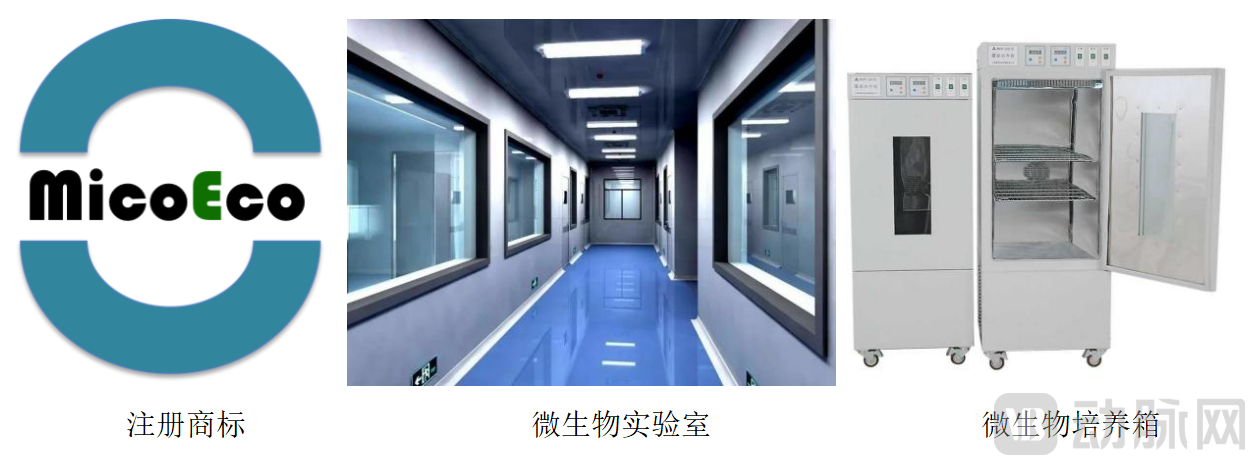
About Anshan Bio
Anshan (Tianjin) Biotechnology Co., Ltd. is a national high-tech enterprise founded by a team of senior researchers, specializing in the research and development of molecular detection technologies for pathogenic microorganisms, as well as related services. Committed to building an advanced brand for pathogen detection in China, the company provides comprehensive solutions—including diagnostic reagents and analytical technologies—for clinical and research applications. Its mission is to enable faster and more accurate detection of pathogens associated with emerging or sudden infections, complex or co-infections, and rare pathogenic organisms.