

Chinese MRI Pioneers Unite to Build World-Leading Domestic MRI Technology

United Imaging
High-end Medical Device Developer
In the 1980s, magnetic resonance imaging (MRI) technology began to enter clinical practice, quickly generating significant impact across China.
At that time, Professor Huang Qiliu, who had just been transferred to Nanfang Hospital, advised the hospital leadership: “To vigorously develop the hospital’s diagnostic imaging capabilities, a robust platform is essential, and the introduction of advanced equipment is an inevitable path.” In 1985, the hospital introduced and put into service China’s first 0.23T magnetic resonance (MR) scanner, ushering in the era of clinical MR applications in China. During this period, Jürgen, a German scientist responsible for system installation and commissioning, met Xue Min, a young master’s degree holder with a strong passion for MR technology. Their months of interaction and intellectual exchange planted a seed for the future development of China’s MR industry.
In the late 1990s, Xue Min returned to China after years of studying magnetic resonance imaging (MRI) technology abroad and founded Shenzhen Meditech, independently developing China’s first 1.5T superconducting MRI system. Upon hearing the news, radiology luminaries such as Li Guozhen, Liu Yuqing, Xu Jiaxing, and Huang Qiliu made special trips to examine this emerging “spark” in the industry. Although more than a decade of research and exploration had already drawn significant international attention to Chinese scholars, the lagging development of China’s high-end medical equipment industry remained a persistent concern. “Fear no difficulties, dare to take on challenges, and strive to achieve independent R&D of all core components at the earliest possible date.” This encouragement from Professor Li Guozhen, then 84 years old, to Xue Min epitomized the aspirations of Chinese radiologists during that era.
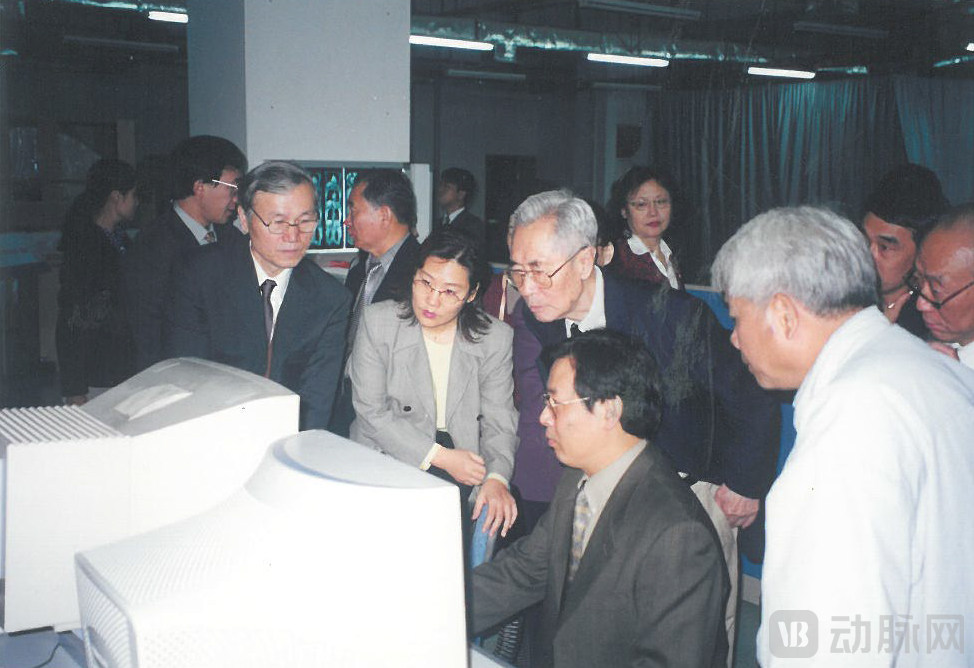
In 1999, a group of leading radiology experts visited Medit in Shenzhen to inspect China’s first domestically developed 1.5T superconducting magnetic resonance imaging (MRI) system.
If “catching up from scratch” was the heartfelt aspiration of the older generation of radiologists, then in the new era, “surpassing and leading” has become the steadfast pursuit and mission of Chinese professionals. Oriented toward the frontiers of global science and technology, the main arena of economic development, major national needs, and the life and health of the people, we must continuously expand the breadth and depth of scientific and technological advancement. Making magnetic resonance imaging (MRI) technology “faster, higher, and stronger” has become the shared consensus and responsibility of the new generation of medical practitioners.
In 2018, Jürgen Hennig, a pioneer in the magnetic resonance industry and professor at the University of Freiburg in Germany, visited China again. There, he met with Xue Min and witnessed the comprehensive advancements at United Imaging, observing the rapid rise of China’s high-end medical equipment industry and the continuous emergence of new technologies. He perceived that this land, once seemingly barren, was now bursting with vibrant vitality at an astonishing pace, and predicted: “China’s efforts will ultimately change the direction of the global technological tide!”
At the recent Future Innovation Conference on Magnetic Resonance Imaging hosted by United Imaging, Xue Min and numerous MRI experts provided answers that are turning this prophecy into reality.
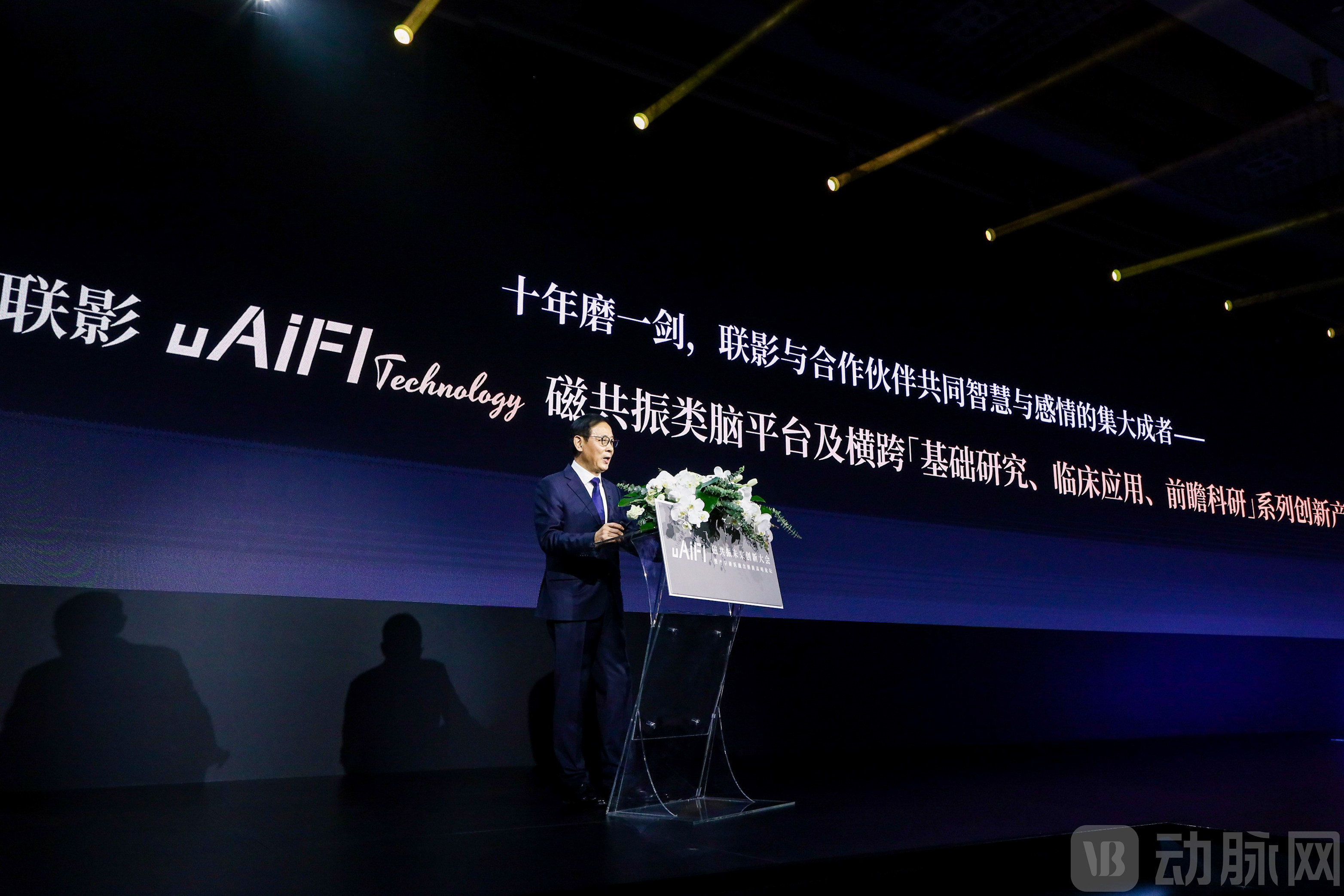
At the 2021 MRI Future Innovation Summit, Xue Min, Chairman of United Imaging Group, joined numerous MRI experts in discussing “How to Make China’s Own MRI Systems the World’s Best”
Since the breakthrough in magnetic resonance technology from 0 to 1 in physics half a century ago, system upgrades centered on hardware technology have driven the innovative evolution of magnetic resonance—from permanent magnets to superconducting magnets, with field strengths increasing from 0.2T to 1.5T, then to 3.0T and even higher. In the 21st century, as the marginal diminishing returns of hardware innovation have become increasingly apparent, algorithm- and software-led approaches have continuously expanded application boundaries, offering new perspectives for the development of magnetic resonance technology.
However, as device resolution increases and acquisition speeds accelerate, data volumes continue to grow. How to leverage data-driven approaches to drive future technological innovations in magnetic resonance imaging (MRI) and resolve the “impossible trinity” of mutually constraining challenges—namely, high noise levels, slow scanning speeds, cumbersome and inefficient operations, and multiple sources of artifacts—has become a pressing challenge for all industry professionals.
In response, United Imaging has provided its own answer—the uAIFI Technology Brain-like MRI Platform.
Li Guobin, President of the MRI Business Unit at United Imaging, introduced that the uAIFI brain-inspired platform is built on big data and artificial intelligence, integrating 15 proprietary core technologies—including sequence technology, reconstruction technology, sensor technology, and radiofrequency technology—transforming MRI systems into “intelligent entities” capable of proactive thinking, proactive care, and self-evolution.
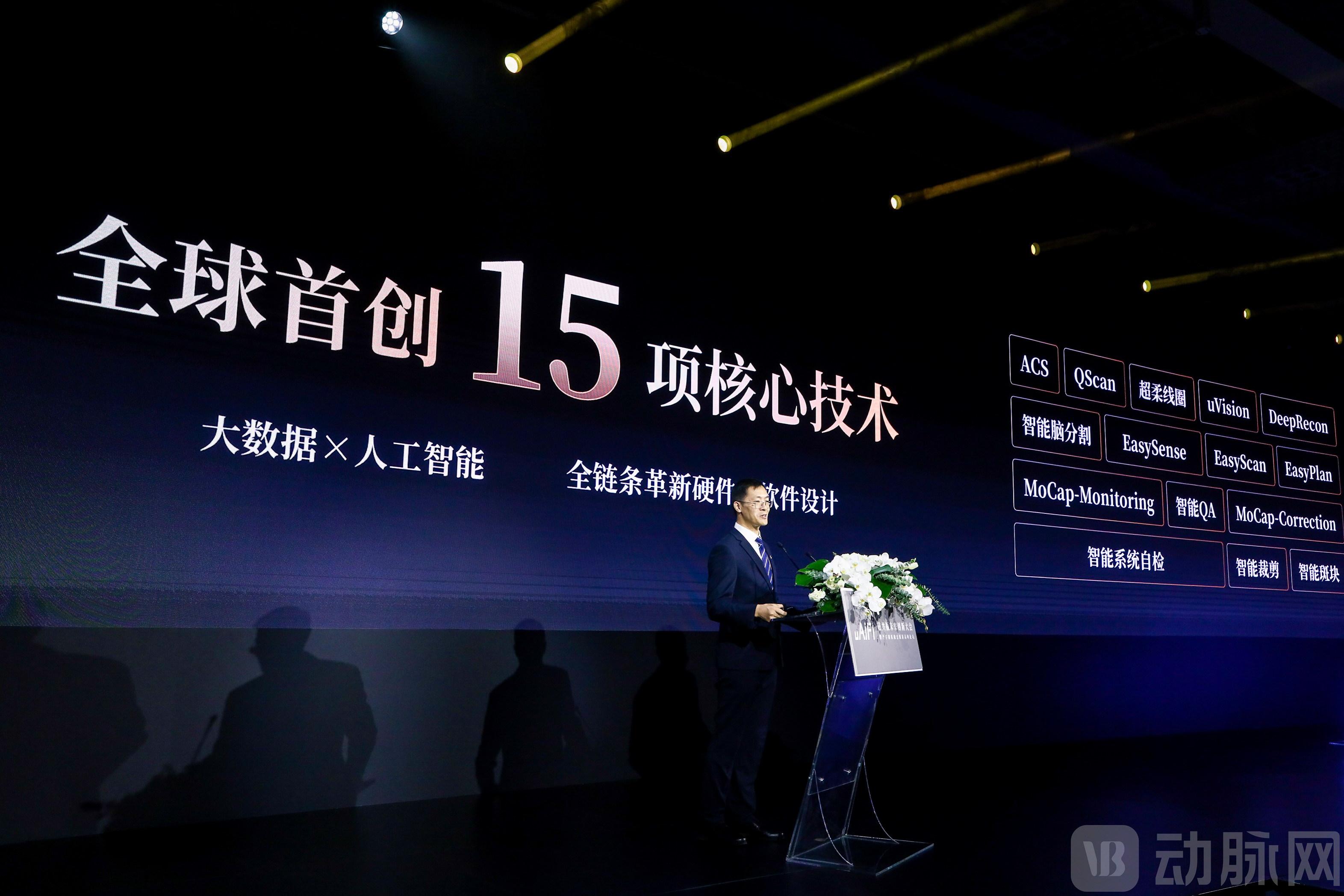
At the Future Innovation Conference on Magnetic Resonance, United Imaging officially launched the uAIFI Technology Brain-Inspired MRI Platform
The application of artificial intelligence (AI) in medical imaging is not uncommon within the industry. However, uAIFI stands out as a unique case, possessing both the capability and strategic intent to implement end-to-end integration across hardware and software domains. By systematically embedding AI throughout the entire MRI workflow—pre-scan, intra-scan, and post-scan—it has successfully broken through three core “physical limits” of magnetic resonance imaging: scan time, signal-to-noise ratio, and resolution.
Silent scanning across all body regions and sequences, ACS imaging in under 100 seconds, ultra-soft coils, intelligent noise-reduction fidelity imaging, automatic patient table positioning with a single gesture, and intelligent system self-checks... When each of these groundbreaking technologies is integrated into a unified platform, uAIFI emerges as a symbolic and pioneering technological icon of the artificial intelligence era.
“We must both explore the frontiers of scientific research and maximize clinical applicability. Whole-body ultra-high-field imaging with 5.0T MRI has turned this dream into reality.” Seeing his once-conceptual ideas become a reality, Jürgen Hennig couldn’t help but remark, “I can never forget the awe I felt when I first saw its exceptional images.”
The launch of the world’s first 5.0T magnetic resonance imaging (MRI) system fills an international gap in the ultra-high-field strength domain. By leveraging a clinical environment compatible with 3.0T installations and delivering a 67% increase in signal-to-noise ratio, it maximizes the provision of clinical research-grade services. As the inaugural installation site, Professor Zeng Mengsu, Director of the Department of Radiology at Zhongshan Hospital, stated, “In terms of high-resolution anatomical imaging of the vascular and nervous systems, 5.0T performance is comparable to 7.0T; for body, joint, and quantitative imaging studies, 5.0T surpasses 3.0T. This novel MRI system is poised to elevate precision diagnosis and treatment to new heights.”
At the same time, United Imaging also launched China’s first 9.4T ultra-high-field preclinical magnetic resonance imaging (MRI) system. Built on the same technology, application, and data platforms as its 5.0T MRI system, it enables physicians to seamlessly integrate preclinical basic research with clinical studies, thereby accelerating the development of translational medicine.
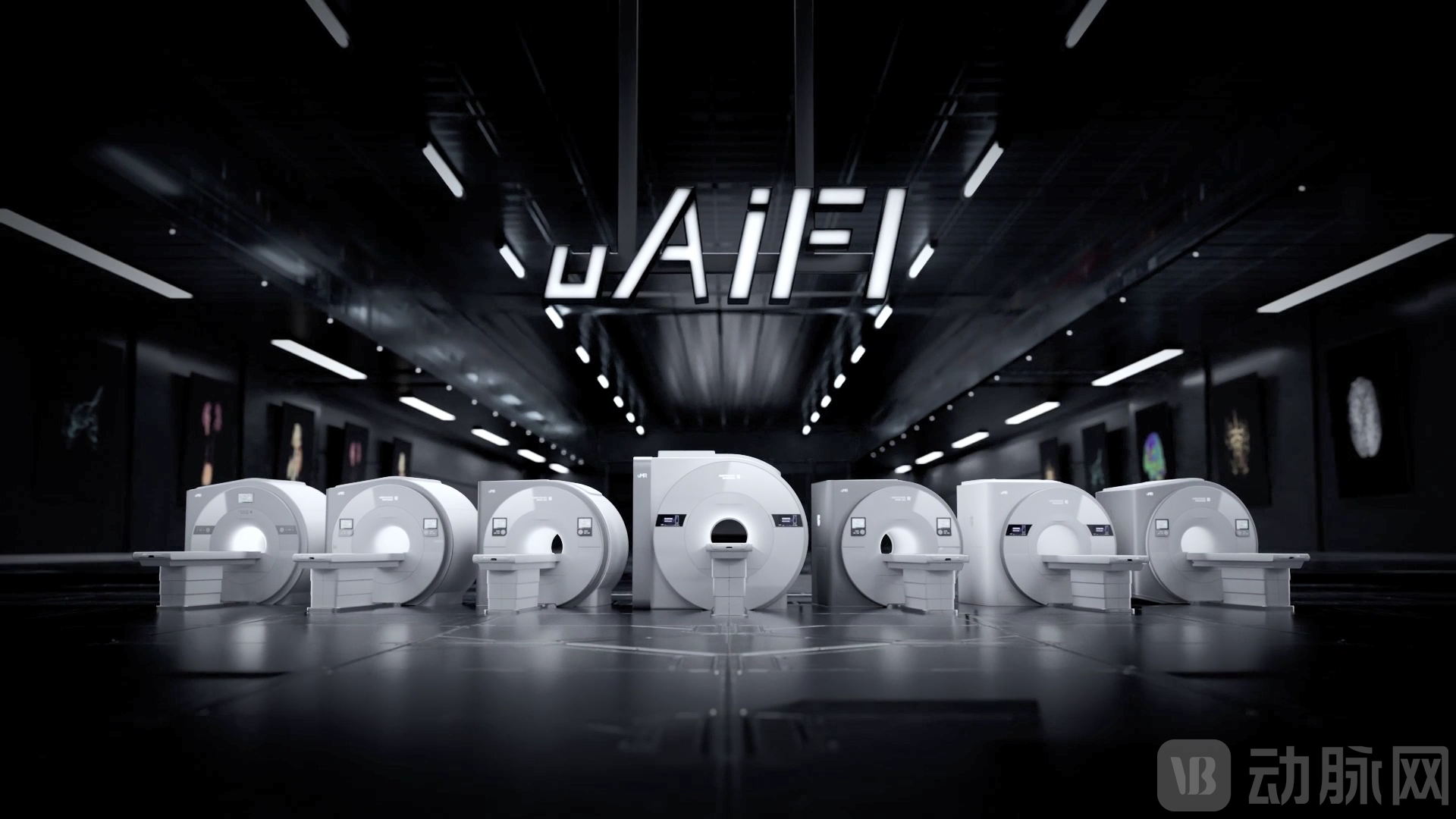
At the Future Innovation Conference, United Imaging’s Full Line of MRI Products Was Unveiled in Succession
The industry’s first “quasi-3.0T” 1.5T MRI, the high-performance whole-body research-oriented 3.0T MRI, and the world’s first 3.0T MRI with an ultra-large 75cm bore... The full-chain independent controllability of this series of major clinical and research infrastructure represents United Imaging’s deep accumulation of expertise and marks the mature rise of China’s high-end medical equipment industry.
In recent years, led by leading original equipment manufacturers (OEMs), a host of upstream enterprises and research institutions specializing in “specialized, refined, distinctive, and innovative” fields—such as electronics and electrical appliances, chips, sensors, and advanced new materials—have emerged rapidly. These entities are driving efforts to strengthen and supplement supply chains, collaboratively tackling critical technological bottlenecks, and accelerating the upgrading of advanced technologies and processes such as human-computer interaction and precision machining. As a result, China’s high-end medical equipment industry has become more robust, resilient, and dynamic in its innovation capacity.
Rooted in Fertile Soil, the Giant Dragon Soars. Chinese high-end medical equipment enterprises have officially become an indispensable component of the nation’s strategic scientific and technological forces, jointly entrusted with the historic mission of driving high-level self-reliance and strength in science and technology, alongside national laboratories, national research institutions, research-oriented hospitals, and universities.
How Did China Build the World’s Most Powerful MRI? Behind This Achievement Lies Not Only the Inheritance of Determination Across Generations of Chinese People and the Conscious Responsibility Shouldered by a New Generation of Elites, but More Importantly, the Immense Confidence Bestowed by the Grand Era.
Integrated Innovation in Industry, Academia, Research, and Healthcare: China Has Now Reached a Stage of Favorable Timing, Geographic Advantage, and Human Harmony.
At the outset of the 14th Five-Year Plan period, national top-level planning set the tone by explicitly proposing the establishment of an “enterprise-led, integrated innovation system involving industry, academia, research, and healthcare.” With moderately forward-looking deployment, a series of major scientific and technological innovation platforms have been established to foster integrated innovation: Approved by the Ministry of Industry and Information Technology, the Shenzhen Institute of Advanced Technology joined forces with United Imaging, Mindray, and others to co-establish China’s first national-level innovation center in the field of medical equipment; the Wuhan Municipal Government, the Wuhan Institute of Precision Measurement of the Chinese Academy of Sciences, United Imaging, as well as Wuhan-based universities and hospitals, jointly established the Wuhan Zhongke Medical Technology Industrial Technology Research Institute; led by the National Development and Reform Commission, efforts have been made to promote collaboration between hospitals and enterprises to co-build National Medical Centers, creating peaks of excellence in medicine.
Radiologists often ask, “While domestically produced scanners are adequate for clinical imaging, can they support high-end research?” Similarly, brain science experts inquire, “With large-scale cohort studies in neuroscience on the horizon, can domestically manufactured MRI systems play a meaningful role?” In response, Professor Gao Jiahong, former President of the Organization for Human Brain Mapping (OHBM) and Director of the Peking University Center for Magnetic Resonance Imaging Research, has provided a definitive answer through rigorous testing: The 3.0T uMR 890 MRI system, equipped with uAIFI, demonstrates stability and other key metrics as well as human brain functional imaging quality that have reached world-class levels, fully meeting the technical requirements for neuroimaging research.
At Ruijin Hospital, United Imaging’s equipment has likewise become a key research tool for the hospital’s participation in China’s “Brain Project.” Professor Yan Fuhua, Director of the Department of Radiology at Ruijin Hospital, stated, “The hospital is leveraging United Imaging’s equipment to build a quantitative imaging radiomics platform for neurodegenerative diseases and a platform for original neuroimaging technologies.”
“For a long time, the most advanced equipment was often refined and applied overseas, only entering China after becoming mature. As a result, Chinese doctors rarely had the opportunity to participate in original, high-quality scientific research. Now, through our collaboration with United Imaging, we have been given more opportunities to engage in the early development of sequence coils, incubate forward-looking scientific achievements, and promote medical translation,” said Wang Yining, Deputy Director of the Department of Radiology at Peking Union Medical College Hospital.
The establishment of an integrated innovation ecosystem encompassing industry, academia, research, and healthcare will unleash unprecedented innovative energy. Along the innovation chain of “basic research – product and technology application development – clinical application and scientific exploration,” this momentum will drive forward like a massive ship, unstoppable in its course. Within this framework, medical technology professionals, leveraging multi-disciplinary and multi-stakeholder collaborative innovation and mutual empowerment, will truly have the opportunity to embrace innovative freedom. They will be able to comprehensively conduct original, leading-edge clinical research at the source-code level, facilitating the rapid emergence and efficient translation of innovative ideas.
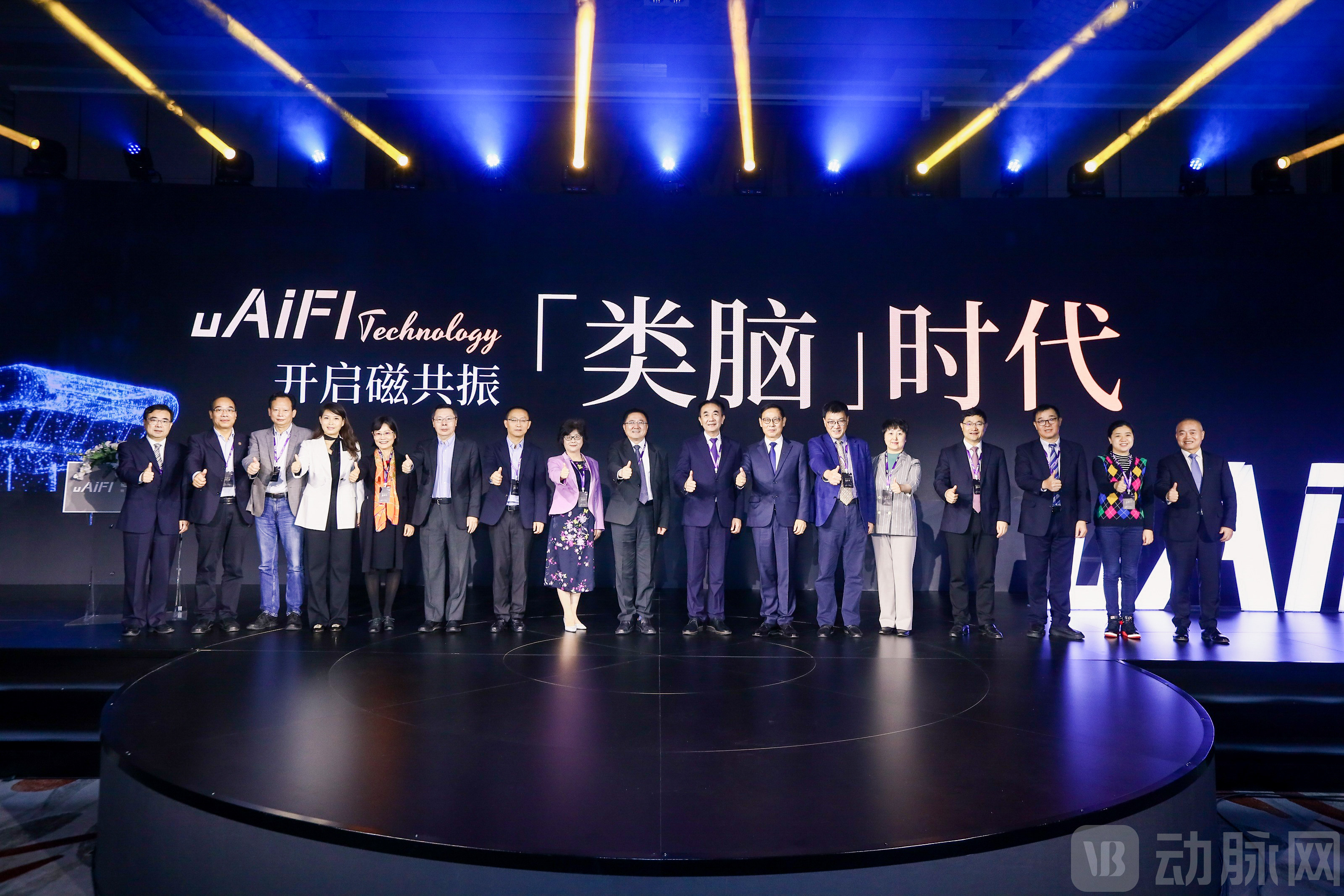
Looking to the Future, Hundreds of Chinese MRI Experts Jointly Amplify the “Chinese Voice”
“Today’s ‘MRI Future Innovation Conference’ will, in my personal view, become a milestone in the history of MRI!” Professor Zeng Mengsu exclaimed with emotion. “I am grateful to my colleagues, and even more so to the times we live in.” Thunderous applause erupted from the audience. The hundreds of Chinese MRI experts present were perhaps inspired by the same passion and conviction, or perhaps they had quietly sensed the direction of the coming tide.
With strong winds favoring the voyage, innovation is at its prime. Focusing on forward-looking research in brain science and the development of translational medicine, United Imaging and China’s MRI experts are poised to drive major medical breakthroughs and technological innovations, amplifying the “Chinese voice” to resonate with the world.