China's Digital Diabetes Management White Paper Released: Over 70% of Patients Lack Glycemic Control Goals, 24/7 Digital Solutions Empower Patient Care
According to the latest data released by the International Diabetes Federation (IDF), the number of people with diabetes in China has exceeded 110 million, making it the country with the largest diabetic population globally. Therefore, health management for individuals with diabetes has become a critical issue that must be addressed within China’s healthcare services.
The development of digital technologies, such as the internet, big data, and artificial intelligence, has laid the technological foundation for the digital management of diabetes. Furthermore, with the number of internet healthcare users in China reaching 635 million in 2020, changes in patient access to medical care have also created market demand for the digital management of diabetes.
What are the pain points in diabetes management? How can digital technologies empower diabetes management? How should a digital diabetes management service system be constructed? And what is the future direction of digital diabetes management? To address these questions, under the guidance of the Chinese Association of Geriatric Healthcare and Medicine, VCBeat, in collaboration with Sanofi and JD Health, jointly released the “White Paper on Digital Diabetes Management in China 2021.” We conducted a questionnaire survey among 2,200 patients with diabetes and authored the white paper based on analysis of the survey data. The following conclusions were drawn from the questionnaire data:
Poor monitoring compliance,The maximum proportion of patients performing blood glucose monitoring more than seven times per week was only 24.2%.;Unclear glycemic control targets,Over 70% of patients lack clear glycemic control targets。
Insulin injection dosages are primarily determined by experience, resulting in low accuracy.31.9% of patients exhibited suboptimal average daily insulin injection doses, either too low or too high.。
Timely response to online services, high patient satisfaction,The proportion of rapid patient consultation services responded to within one minute reached as high as 80.4%.。
Expand from patients in the diagnosis phase to those in the stable phase, achieving comprehensive coverage of diabetes patients.
Online consultations will be further standardized to align with offline practices, providing patients with precise and reliable diagnostic and treatment services under the guidance of expert consensus and clinical pathways.
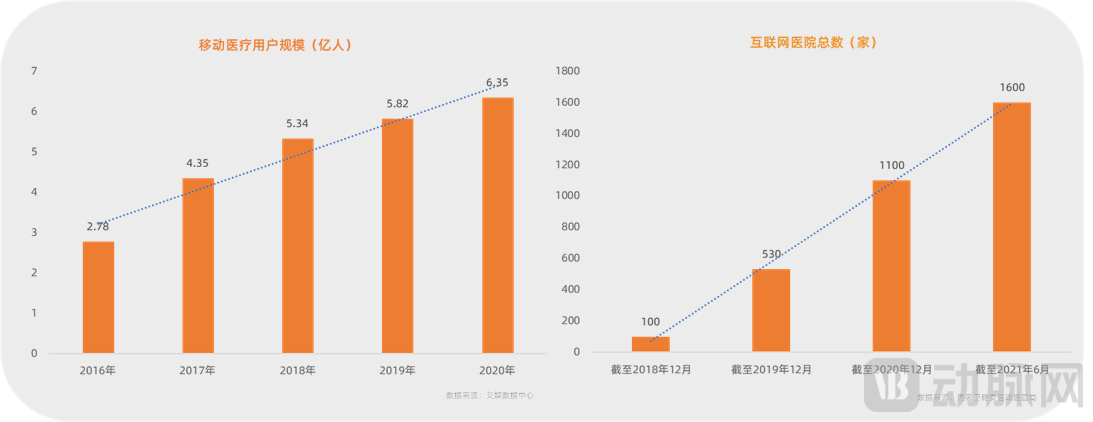
Following the pandemic, the number of online healthcare users in China rose significantly, reaching 635 million in 2020. Meanwhile, as of June 2021, the number of internet hospitals exceeded 1,600. The development of both supply and demand sides in online healthcare has laid the foundation for the digital diabetes management market.
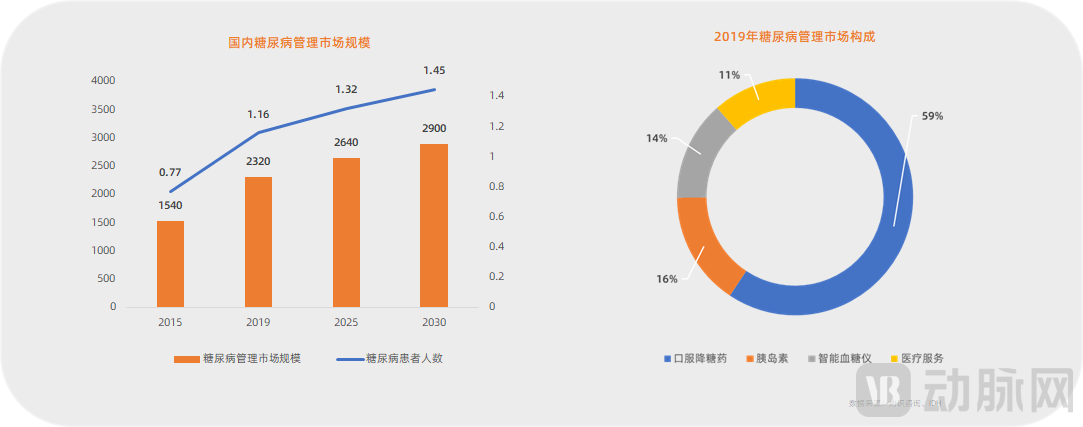
By 2030, the number of diabetic patients in China is projected to reach 145 million, with the diabetes management market size exceeding RMB 290 billion. Currently, diabetes medical services account for only 11% of the market, indicating substantial room for future growth.
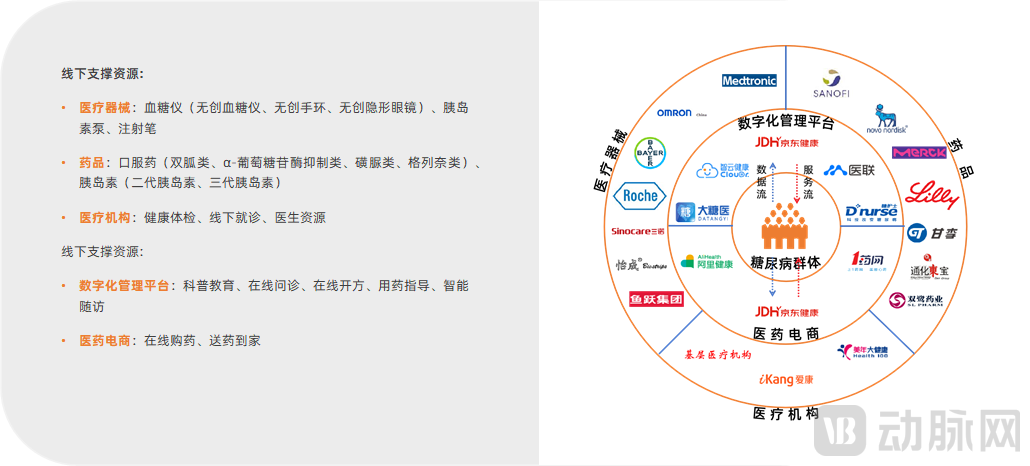
The digital management platform for diabetes focuses on the blood glucose control needs of diabetic patients, integrating offline medical devices, pharmaceuticals, and healthcare institution resources to provide comprehensive support for online diabetes management.
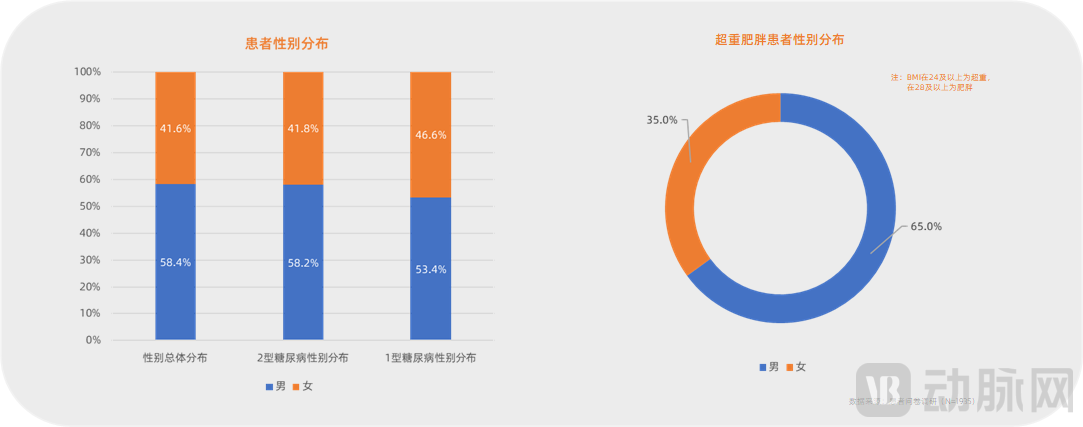
Among the survey respondents in this report, male patients with diabetes accounted for nearly 60%, a figure higher than that of females. Among the overweight and obese population, males comprised 65%, also significantly higher than females. Risk factors for overweight and obesity include binge eating, physical inactivity, and irregular daily routines.
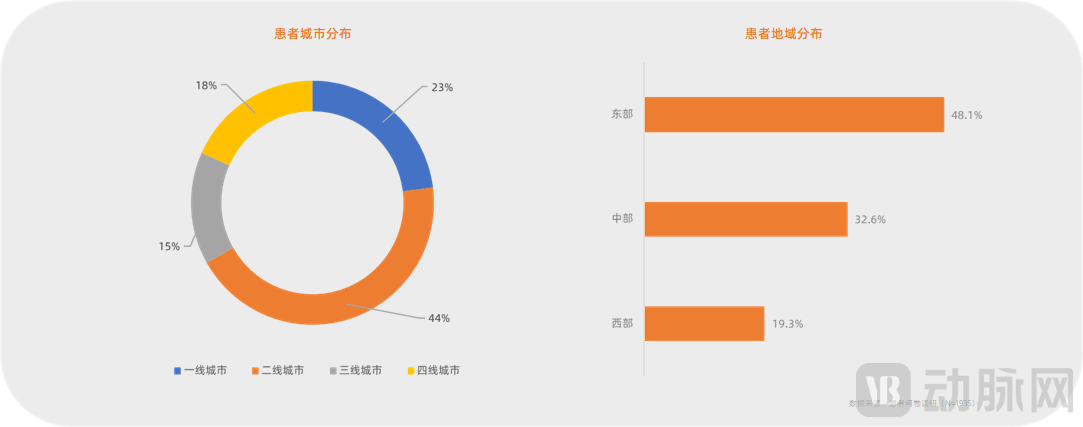
Diabetes patients are heavily concentrated in first- and second-tier cities, accounting for 67% of the total. The proportion of diabetes patients in eastern provinces is relatively high, reaching 48.1%.
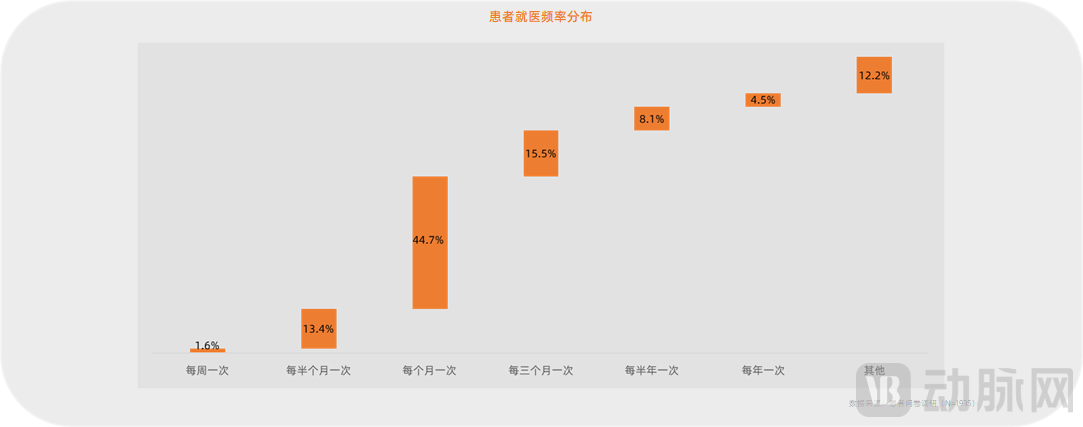
44.7% of patients with diabetes mellitus choose to seek medical consultation once a month, while only 15% visit more than twice per month. Therefore, the overall frequency of medical visits among diabetic patients is relatively low, primarily because most patients find in-person consultations cumbersome and time-consuming.
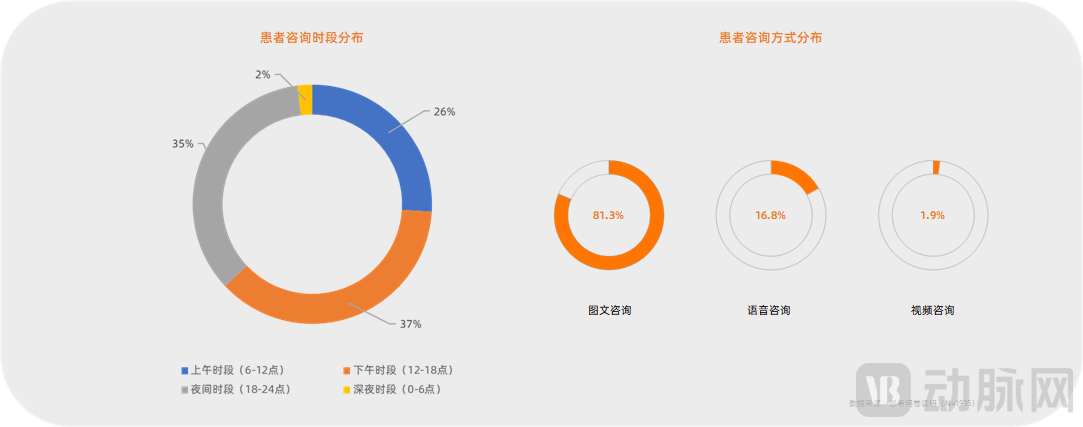
Online consultations accounted for a combined 72% of patient volume in the afternoon and evening, with patients showing a preference for text-and-image consultations. This modality allows patients to upload medical records, test results, and other documents, enabling physicians to review them carefully and respond during their downtime.
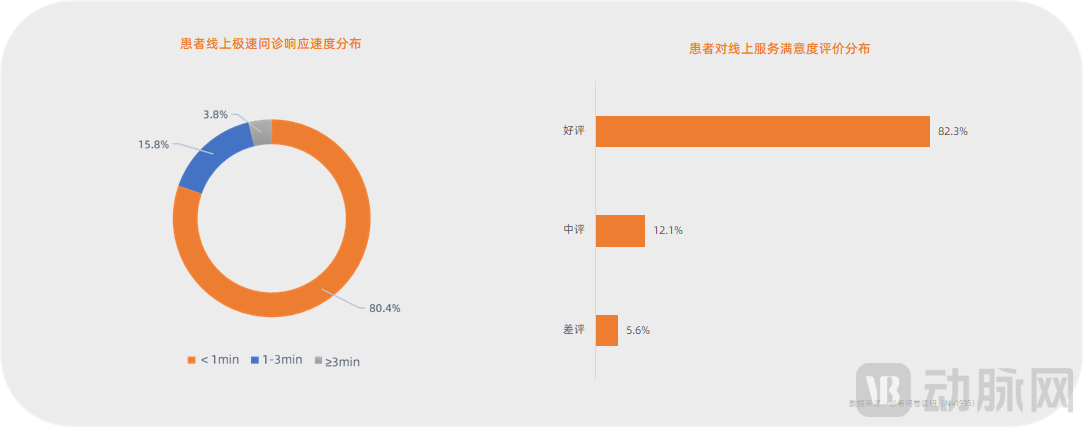
The proportion of ultra-fast online consultation services responding to patients within one minute reached as high as 80.4%, indicating that online services can promptly address patient needs. This rapid response has improved diabetic patients’ satisfaction with online services.
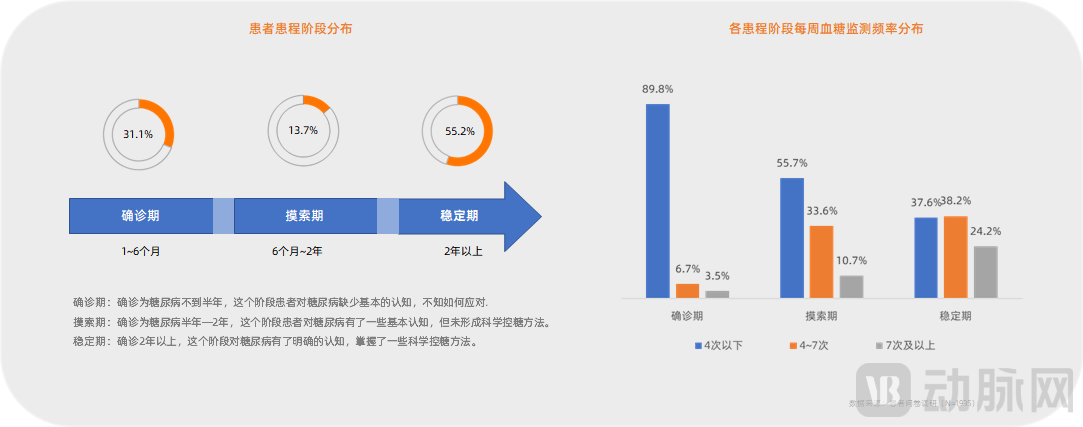
Patients with diabetes in the stable phase monitor their blood glucose most frequently, yet only 24.2% of them perform monitoring more than seven times per week; among patients in the diagnostic phase, merely 3.5% monitor their blood glucose more than seven times weekly. This indicates that overall adherence to blood glucose monitoring among patients is poor.
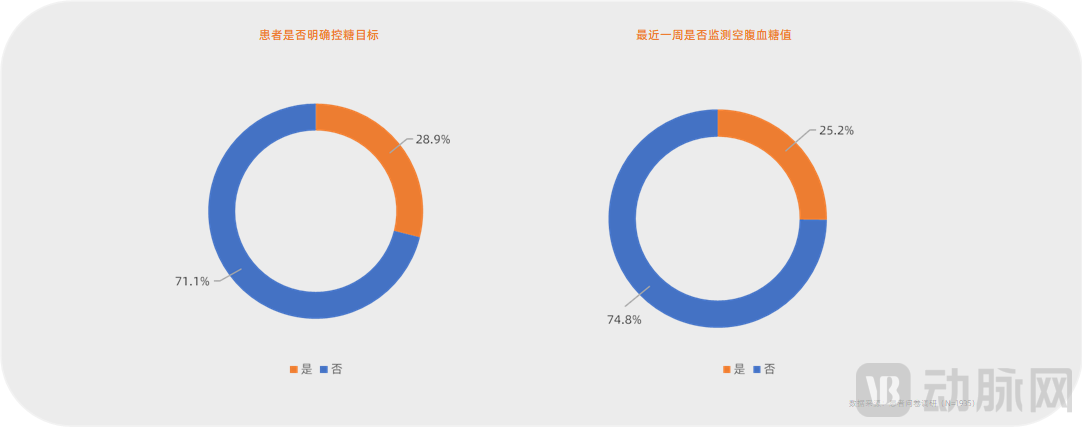
More than 70% of patients lack clear glycemic control targets, and nearly 75% have not monitored their fasting blood glucose in the past week, indicating that patients have a weak sense of purpose in glycemic management, which leads to insufficient motivation for blood sugar control.
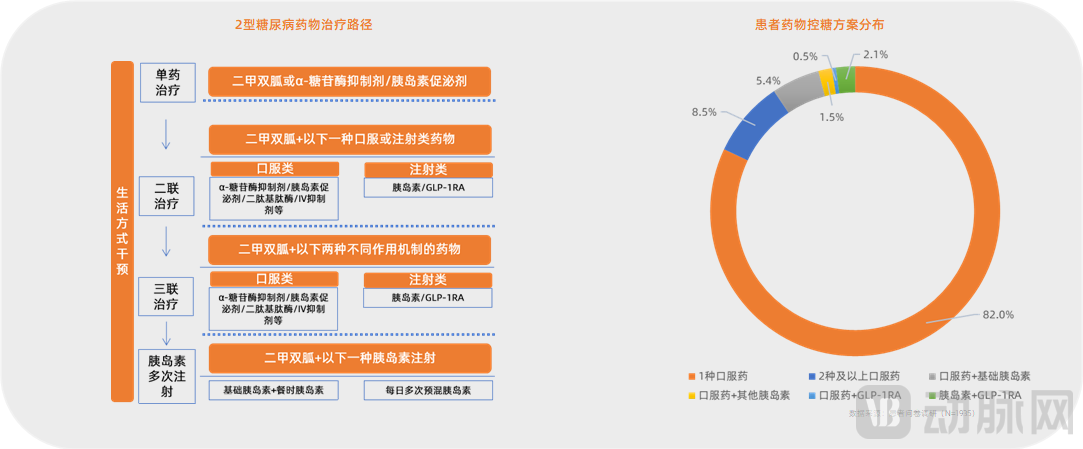
82% of patients opt for single oral agents for glycemic control, while the proportion choosing dual therapy, triple therapy, or multiple daily insulin injection regimens is relatively low. When monotherapy fails to achieve glycemic targets, combination pharmacotherapy should be adopted, necessitating professional services to provide personalized guidance on glycemic management strategies.
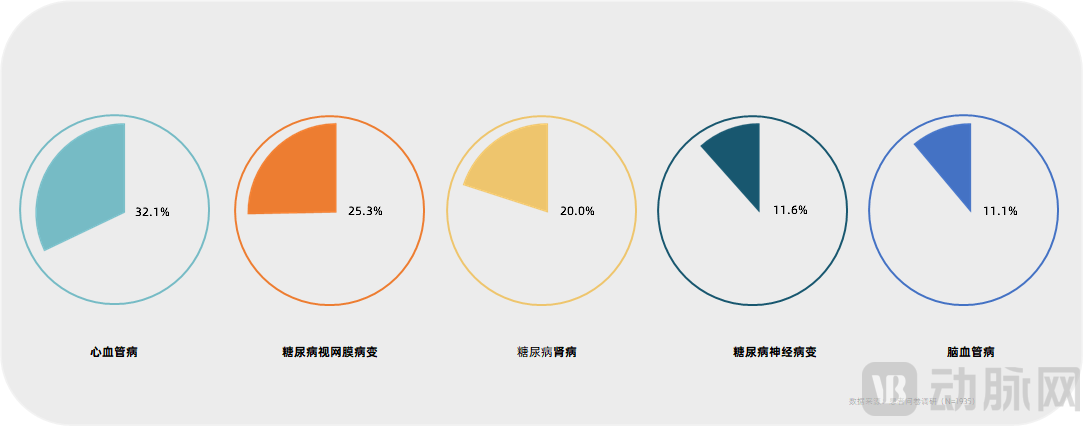
Diabetes leads to various complications, with 32.1% of patients also suffering from cardiovascular disease, followed by diabetic retinopathy at 25.3%. The diversity of these complications necessitates comprehensive chronic disease medical services to better manage chronic conditions.
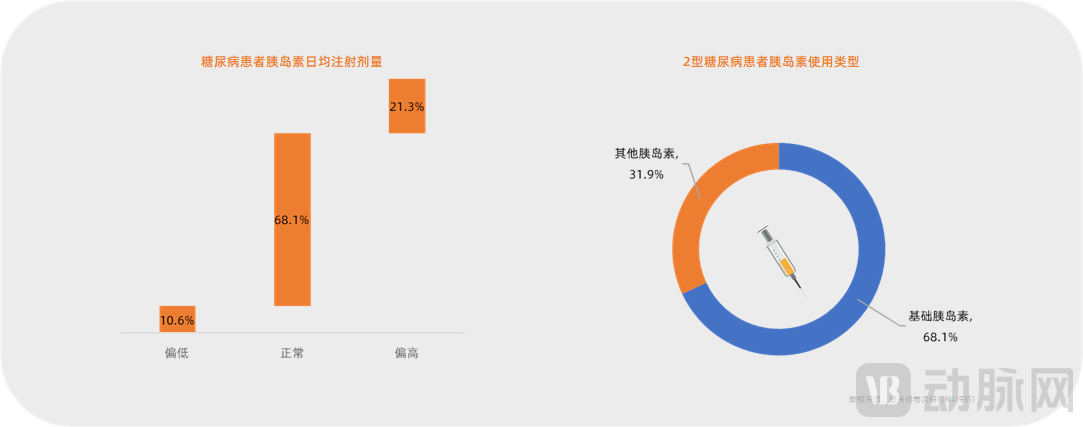
31.9% of patients exhibited suboptimal average daily insulin injection doses, either too low or too high, which compromised the efficacy of insulin in glycemic control. Basal insulin is one of the primary strategies for glycemic control in patients with type 2 diabetes; in this survey, 68.1% of patients with type 2 diabetes used basal insulin injections for glycemic management.
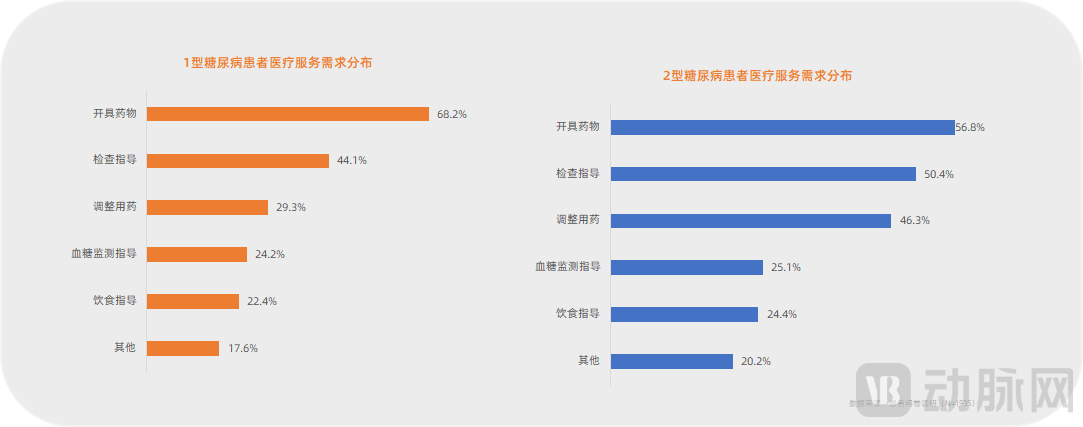
68.2% of patients with type 1 diabetes and 56.8% of patients with type 2 diabetes require prescription medication services, including oral medications and insulin. Therefore, digital diabetes management platforms should incorporate multiple functionalities—such as medication prescribing, testing guidance, medication adjustment, monitoring guidance, and dietary counseling—to better serve patients.
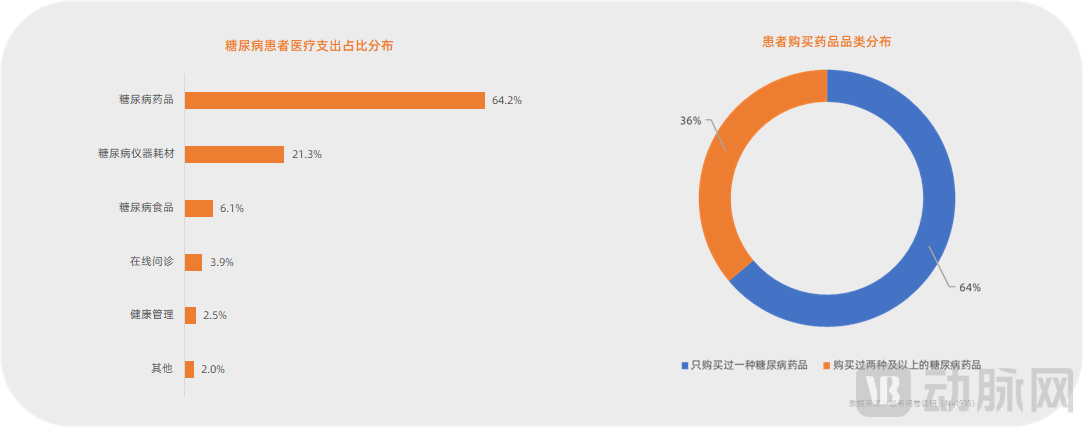
Medication costs account for 64.2% of total healthcare expenditures for diabetes patients, while medical services constitute only 6.4%. Therefore, digital diabetes management platforms should enhance pharmaceutical and supply chain services to provide patients with a one-stop solution covering “prescription, purchase, delivery, and medication administration.”
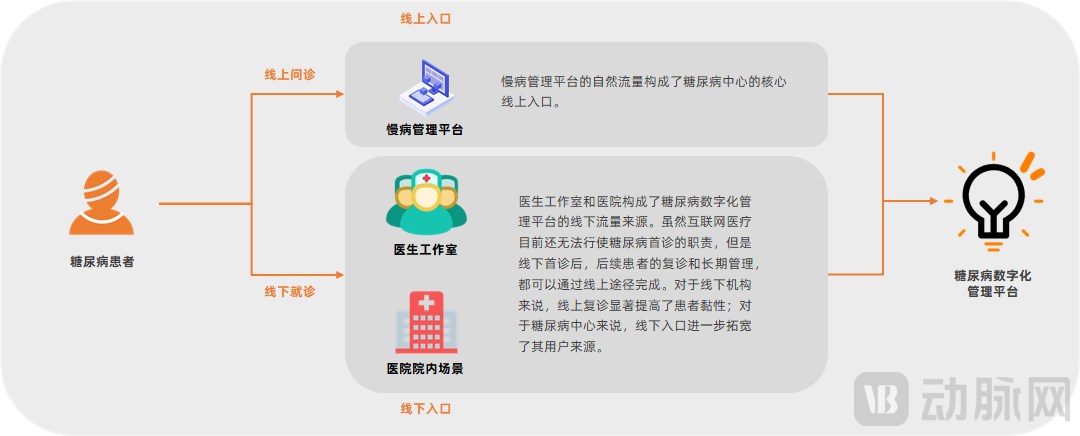
Patient acquisition channels are a key component of pre-diagnosis services for diabetes. In addition to aggregating and directing patient populations, these channels correspond to the initial service encounter in digital diabetes management. Since internet-based healthcare platforms are currently prohibited from conducting initial diagnoses, the synergy between online and offline entry points has become a broad consensus within the digital diabetes management industry.
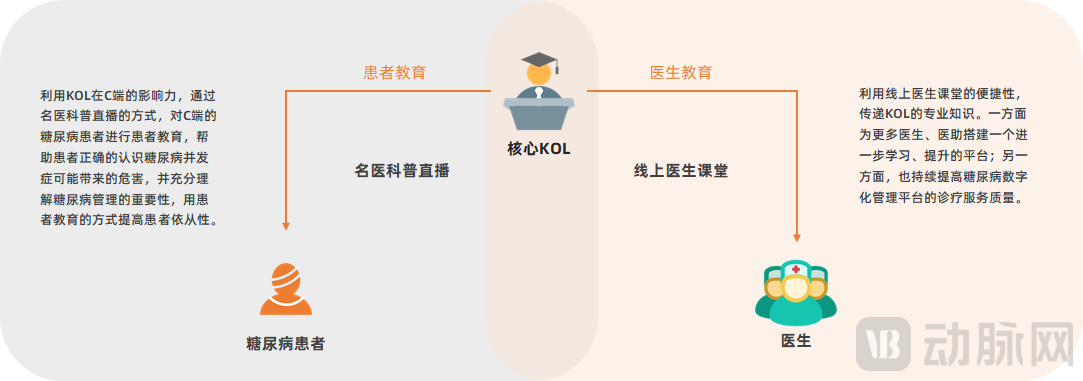
In pre-consultation services for digital diabetes management, patient and physician education is of paramount importance.
Patient education should focus on helping patients understand the importance of diabetes management and select a management plan suited to their individual needs. Physician education, on the other hand, aims to enhance the clinical proficiency of endocrinologists overall and improve the quality of services provided by the platform. By simultaneously stimulating patient demand and strengthening the platform’s service capabilities, digital diabetes management can deliver truly valuable services to patients.
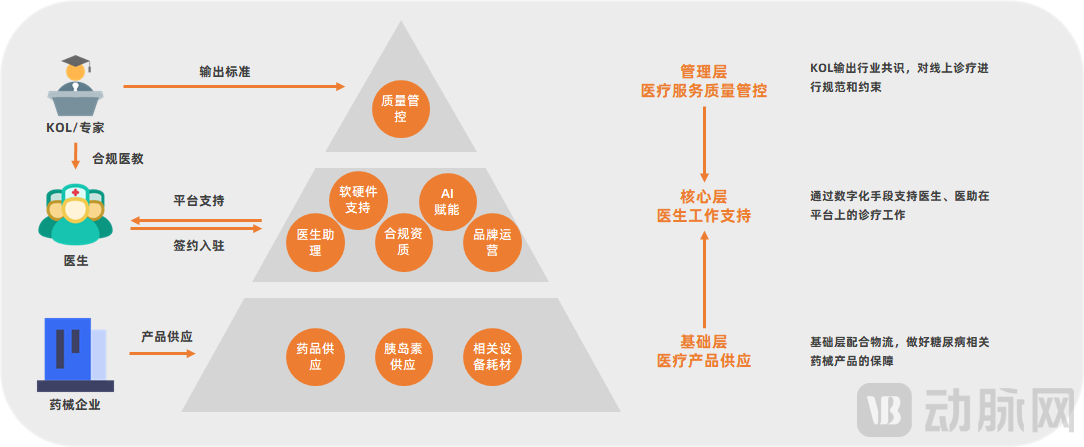
In the in-consultation services of digital diabetes management, physicians are at the core of service delivery. Leveraging artificial intelligence and supported by integrated hardware and software solutions, these tools provide physicians with auxiliary capabilities for online diagnosis and treatment. From a management perspective, the platform standardizes clinical services provided by physicians in accordance with existing guidelines and consensus statements on online diabetes care. On the supply chain side, it ensures the reliable provision of relevant medications, devices, and consumables, thereby creating a one-stop solution for patients.
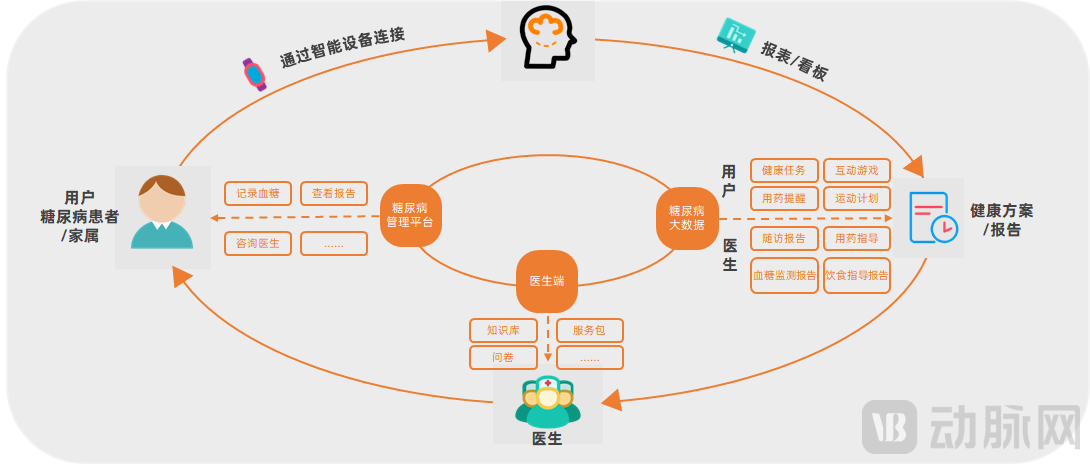
During the provision of online services by physicians to patients, digital tools offer significant convenience for clinical decision-making. Patients’ daily health data are transmitted via smart devices to a data center and subsequently presented to physicians in a consolidated manner through reports and dashboards. By accessing comprehensive follow-up reports, medication guidance, and various monitoring reports, physicians can more accurately assess disease progression and thereby provide medication recommendations that are better aligned with the patient’s current stage of illness.
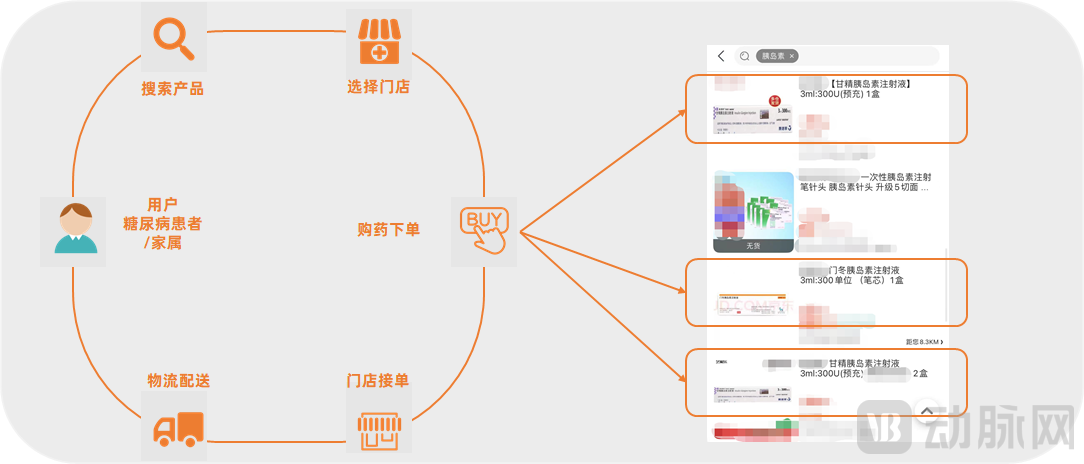
Post-consultation services in the digital management of diabetes focus on the product supply chain. Current digital diabetes management platforms have established comprehensive product supply capabilities, providing not only conventional items such as blood glucose meters, insulin pens, and oral medications, but also enabling the supply of products with more stringent storage requirements, such as insulin, on certain platforms. Online consultations, online medication purchases, and offline delivery are increasingly being integrated to form a one-stop digital diabetes management solution.
Catalyzed by the pandemic, digital diabetes management is emerging as a new long-term option for glycemic control among an increasing number of patients with diabetes, thereby driving explosive growth in the industry over the past two years. The effectiveness, convenience, and personalization demonstrated by digital diabetes management have significantly enhanced user engagement, which in turn has improved overall adherence among the diabetic population, contributing to China’s efforts in diabetes prevention and treatment.
Centered on the glycemic control needs of patients with diabetes, the digital diabetes management industry continues to refine its methodologies and service philosophies. As user demands continue to evolve, we believe that the digital diabetes management sector will further iterate under the impetus of the following four trends.
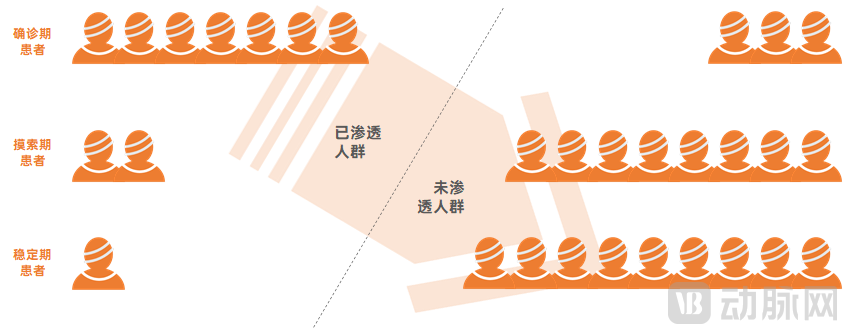
Digital management of diabetes will further expand its patient coverage. A key aspect of this process is shifting focus from newly diagnosed patients to those in the exploratory and stable phases who have been living with the disease for a longer duration.
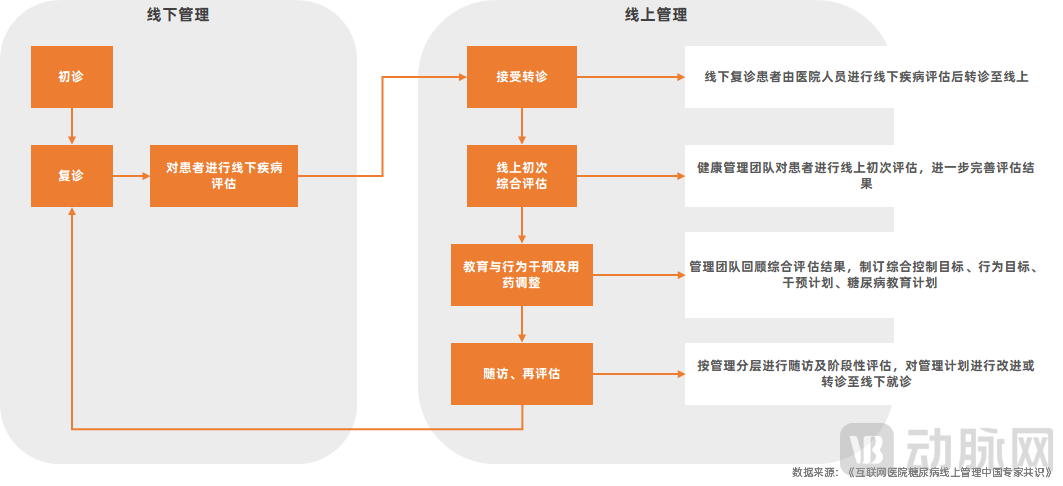
The future of digital diabetes management will embrace more standardized process management, establishing clinical pathways for physicians’ online services based on domestic and international guidelines and consensus statements.
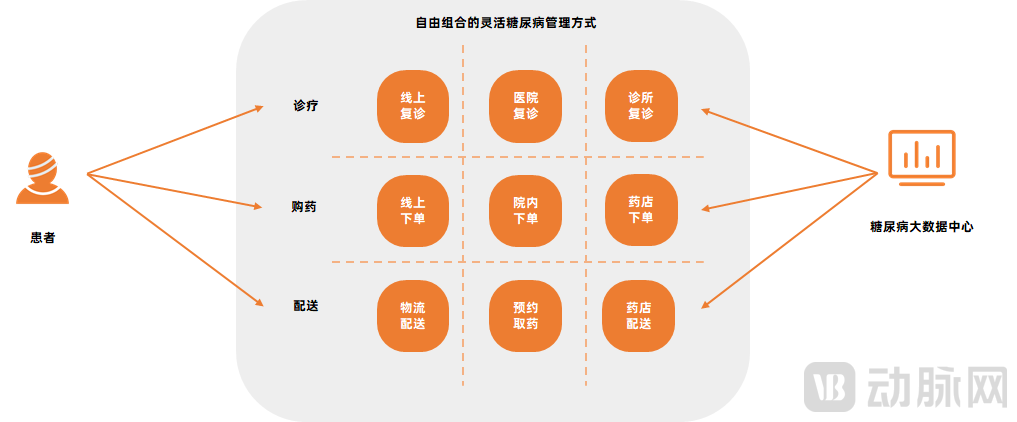
Tighter integration between online and offline channels enables flexible combinations of consultation, medication purchasing, and delivery options, providing users with a highly customizable and convenient experience for blood glucose management.
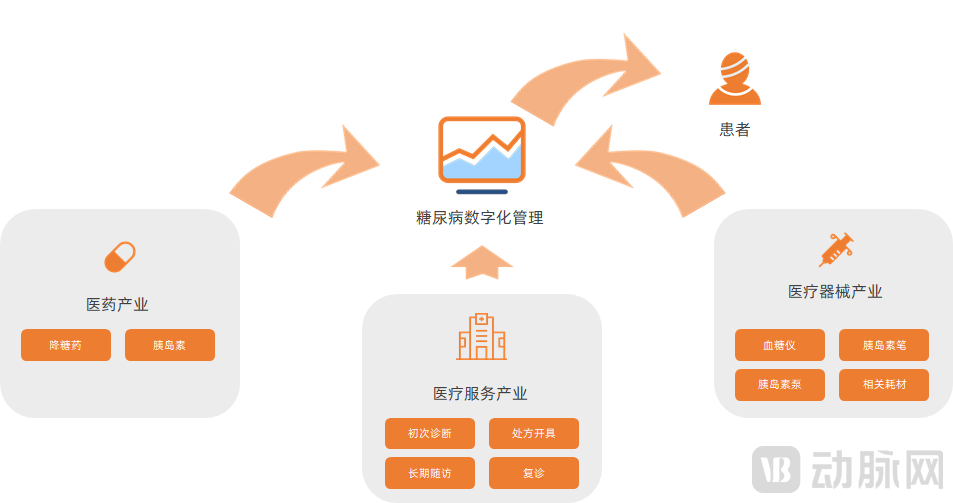
Collaboration between the digital diabetes management industry and other sectors, including pharmaceuticals, medical devices, and healthcare services, has become increasingly frequent, with multiple stakeholders working together to provide comprehensive management services for patients with diabetes.
The above content is excerpted from the "White Paper on Digital Diabetes Management in China 2021." Scan the WeChat Mini Program QR code below to access the full report: