

WeDoctor Launches 'Care Continues at Home' Initiative with 130,000 Tier-3 Hospital Experts to Support Pandemic Control
Recently, while the overall situation of the COVID-19 epidemic in China has remained stable, sporadic and localized outbreaks have occurred intermittently. The prevention and control situation remains severe and complex, with continued pressure to prevent imported cases and domestic resurgences. According to data from the National Health Commission, as of November 6, a total of 968 confirmed cases of novel coronavirus infection had been reported nationwide during this outbreak wave, affecting 44 cities across 20 provinces.
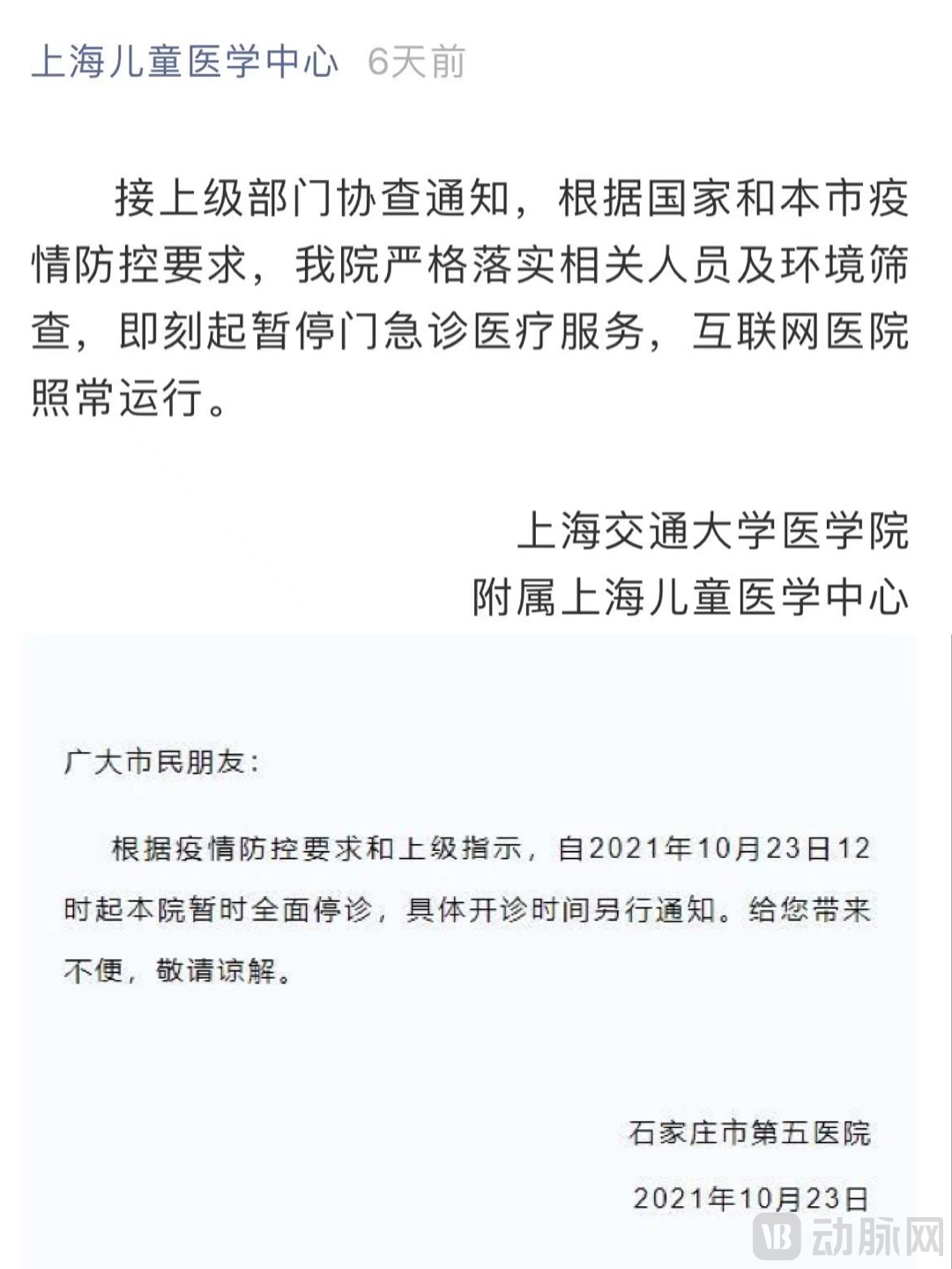
As the epidemic struck, offline medical resources in some regions became strained. Hospitals in Heilongjiang, Hebei, Liaoning, and other areas were affected to varying degrees. Multiple Grade A tertiary hospitals, including Shanghai Children’s Medical Center, Shanghai Xinhua Hospital, and Shijiazhuang Fifth Hospital, announced the suspension of outpatient services, disrupting healthcare access for numerous patients.
To collaborate with offline medical institutions and safeguard the daily healthcare needs of people across China, especially in areas heavily affected by the epidemic, WeDoctor Internet General Hospital rapidly launched the “Care Continues Despite Clinic Closures: Health Delivered to Your Door” special zone on November 5. Bringing together 130,000 physicians from Grade A tertiary hospitals nationwide, it provides integrated and standardized online and offline medical and health services—including online consultations, follow-up visits for chronic diseases, medication guidance, and epidemic prevention guidelines. Users can access all these services immediately by following the “WeDoctor” or “WeDoctor Health” WeChat official accounts and selecting “Top-Tier Specialist Air Epidemic Response” from the “Medical Services” menu.
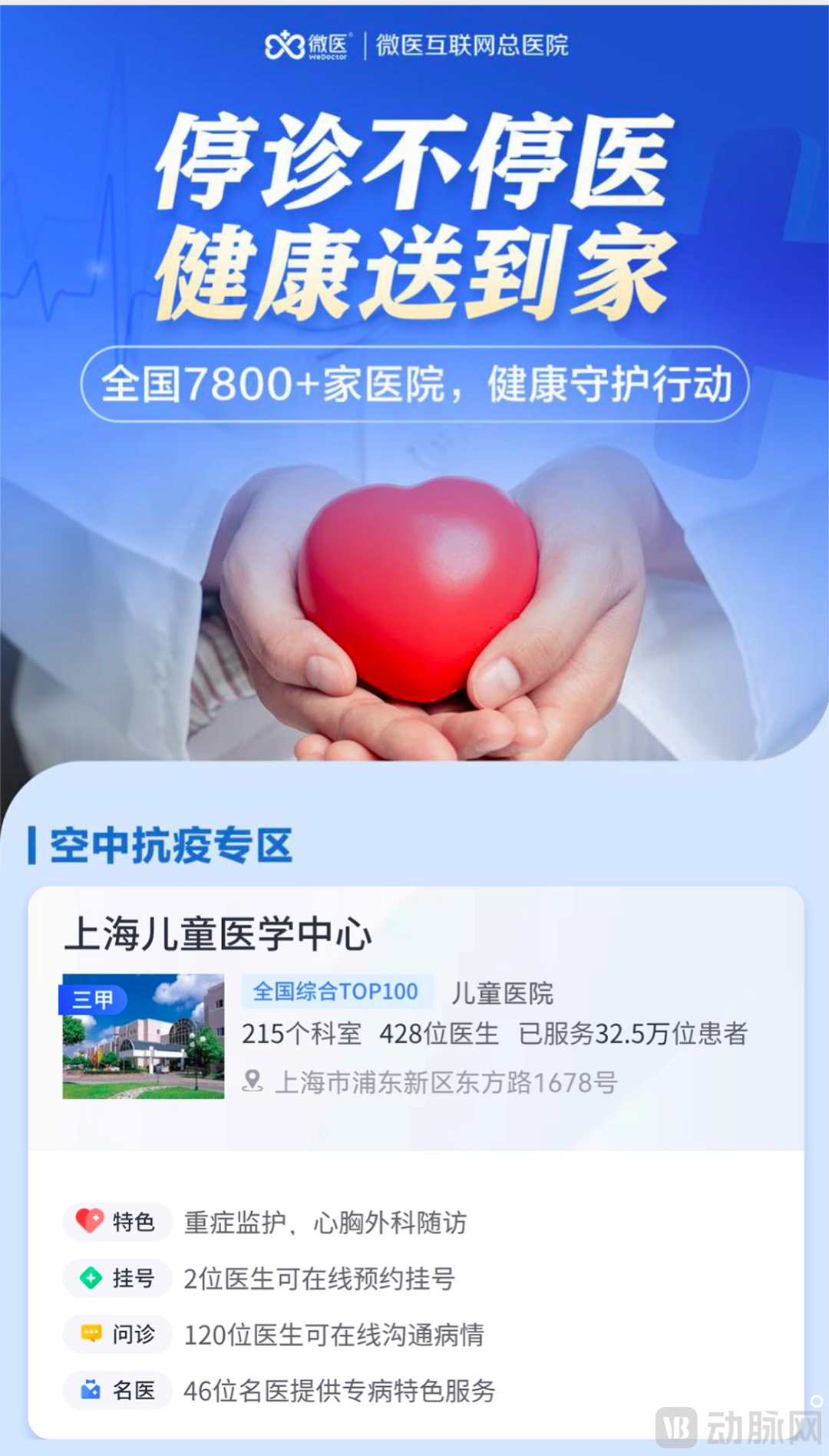
For regions heavily affected by the epidemic, such as Gansu, Hebei, and Heilongjiang, the platform has established an “Air Anti-Epidemic Zone.” Patients with mild symptoms or non-febrile conditions requiring follow-up visits can obtain electronic prescriptions from physicians; in certain areas, medications are delivered directly to their homes, thereby minimizing the risk of viral infection associated with going out. Patients presenting with fever-related symptoms receive consultations from specialists in respiratory medicine, infectious diseases, and internal medicine. If further hospital evaluation is deemed necessary, they are provided with appropriate scientific guidance, collectively alleviating the patient load on frontline medical institutions.
In addition to providing online consultation services, the platform has launched convenient outpatient clinics for common and chronic diseases in response to the pandemic. Patients can connect with doctors online for remote follow-up visits, obtain electronic prescriptions, purchase medications, and have them delivered to their doorsteps. Currently, this specialized section covers dozens of departments, including Respiratory Medicine, Gastroenterology, Neurology, Cardiovascular Medicine, Pediatrics, and Psychology. Patients can also access precise services by searching for specific hospitals.
Professional and authoritative medical science popularization and education serve as a critical support for effective disease prevention and epidemic control. The platform aggregates expert explanations on current pandemic-related medical knowledge from specialists at top-tier (Grade 3A) hospitals, covering topics such as epidemic prevention and control guidelines, medical consultation guidance, and general disease education.
As China’s largest digital healthcare service platform, WeDoctor boasts extensive online experience in pandemic response and a mature online emergency medical health service system. During the COVID-19 outbreak in 2020, WeDoctor, which established China’s first internet hospital, leveraged digital technologies to create an “airborne battlefield” against the epidemic. It successively launched the “Real-Time Assistance Platform for COVID-19” and the “Global Anti-Epidemic Platform,” providing free real-time epidemic prevention and assistance services to users across China and around the world. At the peak of the pandemic, WeDoctor Internet Hospital fulfilled 97% of the online follow-up consultation and medication purchase needs for 408,000 patients with chronic and severe conditions in Wuhan. In June of the same year, when heavy rains and floods frequently struck southern China, WeDoctor launched the “Online Flood Relief Assistance Platform.” This July, WeDoctor introduced the “Henan Emergency Support Zone,” assisting offline medical institutions in disaster-affected areas of Henan Province with sanitation and epidemic prevention efforts, thereby supporting flood control and disaster relief operations.
Due to its outstanding performance in public health emergencies, internet healthcare has transitioned from an “optional” service to a “mandatory” one, becoming an integral component of China’s healthcare delivery system and driving breakthroughs in reimbursement policies. Since the outbreak of the pandemic in 2020, diagnostic and treatment services provided by regional internet hospitals specializing in serious medical care have been included in the scope of medical insurance coverage. WeDoctor’s internet hospitals in multiple regions, including Jinan and Tai’an in Shandong Province, Tianjin, and Longyan, have consistently offered online follow-up consultations, medication delivery, and medical insurance reimbursement services to patients with chronic diseases. Recently, the National Health Commission released the Detailed Rules for the Supervision of Internet Diagnosis and Treatment (Draft for Comments), further affirming the broad development prospects of digital healthcare focused on delivering medical services that are “equivalent in quality” to offline care.
According to a relevant official at WeDoctor, against the backdrop of normalized epidemic prevention and control, WeDoctor will continue to empower the healthcare service system with digital technologies, further strengthen collaboration with public hospitals across China, enhance the accessibility and effectiveness of medical and health services, and serve as a “health gatekeeper” for the Chinese people.