

VesiCURE, Led by Harvard Postdoc, Secures Hundred-Million-Yuan Financing at Inception and Files IPO Prospectus
Exosomes are undoubtedly a hotspot in research and development in recent years, with explosive growth in both basic research and technological development. This is attributed to their multifaceted clinical application prospects—Exosomes can serve as drug delivery vehicles, therapeutic agents for diseases, or novel diagnostic biomarkers.
In just the past few years, exosomes have garnered significant attention. Not only have technology transfer and collaborative development agreements among academia, industry, and research institutions been highly active, but exosomes have also attracted substantial capital investment, presenting a vibrant landscape of growth.
From 2015 to May 2021, there were more than 50 strategic collaborations and licensing deals in the exosome market.In the field of exosome therapy, dozens of companies internationally, including Codiak Bioscience, EVOX Therapeutics, Carmine Therapeutics, Capricor, Avalon, and Aegle Therapeutics, have already established their presence. Among them, representative enterprisesCodiak Biosciences went public on the Nasdaq in October 2020, with two of its drug candidates having entered Phase I clinical trials; another leading exosome therapy company, EVOX Therapeutics, has established collaborations with Eli Lilly and Takeda Pharmaceutical, respectively.
Meanwhile, the performance of the domestic exosome market cannot be overlooked. In just a few years, several exosome-related companies have emerged in China. Recently, VesiCURE Therapeutics Co. Ltd. (hereinafter referred to as “VesiCURE”), an exosome startup, publicly announced that it had secured angel-round financing worth hundreds of millions of yuan. This round of financing was jointly participated by multiple well-known investment institutions, including Genesis Capital, Legend Star, Northern Light Venture Capital, Boyuan Capital, Suzhou Science and Technology Innovation Fund, and Suzhou CSSD Yuanchuang.
It is understood that VesiCURE was established in July 2021 and secured hundreds of millions of yuan in financing just two months after its inception. What kind of company is it, and why did it attract the favor of many well-known capital firms at the very beginning? To gain a deeper understanding of this emerging industry player, VCBeat conducted an interview withDr. Ke Xu, Founder and CEO of VesiCURE TherapeuticsConducted an exclusive interview.
“Exosomes are a rapidly evolving field that continues to achieve remarkable breakthroughs,” stated Dr. Xu Ke. Over the past decade, academic research on exosomes has surged exponentially, with a continuous increase in the number and scale of startups. International exploration of exosome biology and drug-loading platforms has emerged as a new R&D hotspot, profoundly influencing the revolution in next-generation drug delivery technologies.
“Rooted in China, this is a brand-new and vibrant moment. VesiCURE Therapeutics aims to fully unlock the pharmaceutical engineering potential of natural exosomes, achieve organ-targeted, multi-molecular drug delivery at the cellular level, and advance the development of the exosome industry chain and related technologies.”
Based on the background of VesiCURE’s founding team, members possess extensive experience spanning basic scientific research, clinical translation of projects, corporate operations management, and commercial promotion. Furthermore, Dr. Xu Ke and Dr. Zhou Yu previously served together at Codiak BioSciences, the world’s first exosome therapeutics company, which listed on the NASDAQ last October. Both doctors bring many years of R&D and management expertise in the field of exosomes.
From the perspective of individual-specific backgrounds,Dr. Xu Ke, Founder and CEO of the CompanyHe earned his Ph.D. from the University of Texas Southwestern Medical Center and subsequently conducted postdoctoral training at Harvard University, where his research primarily focused on stem cells, gene editing, and diabetes. He worked under the mentorship of internationally renowned scholars Andrew P. McMahon (Fellow of the Royal Society) and Douglas A. Melton (Member of the U.S. National Academy of Sciences and Director of the Harvard Stem Cell Institute).
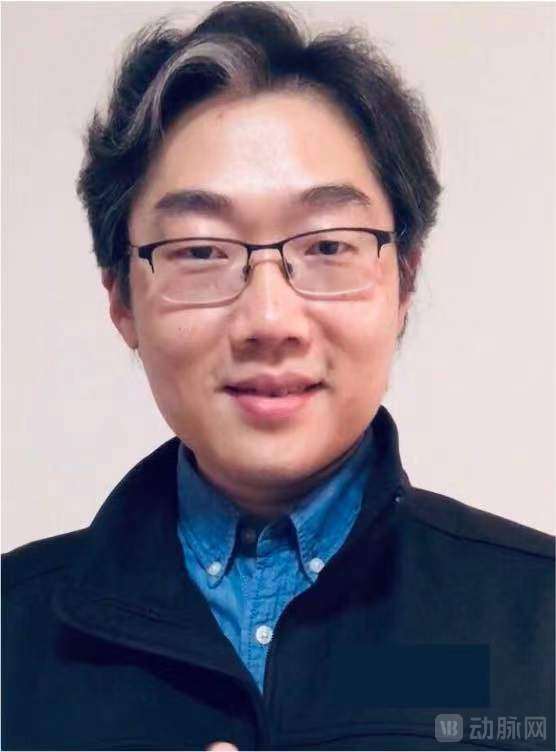
Dr. Xu Ke, Founder and CEO of VesiCURE
In 2014, Dr. Xu joined Biogen and spearheaded the establishment of neurodegenerative disease models (including Alzheimer’s disease, Parkinson’s syndrome, and amyotrophic lateral sclerosis) based on stem cell-directed differentiation technology. In 2016, Dr. Xu joined Codiak as Director of R&D, where he led the Basic Research Department in developing the engEx exosome-engineered drug delivery platform and participated throughout the clinical trial application processes for multiple company pipelines.
Dr. Yu Zhou, Co-founder and Head of the Translational Medicine DepartmentDr. Yu Zhou earned his Ph.D. from Temple University in the United States in 2014, specializing in antiviral innate immunity. In 2015, he joined the global pharmaceutical giant Merck & Co., where he conducted research on antigen-specific T-cell immune repertoires. In 2017, Dr. Zhou joined Codiak BioSciences as an early employee, serving as project lead to spearhead and deeply engage in the development and establishment of multiple exosome pipelines, advancing clinical studies, with several achievements granted international patents.
In 2018, Dr. Zhou Yu joined Eternity Bioscience as a Senior Chief Scientist, where he led the company’s small-molecule drug R&D division, spearheaded multiple project initiations in autoimmune and anti-tumor therapeutics, and directed exploratory efforts in tumor immunology and cell therapy. Dr. Xu Ke stated, “Dr. Zhou has extensive experience in preclinical research and translational medicine, while my background is in innovative R&D; our skill sets are thus highly complementary.”
Dr. He Xinjun, Senior Vice President and Head of Innovation R&DDr. He Xinjun earned his Ph.D. from the University of Oregon in the United States and completed postdoctoral fellowships at Harvard University and the University of Southern California. He has been a valued academic and professional collaborator of Dr. Xu Ke. According to Dr. Xu, Dr. He possesses a robust research background and has received numerous international honors, including the President’s Award from the American Society for Bone and Mineral Research. Additionally, Dr. He has served as R&D Manager, Project Manager, and R&D Director at various domestic and international companies, accumulating extensive experience in large-scale project management and corporate operations.
Since 2018, Dr. He has participated in the establishment of the Nanjing Yijiyun Medical Data Research Institute and has served as its Dean and General Manager to date. He has led and advanced the construction of a medical big data platform. Through close collaboration with clinical hospitals, health commissions, disease control centers, and other regulatory authorities, he has promoted the utilization of medical resources to support clinical practice in hospitals and to respond to the prevention and control of the sudden COVID-19 outbreak.
“For our startup, the ability to make rapid judgments and decisions in complex situations is crucial. Beyond his strong R&D background, Dr. He is a serial entrepreneur with extensive industry experience. I have full confidence in his judgment and execution capabilities when it comes to guiding the company’s strategic layout for innovative R&D,” said Dr. Xu Ke.
Although it has been established for less than half a year, the team at VesiCURE Therapeutics already has a clear vision for the company’s future product portfolio.“Building on the established platform, we will initially focus on tumor immunology and liver-related diseases as our primary breakthrough areas. Subsequently, we will simultaneously expand the application of exosomes into pulmonary diseases, neurological disorders, digestive system diseases, lymphatic system diseases, and even the medical aesthetics sector.”Dr. Li Xu explained to VCBeat.
Why were these six major fields selected? “Needless to say, the field of tumor immunity is paramount; as the leading cause of death worldwide, cancer presents the most significant unmet clinical need. Tumor-derived exosomes serve as critical mediators in the interaction between tumor cells and their microenvironment. By encapsulating drugs within exosomes, therapeutics can be precisely delivered to specific tumor cells, thereby modulating their activity and ultimately achieving tumor cell eradication.”
In its strategic layout for the liver disease sector, VesiCURE primarily leverages the mechanisms of drug delivery. As the body’s largest “detoxification” organ, the liver serves as a major site of accumulation for most systemically administered drugs, including exosome-based therapeutics, thereby enabling effective treatment of hepatic diseases.
“Of course, this presents both challenges and opportunities. The challenge lies in the fact that a significant number of drugs tend to accumulate in the liver and are subsequently degraded. The opportunity, however, is that you can leverage this characteristic to deliver drugs specifically to the liver for the treatment of liver-related diseases. Currently, VesiCURE Therapeutics is exploring indications related to liver diseases, including non-alcoholic steatohepatitis (NASH). We aim to use exosomes for drug delivery to reduce hepatic inflammation associated with this condition, thereby controlling disease progression. Furthermore, we have another approach: taking the ‘reverse’ strategy by rationally designing exosomes to prevent their accumulation in the liver, thus enabling effective drug delivery to other tissues and organs.”
Other clinical application scenarios for exosomes that VesiCURE focuses on include pulmonary diseases, neurological disorders, digestive system diseases, lymphatic system diseases, and ophthalmic conditions. These areas were selected based on the clinical needs of the diseases themselves and the advantages that exosome-based therapeutics offer in these fields. Taking pulmonary and neurological diseases as examples, pulmonary conditions can be treated via respiratory administration, and exosomes are relatively easy to formulate into inhalable preparations. In contrast, drug development for neurological disorders often faces the bottleneck of ineffective blood-brain barrier penetration. Exosomes, however, possess the ability to cross the blood-brain barrier, making them highly promising for the development of therapies targeting brain diseases.
In recent years, a substantial body of research has demonstrated that exosomes play a critical role in tissue repair; therefore, exosomes haveMedical AestheticsThis field is also highly lucrative. Numerous materials science studies have led to the development of exosome-based repair products. ExCoBio, a South Korean biotechnology company specializing in exosome-based solutions for skin damage repair and tissue regeneration, has even gone public. VesiCURE Therapeutics has clearly taken notice of this sector as well. “We are actively reaching out to dermatologists at various hospitals to engage in in-depth discussions and explore the potential for breakthroughs in this area.”
The ability to formulate such a precise and step-by-step product layout strategy is inseparable from VesiCURE Therapeutics’ in-depth market insights into the exosome field. This capability stems, on one hand, from the team’s direct experience cultivated over many years of deep engagement in the exosome sector, and on the other hand, from the “foundational groundwork” the team conducted before embarking on the arduous journey of entrepreneurship.
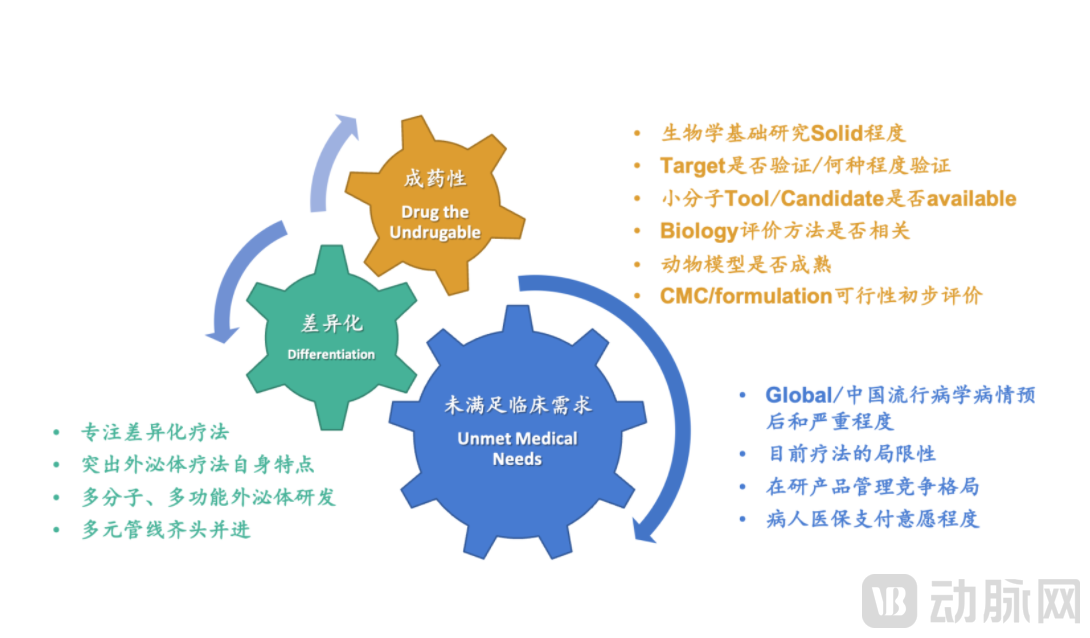
Dr. Xu stated, “Each pipeline layout and advancement strategy at VesiCURE is a decision made by our team after comprehensive consideration of multiple factors, including the epidemiological trends both internationally and in China, the limitations of current therapies, the competitive landscape of products under development, the actual clinical needs of patients, and healthcare insurance reform policies.”
Certainly, the advancement of numerous product pipelines relies on the foundational establishment of an exosome platform. Leveraging funds from its angel round financing, VesiCURE Therapeutics will build an Extracellular Vesicles (EV) platform to lay the groundwork for the development of novel EV-based therapeutics.
Dr. Li Xu Introduces VesiCURE’s modEXOTMEngineered Exosome Drug Delivery Platform: Built upon an in-depth understanding of exosome technology, this platform leverages the low immunogenicity, multifunctionality, and high loading capacity of exosomes. It emphasizes dynamic modular design to facilitate tissue- and cell-specific drug delivery, optimize the therapeutic window, enable sustained-release tissue pharmacology, ensure precise dose control, and support personalized diagnostic and therapeutic regimens, thereby meeting the clinical demand for precise targeting.
“The establishment of this platform facilitates more in-depth research into exosome delivery and lays the foundation for advancing our product pipeline; the development of specific products represents a deep exploration of indications relevant to exosome-based therapeutics. Our core objective remains to meet the clinical needs of patients. As an early-stage company dedicated to the R&D of novel exosome drugs, VesiCURE Therapeutics aims to collaborate with industry peers to foster mutual growth, jointly promote the maturation of the exosome industry, fully unlock the medical potential of exosomes, identify breakthroughs in therapeutic indications, and deliver groundbreaking new medicines to patients worldwide.”