

Can AI Drug Discovery Disrupt Traditional Pharmaceutical R&D? Insights and Product Overview from a Recent IPO Filing
Suppose you have a warehouse full of pistachios, and you can enjoy these delicious nuts at will, with only one condition: after eating them, you must return the shells to the warehouse. Initially, you can easily grab a handful of pistachios, but as you continue, the shells accumulate while the number of pistachios dwindles, making it increasingly difficult to find the remaining nuts; you may need to sift through piles of shells just to locate a single pistachio. Eventually, you might abandon this once-abundant warehouse and begin searching for pistachios in other warehouses. However, this does not mean that the original warehouse is completely devoid of pistachios; they may simply be extremely hard to find.

Initially, the warehouse was filled with pistachios, so abundant that one could easily pick up a handful and find a nut.
The Story of the Pistachio Warehouse was once used to describe the state of mineral resources on Earth. In this analogy, Earth’s minerals are likened to pistachios; when a mine is abandoned, it becomes like an empty pistachio shell in the warehouse. Ultimately, while Earth’s mineral resources may not be completely exhausted by human extraction, the sharply rising costs and technological challenges of locating remaining deposits will likely lead humanity to abandon further terrestrial mining efforts and instead embark on expeditions to other planets.
The pharmaceutical industry, particularly in the fields of antimicrobial and antiviral drugs, also faces the same “pistachio problem.”

As pistachio consumption rises and shells accumulate, pistachios are becoming increasingly difficult to find.
In the past, expectations for medications were modest: alleviating immediate symptoms was sufficient. Today, however, people not only demand symptomatic relief but also seek complete cures, along with enhanced safety profiles and fewer side effects. Moreover, the diseases we now confront are characterized by extremely complex etiologies, such as cancer and Alzheimer’s disease, as well as infections caused by increasingly drug-resistant microorganisms.
The action of drug molecules depends on their structures.Whether it involves biomolecules targeting and binding to receptor proteins to regulate cellular functions, hormone molecules activating cell signaling pathways, or small-molecule drugs catalyzing biochemical reactions, the ability of drugs to execute these complex actions relies on intricate molecular structures. From a single functional group in a chemical molecule to large protein domains, these structural elements perform diverse functions. As they are continuously elucidated, drug development has gained clearer direction.
Before recognizing the importance of structure to drug function, our predecessors often relied on trial and error to determine the effects of medicines. For instance, Shennong’s tasting of hundreds of herbs and Li Shizhen’s compilation of the Compendium of Materia Medica were both arduous endeavors undertaken at great personal risk. Moreover, the efficiency of such empirical approaches fails to meet contemporary demands. While establishing one-to-one correlations between the hundreds of major diseases known at the time and tens of thousands of medicinal plants seemed merely a matter of time, this exhaustive method proves inadequate when confronted with the virtually infinite number of molecular entities.
Traditional new drug discovery is akin to searching for a pistachio nut within a massive pile of empty shells in a warehouse. While we may have a general idea of which areas are more likely to contain pistachios, the time-consuming and labor-intensive process of sifting through the empty shells remains unavoidable.
Is there a way to directly locate the pistachios in the warehouse without inspecting each empty shell individually?
Just as we can search for information instead of flipping through books when we don’t want to, AI can replace humans in performing many tasks, doing so both better and faster. In the process of new drug discovery,AI can replace humans in processing research findings, clinical data, and physicochemical data, and calculate and screen for the optimal few candidate sites from the perspectives of chemical and biological molecules, activation energy, etc., reducing the tens of thousands of molecules that originally required manual screening to just a few.
In this way, we no longer need to inspect each empty shell individually. Instead, we can first define the characteristics of uneaten pistachios (such as two shells joined in a “V” shape) and let AI locate them for us. By digging a few times in the direction predicted by the AI, we can quickly find the delicious pistachios. Moreover, AI can optimize drug trials, enhance pharmacovigilance, and improve subject screening, thereby revolutionizing the pharmaceutical industry from top to bottom.
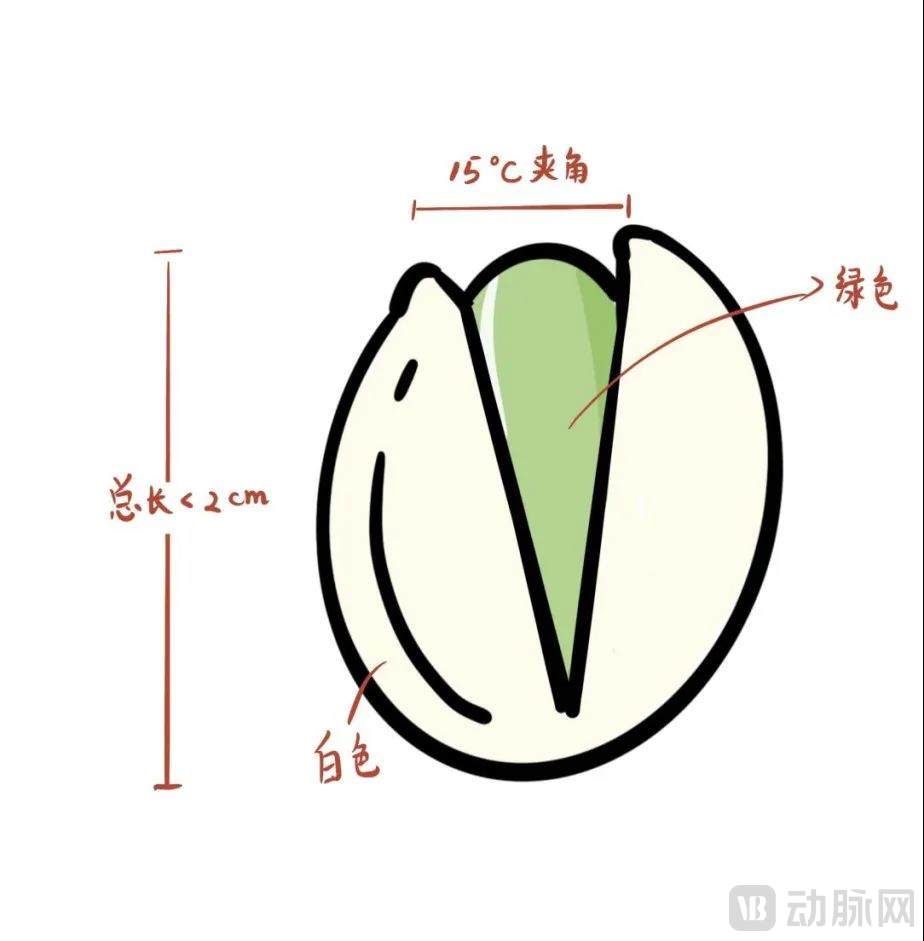
We can define pistachios and then train AI, with the resulting algorithm guiding computers to identify pistachios.
To define the characteristics of pistachios, one must first understand what a pistachio is. In contrast to pistachios, which are roughly the size of a fingernail and visually distinct, elucidating protein structures is a complex endeavor.
Compared to nucleic acids, which consist of only four basic nucleotides, proteins composed of 20 common amino acids far exceed nucleic acids in compositional complexity. A protein with just 50 amino acids can already approach a magnitude of 10^34 possible combinations; if the occurrence of non-canonical amino acids is taken into account, proteins theoretically possess nearly infinite possibilities.
Initially, scientists determined protein structures by “photographing” proteins using techniques such as X-ray diffraction and nuclear magnetic resonance (NMR). However, this “photographic” approach imposes stringent requirements on both the purity of protein samples and the instrumentation. Moreover, it does not directly yield protein structural data; interpreting the results is a highly time-consuming and labor-intensive process. If every protein were to have its structure determined through such “photography,” the required time, manpower, and material resources would be countless, mirroring the vast number of proteins themselves.
Scientists made a surprising discovery while analyzing protein sequences: proteins with similar functions share similar sequences. Decades of validation have confirmed that protein function is determined by its sequence. Throughout the evolutionary process, certain sequences remain highly resistant to change; these are referred to as “conserved sequences.”
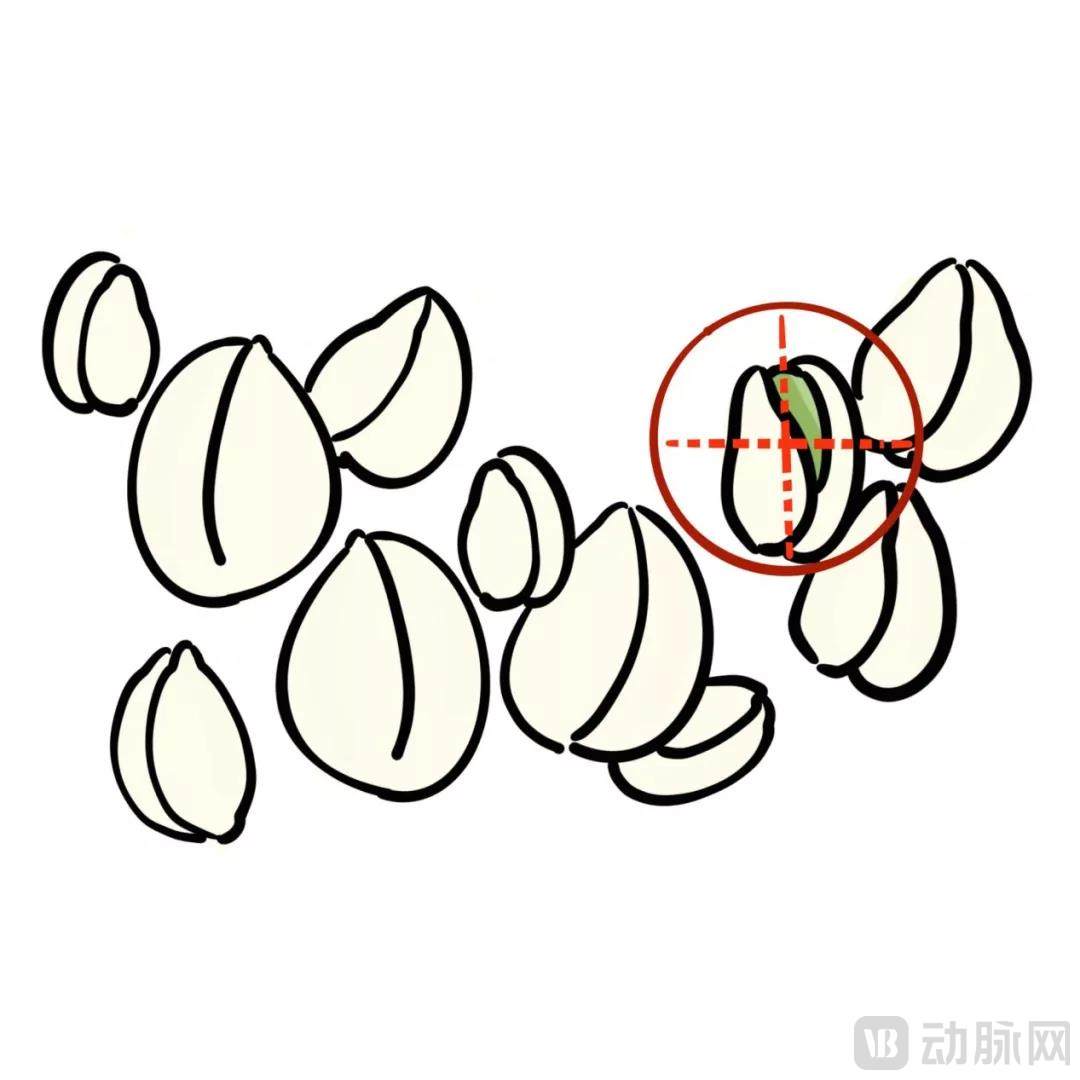
And so,By comparing the sequences of known and unknown proteins, we can identify overlapping sequence regions to construct a basic protein framework, thereby enabling the prediction of the unknown protein’s structure using structural fragments from the known protein.
 Human
Human
Artificial intelligence will efficiently locate pistachios, saving substantial labor and time costs.
When scientists believed that protein structures could be deciphered through simple “cut-and-paste” approaches, the challenges posed by mutations and non-conserved regions once again loomed large. Ras, a key protein in tumorigenesis, exhibits markedly different characteristics from its normal counterpart with only one to three mutations in cancer patients. This underscores the critical role that even minor mutations play in protein function. Furthermore, non-conserved sequences and side-chain regions within proteins also exert a certain influence on protein function.These new findings indicate that simple computations are insufficient to meet the requirements for protein structure elucidation, and complex proteins pose new challenges to the reliability of algorithms.
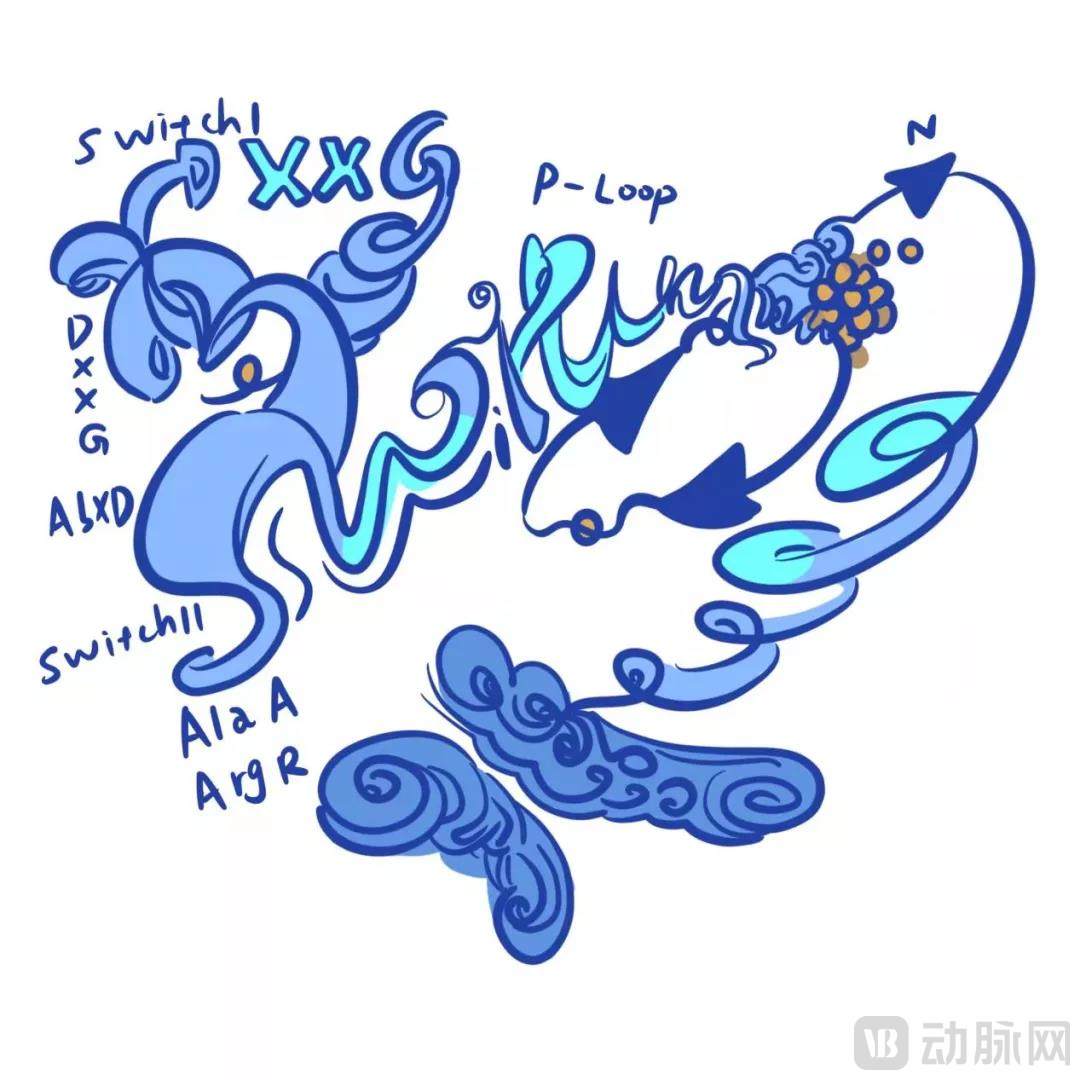
Proteins are not merely simple sequences; the peptide chains composed of amino acids further interact to generate highly complex higher-order structures. These spatial conformations, along with their associated physicochemical properties, determine protein function to a certain extent.
In 2020, Google’s DeepMind team announced that its AI algorithm, AlphaFold, could provide reliable predictions for the amino acid structures of 58% of the human proteome, covering more than 98.5% of all proteins. The emergence of AI has finally resolved the protein structure prediction problem that had plagued biology for 50 years, providing the most robust technical foundation for the application of AI in drug development.
The efficiency gains brought by AI in drug development are evident. Compared to the traditional pharmaceutical model, which involves a multi-year timeline and billions of dollars in R&D investment for a single drug, AI-driven drug discovery can significantly reduce both time and economic costs:Insilico MedicineLeveraging AI-driven drug discovery technologies, a novel-mechanism drug for idiopathic pulmonary fibrosis was identified in a shorter timeframe. Furthermore,Wangshi IntelligenceEmerging teams specializing in AI-driven drug discovery algorithms are also leveraging their unique and highly efficient algorithms to provide integrated AI services to other pharmaceutical companies, thereby empowering the biopharmaceutical industry.
Traditional multinational pharmaceutical giants began collaborating with artificial intelligence (AI) at an early stage. For instance, Merck & Co. initiated in-depth research collaborations with Numerate in 2012, focusing on cardiovascular disease medications. In the healthcare services sector, the integration of AI technologies has also driven rapid development; recent advancements such as health tracking and genetic analysis are underpinned by AI algorithms. These AI-driven data insights not only enable health assessments but also facilitate the statistical analysis and identification of common health issues, thereby providing valuable feedback to inform AI-enabled drug discovery.
Driven by the efficiency revolution characterized by low investment and high returns, as well as the groundbreaking advances brought by AlphaFold, AI-driven drug discovery has become one of the most closely watched fields in recent years. In addition to traditional multinational pharmaceutical giants, internet companies with expertise in algorithms have also entered the AI drug discovery arena: prominent enterprises such as Tencent, Huawei, Alibaba, and Baidu established big data platforms for AI-based drug R&D and dedicated AI drug discovery teams around 2020. Meanwhile, large pharmaceutical companies represented by WuXi AppTec and Jiangsu Hengrui Medicine have also begun to invest heavily in the field of AI-driven drug discovery.
However,# The Development of AI-Driven Drug Discovery Still Faces Certain Challenges. The greatest challenge lies in the conflict between AI’s need for open information and the pharmaceutical industry’s requirement for data confidentiality.
In the pharmaceutical manufacturing process, research and development (R&D) accounts for the majority of drug costs. For certain small-molecule drugs with high R&D complexity, the cost of synthesis and production can even be negligible. However, once these R&D data, which involve billions of dollars in investment, are leaked, competitors can easily save substantial R&D expenses through imitation. Over time, this will significantly dampen enthusiasm for pharmaceutical R&D investment. When training AI systems, regardless of whether existing data features are available for reference, the volume of raw data directly determines the accuracy of AI predictions. Only massive datasets can train the most precise AI models.
Additionally,Talent scarcity is another challenge facing AI-driven drug development.Compared with traditional computer science or biology professionals, AI-driven drug discovery requires more interdisciplinary talent. These individuals must not only be proficient in algorithm construction and optimization but also possess a solid foundation in molecular and structural biology, enabling them to understand the biological needs in pharmaceutical development and translate them into algorithmic problems.
Technology for the Benefit of Humanity. Hillhouse aims to support AI-driven drug discovery to reduce the frequency and cost of trial-and-error in R&D, enhance the efficiency of innovative drug development, empower emerging biotech companies to continuously identify valuable new drug targets and projects, strengthen China’s innovative pharmaceutical enterprises, and provide patients with more effective therapies.
GL Ventures is Hillhouse’s venture capital platform dedicated to early-stage innovative companies, with a focus on key sectors including hard technology, software, biotechnology, new materials, emerging brands, and consumer technology. GL Ventures seeks out entrepreneurs who are passionate about technology and believe in innovation. We aim to become the first call for founders seeking financing and look forward to accompanying them throughout their entrepreneurial journey.
References:
1. Highly accurate protein structure prediction for the human proteome, Nature (2021) , https://doi.org/10.1038/s41586-021-03828-1.
2. Highly accurate protein structure prediction with AlphaFold, Nature (2021), https://doi.org.10.1038/s41586-021-03819-2.
3. 2021 New Zhiyuan. “China’s AlphaFold” Is Born! He Uses AI to Accelerate Biopharmaceutical Development and Secures Nearly $100 Million in New Funding. Zhihu.
4. Wang Lijun. AI Begins Drug Development. Tencent News.
5. Brain Pole. Stop Asking Me What AI Drug Discovery Is. 36Kr.
6. Sheng Hui. Special Report on the AI Drug Discovery Industry—Opening the Black Box of AI Drug Discovery: CB Insights’ In-Depth Analysis of Business Opportunities in the AI Drug Discovery Sector. NetEase News.
7. Qianmo Chuxin. What Is AI Drug Discovery, and Why Choose It? Tracing the History of Drug R&D. Xianji Network.