

Inaugural Greater Bay Area Rare Disease Gene Therapy Summit Held in Guangzhou with Strong Industry-Academia-Medical Collaboration
On November 12, 2021, the inauguration ceremony of the Guangzhou Industry-Academia-Research Collaborative Innovation Alliance for Rare Disease Gene Therapy (hereinafter referred to as the “Alliance”), together with the First Greater Bay Area Summit on Rare Disease Gene Therapy (hereinafter referred to as the “Summit”), was grandly held at the Four Points by Sheraton Guangzhou Dongpu. The conference adopted a hybrid format combining online and offline participation, drawing more than 3,000 experts, scholars, and industry professionals to engage in this high-quality exchange on rare disease gene therapy.
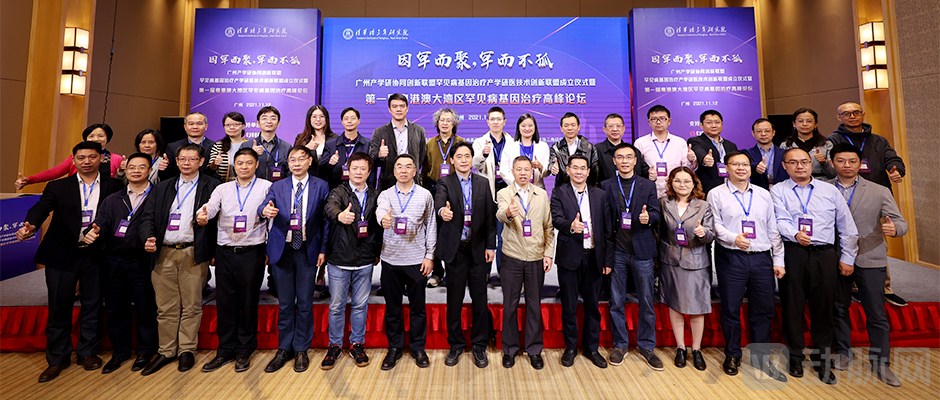
Mr. Lü Xiaofeng, Deputy Director of the Industry-University-Research Collaboration Division and Level II Researcher at the Guangzhou Municipal Science and Technology Bureau; Mr. Wu Bangming, Vice President of the Tsinghua Pearl River Delta Research Institute, the lead organization of the alliance; Professor Deng Chuxia, Dean of the Faculty of Health Sciences at the University of Macau; Professor Yang Qintai, Vice President of the Third Affiliated Hospital of Sun Yat-sen University; and Ms. Han Lanqing, Director of the Artificial Intelligence Innovation Center at the Tsinghua Pearl River Delta Research Institute, delivered inspiring addresses at the conference. They expressed their expectations for the alliance and extended warm congratulations on the successful opening of both the alliance and the forum. Meanwhile, Mr. Huang Rufang, Director of the Cord Rare Disease Center, and Professor Lin Haotian, Vice President of Zhongshan Ophthalmic Center at Sun Yat-sen University, who were unable to attend in person due to the pandemic and other reasons, sent their heartfelt video greetings to the conference.
Deputy Director Lü Xiaofeng emphasized that the biopharmaceutical industry is a strategic emerging industry in Guangzhou and a key area for technological innovation in the Guangdong-Hong Kong-Macao Greater Bay Area. As this year marks the beginning of the 14th Five-Year Plan, he expressed hope that the Guangzhou Rare Disease Gene Therapy Alliance would unite efforts from all sectors, leverage the combined strengths of industry, academia, research, and clinical practice, break down information silos, and inject new momentum into the development of the rare disease gene therapy sector in the Greater Bay Area and across China, thereby bringing benefits to patients with rare diseases at the earliest possible time.
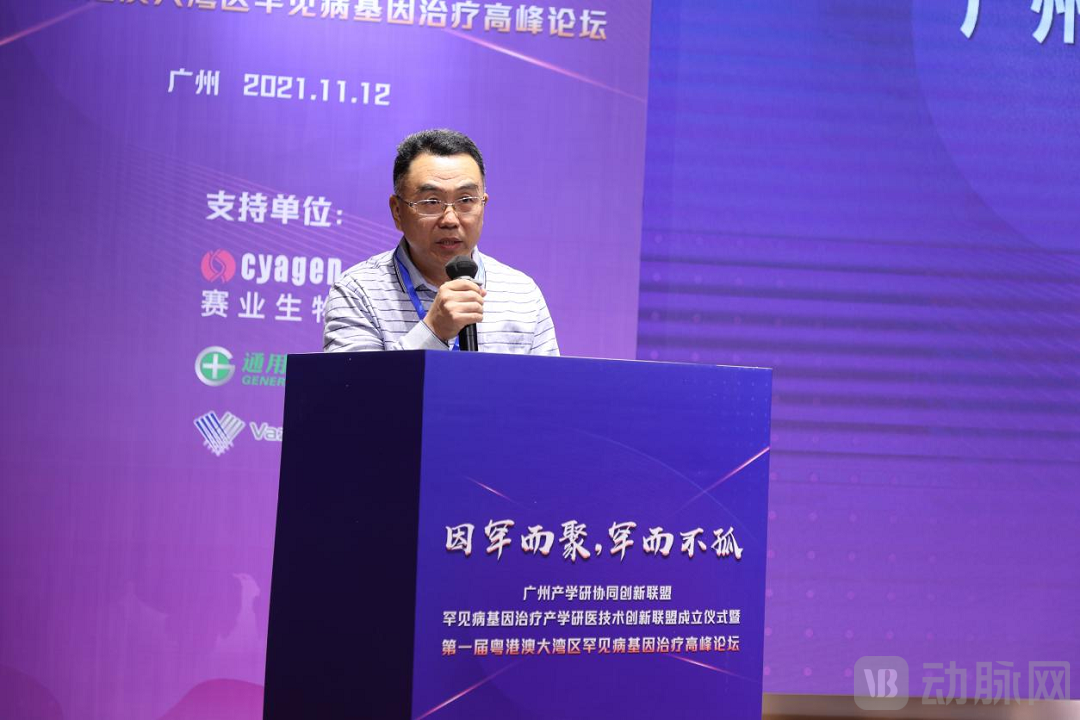
Lv Xiaofeng, Deputy Director of the Industry-Academia-Research Collaboration Division and Level II Researcher of the Guangzhou Municipal Science and Technology Bureau, delivered an address.
Vice President Wu Bangming extended his congratulations on the establishment of the alliance. He stated that the formation of the alliance would not have been possible without the support of relevant entities, such as the Guangzhou Municipal Science and Technology Bureau, and the concerted efforts of all member units. These stakeholders have made outstanding contributions to advancing the alliance’s operations and strengthening its institutional development.
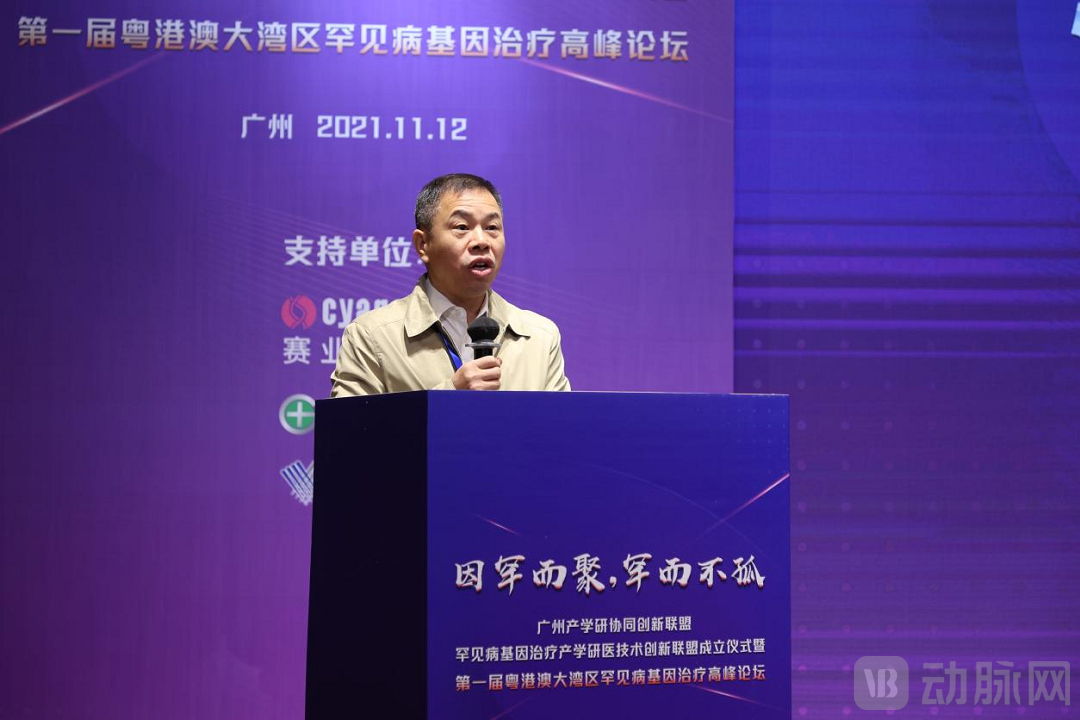
Tsinghua University Pearl River Delta Research Institute Deputy Director Wu Bangming Delivers Opening Remarks
President Deng Chuxia stated that there are over 7,000 rare diseases worldwide. Although the incidence of each individual rare disease is low, the total number of patients is substantial. Investigating the pathogenesis of rare diseases to identify diagnostic and therapeutic approaches holds profound significance for their clinical management, and thus research in this field warrants strong support. President Deng also expressed great satisfaction with the establishment of the Rare Disease Alliance, expressing confidence that gene therapy offers a promising pathway to advance the rare disease sector.
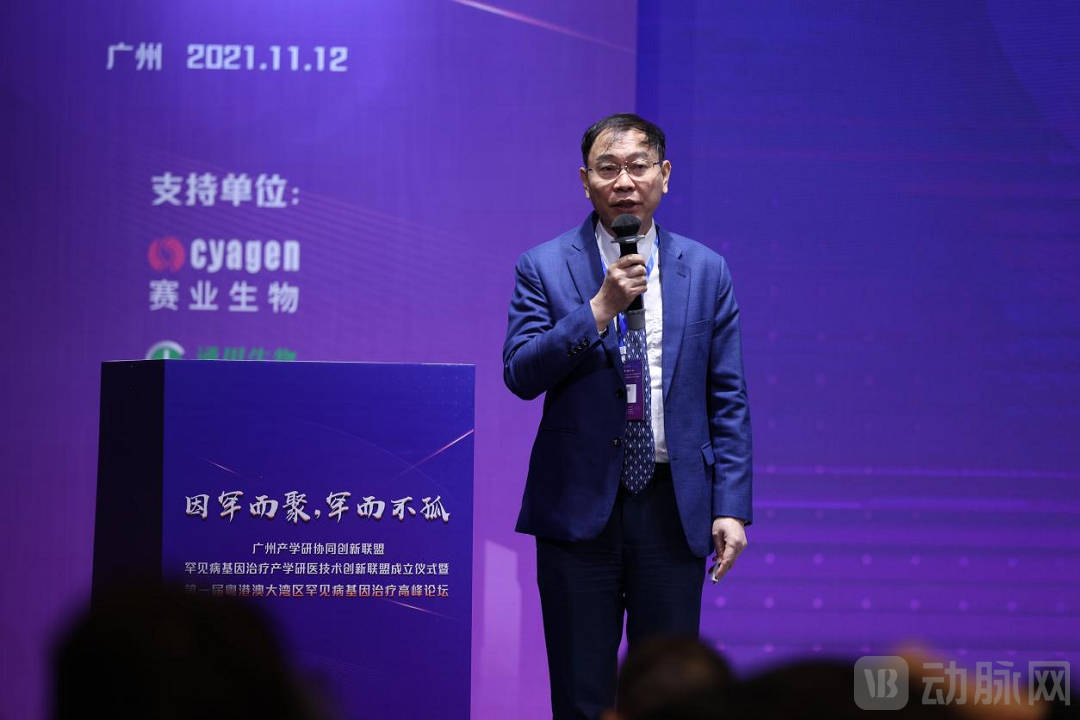
Address by Dean Deng Chuxia, Faculty of Health Sciences, University of Macau
Vice President Yang Qintai stated that the development of medical capabilities for rare disease treatment in China is uneven, and patients are geographically dispersed across numerous medical specialties. Insufficient awareness of rare diseases among primary care physicians often leads to missed opportunities for optimal diagnosis and treatment. How can we enhance the diagnostic and therapeutic capabilities for rare diseases in China? How can we improve primary care physicians’ understanding of rare diseases? These questions have been the focus of our ongoing efforts and represent the original intention behind supporting the establishment of the Guangzhou Rare Disease Gene Therapy Alliance.
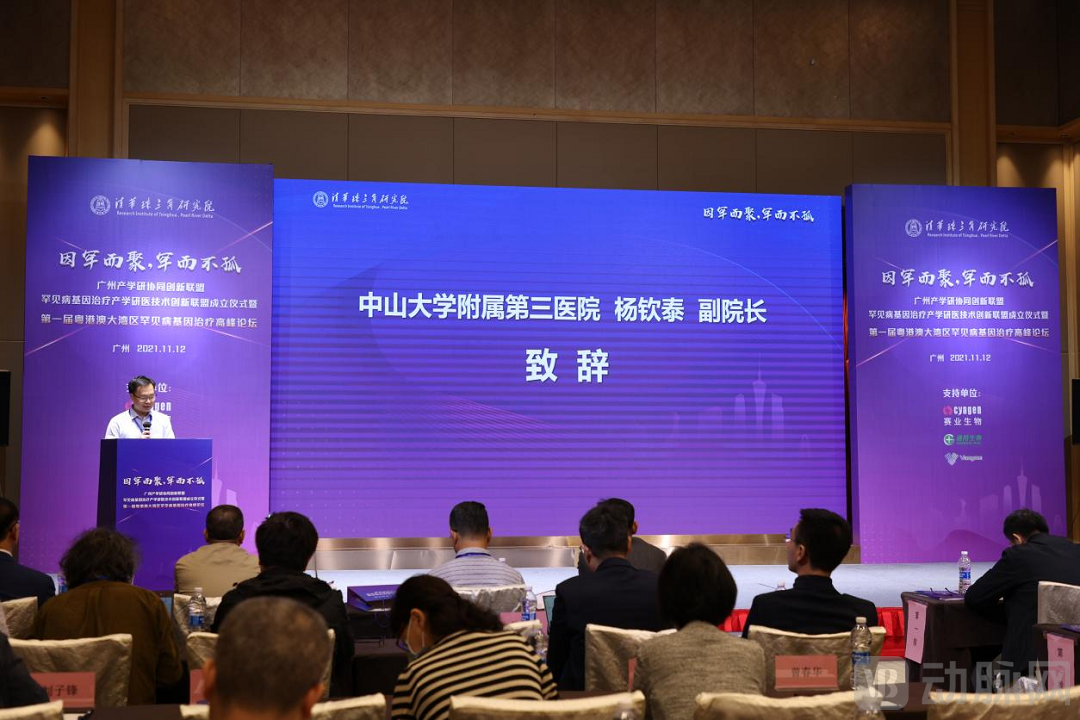
Vice President Yang Qintai of the Third Affiliated Hospital of Sun Yat-sen University Delivered a Speech
Director Huang Rufang expressed gratitude to the Alliance’s experts on behalf of the vast number of patient families in China, and stated that the Cord Rare Disease Center is willing to lead more patient families to participate in our clinical studies, drug trials, and drug development processes, looking forward to fostering further collaboration with all parties.
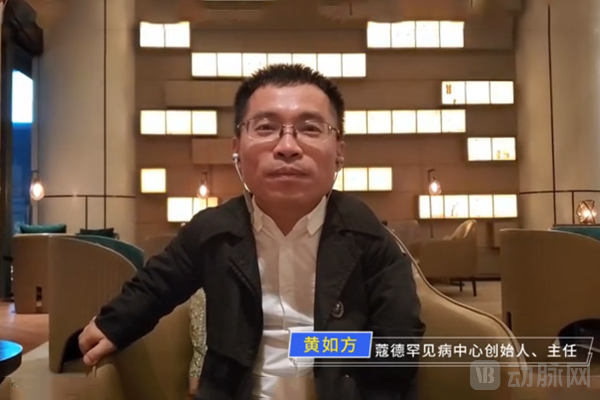
Director Huang Rufang of the Cord Blood Rare Disease Center Delivered an Online Address
Vice President Lin Haotian stated that AI-driven diagnostic and therapeutic technologies in ophthalmology, particularly for large-scale screening of various rare diseases, have made significant strides in recent years. He expressed the hope that these intelligent ophthalmic diagnostic and therapeutic technologies will better empower the screening, prevention, and treatment of rare diseases, thereby making the greatest possible contribution to improving the eye health of the Chinese population.
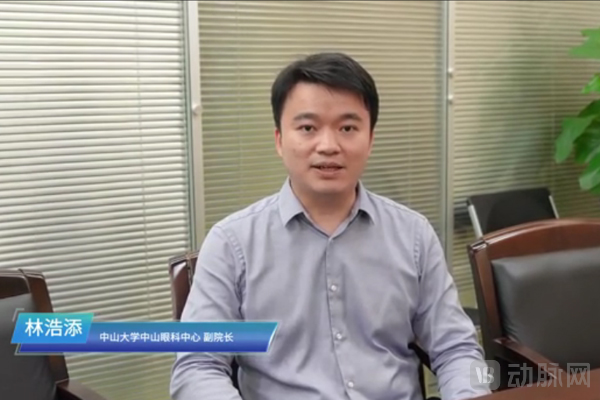
Deputy Director Lin Haotian of the Zhongshan Ophthalmic Center, Sun Yat-sen University, Delivered an Online Address
Director Han Lanqing stated that many patients with rare diseases are left to grope in the dark without receiving the support they deserve, whereas big data and AI can indeed offer assistance in this field. The AI-powered rare disease database we are about to complete will bring hope to gene therapy for rare diseases.
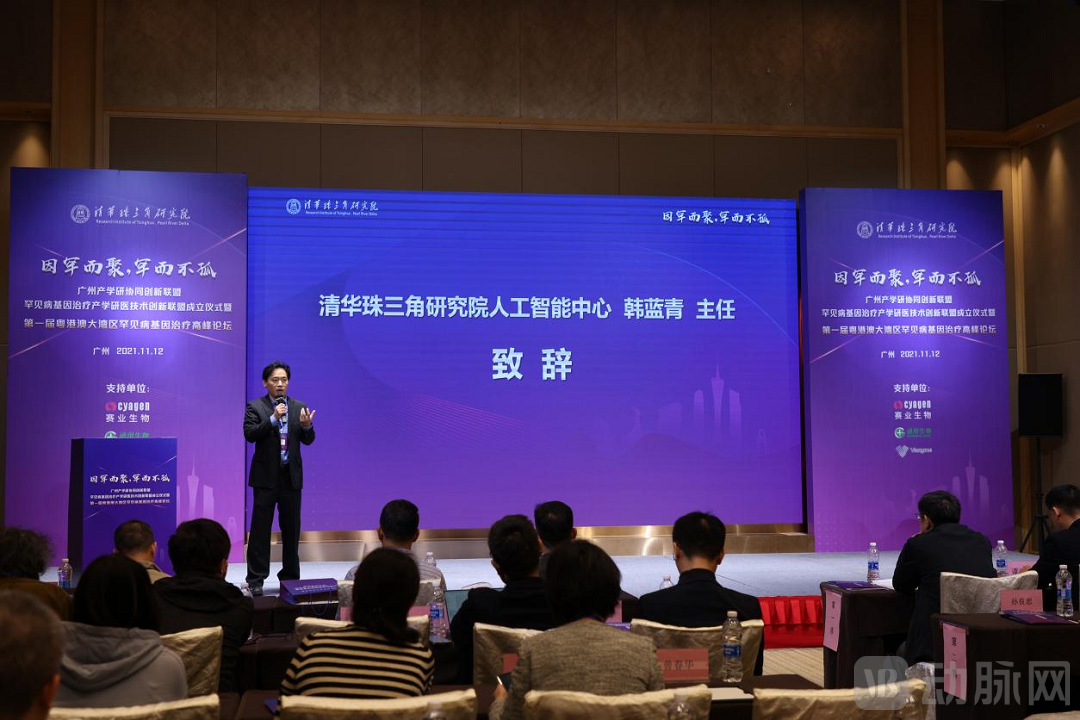
Director Han Lanqing of the AI Innovation Center at the Tsinghua University Pearl River Delta Research Institute Delivered Opening Remarks
Amidst enthusiastic applause, eight distinguished guests took the stage to press the launch columns, officially announcing the establishment of the “Guangzhou Industry-Academia-Research Collaborative Innovation Alliance for Rare Disease Gene Therapy.” The guests included Zhao Xiaoxi, Director of the Rural and Social Development Science and Technology Division of the Guangzhou Municipal Science and Technology Bureau; Lü Xiaofeng, Deputy Director of the Industry-Academia-Research Collaboration Division and Level II Researcher of the Guangzhou Municipal Science and Technology Bureau; Su Xiongbin, Deputy Director of the Guangzhou Productivity Promotion Center; Deng Chuxia, Dean of the Faculty of Health Sciences at the University of Macau; Yang Qintai, Vice President of the Third Affiliated Hospital of Sun Yat-sen University; Wu Bangming, Vice President of the Tsinghua Pearl River Delta Research Institute; Tan Yuanming, Level III Principal Staff Member of the Science and Technology Industry Division of the Huangpu District Science and Technology Bureau of Guangzhou; and Han Lanqing, Director of the Artificial Intelligence Innovation Center at the Tsinghua Pearl River Delta Research Institute.
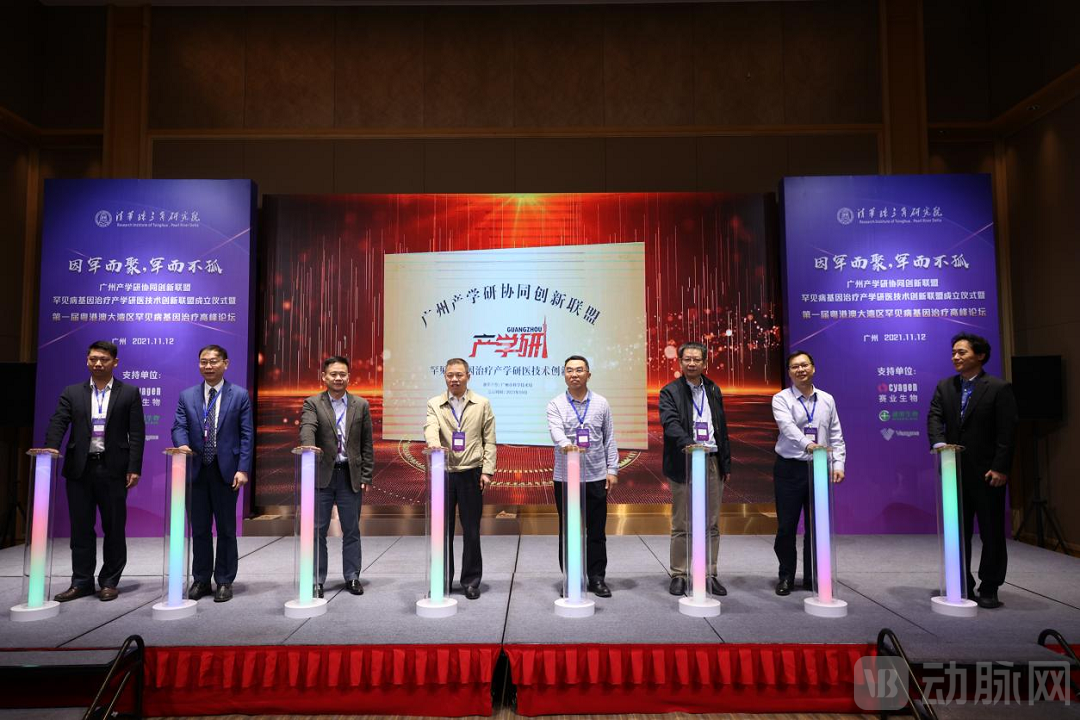
Eight attending guests took the stage to press the pillars, officially announcing the establishment of the alliance.
Following the unveiling ceremony, the First Greater Bay Area Summit on Gene Therapy for Rare Diseases was successfully convened. Fifteen experts shared insights and engaged in discussions on topics including the global gene therapy market, the development and application of gene-editing tools, AI-enabled novel visual databases for rare diseases, the genetic and molecular mechanisms of osteogenesis imperfecta, research on mouse, rabbit, and large animal models of human rare diseases, and the diagnosis and treatment of rare neuroimmune disorders. This high-quality, high-level industry event attracted more than 3,000 experts, scholars, and industry professionals participating both online and offline.
Dr. Li Linguo, Senior Research Fellow at the Center for Public Policy Research of the Cordelia Rare Disease Center, discussed the current landscape of rare disease treatment in China and the role of patients and their families in advancing rare disease research, drawing on global rare disease treatment policies. He concluded by outlining the vision and goals for the future development of rare disease care.
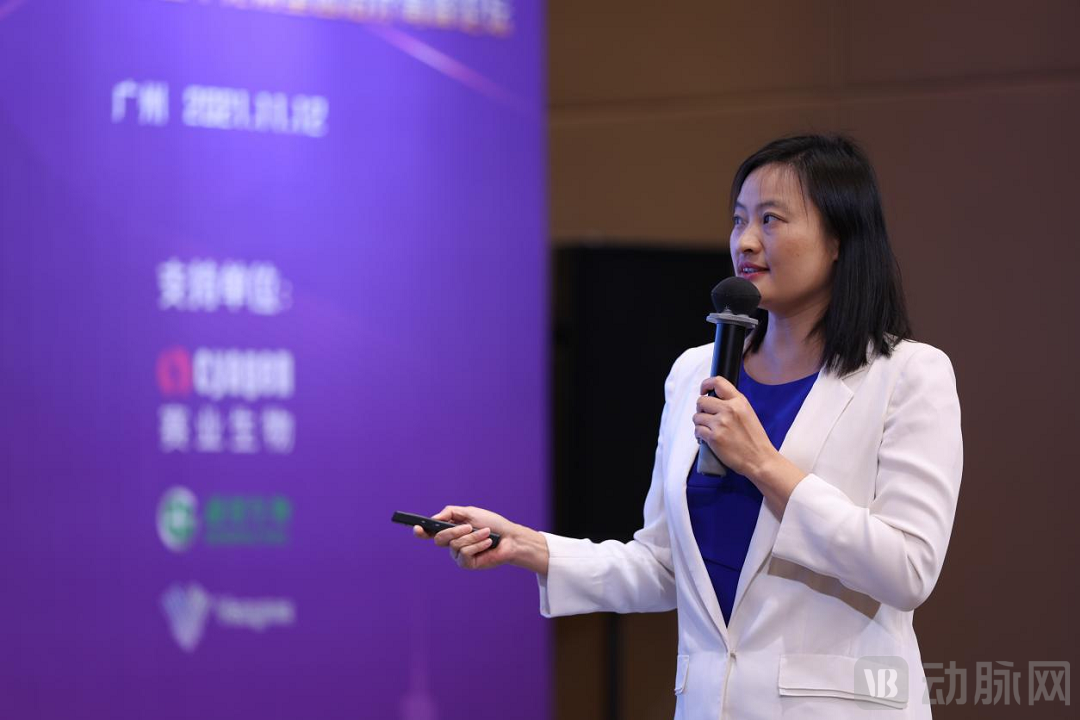
Dr. Li Linguo Explains “Overview of the Global Gene Therapy Market and Corresponding Market Access Landscape”
Director Song Yangzhou of the Anti-Aging Center at Sun Yat-sen University highlighted the current limitations of CRISPR/Cas9 gene-editing technology, such as low efficiency and insufficient precision, thereby introducing novel gene-editing tools like base editing and CjCas9.
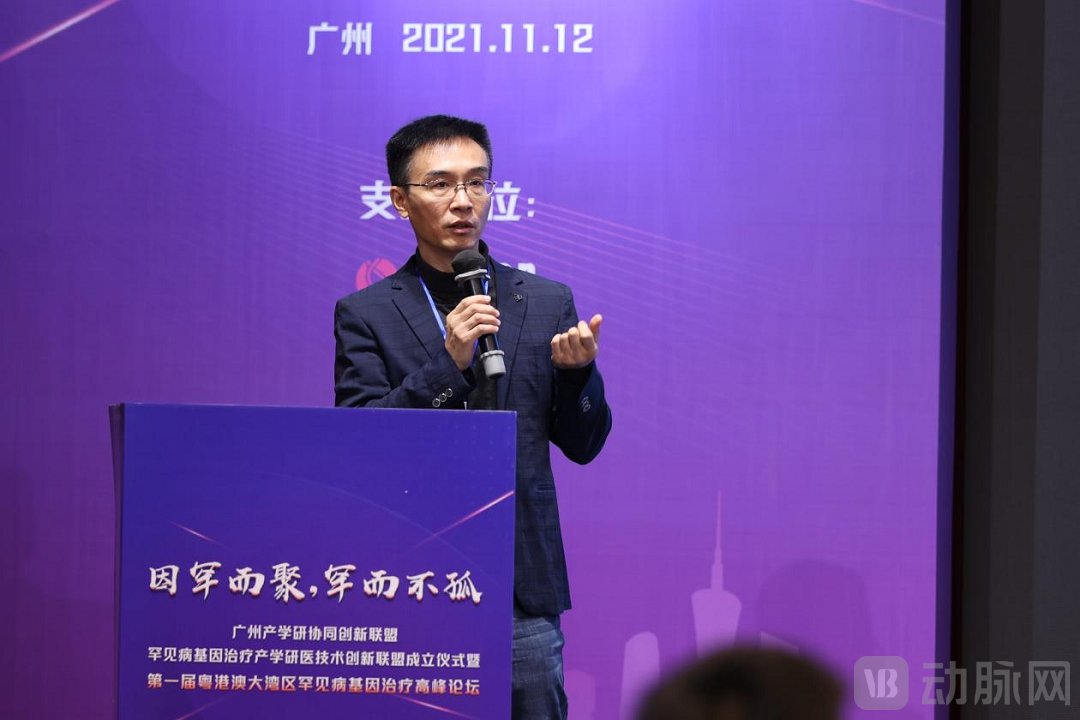
Director Song Yangzhou Presented “Research and Development and Application of Gene Editing Tools”
Dr. Huang Ying from the Artificial Intelligence Innovation Center of the Tsinghua University Pearl River Delta Research Institute provided an overview of rare diseases from the perspectives of policy, economics, and technological development. She outlined the key challenges in the diagnosis and treatment of rare diseases from the viewpoints of physicians, patients, the government, and pharmaceutical companies, explained the rationale for establishing a rare disease database, and presented current progress in its development—covering disease statistics, gene information and pathogenicity prediction, disease phenotypes, and drug development—thereby highlighting the significant role of AI in the biopharmaceutical field.
Dr. Huang Ying’s Report: “AI-Empowered Novel Database for Rare Disease Visualization”
Tang Yaping, Executive Director of the Pediatric Research Institute at Guangzhou Women and Children’s Medical Center, introduced the pathogenesis and molecular genetic mechanisms of osteogenesis imperfecta and presented the team’s latest research findings.
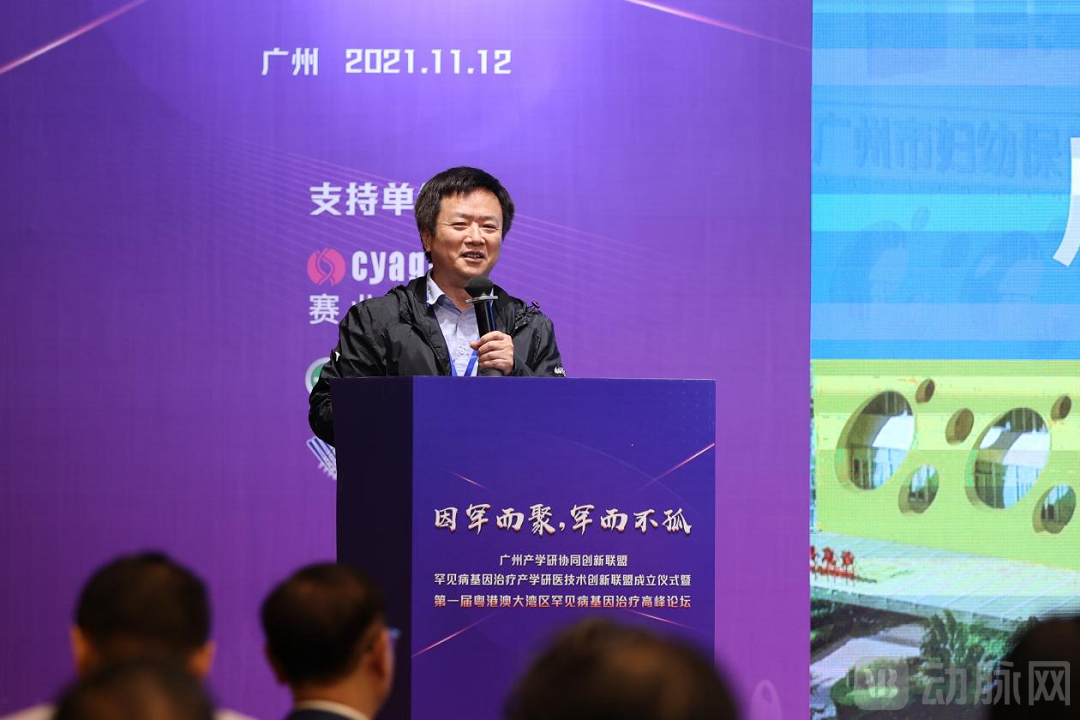
Director Tang Yaping Explains “The Genetic and Molecular Mechanisms of Osteogenesis Imperfecta”
Director Sun Liangzhong of Nanfang Hospital, Southern Medical University, delivered an insightful presentation on renal ciliopathies, discussing key topics such as their definition and treatment strategies.
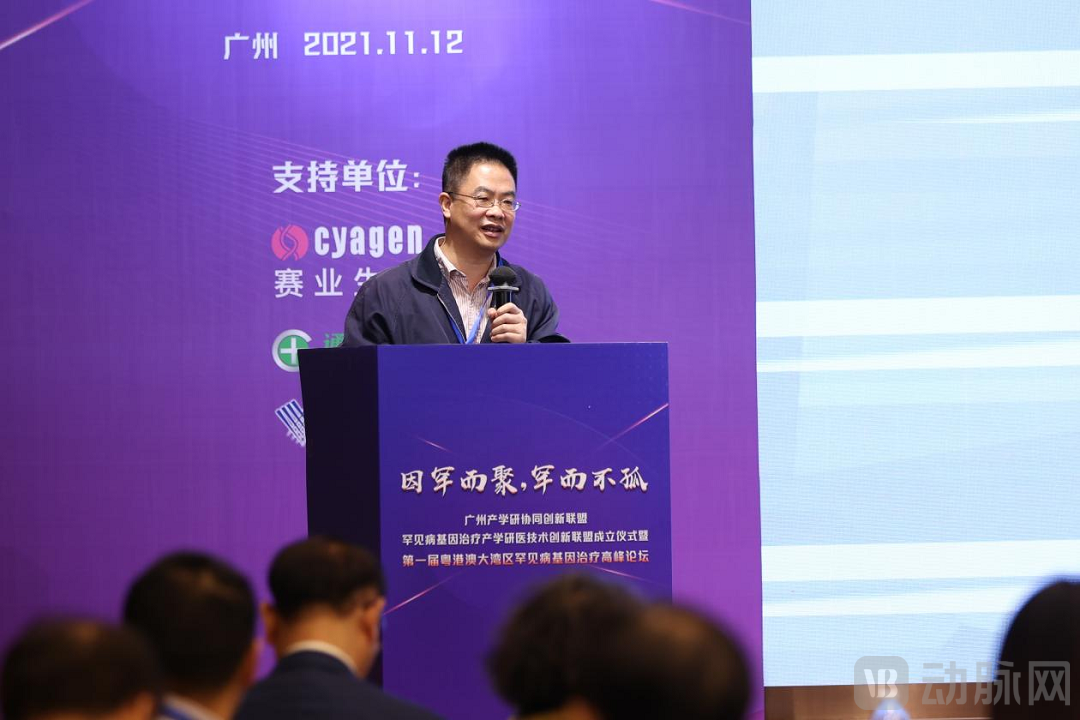
Director Sun Liangzhong's Report on "Diagnosis and Treatment of Renal Ciliopathies"
Professor Deng Chuxia, Dean of the Faculty of Health Sciences at the University of Macau, introduced cranial diseases and their pathogenic mechanisms, explained point-mutation mouse models constructed based on FGFR2 gene mutations, and finally elaborated on therapeutic approaches including small-molecule drug therapy, surgical correction, and gene-editing therapy.
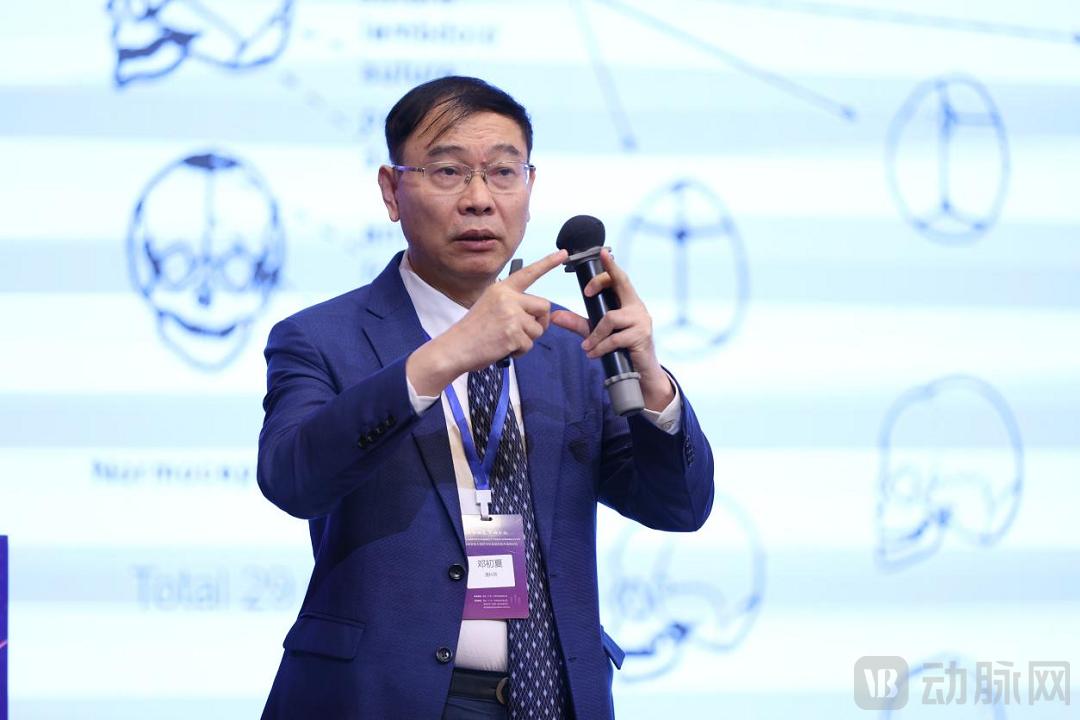
Dean Deng Chuxia’s Report: “Construction and Research of Mouse Models for Human Rare Diseases”
Professor Yang Yuedong from the National Supercomputer Center in Guangzhou at Sun Yat-sen University introduced us to the core concepts and application directions of computing, as well as the role of AI in life sciences research. Finally, he presented the current research achievements of Tianhe-2.
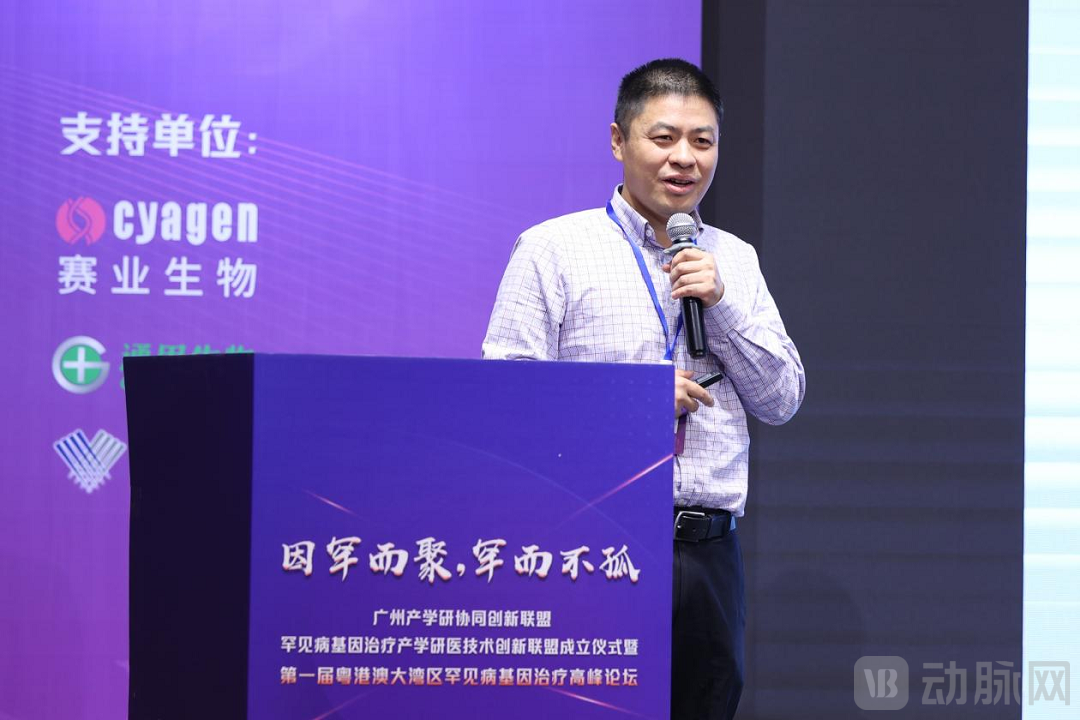
Professor Yang Yuedong Presents “Research on the Biomedical Big Data Platform Based on Tianhe-2”
Mr. Fan Guoping, Chairman of Jiangsu Aierkang Biopharmaceutical Technology Co., Ltd., provided an online overview of therapeutic approaches for several ophthalmic diseases, highlighting the outcomes and advancements in current treatment modalities.
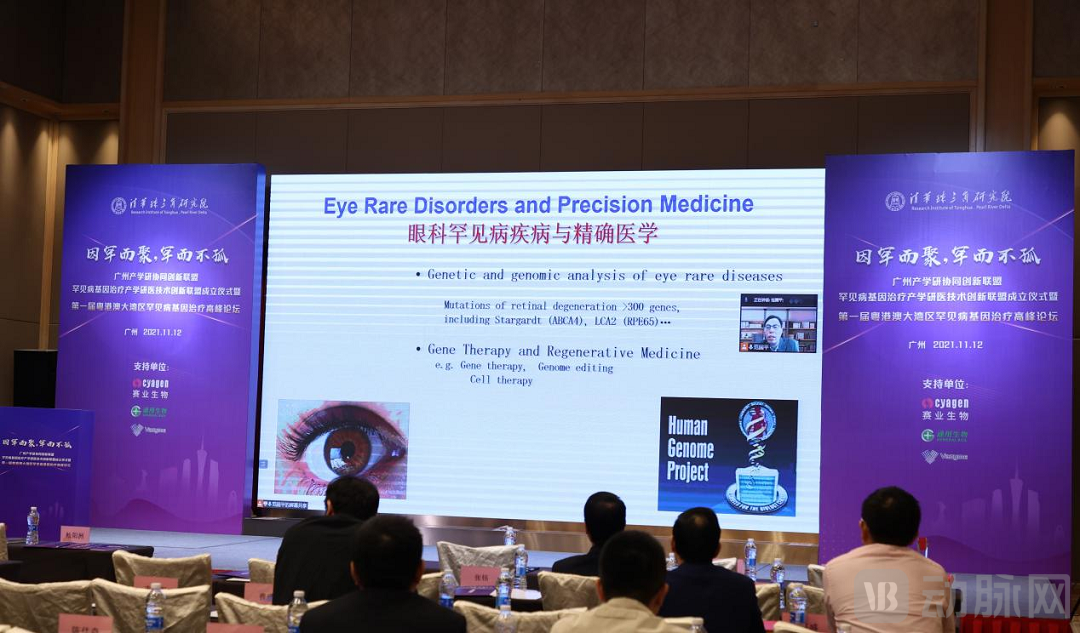
Chairman Fan Guoping’s Report: “Advances in Gene and Cell Therapy for Rare Ophthalmic Diseases”
Researcher Liangxue Lai from the Guangzhou Institutes of Biomedicine and Health, Chinese Academy of Sciences, introduced gene-edited rabbit models and their role in gene therapy, concluding with real research cases to elucidate the mechanistic role of RNA splicing in disease pathogenesis.
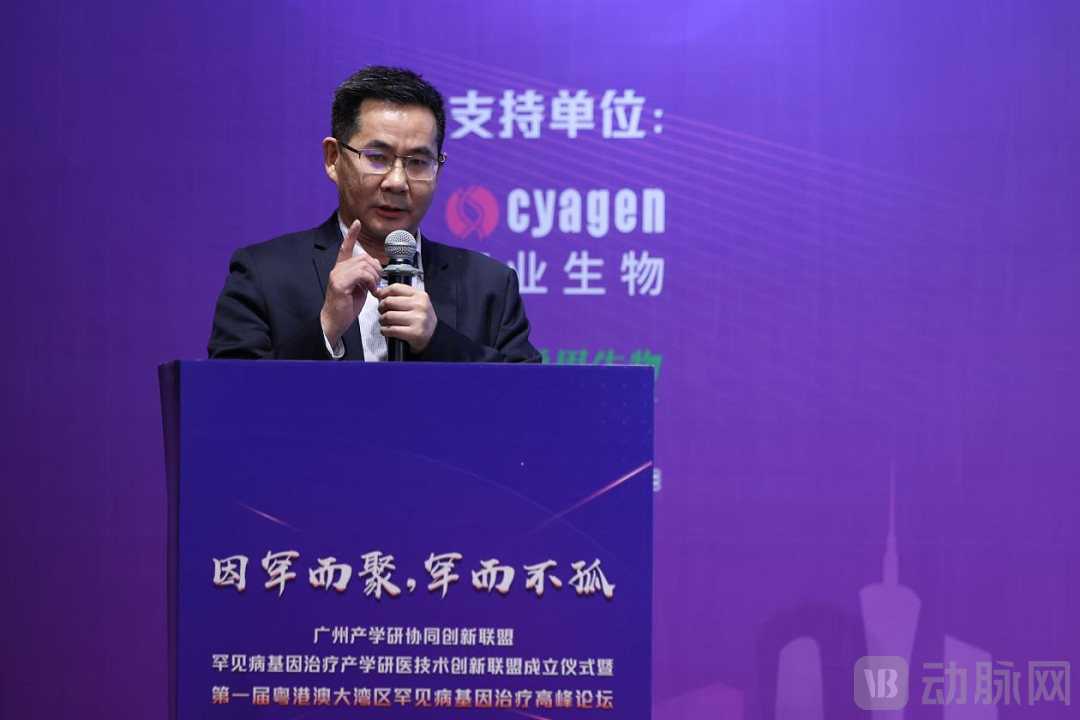
Researcher Liangxue Lai Presents “Development of Rabbit Models and Gene Therapy for Human Rare Genetic Diseases”
Professor Li Xiaojiang from the Guangdong-Hong Kong-Macao Greater Bay Area Institute of Central Nervous System Regeneration at Jinan University highlighted the unique advantages of large animal models in neuroscience research and illustrated the impact of the PINK1 gene on neurological diseases using case studies involving gene-edited monkeys.
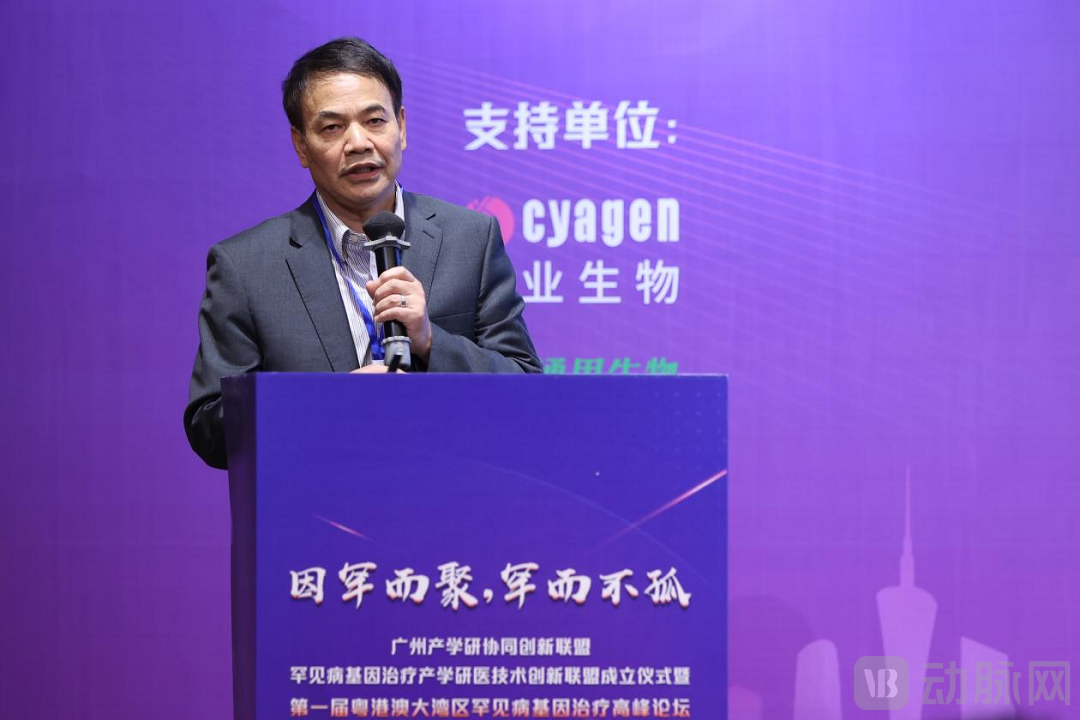
Professor Li Xiaojiang Presents on "Research on Large Animal Models of Brain Diseases"
Professor Qiu Wei from the Third Affiliated Hospital of Sun Yat-sen University introduced research advances in gene therapy for rare neurological diseases, as well as the diagnosis and treatment of conditions such as multiple sclerosis, neuromyelitis optica, and autoimmune encephalitis.
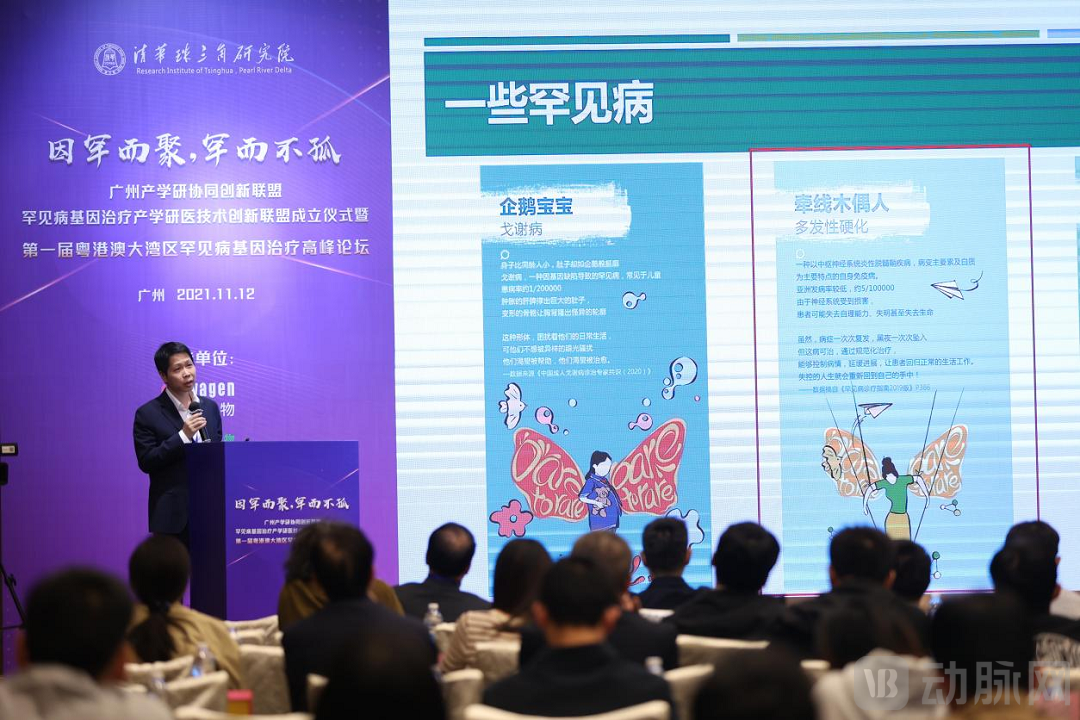
Professor Qiu Wei’s Report: “Diagnosis and Treatment of Rare Neuroimmune Diseases”
Director Xu Fuqiang of the Shenzhen Institutes of Advanced Technology, Chinese Academy of Sciences, began with gene therapy at the cellular level, introduced the current status of gene therapy in China, the advantages and disadvantages of viral vectors as well as their development status and future trends, and finally summarized the applications of gene therapy in brain science research.
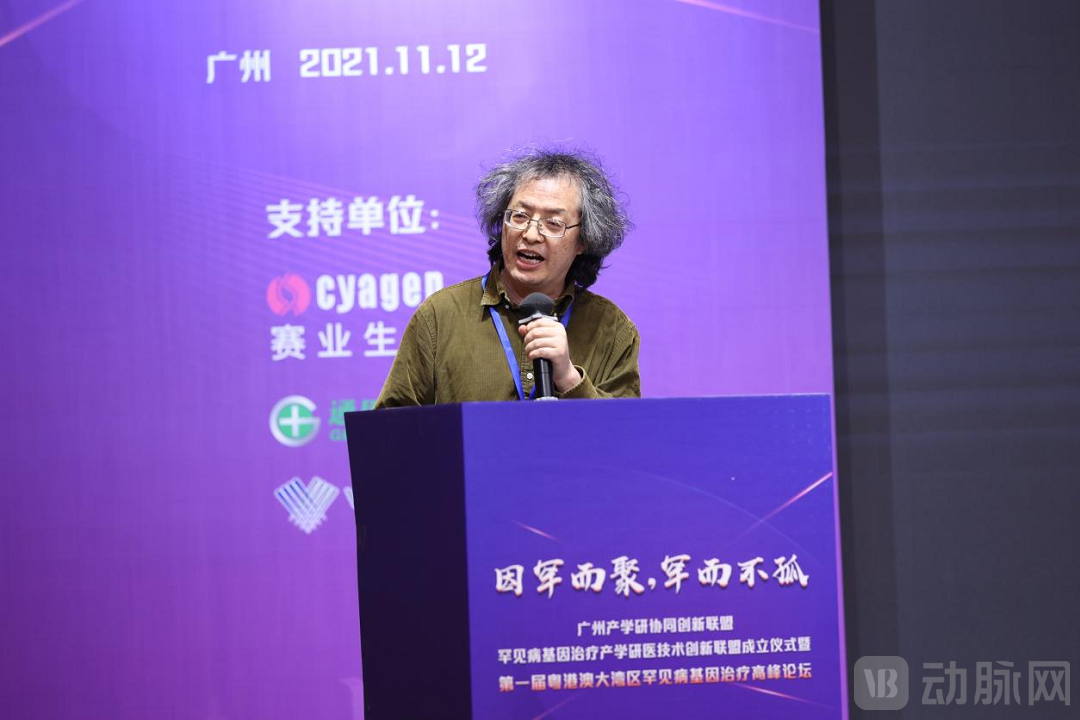
Director Xu Fuqiang’s Report on “R&D of Viral Vectors”
Director Li Xinhua of the Third Affiliated Hospital of Sun Yat-sen University began with clinical cases of hepatolenticular degeneration (Wilson’s disease) and walked us through the entire process from diagnosis to cure.
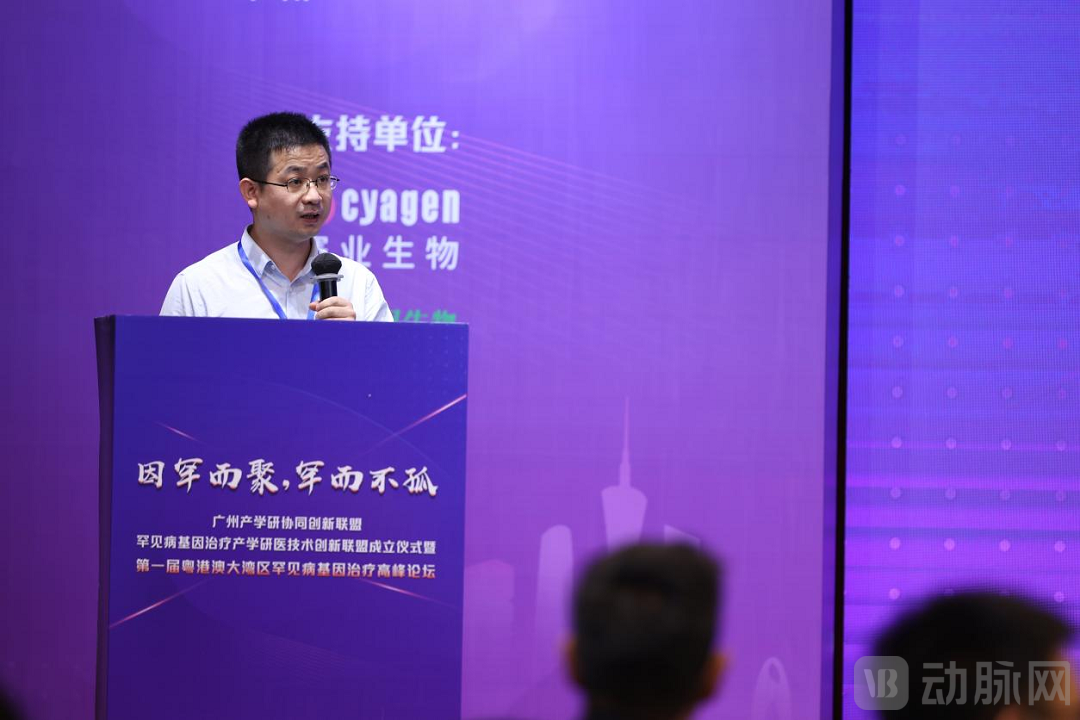
Director Li Xinhua’s Report: “Clinical Diagnosis and Individualized Treatment of Hepatolenticular Degeneration”
Bu Ye, R&D Director at Guangzhou PackGene Biotechnology Co., Ltd., presented a report on the application and scalable manufacturing of high-yield gene therapy AAV vectors.
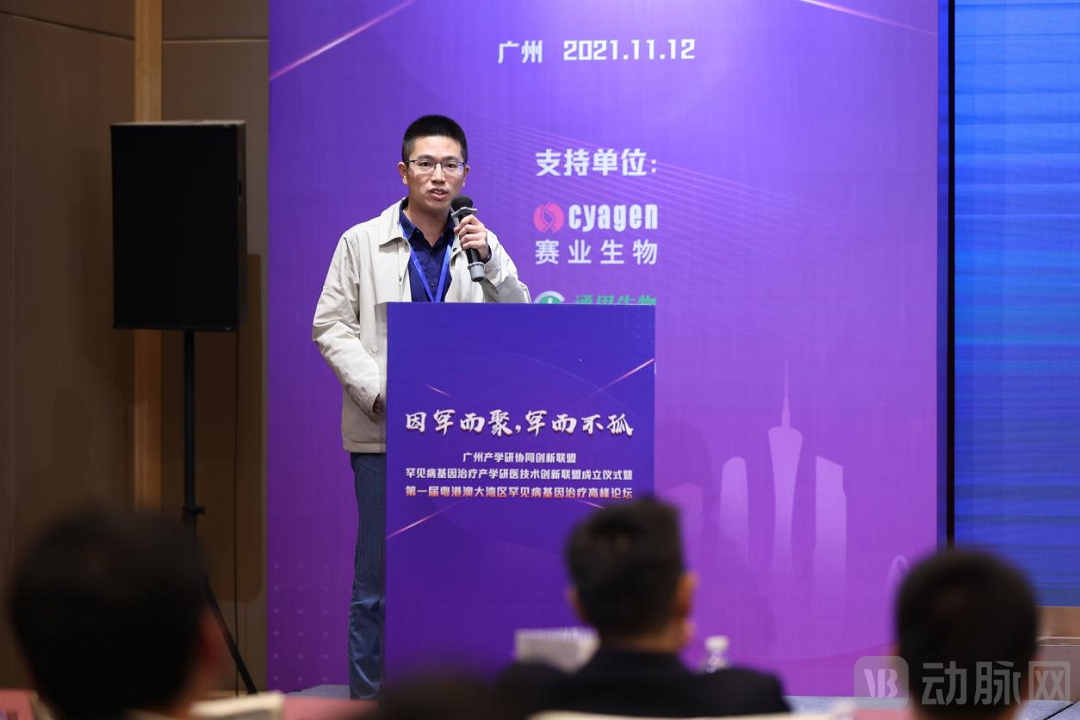
Director Bu Ye’s Report: “Development and Challenges of CDMOs for Gene Therapy Vectors”
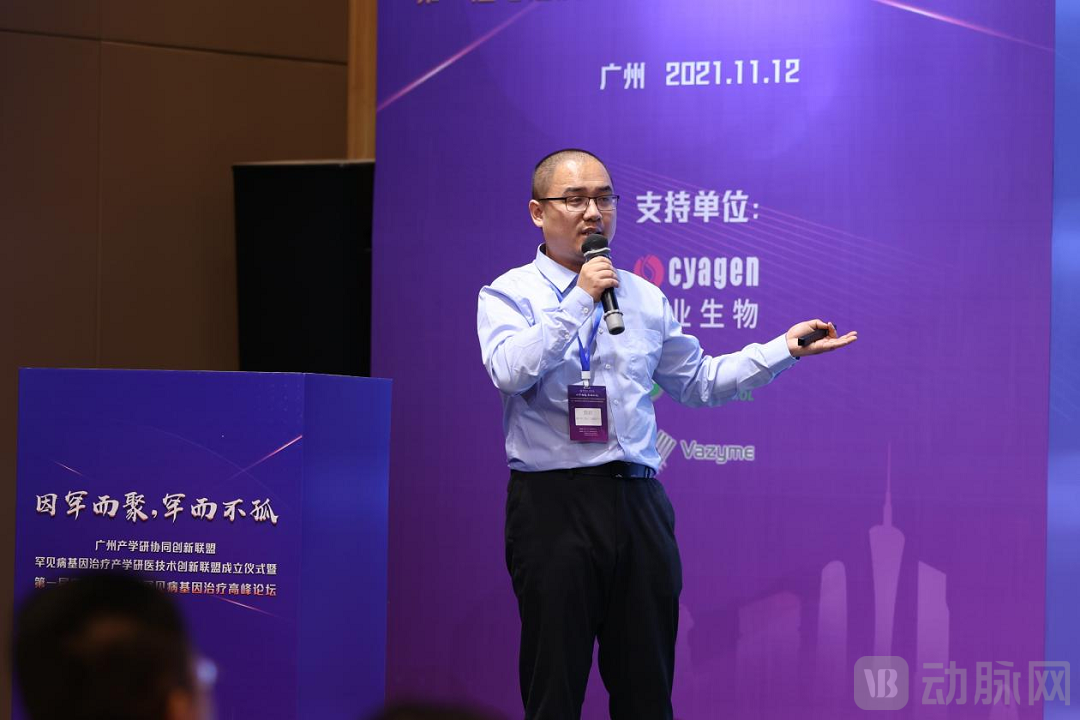
Finally, Dr. Ren Sheng from Cyagen Biosciences presented on the current status of AAV gene therapy vector research, bottlenecks and potential solutions in AAV gene therapy, and the development of AI-based AAV vector screening technologies. He also introduced Cyagen Biosciences’ one-stop solution for gene therapy, which integrates four core platforms: target prediction and validation, gene therapy vector development, evaluation model construction, and phenotypic analysis.
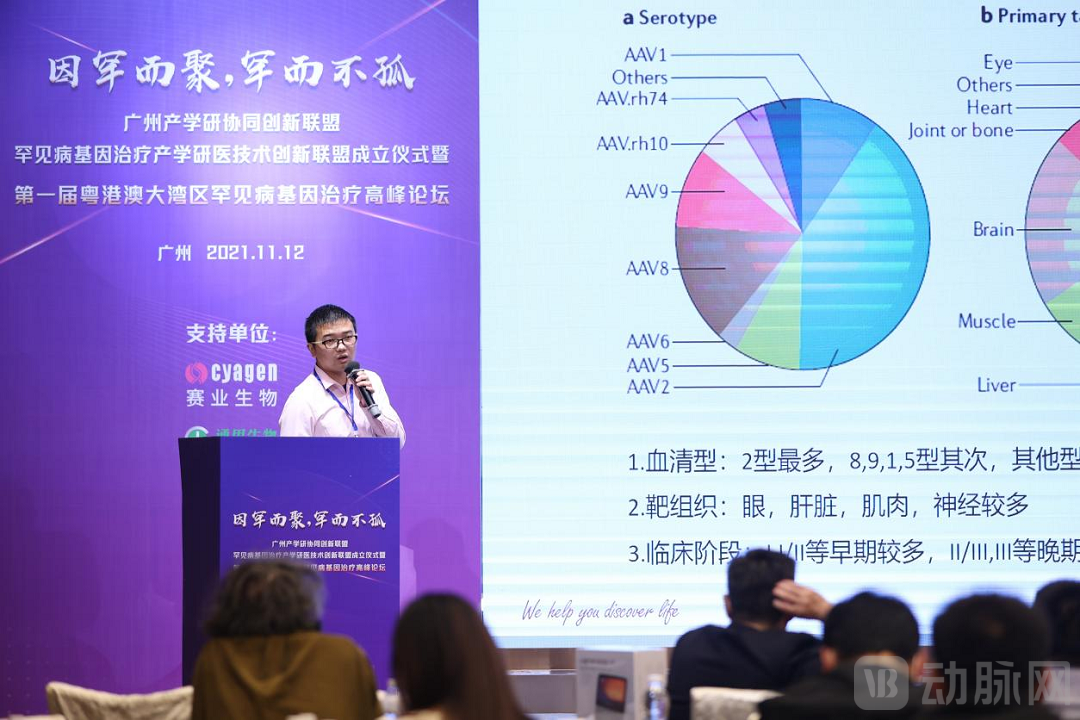
Dr. Ren Sheng's Report: "Frontier Advances in AAV Vector-Based Gene Therapy"
Following the High-Level Summit, attendees and online viewers spoke highly of the event. Many expressed that they had gained valuable insights and encouraged the Alliance to continue its efforts by organizing more forums of this kind.
Since the 18th National Congress of the Communist Party of China proposed the implementation of an innovation-driven development strategy, and further to the Outline of the 14th Five-Year Plan which explicitly stated “improve the national innovation system and accelerate the building of a country strong in science and technology,” scientific and technological innovation has been placed at the core of the overall national development strategy, continuously endowed with new connotations of the times. To promote the development of gene therapy for rare diseases and bring benefits to patients and their families as soon as possible, the Rare Disease Gene Therapy Industry-Academia-Research-Medical Technology Innovation Alliance, initiated by the Tsinghua Pearl River Delta Research Institute under the Guangzhou Industry-Academia-Research Collaborative Innovation Alliance, was established. The alliance is committed to abiding by national laws and regulations and social moral standards, advocating societal awareness and care for individuals with rare diseases, leveraging the combined strengths of industry, academia, research, and medical practice, breaking down information silos, integrating clinical and scientific resources for rare diseases, and employing big data technologies such as bioinformatics and artificial intelligence to develop systematic solutions. This aims to empower the rare disease diagnosis and treatment industry and enhance China’s capabilities in gene therapy for rare diseases. It is high time to accelerate China’s progress in the field of rare diseases!