

Aohua Endoscopy Lists on STAR Market, Ushering in a New Era for Domestic Endoscopy Innovation

Aohua
Developer and Manufacturer of Flexible Electronic Endoscopes
Today, AOHUA Endoscopy Partner officially listed on the STAR Market, ushering in a new chapter for the development of domestically produced endoscopes.
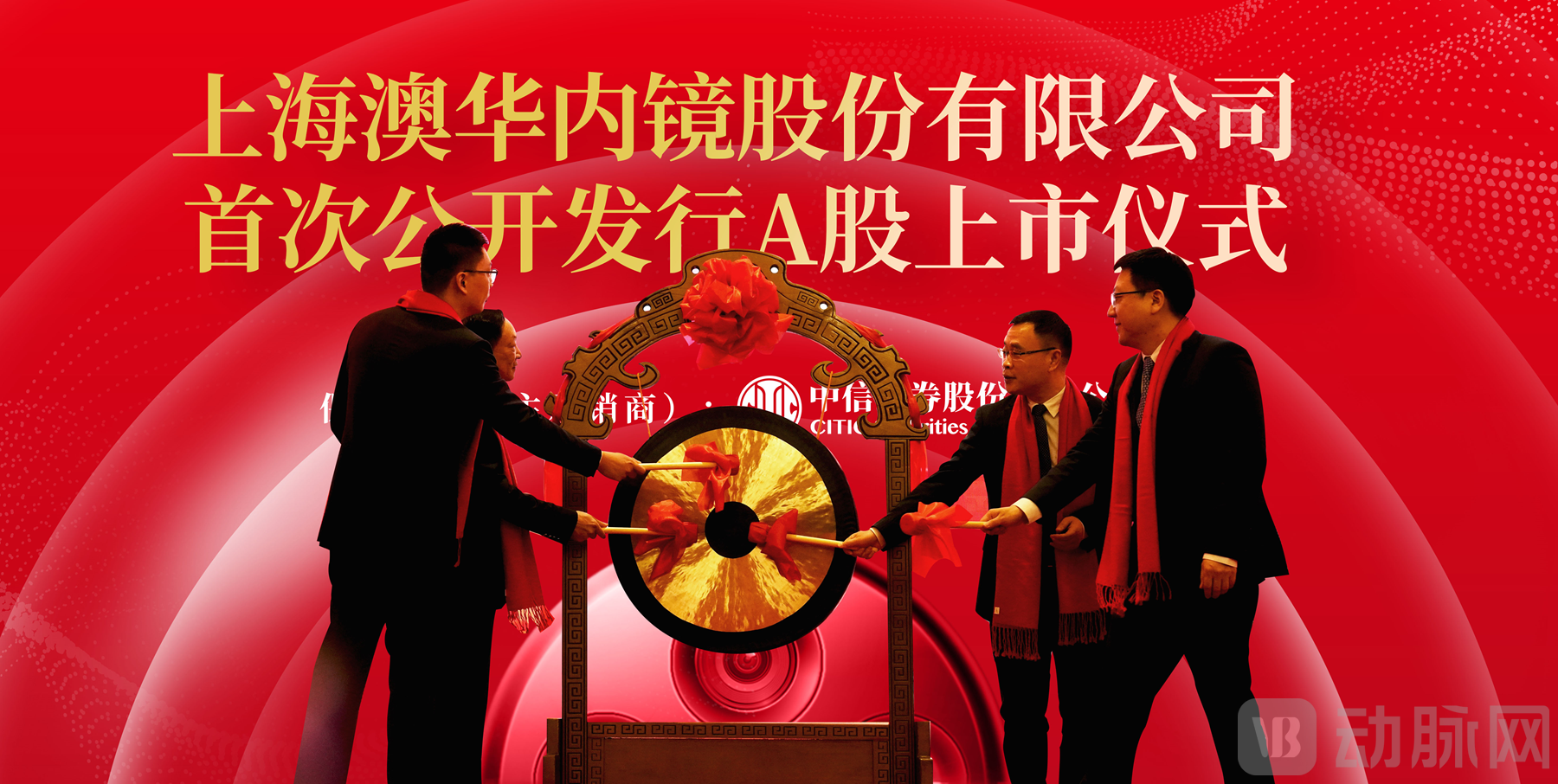
AOHUA Endoscopy was established in 1994 and is one of the earliest companies in China engaged in the research, development, and manufacturing of flexible electronic endoscopes.After nearly three decades of dedication and innovation, AOHUA Endoscopy has achieved breakthroughs in key endoscopic technologies and established a systematic product portfolio centered on the field of endoscopic diagnosis and treatment.
Data shows that China’s flexible endoscope market has long been dominated by multinational giants in the endoscopy field. For example, in 2018, Olympus, Pentax Medical, and Fujifilm collectively monopolized over 90% of China’s flexible endoscope market.
Fortunately, domestic enterprises have continuously achieved technological breakthroughs through long-term research and development (R&D) and innovation. Since its establishment in 1994, AOHUA Endoscopy has consistently invested heavily in R&D in the field of flexible endoscopy, subsequently launching innovative products such as endoscopy processors, electronic gastrointestinal endoscopes, and colonoscopes. Leveraging a robust product pipeline, AOHUA Endoscopy has achieved significant revenue scale, secured a foothold in China’s flexible endoscopy market, and paved a highly effective path for import substitution with domestically produced alternatives.
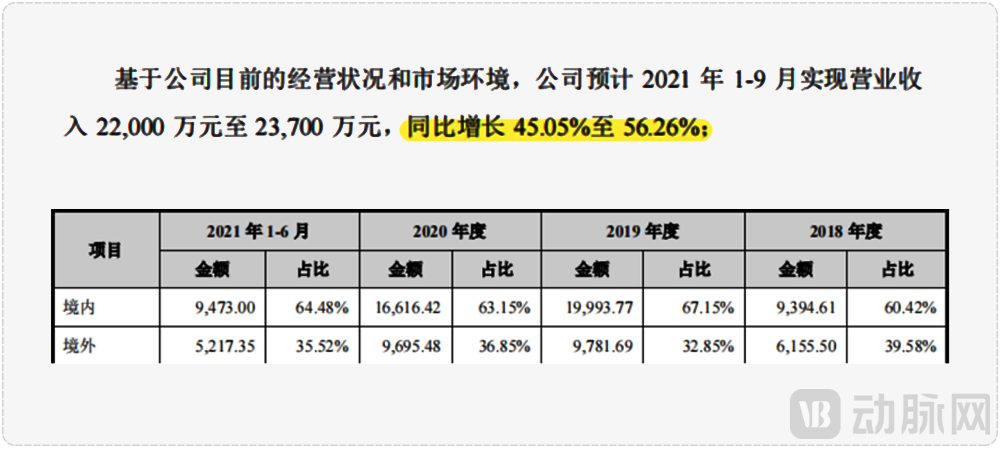
AOHUA Endoscopy Partner’s revenue has also grown year by year alongside the wave of domestication in recent years. The prospectus shows that AOHUA Endoscopy Partner achieved a year-on-year revenue growth of approximately 50% from January to September this year, far exceeding the market growth rate of the endoscopy industry. Among them, the overseas revenue of AOHUA Endoscopy Partner accounted for 39.58%, 32.85%, 36.85%, and 35.52% of its total revenue during the same periods in 2018, 2019, 2020, and the first half of 2021, respectively.
Affected by market access barriers in foreign countries, Chinese medical device companies face significant challenges in developing overseas markets. However, leveraging its years of technological expertise and accumulation in endoscopy, AOHUA Endoscopy has exported its products to developed healthcare markets such as the United States, the United Kingdom, Germany, and South Korea, earning widespread recognition abroad. It can be said that AOHUA Endoscopy has not only paved a path for “domestic substitution” but also successfully charted a course for “Chinese-made medical devices going global.”
Source: AOHUA Endoscopy Partner Prospectus
On the other hand, AOHUA Endoscopy Partner sells its endoscopy products to secondary and lower-tier hospitals in China, promoting the decentralization of medical resources. According to its prospectus, AOHUA Endoscopy Partner’s products are primarily sold to secondary and lower-tier hospitals (including both public and private hospitals), with such customers accounting for 85.63% of all its end-user medical institution clients in 2018, rising to 91.48% in the first half of 2021.
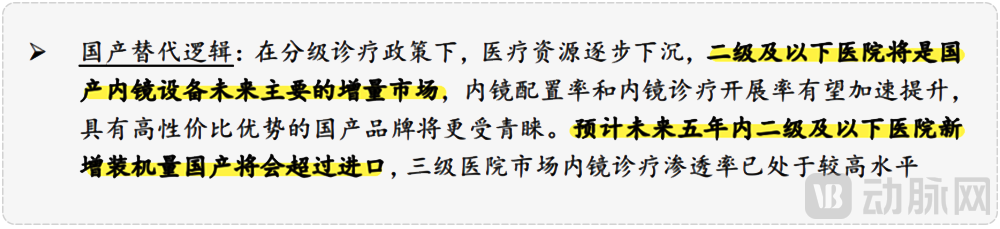
As the tiered diagnosis and treatment policy is gradually implemented, market demand for primary healthcare institutions is increasingly being unleashed, with secondary hospitals and those at lower levels constituting the primary incremental market. Meanwhile, according to estimates by Guoyuan Securities, domestic installations are expected to surpass imported ones in these hospitals over the next five years.AOHUA Endoscopy Partner May Be Poised for an Explosive Surge in Revenue Growth。
Source: Guoyuan Securities’ “Endoscopes: Forging Ahead Amid the Wave of Domestic Substitution – In-Depth Report No. 1 of the Endoscopy Observation Series”
However, why does AOHUA Endoscopy Partner focus on the market for primary healthcare institutions? How has it carved out a path for domestic substitution of imported products? How is it expanding its Chinese-made devices into overseas markets? What is its strategic layout for future product lines? How will its revenue growth evolve in the future? To address these questions, we conducted an in-depth analysis of AOHUA Endoscopy Partner’s prospectus.
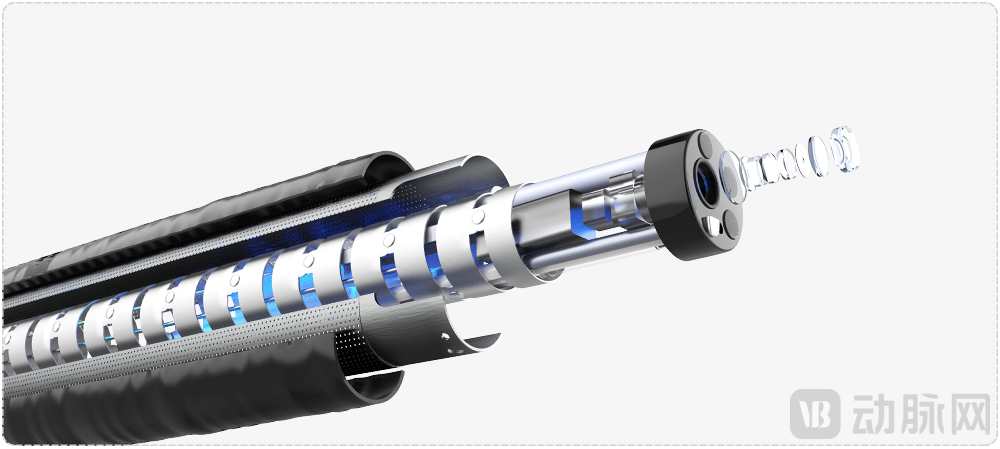
Medical endoscopes are commonly used medical devices in modern medicine, categorized into rigid and flexible endoscopes. Flexible endoscopes are inserted deep into the body through natural orifices; they feature longer scopes that require a certain degree of flexibility, transmit optoelectronic signals over longer distances, and have smaller-diameter insertion tubes with highly integrated functionalities. These characteristics impose higher demands on design craftsmanship and manufacturing technologies, to the extent that production may remain unfeasible even with provided blueprints. Significant technical barriers exist in optical technology, application technology, precision manufacturing, and processing, necessitating extensive periods of refinement and accumulation of expertise.
Source: AOHUA Endoscopy Partner Prospectus
In the mid-to-late 20th century, despite the late start of flexible endoscopy in China, a cohort of endoscope enterprises emerged in Shanghai and other regions. In 1970, China’s first fiberoptic gastroscope was developed in Shanghai. Subsequently, Shanghai-based endoscope manufacturers successively launched various fiberoptic endoscopes, including fiberoptic upper gastrointestinal endoscopes and fiberoptic bronchoscopes. However, during this period, these enterprises primarily focused on the research, development, and production of fiberoptic endoscopes.
In 1983, electronic endoscopes emerged in the United States, prompting companies in Japan, Europe, and other regions to rapidly follow suit with their own R&D efforts. Compared to fiber-optic endoscopes, electronic endoscopes offer clearer images, more realistic colors, higher resolution, and the ability for multiple observers to view simultaneously. Leveraging these advantages, electronic endoscopes quickly became the market mainstream. Meanwhile, endoscope manufacturers in Japan, the United States, and other countries established production facilities at their corporate headquarters to prevent technology leakage. This strategy made it significantly more difficult for companies in other countries to develop and manufacture electronic endoscopes, thereby posing substantial challenges to the innovative R&D efforts of Chinese endoscope enterprises.
On the other hand, endoscopes are extremely complex and precise; the optical endoscope body alone comprises more than 300 components. This complexity makes research and development even more challenging for Chinese endoscopy companies.
Fortunately, endoscopy companies in Shanghai cultivated a cohort of experienced and technically proficient R&D talent through the development of fiber-optic endoscopes during the 1970s and 1980s.In the 1990s, innovative enterprises such as (Shanghai) AOHUA Endoscopy Partner and Shanghai Chengyun Medical took up the mantle of endoscopic innovation, recruited a large number of talents, and began developing electronic endoscopes.。
After years of research and development, AOHUA Endoscopy has mastered the processing and manufacturing technologies for core components such as optical instruments and precision parts. In 2005, AOHUA Endoscopy launched its first-generation electronic endoscopy system, the VME-2000—This is one of the earliest domestically produced flexible electronic endoscopes in China; its emergencealsoBreaking the Monopoly of Imported Soft Electronic Endoscopes。
Meanwhile, as the number of endoscopists in China continues to grow, a variety of endoscopic techniques have been innovated or introduced into clinical practice. From “endoscopic submucosal dissection” to “endoscopic mucosal resection,” and from “peroral endoscopic myotomy” to “endoscopic tunneling resection technique,” innovation in endoscopic procedures in China has entered a new phase. These procedural innovations and the expanding indications place higher demands on endoscope performance.
In response to new clinical demands, AOHUA Endoscopy launched in 2013Electronic Endoscopy System with Chromo-Blue Imaging (CBI) Function, which has the function of highlighting submucosal vascular distribution and identifying mucosal lesions, thereby facilitating the clinical detection of early gastrointestinal cancers and precancerous lesions. The large-scale application of this CBI chromoendoscopy has, to a certain extent, promoted the overall development of China’s endoscopy industry. Data show that in 2015, there were 6,128 medical institutions in China capable of performing digestive endoscopic diagnosis and treatment, with 26,203 gastroenterologists specializing in endoscopy and 14,532 specialized endoscopy nurses. Annually, these institutions performed 22.5 million gastroscope examinations, 5.83 million colonoscopies, 200,000 ERCP procedures, and 200,000 EUS examinations.
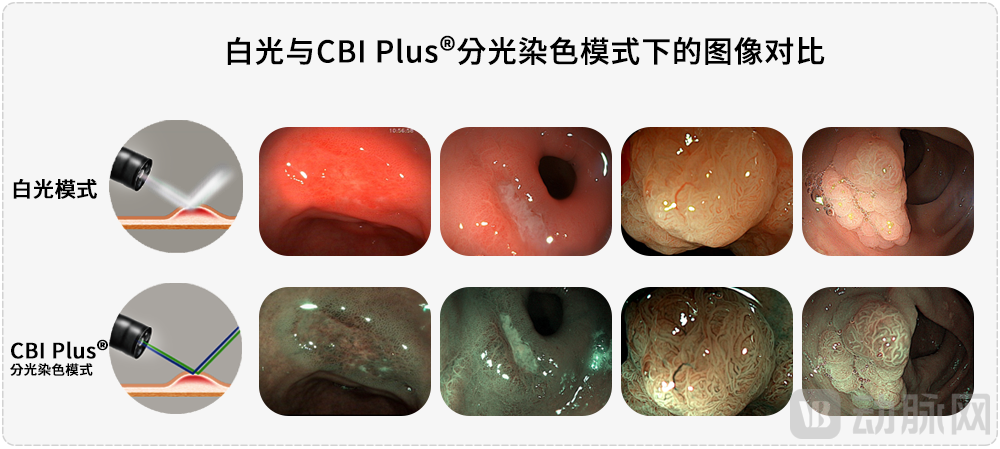
Source: AOHUA Endoscopy Partner Prospectus
By 2018, overseas endoscopy giants had entered a period of technological stagnation, allowing Chinese endoscopy manufacturers to finally catch up. For instance, AOHUA Endoscopy launched the AQ-200 Full HD Optical Transmission Endoscopy System, which innovatively employs laser transmission technology for 1080P image data transfer. Unlike electrical signal transmission, laser transmission is immune to electromagnetic interference, facilitating combined operations with high-frequency electrosurgical knives and other peripheral devices under endoscopic guidance, thereby enhancing the safety and convenience of clinical procedures.
Domestic clinical experts stated: “AOHUA Endoscopy Partner’s optical transmission endoscopy system shows no substantial difference in clinical outcomes compared to products from foreign manufacturers in terms of image processing and clinical diagnosis and treatment, and holds comparative advantages in certain functional features.”Leveraging its differentiated competitive advantages, AOHUA Endoscopy Partner has not only secured a certain share of the domestic market but also driven the substitution of imported flexible endoscopes with domestically produced alternatives.。
Reviewing the development journey of AOHUA Endoscopy, from the VME-2000 to the AQ-200, from electrical signal transmission to laser transmission, and from being among the earliest domestically produced flexible electronic endoscopes in China to innovatively developing endoscopes with chromoendoscopy capabilities, the company has maintained robust innovation momentum over the past three decades. By continuously iterating its products through technological advancements, AOHUA Endoscopy has led innovation in the Chinese domestic endoscopy sector.It can be said that AOHUA Endoscopy Partner has built an insurmountable technical barrier in the field of flexible endoscopy through nearly three decades of focus and innovation.
According to calculations by Guoyuan Securities Research Institute, sales revenue in China’s flexible endoscope market grew from approximately RMB 2.87 billion in 2015 to around RMB 5.34 billion in 2019, representing a compound annual growth rate (CAGR) of approximately 16.79%. With the widespread adoption of early gastrointestinal cancer screening and the introduction of novel endoscopic techniques, the domestic flexible endoscopy market is expected to maintain robust growth, with sales projected to reach RMB 8.12 billion by 2025.
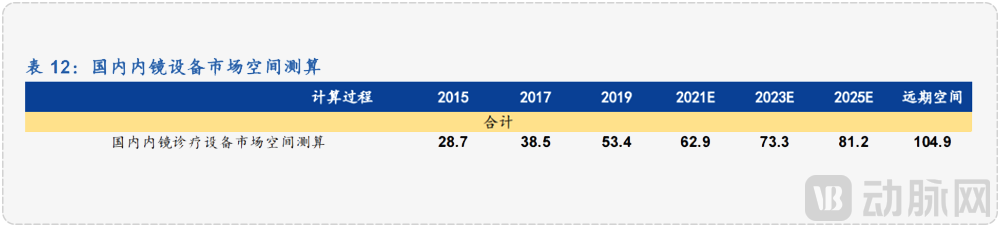
Source: Guoyuan Securities’ “Endoscopes: Forging Ahead Amid the Wave of Domestic Substitution – In-Depth Report No. 1 of the Endoscopy Observation Series”
Industry insiders believe: “The development of flexible endoscopes is influenced by policy support, market demand, and advancements in endoscope manufacturing technology. The sector has entered a period of rapid growth and boasts broad market prospects.”
First,National policies support innovation in domestically produced endoscopes, driving industry development.
In October 2019, the National Development and Reform Commission (NDRC) revised the Catalogue for Guiding Industrial Structure Adjustment (2019 Edition), listing electronic endoscopes, surgical robots, and other products as encouraged projects for priority development. Additionally, the Guiding Opinions of the General Office of the State Council on Promoting the Healthy Development of the Pharmaceutical Industry explicitly states that for government procurement projects, domestically produced drugs and medical devices shall be procured in principle if they meet the requirements, with a view to gradually increasing the proportion of domestically produced equipment in public healthcare institutions.
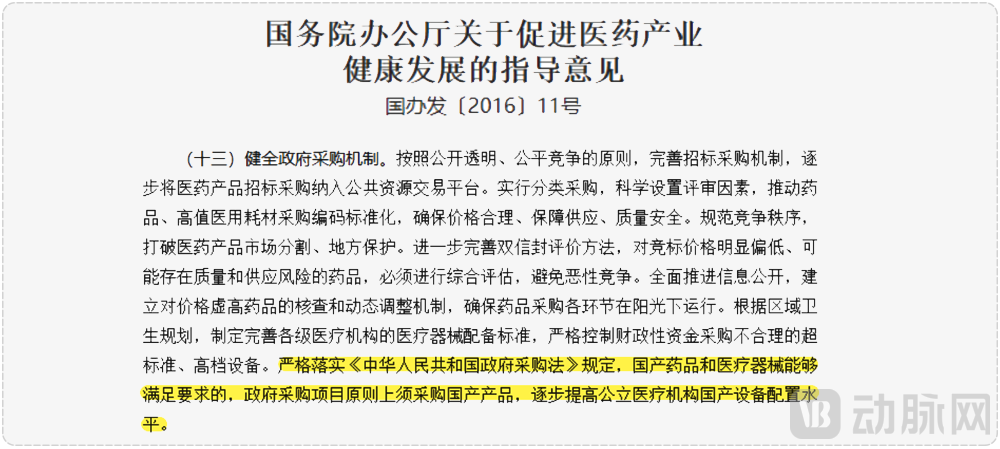
Nowadays, to better align with these guidelines, multiple provinces and municipalities have published updated lists of imported products eligible for procurement, reducing the number of imported medical device categories while encouraging the preferential use of domestically produced medical devices. For instance, the list issued by the Guangdong Provincial Health Commission permits the procurement of imported products for only 46 types of medical equipment; similarly, Sichuan Province’s list allows imported options for just 59 types of medical equipment.It is foreseeable that, with policy support, the domestic flexible endoscope industry will develop rapidly.
Second,Patient Demand and Tiered Diagnosis and Treatment Will Rapidly Expand the Flexible Endoscope Market.
From the patient perspective, according to data from the National Cancer Center, there were 3.93 million new cases of malignant tumors in China in 2015. Among these, gastric cancer, colorectal cancer, and esophageal cancer—three major gastrointestinal malignancies—accounted for 1.0362 million cases, representing a significant proportion. For digestive system tumors, the industry-consensus solution is to implement nationwide screening for gastrointestinal cancers, thereby improving survival rates through early detection and timely diagnosis and treatment. Endoscopic biopsy remains the “gold standard” for definitive diagnosis.
Taking Japan, which has a large number of patients with gastrointestinal diseases, as an example, after the comprehensive implementation of gastroscopy screening, Japan’s five-year survival rate for gastric cancer has reached over 60%, thanks to its high screening rate and high early diagnosis rate, whereas China’s current rate is only 35.9%.Consequently, both the government and patients are increasingly recognizing the value of endoscopic screening for gastrointestinal tumors, leading to a rapid surge in screening volumes and subsequent growth in the endoscopy market.。
Regarding the tiered diagnosis and treatment system, China proposed in 2015 to establish a tiered model to strengthen the service capabilities of primary care institutions and county-level public hospitals. According to the 2012 national census data on digestive endoscopy, among the 6,128 hospitals performing digestive endoscopic procedures, 84.55% were secondary-level hospitals or above, while the adoption rate in primary care hospitals was only 15%. With rising health awareness among the Chinese population and the advancement of the tiered diagnosis and treatment system, demand for early diagnosis and screening will continue to grow, driving sustained growth in endoscopy demand at primary care medical institutions. The participation of these primary care institutions will further accelerate the rapid expansion of the endoscope market.
Third,Advancements in manufacturing technology are expanding the capabilities and scope of minimally invasive surgery, driving the development of the endoscopy industry.
After more than a century of development, digestive endoscopy has evolved from a purely diagnostic tool into a key modality for minimally invasive therapy. With advances in endoscopic technology, endoscopic imaging has become clearer, operations more convenient, and the range of applicable indications continuously expanding. Currently, the market offers various multifunctional electronic endoscopes for the upper gastrointestinal tract, lower gastrointestinal tract, and biliary tract, and the scope of digestive endoscopic procedures now covers the entire gastrointestinal tract and the biliopancreatic ductal system. It is reasonable to anticipate that future endoscopic products will feature enhanced functionality, higher quality, and broader indications.
To address the issue of market monopolization by multinational giants, domestic endoscope manufacturers are capturing market share and facilitating import substitution through strategies focused on differentiated products, market positioning, localized channels and services, and the promotion of domestic brands.
Taking AOHUA Endoscopy Partner as an example, in terms of product performance, according to papers published by researchers from public hospitals such as Zhongshan Hospital Affiliated to Fudan University and Renji Hospital Affiliated to Shanghai Jiao Tong University School of Medicine,AOHUA Endoscopy Partner's AQ-200 shows no substantial difference in clinical efficacy compared to products from foreign manufacturers in terms of image processing and clinical diagnosis and treatment, while offering comparative advantages in certain functional features.。
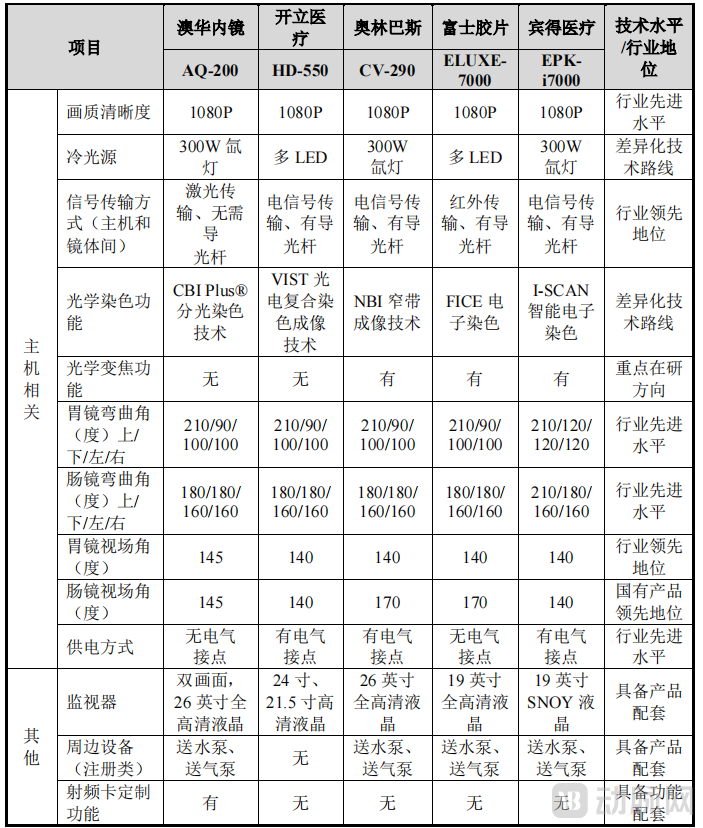
(Comparison of AOHUA Endoscopy’s AQ-200 with Next-Generation Products from Major Global Competitors)
In terms of product market positioning, AOHUA Endoscopy Partner has adopted a multi-level marketing and promotion strategy: first, focusing onExpand into Emerging Endoscopy Markets in Central and Western China, increase market investment; secondly, respond to the national tiered diagnosis and treatment policy, leverage the price advantage of domestic brands,Prioritize strategic deployment in county-level secondary hospitals, primary healthcare institutions, and private hospitals across China.; thirdly,Targeted expansion into top-tier (Grade 3A) hospitals in China with strong capabilities in digestive endoscopy diagnosis and treatment, and play the leading role of a flagship hospital.
Leveraging the price and performance advantages of flexible endoscope products, domestic endoscopy companies such as AOHUA Endoscopy Partner have rapidly penetrated the Chinese market, continuously increased their market share, and accelerated the process of import substitution.
According to the "2021 Endoscopy Innovation Trends Report" recently released by VCBeat·VBInsight, future innovation directions for endoscopes include: higher-definition 4K endoscopes; more immersive 3D endoscopes; smarter AI-assisted diagnostic systems for endoscopy; safer endoscopic surgical robots; and multi-parameter composite endoscopes, among others.
The prospectus shows that AOHUA Endoscopy Partnerwith the aid ofInterdisciplinary Technical TeamandExceeding 10% of total annual revenueR&D Expenses.Guided by forward-looking strategic planning, we intend to systematically integrate new technologies into next-generation products, continuously enhancing their safety, reliability, and convenience.
To support innovation in clinical surgical procedures, AOHUA Endoscopy Partner has continuously improved and refined its foundational technologies and distinctive features for flexible endoscopes, and will incorporate various new functions to assist in the clinical diagnosis and treatment of digestive tract diseases into its future new products.
In the realm of high-definition flexible endoscopic imaging, AOHUA Endoscopy is actively engaged in the research and development of 4K ultra-high-definition flexible endoscopy systems, with plans to integrate this technology into its next-generation flagship products. Ultra-high-resolution endoscopic imagery is pivotal to ensuring the detection rate and accuracy of clinical disease screening. It is anticipated that the clinical application of AOHUA Endoscopy’s 4K-level ultra-high-definition flexible endoscopes will deliver remarkable advancements.
In terms of integrating new technologies, AOHUA Endoscopy Partner is developing 3D flexible endoscopes that can enhance clinicians’ perception of the details of internal tissues and organs, as well as endoscopic robots that can make endoscopic surgeries safer, more accurate, and more convenient.
As can be seen, AOHUA Endoscopy Partner aims to develop multifunctional, comprehensive flexible endoscopy systems that meet diverse clinical needs, thereby accelerating the process of replacing imported flexible endoscopes with domestically produced alternatives.
In fact, thanks to the efforts of domestic endoscope manufacturers such as AOHUA Endoscopy Partner, the localization rate of China’s endoscopy market is steadily increasing. With continued innovation and breakthroughs by companies like AOHUA Endoscopy Partner, it is believed that domestically produced alternatives will eventually replace imported products in the field of flexible endoscopy.