

Cross-Domain Intelligence Integration: Thrombosis and Hemostasis Standardized Dataset Launch Empowers Translational Research
This is a launch that enriches “cross-boundary wisdom”—grounded in healthcare, leveraging big data technology to establish industry standards and promote the intelligent development of the medical sector.
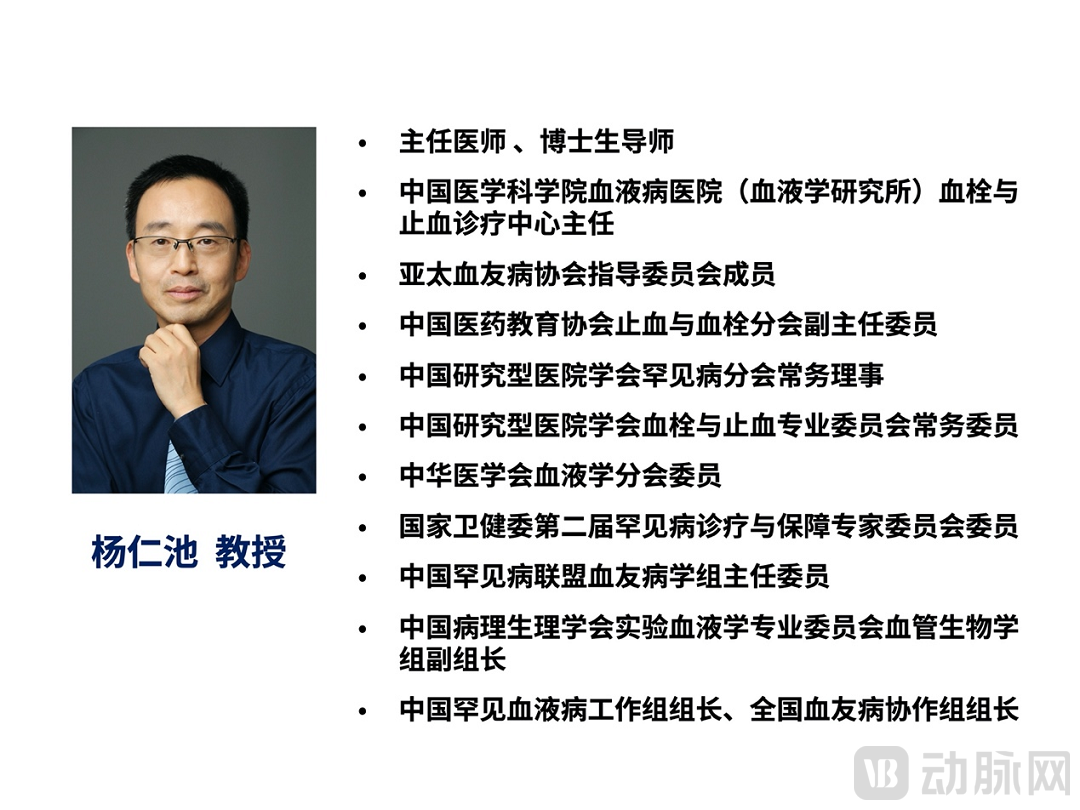
Recently, the 2021 Hemostasis and Thrombosis Summit was held, at which the “Standard Dataset for Thrombosis and Hemostasis (2021 Edition)” was released. In his opening remarks, Yang Renchi, Director of the Center for Diagnosis and Treatment of Thrombosis and Hemostasis at the Institute of Hematology & Blood Diseases Hospital, Chinese Academy of Medical Sciences (also known as the Institute of Hematology, Chinese Academy of Medical Sciences), expressed his hope that this dataset would contribute to safer and more efficient collection and utilization of data resources for thrombotic and hemorrhagic disorders. He emphasized leveraging real-world data to inform clinical practice, drive scientific and technological innovation, promote disciplinary development, and transform clinical diagnosis and treatment, thereby delivering a “report card” that satisfies both patients and healthcare providers.
Blood is the red river of life. Thrombotic and hemorrhagic diseases are common and frequently occurring conditions in clinical practice. The pathological changes associated with these two categories of diseases are linked to abnormalities in the hemostatic, coagulation, anticoagulant, and fibrinolytic systems caused by various factors. They often manifest as multidisciplinary issues involving thrombosis and hemostasis, posing a serious threat to patients’ lives and health. For various hereditary and acquired thrombotic and hemorrhagic diseases, including hemophilia, disseminated intravascular coagulation (DIC), and immune thrombocytopenic purpura (ITP), personalized treatment plans and optimal diagnostic and therapeutic measures can only be provided to patients on the basis of clear disease diagnosis and individualized risk stratification.
In an era characterized by the rapid advancement of big data applications in healthcare and real-world studies, clinical research based on real-world data serves a dual purpose. On one hand, it leverages accumulated clinical diagnosis, treatment, and follow-up data from platforms to elucidate the clinical manifestations, genetic mutations, disease outcomes, and prognostic characteristics of patients with thrombotic and hemorrhagic disorders in China through large-scale clinical cohort analyses. On the other hand, it assists clinicians specializing in hematological diseases in systematically evaluating the clinical efficacy of treatments for thrombotic and hemorrhagic disorders and provides new quantitative metrics for assessing therapeutic efficacy.
However, due to the disparate data storage methods and standards across medical institutions, coupled with the absence of a standardized and unified terminology system, diagnostic and treatment data generated within hospital clinical information systems remain fragmented. This fragmentation hinders effective integration and mining, let alone the derivation of valuable clinical “insights.” Evidently, standardized medical terminologies and modularized medical data structures constitute a critical foundation for advancing the standardization of medical services, standardized data management, data integration and mining, and the translational application of big data.
In recent years, China has gradually issued and implemented dozens of industry and group standards for health information. However, the aforementioned data standard system remains insufficient to cover all clinical information generated in medical records, particularly during the diagnosis and treatment of specific specialized diseases. Therefore, in establishing a single-disease research database for coagulation and bleeding disorders at the center, regional, or national level, priority should be given to unifying and refining data collection standards and specifications.
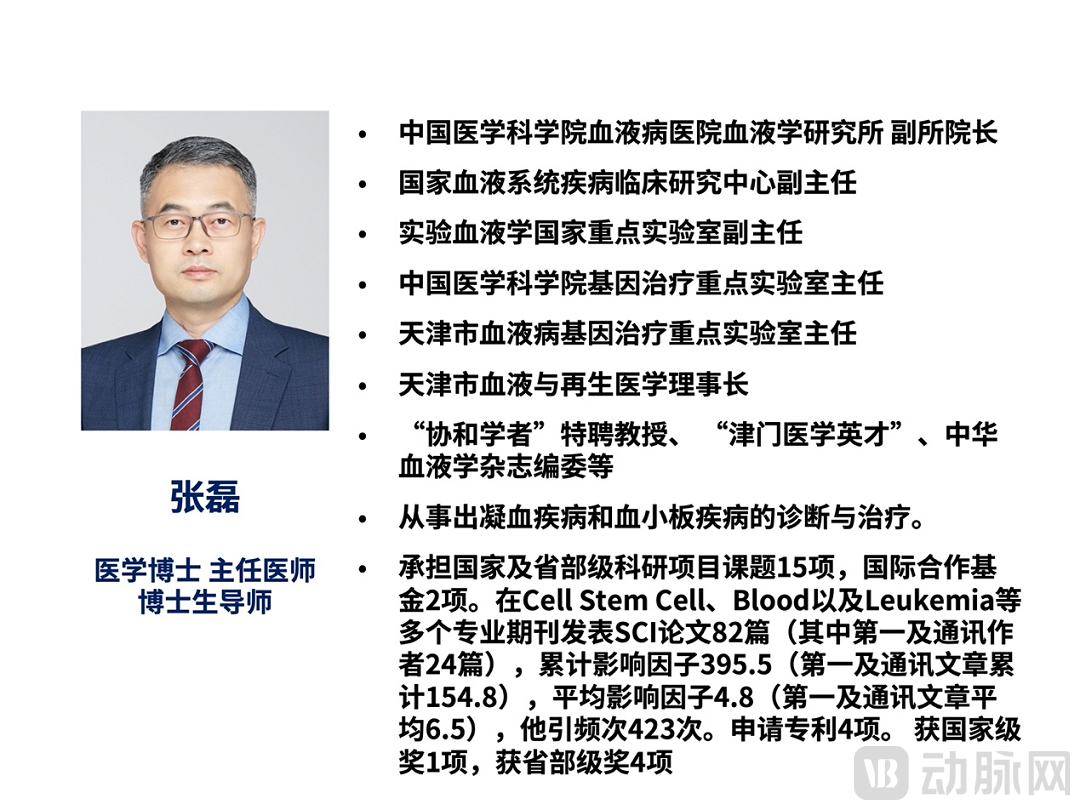
Establishing Authoritative Standards to Build a Solid Foundation. Zhang Lei, Deputy Director of the Institute of Hematology & Blood Diseases Hospital (Institute of Hematology, Chinese Academy of Medical Sciences), introduced that the newly established standard dataset on thrombosis and hemostasis was jointly developed by the Institute of Hematology & Blood Diseases Hospital (Institute of Hematology, Chinese Academy of Medical Sciences) and Yidu Cloud. Relying on the National Clinical Research Center for Blood System Diseases, the Chinese Hematology Specialist Alliance, and the Chinese Hematology Special Disease Working Group, the dataset was compiled in collaboration with renowned experts from the Thrombosis and Hemostasis Group of the Hematology Branch of the Chinese Medical Association. It is based on standardized terminology for bleeding and clotting disorders, relevant clinical guidelines and literature, and expert consensus.
Over the course of one year of development, experts engaged in multiple in-depth discussions, designed data fields based on actual clinical needs, and repeatedly evaluated the applicability of the dataset, ultimately reaching a consensus.
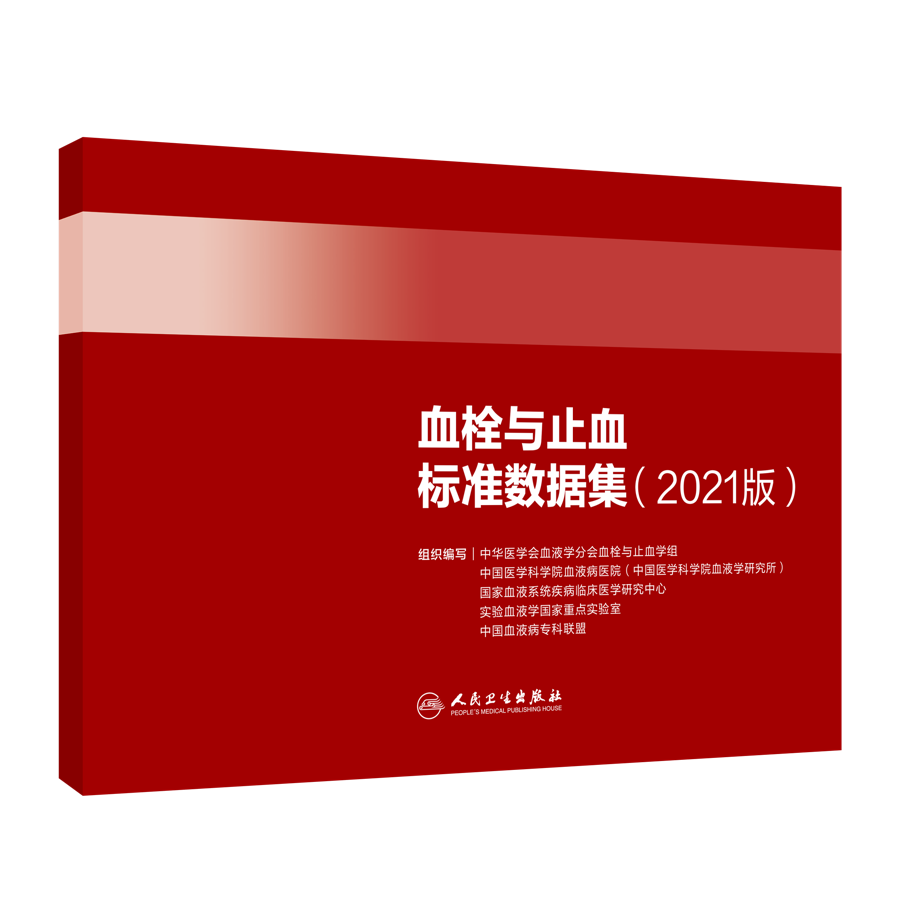
The establishment of a standardized dataset for thrombosis and hemostasis holds significant importance for achieving efficient sharing of medical resources, as well as facilitating cross-regional and cross-system healthcare delivery. It will lay a fast track for the translation of research findings, further enhance China’s capacity for clinical research in hematologic disorders, and promote the digitalization and intelligent development of healthcare.